The Gene Book Summary
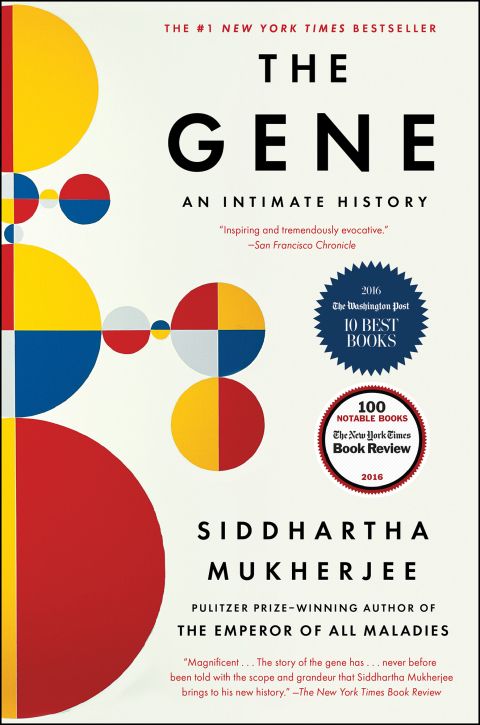
In "The Gene: An Intimate History," Siddhartha Mukherjee weaves together a compelling narrative that explores the profound impact of genetics on our identities and destinies. This journey spans from ancient discoveries to modern science, unraveling the stories of legendary geneticists and their groundbreaking findings. Mukherjee delves into the ethical dilemmas and societal implications of genetic manipulation, leaving readers questioning what it truly means to be human. With rich anecdotes and scientific insights, the book invites you to reflect on your own genetic legacy. Can our genes dictate our future, or do we hold the power to shape our own narratives?
By Siddhartha Mukherjee
Published: 2016
"The gene is a word that has acquired many meanings."

Start Listening to Book Summary
Book Review of The Gene
The #1 NEW YORK TIMES Bestseller The basis for the PBS Ken Burns Documentary The Gene: An Intimate History Now includes an excerpt from Siddhartha Mukherjee’s new book Song of the Cell! From the Pulitzer Prize–winning author of The Emperor of All Maladies—a fascinating history of the gene and “a magisterial account of how human minds have laboriously, ingeniously picked apart what makes us tick” (Elle). “Sid Mukherjee has the uncanny ability to bring together science, history, and the future in a way that is understandable and riveting, guiding us through both time and the mystery of life itself.” —Ken Burns “Dr. Siddhartha Mukherjee dazzled readers with his Pulitzer Prize-winning The Emperor of All Maladies in 2010. That achievement was evidently just a warm-up for his virtuoso performance in The Gene: An Intimate History, in which he braids science, history, and memoir into an epic with all the range and biblical thunder of Paradise Lost” (The New York Times). In this biography Mukherjee brings to life the quest to understand human heredity and its surprising influence on our lives, personalities, identities, fates, and choices. “Mukherjee expresses abstract intellectual ideas through emotional stories…[and] swaddles his medical rigor with rhapsodic tenderness, surprising vulnerability, and occasional flashes of pure poetry” (The Washington Post). Throughout, the story of Mukherjee’s own family—with its tragic and bewildering history of mental illness—reminds us of the questions that hang over our ability to translate the science of genetics from the laboratory to the real world. In riveting and dramatic prose, he describes the centuries of research and experimentation—from Aristotle and Pythagoras to Mendel and Darwin, from Boveri and Morgan to Crick, Watson and Franklin, all the way through the revolutionary twenty-first century innovators who mapped the human genome. “A fascinating and often sobering history of how humans came to understand the roles of genes in making us who we are—and what our manipulation of those genes might mean for our future” (Milwaukee Journal-Sentinel), The Gene is the revelatory and magisterial history of a scientific idea coming to life, the most crucial science of our time, intimately explained by a master. “The Gene is a book we all should read” (USA TODAY).
Book Overview of The Gene
About the Book Author
Siddhartha Mukherjee
Siddhartha Mukherjee is an acclaimed physician, researcher, and author best known for his works that explore the intersection of medicine and the human experience. His Pulitzer Prize-winning book, "The Emperor of All Maladies: A Biography of Cancer," presents a comprehensive history of cancer, weaving together science and personal narratives. Mukherjee's subsequent works, including "The Gene: An Intimate History," delve into the complexities of genetics and its implications for humanity. He serves as an oncologist and assistant professor of medicine at Columbia University, where he continues to engage in groundbreaking research. With a talent for making complex scientific concepts accessible, Mukherjee has established himself as a prominent voice in the field of medical literature.
Book Details
Key information about the book.
- Authors
- Siddhartha Mukherjee
- Published
- May 2016
- Publisher
- Simon and Schuster
- ISBN
- 1476733538
- Language
- English
- Pages
- 624
- Genres
- Genetic EngineeringScience and Technology BiographiesHealth and WellnessScience and Nature
Purchase Options
 Buy on Amazon
 Buy via BookShop
Support local bookstores: BookShop gives a portion of each sale to independent bookshops!
Similar books you might like →
The Art of Simple Living Book Summary
In "The Art of Simple Living," Shunmyo Masuno invites readers on a transformative journey toward tranquility and mindfulness. Through the lens of Zen principles, he reveals how decluttering both our spaces and minds can lead to profound happiness. Each chapter offers practical tips and reflections, guiding us to cherish simplicity in everyday life. As we navigate the chaos of modern living, this guide challenges us to slow down and appreciate the beauty of the present moment. Curious about how simplicity can redefine your existence? This book may just hold the key.
Homo Deus Book Summary
In "Homo Deus: A Brief History of Tomorrow," Yuval Noah Harari explores the future possibilities for humanity as we evolve beyond our current limitations. Delving into themes of artificial intelligence, genetic engineering, and the quest for immortality, he provokes thought about what may come after Homo sapiens. As society increasingly turns to technology for solutions, he questions the implications of our pursuit of happiness and god-like powers. Will we augment our bodies and minds, or lose our humanity in the process? This provocative journey invites readers to ponder the exhilarating—and terrifying—potential of our own evolution.
Raising Boys by Design Book Summary
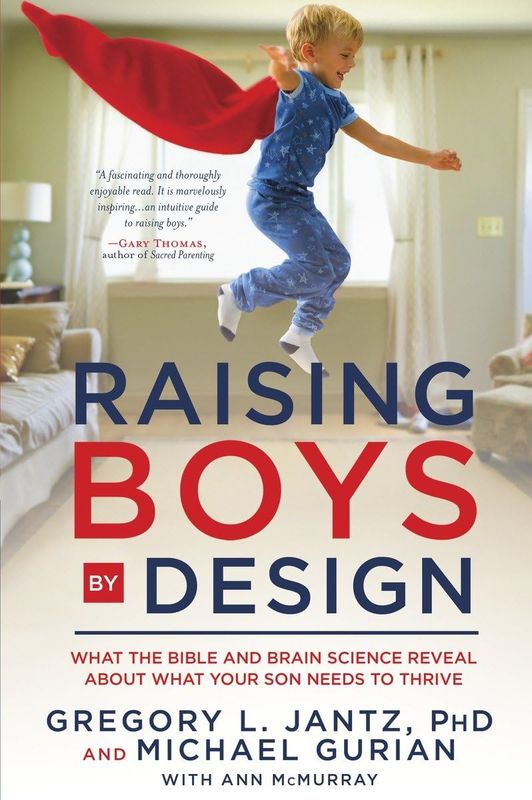
Raising Boys by Design delves into the transformative power of combining science and faith in shaping the lives of boys. Authors Greg and Michael Bailey explore how biological and spiritual insights can guide parents in fostering resilience, purpose, and emotional intelligence in their sons. This engaging guide provides practical strategies for navigating the complexities of boyhood in today’s world. As readers journey through unique case studies and actionable advice, they’ll uncover the keys to nurturing not just strong boys, but compassionate men. Are you ready to unlock the potential within your son and redefine what it means to raise boys today?
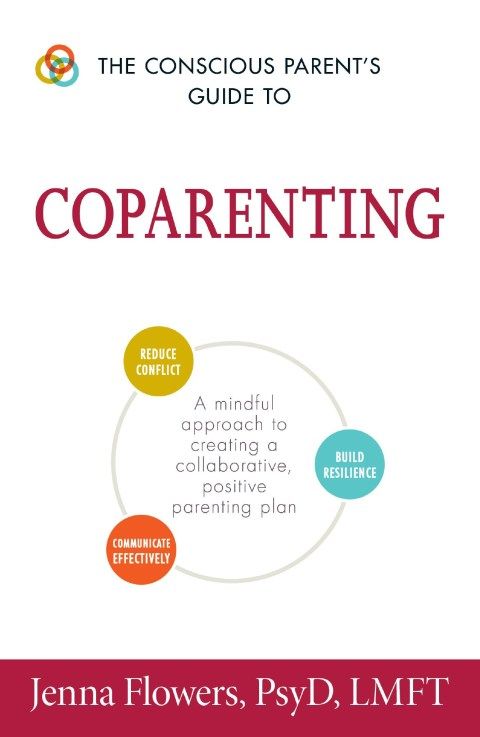
The Conscious Parent's Guide to Coparenting Book Summary
In "The Conscious Parent's Guide to Co-Parenting," authors Jennifer and Jason D. McCoy unveil transformative strategies for parents navigating the complexities of sharing parenting responsibilities. This insightful guide emphasizes the importance of mindful communication and emotional intelligence, fostering a nurturing environment for children amidst separation. Readers will discover practical tools designed to minimize conflict and promote collaboration, ensuring a healthy co-parenting dynamic. With relatable anecdotes and expert advice, the McCoys challenge traditional notions of parenting, inviting parents to embrace growth and self-awareness. Dive into this enlightening read and unlock a harmonious path to raising emotionally resilient children together!
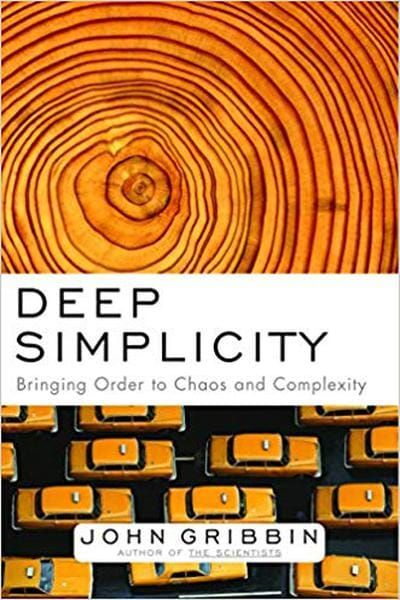
Deep Simplicity Book Summary
In 'Deep Simplicity', John Gribbin explores the profound connections between complexity and simplicity in the universe. Through captivating examples from physics and biology, he unveils how intricate systems can arise from simple rules. Gribbin challenges readers to rethink their understanding of chaos, order, and the patterns that govern existence. With an engaging narrative, he weaves together science and philosophy, inviting us to ponder the deeper meanings behind our complex world. Prepare to be intrigued by the seemingly paradoxical nature of life—where simplicity leads to complexity, and complexity reveals stunning simplicity.
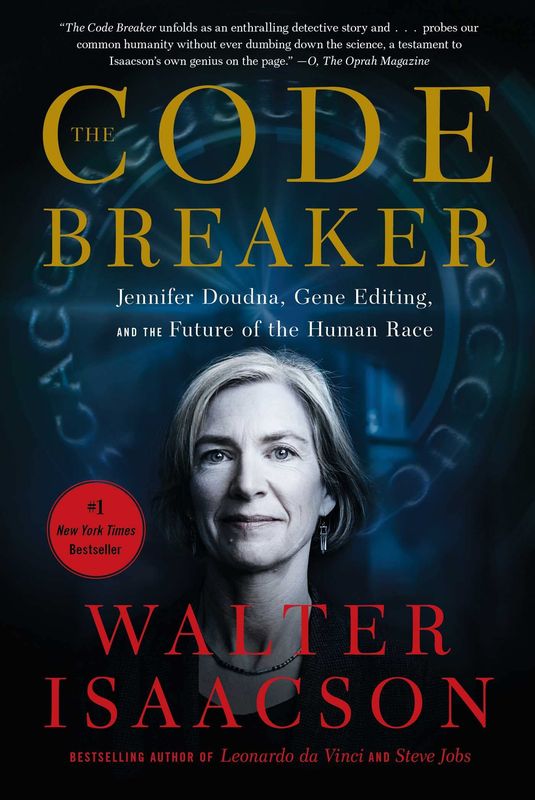
The Code Breaker Book Summary
In 'The Code Breaker', Walter Isaacson delves into the captivating world of CRISPR gene-editing technology, following the brilliant mind of Jennifer Doudna. This gripping narrative explores the ethical dilemmas and scientific breakthroughs that come with harnessing the power to edit life itself. As researchers grapple with the implications of their discoveries, readers are invited into a fast-paced journey that intertwines science, ambition, and morality. With vivid stories of personal triumphs and challenges, Isaacson raises profound questions about the future of humanity. Will unlocking the secrets of our DNA lead to a utopia or unforeseen consequences?
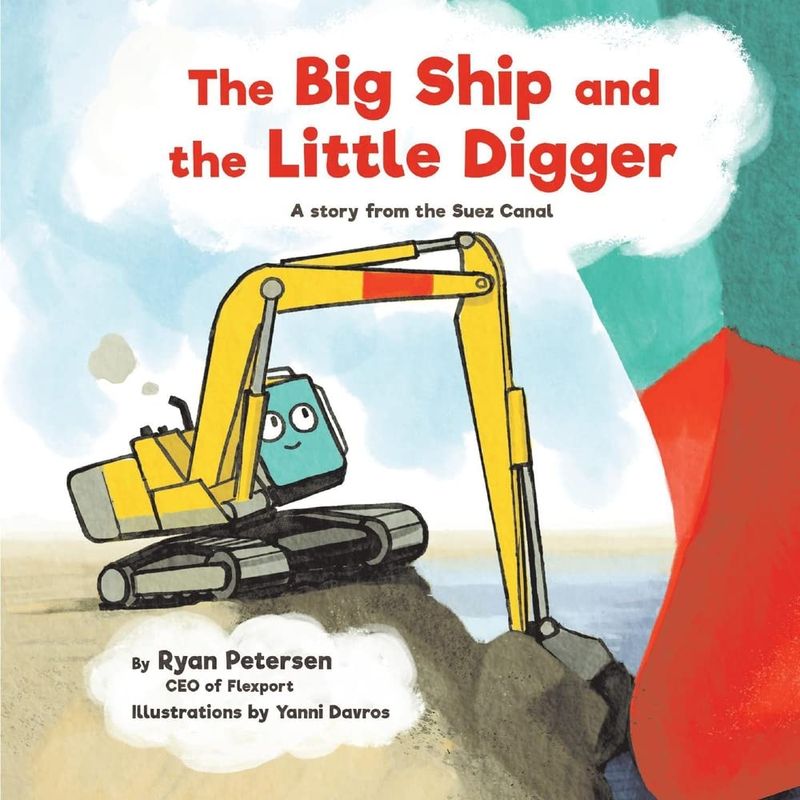
The Big Ship and the Little Digger Book Summary
In 'The Big Ship and the Little Digger,' Ryan Petersen takes readers on an adventurous journey where an enormous ship meets a tiny digger on a bustling construction site. The unlikely duo discovers the importance of teamwork as they combine their unique strengths to overcome challenges. As they navigate obstacles together, their friendship blossoms, proving that size doesn’t determine capability. Vibrant illustrations bring the story to life, making it a visual treat for young readers. This tale inspires curiosity about friendship and collaboration, encouraging children to see the value in their differences.
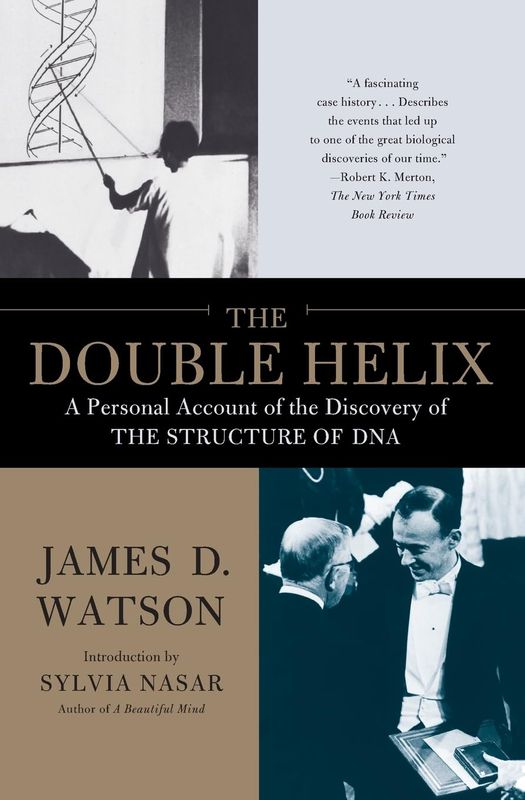
The Double Helix Book Summary
In 'The Double Helix', James D. Watson takes readers on a thrilling journey through the groundbreaking discovery of DNA’s structure. With vivid storytelling, he reveals the fierce competition and collaboration involved among prominent scientists like Francis Crick and Rosalind Franklin. Watson's candid reflections on the ethical dilemmas and interpersonal dramas of the scientific community create a riveting narrative. This firsthand account not only illuminates a pivotal moment in genetics but also explores the human element behind scientific achievement. Dive into a tale where ambition, curiosity, and the quest for knowledge intertwine with the very essence of life itself.
Showing 8 of 28 similar books
Take your reading experience to the next level
Download our mobile app to enjoy your favorite books on the go. Get access to exclusive features, offline listening, and personalized recommendations.

Similar Book Recommendations →

Jan Losert's Book Recommendations
Jan Losert is a visionary author and digital design expert, renowned for his contributions to the intersection of technology and creativity. His most significant work includes co-authoring "Design Systems Handbook," which has become a seminal guide for creating cohesive and efficient design frameworks. Losert's expertise extends to his role as a speaker and educator, where he passionately shares his insights on user experience and interface design. In addition to his literary achievements, he co-founded several successful startups, leveraging his deep understanding of design to drive innovation. His work continues to influence and inspire both emerging and established designers worldwide.
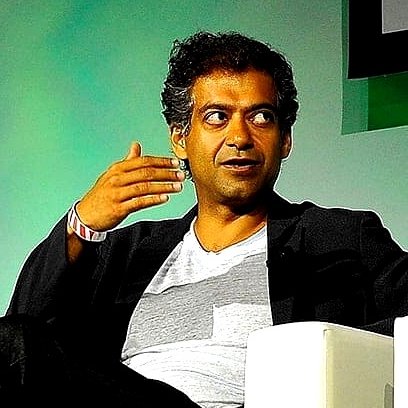
Naval Ravikant's Book Recommendations
Naval Ravikant is an entrepreneur, angel investor, and philosopher, best known as the co-founder of AngelList, a platform that connects startups with investors. Ravikant is a prolific thinker and writer on topics such as startups, investing, and personal well-being, sharing his wisdom through essays, podcasts, and social media. He has invested in over 100 companies, including Uber, Twitter, and Yammer, making him one of Silicon Valley’s most successful angel investors. Ravikant is also known for his philosophical musings on wealth, happiness, and the meaning of life, which have garnered him a large and dedicated following.
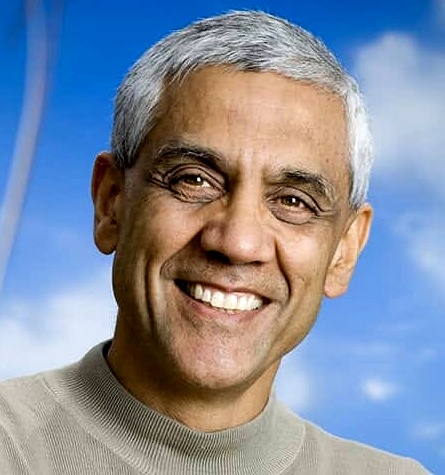
Vinod Khosla's Book Recommendations
Vinod Khosla is an Indian-American venture capitalist and co-founder of Sun Microsystems, one of the companies that helped drive the development of the internet. Khosla is the founder of Khosla Ventures, a venture capital firm that focuses on early-stage investments in technology and energy. He is known for his bold approach to investing, often backing companies working on breakthrough technologies in areas like renewable energy, healthcare, and artificial intelligence. Khosla is a vocal advocate for using technology to solve some of the world’s biggest problems. His visionary approach to investing has made him one of the most influential figures in Silicon Valley.

Jon Stewart's Book Recommendations
Jon Stewart is an American comedian, writer, and former host of The Daily Show, where he gained fame for his satirical take on news and politics. Stewart transformed The Daily Show into a critical voice in American media, blending humor with hard-hitting commentary on political and social issues. After stepping down from the show, Stewart has continued to advocate for causes like 9/11 first responders and veterans' rights. He is also a filmmaker, directing the political satire film Irresistible. Stewart remains a significant figure in American culture, known for his wit, activism, and influence on political discourse.

Reid Hoffman's Book Recommendations
Reid Hoffman is an influential American entrepreneur, venture capitalist, and author, best known as the co-founder of LinkedIn, the professional networking platform that transformed online professional interactions. Hoffman has significantly impacted the business world through his investments in notable tech companies like Airbnb, Facebook, and Zynga. As an author, he has co-written several acclaimed books, including "The Start-Up of You" and "Blitzscaling," which provide strategic insights into career development and business growth. His works are celebrated for their practical advice and have become essential reading for aspiring entrepreneurs and business leaders. Hoffman's contributions extend beyond his literary efforts, as he remains a prominent figure in Silicon Valley, shaping the future of technology and innovation.

Peter Attia's Book Recommendations
Dr. Peter Attia is a renowned physician specializing in the applied science of longevity and optimal performance. He is the founder of Attia Medical, PC, a medical practice focusing on the applied science of longevity and healthspan. Attia is widely recognized for his deep dives into topics such as nutrition, exercise physiology, sleep physiology, and pharmacology. He is also the host of "The Peter Attia Drive" podcast, where he explores strategies for extending the human lifespan and enhancing well-being. His contributions to literature include insightful articles and his forthcoming book, "Outlive: The Science and Art of Longevity," which promises to distill his extensive research and clinical experience into actionable advice.

Sarah Jessica Parker's Book Recommendations
Sarah Jessica Parker is an award-winning actress, producer, and entrepreneur, best known for her role as Carrie Bradshaw in the iconic TV series Sex and the City. Her portrayal earned her widespread acclaim and established her as a fashion icon. In addition to acting, she has her own shoe line, SJP Collection, and has produced and starred in HBO’s Divorce. Sarah Jessica is also active in philanthropy, supporting various causes, including arts and education. Her influence spans both entertainment and fashion industries.
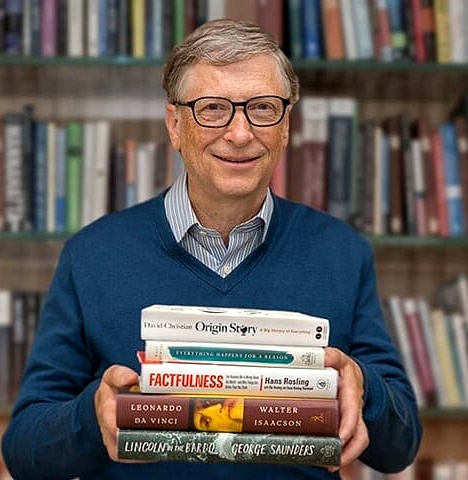
Bill Gates's Book Recommendations
Bill Gates, co-founder of Microsoft Corporation, is a pioneering figure in the tech industry, having played a key role in the personal computer revolution. His work at Microsoft, particularly the development of Windows, transformed software and computing globally. Beyond his technology contributions, Gates is also a prolific author, with notable works such as "The Road Ahead" and "Business @ the Speed of Thought," which offer insights into the future of technology and business. Additionally, his philanthropic efforts through the Bill & Melinda Gates Foundation have had a profound impact on global health, education, and poverty. Gates continues to influence both technology and literature with his forward-thinking perspectives and innovative ideas.
Showing 8 of 11 related collections
“The gene is a word that has acquired many meanings.”
The Gene
By Siddhartha Mukherjee
Frequently Asked Questions
Explore Our Catalogue
Discover a world of knowledge through our extensive collection of book summaries.
Genres
Genres
Genres
Featured Collections
- Top Book Club Picks
- One-Stop Nutrition
- Summer Reads 2024
- Best Beach Reads 2024
- Work-Life Balance Guide
- Time Management
- Healthy Foods
- Entrepreneur Toolkit
- Mind & Body Wellness
- Future Tech Insights
- Leadership Essentials
- Financial Freedom
- Sci-Fi Masterpieces
- Parenting 101
- Books That Became Blockbusters
- Guide to a Healthy Pregnancy