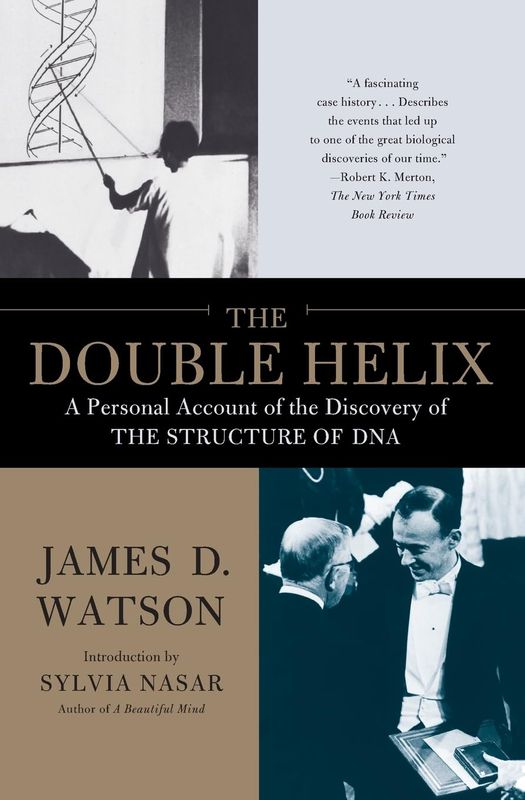
The Double Helix Book Summary
In 'The Double Helix', James D. Watson takes readers on a thrilling journey through the groundbreaking discovery of DNA’s structure. With vivid storytelling, he reveals the fierce competition and collaboration involved among prominent scientists like Francis Crick and Rosalind Franklin. Watson's candid reflections on the ethical dilemmas and interpersonal dramas of the scientific community create a riveting narrative. This firsthand account not only illuminates a pivotal moment in genetics but also explores the human element behind scientific achievement. Dive into a tale where ambition, curiosity, and the quest for knowledge intertwine with the very essence of life itself.
By James D. Watson
Published: 2001
"The structure of DNA, in its elegant simplicity, unlocks the mysteries of life itself, revealing that the answer to our origins is woven into the very fabric of our existence."

Start Listening to Book Summary
Book Review of The Double Helix
The classic personal account of Watson and Crick’s groundbreaking discovery of the structure of DNA, now with an introduction by Sylvia Nasar, author of A Beautiful Mind. By identifying the structure of DNA, the molecule of life, Francis Crick and James Watson revolutionized biochemistry and won themselves a Nobel Prize. At the time, Watson was only twenty-four, a young scientist hungry to make his mark. His uncompromisingly honest account of the heady days of their thrilling sprint against other world-class researchers to solve one of science’s greatest mysteries gives a dazzlingly clear picture of a world of brilliant scientists with great gifts, very human ambitions, and bitter rivalries. With humility unspoiled by false modesty, Watson relates his and Crick’s desperate efforts to beat Linus Pauling to the Holy Grail of life sciences, the identification of the basic building block of life. Never has a scientist been so truthful in capturing in words the flavor of his work.
Book Overview of The Double Helix
About the Book Author
James D. Watson
James D. Watson is an American molecular biologist, geneticist, and zoologist best known for co-discovering the double helix structure of DNA alongside Francis Crick in 1953. He is the author of several influential works, including 'The Double Helix,' which provides a personal account of the discovery of DNA's structure and offers insights into the scientific process. His writing is characterized by a combination of scientific rigor and personal narrative, making complex scientific concepts accessible to a broader audience. Watson has also authored 'Geneticist,' where he reflects on the implications of genetic research. Throughout his career, Watson has been a prominent voice in genetics and has contributed significantly to the understanding of biological sciences.
Book Details
Key information about the book.
- Authors
- James D. Watson
- Published
- June 2001
- Publisher
- Touchstone
- ISBN
- 074321630X
- Language
- English
- Pages
- 260
- Genres
- BiographyScience and Technology BiographiesScience and NatureScientific Discoveries
Purchase Options
 Buy on Amazon
 Buy via BookShop
Support local bookstores: BookShop gives a portion of each sale to independent bookshops!
Similar books you might like →
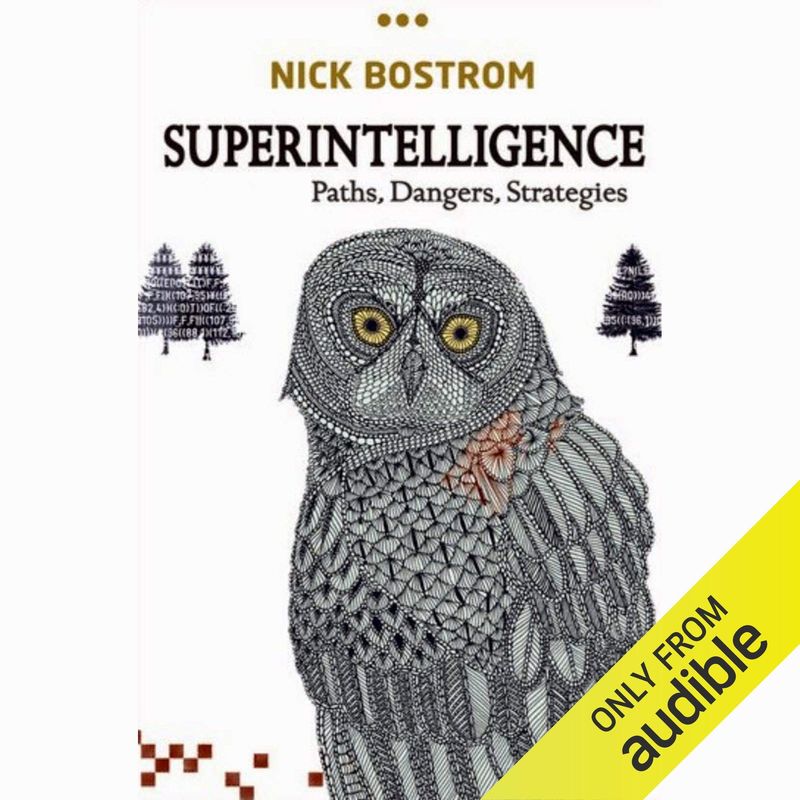
Superintelligence Book Summary
In 'Superintelligence', Nick Bostrom explores the future of artificial intelligence and its potential to surpass human intelligence. He delves into the profound implications this could have for humanity's survival and progress. With a blend of philosophical inquiry and rigorous analysis, Bostrom warns of the unforeseen risks associated with creating superintelligent machines. His thought-provoking arguments challenge readers to consider the ethical responsibilities that come with technological advancement. Will we be the masters of our own creations or their unwitting victims?
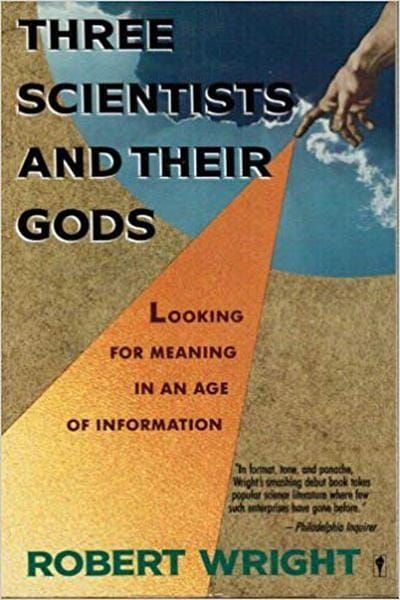
Three Scientists and Their Gods Book Summary
In 'Three Scientists and Their Gods', Robert Wright explores the profound connections between science, religion, and the human experience. He delves into the lives and thoughts of three pivotal figures—Albert Einstein, Charles Darwin, and Isaac Newton—revealing how their groundbreaking ideas reshaped our understanding of the universe. Through a captivating narrative, Wright challenges the dichotomy between faith and reason, urging readers to consider the spiritual implications of scientific discoveries. With philosophical depth and historical insight, the book raises tantalizing questions about the nature of existence and the divine. Are our beliefs about God shaped by our scientific understanding, or is there something more? Discover how these monumental thinkers grappled with the mysteries of life.
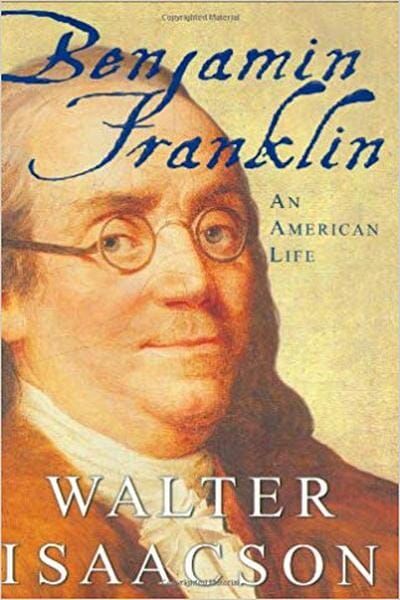
Benjamin Franklin Book Summary
In 'Benjamin Franklin,' Walter Isaacson paints a vivid portrait of one of America's founding fathers, exploring not just his political contributions but also his personal life and philosophies. This engaging narrative delves into Franklin's insatiable curiosity and his multifaceted roles as an inventor, diplomat, and writer. Isaacson uncovers the man behind the legend, revealing Franklin's struggles with his identity and his relentless pursuit of knowledge. Readers will be captivated by Franklin's wit and wisdom, as well as his complex relationships with figures like George Washington and Thomas Jefferson. This biography invites you to discover how Franklin's innovative ideas and candid reflections continue to shape modern America.
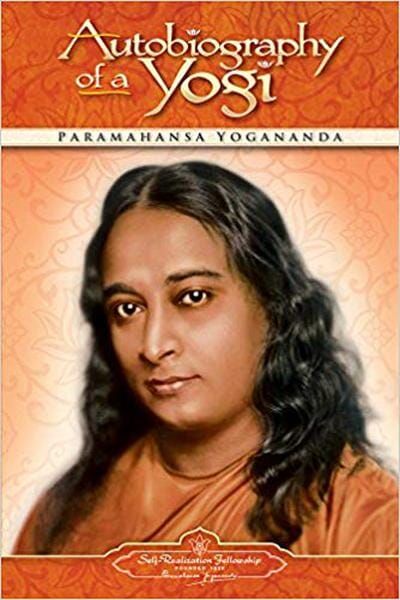
Autobiography of a Yogi Book Summary
No summary available
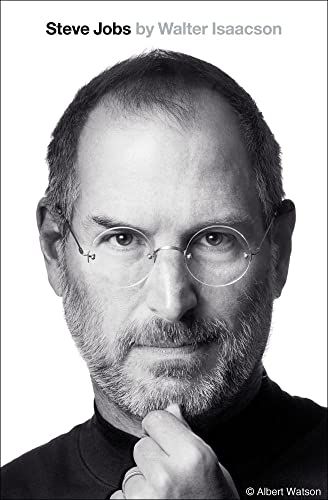
Steve Jobs Book Summary
In 'Steve Jobs', Walter Isaacson unveils the enigmatic life of the Apple co-founder, revealing the genius behind his relentless pursuit of perfection. This biography captures the brilliance and contradictions of a man who transformed entire industries with his innovative vision. Dive into the milestones of Jobs' career, from his revolutionary products to his tumultuous relationships. With candid insights from Jobs himself and those who knew him best, this book exposes the complex psyche of a modern icon. Discover how one man's dream reshaped technology, design, and the way we communicate forever.
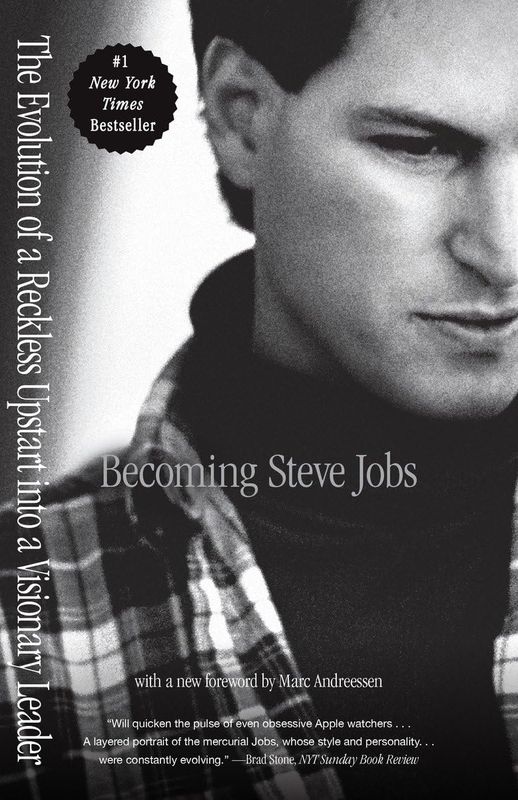
Becoming Steve Jobs Book Summary
'Becoming Steve Jobs' offers an intimate portrait of the tech titan, revealing the transformation of a young, brash innovator into a wise and respected leader. Through candid storytelling and personal anecdotes, the authors unravel the complexities of Jobs’ personality and his relentless pursuit of excellence. Readers will discover the pivotal moments that shaped his vision for Apple and the lessons learned from both failures and successes. This biography is not just about achievements; it's a deep dive into the humanity behind the icon. What drove Steve Jobs to change the world, and what legacy did he leave that continues to inspire?
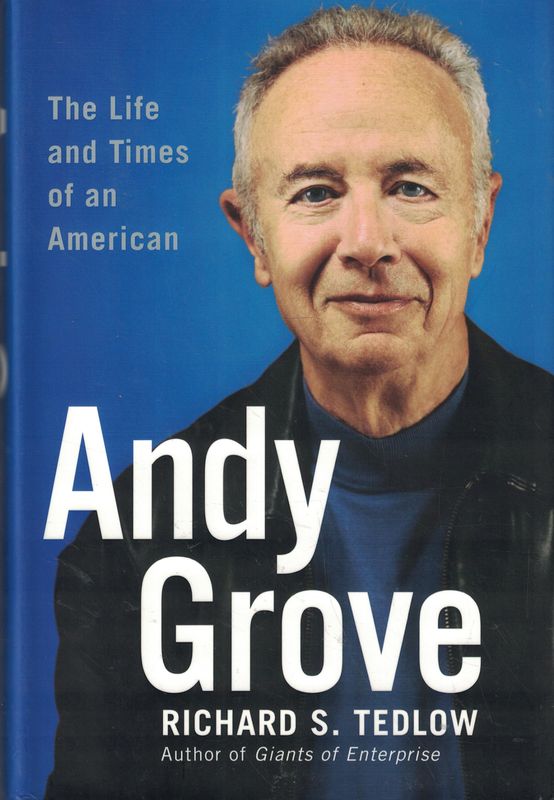
Andy Grove Book Summary
Explore the extraordinary life of Andy Grove, the visionary leader who transformed the semiconductor industry and propelled Intel to greatness. Richard S. Tedlow delves into Grove's immigrant background and relentless pursuit of excellence, offering insights into his innovative management style. Discover how his resilience and strategic thinking shaped the tech landscape, making him a pivotal figure in modern business history. This captivating biography reveals the personal and professional challenges that Grove overcame on his journey to becoming a Silicon Valley icon. Will his lessons in leadership and foresight inspire the next generation of innovators?
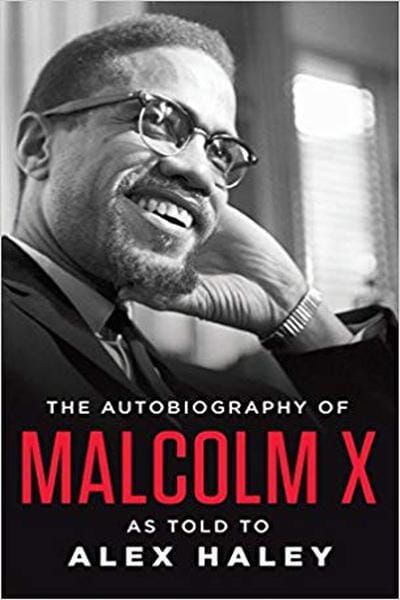
The Autobiography of Malcolm X Book Summary
No summary available
Showing 8 of 29 similar books
Take your reading experience to the next level
Download our mobile app to enjoy your favorite books on the go. Get access to exclusive features, offline listening, and personalized recommendations.

Similar Book Recommendations →

Chris Dixon's Book Recommendations
Chris Dixon is a notable venture capitalist and technology entrepreneur, best known for his influential role as a general partner at Andreessen Horowitz, where he leads investments in cryptocurrency and blockchain technology. Before joining the firm, Dixon co-founded two startups: SiteAdvisor, a web security company acquired by McAfee, and Hunch, a recommendation engine acquired by eBay. In addition to his investment career, Dixon is a prolific writer and thought leader on technology and innovation, contributing insightful essays and articles to various platforms such as his personal blog and Medium. His writings often explore the future of technology, the internet, and the impact of blockchain, making significant contributions to contemporary tech literature. Dixon's work has earned him recognition as a visionary in both the tech and literary worlds.

Matt Ridley's Book Recommendations
Matt Ridley is a British journalist, author, and businessman, best known for his books on science, economics, and human progress, including The Rational Optimist and The Evolution of Everything. Ridley’s work focuses on the power of innovation, free markets, and human ingenuity to drive progress and improve living standards. He is a member of the House of Lords and has written extensively on topics such as genetics, evolution, and the environment. Ridley’s optimistic view of human progress and his ability to explain complex scientific ideas have made him a popular author and public intellectual.
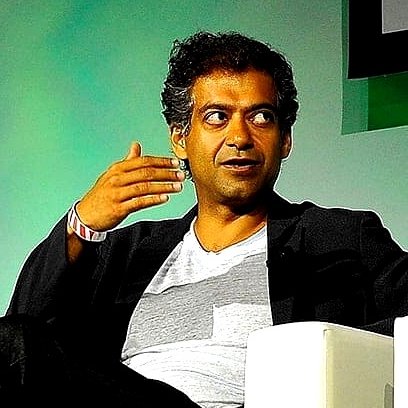
Naval Ravikant's Book Recommendations
Naval Ravikant is an entrepreneur, angel investor, and philosopher, best known as the co-founder of AngelList, a platform that connects startups with investors. Ravikant is a prolific thinker and writer on topics such as startups, investing, and personal well-being, sharing his wisdom through essays, podcasts, and social media. He has invested in over 100 companies, including Uber, Twitter, and Yammer, making him one of Silicon Valley’s most successful angel investors. Ravikant is also known for his philosophical musings on wealth, happiness, and the meaning of life, which have garnered him a large and dedicated following.

Charlie Munger's Book Recommendations
Charlie Munger is an American investor, businessman, and philanthropist, best known as the vice chairman of Berkshire Hathaway, where he partners with Warren Buffett. Renowned for his insights on investment strategies and mental models, Munger has significantly influenced the world of finance. His notable literary contributions include "Poor Charlie's Almanack," a compilation of his speeches and writings that distill his wisdom on decision-making and business principles. Munger's work emphasizes the importance of multidisciplinary thinking and continuous learning. Beyond his financial acumen, he is celebrated for his charitable efforts, particularly in education and healthcare.

Nassim Nicholas Taleb's Book Recommendations
Nassim Nicholas Taleb is a Lebanese-American author, scholar, and risk analyst, best known for his work on uncertainty, probability, and risk. His books, including The Black Swan and Antifragile, explore how rare and unpredictable events shape the world and how individuals and systems can become more resilient to shocks. Taleb’s insights on risk management have influenced fields ranging from finance to medicine, and he is known for his outspoken criticism of conventional wisdom. His ideas about randomness, decision-making, and the limitations of human knowledge have made him a leading thinker in modern economics and philosophy.
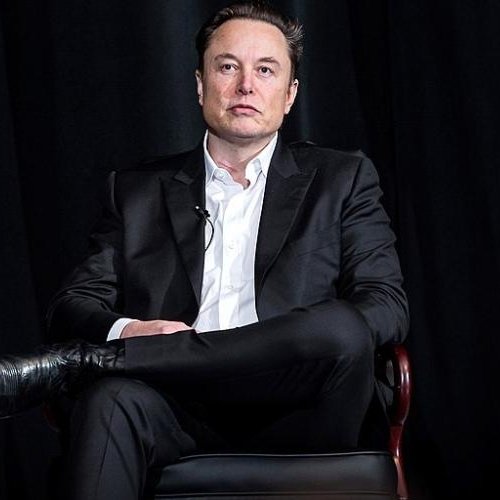
Elon Musk's Book Recommendations
Elon Musk is an influential entrepreneur and innovator known for founding and leading several groundbreaking companies, including Tesla, SpaceX, Neuralink, and The Boring Company. He has played a pivotal role in advancing electric vehicles, space exploration, and renewable energy. Musk's vision extends to colonizing Mars and reducing the risk of human extinction through space travel. In addition to his technological contributions, he has co-authored the book "Spacex: Making Commercial Spaceflight a Reality," providing insights into his ambitious projects and vision for the future. Musk's relentless pursuit of innovation continues to shape the trajectory of multiple industries.

Eric Weinstein's Book Recommendations
Eric Weinstein is an accomplished American mathematician, economist, and writer, known for his influential work in the fields of geometric unity and economic theory. As the Managing Director of Thiel Capital, he has significantly impacted the financial and technological sectors. Weinstein is also renowned for his thought-provoking discussions on the podcast "The Portal," where he explores complex scientific and social issues. He has written extensively on a variety of topics, contributing to both academic and popular literature. His unique perspectives and interdisciplinary approach have earned him recognition as a leading intellectual voice of his generation.
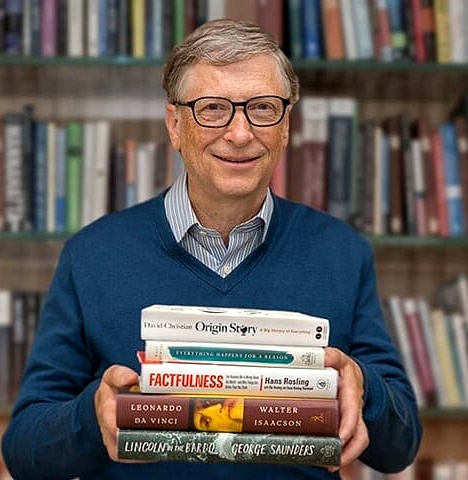
Bill Gates's Book Recommendations
Bill Gates, co-founder of Microsoft Corporation, is a pioneering figure in the tech industry, having played a key role in the personal computer revolution. His work at Microsoft, particularly the development of Windows, transformed software and computing globally. Beyond his technology contributions, Gates is also a prolific author, with notable works such as "The Road Ahead" and "Business @ the Speed of Thought," which offer insights into the future of technology and business. Additionally, his philanthropic efforts through the Bill & Melinda Gates Foundation have had a profound impact on global health, education, and poverty. Gates continues to influence both technology and literature with his forward-thinking perspectives and innovative ideas.
Showing 8 of 11 related collections
“The structure of DNA, in its elegant simplicity, unlocks the mysteries of life itself, revealing that the answer to our origins is woven into the very fabric of our existence.”
The Double Helix
By James D. Watson
Frequently Asked Questions
Explore Our Catalogue
Discover a world of knowledge through our extensive collection of book summaries.
Genres
Genres
Genres
Featured Collections
- Top Book Club Picks
- One-Stop Nutrition
- Summer Reads 2024
- Best Beach Reads 2024
- Work-Life Balance Guide
- Time Management
- Healthy Foods
- Entrepreneur Toolkit
- Mind & Body Wellness
- Future Tech Insights
- Leadership Essentials
- Financial Freedom
- Sci-Fi Masterpieces
- Parenting 101
- Books That Became Blockbusters
- Guide to a Healthy Pregnancy