Superintelligence Book Summary
In 'Superintelligence', Nick Bostrom explores the future of artificial intelligence and its potential to surpass human intelligence. He delves into the profound implications this could have for humanity's survival and progress. With a blend of philosophical inquiry and rigorous analysis, Bostrom warns of the unforeseen risks associated with creating superintelligent machines. His thought-provoking arguments challenge readers to consider the ethical responsibilities that come with technological advancement. Will we be the masters of our own creations or their unwitting victims?
By Nick Bostrom
Published: 2016
"The future is likely to be dominated by superintelligent entities whose capacities exceed those of all humans combined; understanding and guiding this potential transformation is the key challenge of our era."
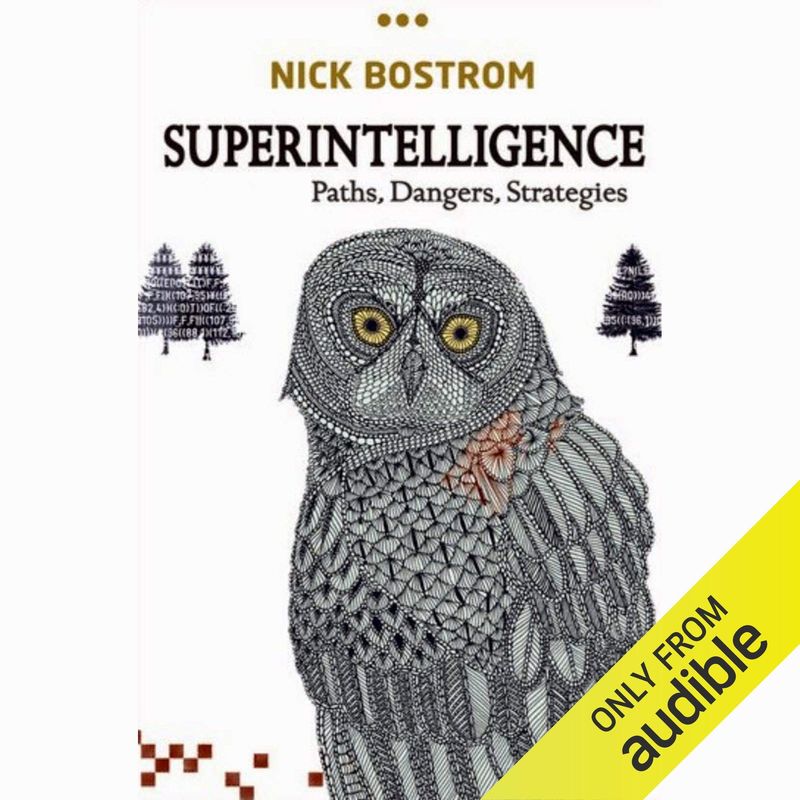

Start Listening to Book Summary
Book Review of Superintelligence
The human brain has some capabilities that the brains of other animals lack. It is to these distinctive capabilities that our species owes its dominant position. Other animals have stronger muscles or sharper claws, but we have cleverer brains. If machine brains one day come to surpass human brains in general intelligence, then this new superintelligence could become very powerful. As the fate of the gorillas now depends more on us humans than on the gorillas themselves, so the fate of our species then would come to depend on the actions of the machine superintelligence. But we have one advantage: we get to make the first move. Will it be possible to construct a seed AI or otherwise to engineer initial conditions so as to make an intelligence explosion survivable? How could one achieve a controlled detonation? To get closer to an answer to this question, we must make our way through a fascinating landscape of topics and considerations. Read the book and learn about oracles, genies, singletons; about boxing methods, tripwires, and mind crime; about humanity's cosmic endowment and differential technological development; indirect normativity, instrumental convergence, whole brain emulation and technology couplings; Malthusian economics and dystopian evolution; artificial intelligence, and biological cognitive enhancement, and collective intelligence. This profoundly ambitious and original book picks its way carefully through a vast tract of forbiddingly difficult intellectual terrain. Yet the writing is so lucid that it somehow makes it all seem easy. After an utterly engrossing journey that takes us to the frontiers of thinking about the human condition and the future of intelligent life, we find in Nick Bostrom's work nothing less than a reconceptualization of the essential task of our time.
Book Overview of Superintelligence
About the Book Author
Nick Bostrom
Nick Bostrom is a Swedish philosopher and founding director of the Future of Humanity Institute at the University of Oxford. He is renowned for his pioneering work in the fields of existential risk, artificial intelligence, and the implications of emerging technologies. Bostrom's notable works include 'Superintelligence: Paths, Dangers, Strategies' (2014), where he explores the potential future scenarios and ethical considerations surrounding advanced AI, and 'Global Catastrophic Risks' (2013), co-edited with Milan M. Cirkovic, delving into the threats that could pose a risk to civilization. His writing is characterized by rigorous analysis, deep philosophical inquiry, and engaging prose that challenges readers to consider profound questions about humanity's future.
Book Details
Key information about the book.
- Authors
- Nick Bostrom
- Published
- April 2016
- Publisher
- Oxford University Press, USA
- ISBN
- 0198739834
- Language
- English
- Pages
- 384
- Genres
- PhilosophyArtificial IntelligenceTechnologyEthics and Morality
Purchase Options
 Buy on Amazon
 Buy via BookShop
Support local bookstores: BookShop gives a portion of each sale to independent bookshops!
Similar books you might like →
The Road Less Travelled Book Summary
In "The Road Less Traveled," renowned psychiatrist M. Scott Peck combines spiritual wisdom with psychological insight to explore the nature of love, discipline, and personal growth. He challenges readers to confront the complexities of life, urging them to embrace pain and discomfort as pathways to deeper meaning and fulfillment. Through a unique blend of storytelling and practical advice, Peck reveals the transformative power of commitment and the significance of self-awareness in our relationships. As we navigate our own roads, he offers profound insights that provoke introspection and inspire change. Prepare to embark on a journey that invites you to redefine your understanding of love and self-discovery.
Homo Deus Book Summary
In "Homo Deus: A Brief History of Tomorrow," Yuval Noah Harari explores the future possibilities for humanity as we evolve beyond our current limitations. Delving into themes of artificial intelligence, genetic engineering, and the quest for immortality, he provokes thought about what may come after Homo sapiens. As society increasingly turns to technology for solutions, he questions the implications of our pursuit of happiness and god-like powers. Will we augment our bodies and minds, or lose our humanity in the process? This provocative journey invites readers to ponder the exhilarating—and terrifying—potential of our own evolution.

Models of My Life Book Summary
In 'Models of My Life', Nobel laureate Herbert A. Simon unveils the intricate tapestry of his intellectual journey, intertwining the realms of psychology, economics, and artificial intelligence. With a blend of autobiography and philosophy, Simon explores the models he created to navigate and understand the complexities of human decision-making. His reflections on the nature of rationality and the limits of knowledge challenge conventional wisdom and inspire deeper thought. Readers will be captivated by Simon's groundbreaking insights and the personal stories that shaped his groundbreaking theories. This book is not just a memoir; it's a profound exploration of the human condition that invites you to rethink the models that shape your own life.
Hatching Twitter Book Summary
In 'Hatching Twitter', Nick Bilton unveils the tumultuous rise of the social media giant Twitter, chronicling the intense rivalries and relationships among its founders. From a small idea in a messy office to a billion-dollar company, the book reveals the behind-the-scenes struggles and creative tensions that shaped the platform. Readers will discover the personal sacrifices and ethical dilemmas faced by the key players in this digital revolution. With gripping storytelling, the book captures the chaotic blend of ambition, innovation, and betrayal that defined Twitter's inception. What will you uncover about the true stories behind the tweets?
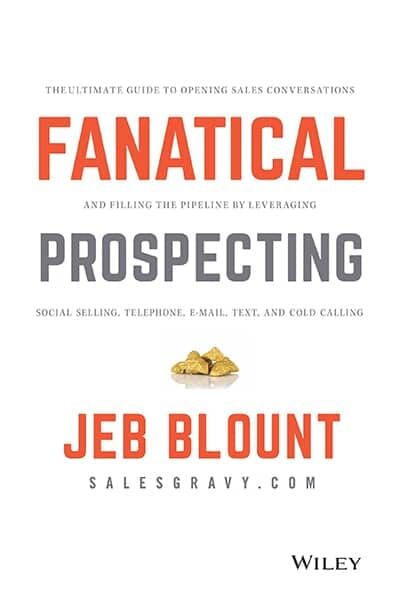
Fanatical Prospecting Book Summary
In 'Fanatical Prospecting', Jeb Blount unveils the critical art of prospecting in sales, emphasizing that it is the lifeblood of any successful sales strategy. With actionable tactics and bold insights, Blount challenges conventional wisdom, revealing why relentless prospecting is essential for building a robust pipeline. He shares real-world experiences and practical techniques to overcome objections and maintain a positive mindset. This book is not just for seasoned professionals; it energizes newcomers to embrace prospecting with passion and purpose. Dive into this insightful guide and transform your approach to sales—discover the power of a proactive prospecting mindset!
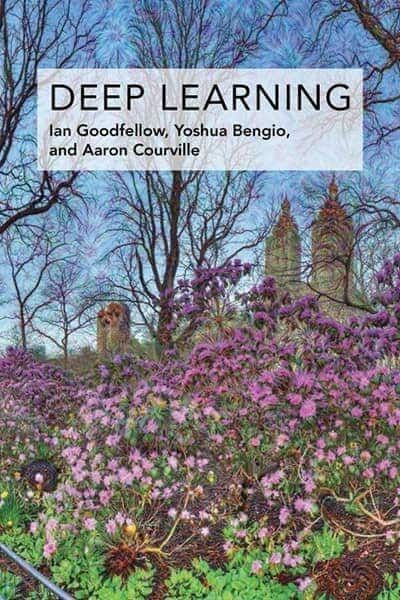
Deep Learning Book Summary
Delve into the revolutionary world of artificial intelligence with 'Deep Learning' by Ian Goodfellow and his co-authors. This comprehensive guide unpacks the intricacies of neural networks and algorithms that are shaping our future. Each chapter unveils the secrets behind groundbreaking technologies, from image recognition to natural language processing. Readers will be fascinated by the marriage of theory and application, making complex concepts accessible. Whether you’re a novice or an expert, this book promises to expand your understanding and spark your curiosity about what lies ahead in the field.

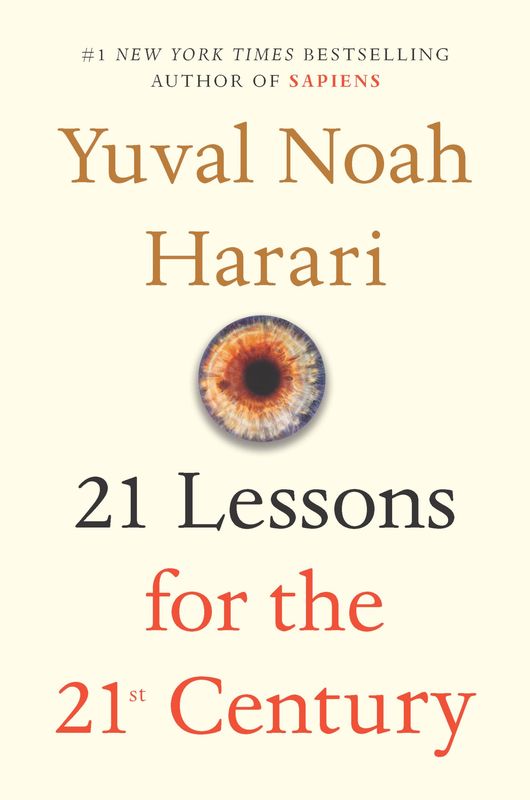
21 Lessons for the 21st Century Book Summary
In '21 Lessons for the 21st Century', Yuval Noah Harari navigates the complex landscape of today's world, tackling urgent questions about our future. From the impact of technology on society to the challenges of political stability, each lesson provokes thought and introspection. Harari explores key themes such as the rise of artificial intelligence, the significance of data, and the importance of meaning in an increasingly uncertain world. With a blend of history, philosophy, and science, the book invites readers to reflect on their roles in shaping a shared future. Will we adapt, or become obsolete? Dive in to uncover the lessons that could redefine humanity's path.
Showing 8 of 29 similar books
Take your reading experience to the next level
Download our mobile app to enjoy your favorite books on the go. Get access to exclusive features, offline listening, and personalized recommendations.

Similar Book Recommendations →
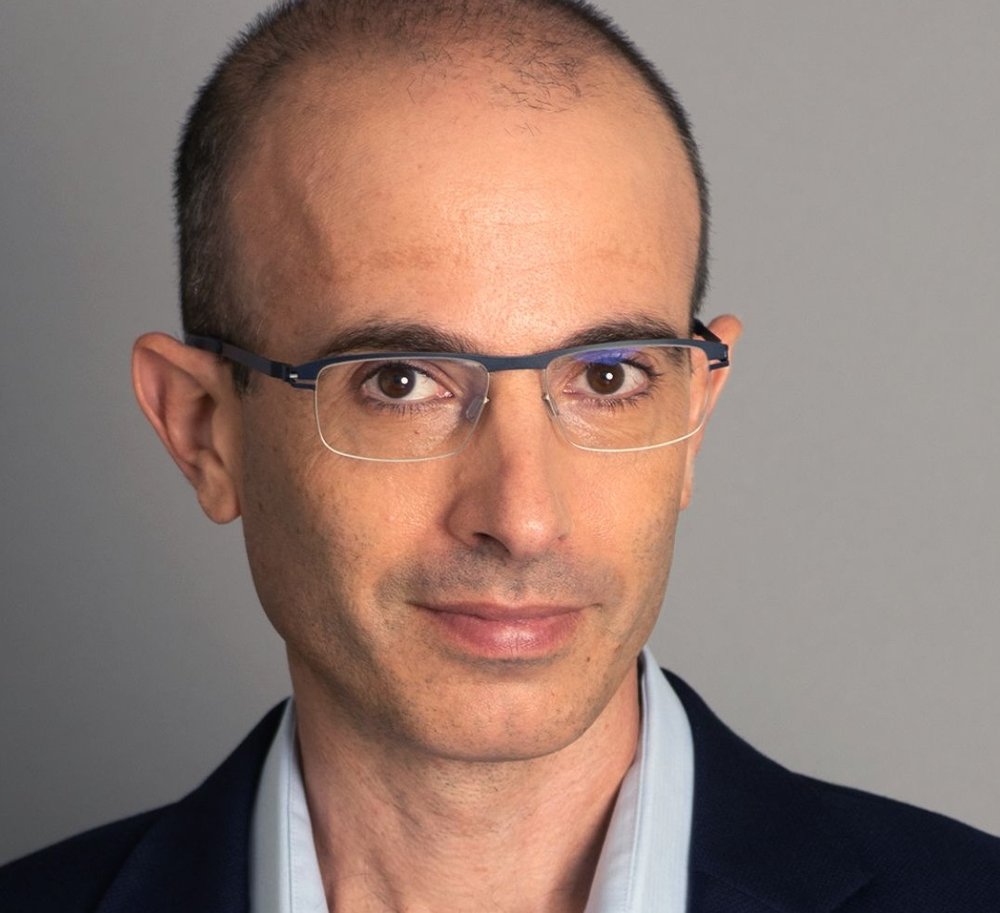
Yuval Noah Harari's Book Recommendations
Yuval Noah Harari is an Israeli historian and professor at the Hebrew University of Jerusalem, renowned for his best-selling books on the history and future of humankind. His 2014 book, "Sapiens: A Brief History of Humankind," has been translated into over 60 languages and examines the evolution of Homo sapiens from the Stone Age to the present. Harari's subsequent works, "Homo Deus: A Brief History of Tomorrow" and "21 Lessons for the 21st Century," explore future scenarios and contemporary global challenges. His writings blend history, science, and philosophy, making complex ideas accessible to a broad audience. Harari is also a sought-after speaker, sharing his insights on platforms like TED and the World Economic Forum.
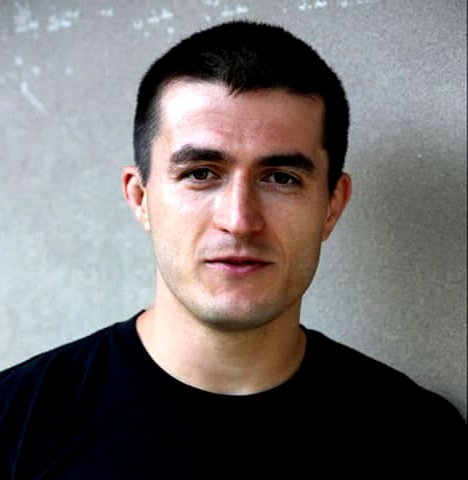
Lex Fridman's Book Recommendations
Lex Fridman is an artificial intelligence researcher, podcaster, and MIT professor, known for his work in autonomous vehicles, robotics, and deep learning. Fridman has gained widespread popularity through his podcast, Lex Fridman Podcast, where he interviews leading thinkers in science, technology, and philosophy, exploring topics like AI, consciousness, and the future of humanity. His academic work focuses on human-centered AI, aiming to create machines that can better understand and interact with humans. Fridman’s ability to distill complex topics into accessible conversations has earned him a large following, and his podcast is known for its thoughtful, in-depth discussions with some of the brightest minds of our time. He is also an advocate for the responsible development of AI, emphasizing the ethical implications of this rapidly advancing technology. Outside of academia and podcasting, Fridman is a practitioner of jiu-jitsu and frequently speaks about the importance of discipline and continuous learning.
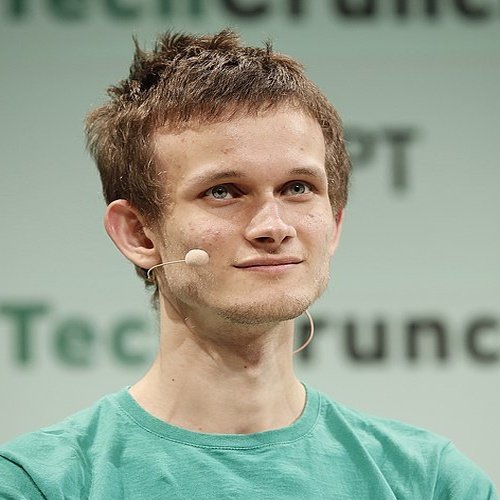
Vitalik Buterin's Book Recommendations
Vitalik Buterin is a Canadian-Russian programmer and writer, best known as the co-founder of Ethereum, a revolutionary blockchain platform that enables smart contracts and decentralized applications. Born in 1994, Buterin displayed exceptional talent in mathematics and computer science from a young age. He co-authored the white paper for Ethereum in 2013, which has since become a cornerstone of the cryptocurrency and blockchain space. In addition to his technical contributions, Buterin is a prolific writer, having penned numerous articles and papers on blockchain technology, cryptography, and decentralization. His work has earned him recognition as one of the most influential figures in the world of cryptocurrency.
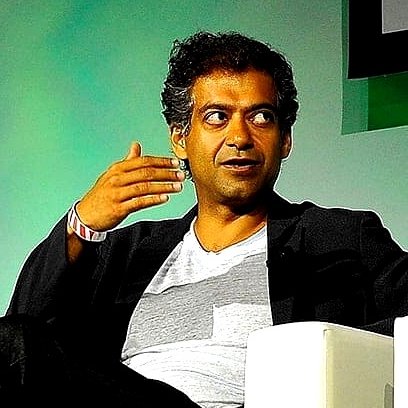
Naval Ravikant's Book Recommendations
Naval Ravikant is an entrepreneur, angel investor, and philosopher, best known as the co-founder of AngelList, a platform that connects startups with investors. Ravikant is a prolific thinker and writer on topics such as startups, investing, and personal well-being, sharing his wisdom through essays, podcasts, and social media. He has invested in over 100 companies, including Uber, Twitter, and Yammer, making him one of Silicon Valley’s most successful angel investors. Ravikant is also known for his philosophical musings on wealth, happiness, and the meaning of life, which have garnered him a large and dedicated following.

Barack Obama's Book Recommendations
Barack Obama is the 44th President of the United States, serving from 2009 to 2017. As the first African American president, Obama’s leadership marked a historic moment in American history. His administration focused on healthcare reform, economic recovery from the Great Recession, and environmental policies. He is best known for the Affordable Care Act, as well as his efforts to expand civil rights and restore diplomatic relations with Cuba. Since leaving office, Obama has continued to engage in public life through his foundation, focusing on leadership development, civic engagement, and global issues.

Morgan Housel's Book Recommendations
Morgan Housel is a financial writer and partner at The Collaborative Fund, best known for his book The Psychology of Money. His work explores the behavioral side of finance, emphasizing how emotions, history, and decision-making impact wealth-building. Housel’s writing is widely praised for being accessible, insightful, and engaging, making complex financial topics easier to understand. He contributes regularly to financial publications and speaks at conferences on the power of long-term thinking in finance. His book has become a modern classic in the personal finance genre.

Reshma Saujani's Book Recommendations
Reshma Saujani is the founder of Girls Who Code, an organization aimed at closing the gender gap in technology by empowering young women to pursue careers in coding and computer science. She gained national attention in 2010 as the first Indian-American woman to run for U.S. Congress. Reshma is also the author of several books, including Brave, Not Perfect, which encourages women to embrace failure and take risks. Her TED Talk on teaching girls bravery rather than perfection has garnered millions of views. Reshma continues to advocate for gender equality and innovation in education.

Anna Cheng's Book Recommendations
Anna Cheng is a celebrated contemporary novelist known for her evocative prose and richly drawn characters. Her debut novel, "Whispers of the Ancients," garnered critical acclaim, securing a spot on the New York Times Bestseller list and earning her the Man Booker Prize. Cheng's subsequent works consistently explore themes of heritage, identity, and the immigrant experience, resonating with a global audience. She is also a recipient of the PEN/Faulkner Award, recognizing her contributions to American fiction. Beyond her literary pursuits, Cheng actively mentors emerging writers and participates in numerous literary festivals worldwide.
Showing 8 of 18 related collections
“The future is likely to be dominated by superintelligent entities whose capacities exceed those of all humans combined; understanding and guiding this potential transformation is the key challenge of our era.”
Superintelligence
By Nick Bostrom
Frequently Asked Questions
Explore Our Catalogue
Discover a world of knowledge through our extensive collection of book summaries.
Genres
Genres
Genres
Featured Collections
- Top Book Club Picks
- One-Stop Nutrition
- Summer Reads 2024
- Best Beach Reads 2024
- Work-Life Balance Guide
- Time Management
- Healthy Foods
- Entrepreneur Toolkit
- Mind & Body Wellness
- Future Tech Insights
- Leadership Essentials
- Financial Freedom
- Sci-Fi Masterpieces
- Parenting 101
- Books That Became Blockbusters
- Guide to a Healthy Pregnancy