Deep Learning Book Summary
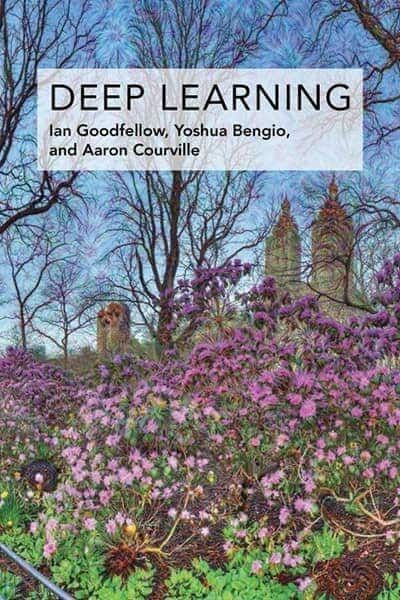
Delve into the revolutionary world of artificial intelligence with 'Deep Learning' by Ian Goodfellow and his co-authors. This comprehensive guide unpacks the intricacies of neural networks and algorithms that are shaping our future. Each chapter unveils the secrets behind groundbreaking technologies, from image recognition to natural language processing. Readers will be fascinated by the marriage of theory and application, making complex concepts accessible. Whether you’re a novice or an expert, this book promises to expand your understanding and spark your curiosity about what lies ahead in the field.
By Ian Goodfellow, Yoshua Bengio, Aaron Courville
Published: 2016
"'The future of machine learning lies not just in the algorithms we develop, but in our ability to nurture curiosity and cultivate a deeper understanding of the data that shapes our world.'"

Start Listening to Book Summary
Book Review of Deep Learning
An introduction to a broad range of topics in deep learning, covering mathematical and conceptual background, deep learning techniques used in industry, and research perspectives. “Written by three experts in the field, Deep Learning is the only comprehensive book on the subject.” —Elon Musk, cochair of OpenAI; cofounder and CEO of Tesla and SpaceX Deep learning is a form of machine learning that enables computers to learn from experience and understand the world in terms of a hierarchy of concepts. Because the computer gathers knowledge from experience, there is no need for a human computer operator to formally specify all the knowledge that the computer needs. The hierarchy of concepts allows the computer to learn complicated concepts by building them out of simpler ones; a graph of these hierarchies would be many layers deep. This book introduces a broad range of topics in deep learning. The text offers mathematical and conceptual background, covering relevant concepts in linear algebra, probability theory and information theory, numerical computation, and machine learning. It describes deep learning techniques used by practitioners in industry, including deep feedforward networks, regularization, optimization algorithms, convolutional networks, sequence modeling, and practical methodology; and it surveys such applications as natural language processing, speech recognition, computer vision, online recommendation systems, bioinformatics, and videogames. Finally, the book offers research perspectives, covering such theoretical topics as linear factor models, autoencoders, representation learning, structured probabilistic models, Monte Carlo methods, the partition function, approximate inference, and deep generative models. Deep Learning can be used by undergraduate or graduate students planning careers in either industry or research, and by software engineers who want to begin using deep learning in their products or platforms. A website offers supplementary material for both readers and instructors.
Book Overview of Deep Learning
About the Book Authors
Ian Goodfellow
Ian Goodfellow is a renowned researcher and author in the field of artificial intelligence, particularly known for his pioneering work on generative adversarial networks (GANs). He obtained his PhD from the University of Montreal under the supervision of Yoshua Bengio. Ian has contributed significantly to various aspects of machine learning, including deep learning and unsupervised learning. His notable works include the seminal book 'Deep Learning', co-authored with Yoshua Bengio and Aaron Courville, which is considered a definitive text in the field. Goodfellow's writing is characterized by its clarity and rigor, making complex concepts accessible to both academics and practitioners alike.
Yoshua Bengio
Yoshua Bengio is a prominent Canadian computer scientist and a pioneer in artificial intelligence and deep learning, whose influential work has significantly shaped the field. He is a professor at the Université de Montréal and a co-founder of Element AI. Bengio is known for his research on neural networks, representation learning, and generative models. Among his notable works is the book 'Deep Learning,' co-authored with Ian Goodfellow and Aaron Courville, which is widely regarded as a comprehensive resource in the field of machine learning. His writing style is characterized by its clarity and rigor, making complex concepts accessible to both researchers and practitioners.
Aaron Courville
Aaron Courville is a prominent machine learning researcher and author, well-known for his contributions to the field of deep learning and artificial intelligence. He is an associate professor at the University of Montreal and is affiliated with the Montreal Institute for Learning Algorithms (MILA). Courville is co-author of the acclaimed textbook "Deep Learning," which has become a foundational resource in the area of neural networks and AI research. His writing style is characterized by its clarity and depth, making complex topics accessible to a wide audience, from students to seasoned researchers.
Book Details
Key information about the book.
- Authors
- Ian Goodfellow, Yoshua Bengio, Aaron Courville
- Published
- November 2016
- Publisher
- MIT Press
- ISBN
- 0262035618
- Language
- English
- Pages
- 801
- Genres
- Software DevelopmentArtificial IntelligenceTechnology
Purchase Options
 Buy on Amazon
 Buy via BookShop
Support local bookstores: BookShop gives a portion of each sale to independent bookshops!
Similar books you might like →
Digital Minimalism Book Summary
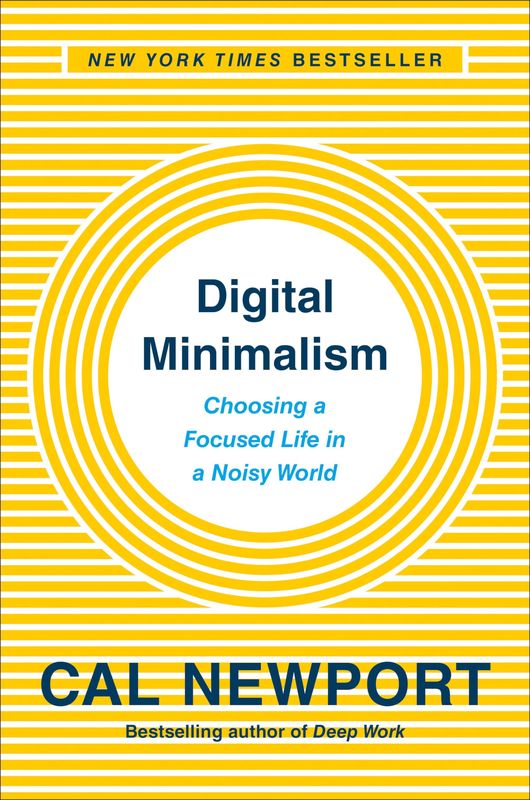
In 'Digital Minimalism', Cal Newport challenges our relationship with technology, advocating for a mindful approach to digital consumption. He presents a philosophy that emphasizes focusing on what truly matters in our lives by decluttering our digital spaces. Through compelling anecdotes and research, Newport unveils the hidden costs of excessive screen time, encouraging readers to reclaim their attention and leisure. This transformative book offers practical strategies for prioritizing meaningful interactions and passions over distractions. Are you ready to disconnect to reconnect with what truly enriches your life?
Homo Deus Book Summary
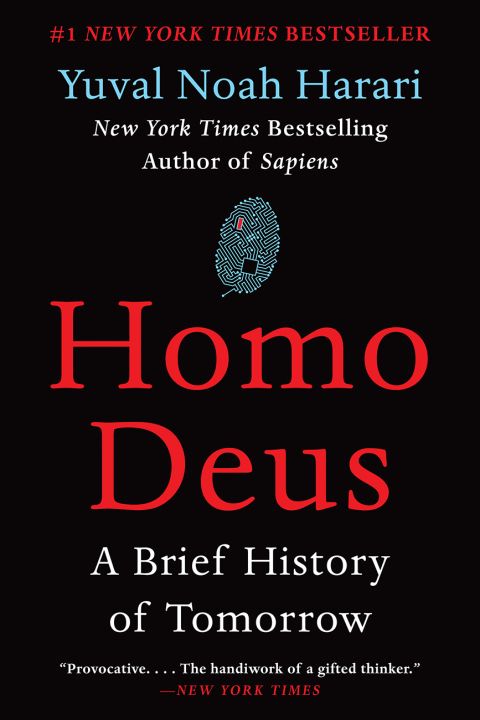
In "Homo Deus: A Brief History of Tomorrow," Yuval Noah Harari explores the future possibilities for humanity as we evolve beyond our current limitations. Delving into themes of artificial intelligence, genetic engineering, and the quest for immortality, he provokes thought about what may come after Homo sapiens. As society increasingly turns to technology for solutions, he questions the implications of our pursuit of happiness and god-like powers. Will we augment our bodies and minds, or lose our humanity in the process? This provocative journey invites readers to ponder the exhilarating—and terrifying—potential of our own evolution.
The Pragmatic Programmer Book Summary
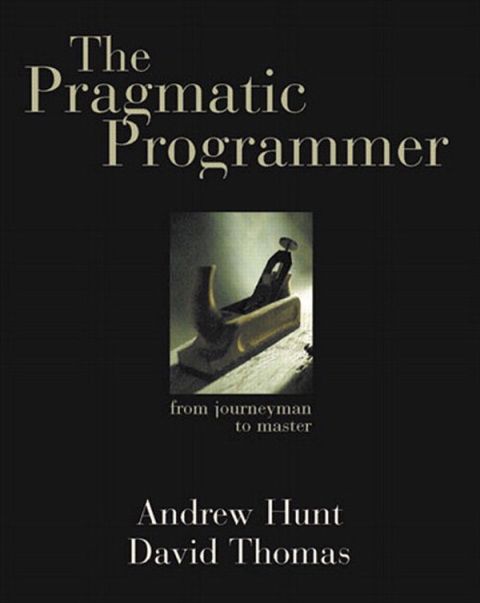
In "The Pragmatic Programmer," Andrew Hunt and David Thomas unveil the timeless principles and practices that empower developers to master their craft. Through captivating anecdotes and insightful tips, they challenge conventional programming wisdom, urging readers to embrace adaptability and continuous learning. The compelling emphasis on practical techniques, such as code craftsmanship and effective debugging, makes this a must-read for both seasoned pros and new coders. With its blend of philosophy and actionable advice, the book invites you to reflect on your own software development journey. Prepare to elevate your programming skills and become a more versatile developer—your future self will thank you!
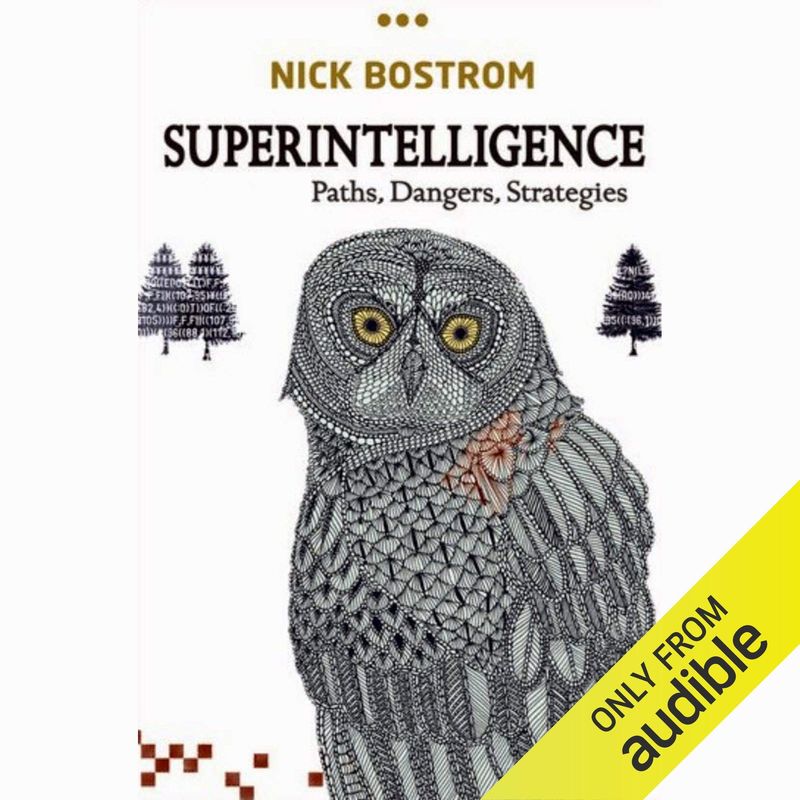
Superintelligence Book Summary
In 'Superintelligence', Nick Bostrom explores the future of artificial intelligence and its potential to surpass human intelligence. He delves into the profound implications this could have for humanity's survival and progress. With a blend of philosophical inquiry and rigorous analysis, Bostrom warns of the unforeseen risks associated with creating superintelligent machines. His thought-provoking arguments challenge readers to consider the ethical responsibilities that come with technological advancement. Will we be the masters of our own creations or their unwitting victims?
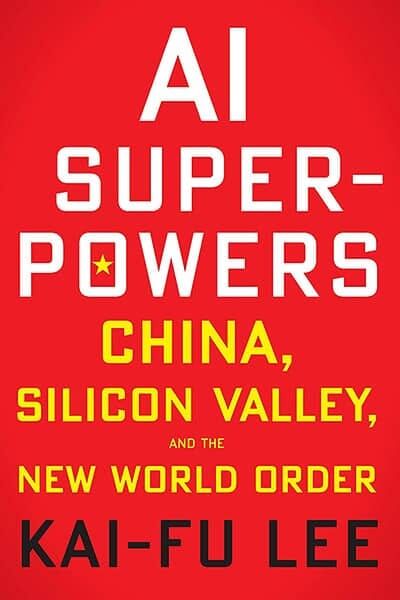
AI Superpowers Book Summary
In 'AI Superpowers', Kai-Fu Lee explores the breathtaking rise of artificial intelligence and its transformative impact on the global economy. He compares the leading AI developments in the United States and China, revealing a fierce competition that reshapes the future. Lee draws on his extensive experience in the tech industry to discuss the ethical implications and the potential for job displacement. As he presents a compelling vision of a world where AI can augment human capabilities, he challenges us to rethink our roles in an AI-driven era. With a blend of optimism and caution, this book is a must-read for anyone looking to understand the next technological revolution.
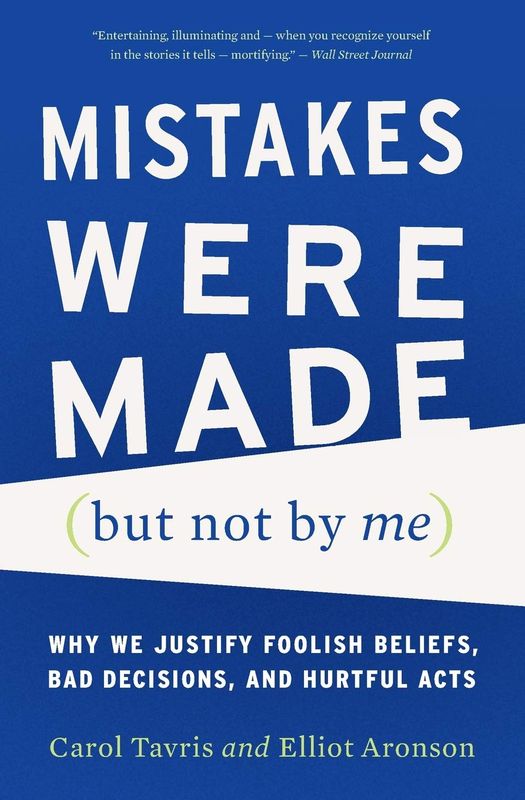
Mistakes Were Made (but Not by Me) Book Summary
In 'Mistakes Were Made (but Not by Me)', Carol Tavris and Elliot Aronson explore the psychological mechanisms of self-justification and the often-unconscious ways we avoid admitting our wrongs. With compelling examples from history, psychology, and personal anecdotes, the authors reveal why people, from individuals to large organizations, refuse to accept accountability. This thought-provoking book challenges readers to confront their own biases and the cognitive dissonance that influences decision-making. Will you choose to embrace the discomfort of acknowledging your mistakes? Dive into this enlightening read and discover the profound impact of accountability on personal growth and relationships.
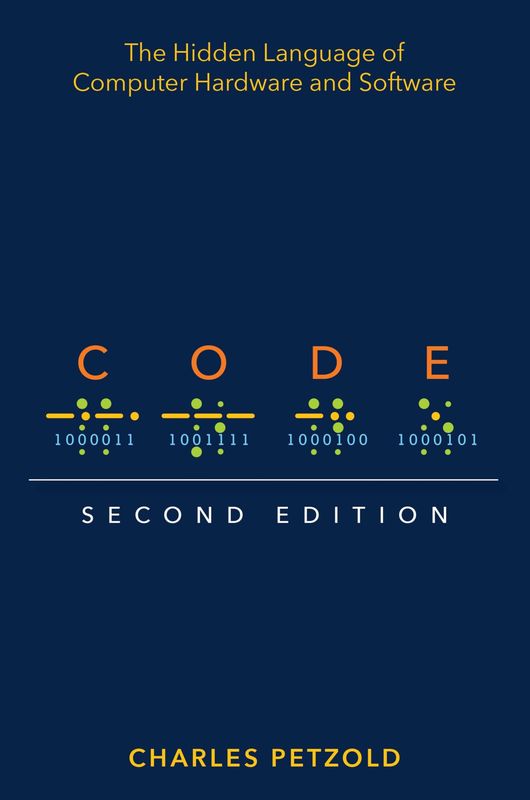
Code Book Summary
In 'Code', Charles Petzold takes readers on a captivating journey through the world of programming and computer science. He unravels the complex tapestry of how computers work, starting from simple concepts and building up to intricate systems. Through engaging anecdotes and metaphors, Petzold demystifies the inner workings of machines, making them accessible to everyone. This exploration not only reveals the beauty of code but also challenges us to think critically about the impact of technology in our lives. Prepare to see the digital world around you in a whole new light!
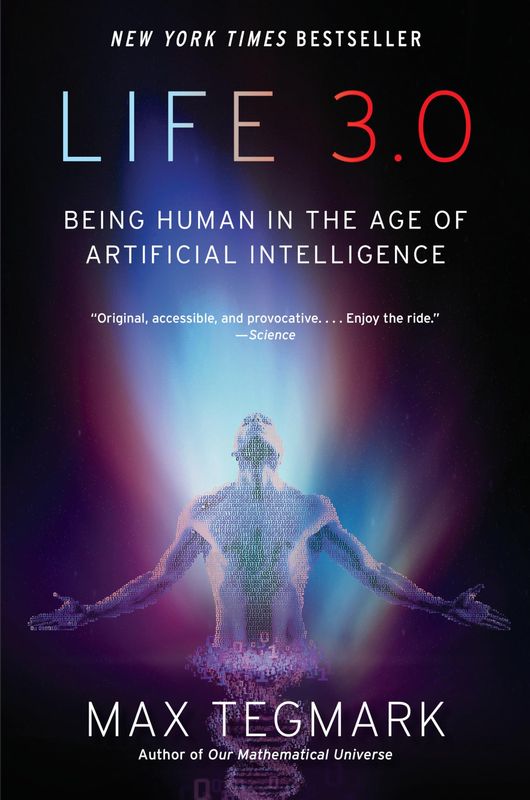
Life 3.0 Book Summary
In 'Life 3.0', Max Tegmark explores the future of artificial intelligence and its profound implications for life on Earth. He presents a thought-provoking vision where humanity must grapple with the rise of superintelligent machines and the potential paths we can take. Tegmark challenges readers to consider ethical dilemmas and the responsibilities that come with unprecedented technological power. As we stand at the brink of a new era, he asks: how can we ensure that AI serves humanity's best interests? This engaging exploration leaves you pondering the fate of our species and the universe.
Showing 8 of 29 similar books
Take your reading experience to the next level
Download our mobile app to enjoy your favorite books on the go. Get access to exclusive features, offline listening, and personalized recommendations.

Similar Book Recommendations →

Alex Lieberman's Book Recommendations
Alex Lieberman is the co-founder and executive chairman of Morning Brew, a media company that delivers engaging business news. Under his leadership, Morning Brew has grown to reach millions of subscribers, becoming a significant player in modern business journalism. Lieberman is also known for his insightful commentary on entrepreneurship and media trends. His work has significantly influenced the way business news is consumed by younger audiences. Beyond Morning Brew, Lieberman frequently writes and speaks about the intersection of media and technology, further cementing his role as a thought leader in the industry.
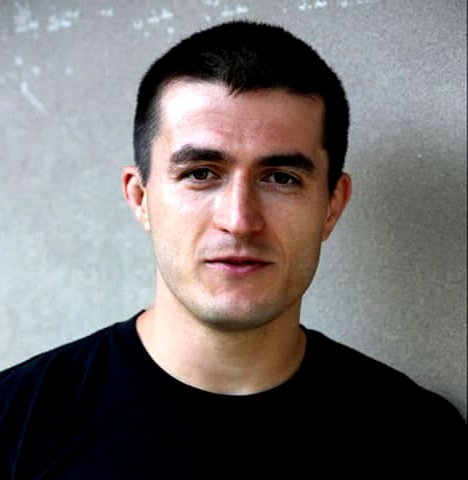
Lex Fridman's Book Recommendations
Lex Fridman is an artificial intelligence researcher, podcaster, and MIT professor, known for his work in autonomous vehicles, robotics, and deep learning. Fridman has gained widespread popularity through his podcast, Lex Fridman Podcast, where he interviews leading thinkers in science, technology, and philosophy, exploring topics like AI, consciousness, and the future of humanity. His academic work focuses on human-centered AI, aiming to create machines that can better understand and interact with humans. Fridman’s ability to distill complex topics into accessible conversations has earned him a large following, and his podcast is known for its thoughtful, in-depth discussions with some of the brightest minds of our time. He is also an advocate for the responsible development of AI, emphasizing the ethical implications of this rapidly advancing technology. Outside of academia and podcasting, Fridman is a practitioner of jiu-jitsu and frequently speaks about the importance of discipline and continuous learning.
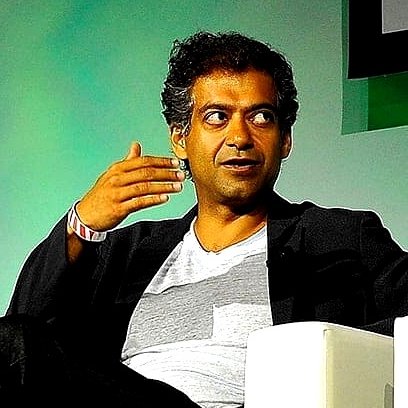
Naval Ravikant's Book Recommendations
Naval Ravikant is an entrepreneur, angel investor, and philosopher, best known as the co-founder of AngelList, a platform that connects startups with investors. Ravikant is a prolific thinker and writer on topics such as startups, investing, and personal well-being, sharing his wisdom through essays, podcasts, and social media. He has invested in over 100 companies, including Uber, Twitter, and Yammer, making him one of Silicon Valley’s most successful angel investors. Ravikant is also known for his philosophical musings on wealth, happiness, and the meaning of life, which have garnered him a large and dedicated following.

Bret Victor's Book Recommendations
Bret Victor is a renowned American interface designer and computer scientist celebrated for his innovative contributions to interactive design and human-computer interaction. He is best known for creating dynamic, explorable explanations, which have significantly influenced the way educational content is presented and understood. Victor's seminal work, "Inventing on Principle," advocates for the integration of immediate feedback in creative processes, inspiring a new wave of interactive programming environments. As a former member of the Apple Human Interface team, he played a pivotal role in shaping modern user interfaces. Through his organization, Dynamicland, Victor continues to explore and expand the boundaries of immersive, collaborative computing environments.
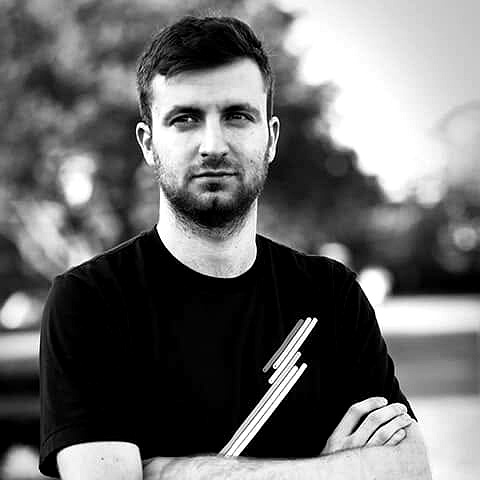
Alexey Moiseenkov's Book Recommendations
Alexey Moiseenkov is a Russian entrepreneur and tech innovator best known for creating Prisma, the groundbreaking mobile app that transforms photos into artworks using artificial intelligence. Though not primarily a literary figure, his work in AI and digital transformation has influenced contemporary discussions on the intersection of technology and art. Moiseenkov's contributions have been featured in various tech and innovation journals, highlighting his impact on modern digital culture. His work underscores the evolving narrative of creativity in the digital age, bridging the gap between artistic expression and technological advancement. Moiseenkov continues to inspire through his ongoing ventures in AI and entrepreneurship.

Patrick Collison's Book Recommendations
Patrick Collison is an Irish entrepreneur and co-founder of Stripe, a global technology company that enables businesses to accept online payments. Along with his brother John, Patrick has transformed Stripe into one of the most valuable private tech companies in the world. Stripe’s innovative approach to online payments has made it a key player in the financial technology space. Collison is known for his deep interest in science, technology, and policy, often engaging in conversations about innovation, progress, and how to improve societal outcomes. He is an advocate for scientific advancement and the intersection of technology and public policy.
Anu Hariharan's Book Recommendations
Anu Hariharan is a distinguished partner at Y Combinator's Continuity Fund, where she has been instrumental in scaling numerous startups into successful enterprises. With a strong background in economics and technology, she has become a respected voice in the venture capital community. Hariharan has also made significant contributions through her writing on startup growth and investment strategies, offering insightful analyses and practical advice to entrepreneurs. Her work is frequently featured in leading business publications, showcasing her expertise in the tech industry. Beyond her professional accomplishments, Hariharan is committed to fostering diversity and inclusion within the startup ecosystem.

Barack Obama's Book Recommendations
Barack Obama is the 44th President of the United States, serving from 2009 to 2017. As the first African American president, Obama’s leadership marked a historic moment in American history. His administration focused on healthcare reform, economic recovery from the Great Recession, and environmental policies. He is best known for the Affordable Care Act, as well as his efforts to expand civil rights and restore diplomatic relations with Cuba. Since leaving office, Obama has continued to engage in public life through his foundation, focusing on leadership development, civic engagement, and global issues.
Showing 8 of 19 related collections
“'The future of machine learning lies not just in the algorithms we develop, but in our ability to nurture curiosity and cultivate a deeper understanding of the data that shapes our world.'”
Deep Learning
By Ian Goodfellow, Yoshua Bengio, Aaron Courville
Frequently Asked Questions
Explore Our Catalogue
Discover a world of knowledge through our extensive collection of book summaries.
Genres
Genres
Genres
Featured Collections
- Top Book Club Picks
- One-Stop Nutrition
- Summer Reads 2024
- Best Beach Reads 2024
- Work-Life Balance Guide
- Time Management
- Healthy Foods
- Entrepreneur Toolkit
- Mind & Body Wellness
- Future Tech Insights
- Leadership Essentials
- Financial Freedom
- Sci-Fi Masterpieces
- Parenting 101
- Books That Became Blockbusters
- Guide to a Healthy Pregnancy