The City in History Book Summary
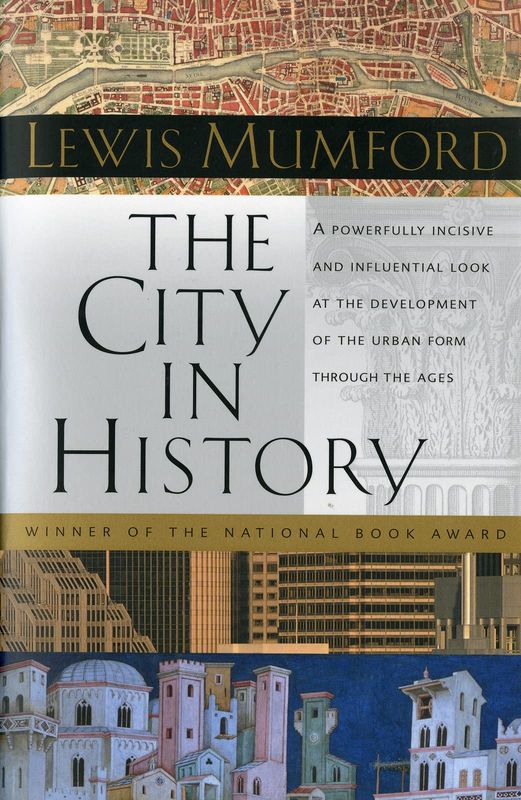
In 'The City in History,' Lewis Mumford explores the evolution of urban life from ancient times to the modern metropolis. He argues that cities are not just physical structures but reflections of human values and societal progress. Mumford delves into the interplay between architecture, technology, and culture, revealing how they shape the human experience. With incisive critiques and vivid historical examples, he presents a vision of the ideal city that promotes both individuality and community. This thought-provoking journey challenges readers to reconsider the role of cities in their own lives and the future of civilization.
By Lewis Mumford
Published: 1961
""The city is a product, a work of art, but one that is always unfinished, for it reflects not just the society that builds it, but the dreams and aspirations of the people who inhabit it.""

Start Listening to Book Summary
Book Review of The City in History
The city's development from ancient times to the modern age. Winner of the National Book Award. "One of the major works of scholarship of the twentieth century" (Christian Science Monitor). Index; illustrations.
Book Overview of The City in History
About the Book Author
Lewis Mumford
Lewis Mumford (1895-1990) was an influential American philosopher, historian, and sociologist, renowned for his profound insights into the interplay between technology, society, and culture. His notable works include 'The Technics and Civilization,' where he explored the relationship between technological development and social change, and 'The City in History,' which earned him a National Book Award for its comprehensive examination of urban development. Mumford's writing style is characterized by its eloquence, depth, and critical analysis, often merging lyrical prose with a rigorous academic approach. He championed the importance of human values in the face of industrialization, making significant contributions to environmentalism and urban planning.
Book Details
Key information about the book.
- Authors
- Lewis Mumford
- Published
- January 1961
- Publisher
- Houghton Mifflin Harcourt
- ISBN
- 0156180359
- Language
- English
- Pages
- 788
- Genres
- HistoryHistory of TechnologyCultural History
Purchase Options
 Buy on Amazon
 Buy via BookShop
Support local bookstores: BookShop gives a portion of each sale to independent bookshops!
Similar books you might like →
The Lessons of History Book Summary
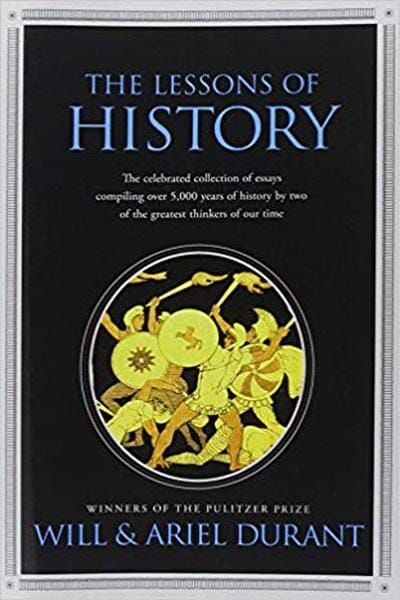
In "The Lessons of History," Will and Ariel Durant distill the sweeping narrative of human civilization into profound insights that span cultures and epochs. They explore the recurring themes of war, economics, religion, and human nature that shape our collective journey. With razor-sharp clarity, the Durants argue that the past holds invaluable lessons that can guide our present and future decisions. What patterns emerge when we closely examine the ebb and flow of societies? This thought-provoking work invites readers to reflect on the intricacies of humanity's story and consider how we might navigate the path ahead.
Sleep Book Summary
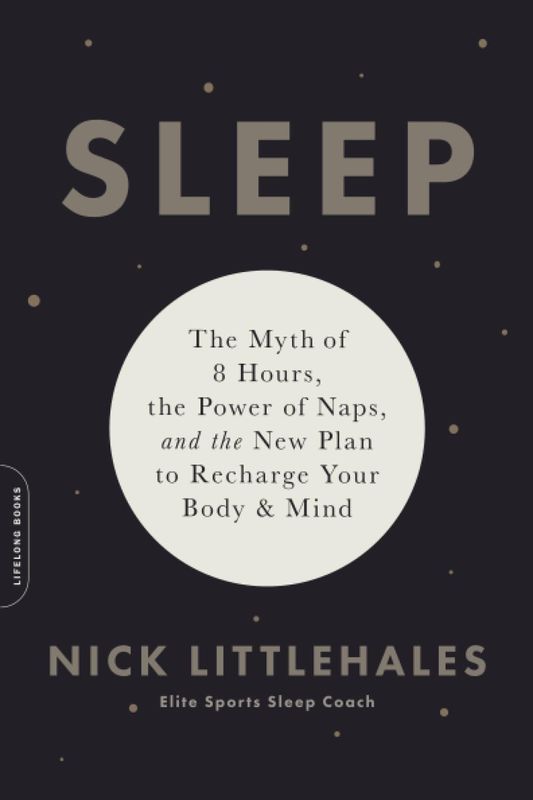
In 'Sleep,' renowned sleep coach Nick Littlehales unveils the revolutionary approach to enhancing sleep quality and optimizing performance. Drawing on years of research and work with elite athletes, he challenges conventional sleep myths and introduces the concept of 'NREM' cycles. Littlehales provides practical techniques to harness the power of sleep in our busy lives, emphasizing that it’s not just about quantity, but quality. This isn't just a guide to better sleep; it's an invitation to unlock your potential through a deeper understanding of slumber. Will you dare to rethink your relationship with sleep?
A History of the Wife Book Summary
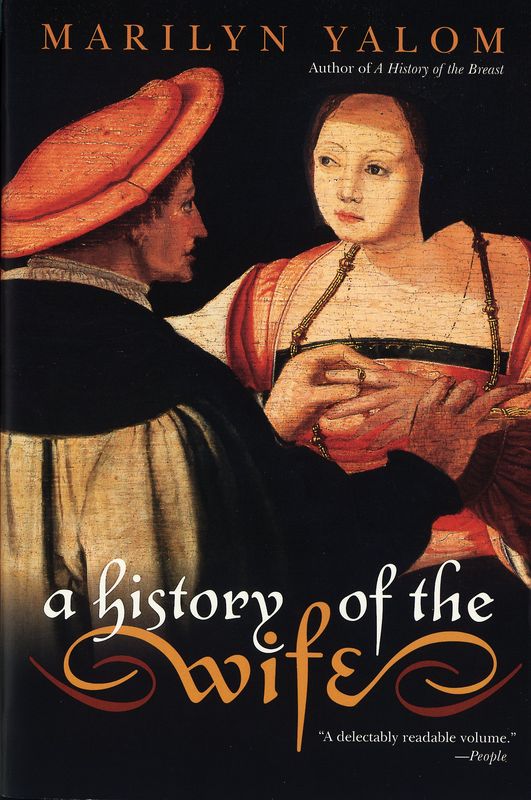
In 'A History of the Wife', Marilyn Yalom unveils the often-overlooked narratives of women throughout history, exploring the evolution of marriage and the roles of wives in society. Through a blend of historical analysis and personal anecdotes, Yalom reveals the complex dynamics between love, obligation, and identity. Readers journey through various cultures and time periods, witnessing the shifting expectations placed on wives. This illuminating work challenges conventional views on marriage, inviting reflection on contemporary relationships. A must-read for anyone curious about how the past influences the present in the realm of love and partnership.
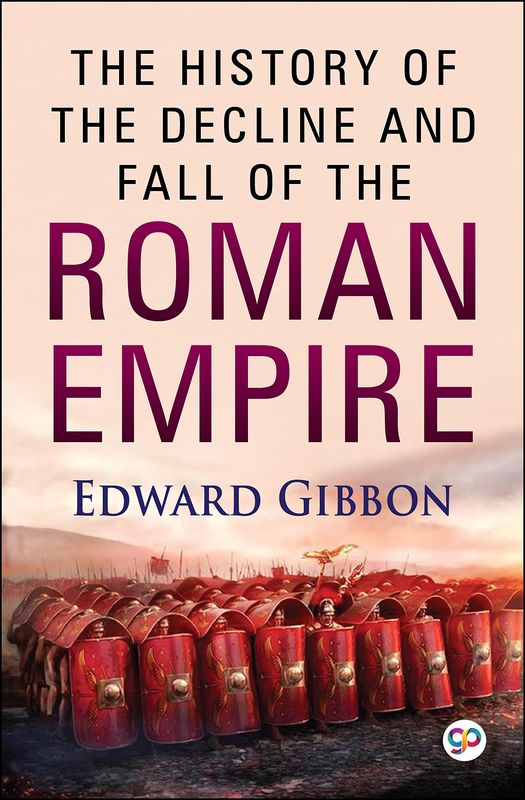
The History of the Decline & Fall of the Roman Empire Book Summary
In 'The History of the Decline & Fall of the Roman Empire,' Edward Gibbon meticulously chronicles the mighty empire's descent into chaos and obscurity. With eloquent prose, Gibbon unveils the interplay of political intrigue, moral decay, and military defeats that eroded Rome's power. His analysis does not merely recount events but delves into the philosophical implications of decline and the lessons for future societies. As empires rise and fall, engage with the timeless questions Gibbon poses about civilization itself. Dive into this monumental work to understand how history shapes our present and future.
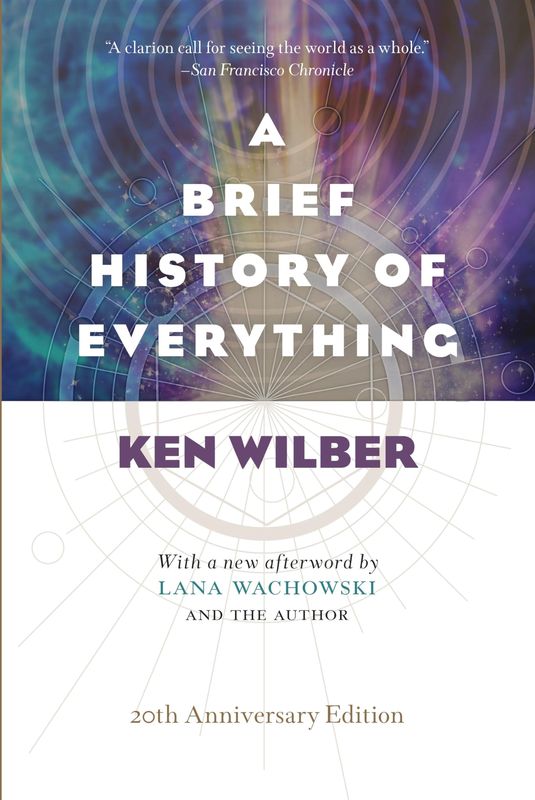
A Brief History of Everything (20th Anniversary Edition) Book Summary
In 'A Brief History of Everything', Ken Wilber takes readers on an enlightening journey through the evolution of consciousness and the unfolding of human history. He skillfully weaves together insights from philosophy, science, and spirituality, offering a holistic perspective on our existence. Discover how various cultural paradigms intersect and influence our understanding of reality. This thought-provoking exploration challenges conventional views and invites readers to contemplate their place in the cosmos. What if the key to our future lies in understanding the past in a radically new way?
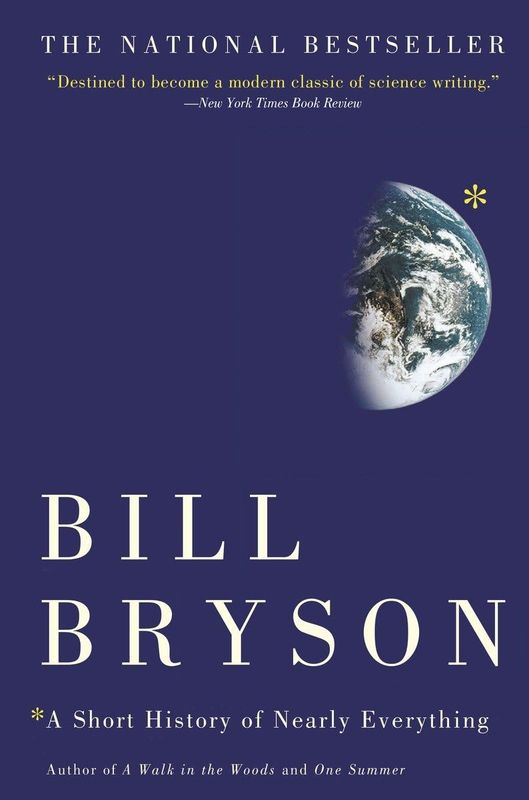
A Short History of Nearly Everything Book Summary
In 'A Short History of Nearly Everything,' Bill Bryson embarks on a whimsical journey through the annals of science, unraveling the mysteries of the universe and humankind's place within it. With wit and humor, he demystifies complex concepts, from the Big Bang to atoms, making them accessible to the layperson. Bryson introduces us to eccentric scientists and their groundbreaking discoveries, igniting a sense of wonder about the world we inhabit. This book is not merely a history; it's a celebration of curiosity, sparking an appreciation for the intricacies of life and the universe. Prepare to be entertained and enlightened as you explore the 'why' and 'how' behind nearly everything.

Hardcore History Book Summary
In 'Hardcore History', Dan Carlin takes listeners on an epic auditory journey through the annals of human conflict, exploring the profound impact of war on civilization. His vivid storytelling and deep analysis breathe life into historical events, making even the most distant eras feel immediate and relevant. With a unique blend of passion and intellect, Carlin challenges conventional narratives, urging us to question what we think we know about our past. Each episode transforms history into a gripping tale of human drama, complete with the moral dilemmas faced by our ancestors. Prepare to rethink history as you uncover the haunting truths hidden in the echoes of time.
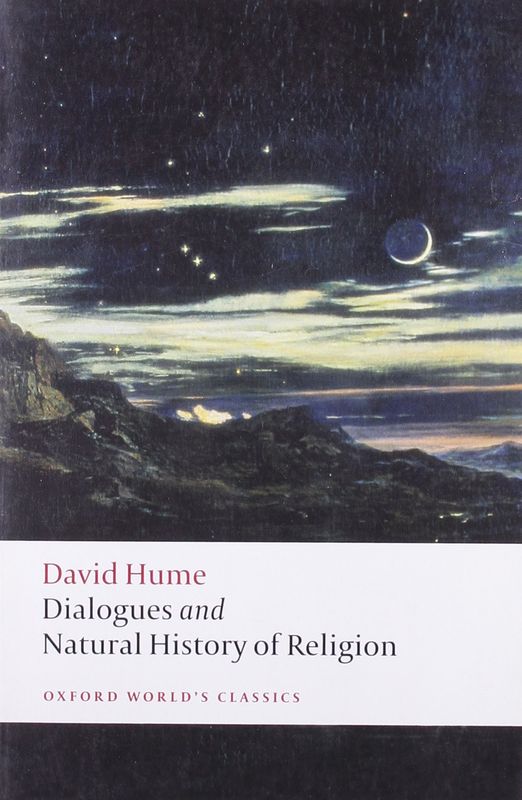
The Natural History of Religion Book Summary
In 'The Natural History of Religion,' David Hume explores the origins and development of religious beliefs across cultures. Through a blend of philosophy and empirical observation, Hume delves into the psychological and sociological factors that shape religion. His analysis raises provocative questions about the nature of faith and reason, challenging conventional views. As he uncovers the underlying motives for belief, readers are compelled to reconsider their own perspectives on spirituality. This thought-provoking work invites readers on a journey through the complexities of human belief systems.
Showing 8 of 26 similar books
Take your reading experience to the next level
Download our mobile app to enjoy your favorite books on the go. Get access to exclusive features, offline listening, and personalized recommendations.

Similar Book Recommendations →

Bret Victor's Book Recommendations
Bret Victor is a renowned American interface designer and computer scientist celebrated for his innovative contributions to interactive design and human-computer interaction. He is best known for creating dynamic, explorable explanations, which have significantly influenced the way educational content is presented and understood. Victor's seminal work, "Inventing on Principle," advocates for the integration of immediate feedback in creative processes, inspiring a new wave of interactive programming environments. As a former member of the Apple Human Interface team, he played a pivotal role in shaping modern user interfaces. Through his organization, Dynamicland, Victor continues to explore and expand the boundaries of immersive, collaborative computing environments.

Marc Andreessen's Book Recommendations
Marc Andreessen is an American entrepreneur, software engineer, and venture capitalist, best known for co-creating the Mosaic web browser, the first widely-used web browser, and co-founding Netscape. Andreessen is also the co-founder of Andreessen Horowitz, one of Silicon Valley’s most prominent venture capital firms, where he invests in groundbreaking technology companies like Facebook, Airbnb, and Coinbase. He is a thought leader on the impact of technology and innovation, often sharing his views on the future of the internet and startups. His contributions to the development of the web and the tech ecosystem have made him one of the most influential figures in technology.

Janet Mock's Book Recommendations
Janet Mock is an acclaimed writer, director, and transgender rights activist known for her groundbreaking memoir, "Redefining Realness," which became a New York Times bestseller. She followed this with "Surpassing Certainty," further cementing her voice in contemporary literature. Mock's work has not only highlighted her own journey but also brought vital visibility to the transgender community. In addition to her literary achievements, she has made significant contributions to television, notably as a writer, director, and producer for the series "Pose." Through her multifaceted career, Mock has become a powerful advocate for LGBTQ+ rights and an influential figure in modern storytelling.

Charlie Munger's Book Recommendations
Charlie Munger is an American investor, businessman, and philanthropist, best known as the vice chairman of Berkshire Hathaway, where he partners with Warren Buffett. Renowned for his insights on investment strategies and mental models, Munger has significantly influenced the world of finance. His notable literary contributions include "Poor Charlie's Almanack," a compilation of his speeches and writings that distill his wisdom on decision-making and business principles. Munger's work emphasizes the importance of multidisciplinary thinking and continuous learning. Beyond his financial acumen, he is celebrated for his charitable efforts, particularly in education and healthcare.

Anya Taylor-Joy's Book Recommendations
Anya Taylor-Joy is an acclaimed actress known for her captivating performances in film and television. She gained widespread recognition for her role as Beth Harmon in the critically acclaimed Netflix series "The Queen's Gambit," which earned her a Golden Globe Award for Best Actress. Taylor-Joy has also starred in notable films such as "The Witch," "Split," and "Emma," showcasing her versatility and depth as an actress. In addition to her acting career, she has been praised for her contributions to promoting diverse and complex female characters in modern storytelling. Her work continues to inspire audiences and set a high standard in the entertainment industry.

Andrew Chen's Book Recommendations
Andrew Chen is a venture capitalist, entrepreneur, and thought leader in growth marketing, currently serving as a general partner at Andreessen Horowitz. Chen is known for his expertise in network effects, viral growth strategies, and marketplace dynamics, making him a sought-after advisor for startups looking to scale. Prior to joining Andreessen Horowitz, he worked in leadership roles at Uber, helping to grow the ride-sharing platform’s user base and develop key growth strategies. Chen is also a prolific writer, sharing his insights on growth, technology, and startups through his popular blog and newsletter, which has attracted a loyal following in the tech community. His work has helped shape how many startups approach user acquisition, retention, and product-market fit. As a venture capitalist, Chen focuses on early-stage companies in the consumer internet, SaaS, and marketplace sectors, and he has been involved in funding and advising several successful startups. His insights on technology and growth continue to influence both founders and investors alike.

David Blaine's Book Recommendations
David Blaine is an American illusionist, endurance artist, and magician, known for his daring and extreme stunts, such as being buried alive, encased in ice, and holding his breath underwater for a record-breaking amount of time. Blaine gained fame for his street magic performances, but his endurance feats have pushed the boundaries of what the human body can achieve. He has been widely recognized for his contributions to magic and illusion, combining elements of mysticism with physical and mental challenges. Blaine’s work has captivated audiences worldwide and has set new standards in the world of magic and performance art.

Brad Feld's Book Recommendations
Brad Feld is a prominent American entrepreneur, venture capitalist, and author known for his influential work in the startup ecosystem. Co-founder of the Foundry Group, he has played a pivotal role in funding and mentoring early-stage technology companies. Feld is also a key figure behind the Techstars accelerator program, which has helped launch numerous successful startups. As an author, he has penned several essential books on entrepreneurship and venture capital, including "Venture Deals" and "Startup Communities," which provide invaluable insights for aspiring entrepreneurs and investors. His writings and active blogging have cemented his reputation as a thought leader in the tech and startup communities.
Showing 8 of 17 related collections
“"The city is a product, a work of art, but one that is always unfinished, for it reflects not just the society that builds it, but the dreams and aspirations of the people who inhabit it."”
The City in History
By Lewis Mumford
Frequently Asked Questions
Explore Our Catalogue
Discover a world of knowledge through our extensive collection of book summaries.
Genres
Genres
Genres
Featured Collections
- Top Book Club Picks
- One-Stop Nutrition
- Summer Reads 2024
- Best Beach Reads 2024
- Work-Life Balance Guide
- Time Management
- Healthy Foods
- Entrepreneur Toolkit
- Mind & Body Wellness
- Future Tech Insights
- Leadership Essentials
- Financial Freedom
- Sci-Fi Masterpieces
- Parenting 101
- Books That Became Blockbusters
- Guide to a Healthy Pregnancy