Accessibility for Everyone Book Summary
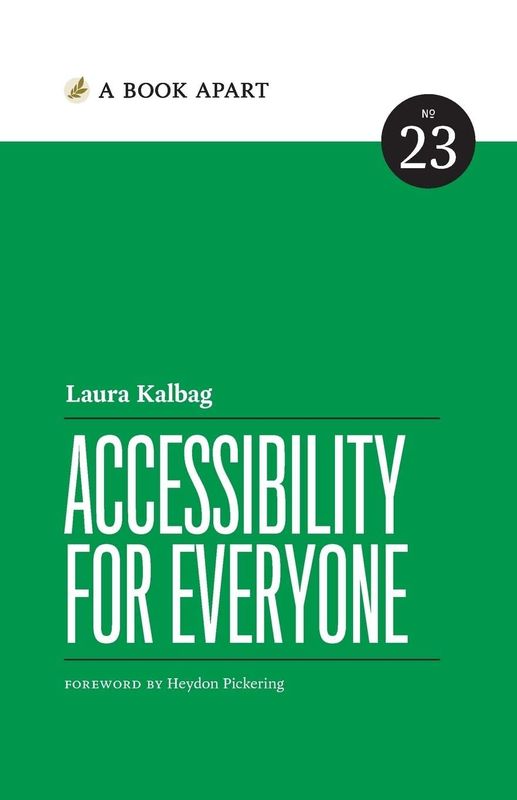
In 'Accessibility for Everyone', Laura Kalbag reveals the fundamental importance of inclusivity in design and technology. With practical tips and real-world examples, she empowers readers to embrace accessibility as a shared responsibility. Kalbag challenges common misconceptions, urging designers to consider the diverse needs of all users. This book is not just a guide; it's a call to action for creating a truly inclusive digital world. Discover how small changes can make a monumental impact on the lives of millions.
By Laura Kalbag
Published: 2017
""Designing with accessibility in mind is not just about compliance; it's about creating a world where everyone can engage and thrive, regardless of their abilities.""

Start Listening to Book Summary
Book Review of Accessibility for Everyone
"You make the web more inclusive for everyone, everywhere, when you design with accessibility in mind. Let Laura Kalbag guide you through the accessibility landscape: understand disability and impairment challenges; get a handle on important laws and guidelines; and learn how to plan for, evaluate, and test accessible design. Leverage tools and techniques like clear copywriting, well-structured IA, meaningful HTML, and thoughtful design, to create a solid set of best practices. Whether you're new to the field or a seasoned pro, get sure footing on the path to designing with accessibility."--Publisher's description
Book Overview of Accessibility for Everyone
About the Book Author
Laura Kalbag
Laura Kalbag is a well-regarded author and designer, known for her insightful contributions to the field of web design and accessibility. She is the author of the critically acclaimed book 'Accessibility For Everyone,' which emphasizes the importance of inclusive design practices in digital experiences. Kalbag's writing is characterized by clarity, practicality, and an engaging tone, making complex subjects accessible to a wide range of audiences. In addition to her work as an author, she is a prominent advocate for inclusive design, frequently speaking at conferences and workshops.
Book Details
Key information about the book.
- Authors
- Laura Kalbag
- Published
- January 2017
- Publisher
- N/A
- ISBN
- 1937557618
- Language
- English
- Pages
- N/A
- Genres
- Design ThinkingTechnologyDesign
Purchase Options
 Buy on Amazon
 Buy via BookShop
Support local bookstores: BookShop gives a portion of each sale to independent bookshops!
Similar books you might like →

The Designer's Dictionary of Type Book Summary
Delve into the fascinating world of typography with 'The Designer's Dictionary of Type' by Sean Adams. This comprehensive guide unravels the intricacies of typefaces, revealing their unique personalities and historical contexts. Each entry offers insights that inspire creativity and enhance design skills, making it an essential reference for both novice and seasoned designers. With stunning visual examples, the book encourages a deeper appreciation for the art and science of type. Discover how the right type can transform your work and captivate your audience!
Designing with Type, 5th Edition Book Summary
Dive into the art and science of typography with 'Designing with Type, 5th Edition'. This essential guide unravels the intricacies of typefaces, spacing, and layout, empowering designers to elevate their work. Through a rich blend of practical insights and illustrative examples, Craig and Scala reveal how type influences design perception. Whether you’re a novice or a seasoned professional, this book opens your eyes to the transformative power of typography. Discover how to shape your visual communication and captivate your audience with every word.

The Design of Everyday Things Book Summary
In 'The Design of Everyday Things', Don Norman reveals the hidden principles behind effective design that shapes our everyday interactions. He explores the psychological underpinnings of how we perceive and interact with objects, highlighting the importance of usability and user-centered design. Through captivating examples, Norman illustrates how poor design can lead to frustration, while thoughtful design enhances our experience. This book challenges readers to rethink the functionality of everyday items, making them consider the design choices behind the objects they encounter. Ultimately, it invites us to demand better designs that cater to our needs, making the mundane extraordinary.
Don't Make Me Think, Revisited Book Summary
In 'Don't Make Me Think, Revisited', Steve Krug presents a timeless guide to web usability, challenging the notion that users read websites thoroughly. With humor and clarity, he emphasizes the importance of intuitive design, advocating that simplicity trumps complexity. Krug's insights encourage designers to prioritize user experience, making navigation as effortless as possible. Through practical examples and actionable advice, he unveils common pitfalls to avoid. This essential read will transform the way you think about designing websites and engaging users—are you ready to rethink your approach?
100 Things Every Designer Needs to Know about People Book Summary
In '100 Things Every Designer Needs to Know about People,' Susan Weinschenk unveils essential psychological principles that can enhance design effectiveness. With insights drawn from cognitive science, the book explores how people perceive, interact with, and make decisions about design. From the nuances of color perception to the importance of empathy in user experience, Weinschenk offers practical strategies for designers. Each principle is supported by fascinating research, making the content both informative and engaging. This enlightening guide equips designers to create more intuitive and user-friendly experiences, sparking curiosity about the intersection of psychology and design.
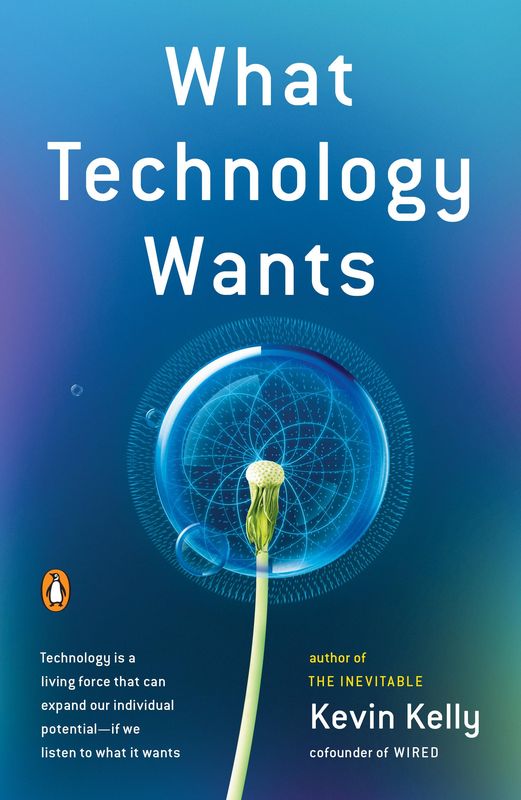
What Technology Wants Book Summary
In "What Technology Wants," Kevin Kelly delves into the deep interplay between humanity and technology, suggesting that technology is an extension of life itself. He argues that just like biological evolution, technology has its own agenda and desires, shaping our future in profound ways. Through a blend of philosophical insights and real-world examples, Kelly reveals how technological advancements reflect our aspirations and fears. As he explores the notion of 'the technium'—a vast, interconnected web of technology—readers are invited to reconsider their relationship with the tools they create. This thought-provoking journey challenges us to embrace technology as a living entity that influences and drives our evolution.
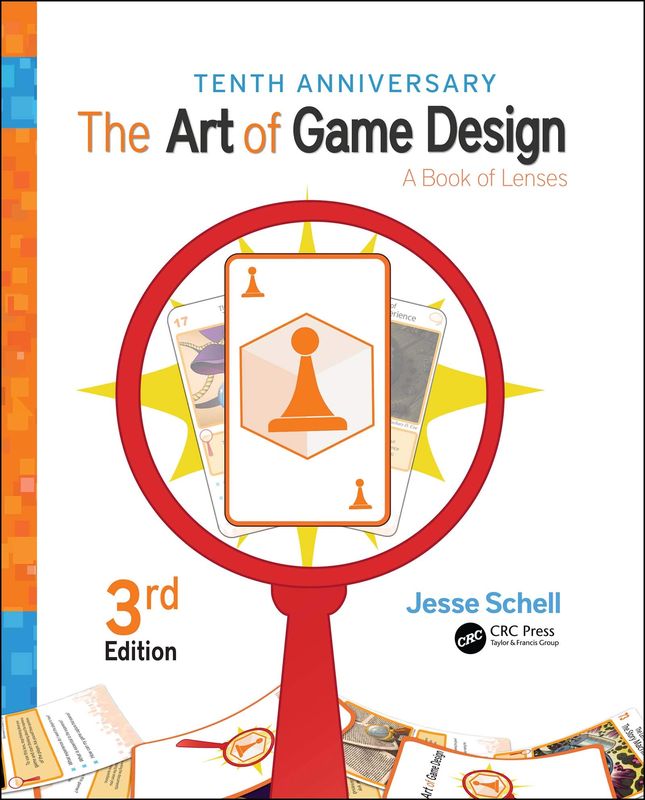
The Art of Game Design Book Summary
In 'The Art of Game Design,' Jesse Schell unravels the captivating world of game development, blending theory and practical insights. He presents a unique perspective that gaming is not just a skill but an art form, exploring what truly makes games immersive and memorable. With a combination of engaging anecdotes and hands-on exercises, Schell invites readers to think like designers and embrace creativity. The book serves as a comprehensive guide, making it an essential read for aspiring game creators and enthusiasts alike. Dive into the playful intricacies of design and discover the secrets that could inspire your next game masterpiece!
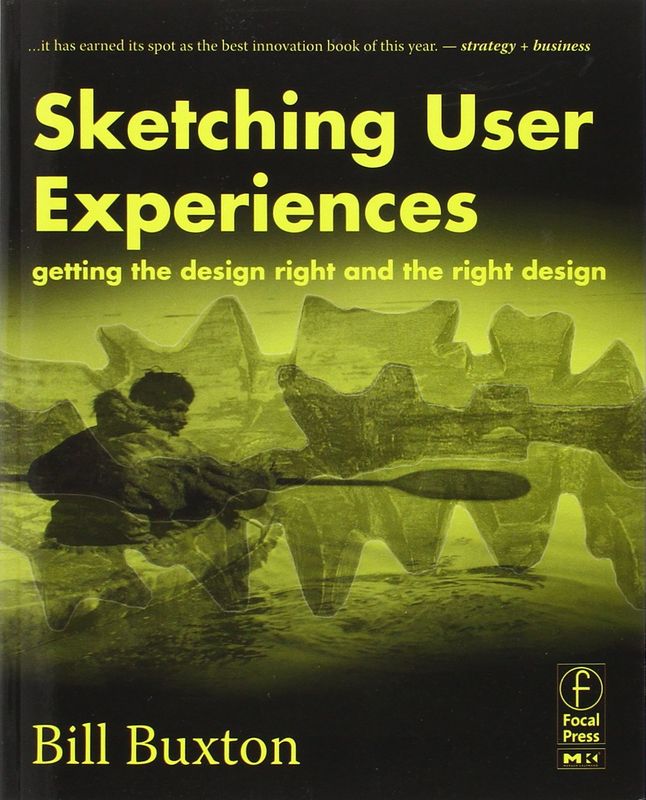
Sketching User Experiences: Getting the Design Right and the Right Design Book Summary
No summary available
Showing 8 of 28 similar books
Take your reading experience to the next level
Download our mobile app to enjoy your favorite books on the go. Get access to exclusive features, offline listening, and personalized recommendations.

Similar Book Recommendations →

Bret Victor's Book Recommendations
Bret Victor is a renowned American interface designer and computer scientist celebrated for his innovative contributions to interactive design and human-computer interaction. He is best known for creating dynamic, explorable explanations, which have significantly influenced the way educational content is presented and understood. Victor's seminal work, "Inventing on Principle," advocates for the integration of immediate feedback in creative processes, inspiring a new wave of interactive programming environments. As a former member of the Apple Human Interface team, he played a pivotal role in shaping modern user interfaces. Through his organization, Dynamicland, Victor continues to explore and expand the boundaries of immersive, collaborative computing environments.

George Hatzis's Book Recommendations
George Hatzis is a lawyer, entrepreneur, and social media content creator known for his humorous and insightful takes on the legal profession. Through his popular Instagram account, Hatzis shares legal memes, advice, and commentary, making complex legal topics accessible and entertaining for a broad audience. He is also the founder of Hatzis Law, a firm that specializes in criminal defense and family law. Hatzis’ ability to merge legal expertise with humor has garnered him a large following, and he continues to be a unique voice in the legal community, advocating for modernizing the industry.

Caterina Fake's Book Recommendations
Caterina Fake is an American entrepreneur and investor, best known for co-founding Flickr, one of the first photo-sharing platforms that helped define social media and web 2.0. After the success of Flickr, Fake went on to co-found Hunch, a recommendation engine that was later acquired by eBay. She is a partner at Yes VC, a venture capital firm that invests in early-stage startups, with a focus on companies that foster human connection and creativity. Fake is also an advocate for ethical technology and often speaks about the importance of designing products that prioritize user well-being. Her contributions to tech and her insights on the intersection of technology and culture have made her a respected leader in the industry.

Coleen Baik's Book Recommendations
Coleen Baik is an American designer, artist, and entrepreneur, known for her work in the tech industry, including as a founding team member of Twitter. Baik played a key role in shaping the user experience and design of Twitter in its early days, contributing to its iconic interface. She is also the founder of Baik Art, a multidisciplinary art studio that blends technology and visual art. Baik is passionate about using design to create meaningful and user-centered digital experiences, and she frequently speaks on topics related to innovation, design, and creativity. Her work has made her a prominent figure in the intersection of tech and design.

Andrew Chen's Book Recommendations
Andrew Chen is a venture capitalist, entrepreneur, and thought leader in growth marketing, currently serving as a general partner at Andreessen Horowitz. Chen is known for his expertise in network effects, viral growth strategies, and marketplace dynamics, making him a sought-after advisor for startups looking to scale. Prior to joining Andreessen Horowitz, he worked in leadership roles at Uber, helping to grow the ride-sharing platform’s user base and develop key growth strategies. Chen is also a prolific writer, sharing his insights on growth, technology, and startups through his popular blog and newsletter, which has attracted a loyal following in the tech community. His work has helped shape how many startups approach user acquisition, retention, and product-market fit. As a venture capitalist, Chen focuses on early-stage companies in the consumer internet, SaaS, and marketplace sectors, and he has been involved in funding and advising several successful startups. His insights on technology and growth continue to influence both founders and investors alike.

Daniel Burka's Book Recommendations
Daniel Burka is a prominent figure in the tech and design world, best known for his significant contributions to digital product design. As a design partner at GV (formerly Google Ventures), he has played a crucial role in shaping the user experience of numerous successful startups. Burka co-founded the design agency MetaLab, which has worked with top-tier clients like Slack and Coinbase. Additionally, his work at Digg as the Director of Design helped pioneer social media design trends in the early 2000s. While not primarily an author, Burka's influence extends into literature through his insightful writings and talks on design and innovation.

Sophie Bakalar's Book Recommendations
Sophie Bakalar is a distinguished author and venture capitalist known for her adept storytelling and insightful exploration of contemporary issues. Her debut novel received critical acclaim for its nuanced portrayal of complex characters and societal dynamics. In addition to her literary achievements, Bakalar is a co-founder of a successful venture firm, where she leverages her keen understanding of market trends and innovation. Her essays and articles, often featured in prominent publications, reflect her deep engagement with cultural and technological shifts. Bakalar's multifaceted career bridges the worlds of literature and entrepreneurship, making her a unique voice in both fields.

Cleo Abram's Book Recommendations
Cleo Abram is a distinguished journalist and content creator known for her incisive storytelling and engaging multimedia presentations. She gained widespread recognition as a producer and host for Vox's acclaimed series, "Glad You Asked," where she explored complex topics with clarity and depth. Abram's work often intersects with technology and culture, making intricate subjects accessible to a broad audience. In addition to her journalistic endeavors, she has contributed thought-provoking essays and articles to various esteemed publications. Her innovative approach to storytelling continues to influence and inspire both readers and aspiring journalists.
Showing 8 of 15 related collections
“"Designing with accessibility in mind is not just about compliance; it's about creating a world where everyone can engage and thrive, regardless of their abilities."”
Accessibility for Everyone
By Laura Kalbag
Frequently Asked Questions
Explore Our Catalogue
Discover a world of knowledge through our extensive collection of book summaries.
Genres
Genres
Genres
Featured Collections
- Top Book Club Picks
- One-Stop Nutrition
- Summer Reads 2024
- Best Beach Reads 2024
- Work-Life Balance Guide
- Time Management
- Healthy Foods
- Entrepreneur Toolkit
- Mind & Body Wellness
- Future Tech Insights
- Leadership Essentials
- Financial Freedom
- Sci-Fi Masterpieces
- Parenting 101
- Books That Became Blockbusters
- Guide to a Healthy Pregnancy