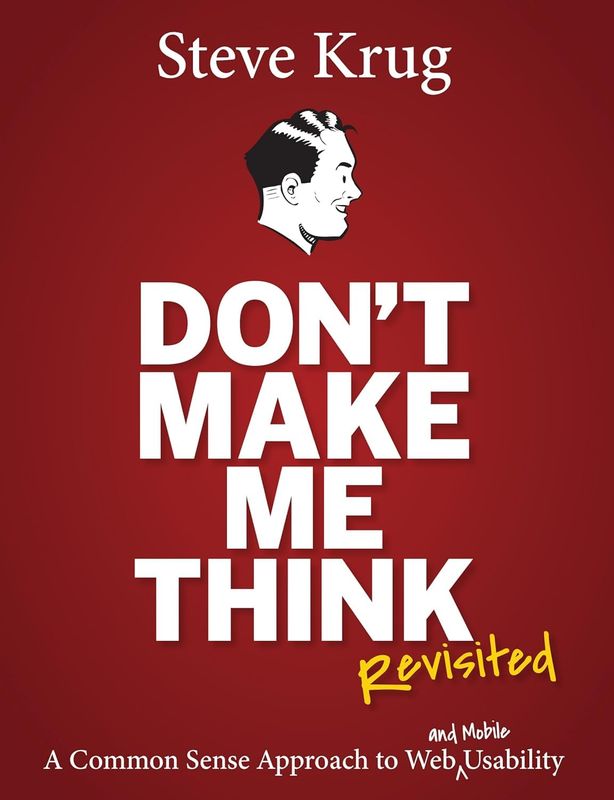
Don't Make Me Think, Revisited Book Summary
In 'Don't Make Me Think, Revisited', Steve Krug presents a timeless guide to web usability, challenging the notion that users read websites thoroughly. With humor and clarity, he emphasizes the importance of intuitive design, advocating that simplicity trumps complexity. Krug's insights encourage designers to prioritize user experience, making navigation as effortless as possible. Through practical examples and actionable advice, he unveils common pitfalls to avoid. This essential read will transform the way you think about designing websites and engaging users—are you ready to rethink your approach?
By Steve Krug
Published: 2014
"Good design is about making things usable, and usability is about making things easy to use."

Start Listening to Book Summary
Book Review of Don't Make Me Think, Revisited
Since Don't Make Me Think was first published in 2000, hundreds of thousands of Web designers and developers have relied on usability guru Steve Krug's guide to help them understand the principles of intuitive navigation and information design. Witty, commonsensical, and eminently practical, it's one of the best-loved and most recommended books on the subject. Now Steve returns with fresh perspective to reexamine the principles that made Don't Make Me Think a classic-with updated examples and a new chapter on mobile usability. And it's still short, profusely illustrated...and best of all-fun to read. If you've read it before, you'll rediscover what made Don't Make Me Think so essential to Web designers and developers around the world. If you've never read it, you'll see why so many people have said it should be required reading for anyone working on Web sites. "After reading it over a couple of hours and putting its ideas to work for the past five years, I can say it has done more to improve my abilities as a Web designer than any other book." -Jeffrey Zeldman, author of Designing with Web Standards
Book Overview of Don't Make Me Think, Revisited
About the Book Author
Steve Krug
Steve Krug is a renowned author and usability expert, best known for his seminal book "Don’t Make Me Think," which has become a cornerstone in the fields of web usability and user experience design. His approachable writing style combines clear, concise language with humor, making complex topics accessible to a broad audience. Krug's expertise extends beyond writing; he is a sought-after speaker and consultant, sharing his insights on usability through workshops and seminars. His other notable works include "Rocket Surgery Made Easy" and "The Design of Everyday Things," further cementing his reputation as a leading voice in usability and design.
Book Details
Key information about the book.
- Authors
- Steve Krug
- Published
- January 2014
- Publisher
- Pearson Education
- ISBN
- 0321965515
- Language
- English
- Pages
- 214
- Genres
- Design ThinkingWeb DesignTechnologyDesign
Purchase Options
 Buy on Amazon
 Buy via BookShop
Support local bookstores: BookShop gives a portion of each sale to independent bookshops!
Similar books you might like →
Designing with Type, 5th Edition Book Summary
Dive into the art and science of typography with 'Designing with Type, 5th Edition'. This essential guide unravels the intricacies of typefaces, spacing, and layout, empowering designers to elevate their work. Through a rich blend of practical insights and illustrative examples, Craig and Scala reveal how type influences design perception. Whether you’re a novice or a seasoned professional, this book opens your eyes to the transformative power of typography. Discover how to shape your visual communication and captivate your audience with every word.
The Design of Everyday Things Book Summary
In 'The Design of Everyday Things', Don Norman reveals the hidden principles behind effective design that shapes our everyday interactions. He explores the psychological underpinnings of how we perceive and interact with objects, highlighting the importance of usability and user-centered design. Through captivating examples, Norman illustrates how poor design can lead to frustration, while thoughtful design enhances our experience. This book challenges readers to rethink the functionality of everyday items, making them consider the design choices behind the objects they encounter. Ultimately, it invites us to demand better designs that cater to our needs, making the mundane extraordinary.
100 Things Every Designer Needs to Know about People Book Summary
In '100 Things Every Designer Needs to Know about People,' Susan Weinschenk unveils essential psychological principles that can enhance design effectiveness. With insights drawn from cognitive science, the book explores how people perceive, interact with, and make decisions about design. From the nuances of color perception to the importance of empathy in user experience, Weinschenk offers practical strategies for designers. Each principle is supported by fascinating research, making the content both informative and engaging. This enlightening guide equips designers to create more intuitive and user-friendly experiences, sparking curiosity about the intersection of psychology and design.
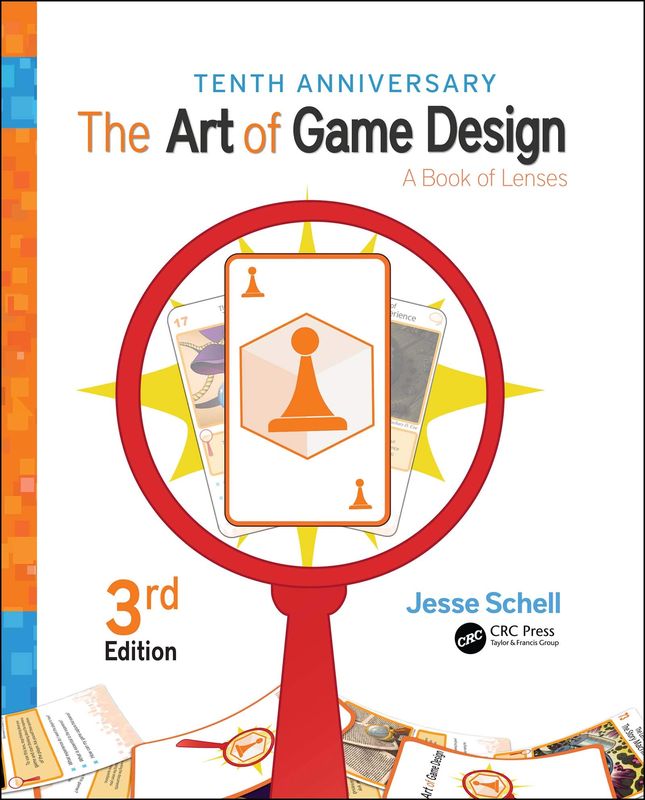
The Art of Game Design Book Summary
In 'The Art of Game Design,' Jesse Schell unravels the captivating world of game development, blending theory and practical insights. He presents a unique perspective that gaming is not just a skill but an art form, exploring what truly makes games immersive and memorable. With a combination of engaging anecdotes and hands-on exercises, Schell invites readers to think like designers and embrace creativity. The book serves as a comprehensive guide, making it an essential read for aspiring game creators and enthusiasts alike. Dive into the playful intricacies of design and discover the secrets that could inspire your next game masterpiece!
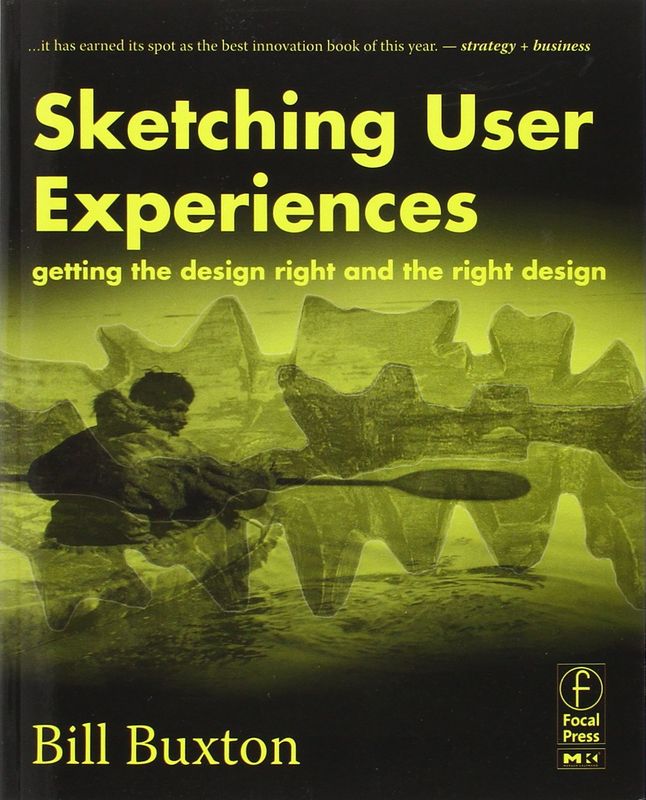
Sketching User Experiences: Getting the Design Right and the Right Design Book Summary
No summary available
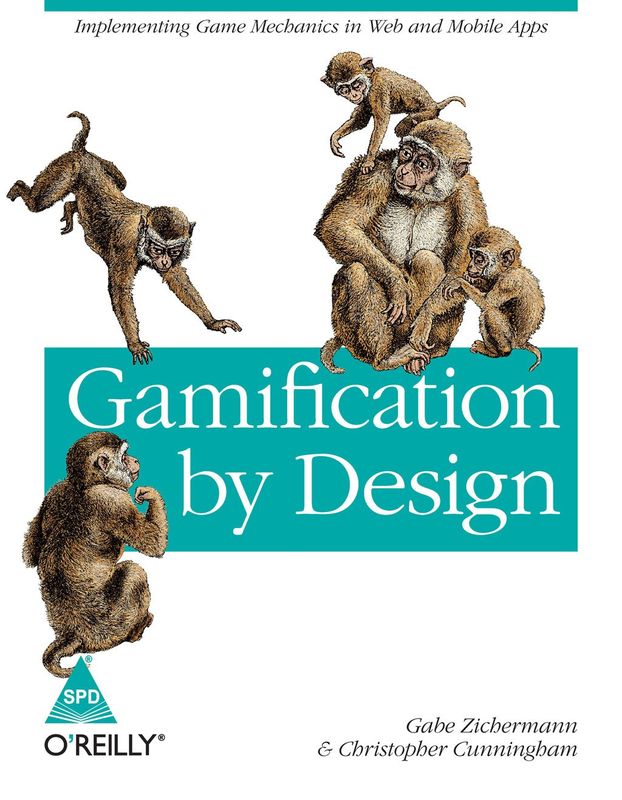
Gamification by Design Book Summary
In 'Gamification by Design', the authors explore the art and science of integrating game mechanics into non-game contexts to enhance user engagement and motivation. They uncover the psychology behind what makes games addictive and how these principles can be applied to real-world scenarios. Through practical case studies and actionable frameworks, the book reveals how gamification can be a catalyst for innovation and user loyalty. Are you ready to unlock the secrets of game mechanics and transform your projects? Dive into this insightful read to discover how to design experiences that captivate and retain users!
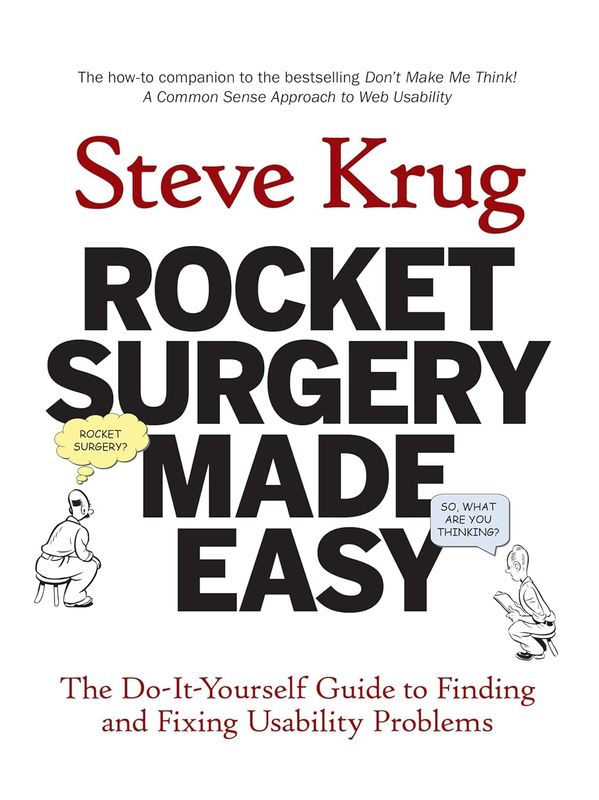
Rocket Surgery Made Easy Book Summary
In 'Rocket Surgery Made Easy', Steve Krug demystifies the process of usability testing, arguing that it's not rocket science—it's just common sense. Krug presents simple, practical techniques that anyone can use to identify and fix usability issues in their designs. Through engaging anecdotes and clear instruction, he empowers teams to enhance user experience without the need for extensive resources or expertise. This book transforms the way we think about user testing, making it accessible and effective for all. Prepare to revolutionize your approach to design and make your products truly user-friendly!
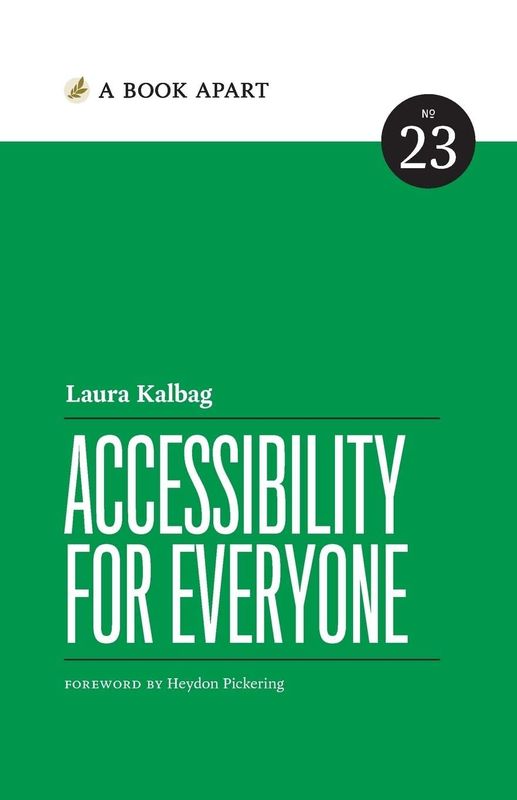
Accessibility for Everyone Book Summary
In 'Accessibility for Everyone', Laura Kalbag reveals the fundamental importance of inclusivity in design and technology. With practical tips and real-world examples, she empowers readers to embrace accessibility as a shared responsibility. Kalbag challenges common misconceptions, urging designers to consider the diverse needs of all users. This book is not just a guide; it's a call to action for creating a truly inclusive digital world. Discover how small changes can make a monumental impact on the lives of millions.
Showing 8 of 29 similar books
Take your reading experience to the next level
Download our mobile app to enjoy your favorite books on the go. Get access to exclusive features, offline listening, and personalized recommendations.

Similar Book Recommendations →

Julian Shapiro's Book Recommendations
Julian Shapiro is a renowned writer and entrepreneur, acclaimed for his insightful essays on personal growth and marketing strategies. He is the author of "The Julian Shapiro Collection," a compilation of his most impactful writings that have garnered a wide readership online. Shapiro co-founded the growth marketing agency Bell Curve, where he has helped numerous startups achieve exponential growth. His work often blends practical advice with deep philosophical inquiries, making complex subjects accessible to a broad audience. Through his prolific writing and entrepreneurial ventures, Julian has become a key figure in the intersection of business and self-improvement literature.

Jan Losert's Book Recommendations
Jan Losert is a visionary author and digital design expert, renowned for his contributions to the intersection of technology and creativity. His most significant work includes co-authoring "Design Systems Handbook," which has become a seminal guide for creating cohesive and efficient design frameworks. Losert's expertise extends to his role as a speaker and educator, where he passionately shares his insights on user experience and interface design. In addition to his literary achievements, he co-founded several successful startups, leveraging his deep understanding of design to drive innovation. His work continues to influence and inspire both emerging and established designers worldwide.

Bret Victor's Book Recommendations
Bret Victor is a renowned American interface designer and computer scientist celebrated for his innovative contributions to interactive design and human-computer interaction. He is best known for creating dynamic, explorable explanations, which have significantly influenced the way educational content is presented and understood. Victor's seminal work, "Inventing on Principle," advocates for the integration of immediate feedback in creative processes, inspiring a new wave of interactive programming environments. As a former member of the Apple Human Interface team, he played a pivotal role in shaping modern user interfaces. Through his organization, Dynamicland, Victor continues to explore and expand the boundaries of immersive, collaborative computing environments.

Daniel Burka's Book Recommendations
Daniel Burka is a prominent figure in the tech and design world, best known for his significant contributions to digital product design. As a design partner at GV (formerly Google Ventures), he has played a crucial role in shaping the user experience of numerous successful startups. Burka co-founded the design agency MetaLab, which has worked with top-tier clients like Slack and Coinbase. Additionally, his work at Digg as the Director of Design helped pioneer social media design trends in the early 2000s. While not primarily an author, Burka's influence extends into literature through his insightful writings and talks on design and innovation.

Bill Gates's Book Recommendations
Bill Gates, co-founder of Microsoft Corporation, is a pioneering figure in the tech industry, having played a key role in the personal computer revolution. His work at Microsoft, particularly the development of Windows, transformed software and computing globally. Beyond his technology contributions, Gates is also a prolific author, with notable works such as "The Road Ahead" and "Business @ the Speed of Thought," which offer insights into the future of technology and business. Additionally, his philanthropic efforts through the Bill & Melinda Gates Foundation have had a profound impact on global health, education, and poverty. Gates continues to influence both technology and literature with his forward-thinking perspectives and innovative ideas.

Sam Altman's Book Recommendations
Sam Altman is an American entrepreneur, programmer, and investor, best known as the former president of Y Combinator, a startup accelerator that has launched numerous successful companies, including Airbnb, Dropbox, and Reddit. Altman himself is a co-founder of OpenAI, an organization focused on ensuring that artificial intelligence benefits all of humanity. He has been a leading voice in the tech world, advocating for responsible innovation and the ethical use of AI. Under his leadership, Y Combinator grew into one of the most influential organizations in Silicon Valley, helping to fund and mentor early-stage startups. Altman’s blog and writings are widely read in the tech community, where he shares his insights on entrepreneurship, technology, and the future of AI. He has also been involved in several philanthropic ventures and continues to influence the tech world through his investments and thought leadership. His work at OpenAI has put him at the forefront of discussions about the future of artificial intelligence.

Nir Eyal's Book Recommendations
Nir Eyal is an accomplished author and behavioral design expert, best known for his two best-selling books, "Hooked: How to Build Habit-Forming Products" and "Indistractable: How to Control Your Attention and Choose Your Life." With a background in psychology and business, he has significantly influenced the fields of product design and personal productivity. Eyal's work has been featured in major publications such as The Harvard Business Review and The New York Times. He frequently speaks at industry conferences and workshops, sharing insights on how technology can be ethically designed to benefit users. Eyal also teaches at the Stanford Graduate School of Business and the Hasso Plattner Institute of Design.

Jeff Atwood's Book Recommendations
Jeff Atwood is an American software developer, writer, and co-founder of Stack Overflow, the largest online community for developers to share knowledge and collaborate on coding problems. Atwood is also known for his influential blog Coding Horror, where he writes about programming, technology, and software development practices. His work on Stack Overflow has revolutionized the way developers learn and share information, fostering a collaborative, open-source culture within the tech community. Atwood’s contributions to software development have made him a key figure in the tech industry, particularly in developer education and open knowledge sharing.
Showing 8 of 19 related collections
“Good design is about making things usable, and usability is about making things easy to use.”
Don't Make Me Think, Revisited
By Steve Krug
Frequently Asked Questions
Explore Our Catalogue
Discover a world of knowledge through our extensive collection of book summaries.
Genres
Genres
Genres
Featured Collections
- Top Book Club Picks
- One-Stop Nutrition
- Summer Reads 2024
- Best Beach Reads 2024
- Work-Life Balance Guide
- Time Management
- Healthy Foods
- Entrepreneur Toolkit
- Mind & Body Wellness
- Future Tech Insights
- Leadership Essentials
- Financial Freedom
- Sci-Fi Masterpieces
- Parenting 101
- Books That Became Blockbusters
- Guide to a Healthy Pregnancy