Affective Computing Book Summary
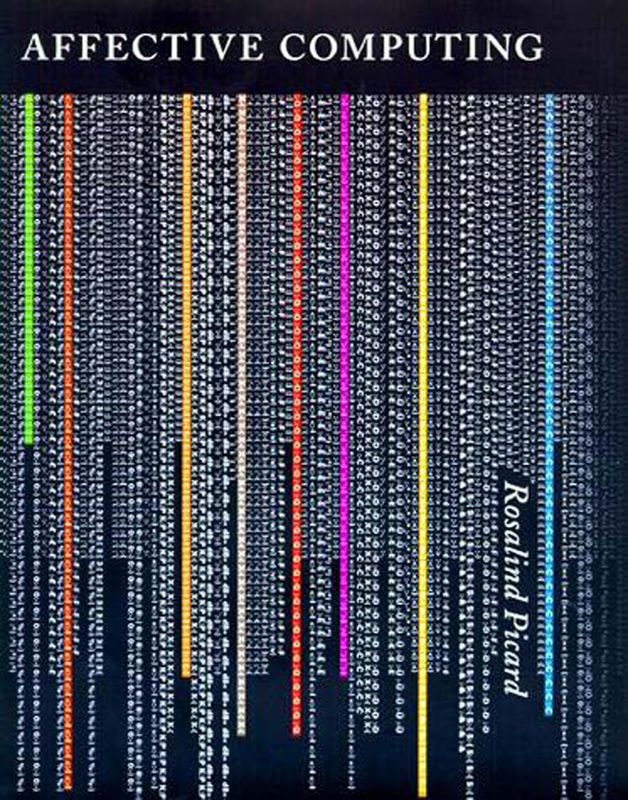
In 'Affective Computing', Rosalind W. Picard explores the revolutionary intersection of technology and human emotion. She presents a compelling argument for why machines should not only be able to process information but also understand and respond to emotional cues. Through fascinating case studies and innovative research, Picard unveils how emotional intelligence in technology can enhance human-computer interactions and foster deeper connections. This book raises thought-provoking questions about the future of artificial intelligence and the role of emotions in our increasingly digital world. Could the next breakthrough in technology lie in understanding our feelings?
By Rosalind W. Picard
Published: 2000
""Emotions are not just for humans; they are essential for machines to understand us, and in return, for us to understand them.""

Start Listening to Book Summary
Book Review of Affective Computing
According to Rosalind Picard, if we want computers to be genuinely intelligent and to interact naturally with us, we must give computers the ability to recognize, understand, even to have and express emotions. The latest scientific findings indicate that emotions play an essential role in decision making, perception, learning, and more—that is, they influence the very mechanisms of rational thinking. Not only too much, but too little emotion can impair decision making. According to Rosalind Picard, if we want computers to be genuinely intelligent and to interact naturally with us, we must give computers the ability to recognize, understand, even to have and express emotions. Part 1 of this book provides the intellectual framework for affective computing. It includes background on human emotions, requirements for emotionally intelligent computers, applications of affective computing, and moral and social questions raised by the technology. Part 2 discusses the design and construction of affective computers. Although this material is more technical than that in Part 1, the author has kept it less technical than typical scientific publications in order to make it accessible to newcomers. Topics in Part 2 include signal-based representations of emotions, human affect recognition as a pattern recognition and learning problem, recent and ongoing efforts to build models of emotion for synthesizing emotions in computers, and the new application area of affective wearable computers.
Book Overview of Affective Computing
About the Book Author
Rosalind W. Picard
Rosalind W. Picard is a pioneering researcher and author recognized for her contributions to the fields of affective computing and human-computer interaction. A professor at the Massachusetts Institute of Technology (MIT), Picard is the founder of the Affective Computing Research Group. She is best known for her influential book "Affective Computing," which lays the groundwork for integrating emotional intelligence into technology. With a writing style that is both scholarly and accessible, Picard bridges complex theoretical concepts with practical applications, making her work impactful for both academia and industry. Her research extends to areas such as wearable technology and the role of emotion in education and health.
Book Details
Key information about the book.
- Authors
- Rosalind W. Picard
- Published
- July 2000
- Publisher
- MIT Press
- ISBN
- 0262661152
- Language
- English
- Pages
- 308
- Genres
- Artificial IntelligenceTechnology
Purchase Options
 Buy on Amazon
 Buy via BookShop
Support local bookstores: BookShop gives a portion of each sale to independent bookshops!
Similar books you might like →
Homo Deus Book Summary
In "Homo Deus: A Brief History of Tomorrow," Yuval Noah Harari explores the future possibilities for humanity as we evolve beyond our current limitations. Delving into themes of artificial intelligence, genetic engineering, and the quest for immortality, he provokes thought about what may come after Homo sapiens. As society increasingly turns to technology for solutions, he questions the implications of our pursuit of happiness and god-like powers. Will we augment our bodies and minds, or lose our humanity in the process? This provocative journey invites readers to ponder the exhilarating—and terrifying—potential of our own evolution.
Superintelligence Book Summary
In 'Superintelligence', Nick Bostrom explores the future of artificial intelligence and its potential to surpass human intelligence. He delves into the profound implications this could have for humanity's survival and progress. With a blend of philosophical inquiry and rigorous analysis, Bostrom warns of the unforeseen risks associated with creating superintelligent machines. His thought-provoking arguments challenge readers to consider the ethical responsibilities that come with technological advancement. Will we be the masters of our own creations or their unwitting victims?
AI Superpowers Book Summary
In 'AI Superpowers', Kai-Fu Lee explores the breathtaking rise of artificial intelligence and its transformative impact on the global economy. He compares the leading AI developments in the United States and China, revealing a fierce competition that reshapes the future. Lee draws on his extensive experience in the tech industry to discuss the ethical implications and the potential for job displacement. As he presents a compelling vision of a world where AI can augment human capabilities, he challenges us to rethink our roles in an AI-driven era. With a blend of optimism and caution, this book is a must-read for anyone looking to understand the next technological revolution.

The New Typography Book Summary
In 'The New Typography', Jan Tschichold revolutionizes the art of communication through design, offering bold principles that challenge traditional norms. He advocates for the use of asymmetry, innovative layouts, and a focus on readability, setting the stage for modern graphic design. This seminal work reflects the energy of the early 20th-century movement toward functional aesthetics. Tschichold's insights not only shaped typography but also influenced the broader realms of visual culture and media. Discover how this iconic text continues to inspire designers and thinkers in today's digital age!
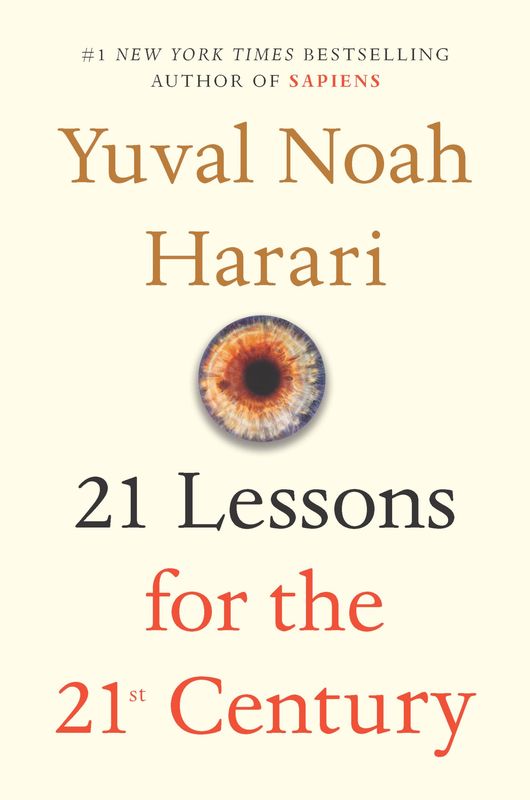
21 Lessons for the 21st Century Book Summary
In '21 Lessons for the 21st Century', Yuval Noah Harari navigates the complex landscape of today's world, tackling urgent questions about our future. From the impact of technology on society to the challenges of political stability, each lesson provokes thought and introspection. Harari explores key themes such as the rise of artificial intelligence, the significance of data, and the importance of meaning in an increasingly uncertain world. With a blend of history, philosophy, and science, the book invites readers to reflect on their roles in shaping a shared future. Will we adapt, or become obsolete? Dive in to uncover the lessons that could redefine humanity's path.

Love and Sex with Robots Book Summary
In 'Love and Sex with Robots,' David Levy explores the provocative intersection of technology and human relationships, envisioning a future where intimate connections with robots could reshape society. He delves into the psychology behind these relationships, posing challenging questions about love, attraction, and the essence of humanity. As AI evolves, Levy raises the possibility that we may one day experience genuine emotional bonds with machines. The book teases out the implications of this phenomenon on our understanding of love and intimacy. Prepare to challenge your perceptions of relationships in a world where boundaries between human and artificial blur.
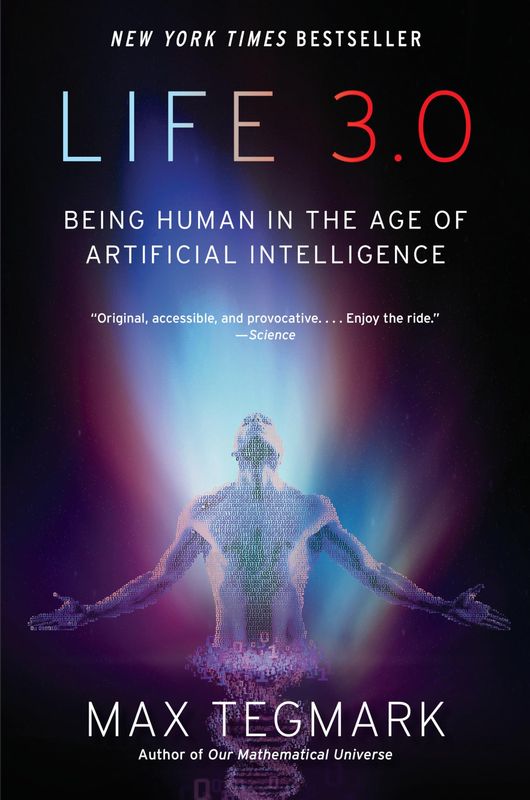
Life 3.0 Book Summary
In 'Life 3.0', Max Tegmark explores the future of artificial intelligence and its profound implications for life on Earth. He presents a thought-provoking vision where humanity must grapple with the rise of superintelligent machines and the potential paths we can take. Tegmark challenges readers to consider ethical dilemmas and the responsibilities that come with unprecedented technological power. As we stand at the brink of a new era, he asks: how can we ensure that AI serves humanity's best interests? This engaging exploration leaves you pondering the fate of our species and the universe.
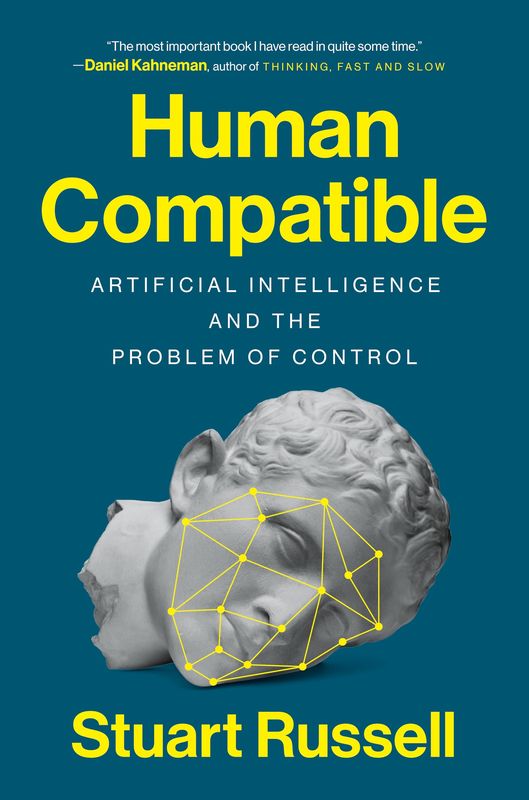
Human Compatible Book Summary
In 'Human Compatible', Stuart Russell explores the future of artificial intelligence and its intersection with humanity. He delves into the potential risks AI poses if misaligned with human values and offers innovative frameworks for designing safe AI systems. The book challenges readers to question the very essence of intelligence and what it means to create machines that can enhance our lives. As we stand on the brink of a technological revolution, Russell illuminates the ethical dilemmas we must confront. Will we succeed in ensuring that AI serves humanity rather than threatens it?
Showing 8 of 29 similar books
Take your reading experience to the next level
Download our mobile app to enjoy your favorite books on the go. Get access to exclusive features, offline listening, and personalized recommendations.

Similar Book Recommendations →

Zooko Wilcox's Book Recommendations
Zooko Wilcox is a prominent figure in the field of cryptography and digital currency, best known for founding the privacy-focused cryptocurrency Zcash. With a deep expertise in decentralized systems, he has significantly contributed to the development of secure and private online communications. Wilcox's work extends beyond just technology; he has authored numerous influential papers and articles on cryptographic protocols and privacy. His commitment to privacy and security has garnered him respect and recognition within the tech community. Zooko continues to push the boundaries of what's possible in digital privacy, making his mark as both an innovator and a thought leader.

Lex Fridman's Book Recommendations
Lex Fridman is an artificial intelligence researcher, podcaster, and MIT professor, known for his work in autonomous vehicles, robotics, and deep learning. Fridman has gained widespread popularity through his podcast, Lex Fridman Podcast, where he interviews leading thinkers in science, technology, and philosophy, exploring topics like AI, consciousness, and the future of humanity. His academic work focuses on human-centered AI, aiming to create machines that can better understand and interact with humans. Fridman’s ability to distill complex topics into accessible conversations has earned him a large following, and his podcast is known for its thoughtful, in-depth discussions with some of the brightest minds of our time. He is also an advocate for the responsible development of AI, emphasizing the ethical implications of this rapidly advancing technology. Outside of academia and podcasting, Fridman is a practitioner of jiu-jitsu and frequently speaks about the importance of discipline and continuous learning.
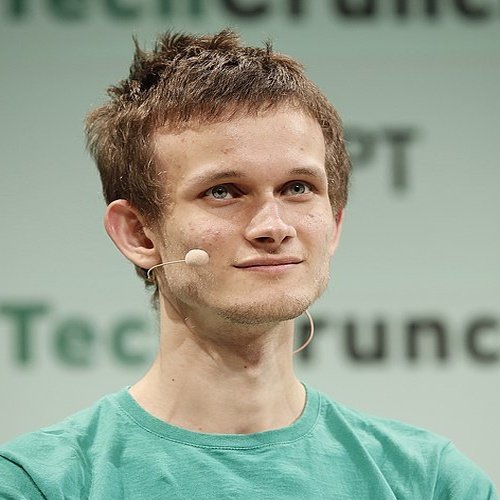
Vitalik Buterin's Book Recommendations
Vitalik Buterin is a Canadian-Russian programmer and writer, best known as the co-founder of Ethereum, a revolutionary blockchain platform that enables smart contracts and decentralized applications. Born in 1994, Buterin displayed exceptional talent in mathematics and computer science from a young age. He co-authored the white paper for Ethereum in 2013, which has since become a cornerstone of the cryptocurrency and blockchain space. In addition to his technical contributions, Buterin is a prolific writer, having penned numerous articles and papers on blockchain technology, cryptography, and decentralization. His work has earned him recognition as one of the most influential figures in the world of cryptocurrency.
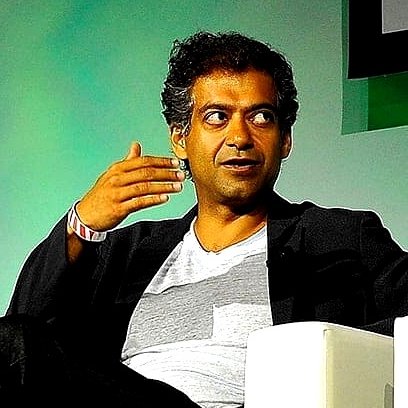
Naval Ravikant's Book Recommendations
Naval Ravikant is an entrepreneur, angel investor, and philosopher, best known as the co-founder of AngelList, a platform that connects startups with investors. Ravikant is a prolific thinker and writer on topics such as startups, investing, and personal well-being, sharing his wisdom through essays, podcasts, and social media. He has invested in over 100 companies, including Uber, Twitter, and Yammer, making him one of Silicon Valley’s most successful angel investors. Ravikant is also known for his philosophical musings on wealth, happiness, and the meaning of life, which have garnered him a large and dedicated following.

Biz Stone's Book Recommendations
Biz Stone is an American entrepreneur, co-founder of Twitter, and a key figure in the development of social media. Stone helped launch Twitter in 2006, transforming the way people communicate and share information globally. He has also co-founded other companies, including Xanga, Blogger, and Medium, and is involved in various philanthropic efforts through The Biz and Livia Stone Foundation. Stone is known for his creative thinking and his belief in the power of technology to create positive change in the world. His work has left a lasting impact on digital communication and media innovation.

Barack Obama's Book Recommendations
Barack Obama is the 44th President of the United States, serving from 2009 to 2017. As the first African American president, Obama’s leadership marked a historic moment in American history. His administration focused on healthcare reform, economic recovery from the Great Recession, and environmental policies. He is best known for the Affordable Care Act, as well as his efforts to expand civil rights and restore diplomatic relations with Cuba. Since leaving office, Obama has continued to engage in public life through his foundation, focusing on leadership development, civic engagement, and global issues.

Reshma Saujani's Book Recommendations
Reshma Saujani is the founder of Girls Who Code, an organization aimed at closing the gender gap in technology by empowering young women to pursue careers in coding and computer science. She gained national attention in 2010 as the first Indian-American woman to run for U.S. Congress. Reshma is also the author of several books, including Brave, Not Perfect, which encourages women to embrace failure and take risks. Her TED Talk on teaching girls bravery rather than perfection has garnered millions of views. Reshma continues to advocate for gender equality and innovation in education.
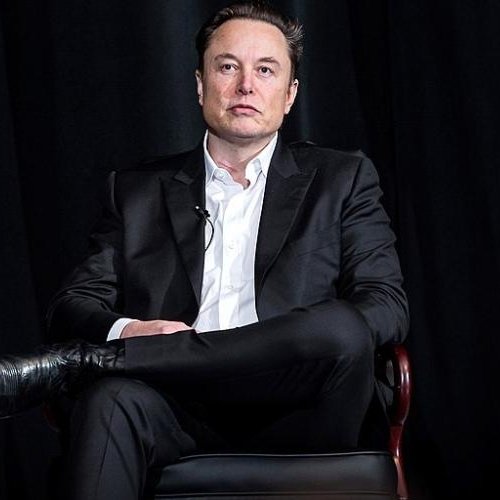
Elon Musk's Book Recommendations
Elon Musk is an influential entrepreneur and innovator known for founding and leading several groundbreaking companies, including Tesla, SpaceX, Neuralink, and The Boring Company. He has played a pivotal role in advancing electric vehicles, space exploration, and renewable energy. Musk's vision extends to colonizing Mars and reducing the risk of human extinction through space travel. In addition to his technological contributions, he has co-authored the book "Spacex: Making Commercial Spaceflight a Reality," providing insights into his ambitious projects and vision for the future. Musk's relentless pursuit of innovation continues to shape the trajectory of multiple industries.
Showing 8 of 11 related collections
“"Emotions are not just for humans; they are essential for machines to understand us, and in return, for us to understand them."”
Affective Computing
By Rosalind W. Picard
Frequently Asked Questions
Explore Our Catalogue
Discover a world of knowledge through our extensive collection of book summaries.
Genres
Genres
Genres
Featured Collections
- Top Book Club Picks
- One-Stop Nutrition
- Summer Reads 2024
- Best Beach Reads 2024
- Work-Life Balance Guide
- Time Management
- Healthy Foods
- Entrepreneur Toolkit
- Mind & Body Wellness
- Future Tech Insights
- Leadership Essentials
- Financial Freedom
- Sci-Fi Masterpieces
- Parenting 101
- Books That Became Blockbusters
- Guide to a Healthy Pregnancy