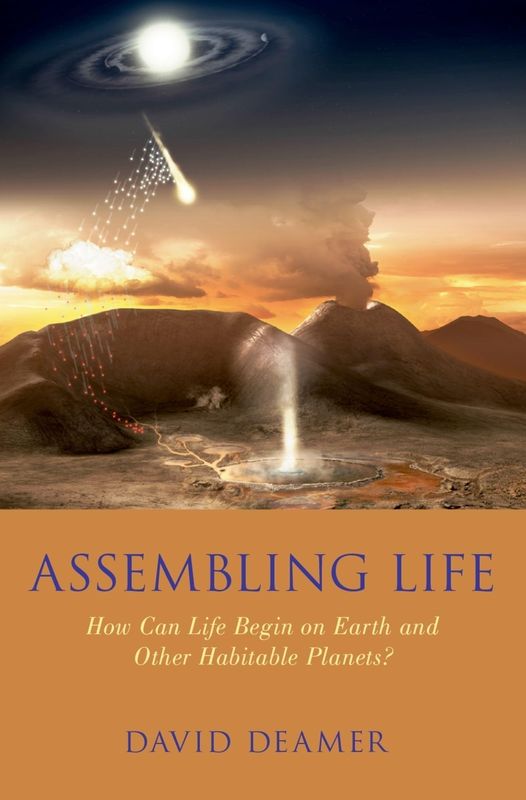

'Assembling Life' by David W. Deamer explores the origins of life through the lens of chemistry and biology. Deamer, a leading biologist, takes readers on a captivating journey from primordial soup to the first cellular life forms. He reveals how simple molecular building blocks came together to form complex systems, igniting the spark of life on Earth. With a blend of science and storytelling, this book invites readers to ponder profound questions about existence, evolution, and the possibility of life beyond our planet. Are we on the brink of understanding the fundamental processes that led to life's assembly?
By David W. Deamer
Published: 2019
"Life is not merely assembled from life's ingredients, but emerges as a symphonic orchestration of chemistry and chance, revealing the beauty of existence in its most elementary forms."
In Assembling Life, David Deamer addresses questions that are the cutting edge of research on the origin of life. For instance, how did non-living organic compounds assemble into the first forms of primitive cellular life? What was the source of those compounds and the energy that produced the first nucleic acids? Did life begin in the ocean or in fresh water on terrestrial land masses? Could life have begun on Mars? The book provides an overview of conditions on the early Earth four billion years ago and explains why fresh water hot springs are a plausible alternative to salty seawater as a site where life can begin. Deamer describes his studies of organic compounds that were likely to be available in the prebiotic environment and the volcanic conditions that can drive chemical evolution toward the origin of life. The book is not exclusively Earth-centric, but instead considers whether life could begin elsewhere in our solar system. Deamer does not propose how life did begin, because we can never know that with certainty. Instead, his goal is to understand how life can begin on any habitable planet, with Earth so far being the only known example.
Showing 8 of 28 similar books
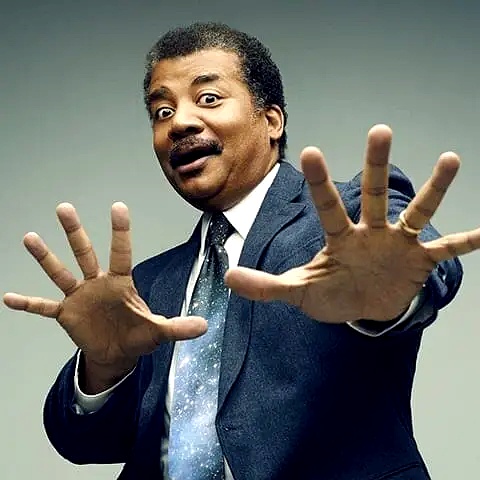
Neil deGrasse Tyson is a renowned astrophysicist, author, and science communicator, best known for his work in popularizing science through various media. As the director of the Hayden Planetarium in New York City, he has played a pivotal role in bringing astronomical discoveries to the public. Tyson has authored several bestselling books, including "Astrophysics for People in a Hurry" and "The Pluto Files," which have made complex scientific concepts accessible to a broad audience. He is also the host of the popular science TV show "Cosmos: A Spacetime Odyssey," a continuation of Carl Sagan's groundbreaking series. Tyson's contributions have significantly enhanced public understanding and appreciation of the universe.
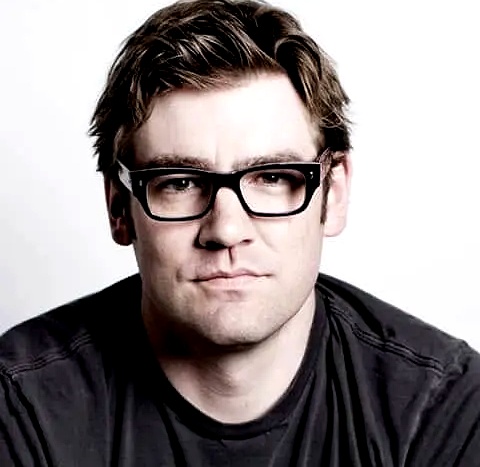
Chris Dixon is a notable venture capitalist and technology entrepreneur, best known for his influential role as a general partner at Andreessen Horowitz, where he leads investments in cryptocurrency and blockchain technology. Before joining the firm, Dixon co-founded two startups: SiteAdvisor, a web security company acquired by McAfee, and Hunch, a recommendation engine acquired by eBay. In addition to his investment career, Dixon is a prolific writer and thought leader on technology and innovation, contributing insightful essays and articles to various platforms such as his personal blog and Medium. His writings often explore the future of technology, the internet, and the impact of blockchain, making significant contributions to contemporary tech literature. Dixon's work has earned him recognition as a visionary in both the tech and literary worlds.
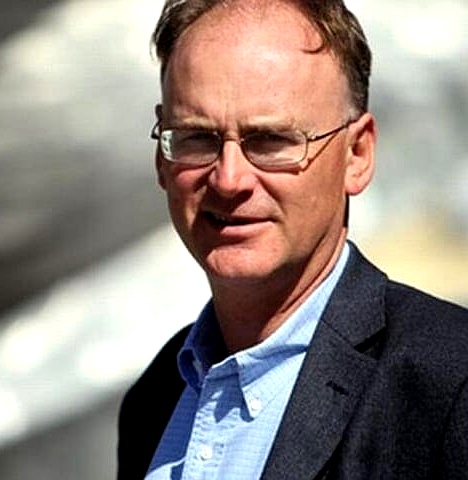
Matt Ridley is a British journalist, author, and businessman, best known for his books on science, economics, and human progress, including The Rational Optimist and The Evolution of Everything. Ridley’s work focuses on the power of innovation, free markets, and human ingenuity to drive progress and improve living standards. He is a member of the House of Lords and has written extensively on topics such as genetics, evolution, and the environment. Ridley’s optimistic view of human progress and his ability to explain complex scientific ideas have made him a popular author and public intellectual.
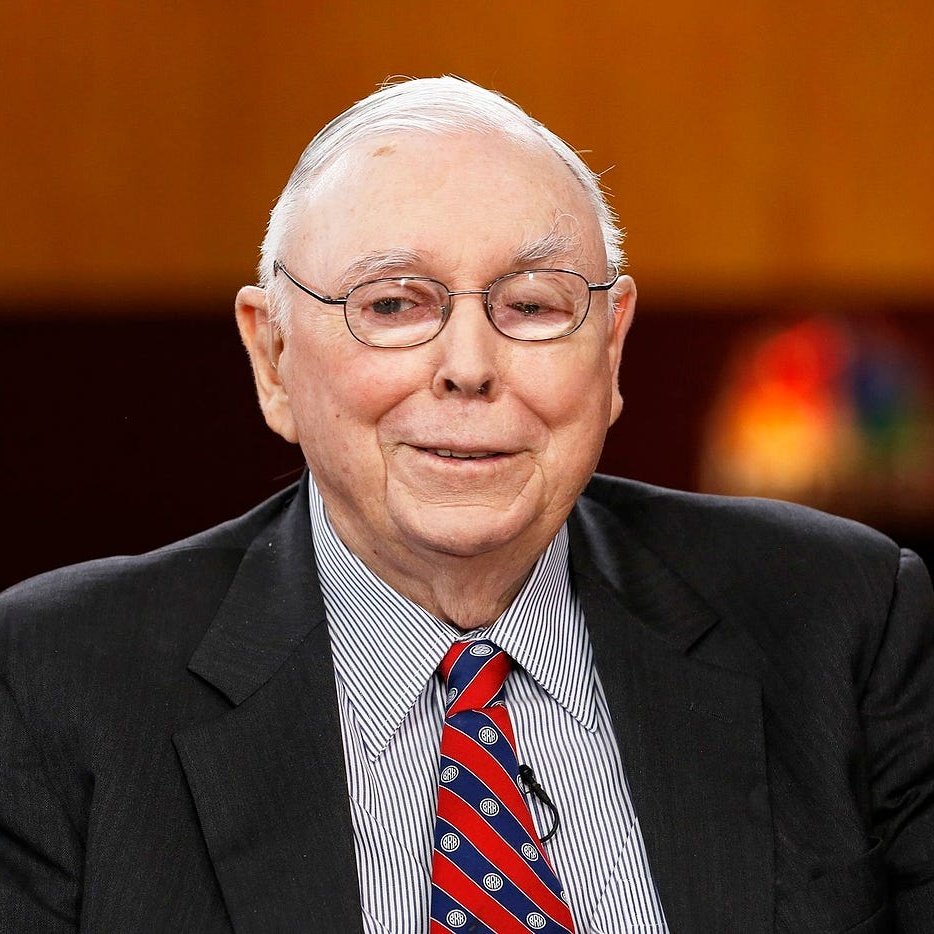
Charlie Munger is an American investor, businessman, and philanthropist, best known as the vice chairman of Berkshire Hathaway, where he partners with Warren Buffett. Renowned for his insights on investment strategies and mental models, Munger has significantly influenced the world of finance. His notable literary contributions include "Poor Charlie's Almanack," a compilation of his speeches and writings that distill his wisdom on decision-making and business principles. Munger's work emphasizes the importance of multidisciplinary thinking and continuous learning. Beyond his financial acumen, he is celebrated for his charitable efforts, particularly in education and healthcare.
Barack Obama is the 44th President of the United States, serving from 2009 to 2017. As the first African American president, Obama’s leadership marked a historic moment in American history. His administration focused on healthcare reform, economic recovery from the Great Recession, and environmental policies. He is best known for the Affordable Care Act, as well as his efforts to expand civil rights and restore diplomatic relations with Cuba. Since leaving office, Obama has continued to engage in public life through his foundation, focusing on leadership development, civic engagement, and global issues.
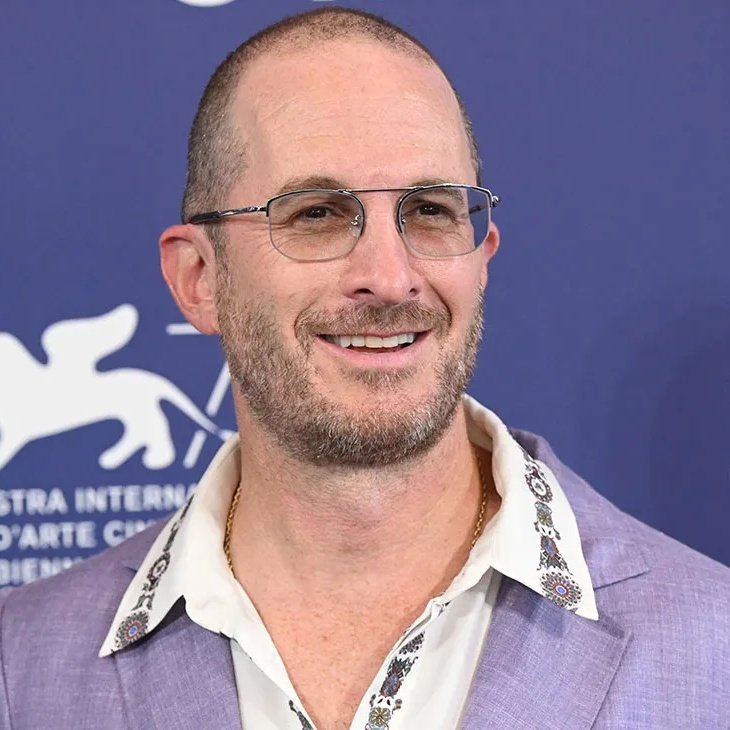
Darren Aronofsky is an American filmmaker, known for his psychologically intense and visually stunning films, including Requiem for a Dream, Black Swan, and The Wrestler. Aronofsky’s work often explores themes of obsession, identity, and self-destruction, and his unique directorial style has earned him critical acclaim and numerous awards. His ability to blend dark, complex narratives with striking visuals has made him one of the most distinctive voices in contemporary cinema. Aronofsky is also an advocate for environmental sustainability and has used his platform to raise awareness about climate change. His films continue to push boundaries and provoke thought on a range of human experiences.
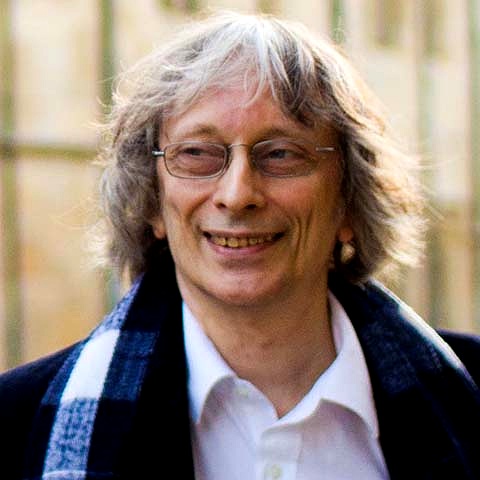
David Deutsch is a British physicist and philosopher, widely known for his contributions to quantum mechanics, particularly in the area of quantum computation. He is the author of The Fabric of Reality and The Beginning of Infinity, where he explores the nature of knowledge, progress, and the future of human civilization. Deutsch’s work in quantum computing laid the groundwork for the development of quantum algorithms, positioning him as a pioneer in this emerging field. He is a proponent of the multiverse theory and has offered profound insights into the nature of reality, science, and human potential. Deutsch’s philosophical work emphasizes the power of reason and creativity in solving problems and expanding human understanding. His ideas have had a significant impact on the fields of theoretical physics and epistemology, making him a leading thinker on the future of science and technology. He continues to inspire both scientists and lay readers with his optimistic vision of a world shaped by knowledge and innovation.
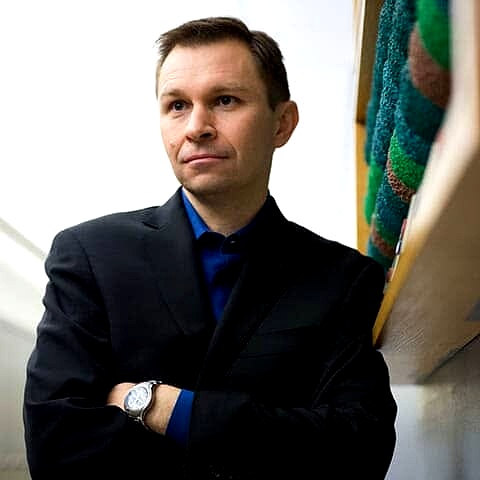
David Sinclair is an Australian biologist and professor at Harvard Medical School, known for his pioneering research in the field of aging and longevity. Sinclair's work focuses on understanding the biological mechanisms that drive aging and developing interventions to slow or reverse the process. His bestselling book Lifespan: Why We Age – and Why We Don’t Have To explores the latest advancements in anti-aging science and offers insights into how humans might extend their healthspan. Sinclair's research has led to breakthroughs in areas such as sirtuins, NAD+ metabolism, and cellular reprogramming. He is also the co-founder of several biotech companies, including Sirtris Pharmaceuticals and Life Biosciences, dedicated to translating aging research into practical treatments. Sinclair is a vocal advocate for taking a proactive approach to aging, promoting lifestyle changes and emerging therapies to delay age-related diseases. His work has made him a leading figure in the longevity movement, influencing both scientific and public discourse on the future of health.
Showing 8 of 14 related collections
“Life is not merely assembled from life's ingredients, but emerges as a symphonic orchestration of chemistry and chance, revealing the beauty of existence in its most elementary forms.”
Assembling Life
By David W. Deamer
Discover a world of knowledge through our extensive collection of book summaries.
David W. Deamer is an esteemed biochemist and author, best known for his pioneering research on the origins of life and the role of membranes in cell formation. He has authored notable works including 'First Life: Discovering the Connections between Stars, Cells, and How Life Began' and 'The Living Universe: Where Are We? Who Are We? Where Are We Going?' His writing style blends scientific rigor with accessible prose, making complex topics understandable for both academic and general audiences.
Key information about the book.
 Buy on Amazon
 Buy via BookShop
Support local bookstores: BookShop gives a portion of each sale to independent bookshops!
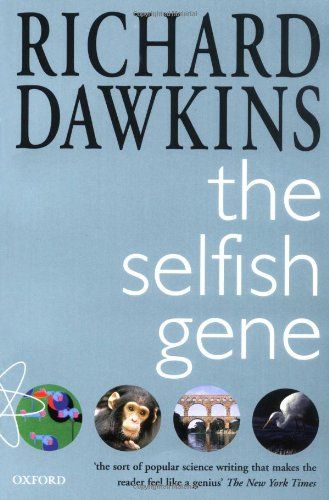
In Richard Dawkins' groundbreaking work, "The Selfish Gene," the concept of evolution is reimagined through the lens of genes as the primary unit of natural selection. Dawkins provocatively argues that behaviors once perceived as altruistic are often driven by genetic self-interest. The book introduces the idea of memes, exploring how cultural evolution parallels biological evolution. With vivid examples and thought-provoking insights, Dawkins challenges readers to reconsider the motivations behind their actions and the fabric of life itself. Will this lens of selfishness reshape your understanding of humanity and its place in the universe?
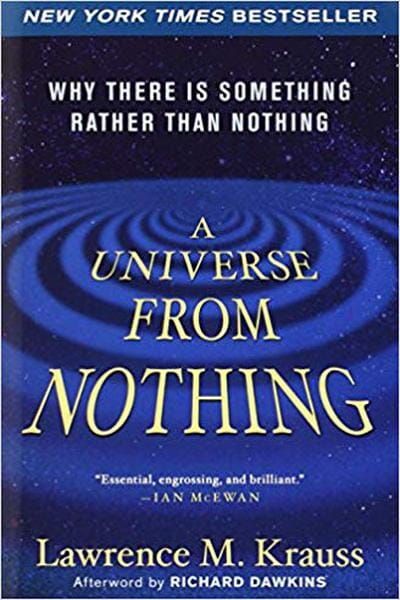
In 'A Universe from Nothing', acclaimed physicist Lawrence M. Krauss takes readers on a fascinating journey into the origins of the universe. He argues that something can emerge from nothing, challenging traditional notions of creation. Through compelling stories and cutting-edge science, Krauss reveals the cosmic framework that underpins our existence. The book raises profound questions about the nature of reality and the universe’s grand design. Prepare to rethink everything you thought you knew about the cosmos!
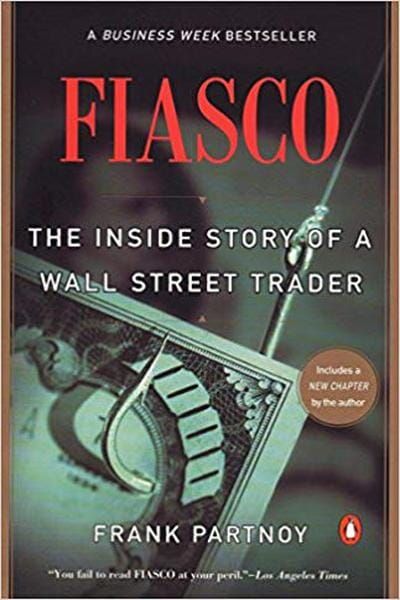
In 'Fiasco,' Frank Partnoy unveils the chaotic world of financial markets, where seemingly sound decisions can lead to catastrophic failures. He provides a gripping narrative of the 2008 financial crisis, dissecting the miscalculations and greed that fueled it. Through engaging anecdotes and sharp insights, Partnoy challenges readers to rethink risk and the nature of financial systems. This exploration serves as both a cautionary tale and a deep dive into the mechanisms that govern our economy. Prepare to question everything you thought you knew about finance and the true cost of ambition.
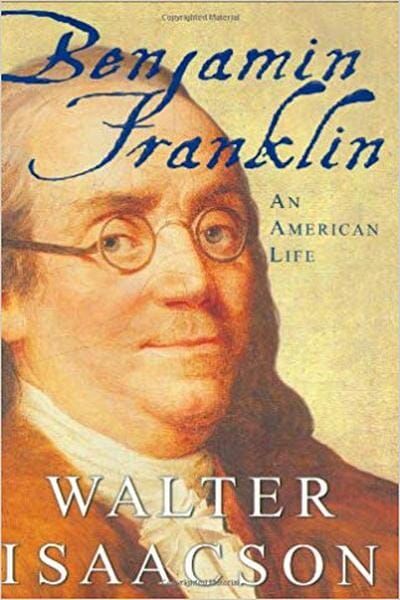
In 'Benjamin Franklin,' Walter Isaacson paints a vivid portrait of one of America's founding fathers, exploring not just his political contributions but also his personal life and philosophies. This engaging narrative delves into Franklin's insatiable curiosity and his multifaceted roles as an inventor, diplomat, and writer. Isaacson uncovers the man behind the legend, revealing Franklin's struggles with his identity and his relentless pursuit of knowledge. Readers will be captivated by Franklin's wit and wisdom, as well as his complex relationships with figures like George Washington and Thomas Jefferson. This biography invites you to discover how Franklin's innovative ideas and candid reflections continue to shape modern America.
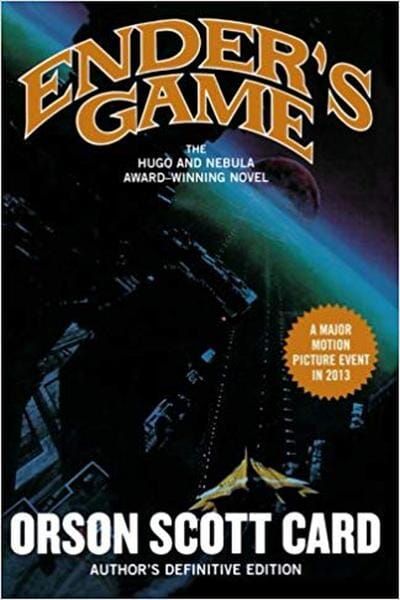
In a future where Earth is threatened by an alien species, child prodigy Ender Wiggin is recruited into a military training program in space. As he faces intense challenges and manipulative instructors, Ender's strategic brilliance shines through, setting him apart from his peers. The line between friend and foe blurs as he navigates the cutthroat environment of the Battle School. With the weight of humanity's survival on his shoulders, Ender must confront ethical dilemmas that question the morality of war. Can a child save the world, or will he become the very monster he’s been trained to defeat?
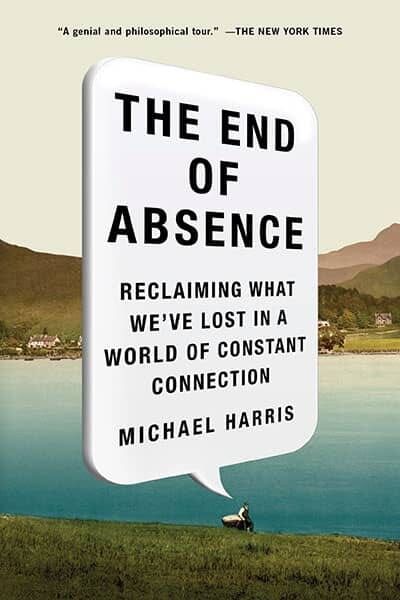
In 'The End of Absence,' Michael John Harris explores the paradox of constant connectivity in our digital age. As he nostalgically reflects on a time when absence was a natural state, he questions how technology reshapes our experiences and relationships. Through personal anecdotes and cultural analysis, Harris invites readers to ponder what we lose in a world devoid of solitude. This thought-provoking narrative challenges us to reconsider our attachment to screens and the significance of being truly present. Will we ever rediscover the value of absence in our hyper-connected lives?
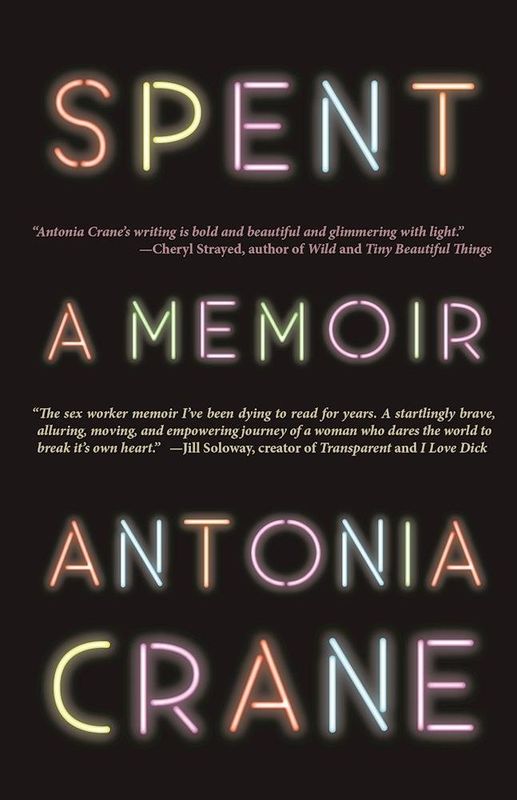
In 'Spent', Antonia Crane invites readers into the raw, exhilarating world of a struggling artist and stripper. As she navigates the complexities of love, loss, and the pursuit of personal freedom, Crane's poignant storytelling reveals the grit beneath glamour. With each chapter, the narrative challenges societal norms and dives deep into the intricacies of identity and self-discovery. What sacrifices will she make in her quest for authenticity? Discover the poignant truths woven through passion and survival in this captivating memoir.
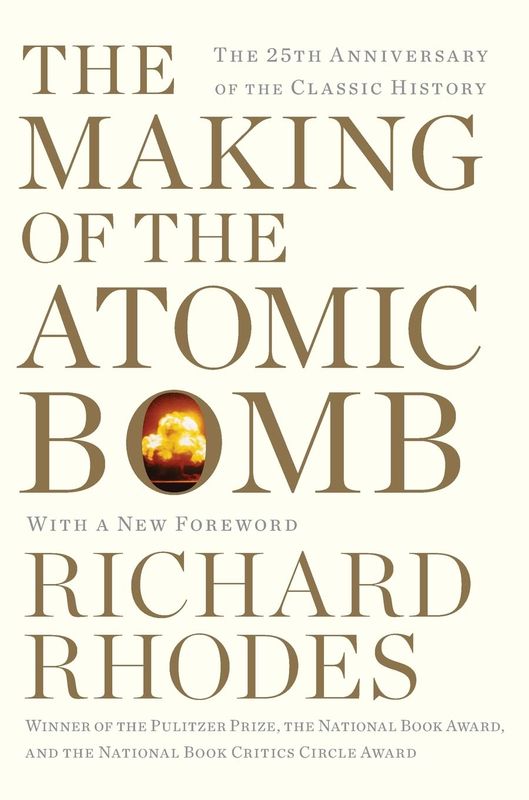
In 'The Making of the Atomic Bomb,' Richard Rhodes unveils the gripping narrative behind one of history's most monumental scientific achievements. With a blend of meticulous research and compelling storytelling, Rhodes explores the lives of the brilliant minds and the moral dilemmas they faced while racing against time and adversaries. As the project transforms from a theoretical concept to a world-altering weapon, readers are drawn into the political intrigue and human drama that fueled the Manhattan Project. This book not only delves into the science of atomic energy but also poses profound questions about human ambition and ethical responsibility. What does it mean to wield such immense power, and at what cost does progress come?

Download our mobile app to enjoy your favorite books on the go. Get access to exclusive features, offline listening, and personalized recommendations.