Asylum Book Summary
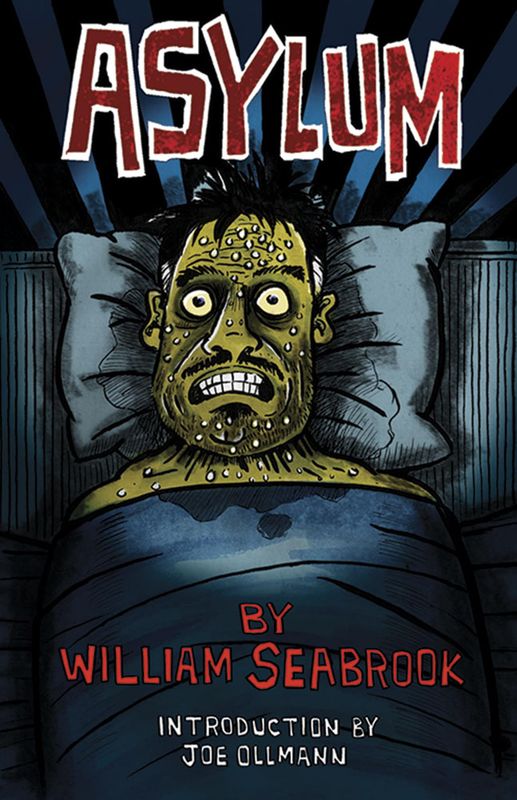
In 'Asylum,' William Seabrook takes readers on a chilling journey into the shadowy corners of mental institutions in the early 20th century. Through vivid storytelling, he explores the lives of patients grappling with their inner demons and the often macabre treatments they endure. Seabrook's firsthand accounts expose the dark reality behind the facade of care and compassion. As he delves deeper into the human psyche, the line between sanity and madness blurs, raising unsettling questions about the nature of reality. This gripping narrative invites readers to confront their own perceptions of normality and the haunting legacy of mental health care.
By William Seabrook
Published: 2015
""In the depths of the mind, where shadows dance with reality, we confront the true nature of our fears and desires.""

Start Listening to Book Summary
Book Review of Asylum
"This dramatic memoir recaptures William Seabrook's experiences during an eight-month stay at a Westchester mental hospital in the early 1930s. Seabrook, who was a renowned journalist, voluntarily committed himself for acute alcoholism. His account offers an honest, self-critical look at addiction and treatment in the days before Alcoholics Anonymous and other modern programs. William Seabrook is most famous for introducing the word Zombie to Western culture"--
Book Overview of Asylum
About the Book Author
William Seabrook
William Buehler Seabrook (1884-1945) was an American writer, traveler, and journalist, best known for his exploration of exotic cultures and the macabre. A pioneer in the genre of travel writing and a chronicler of the supernatural, Seabrook gained fame for his books, including 'The Magic Island' (1929), which introduced American readers to the concept of voodoo, and 'Jungle Ways' (1931), which detailed his experiences in Africa. His writing style is characterized by vivid descriptions, a keen sense of adventure, and a deep curiosity about the human condition, often blending elements of anthropology with compelling narrative storytelling. Seabrook's works reflect a fascination with the eerie and the unknown, making him a significant figure in early 20th-century American literature.
Book Details
Key information about the book.
- Authors
- William Seabrook
- Published
- September 2015
- Publisher
- Courier Dover Publications
- ISBN
- 0486798100
- Language
- English
- Pages
- 289
- Genres
- Mental HealthHistoryPsychologyCultural History
Purchase Options
 Buy on Amazon
 Buy via BookShop
Support local bookstores: BookShop gives a portion of each sale to independent bookshops!
Similar books you might like →
The Psychology of Money Book Summary
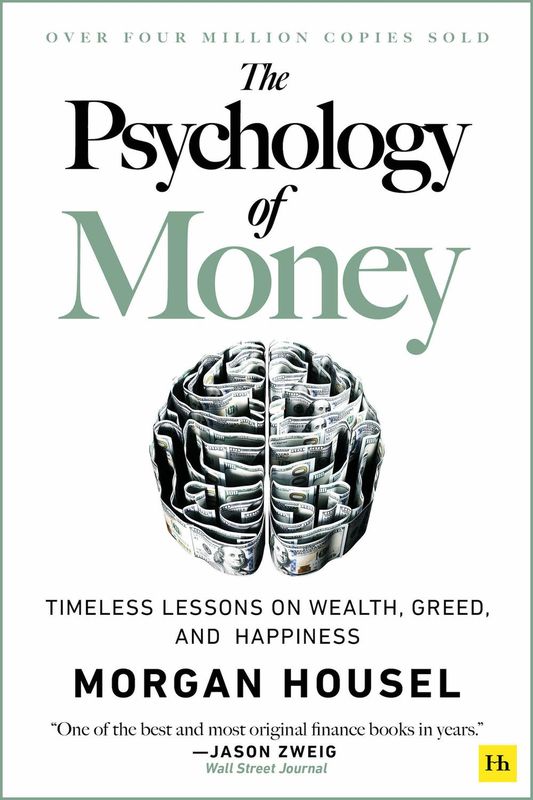
In "The Psychology of Money," Morgan Housel unravels the complex relationship between our emotions and financial decisions. Through captivating anecdotes and profound insights, he reveals that wealth isn't just about numbers, but about behavior and mindset. The book challenges conventional wisdom, urging readers to understand the subtle psychological forces that influence our spending and saving habits. Housel's reflections highlight the power of patience, humility, and a long-term perspective in building true financial success. Prepare to rethink everything you thought you knew about money and its role in your life!
A Brief History of Time Book Summary
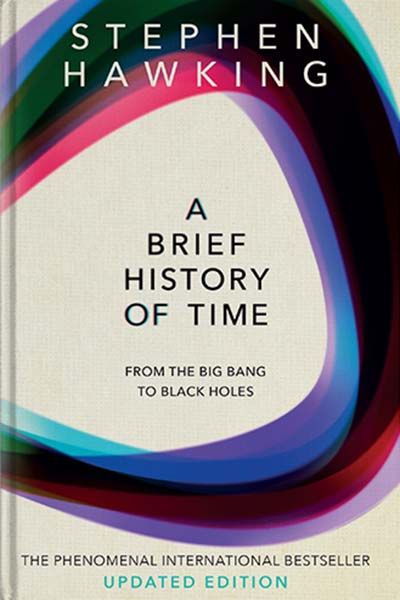
In "A Brief History of Time," Stephen Hawking takes readers on a captivating journey through the cosmos, exploring the nature of time, black holes, and the universe's beginnings. With stunning clarity, he unravels complex scientific concepts, inviting everyone—from curious laypersons to seasoned physicists—to ponder the mysteries of existence. Hawking's charismatic storytelling challenges our perceptions of reality and time itself, posing profound questions about the universe's fate. As he merges science with philosophy, the reader is compelled to reflect on their place in a vast, enigmatic cosmos. Prepare to be inspired and awed by a narrative that transcends mere facts, pushing the boundaries of human understanding.
The Psychopath Test Book Summary
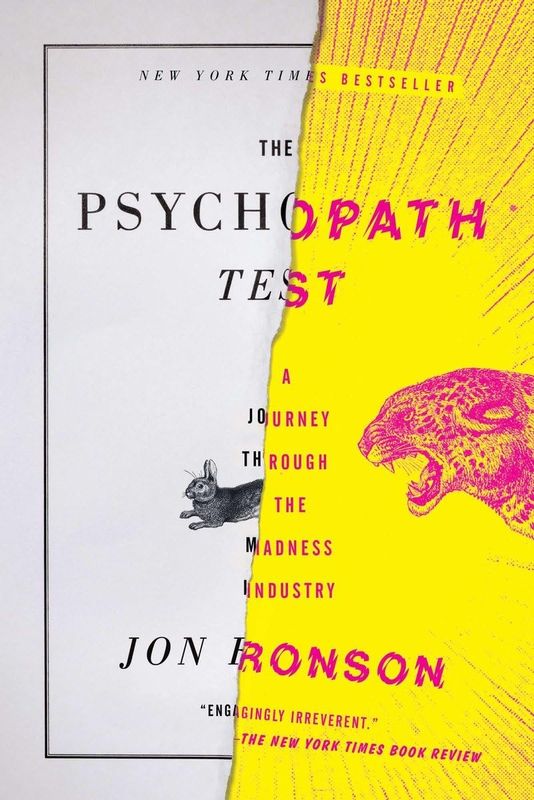
In 'The Psychopath Test,' Jon Ronson embarks on a mind-bending journey to decipher the complexities of the human mind and the psychopath diagnosis. He interviews individuals on both sides of the mental health spectrum, from charming con artists to distinguished psychologists. As he delves deeper, Ronson uncovers shocking truths about the thin line between sanity and madness. The book challenges readers to question who really qualifies as a 'psychopath' and whether we might all possess a hint of that darkness. With wit and insight, Ronson unveils a compelling exploration of morality, power, and the society's obsession with labeling minds.
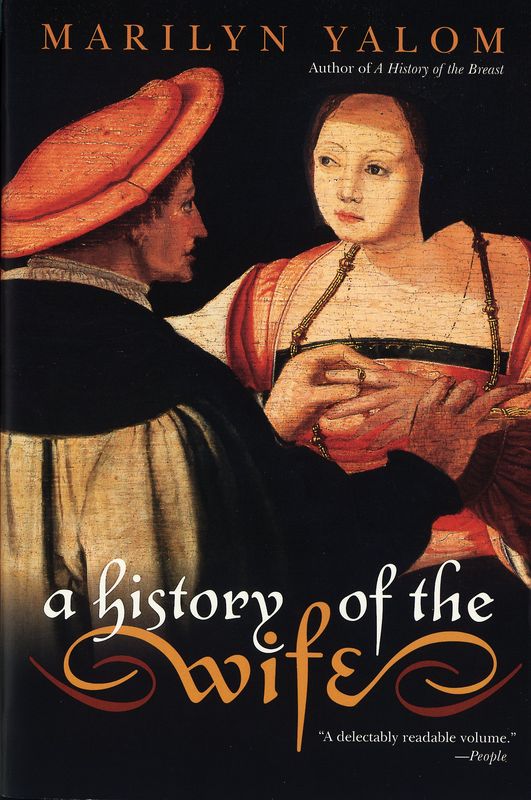
A History of the Wife Book Summary
In 'A History of the Wife', Marilyn Yalom unveils the often-overlooked narratives of women throughout history, exploring the evolution of marriage and the roles of wives in society. Through a blend of historical analysis and personal anecdotes, Yalom reveals the complex dynamics between love, obligation, and identity. Readers journey through various cultures and time periods, witnessing the shifting expectations placed on wives. This illuminating work challenges conventional views on marriage, inviting reflection on contemporary relationships. A must-read for anyone curious about how the past influences the present in the realm of love and partnership.
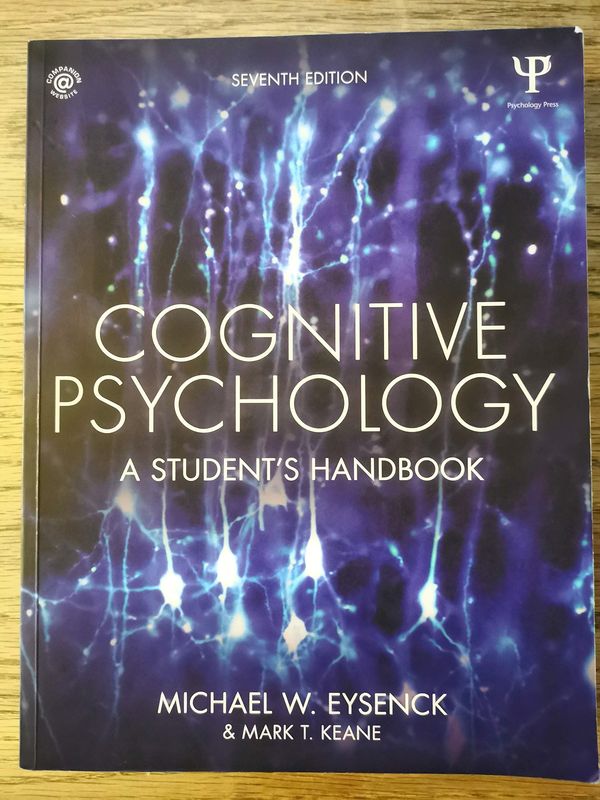
Cognitive Psychology Book Summary
'Cognitive Psychology' by Michael W. Eysenck and Mark T. Keane offers a riveting exploration into the inner workings of the human mind. Delve into the fascinating processes of perception, memory, and decision-making that shape our everyday experiences. With cutting-edge research and real-world applications, the authors unravel the complexities of cognitive functions in a way that captivates both novices and seasoned scholars alike. Discover how cognitive psychology influences everything from learning strategies to emotional responses. This book invites you to unlock the mysteries of thought and behavior, igniting a deeper understanding of what it means to be human.
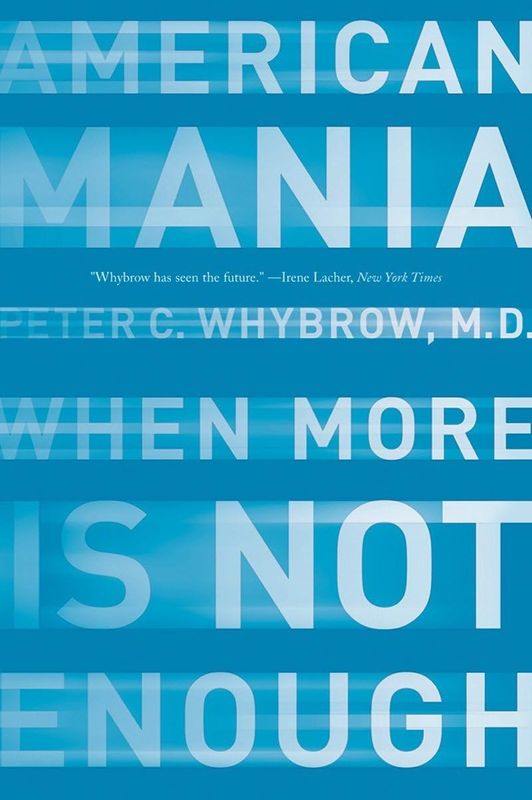
American Mania: When More is Not Enough Book Summary
In 'American Mania,' Peter C. Whybrow explores the obsessive pursuit of wealth and success that defines American culture. He delves into the psychological underpinnings of a society that equates more with happiness, unraveling the consequences of this relentless drive. Through captivating anecdotes and scientific research, Whybrow illustrates how such mania can lead to dissatisfaction and mental health crises. Readers are challenged to reconsider their own values in a world where enough is never enough. This thought-provoking examination will leave you questioning what true fulfillment really means in contemporary America.
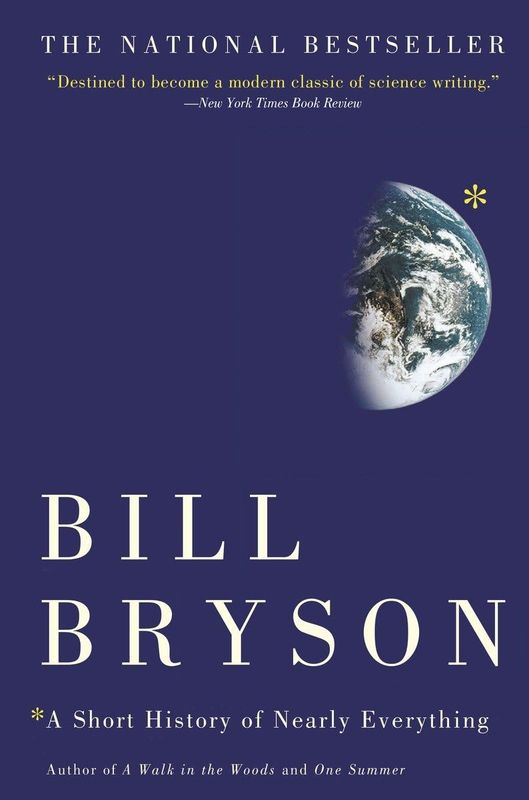
A Short History of Nearly Everything Book Summary
In 'A Short History of Nearly Everything,' Bill Bryson embarks on a whimsical journey through the annals of science, unraveling the mysteries of the universe and humankind's place within it. With wit and humor, he demystifies complex concepts, from the Big Bang to atoms, making them accessible to the layperson. Bryson introduces us to eccentric scientists and their groundbreaking discoveries, igniting a sense of wonder about the world we inhabit. This book is not merely a history; it's a celebration of curiosity, sparking an appreciation for the intricacies of life and the universe. Prepare to be entertained and enlightened as you explore the 'why' and 'how' behind nearly everything.
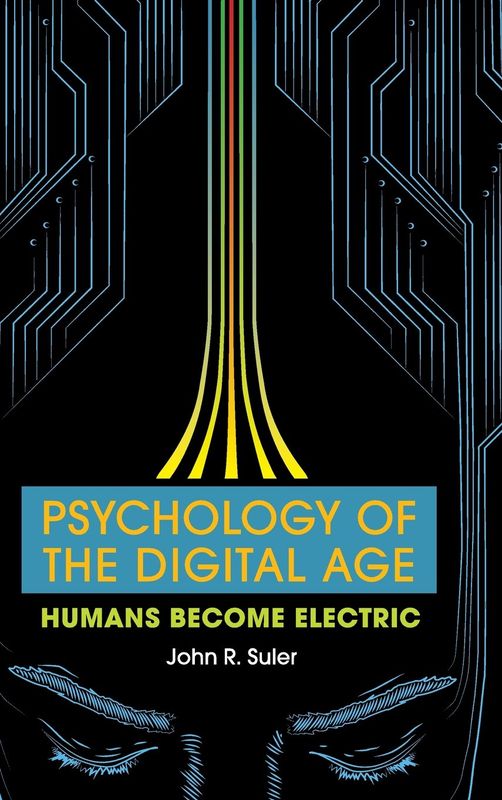
Psychology of the Digital Age Book Summary
In 'Psychology of the Digital Age', John R. Suler explores how the internet alters our perceptions and behaviors. The book delves into the psychological effects of online interactions, revealing both the liberating and isolating aspects of digital communication. Suler investigates the dynamic between virtual identities and real-life personas, and how this tension shapes our relationships. By integrating psychological theories with contemporary digital culture, the author prompts readers to question their online selves. This engaging exploration raises essential questions about identity, anonymity, and the future of human connection in a digital world.
Showing 8 of 17 similar books
Take your reading experience to the next level
Download our mobile app to enjoy your favorite books on the go. Get access to exclusive features, offline listening, and personalized recommendations.

Similar Book Recommendations →
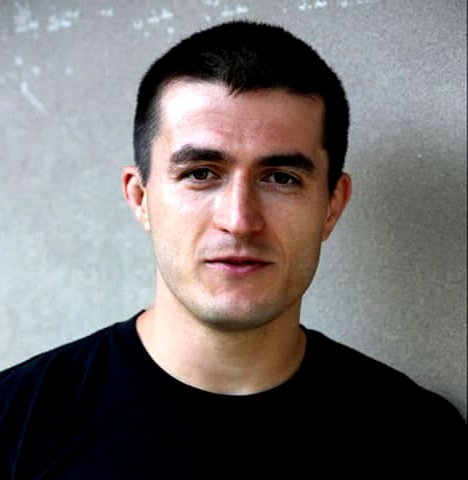
Lex Fridman's Book Recommendations
Lex Fridman is an artificial intelligence researcher, podcaster, and MIT professor, known for his work in autonomous vehicles, robotics, and deep learning. Fridman has gained widespread popularity through his podcast, Lex Fridman Podcast, where he interviews leading thinkers in science, technology, and philosophy, exploring topics like AI, consciousness, and the future of humanity. His academic work focuses on human-centered AI, aiming to create machines that can better understand and interact with humans. Fridman’s ability to distill complex topics into accessible conversations has earned him a large following, and his podcast is known for its thoughtful, in-depth discussions with some of the brightest minds of our time. He is also an advocate for the responsible development of AI, emphasizing the ethical implications of this rapidly advancing technology. Outside of academia and podcasting, Fridman is a practitioner of jiu-jitsu and frequently speaks about the importance of discipline and continuous learning.
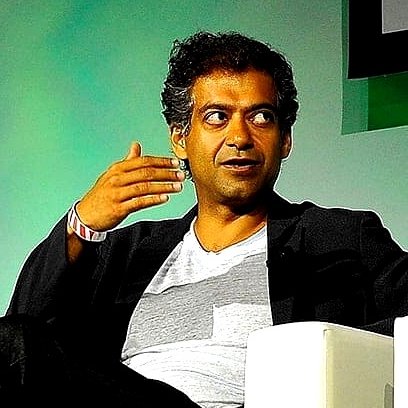
Naval Ravikant's Book Recommendations
Naval Ravikant is an entrepreneur, angel investor, and philosopher, best known as the co-founder of AngelList, a platform that connects startups with investors. Ravikant is a prolific thinker and writer on topics such as startups, investing, and personal well-being, sharing his wisdom through essays, podcasts, and social media. He has invested in over 100 companies, including Uber, Twitter, and Yammer, making him one of Silicon Valley’s most successful angel investors. Ravikant is also known for his philosophical musings on wealth, happiness, and the meaning of life, which have garnered him a large and dedicated following.

Brian Earp's Book Recommendations
Brian Earp is a distinguished ethicist and interdisciplinary researcher, renowned for his extensive work in medical ethics, philosophy, and psychology. He serves as the Associate Director of the Yale-Hastings Program in Ethics and Health Policy at Yale University. Earp has co-authored several influential books, including "Love Drugs: The Chemical Future of Relationships," which explores the ethical implications of using pharmaceuticals to enhance romantic relationships. His scholarly articles have been widely published in leading academic journals, making significant contributions to debates on bioethics, sexuality, and human enhancement. Earp is also recognized for his engaging public outreach, effectively bridging the gap between academic research and public discourse.

Janet Mock's Book Recommendations
Janet Mock is an acclaimed writer, director, and transgender rights activist known for her groundbreaking memoir, "Redefining Realness," which became a New York Times bestseller. She followed this with "Surpassing Certainty," further cementing her voice in contemporary literature. Mock's work has not only highlighted her own journey but also brought vital visibility to the transgender community. In addition to her literary achievements, she has made significant contributions to television, notably as a writer, director, and producer for the series "Pose." Through her multifaceted career, Mock has become a powerful advocate for LGBTQ+ rights and an influential figure in modern storytelling.

Anna Kendrick's Book Recommendations
Anna Kendrick is an acclaimed actress and author, best known for her versatile performances in film and theater. She gained widespread recognition for her role in the "Twilight" series and earned an Academy Award nomination for her performance in "Up in the Air." In 2016, Kendrick expanded her creative repertoire by publishing her memoir, "Scrappy Little Nobody," which offers a candid, humorous look at her life and career. The book became a New York Times bestseller, showcasing her sharp wit and storytelling talent. Kendrick continues to influence both the entertainment and literary worlds with her engaging presence and authentic voice.
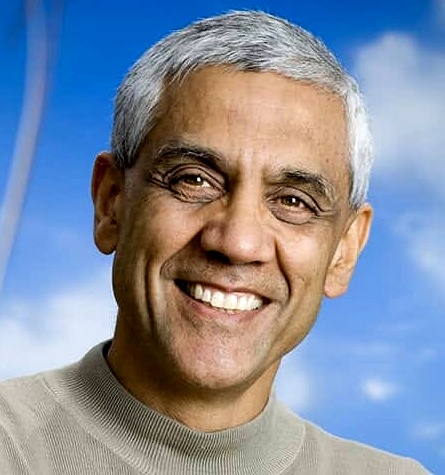
Vinod Khosla's Book Recommendations
Vinod Khosla is an Indian-American venture capitalist and co-founder of Sun Microsystems, one of the companies that helped drive the development of the internet. Khosla is the founder of Khosla Ventures, a venture capital firm that focuses on early-stage investments in technology and energy. He is known for his bold approach to investing, often backing companies working on breakthrough technologies in areas like renewable energy, healthcare, and artificial intelligence. Khosla is a vocal advocate for using technology to solve some of the world’s biggest problems. His visionary approach to investing has made him one of the most influential figures in Silicon Valley.

Anya Taylor-Joy's Book Recommendations
Anya Taylor-Joy is an acclaimed actress known for her captivating performances in film and television. She gained widespread recognition for her role as Beth Harmon in the critically acclaimed Netflix series "The Queen's Gambit," which earned her a Golden Globe Award for Best Actress. Taylor-Joy has also starred in notable films such as "The Witch," "Split," and "Emma," showcasing her versatility and depth as an actress. In addition to her acting career, she has been praised for her contributions to promoting diverse and complex female characters in modern storytelling. Her work continues to inspire audiences and set a high standard in the entertainment industry.
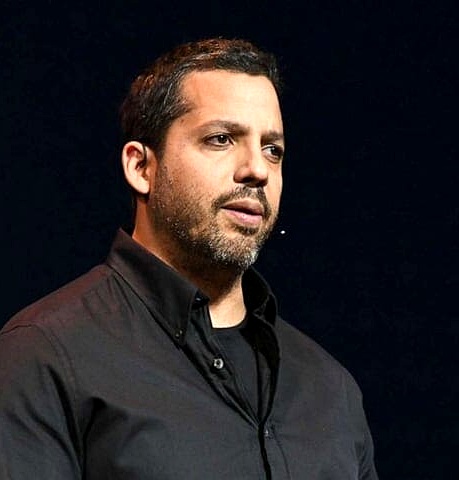
David Blaine's Book Recommendations
David Blaine is an American illusionist, endurance artist, and magician, known for his daring and extreme stunts, such as being buried alive, encased in ice, and holding his breath underwater for a record-breaking amount of time. Blaine gained fame for his street magic performances, but his endurance feats have pushed the boundaries of what the human body can achieve. He has been widely recognized for his contributions to magic and illusion, combining elements of mysticism with physical and mental challenges. Blaine’s work has captivated audiences worldwide and has set new standards in the world of magic and performance art.
Showing 8 of 13 related collections
“"In the depths of the mind, where shadows dance with reality, we confront the true nature of our fears and desires."”
Asylum
By William Seabrook
Frequently Asked Questions
Explore Our Catalogue
Discover a world of knowledge through our extensive collection of book summaries.
Genres
Genres
Genres
Featured Collections
- Top Book Club Picks
- One-Stop Nutrition
- Summer Reads 2024
- Best Beach Reads 2024
- Work-Life Balance Guide
- Time Management
- Healthy Foods
- Entrepreneur Toolkit
- Mind & Body Wellness
- Future Tech Insights
- Leadership Essentials
- Financial Freedom
- Sci-Fi Masterpieces
- Parenting 101
- Books That Became Blockbusters
- Guide to a Healthy Pregnancy