
By Kurt Gottfried, Victor Frederick Weisskopf
Published: 1984
Annotation Elucidates basic and well-established concepts of particle physics to those who do not have the sophisticated training in mathematics and physics that is habitually expected of students of this subject.
Showing 8 of 27 similar books
Naval Ravikant is an entrepreneur, angel investor, and philosopher, best known as the co-founder of AngelList, a platform that connects startups with investors. Ravikant is a prolific thinker and writer on topics such as startups, investing, and personal well-being, sharing his wisdom through essays, podcasts, and social media. He has invested in over 100 companies, including Uber, Twitter, and Yammer, making him one of Silicon Valley’s most successful angel investors. Ravikant is also known for his philosophical musings on wealth, happiness, and the meaning of life, which have garnered him a large and dedicated following.
David Deutsch is a British physicist and philosopher, widely known for his contributions to quantum mechanics, particularly in the area of quantum computation. He is the author of The Fabric of Reality and The Beginning of Infinity, where he explores the nature of knowledge, progress, and the future of human civilization. Deutsch’s work in quantum computing laid the groundwork for the development of quantum algorithms, positioning him as a pioneer in this emerging field. He is a proponent of the multiverse theory and has offered profound insights into the nature of reality, science, and human potential. Deutsch’s philosophical work emphasizes the power of reason and creativity in solving problems and expanding human understanding. His ideas have had a significant impact on the fields of theoretical physics and epistemology, making him a leading thinker on the future of science and technology. He continues to inspire both scientists and lay readers with his optimistic vision of a world shaped by knowledge and innovation.
Cleo Abram is a distinguished journalist and content creator known for her incisive storytelling and engaging multimedia presentations. She gained widespread recognition as a producer and host for Vox's acclaimed series, "Glad You Asked," where she explored complex topics with clarity and depth. Abram's work often intersects with technology and culture, making intricate subjects accessible to a broad audience. In addition to her journalistic endeavors, she has contributed thought-provoking essays and articles to various esteemed publications. Her innovative approach to storytelling continues to influence and inspire both readers and aspiring journalists.
Brian Cox is a Scottish actor and director, best known for his roles in films like Braveheart and Adaptation, as well as for his portrayal of media mogul Logan Roy in the hit HBO series Succession. Cox is renowned for his commanding screen presence and his ability to convey complex, often morally ambiguous characters. He has had a distinguished career in both film and theater, earning numerous awards, including a Golden Globe for his performance in Succession. In addition to his acting work, Cox is a vocal advocate for arts education and has been involved in various charitable initiatives. His longevity and versatility have made him a respected and influential figure in the entertainment industry.
Bill Nye, also known as "Bill Nye the Science Guy," is an American science communicator, mechanical engineer, and television presenter. He rose to fame as the host of the popular children’s science show Bill Nye the Science Guy, which educated a generation of young viewers on scientific concepts in an accessible and entertaining way. Nye is a passionate advocate for science education and environmental causes, particularly in the fight against climate change. He has continued his mission to make science accessible through various media, including books, public speaking, and a Netflix series titled Bill Nye Saves the World. Nye frequently appears as a guest on talk shows and news programs to discuss science-related topics and the importance of evidence-based policies. In addition to his television work, Nye is also the CEO of The Planetary Society, a nonprofit organization that promotes space exploration. His contributions to science communication have earned him widespread recognition and numerous awards.
Emma Watson is a British actress and activist best known for her role as Hermione Granger in the "Harry Potter" film series, which brought J.K. Rowling's beloved books to life. Beyond her acting career, Watson has made significant contributions to literature by promoting gender equality and women's rights through her work with the United Nations, including the HeForShe campaign. She has also curated and shared book recommendations that highlight feminist literature and diverse voices. Watson graduated from Brown University with a degree in English literature, further emphasizing her dedication to the literary world. Her advocacy and influence have made her a prominent figure in both the entertainment and literary communities.
Christopher Hitchens (1949-2011) was a prolific British-American author, journalist, and literary critic known for his sharp wit and unapologetic criticism of religion and political figures. He penned numerous books, including the best-selling "God Is Not Great: How Religion Poisons Everything," which cemented his reputation as a leading public intellectual and outspoken atheist. Hitchens contributed regularly to prominent publications such as Vanity Fair, The Nation, and The Atlantic, showcasing his wide-ranging knowledge and incisive commentary. He was also lauded for his powerful oratory skills, engaging in countless debates and lectures worldwide. His memoir, "Hitch-22," offers an introspective look into his life, further solidifying his legacy as a formidable voice in contemporary literature and thought.
Mark Zuckerberg is an American technology entrepreneur best known for co-founding Facebook, the world's largest social media platform, which transformed global communication. Born on May 14, 1984, in White Plains, New York, he launched Facebook in 2004 while attending Harvard University. Under his leadership, Facebook expanded rapidly, influencing the social media landscape and digital advertising. Zuckerberg has also authored numerous articles and essays on technology, innovation, and the future of the internet. His work has had a profound impact on how people connect and share information in the digital age.
Discover a world of knowledge through our extensive collection of book summaries.
Kurt Gottfried is an acclaimed author and physicist known for his contributions to both literature and science. He has written extensively on topics relating to physics, including his notable works such as 'Quantum Mechanics: Principles and Practice' and 'The Physics of Everyday Phenomena.' His writing often blends complex scientific concepts with accessible language, making challenging subjects understandable to a broad audience. In addition to his academic publications, Gottfried has authored essays and articles aimed at promoting scientific literacy and fostering an appreciation for the physical sciences. His clear, engaging prose and ability to distill intricate ideas into relatable narratives have made him a respected voice in both academic and literary communities.
Victor Frederick Weisskopf was a distinguished physicist and author known for his contributions to theoretical physics and science education. He served as a professor at the Massachusetts Institute of Technology and played a pivotal role in the development of quantum mechanics. Weisskopf's notable works include "Theoretical Nuclear Physics" and numerous articles on particle physics. His writing style is characterized by clarity and insight, making complex scientific concepts accessible to a broader audience, and he often infused his works with philosophical reflections on the nature of science and its impact on society.
Key information about the book.
 Buy on Amazon
 Buy via BookShop
Support local bookstores: BookShop gives a portion of each sale to independent bookshops!
In "The Gene: An Intimate History," Siddhartha Mukherjee weaves together a compelling narrative that explores the profound impact of genetics on our identities and destinies. This journey spans from ancient discoveries to modern science, unraveling the stories of legendary geneticists and their groundbreaking findings. Mukherjee delves into the ethical dilemmas and societal implications of genetic manipulation, leaving readers questioning what it truly means to be human. With rich anecdotes and scientific insights, the book invites you to reflect on your own genetic legacy. Can our genes dictate our future, or do we hold the power to shape our own narratives?
In "A Brief History of Time," Stephen Hawking takes readers on a captivating journey through the cosmos, exploring the nature of time, black holes, and the universe's beginnings. With stunning clarity, he unravels complex scientific concepts, inviting everyone—from curious laypersons to seasoned physicists—to ponder the mysteries of existence. Hawking's charismatic storytelling challenges our perceptions of reality and time itself, posing profound questions about the universe's fate. As he merges science with philosophy, the reader is compelled to reflect on their place in a vast, enigmatic cosmos. Prepare to be inspired and awed by a narrative that transcends mere facts, pushing the boundaries of human understanding.
In "Astrophysics for People in a Hurry," Neil deGrasse Tyson takes readers on a whirlwind journey through the cosmos, unveiling the complex wonders of the universe in bite-sized pieces. He distills complex theories about black holes, dark matter, and the Big Bang into accessible narratives that spark curiosity and awe. With his signature wit and clarity, Tyson makes the grand tapestry of the universe relatable, inviting readers to ponder their place within it. This captivating exploration not only enlightens but also ignites a sense of wonder about the infinite possibilities of existence. Are you ready to embrace the mysteries of the universe, one brief chapter at a time?
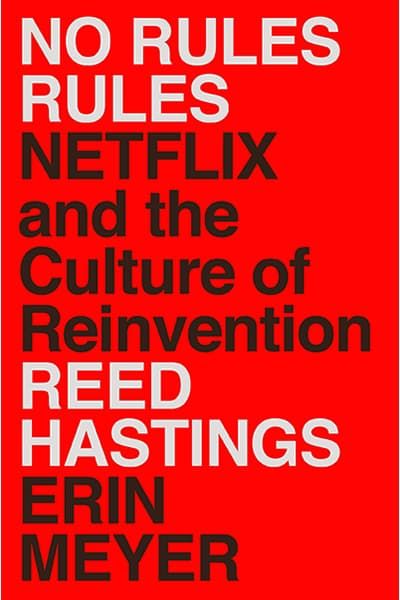
In 'No Rules Rules,' Netflix co-founder Reed Hastings reveals the unconventional culture that propelled the company to unprecedented heights. Delving into the principles of radical freedom and responsibility, Hastings and co-author Erin Meyer challenge traditional management norms. They explain how eliminating rules and fostering an environment of candor can lead to extraordinary innovation and performance. With captivating anecdotes and practical insights, this book unveils the secrets behind Netflix's success. Are you ready to rethink everything you thought you knew about effective leadership?
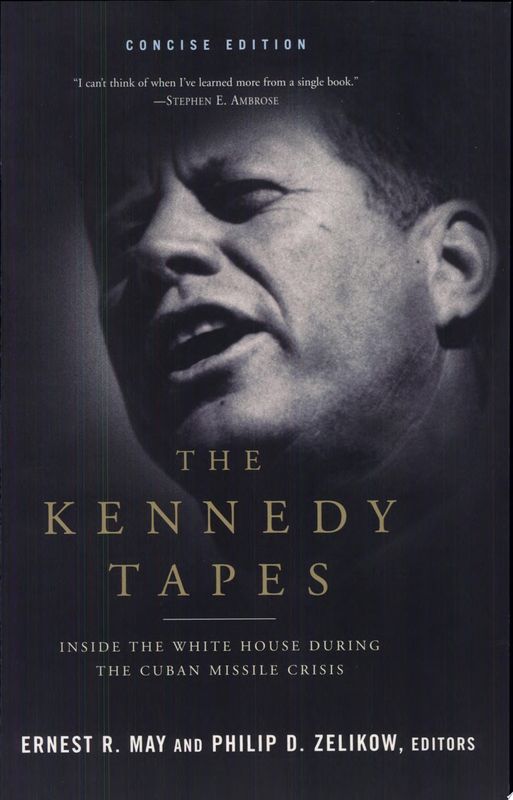
Dive into the secretive world of power with 'Kennedy Tapes Concise Edition.' This intriguing collection slices through the layers of history to reveal intimate conversations that shaped pivotal moments in the Kennedy presidency. Discover the raw emotions and strategic deliberations behind the Cuban Missile Crisis, civil rights, and the space race. Each tape serves as a portal into the mind of a leader grappling with immense challenges and moral dilemmas. What revelations lie within these conversations, and how do they redefine our understanding of this iconic era?
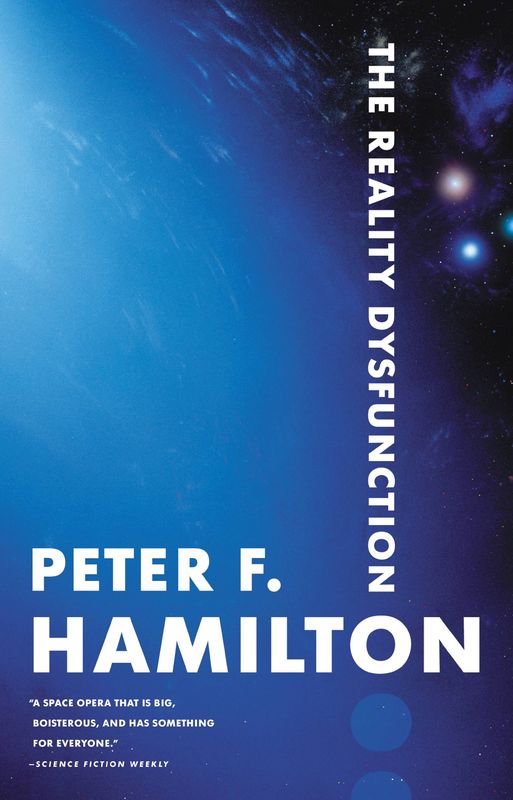
Set in a sprawling future where humanity has colonized the stars, 'The Reality Dysfunction' unfolds a tale of cosmic horror as an ancient evil awakens. As the boundaries of life and death blur, a diverse cast of characters—ranging from spacefaring rebels to a religious prophecy—must confront their worst nightmares. Amidst epic battles and political intrigue, the fabric of reality itself begins to unravel. This gripping narrative explores themes of existence, belief, and the consequences of humanity's hubris. Dive into a universe teetering on the brink of chaos, where every choice could lead to salvation or doom.
No summary available
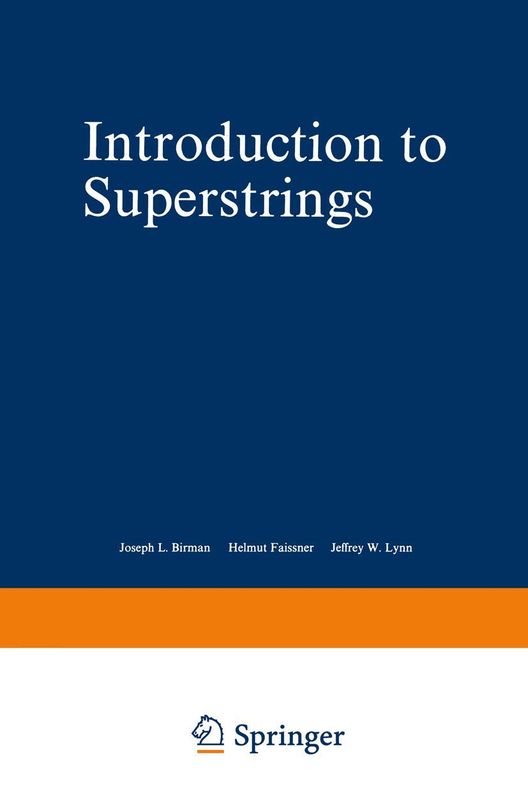
In 'Introduction to Superstrings', renowned physicist Michio Kaku takes readers on a breathtaking journey into the enigmatic world of string theory, proposing that the fundamental building blocks of the universe are not particles, but tiny, vibrating strings. With clarity and enthusiasm, Kaku unravels complex concepts, making them accessible to both novices and seasoned science enthusiasts. The book invites you to explore the intersections of quantum mechanics and gravity, revealing how these theories could revolutionize our understanding of the cosmos. Prepare to question the very fabric of reality as you dive into theoretical realms where dimensions unfold beyond our perception. Are we on the brink of unlocking the ultimate theory of everything?








Download our mobile app to enjoy your favorite books on the go. Get access to exclusive features, offline listening, and personalized recommendations.