Coyote America Book Summary
In 'Coyote America,' Dan Flores unveils the fascinating journey of the coyote, a resilient survivor in the face of human encroachment. The book intertwines history, ecology, and personal anecdotes to reveal the coyote's adaptability and unique role in American culture. Flores challenges our perceptions of this misunderstood creature, inviting readers to explore its complex relationship with humanity. Through rich storytelling, he illuminates the broader themes of nature's resilience and our responsibility in preserving it. Dive into a narrative that transforms the way we see one of North America's most iconic animals.
By Dan Flores
Published: 2017
"In the wild, the coyote embodies resilience and adaptability, reminding us that survival often comes from understanding the landscape we inhabit rather than trying to dominate it."


Start Listening to Book Summary
Book Review of Coyote America
The New York Times best-selling account of how coyotes--long the target of an extermination policy--spread to every corner of the United States Finalist for the PEN/E.O. Wilson Literary Science Writing Award "A masterly synthesis of scientific research and personal observation." -Wall Street Journal Legends don't come close to capturing the incredible story of the coyote In the face of centuries of campaigns of annihilation employing gases, helicopters, and engineered epidemics, coyotes didn't just survive, they thrived, expanding across the continent from Alaska to New York. In the war between humans and coyotes, coyotes have won, hands-down. Coyote America is the illuminating five-million-year biography of this extraordinary animal, from its origins to its apotheosis. It is one of the great epics of our time.
Book Overview of Coyote America
About the Book Author
Dan Flores
Dan Flores is an acclaimed American author and historian known for his significant contributions to the exploration of the American West. He is the author of notable works such as "Coyote America: A Natural and Supernatural History" and "American Serengeti: The Last Big Animals of the Great Plains." Flores' writing is characterized by its blend of rich narrative style, deep historical insight, and commitment to environmental conservation. His exploration of cultural and natural history has earned him recognition in both literary and ecological circles.
Book Details
Key information about the book.
- Authors
- Dan Flores
- Published
- September 2017
- Publisher
- Basic Books
- ISBN
- 0465093728
- Language
- English
- Pages
- N/A
- Genres
- Wildlife and ConservationHistoryCultural HistoryScience and Nature
Purchase Options
 Buy on Amazon
 Buy via BookShop
Support local bookstores: BookShop gives a portion of each sale to independent bookshops!
Similar books you might like →
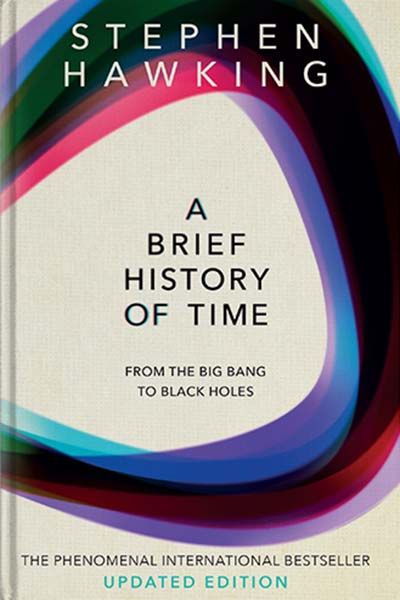
A Brief History of Time Book Summary
In "A Brief History of Time," Stephen Hawking takes readers on a captivating journey through the cosmos, exploring the nature of time, black holes, and the universe's beginnings. With stunning clarity, he unravels complex scientific concepts, inviting everyone—from curious laypersons to seasoned physicists—to ponder the mysteries of existence. Hawking's charismatic storytelling challenges our perceptions of reality and time itself, posing profound questions about the universe's fate. As he merges science with philosophy, the reader is compelled to reflect on their place in a vast, enigmatic cosmos. Prepare to be inspired and awed by a narrative that transcends mere facts, pushing the boundaries of human understanding.

Guns, Germs, and Steel Book Summary
In 'Guns, Germs, and Steel,' Jared Diamond investigates the factors that have shaped human societies over the last 13,000 years. He argues that environmental differences, rather than racial genetics, have been the primary drivers of inequality among civilizations. The book explores how agriculture, technology, and disease have influenced the rise and fall of empires. Through compelling narratives and insightful analysis, Diamond uncovers the unexpected connections between geography and history. Readers are left questioning the very foundations of societal development and the future of humanity.

THERESE DESQUEYROUX; TRANS. BY RAYMOND N. MACKENZIE. Book Summary
In 'Thérèse Desqueyroux', the protagonist battles the suffocating constraints of her provincial life in post-World War I France. Thérèse's marriage to the wealthy and indifferent Bernard becomes a cage, prompting her desperate search for freedom and fulfillment. As she contemplates radical actions against societal expectations, the tension escalates—will she break free or be forever trapped? Mauriac's poignant prose paints a vivid portrait of a woman's inner turmoil and rebellion. This haunting exploration of love, betrayal, and the quest for identity invites readers to question the true price of freedom.

Monday's Not Coming Book Summary
In 'Monday's Not Coming,' the protagonist, Claudia, is desperately searching for her missing best friend, Monday. As she digs deeper, the story reveals the haunting secrets of their troubled past and the dark truths buried beneath the surface. The narrative shifts between present-day desperation and flashes of their friendship, creating a tense atmosphere filled with suspense. Tiffany D. Jackson masterfully intertwines themes of friendship, loss, and the painful realities of adolescence. Readers will be captivated and left questioning the complexities of loyalty and the impact of neglect.
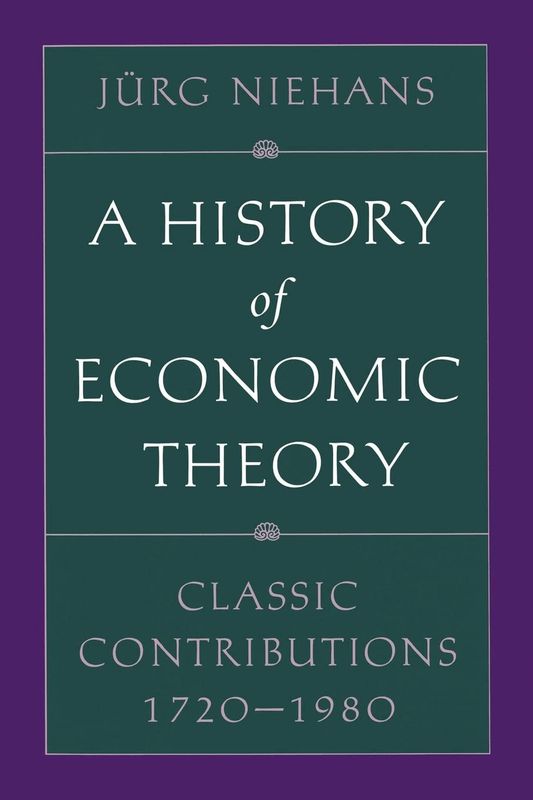
A History of Economic Theory Book Summary
In 'A History of Economic Theory', Jürg Niehans takes readers on a captivating journey through the evolution of economic thought. From ancient philosophies to contemporary paradigms, the book unravels how ideas have shaped economic practices across cultures and eras. With each chapter, Niehans reveals the intellectual battles and breakthroughs that have defined the discipline. Rich in historical context, this work challenges readers to consider the relevance of past theories in today's economy. Dive into this scholarly adventure and discover how the past continually influences our understanding of wealth and value.

Adam Spencer's World of Numbers Book Summary
Dive into the captivating realm of numbers with Adam Spencer as your guide. This book unravels the fascinating stories behind mathematical concepts, breathing life into what many consider dry and abstract. Spencer's unique blend of humor and insight invites readers of all ages to see numbers as more than mere symbols, but as an integral part of our world. With intriguing puzzles and mind-bending trivia, every turn of the page ignites curiosity and appreciation for the beauty of mathematics. Prepare to embark on a journey that will change the way you think about numbers forever!

Your Sacred Self Book Summary
In "Your Sacred Self," Wayne W. Dyer invites readers on a transformative journey toward self-discovery and enlightenment. He delves into the concept of the sacred self, urging individuals to tap into their inner wisdom and embrace their true potential. Through insightful anecdotes and practical exercises, Dyer challenges conventional beliefs and encourages readers to break free from societal constraints. This empowering guide not only fosters a deeper understanding of one’s purpose but also offers a pathway to spiritual fulfillment. Are you ready to awaken your sacred self and live a life of authenticity and joy?
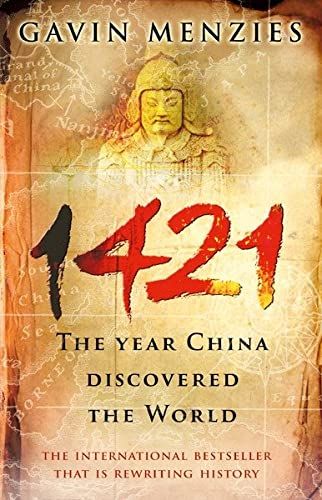
1421: The Year China Discovered The World Book Summary
In '1421: The Year China Discovered The World,' Gavin Menzies presents a groundbreaking theory that suggests the Ming Dynasty launched a massive naval expedition that circumnavigated the globe long before Columbus. The narrative intertwines maritime exploration, historical intrigue, and compelling shipbuilding technologies, revealing a hidden chapter of world history. Menzies argues that these voyages led to encounters with distant lands, including America and Australia, fundamentally changing global trade and interaction. His thrilling investigation challenges long-held beliefs and ignites debate among historians about the true timeline of exploration. Are we ready to rethink the story of our past?
Showing 8 of 27 similar books
Take your reading experience to the next level
Download our mobile app to enjoy your favorite books on the go. Get access to exclusive features, offline listening, and personalized recommendations.

Similar Book Recommendations →

Michael Pollan's Book Recommendations
Michael Pollan is a renowned American author and journalist, celebrated for his insightful explorations of food, agriculture, and human culture. His groundbreaking book, "The Omnivore's Dilemma," published in 2006, critically examines the complexities of the modern food industry and has become a seminal work in food studies. Pollan's engaging narrative style and thorough research have earned him a place on The New York Times Best Seller list multiple times. In addition to his literary contributions, he is also a professor of journalism at the University of California, Berkeley. Pollan's work continues to influence public discourse on sustainable eating and the ethical implications of food choices.

Ryan Holiday's Book Recommendations
Ryan Holiday is a bestselling author and media strategist known for his books on stoicism, including The Obstacle Is the Way and Ego Is the Enemy. He is a leading voice in modern stoic philosophy, teaching readers how to apply ancient wisdom to achieve personal and professional success. Holiday’s work emphasizes resilience, discipline, and humility as keys to navigating life’s challenges. He has consulted with major companies and individuals on marketing and strategy, blending stoic principles with contemporary business practices. His books have been translated into over 30 languages.

Bret Victor's Book Recommendations
Bret Victor is a renowned American interface designer and computer scientist celebrated for his innovative contributions to interactive design and human-computer interaction. He is best known for creating dynamic, explorable explanations, which have significantly influenced the way educational content is presented and understood. Victor's seminal work, "Inventing on Principle," advocates for the integration of immediate feedback in creative processes, inspiring a new wave of interactive programming environments. As a former member of the Apple Human Interface team, he played a pivotal role in shaping modern user interfaces. Through his organization, Dynamicland, Victor continues to explore and expand the boundaries of immersive, collaborative computing environments.

Brian Earp's Book Recommendations
Brian Earp is a distinguished ethicist and interdisciplinary researcher, renowned for his extensive work in medical ethics, philosophy, and psychology. He serves as the Associate Director of the Yale-Hastings Program in Ethics and Health Policy at Yale University. Earp has co-authored several influential books, including "Love Drugs: The Chemical Future of Relationships," which explores the ethical implications of using pharmaceuticals to enhance romantic relationships. His scholarly articles have been widely published in leading academic journals, making significant contributions to debates on bioethics, sexuality, and human enhancement. Earp is also recognized for his engaging public outreach, effectively bridging the gap between academic research and public discourse.

Joe Rogan's Book Recommendations
Joe Rogan is a multifaceted American entertainer known primarily for his work as a comedian, podcast host, and commentator. He gained widespread recognition through his immensely popular podcast, "The Joe Rogan Experience," which has featured in-depth conversations with a diverse array of guests, including scientists, celebrities, and politicians. Though not primarily known for literature, Rogan has contributed to the field with his thought-provoking discussions that often explore philosophical and intellectual ideas. Additionally, he has authored the book "Mastering the Rubber Guard," which delves into Brazilian Jiu-Jitsu techniques, showcasing his expertise in martial arts. Rogan's influence extends beyond traditional media, impacting contemporary discourse through his unique blend of humor, curiosity, and critical thinking.

Barack Obama's Book Recommendations
Barack Obama is the 44th President of the United States, serving from 2009 to 2017. As the first African American president, Obama’s leadership marked a historic moment in American history. His administration focused on healthcare reform, economic recovery from the Great Recession, and environmental policies. He is best known for the Affordable Care Act, as well as his efforts to expand civil rights and restore diplomatic relations with Cuba. Since leaving office, Obama has continued to engage in public life through his foundation, focusing on leadership development, civic engagement, and global issues.

Morgan Housel's Book Recommendations
Morgan Housel is a financial writer and partner at The Collaborative Fund, best known for his book The Psychology of Money. His work explores the behavioral side of finance, emphasizing how emotions, history, and decision-making impact wealth-building. Housel’s writing is widely praised for being accessible, insightful, and engaging, making complex financial topics easier to understand. He contributes regularly to financial publications and speaks at conferences on the power of long-term thinking in finance. His book has become a modern classic in the personal finance genre.

Nassim Nicholas Taleb's Book Recommendations
Nassim Nicholas Taleb is a Lebanese-American author, scholar, and risk analyst, best known for his work on uncertainty, probability, and risk. His books, including The Black Swan and Antifragile, explore how rare and unpredictable events shape the world and how individuals and systems can become more resilient to shocks. Taleb’s insights on risk management have influenced fields ranging from finance to medicine, and he is known for his outspoken criticism of conventional wisdom. His ideas about randomness, decision-making, and the limitations of human knowledge have made him a leading thinker in modern economics and philosophy.
Showing 8 of 17 related collections
“In the wild, the coyote embodies resilience and adaptability, reminding us that survival often comes from understanding the landscape we inhabit rather than trying to dominate it.”
Coyote America
By Dan Flores
Frequently Asked Questions
Explore Our Catalogue
Discover a world of knowledge through our extensive collection of book summaries.
Genres
Genres
Genres
Featured Collections
- Top Book Club Picks
- One-Stop Nutrition
- Summer Reads 2024
- Best Beach Reads 2024
- Work-Life Balance Guide
- Time Management
- Healthy Foods
- Entrepreneur Toolkit
- Mind & Body Wellness
- Future Tech Insights
- Leadership Essentials
- Financial Freedom
- Sci-Fi Masterpieces
- Parenting 101
- Books That Became Blockbusters
- Guide to a Healthy Pregnancy