Dawn of the New Everything Book Summary
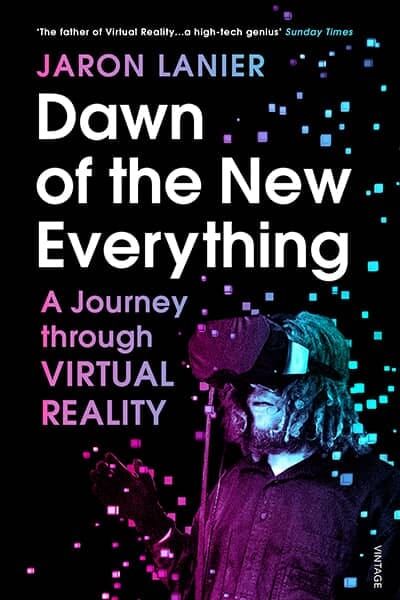
In 'Dawn of the New Everything,' visionary thinker Jaron Lanier presents a provocative exploration of virtual reality and its implications for humanity. He intertwines personal anecdotes with thought-provoking insights about technology's role in shaping our perceptions and experiences. Lanier challenges readers to reconsider the essence of reality and the nature of human connection in an increasingly digital world. With his blend of optimism and caution, he invites us to envision a future where technology can enhance our existence rather than detract from it. This book compels us to rethink our relationship with virtual environments and the identities we forge within them.
By Jaron Lanier
Published: 2017
"In the emerging digital landscape, we must remember that technology should serve humanity, not the other way around."

Start Listening to Book Summary
Book Review of Dawn of the New Everything
Jaron Lanier, the father of Virtual Reality, tells the extraordinary story of how in just over three decades Virtual Reality went from being a dream to a reality - and how its power to turn dreams into realities will transform us and our world
Book Overview of Dawn of the New Everything
About the Book Author
Jaron Lanier
Jaron Lanier is a prominent American computer scientist, musician, and author known for his pioneering work in virtual reality and his critical insights into technology's impact on society. He is the author of several influential books, including 'You Are Not a Gadget', 'Who Owns the Future?', and 'Ten Arguments for Deleting Your Social Media Accounts Right Now'. Lanier's writing style combines academic rigor with accessible language, often incorporating personal anecdotes and philosophical reflections. His work challenges readers to consider the ethical implications of technology, emphasizing human values and creativity in an increasingly digital world.
Book Details
Key information about the book.
- Authors
- Jaron Lanier
- Published
- November 2017
- Publisher
- Jonathan Cape
- ISBN
- 1847923526
- Language
- English
- Pages
- N/A
- Genres
- TechnologyEmerging Technologies
Purchase Options
 Buy on Amazon
 Buy via BookShop
Support local bookstores: BookShop gives a portion of each sale to independent bookshops!
Similar books you might like →
How Google Works Book Summary
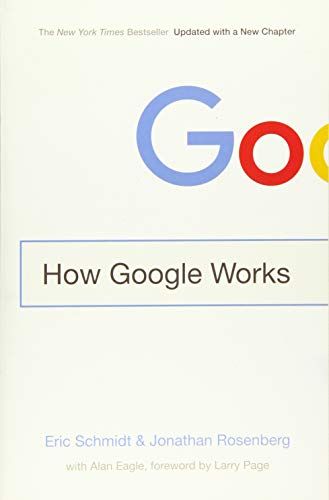
In "How Google Works", Eric Schmidt and Jonathan Rosenberg unveil the inner workings of one of the world's most innovative companies. Delving into the intersection of technology, business strategy, and culture, they explore how flexibility and creativity fuel Google's success. The authors share insider anecdotes and pivotal lessons about fostering collaboration and embracing change in a fast-paced digital landscape. You’ll discover the vital role data plays in decision-making and how to cultivate a "smart creatives" mindset. Prepare to be inspired by the blueprint of a company that has revolutionized not just the tech industry, but the very way we navigate information itself.
Homo Deus Book Summary
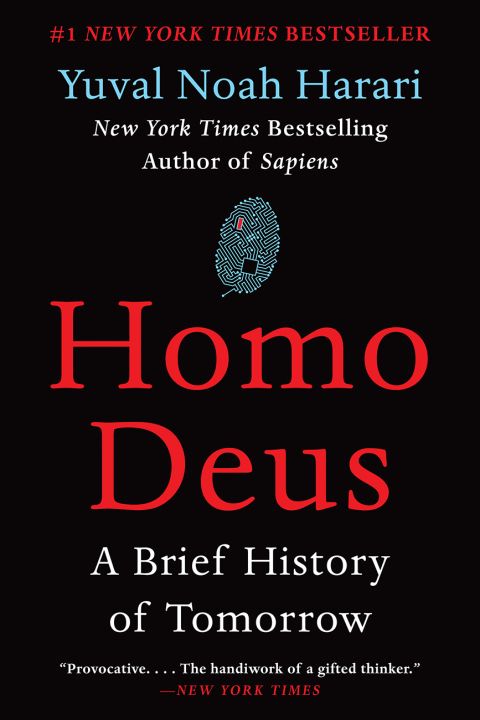
In "Homo Deus: A Brief History of Tomorrow," Yuval Noah Harari explores the future possibilities for humanity as we evolve beyond our current limitations. Delving into themes of artificial intelligence, genetic engineering, and the quest for immortality, he provokes thought about what may come after Homo sapiens. As society increasingly turns to technology for solutions, he questions the implications of our pursuit of happiness and god-like powers. Will we augment our bodies and minds, or lose our humanity in the process? This provocative journey invites readers to ponder the exhilarating—and terrifying—potential of our own evolution.
Makers Book Summary
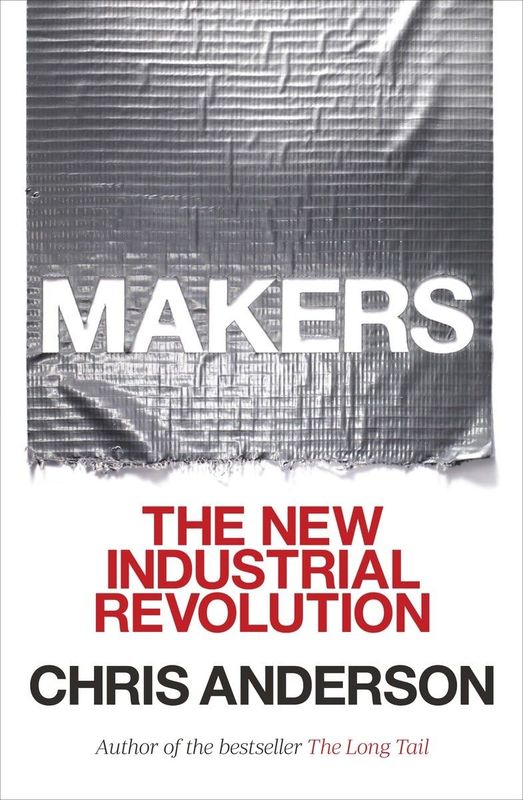
In 'Makers,' Chris Anderson explores the revolutionary movement of DIY innovation that is reshaping our economy and culture. He introduces the rise of 3D printing, robotics, and open-source technologies that empower everyday creators to become entrepreneurs. The book reveals how this grassroots revolution is set to democratize manufacturing and inspire a new era of creativity and invention. Anderson highlights fascinating stories of makers who are transforming their ideas into tangible products, mingling technology with artistry. Dive into a world where possibilities are limited only by imagination!

Addiction by Design Book Summary
In 'Addiction by Design', Natasha Dow Schüll explores the fascinating intersection of technology, gambling, and human psychology. She reveals how modern gaming machines are meticulously engineered to foster addictive behaviors, drawing players into a relentless cycle of engagement. Through immersive narratives and compelling case studies, Schüll raises critical questions about free will and the seductive nature of design in our digital age. This thought-provoking investigation challenges readers to consider the impact of technology on their lives and society at large. Dive into this eye-opening journey to understand the dark artistry behind the designs that capture us.
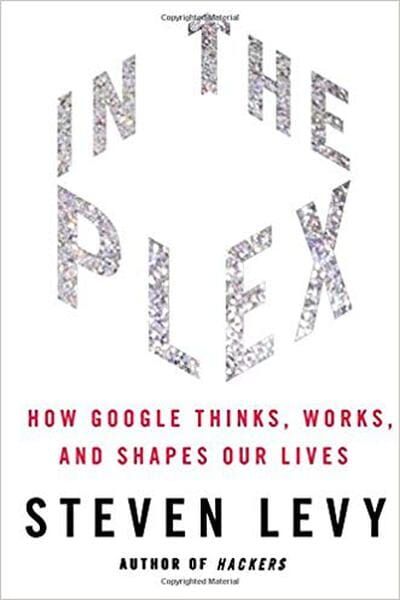
In the Plex Book Summary
In 'In the Plex', Steven Levy takes readers deep inside the inner workings of Google, exploring its innovative culture and groundbreaking technologies. Through captivating anecdotes and insightful interviews, he reveals how Google's quest for information reshapes our digital landscape and influences everyday life. The book delves into the minds of its founders, the challenges they've faced, and the ethical dilemmas that arise from their ambitions. As Levy paints a vivid picture of this tech giant, he invites readers to ponder the implications of living in a world dominated by algorithms. This insightful examination not only uncovers the magic behind one of the world's most influential companies but also challenges us to consider the future of technology itself.
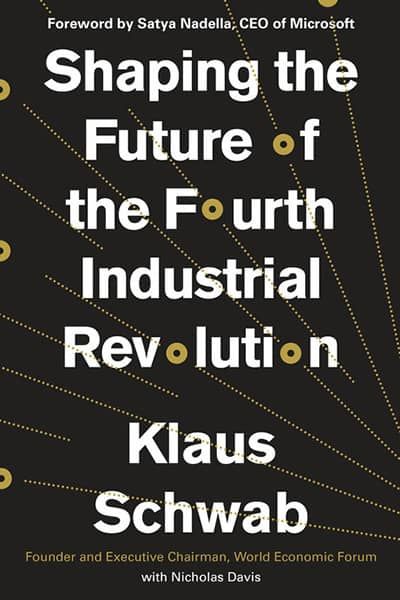
Shaping the Future of the Fourth Industrial Revolution Book Summary
In 'Shaping the Future of the Fourth Industrial Revolution', Klaus Schwab and Nicholas Davis explore the transformative impact of emerging technologies on society, economy, and governance. They argue that as we stand on the brink of this revolution, it is essential to consider the ethical implications of our innovations. The authors pose thought-provoking questions about equality, privacy, and the future of work, urging readers to take an active role in shaping this future. Drawing on real-world examples, they reveal how collaboration between leaders, businesses, and citizens can harness the power of technology for the greater good. Prepare to rethink progress and envision a world that prioritizes human values amidst rapid technological changes.

Out of Control Book Summary
In 'Out of Control,' Kevin Kelly explores the complexities and unpredictability of modern technology and its impact on society. He introduces the idea of 'self-organization,' revealing how systems—natural and artificial—can evolve beyond our control. This thought-provoking narrative challenges our understanding of technology's role, suggesting that chaos can lead to new forms of order. As we navigate an increasingly automated future, Kelly prompts us to reconsider our relationship with the machines we create. Are we the architects of a brave new world, or are we ceding power to forces we can’t fully comprehend?
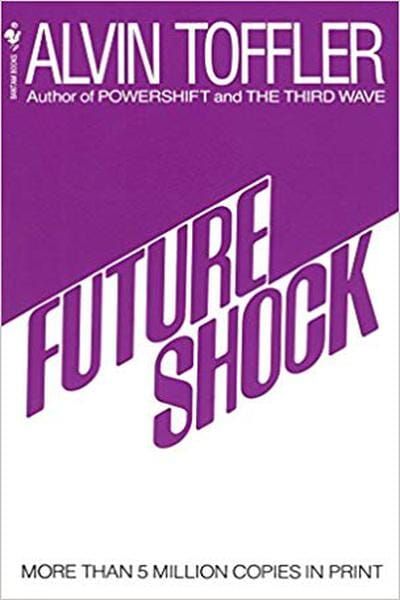
Future Shock Book Summary
In 'Future Shock,' Alvin Toffler explores the profound psychological and social impacts of rapid technological change on society. He introduces the concept of 'future shock'—the anxiety and disorientation individuals feel when they are unable to keep pace with the velocity of modern life. Through compelling examples, Toffler illustrates how advancements in technology and information can lead to a disconnection from traditional values and realities. His predictions about the accelerating pace of change feel eerily relevant in today's world. As we stand on the brink of unprecedented innovations, are we prepared for the future he foresaw?
Showing 8 of 30 similar books
Take your reading experience to the next level
Download our mobile app to enjoy your favorite books on the go. Get access to exclusive features, offline listening, and personalized recommendations.

Similar Book Recommendations →

Alex Lieberman's Book Recommendations
Alex Lieberman is the co-founder and executive chairman of Morning Brew, a media company that delivers engaging business news. Under his leadership, Morning Brew has grown to reach millions of subscribers, becoming a significant player in modern business journalism. Lieberman is also known for his insightful commentary on entrepreneurship and media trends. His work has significantly influenced the way business news is consumed by younger audiences. Beyond Morning Brew, Lieberman frequently writes and speaks about the intersection of media and technology, further cementing his role as a thought leader in the industry.

Naval Ravikant's Book Recommendations
Naval Ravikant is an entrepreneur, angel investor, and philosopher, best known as the co-founder of AngelList, a platform that connects startups with investors. Ravikant is a prolific thinker and writer on topics such as startups, investing, and personal well-being, sharing his wisdom through essays, podcasts, and social media. He has invested in over 100 companies, including Uber, Twitter, and Yammer, making him one of Silicon Valley’s most successful angel investors. Ravikant is also known for his philosophical musings on wealth, happiness, and the meaning of life, which have garnered him a large and dedicated following.

Abi Tyas Tunggal's Book Recommendations
Abi Tyas Tunggal is a distinguished author known for his impactful contributions to contemporary literature and digital content. He has garnered acclaim for his insightful storytelling and adept handling of complex themes, resonating with a diverse readership. Tunggal's work often explores the intersections of technology, society, and human experience, making him a prominent voice in modern narrative arts. Beyond his literary achievements, he is also recognized for his innovative use of digital platforms to engage with and expand his audience. Tunggal continues to influence the literary landscape with his thought-provoking and accessible writing.

Bret Victor's Book Recommendations
Bret Victor is a renowned American interface designer and computer scientist celebrated for his innovative contributions to interactive design and human-computer interaction. He is best known for creating dynamic, explorable explanations, which have significantly influenced the way educational content is presented and understood. Victor's seminal work, "Inventing on Principle," advocates for the integration of immediate feedback in creative processes, inspiring a new wave of interactive programming environments. As a former member of the Apple Human Interface team, he played a pivotal role in shaping modern user interfaces. Through his organization, Dynamicland, Victor continues to explore and expand the boundaries of immersive, collaborative computing environments.

Bryan Johnson's Book Recommendations
Bryan Johnson is an American entrepreneur, investor, and futurist, best known for founding Braintree, a payments company that was acquired by PayPal, and Kernel, a company focused on developing brain-computer interfaces. Johnson is deeply interested in advancing human cognition and longevity through technological innovation. His work at Kernel seeks to better understand the brain and its potential to enhance human intelligence. He is also the founder of OS Fund, which invests in companies tackling complex, world-changing problems in areas like health and energy. Johnson is a strong advocate for using technology to extend human potential and reshape the future of humanity.

Biz Stone's Book Recommendations
Biz Stone is an American entrepreneur, co-founder of Twitter, and a key figure in the development of social media. Stone helped launch Twitter in 2006, transforming the way people communicate and share information globally. He has also co-founded other companies, including Xanga, Blogger, and Medium, and is involved in various philanthropic efforts through The Biz and Livia Stone Foundation. Stone is known for his creative thinking and his belief in the power of technology to create positive change in the world. His work has left a lasting impact on digital communication and media innovation.

Alexey Moiseenkov's Book Recommendations
Alexey Moiseenkov is a Russian entrepreneur and tech innovator best known for creating Prisma, the groundbreaking mobile app that transforms photos into artworks using artificial intelligence. Though not primarily a literary figure, his work in AI and digital transformation has influenced contemporary discussions on the intersection of technology and art. Moiseenkov's contributions have been featured in various tech and innovation journals, highlighting his impact on modern digital culture. His work underscores the evolving narrative of creativity in the digital age, bridging the gap between artistic expression and technological advancement. Moiseenkov continues to inspire through his ongoing ventures in AI and entrepreneurship.

Ben Shapiro's Book Recommendations
Ben Shapiro is an American conservative political commentator, author, and lawyer, known for his sharp analytical skills and outspoken views. He graduated from UCLA at the age of 20 and Harvard Law School at 23, demonstrating his early intellectual prowess. Shapiro is the author of several best-selling books including "Bullies: How the Left's Culture of Fear and Intimidation Silences Americans" and "The Right Side of History: How Reason and Moral Purpose Made the West Great." He is the co-founder and editor emeritus of The Daily Wire, a popular conservative news and opinion website. Through his writing and media presence, Shapiro has significantly influenced contemporary political discourse in the United States.
Showing 8 of 22 related collections
“In the emerging digital landscape, we must remember that technology should serve humanity, not the other way around.”
Dawn of the New Everything
By Jaron Lanier
Frequently Asked Questions
Explore Our Catalogue
Discover a world of knowledge through our extensive collection of book summaries.
Genres
Genres
Genres
Featured Collections
- Top Book Club Picks
- One-Stop Nutrition
- Summer Reads 2024
- Best Beach Reads 2024
- Work-Life Balance Guide
- Time Management
- Healthy Foods
- Entrepreneur Toolkit
- Mind & Body Wellness
- Future Tech Insights
- Leadership Essentials
- Financial Freedom
- Sci-Fi Masterpieces
- Parenting 101
- Books That Became Blockbusters
- Guide to a Healthy Pregnancy