Defensive Design for the Web Book Summary
By Jason Fried, Matthew Linderman, 37signals (Firm)
Published: 2004
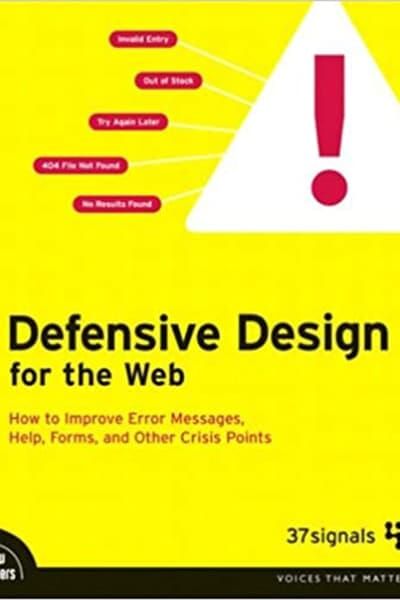

Start Listening to Book Summary
Book Review of Defensive Design for the Web
Written by the experts at 37signals, this book shows hundreds of real-world examples from companies like Amazon, Google, and Yahoo that show the right (and wrong) ways to get defensive. Readers will learn 40 guidelines to prevent errors and rescue customers if a breakdown occurs. They'll also explore how to evaluate their own site's defensive design and improve it over the long term.
Book Overview of Defensive Design for the Web
About the Book Authors
Jason Fried
Jason Fried is an accomplished author and entrepreneur, best known as the co-founder and CEO of Basecamp, a project management and team collaboration software company. He has made significant contributions to the field of business and productivity through his writing, which emphasizes simplicity, focus, and human-centered design. Fried is widely recognized for his notable works, including "Rework," "Remote: Office Not Required," and "It Doesn't Have to Be Crazy at Work."
His writing style is straightforward and accessible, characterized by practical insights and a strong advocacy for a more balanced approach to work and life. Fried's perspective encourages readers to challenge conventional business practices and to embrace a more thoughtful and efficient way of working. Through his books and public speaking engagements, he continues to inspire entrepreneurs and professionals in their pursuit of meaningful and productive work environments.
Matthew Linderman
Matthew Linderman is an established author known for his engaging storytelling and thought-provoking narratives. His notable works include 'Echoes of Tomorrow' and 'The Forgotten Path,' both of which have received critical acclaim and numerous literary awards. Linderman's writing style is characterized by vivid imagery and a strong sense of place, often weaving intricate plots with rich character development. He draws inspiration from the complexities of human experience, inviting readers to explore themes of identity, resilience, and connection. Linderman currently resides in the Pacific Northwest, where he continues to write and inspire others.
37signals (Firm)
37signals, now known as Basecamp, is a renowned software company and author group that has greatly influenced the realms of business and entrepreneurship. Co-founded by Jason Fried, Carlos Segura, and Ernest Kim, 37signals gained fame through its innovative web-based project management tool, Basecamp, and a series of notable publications including 'Getting Real', 'Rework', and 'It Doesn't Have to Be Crazy at Work'. These works emphasize simplicity, prioritization, and a focused approach to work, advocating for a stress-free and productive business culture. Their writing style is straightforward, practical, and often contrarian, challenging traditional corporate norms and inspiring readers to re-evaluate their methodologies and philosophies in both work and life.
Book Details
Key information about the book.
- Authors
- Jason Fried, Matthew Linderman, 37signals (Firm)
- Published
- January 2004
- Publisher
- New Riders Publishing
- ISBN
- N/A
- Language
- English
- Pages
- 276
- Genres
- UX/UI DesignWeb DesignTechnologyDesign
Purchase Options
 Buy on Amazon
 Buy via BookShop
Support local bookstores: BookShop gives a portion of each sale to independent bookshops!
Similar books you might like →
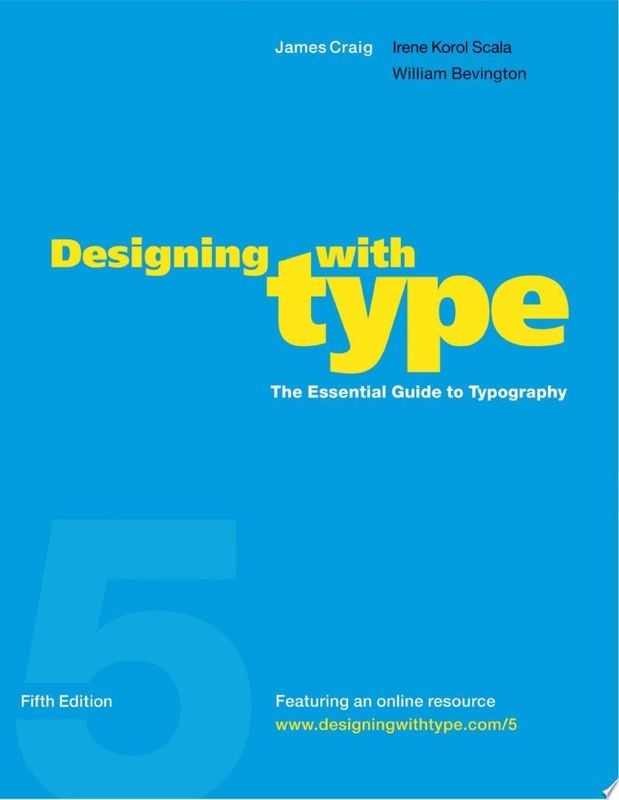
Designing with Type, 5th Edition Book Summary
Dive into the art and science of typography with 'Designing with Type, 5th Edition'. This essential guide unravels the intricacies of typefaces, spacing, and layout, empowering designers to elevate their work. Through a rich blend of practical insights and illustrative examples, Craig and Scala reveal how type influences design perception. Whether you’re a novice or a seasoned professional, this book opens your eyes to the transformative power of typography. Discover how to shape your visual communication and captivate your audience with every word.

The Ultimate Sales Machine Book Summary
In 'The Ultimate Sales Machine,' Chet Holmes unveils a revolutionary approach to dramatically boost sales and streamline business operations. With a focus on relentless execution, he introduces the concept of prioritizing the key strategies that yield exponential results. Holmes emphasizes the importance of mastering time management and developing a world-class sales team through systematic coaching. Packed with actionable insights, this book challenges conventional sales tactics and equips readers with tools to stand out in a competitive market. Are you ready to transform your business into an unstoppable sales machine?

Out of My Later Years Book Summary
In 'Out of My Later Years', Albert Einstein reflects on his remarkable life and the profound thoughts that shaped his scientific and philosophical pursuits. This collection of essays reveals his introspective nature, exploring topics such as politics, religion, and the essence of humanity. Einstein's musings provoke us to question the world around us, inviting readers to ponder the intricate relationship between science and morality. With rich anecdotes and insights, he transcends his role as a physicist to become a voice for peace and rationality. Prepare to be captivated by the wisdom of one of history's greatest minds as he shares his journey towards understanding the universe.
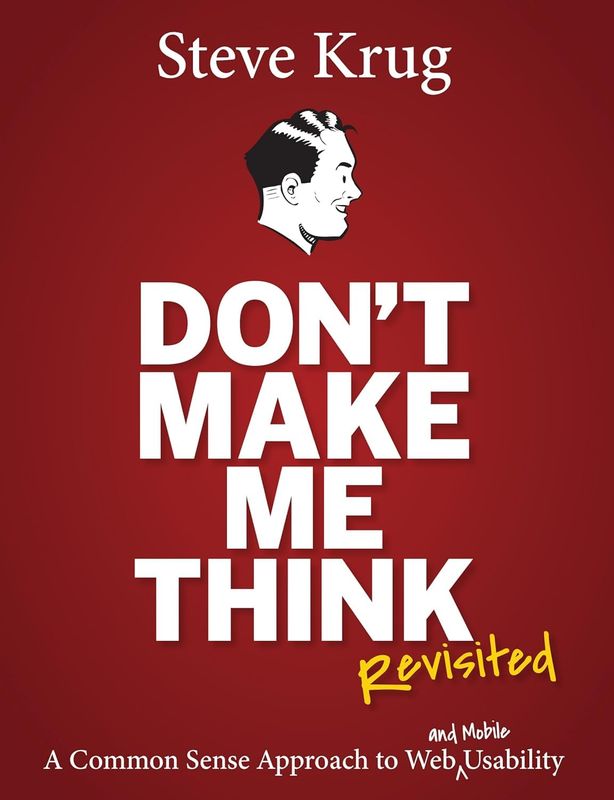
Don't Make Me Think, Revisited Book Summary
In 'Don't Make Me Think, Revisited', Steve Krug presents a timeless guide to web usability, challenging the notion that users read websites thoroughly. With humor and clarity, he emphasizes the importance of intuitive design, advocating that simplicity trumps complexity. Krug's insights encourage designers to prioritize user experience, making navigation as effortless as possible. Through practical examples and actionable advice, he unveils common pitfalls to avoid. This essential read will transform the way you think about designing websites and engaging users—are you ready to rethink your approach?
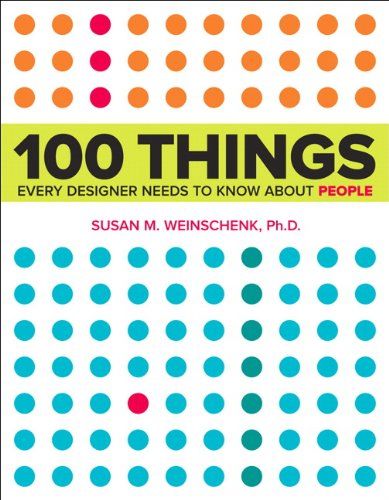
100 Things Every Designer Needs to Know about People Book Summary
In '100 Things Every Designer Needs to Know about People,' Susan Weinschenk unveils essential psychological principles that can enhance design effectiveness. With insights drawn from cognitive science, the book explores how people perceive, interact with, and make decisions about design. From the nuances of color perception to the importance of empathy in user experience, Weinschenk offers practical strategies for designers. Each principle is supported by fascinating research, making the content both informative and engaging. This enlightening guide equips designers to create more intuitive and user-friendly experiences, sparking curiosity about the intersection of psychology and design.
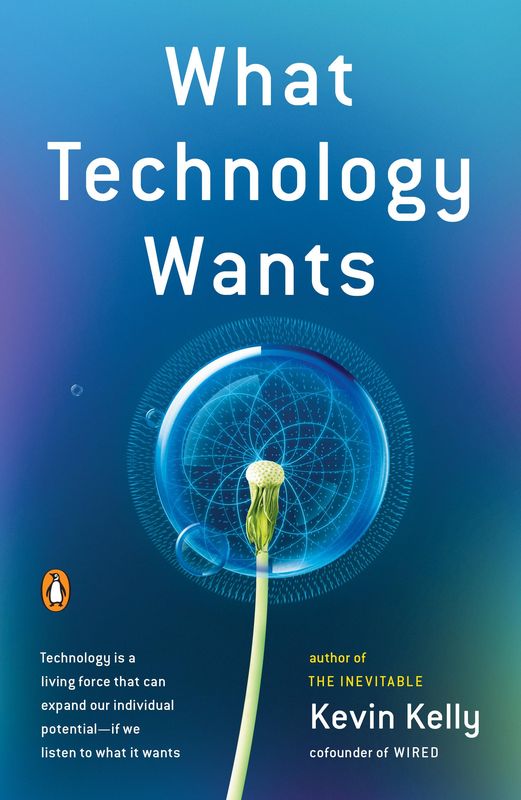
What Technology Wants Book Summary
In "What Technology Wants," Kevin Kelly delves into the deep interplay between humanity and technology, suggesting that technology is an extension of life itself. He argues that just like biological evolution, technology has its own agenda and desires, shaping our future in profound ways. Through a blend of philosophical insights and real-world examples, Kelly reveals how technological advancements reflect our aspirations and fears. As he explores the notion of 'the technium'—a vast, interconnected web of technology—readers are invited to reconsider their relationship with the tools they create. This thought-provoking journey challenges us to embrace technology as a living entity that influences and drives our evolution.
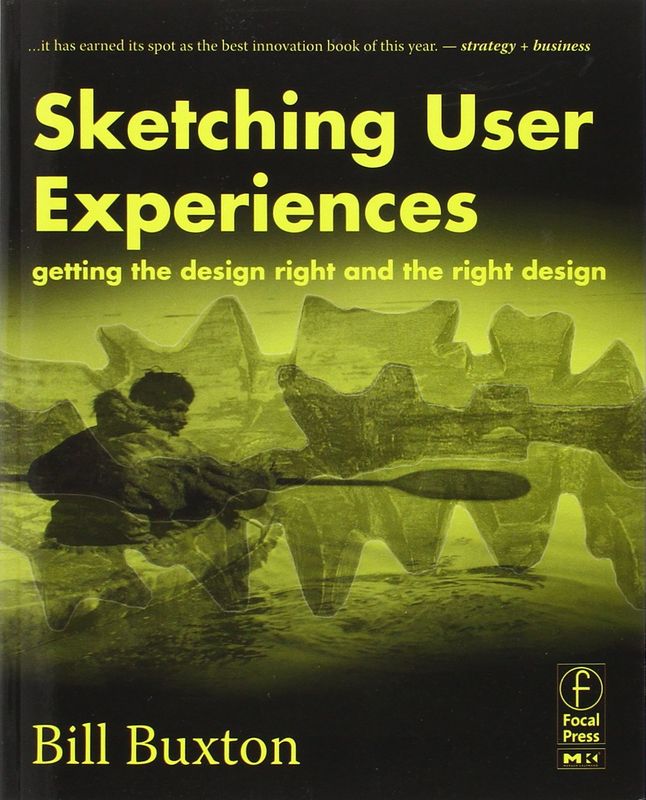
Sketching User Experiences: Getting the Design Right and the Right Design Book Summary
No summary available

The Elements of Scrum Book Summary
Delve into the transformative world of Scrum with 'The Elements of Scrum,' where authors Chris Sims and Hillary Louise Johnson unravel the principles that drive agile project management. This insightful guide not only explains the core components of the Scrum framework but also illustrates how they can revolutionize teamwork and productivity. Through vivid examples and practical tips, you’ll discover how to foster collaboration and innovation in any environment. Whether you’re a novice or a seasoned practitioner, the book challenges conventional approaches and ignites a passion for continuous improvement. Are you ready to embrace agility and unleash your team's potential?
Showing 8 of 27 similar books
Take your reading experience to the next level
Download our mobile app to enjoy your favorite books on the go. Get access to exclusive features, offline listening, and personalized recommendations.

Similar Book Recommendations →

Bret Victor's Book Recommendations
Bret Victor is a renowned American interface designer and computer scientist celebrated for his innovative contributions to interactive design and human-computer interaction. He is best known for creating dynamic, explorable explanations, which have significantly influenced the way educational content is presented and understood. Victor's seminal work, "Inventing on Principle," advocates for the integration of immediate feedback in creative processes, inspiring a new wave of interactive programming environments. As a former member of the Apple Human Interface team, he played a pivotal role in shaping modern user interfaces. Through his organization, Dynamicland, Victor continues to explore and expand the boundaries of immersive, collaborative computing environments.

Ran Segall's Book Recommendations
Ran Segall is an Israeli designer, YouTuber, and entrepreneur, known for his work in freelance web design and his popular YouTube channel, Flux Academy. Segall provides design tutorials, business advice, and insights for freelancers, helping designers improve their craft and grow their businesses. He has built a successful online platform through his transparent and practical approach to design education. Segall also runs Flux Academy, where he teaches web design and freelancing strategies to aspiring designers around the world. His approachable style and expertise have made him a trusted resource in the design community.

John Maeda's Book Recommendations
John Maeda is a designer, technologist, and thought leader known for his work at the intersection of technology, design, and leadership. A former president of the Rhode Island School of Design (RISD), Maeda has been a strong advocate for integrating art and design with technology to drive innovation. He is currently the Chief Technology Officer at Everbridge and has previously held leadership roles at Automattic (the parent company of WordPress) and KPCB, a venture capital firm. Maeda’s work explores the role of creativity in technology, and he is known for his insightful talks and books, including The Laws of Simplicity and Redesigning Leadership. He has been instrumental in promoting the idea of “design thinking” in business and has influenced a generation of designers and technologists to approach problem-solving with creativity. Maeda is also a prolific speaker, frequently sharing his ideas on the future of design and its role in shaping the modern world.

Nir Eyal's Book Recommendations
Nir Eyal is an accomplished author and behavioral design expert, best known for his two best-selling books, "Hooked: How to Build Habit-Forming Products" and "Indistractable: How to Control Your Attention and Choose Your Life." With a background in psychology and business, he has significantly influenced the fields of product design and personal productivity. Eyal's work has been featured in major publications such as The Harvard Business Review and The New York Times. He frequently speaks at industry conferences and workshops, sharing insights on how technology can be ethically designed to benefit users. Eyal also teaches at the Stanford Graduate School of Business and the Hasso Plattner Institute of Design.

Brian Armstrong's Book Recommendations
Brian Armstrong is a renowned entrepreneur and author best known for co-founding and leading Coinbase, a major cryptocurrency exchange. His literary contributions include insightful writings on the future of digital currencies and blockchain technology. Armstrong's work has been pivotal in demystifying complex financial systems for a broader audience. Beyond his business acumen, his thought leadership in publications and public speaking engagements has cemented his status as a key voice in the fintech revolution. His dedication to innovation continues to influence the trajectory of global financial systems.

Andy Budd's Book Recommendations
Andy Budd is a renowned author and user experience (UX) designer, best known for his influential work in the field of web design. He co-authored "CSS Mastery: Advanced Web Standards Solutions," which has become a seminal text for web developers worldwide. As a founding partner of the consulting firm Clearleft, Budd has made significant contributions to advancing UX design practices. He is also a sought-after speaker at design conferences and an active advocate for the design community. Through his writing and leadership, Budd continues to shape the future of digital design.

Matej Latin's Book Recommendations
Matej Latin is a renowned web designer and author, celebrated for his impactful contributions to digital design literature. He is best known for his book "Better Web Typography for a Better Web," which has become a cornerstone resource for web designers aiming to enhance their typographic skills. Latin's work emphasizes the importance of typography in user experience, bridging the gap between aesthetic appeal and functionality. His expertise and approachable writing style have earned him a dedicated following among both novice and experienced designers. Through his publications and online presence, Latin continues to influence and educate the design community worldwide.

Dustin Moskovitz's Book Recommendations
Dustin Moskovitz is an American entrepreneur and co-founder of the social networking website Facebook, which has become one of the most influential platforms globally. He later co-founded Asana, a popular work management tool designed to help teams orchestrate their work, from daily tasks to strategic initiatives. While Moskovitz is not primarily known for contributions to literature, his impact on the tech industry and workplace productivity has been widely documented and analyzed in numerous books and articles. His philanthropic efforts through the Good Ventures foundation, which he started with his wife Cari Tuna, also highlight his significant role in promoting effective altruism. Moskovitz's work continues to influence both technology and business management practices around the world.
Showing 8 of 9 related collections
Frequently Asked Questions
Explore Our Catalogue
Discover a world of knowledge through our extensive collection of book summaries.
Genres
Genres
Genres
Featured Collections
- Top Book Club Picks
- One-Stop Nutrition
- Summer Reads 2024
- Best Beach Reads 2024
- Work-Life Balance Guide
- Time Management
- Healthy Foods
- Entrepreneur Toolkit
- Mind & Body Wellness
- Future Tech Insights
- Leadership Essentials
- Financial Freedom
- Sci-Fi Masterpieces
- Parenting 101
- Books That Became Blockbusters
- Guide to a Healthy Pregnancy