Designing for People Book Summary
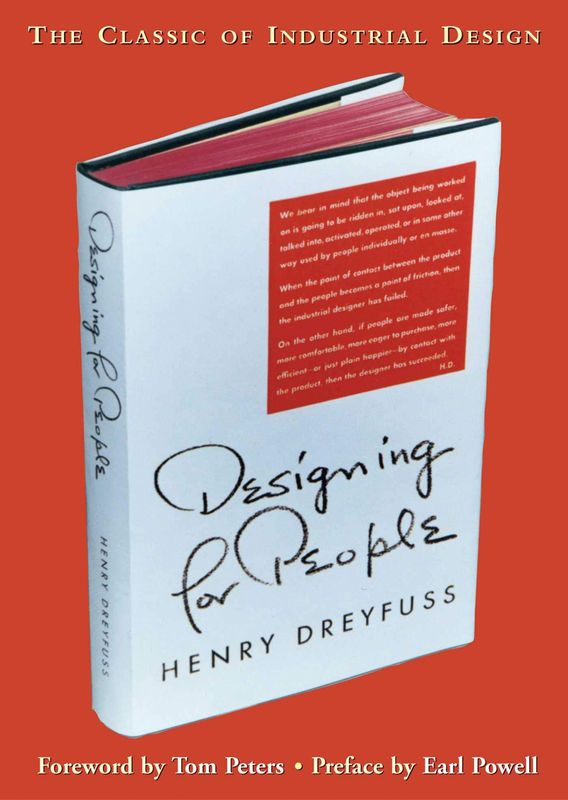
In 'Designing for People', Henry Dreyfuss lays the groundwork for human-centered design, championing the idea that products should serve people’s needs and enhance their experience. Through insightful case studies and engaging anecdotes, Dreyfuss reveals how understanding human behavior can lead to innovative and functional designs. He shares practical methods for observing and interpreting user interactions, emphasizing the importance of empathy in the design process. This book is not just a manual for designers; it's a fascinating exploration of the relationship between humans and the objects they use. Will Dreyfuss' principles inspire you to rethink the way we interact with the world?
By Henry Dreyfuss
Published: 2003
"Good design is a lot like clear thinking made visual."

Start Listening to Book Summary
Book Review of Designing for People
A cult read amongst designers for more than half a century, this text is the manifesto of America's greatest industrial designer and the pioneer of a design approach that put people first. Dreyfuss was the designer of the first answering machine, the Hoover vacuum cleaner, the Bell telephone, and much more.
Book Overview of Designing for People
About the Book Author
Henry Dreyfuss
Henry Dreyfuss was a prominent American industrial designer known for his innovative work in product design and user-centered design philosophy. He was instrumental in designing iconic everyday objects, including the Honeywell thermostat and the Western Electric model 500 telephone. Dreyfuss's writing often reflects his belief in the importance of ergonomics and the user experience, emphasizing functionality, simplicity, and aesthetic beauty. Notable works include 'Designing for People', where he shares his insights on design and its impact on human interaction with products. His approach combined practicality with artistic sensibility, making his work timeless and influential in the field of industrial design.
Book Details
Key information about the book.
- Authors
- Henry Dreyfuss
- Published
- January 2003
- Publisher
- Skyhorse Publishing Inc.
- ISBN
- 1581153120
- Language
- English
- Pages
- 289
- Genres
- Design ThinkingDesign
Purchase Options
 Buy on Amazon
 Buy via BookShop
Support local bookstores: BookShop gives a portion of each sale to independent bookshops!
Similar books you might like →
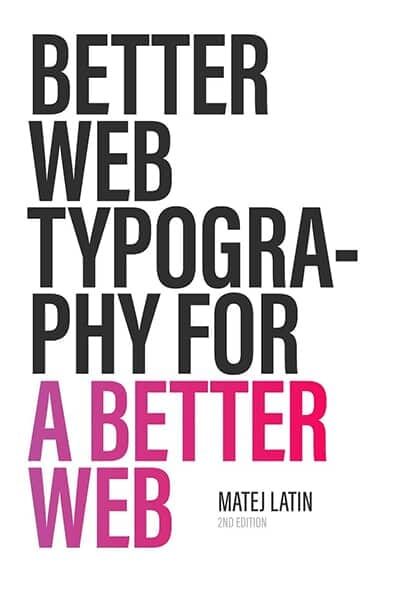
Better Web Typography for a Better Web Book Summary
In 'Better Web Typography for a Better Web,' Matej Latin unveils the transformative power of typography in web design. He delves into the principles of effective type, demonstrating how thoughtful choices can enhance user experience and engagement. The book is packed with practical tips and real-world examples to help designers craft visually stunning and readable websites. Latin's insights challenge conventional norms, urging readers to rethink their approach to typography. This essential guide equips both aspiring and seasoned designers with the tools to elevate their craft and create a more beautiful web.

Going Offline Book Summary
In 'Going Offline', Jeremy Keith and Aaron Gustafson explore the digital world's grip on our lives and the compelling case for unplugging. Through a captivating blend of personal anecdotes and insightful analysis, they challenge readers to reconsider their online habits. The authors offer practical advice and innovative strategies to help individuals reclaim their time and mental space. With a witty tone and thought-provoking arguments, this book serves as a wake-up call for anyone feeling overwhelmed by constant connectivity. Discover the liberating power of going offline and reconnecting with the world around you!
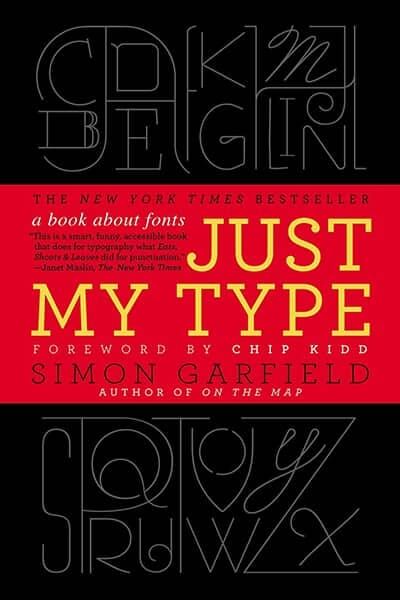
Just My Type Book Summary
In 'Just My Type', Simon Garfield explores the fascinating world of typography and its profound impact on our daily lives. From the iconic fonts that define culture to the hidden messages conveyed through typeface choices, Garfield uncovers the artistry and science behind each letter. Readers are taken on a journey through history, tracing the evolution of fonts and their creators, igniting a newfound appreciation for the words we often overlook. With humor and insight, the book invites us to rethink the way we view text and design. Prepare to look at the printed word in an entirely new light!

No Sweat Book Summary
In 'No Sweat', Michelle Segar challenges conventional views on exercise and reveals the key to sustainable fitness: joy. She argues that traditional approaches often lead to burnout and frustration, advocating instead for activities that bring pleasure and fulfillment. With actionable strategies, Segar shows readers how to redefine their relationship with movement, transforming it from a chore into a source of happiness. Each chapter is packed with inspiring insights and relatable anecdotes that encourage a fresh perspective on health and well-being. Discover how to effortlessly integrate enjoyable activities into your life and unlock a consistent, lifelong fitness journey.


The Design of Everyday Things Book Summary
In 'The Design of Everyday Things', Don Norman reveals the hidden principles behind effective design that shapes our everyday interactions. He explores the psychological underpinnings of how we perceive and interact with objects, highlighting the importance of usability and user-centered design. Through captivating examples, Norman illustrates how poor design can lead to frustration, while thoughtful design enhances our experience. This book challenges readers to rethink the functionality of everyday items, making them consider the design choices behind the objects they encounter. Ultimately, it invites us to demand better designs that cater to our needs, making the mundane extraordinary.
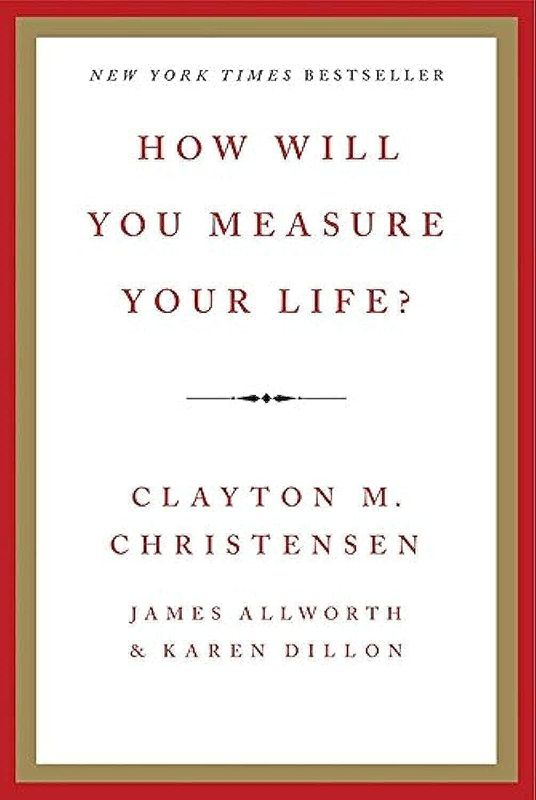
How Will You Measure Your Life? Book Summary
In 'How Will You Measure Your Life?', renowned scholar Clayton M. Christensen invites readers on a profound journey of self-discovery, urging them to contemplate what truly matters in life. Blending personal anecdotes with powerful business insights, he challenges conventional success metrics, emphasizing the importance of relationships, fulfillment, and ethical choices. Readers are prompted to take a hard look at their values and priorities, exploring how to create a life of meaning and impact. The book serves as a guide to navigating life's complexities with purpose, encouraging thoughtful reflection on legacy and happiness. This compelling read offers not just strategies for achieving success, but a blueprint for living a life worth measuring.
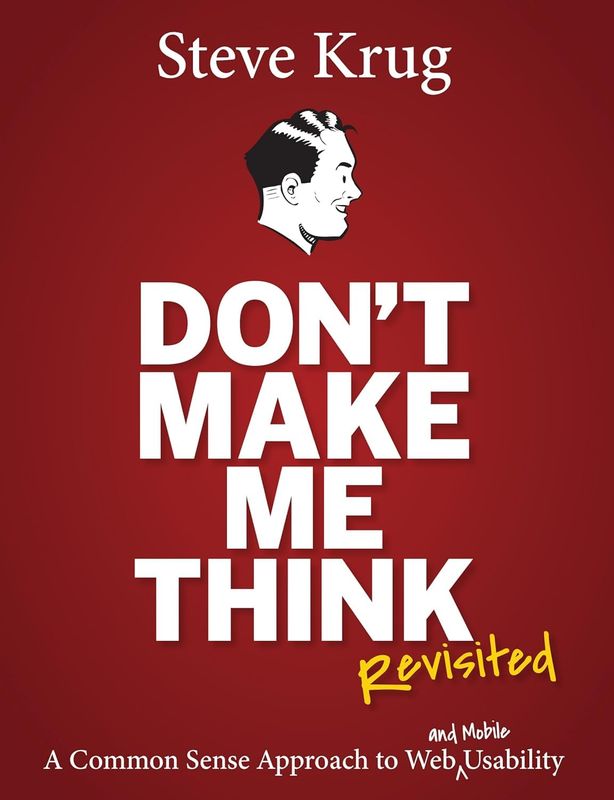
Don't Make Me Think, Revisited Book Summary
In 'Don't Make Me Think, Revisited', Steve Krug presents a timeless guide to web usability, challenging the notion that users read websites thoroughly. With humor and clarity, he emphasizes the importance of intuitive design, advocating that simplicity trumps complexity. Krug's insights encourage designers to prioritize user experience, making navigation as effortless as possible. Through practical examples and actionable advice, he unveils common pitfalls to avoid. This essential read will transform the way you think about designing websites and engaging users—are you ready to rethink your approach?
Showing 8 of 28 similar books
Take your reading experience to the next level
Download our mobile app to enjoy your favorite books on the go. Get access to exclusive features, offline listening, and personalized recommendations.

Similar Book Recommendations →

Vlad Magdalin's Book Recommendations
Vlad Magdalin is an entrepreneur and visionary best known as the co-founder and CEO of Webflow, a groundbreaking platform that democratizes web design by enabling users to create professional websites without coding. While not traditionally recognized for contributions to literature, his influence extends into the realm of digital content creation and design. Magdalin's work has profoundly impacted the web development industry, offering a new paradigm for how websites are built and maintained. His innovative ideas have been celebrated in numerous tech forums and publications, highlighting his role in empowering designers and developers globally. Through Webflow, Magdalin continues to inspire a new generation of creators by bridging the gap between design and technology.

Julian Shapiro's Book Recommendations
Julian Shapiro is a renowned writer and entrepreneur, acclaimed for his insightful essays on personal growth and marketing strategies. He is the author of "The Julian Shapiro Collection," a compilation of his most impactful writings that have garnered a wide readership online. Shapiro co-founded the growth marketing agency Bell Curve, where he has helped numerous startups achieve exponential growth. His work often blends practical advice with deep philosophical inquiries, making complex subjects accessible to a broad audience. Through his prolific writing and entrepreneurial ventures, Julian has become a key figure in the intersection of business and self-improvement literature.

Jan Losert's Book Recommendations
Jan Losert is a visionary author and digital design expert, renowned for his contributions to the intersection of technology and creativity. His most significant work includes co-authoring "Design Systems Handbook," which has become a seminal guide for creating cohesive and efficient design frameworks. Losert's expertise extends to his role as a speaker and educator, where he passionately shares his insights on user experience and interface design. In addition to his literary achievements, he co-founded several successful startups, leveraging his deep understanding of design to drive innovation. His work continues to influence and inspire both emerging and established designers worldwide.

Bret Victor's Book Recommendations
Bret Victor is a renowned American interface designer and computer scientist celebrated for his innovative contributions to interactive design and human-computer interaction. He is best known for creating dynamic, explorable explanations, which have significantly influenced the way educational content is presented and understood. Victor's seminal work, "Inventing on Principle," advocates for the integration of immediate feedback in creative processes, inspiring a new wave of interactive programming environments. As a former member of the Apple Human Interface team, he played a pivotal role in shaping modern user interfaces. Through his organization, Dynamicland, Victor continues to explore and expand the boundaries of immersive, collaborative computing environments.

Caterina Fake's Book Recommendations
Caterina Fake is an American entrepreneur and investor, best known for co-founding Flickr, one of the first photo-sharing platforms that helped define social media and web 2.0. After the success of Flickr, Fake went on to co-found Hunch, a recommendation engine that was later acquired by eBay. She is a partner at Yes VC, a venture capital firm that invests in early-stage startups, with a focus on companies that foster human connection and creativity. Fake is also an advocate for ethical technology and often speaks about the importance of designing products that prioritize user well-being. Her contributions to tech and her insights on the intersection of technology and culture have made her a respected leader in the industry.

Coleen Baik's Book Recommendations
Coleen Baik is an American designer, artist, and entrepreneur, known for her work in the tech industry, including as a founding team member of Twitter. Baik played a key role in shaping the user experience and design of Twitter in its early days, contributing to its iconic interface. She is also the founder of Baik Art, a multidisciplinary art studio that blends technology and visual art. Baik is passionate about using design to create meaningful and user-centered digital experiences, and she frequently speaks on topics related to innovation, design, and creativity. Her work has made her a prominent figure in the intersection of tech and design.

Kevin Rose's Book Recommendations
Kevin Rose is a notable entrepreneur and technology investor, best known for founding Digg, a pioneering social news website that significantly influenced online content sharing. Although not primarily recognized for literary contributions, Rose has impacted digital media and online culture, which are recurring themes in contemporary literature on technology. His insights and experiences have been featured in various tech journals and books, enriching discussions on innovation and digital entrepreneurship. Rose also co-hosted the popular podcast "The Random Show" with Tim Ferriss, where he shares his thoughts on technology, health, and productivity. Through his ventures and public speaking, Rose continues to inspire narratives around the digital revolution and startup culture.

Andrew Chen's Book Recommendations
Andrew Chen is a venture capitalist, entrepreneur, and thought leader in growth marketing, currently serving as a general partner at Andreessen Horowitz. Chen is known for his expertise in network effects, viral growth strategies, and marketplace dynamics, making him a sought-after advisor for startups looking to scale. Prior to joining Andreessen Horowitz, he worked in leadership roles at Uber, helping to grow the ride-sharing platform’s user base and develop key growth strategies. Chen is also a prolific writer, sharing his insights on growth, technology, and startups through his popular blog and newsletter, which has attracted a loyal following in the tech community. His work has helped shape how many startups approach user acquisition, retention, and product-market fit. As a venture capitalist, Chen focuses on early-stage companies in the consumer internet, SaaS, and marketplace sectors, and he has been involved in funding and advising several successful startups. His insights on technology and growth continue to influence both founders and investors alike.
Showing 8 of 20 related collections
“Good design is a lot like clear thinking made visual.”
Designing for People
By Henry Dreyfuss
Frequently Asked Questions
Explore Our Catalogue
Discover a world of knowledge through our extensive collection of book summaries.
Genres
Genres
Genres
Featured Collections
- Top Book Club Picks
- One-Stop Nutrition
- Summer Reads 2024
- Best Beach Reads 2024
- Work-Life Balance Guide
- Time Management
- Healthy Foods
- Entrepreneur Toolkit
- Mind & Body Wellness
- Future Tech Insights
- Leadership Essentials
- Financial Freedom
- Sci-Fi Masterpieces
- Parenting 101
- Books That Became Blockbusters
- Guide to a Healthy Pregnancy