Dreams of a Final Theory Book Summary
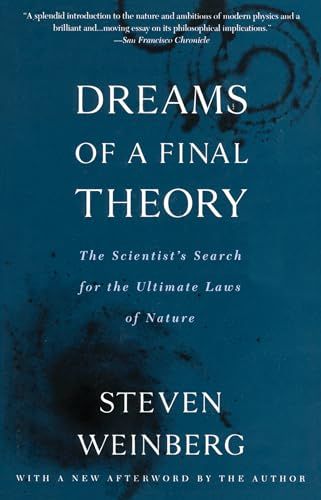
In "Dreams of a Final Theory," Nobel laureate Steven Weinberg ventures into the tantalizing quest for a unified understanding of the universe. He explores the intricate relationship between science and philosophy, shedding light on the fundamental questions that have long intrigued humanity. With clarity and passion, Weinberg champions the pursuit of a single theory that describes all physical phenomena. This thought-provoking narrative invites readers to consider how close we are to a final explanation of existence itself. Prepare to journey through the landscapes of modern physics and the profound possibilities that lie ahead.
By Steven Weinberg
Published: 1994
"The more we learn about the universe, the more we encounter the mysterious layer of reality that lies beyond our reach, a reminder that our understanding is but a mere glimpse of a much deeper truth."

Start Listening to Book Summary
Book Review of Dreams of a Final Theory
The Nobel Prize-winning physicist and bestselling author of The First Three Minutes describes the grand quest for a unifying theory of nature--one that can explain forces as different as the cohesion inside the atom and the gravitational tug between the sun and Earth. Wirting with dazzling elegance and clarity, he retraces the steps that have led modern scientists from relativity and quantum mechanics to the notion of super-strings and the idea that our universe may coexist with others. But Weinberg asks as many questions as he answers, among them: Why does each explanation of the way nature works point to other, deeper explanations? Why are the best theories not only logical but beautiful? And what implications will a final theory have for our philosophy and religious faith? Intellectually daring, rich in anecdote and aphorism, Dreams of a Final Theory launches us into a new cosmos and helps us make sense of what we find there.
Book Overview of Dreams of a Final Theory
About the Book Author
Steven Weinberg
Steven Weinberg was an acclaimed American theoretical physicist, cosmologist, and Nobel laureate, best known for his contributions to the unification of the weak force and electromagnetic interaction between elementary particles. He authored several influential books, including 'The First Three Minutes,' which provides a detailed account of the early universe, and 'A Guide to the Cosmological Constant.' Weinberg's writing style is characterized by clarity and accessibility, making complex scientific concepts understandable to a broader audience, while maintaining rigorous scientific accuracy.
Book Details
Key information about the book.
- Authors
- Steven Weinberg
- Published
- February 1994
- Publisher
- Vintage
- ISBN
- 0679744088
- Language
- English
- Pages
- 353
- Genres
- Philosophy of MindPhilosophyScience and NatureScientific Discoveries
Purchase Options
 Buy on Amazon
 Buy via BookShop
Support local bookstores: BookShop gives a portion of each sale to independent bookshops!
Similar books you might like →
A Brief History of Time Book Summary
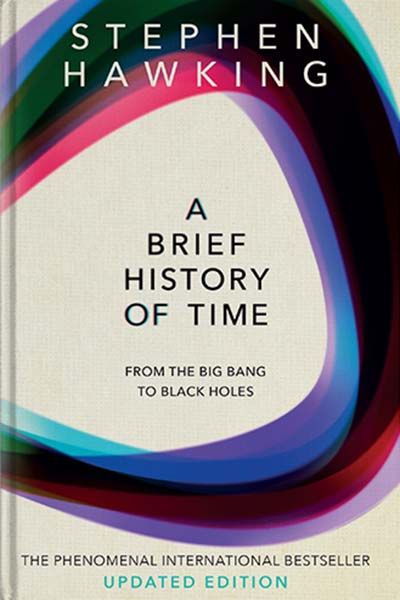
In "A Brief History of Time," Stephen Hawking takes readers on a captivating journey through the cosmos, exploring the nature of time, black holes, and the universe's beginnings. With stunning clarity, he unravels complex scientific concepts, inviting everyone—from curious laypersons to seasoned physicists—to ponder the mysteries of existence. Hawking's charismatic storytelling challenges our perceptions of reality and time itself, posing profound questions about the universe's fate. As he merges science with philosophy, the reader is compelled to reflect on their place in a vast, enigmatic cosmos. Prepare to be inspired and awed by a narrative that transcends mere facts, pushing the boundaries of human understanding.
The Beginning of Infinity Book Summary
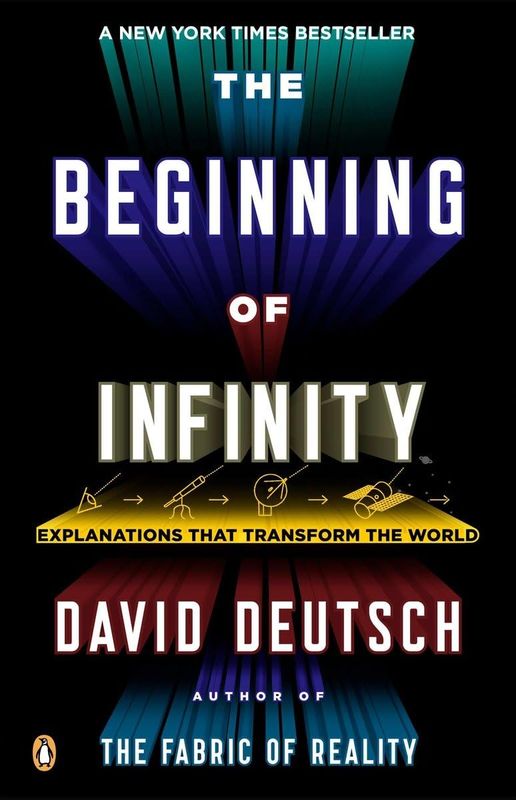
In 'The Beginning of Infinity', David Deutsch challenges our understanding of knowledge and the universe, proposing that all problems are solvable with the right approach. He delves into the philosophy of science, technology, and human progress, suggesting that the pursuit of knowledge is a never-ending journey. Deutsch argues that explanations, rather than mere observations, are the key to comprehending reality. With provocative insights, he explores the implications of infinite possibilities and the potential of human creativity. This thought-provoking read ignites curiosity about the boundless nature of discovery and the future of humanity.
Introduction to Mathematical Philosophy Book Summary
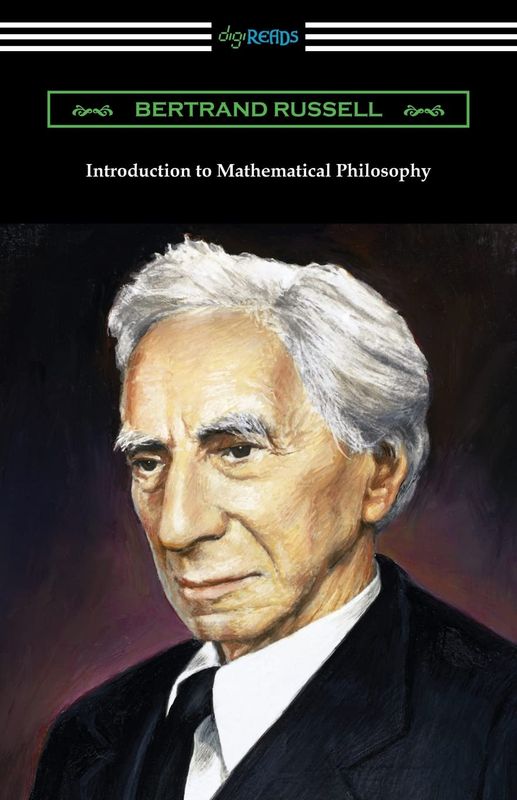
In 'Introduction to Mathematical Philosophy,' Bertrand Russell takes readers on a fascinating journey through the foundations of mathematics and its philosophical implications. He explores concepts such as numbers, infinity, and the nature of mathematical truth, challenging conventional thinking. With his unique blend of clarity and insight, Russell demystifies complex ideas, revealing the profound connections between logic and mathematics. This thought-provoking work not only invites readers to rethink their understanding of numbers but also questions the very essence of reality itself. A must-read for anyone intrigued by the interplay of philosophy and mathematics, this book promises to expand your horizons.
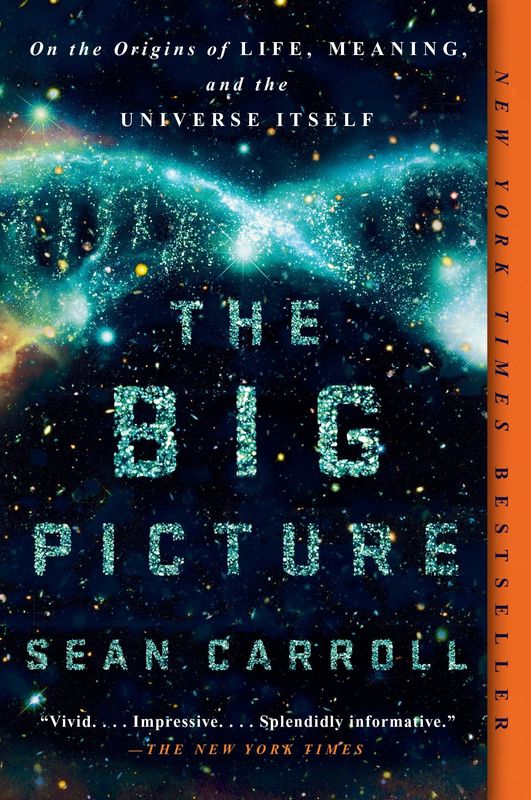
The Big Picture Book Summary
In 'The Big Picture', physicist Sean Carroll invites readers to explore the fascinating intersections of science, philosophy, and the meaning of life. He delves into the fundamental nature of reality, presenting complex concepts in a captivating and accessible manner. With a blend of narratives and profound insights, Carroll challenges us to consider our place in the universe. As he unravels the mysteries of existence, readers are urged to reflect on the implications of science for understanding consciousness and our everyday experiences. This thought-provoking journey leaves us questioning: what does it truly mean to be human in a cosmos governed by natural laws?
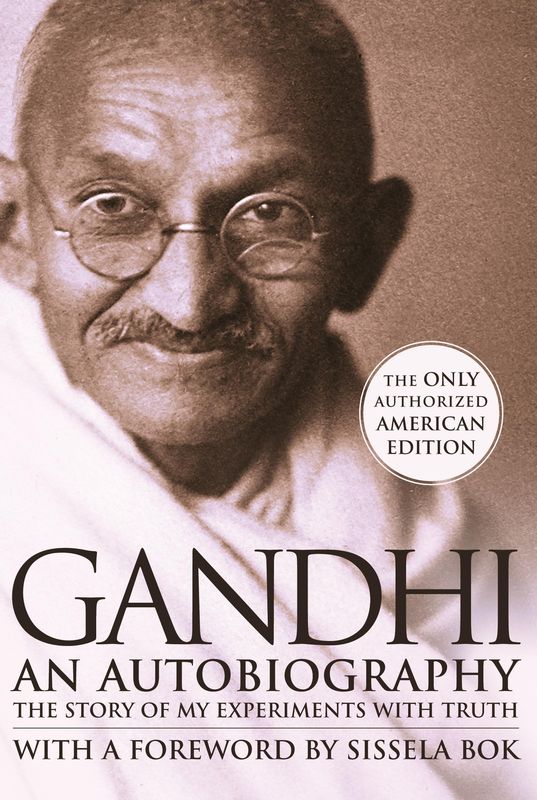
An Autobiography Book Summary
In 'An Autobiography', Mohandas K. Gandhi shares the remarkable journey of his life, revealing the evolution of his philosophy of non-violence and truth. From his early years in India to his transformative experiences in South Africa, Gandhi exposes the struggles that shaped his commitment to social justice. His candid reflections on faith, morality, and personal growth challenge conventional beliefs and inspire readers to question their own values. This gripping narrative not only details his political activism but also provides an intimate look at his family life and spiritual pursuits. Discover the profound insights that guided one of history's most influential leaders in his quest for freedom and equality.
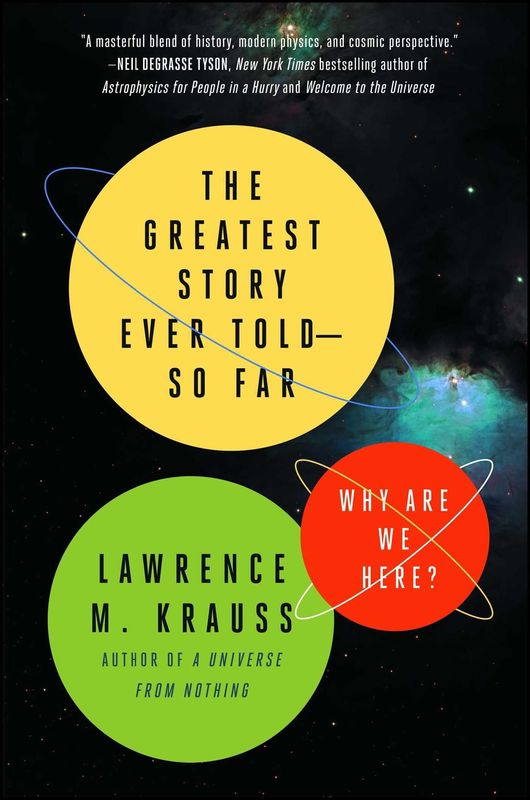
The Greatest Story Ever Told--So Far Book Summary
In 'The Greatest Story Ever Told--So Far,' Lawrence M. Krauss takes readers on an exhilarating journey through the history of the universe, exploring the profound scientific discoveries that have shaped our understanding of reality. With wit and clarity, he delves into questions of existence, the nature of time, and the possibility of multiverses. Krauss makes complex concepts accessible, painting a vivid picture of our cosmic origins and the ongoing quest for knowledge. This book isn’t just about science; it's a call to wonder and curiosity about the universe we inhabit. Prepare to rethink everything you thought you knew about life, the universe, and everything in between!
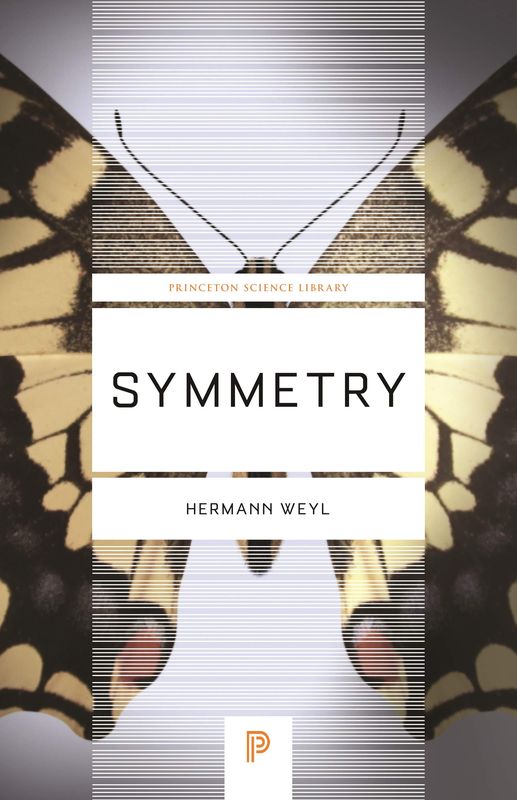
Symmetry Book Summary
In 'Symmetry,' Hermann Weyl explores the profound concept of symmetry as a fundamental principle in mathematics and nature. He weaves together the threads of physics, art, and philosophy, revealing how symmetry shapes our understanding of the universe. Through intriguing insights, Weyl invites readers to consider how aesthetic beauty is intertwined with scientific truth. As he delves into the realms of geometry and theoretical physics, he unravels the mysteries that govern our world. This book is not just an exploration of a mathematical concept; it is a journey that challenges the way we perceive reality itself.
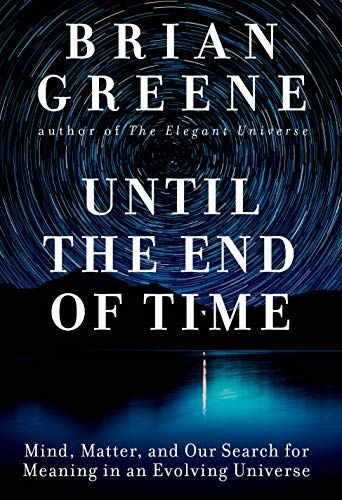
Until the End of Time Book Summary
In 'Until the End of Time', renowned physicist Brian Greene embarks on an exhilarating journey through the cosmos, exploring the profound questions of existence itself. He weaves together the intricacies of physics, philosophy, and human experience, offering readers a captivating insight into the universe's grand narrative. From the birth of stars to the mysteries of black holes, Greene illuminates the forces that have shaped our reality and the ultimate fate awaiting us all. This thought-provoking odyssey challenges us to ponder our place in the universe and the nature of time itself. Prepare to be mesmerized and left contemplating the eternal as Greene guides you 'until the end of time'.
Showing 8 of 30 similar books
Take your reading experience to the next level
Download our mobile app to enjoy your favorite books on the go. Get access to exclusive features, offline listening, and personalized recommendations.

Similar Book Recommendations →

Chris Dixon's Book Recommendations
Chris Dixon is a notable venture capitalist and technology entrepreneur, best known for his influential role as a general partner at Andreessen Horowitz, where he leads investments in cryptocurrency and blockchain technology. Before joining the firm, Dixon co-founded two startups: SiteAdvisor, a web security company acquired by McAfee, and Hunch, a recommendation engine acquired by eBay. In addition to his investment career, Dixon is a prolific writer and thought leader on technology and innovation, contributing insightful essays and articles to various platforms such as his personal blog and Medium. His writings often explore the future of technology, the internet, and the impact of blockchain, making significant contributions to contemporary tech literature. Dixon's work has earned him recognition as a visionary in both the tech and literary worlds.

Lex Fridman's Book Recommendations
Lex Fridman is an artificial intelligence researcher, podcaster, and MIT professor, known for his work in autonomous vehicles, robotics, and deep learning. Fridman has gained widespread popularity through his podcast, Lex Fridman Podcast, where he interviews leading thinkers in science, technology, and philosophy, exploring topics like AI, consciousness, and the future of humanity. His academic work focuses on human-centered AI, aiming to create machines that can better understand and interact with humans. Fridman’s ability to distill complex topics into accessible conversations has earned him a large following, and his podcast is known for its thoughtful, in-depth discussions with some of the brightest minds of our time. He is also an advocate for the responsible development of AI, emphasizing the ethical implications of this rapidly advancing technology. Outside of academia and podcasting, Fridman is a practitioner of jiu-jitsu and frequently speaks about the importance of discipline and continuous learning.

Naval Ravikant's Book Recommendations
Naval Ravikant is an entrepreneur, angel investor, and philosopher, best known as the co-founder of AngelList, a platform that connects startups with investors. Ravikant is a prolific thinker and writer on topics such as startups, investing, and personal well-being, sharing his wisdom through essays, podcasts, and social media. He has invested in over 100 companies, including Uber, Twitter, and Yammer, making him one of Silicon Valley’s most successful angel investors. Ravikant is also known for his philosophical musings on wealth, happiness, and the meaning of life, which have garnered him a large and dedicated following.

Joe Rogan's Book Recommendations
Joe Rogan is a multifaceted American entertainer known primarily for his work as a comedian, podcast host, and commentator. He gained widespread recognition through his immensely popular podcast, "The Joe Rogan Experience," which has featured in-depth conversations with a diverse array of guests, including scientists, celebrities, and politicians. Though not primarily known for literature, Rogan has contributed to the field with his thought-provoking discussions that often explore philosophical and intellectual ideas. Additionally, he has authored the book "Mastering the Rubber Guard," which delves into Brazilian Jiu-Jitsu techniques, showcasing his expertise in martial arts. Rogan's influence extends beyond traditional media, impacting contemporary discourse through his unique blend of humor, curiosity, and critical thinking.

Drew Houston's Book Recommendations
Drew Houston is an accomplished American entrepreneur best known for co-founding Dropbox, a widely-used cloud storage service, in 2007. As the CEO, he has led the company to serve millions of users worldwide and become a key player in the tech industry. Although not primarily known for literature, Houston has shared his entrepreneurial insights and experiences through various interviews and public speaking engagements, offering valuable lessons to aspiring business leaders. His work has significantly influenced the way people and organizations manage and share digital content. Houston's innovative vision continues to shape the future of cloud computing and digital collaboration.

Reshma Saujani's Book Recommendations
Reshma Saujani is the founder of Girls Who Code, an organization aimed at closing the gender gap in technology by empowering young women to pursue careers in coding and computer science. She gained national attention in 2010 as the first Indian-American woman to run for U.S. Congress. Reshma is also the author of several books, including Brave, Not Perfect, which encourages women to embrace failure and take risks. Her TED Talk on teaching girls bravery rather than perfection has garnered millions of views. Reshma continues to advocate for gender equality and innovation in education.

Stewart Brand's Book Recommendations
Stewart Brand is an influential American writer, best known for founding the Whole Earth Catalog, a publication that became a cornerstone of the counter-culture movement in the late 1960s and early 1970s. His pioneering work in promoting environmental sustainability and self-sufficiency has had a lasting impact on both literature and society. Brand is also a co-founder of The WELL, an early online community that predated the widespread use of the internet and helped shape the development of digital culture. He has authored several significant books, including "The Media Lab" and "Whole Earth Discipline," which explore technology's role in environmental and societal issues. Brand's contributions continue to influence contemporary discussions on ecology, technology, and community building.
“The more we learn about the universe, the more we encounter the mysterious layer of reality that lies beyond our reach, a reminder that our understanding is but a mere glimpse of a much deeper truth.”
Dreams of a Final Theory
By Steven Weinberg
Frequently Asked Questions
Explore Our Catalogue
Discover a world of knowledge through our extensive collection of book summaries.
Genres
Genres
Genres
Featured Collections
- Top Book Club Picks
- One-Stop Nutrition
- Summer Reads 2024
- Best Beach Reads 2024
- Work-Life Balance Guide
- Time Management
- Healthy Foods
- Entrepreneur Toolkit
- Mind & Body Wellness
- Future Tech Insights
- Leadership Essentials
- Financial Freedom
- Sci-Fi Masterpieces
- Parenting 101
- Books That Became Blockbusters
- Guide to a Healthy Pregnancy