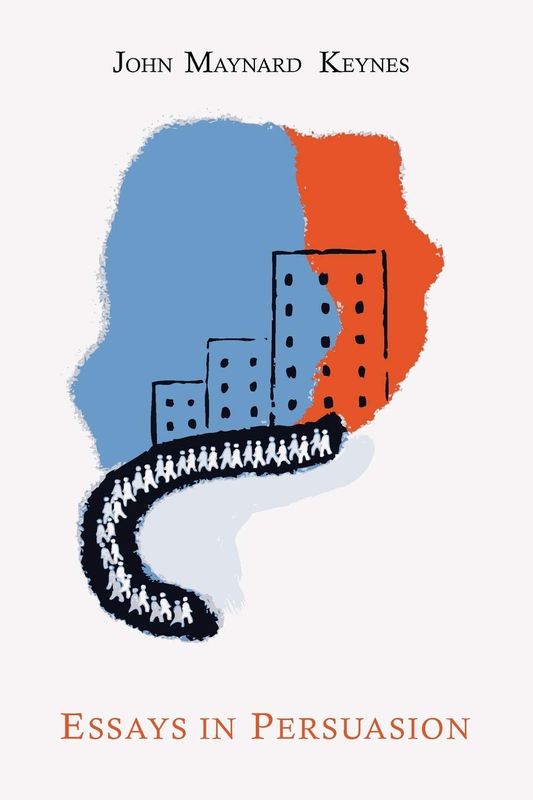
Essays in Persuasion Book Summary
In 'Essays in Persuasion', John Maynard Keynes masterfully explores the art of persuasion through a series of thought-provoking essays. Delving into economics, philosophy, and public policy, he challenges conventional wisdom and advocates for innovative solutions to societal issues. Keynes's eloquent arguments highlight the interplay between economic theory and human behavior, revealing how ideas can reshape the world. His timeless insights remain relevant, prompting readers to reconsider their beliefs about markets, government, and the future. This compelling collection not only showcases Keynes's brilliance but also invites readers to engage in a deeper dialogue about the power of ideas.
By John Maynard Keynes
Published: NaN
""The difficulty lies not so much in developing new ideas as in escaping from old ones.""

Start Listening to Book Summary
Book Review of Essays in Persuasion
2012 Reprint of 1932 American Edition. Exact facsimile of the original edition, not reproduced with Optical Recognition Software. The essays in this volume show Keynes's attempts to influence the course of events by public persuasion over the period of 1919-40. In the light of subsequent history, 'Essays in Persuasion' is a remarkably prophetic volume covering a wide range of issues in political economy. In articles on the Versailles Treaty, John Maynard Keynes foresaw all too clearly that excessive Allied demands for reparations and indemnities would lead to the economic collapse of Germany. In Keynes's essays on inflation and deflation, the reader can find ideas that were to become the foundations of his most renowned treatise, 'The General Theory of Employment, Interest and Money' (1936). With startling accuracy Keynes forecast the economic fluctuations that were to beset the economies of Europe and the United States and even proposed measures which, if heeded at the time, might have warded off an era of world-wide depression. His views on Soviet Russia, on the decline of laissez-faire, and the possibilities of economic growth are as relevant today as when Keynes originally set them forth.
Book Overview of Essays in Persuasion
About the Book Author
John Maynard Keynes
John Maynard Keynes (1883-1946) was a British economist whose ideas fundamentally changed the theory and practice of macroeconomics and the economic policies of governments. He is best known for his influential work, 'The General Theory of Employment, Interest and Money' (1936), where he argued that total spending in an economy (aggregate demand) is the primary driving force of economic growth and employment. His theories, later termed Keynesian economics, advocated for increased government expenditures and lower taxes to stimulate demand and pull the global economy out of the Great Depression. Keynes' writing style is characterized by its clarity and emphasis on practical solutions to economic problems, making complex concepts accessible to a broader audience. His contributions have had a lasting impact on both economic theory and public policy.
Book Details
Key information about the book.
- Authors
- John Maynard Keynes
- Published
- N/A
- Publisher
- Martino Fine Books
- ISBN
- 161427374X
- Language
- English
- Pages
- 392
- Genres
- PhilosophyPolitical PhilosophyBusiness and EconomicsSocial CommentaryEconomic PolicyPolitics and Current Affairs
Purchase Options
 Buy on Amazon
 Buy via BookShop
Support local bookstores: BookShop gives a portion of each sale to independent bookshops!
Similar books you might like →
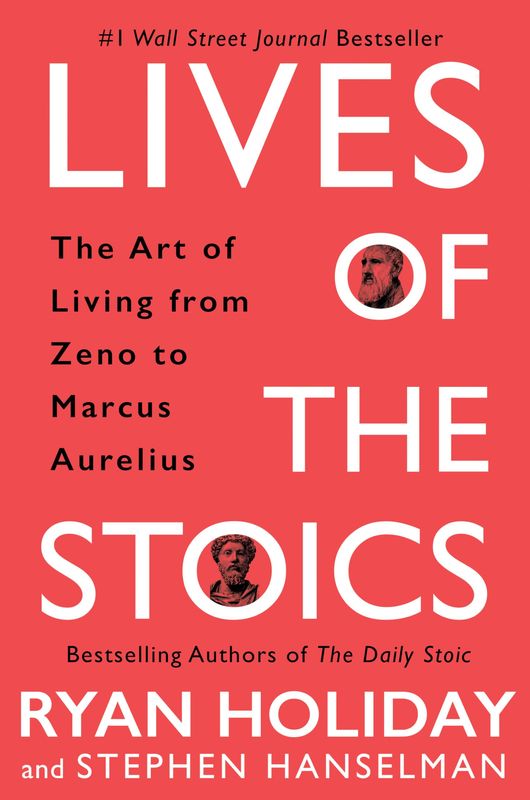
Lives of the Stoics Book Summary
In "Lives of the Stoics," Ryan Holiday and Stephen Hanselman blend biography with philosophy, illuminating the lives of history's most influential Stoic thinkers. Each chapter reveals not just their teachings, but the trials, triumphs, and personal struggles that shaped their philosophies. Discover how figures like Seneca and Epictetus navigated adversity, power, and personal loss, offering timeless wisdom for modern dilemmas. The book invites readers to ponder how these ancient insights can be harnessed to cultivate resilience in today's chaotic world. Are you ready to explore the transformative power of Stoicism through the lives of its greatest practitioners?
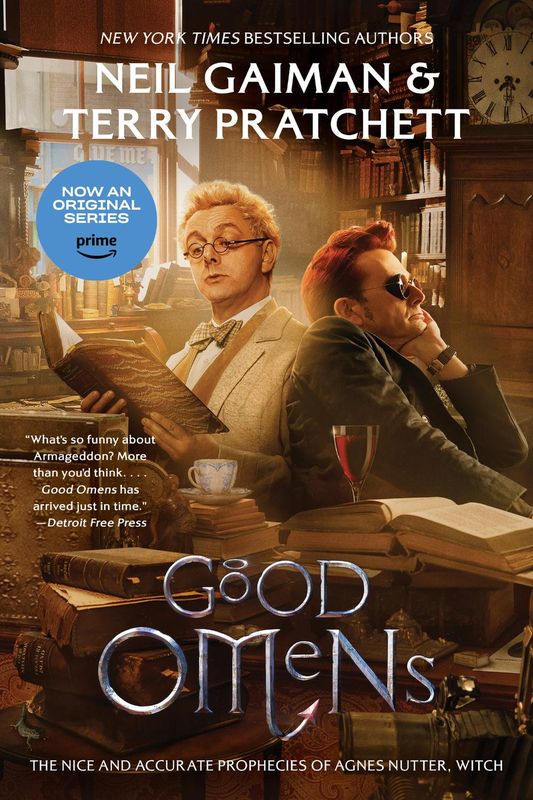
Good Omens Book Summary
In "Good Omens," the unlikely partnership between an angel named Aziraphale and a demon named Crowley ignites a hilarious race against time to prevent the apocalypse. As they navigate an array of quirky prophecies and an array of eccentric characters—including a reluctant Antichrist—chaos ensues in the modern world. The duo's camaraderie blurs the lines between good and evil, challenging their celestial roles. With whimsical wit and sharp social commentary, Neil Gaiman and Terry Pratchett craft a tale that begs the question: can morality flourish in madness? Prepare for a delightful journey where the end of the world is just the beginning of an unforgettable adventure!
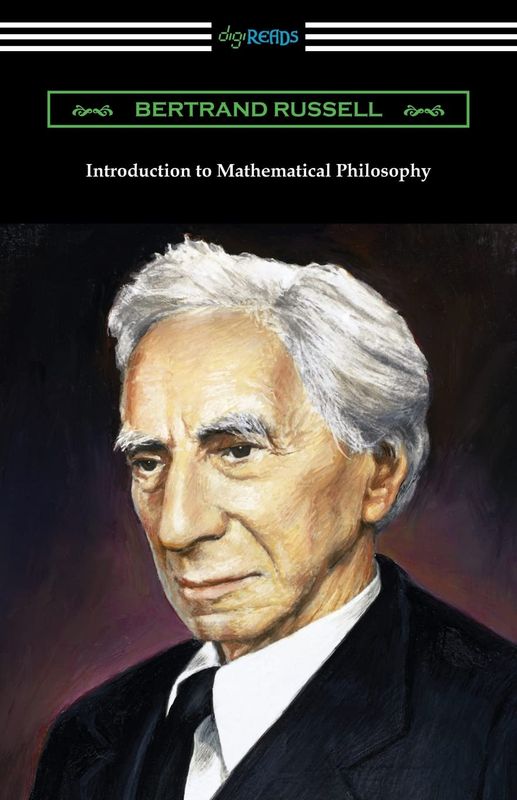
Introduction to Mathematical Philosophy Book Summary
In 'Introduction to Mathematical Philosophy,' Bertrand Russell takes readers on a fascinating journey through the foundations of mathematics and its philosophical implications. He explores concepts such as numbers, infinity, and the nature of mathematical truth, challenging conventional thinking. With his unique blend of clarity and insight, Russell demystifies complex ideas, revealing the profound connections between logic and mathematics. This thought-provoking work not only invites readers to rethink their understanding of numbers but also questions the very essence of reality itself. A must-read for anyone intrigued by the interplay of philosophy and mathematics, this book promises to expand your horizons.
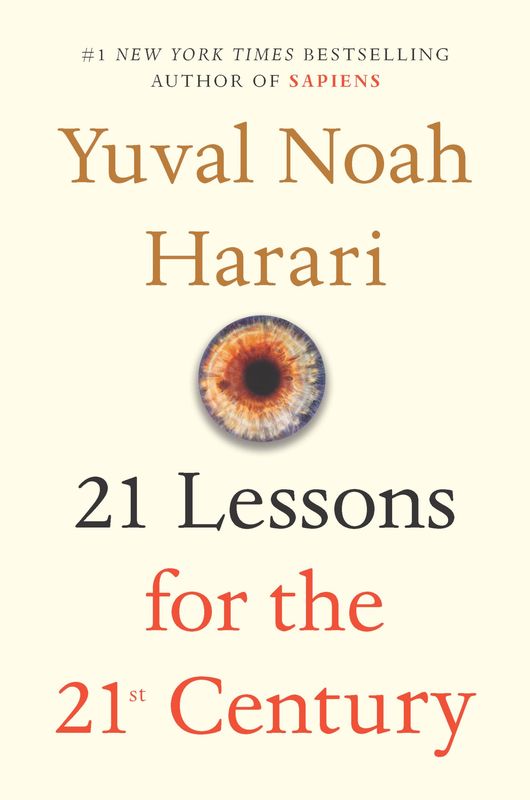
21 Lessons for the 21st Century Book Summary
In '21 Lessons for the 21st Century', Yuval Noah Harari navigates the complex landscape of today's world, tackling urgent questions about our future. From the impact of technology on society to the challenges of political stability, each lesson provokes thought and introspection. Harari explores key themes such as the rise of artificial intelligence, the significance of data, and the importance of meaning in an increasingly uncertain world. With a blend of history, philosophy, and science, the book invites readers to reflect on their roles in shaping a shared future. Will we adapt, or become obsolete? Dive in to uncover the lessons that could redefine humanity's path.
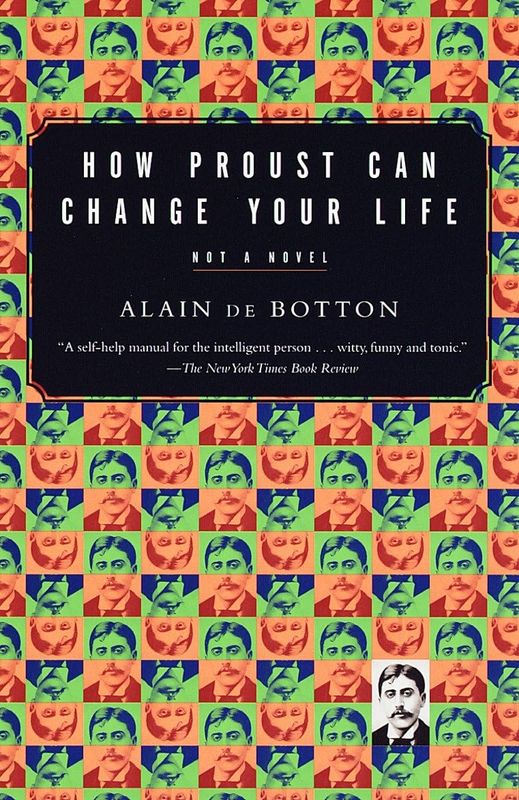
How Proust Can Change Your Life Book Summary
In 'How Proust Can Change Your Life,' Alain De Botton illuminates the profound wisdom of Marcel Proust, revealing how his insights can enhance our everyday existence. Through a blend of humor and philosophy, De Botton explores themes like love, art, and the search for identity, encouraging readers to embrace their inner selves. He posits that Proust's reflections on memory and experience can lead to a deeper understanding of happiness and fulfillment. With anecdotes and practical advice, this book serves as a guide to transforming mundane life into something extraordinary. Discover how Proust can inspire you to rethink your own journey and find beauty in the ordinary.

The Philosophy of Composition Book Summary
In 'The Philosophy of Composition,' Edgar Allan Poe unveils his meticulous approach to writing, arguing that artistic creation is a calculated endeavor rather than purely intuitive. He dissects his own poem 'The Raven,' revealing the deep psychological and structural elements that contribute to its haunting allure. Poe explores the interplay of beauty, emotion, and effect, offering a profound glimpse into the mind of a master writer. With each analytical step, he ignites curiosity about the art of storytelling and the techniques that captivate readers. This exploration leaves one pondering: What secrets lie behind the craft of their favorite writers?
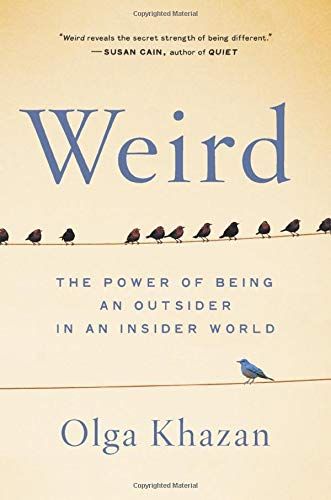
Weird Book Summary
In 'Weird,' Olga Khazan explores the fascinating science behind what makes us quirky and unconventional. Through a blend of personal anecdotes and psychological research, she delves into the hidden advantages of embracing our oddities. This thought-provoking narrative challenges societal norms and celebrates the beauty of being different. Khazan's engaging writing invites readers to question their own perceptions of normality. Can being weird actually be the key to a richer, more fulfilling life?
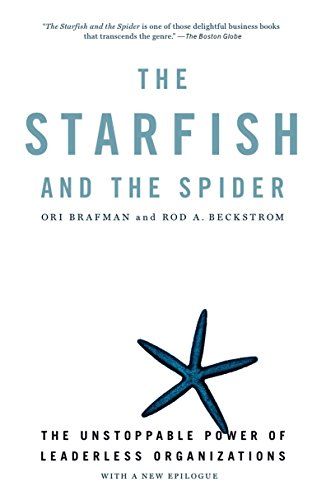
The Starfish and the Spider Book Summary
In 'The Starfish and the Spider', Ori Brafman and Rod A. Beckstrom explore the power of decentralized organizations through an intriguing metaphor. Unlike a spider, which dies when its head is cut off, a starfish can regenerate even when parts are removed, symbolizing resilient systems. The authors illustrate how this model applies to modern businesses, social movements, and technology, revealing the strengths of leaderless organizations. With compelling real-world examples, they challenge conventional thinking about control and hierarchy. Prepare to rethink your perspective on power, creativity, and collaboration in the 21st century!
Showing 8 of 29 similar books
Take your reading experience to the next level
Download our mobile app to enjoy your favorite books on the go. Get access to exclusive features, offline listening, and personalized recommendations.

Similar Book Recommendations →

Chris Dixon's Book Recommendations
Chris Dixon is a notable venture capitalist and technology entrepreneur, best known for his influential role as a general partner at Andreessen Horowitz, where he leads investments in cryptocurrency and blockchain technology. Before joining the firm, Dixon co-founded two startups: SiteAdvisor, a web security company acquired by McAfee, and Hunch, a recommendation engine acquired by eBay. In addition to his investment career, Dixon is a prolific writer and thought leader on technology and innovation, contributing insightful essays and articles to various platforms such as his personal blog and Medium. His writings often explore the future of technology, the internet, and the impact of blockchain, making significant contributions to contemporary tech literature. Dixon's work has earned him recognition as a visionary in both the tech and literary worlds.

David Heinemeier Hansson's Book Recommendations
David Heinemeier Hansson, also known as DHH, is a Danish programmer, entrepreneur, and author, best known as the creator of Ruby on Rails, a popular web application framework. Heinemeier Hansson is also a partner at Basecamp, a project management and collaboration software company he co-founded. His contributions to software development have earned him widespread recognition, with Ruby on Rails being used by thousands of developers and companies worldwide. Heinemeier Hansson is also a vocal advocate for remote work, simplicity in business, and sustainable work practices, ideas he explores in his bestselling books Rework and It Doesn’t Have to Be Crazy at Work. In addition to his work in tech, he is an accomplished race car driver, having competed in the 24 Hours of Le Mans. Heinemeier Hansson’s approach to work-life balance and entrepreneurship has made him a thought leader in the tech community, where he continues to challenge traditional business practices and advocate for more human-centered approaches to work

Joe Rogan's Book Recommendations
Joe Rogan is a multifaceted American entertainer known primarily for his work as a comedian, podcast host, and commentator. He gained widespread recognition through his immensely popular podcast, "The Joe Rogan Experience," which has featured in-depth conversations with a diverse array of guests, including scientists, celebrities, and politicians. Though not primarily known for literature, Rogan has contributed to the field with his thought-provoking discussions that often explore philosophical and intellectual ideas. Additionally, he has authored the book "Mastering the Rubber Guard," which delves into Brazilian Jiu-Jitsu techniques, showcasing his expertise in martial arts. Rogan's influence extends beyond traditional media, impacting contemporary discourse through his unique blend of humor, curiosity, and critical thinking.

Ana Fabrega's Book Recommendations
Ana Lorena Fabrega is an innovative educator and author passionate about reimagining education. Known as “Ms. Fab,” she is the Chief Evangelist at Synthesis, an education startup inspired by the problem-solving and collaboration model used at SpaceX. She advocates for alternative learning methods, encouraging curiosity and creativity in students. Ana's work emphasizes the importance of engaging young learners in real-world challenges and critical thinking. She also shares insights on education reform through her popular newsletter, Fab Fridays.

Barack Obama's Book Recommendations
Barack Obama is the 44th President of the United States, serving from 2009 to 2017. As the first African American president, Obama’s leadership marked a historic moment in American history. His administration focused on healthcare reform, economic recovery from the Great Recession, and environmental policies. He is best known for the Affordable Care Act, as well as his efforts to expand civil rights and restore diplomatic relations with Cuba. Since leaving office, Obama has continued to engage in public life through his foundation, focusing on leadership development, civic engagement, and global issues.

Bridget Phetasy's Book Recommendations
Bridget Phetasy is a multi-talented writer, comedian, and podcaster known for her sharp wit and insightful commentary on contemporary culture and politics. She gained prominence through her work with Playboy, where her essays and columns attracted a wide readership. Bridget is the host of the popular podcast "Walk-Ins Welcome," where she engages in deep, humorous conversations with a variety of guests. Her candid and often provocative takes on societal issues have garnered her a loyal following on social media. Additionally, she created the satirical YouTube series "Dumpster Fire," where she humorously dissects current events.

Nassim Nicholas Taleb's Book Recommendations
Nassim Nicholas Taleb is a Lebanese-American author, scholar, and risk analyst, best known for his work on uncertainty, probability, and risk. His books, including The Black Swan and Antifragile, explore how rare and unpredictable events shape the world and how individuals and systems can become more resilient to shocks. Taleb’s insights on risk management have influenced fields ranging from finance to medicine, and he is known for his outspoken criticism of conventional wisdom. His ideas about randomness, decision-making, and the limitations of human knowledge have made him a leading thinker in modern economics and philosophy.

Brad Feld's Book Recommendations
Brad Feld is a prominent American entrepreneur, venture capitalist, and author known for his influential work in the startup ecosystem. Co-founder of the Foundry Group, he has played a pivotal role in funding and mentoring early-stage technology companies. Feld is also a key figure behind the Techstars accelerator program, which has helped launch numerous successful startups. As an author, he has penned several essential books on entrepreneurship and venture capital, including "Venture Deals" and "Startup Communities," which provide invaluable insights for aspiring entrepreneurs and investors. His writings and active blogging have cemented his reputation as a thought leader in the tech and startup communities.
Showing 8 of 20 related collections
“"The difficulty lies not so much in developing new ideas as in escaping from old ones."”
Essays in Persuasion
By John Maynard Keynes
Frequently Asked Questions
Explore Our Catalogue
Discover a world of knowledge through our extensive collection of book summaries.
Genres
Genres
Genres
Featured Collections
- Top Book Club Picks
- One-Stop Nutrition
- Summer Reads 2024
- Best Beach Reads 2024
- Work-Life Balance Guide
- Time Management
- Healthy Foods
- Entrepreneur Toolkit
- Mind & Body Wellness
- Future Tech Insights
- Leadership Essentials
- Financial Freedom
- Sci-Fi Masterpieces
- Parenting 101
- Books That Became Blockbusters
- Guide to a Healthy Pregnancy