Family Properties Book Summary
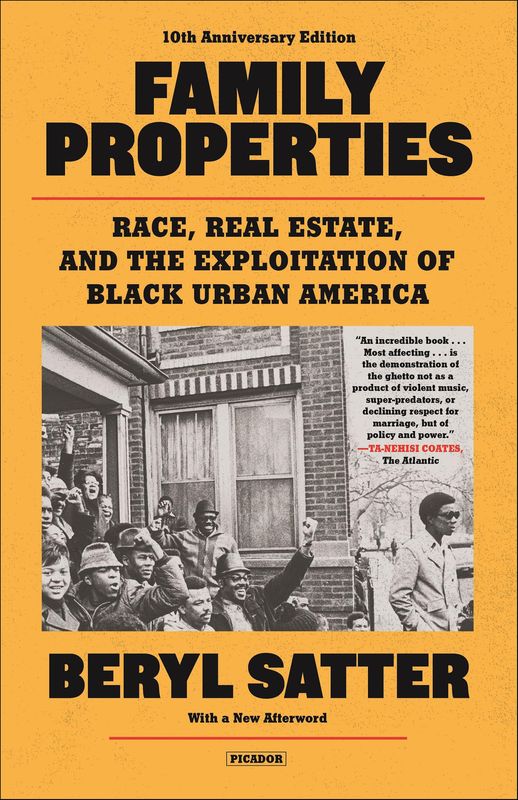
In 'Family Properties', Beryl Satter uncovers the gripping story of her family's real estate empire and the racially charged struggles that shaped Chicago. Through the lens of her father's daring business ventures, she explores the brutal dynamics of urban housing, discrimination, and the fight for civil rights. The narrative unveils the intersection of wealth and inequality, challenging readers to reflect on the legacy of property ownership. With a blend of personal history and socio-political insights, Satter reveals how family ties can entwine with societal injustices. This compelling account urges us to reconsider our views on home, community, and the American dream.
By Beryl Satter
Published: 2010
"In the tangled web of money and home, the true value lies not in the bricks and mortar, but in the stories of those who claim them as their own."

Start Listening to Book Summary
Book Review of Family Properties
“Beryl Satter's Family Properties is really an incredible book. It is, by far, the best book I've ever read on the relationship between blacks and Jews. That's because it hones in on the relationship between one specific black community and one specific Jewish community and thus revels in the particular humanity of all its actors. In going small, it ultimately goes big.” —Ta-Nehisi Coates, The Atlantic Part family story and part urban history, a landmark investigation of segregation and urban decay in Chicago -- and cities across the nation The "promised land" for thousands of Southern blacks, postwar Chicago quickly became the most segregated city in the North, the site of the nation's worst ghettos and the target of Martin Luther King Jr.'s first campaign beyond the South. In this powerful book, Beryl Satter identifies the true causes of the city's black slums and the ruin of urban neighborhoods throughout the country: not, as some have argued, black pathology, the culture of poverty, or white flight, but a widespread and institutionalized system of legal and financial exploitation. In Satter's riveting account of a city in crisis, unscrupulous lawyers, slumlords, and speculators are pitched against religious reformers, community organizers, and an impassioned attorney who launched a crusade against the profiteers—the author's father, Mark J. Satter. At the heart of the struggle stand the black migrants who, having left the South with its legacy of sharecropping, suddenly find themselves caught in a new kind of debt peonage. Satter shows the interlocking forces at work in their oppression: the discriminatory practices of the banking industry; the federal policies that created the country's shameful "dual housing market"; the economic anxieties that fueled white violence; and the tempting profits to be made by preying on the city's most vulnerable population. Family Properties: Race, Real Estate, and the Exploitation of Black Urban America is a monumental work of history, this tale of racism and real estate, politics and finance, will forever change our understanding of the forces that transformed urban America. "Gripping . . . This painstaking portrayal of the human costs of financial racism is the most important book yet written on the black freedom struggle in the urban North."—David Garrow, The Washington Post
Book Overview of Family Properties
About the Book Author
Beryl Satter
Beryl Satter is an acclaimed author and historian known for her insightful exploration of civil rights and social justice. She has written notable works including "Family Properties: Race, Real Estate, and the Exploitation of Black Urban America," which examines the intersection of race and real estate in the United States. Satter’s writing style is characterized by meticulous research and a narrative approach that brings historical events to life, making complex social issues accessible to a broad audience. Her work has garnered recognition for its depth and impact on understanding systemic inequalities.
Book Details
Key information about the book.
- Authors
- Beryl Satter
- Published
- March 2010
- Publisher
- Picador
- ISBN
- 0805091424
- Language
- English
- Pages
- N/A
- Genres
- Social Justice MovementsBusiness and EconomicsReal Estate InvestingPolitics and Current Affairs
Purchase Options
 Buy on Amazon
 Buy via BookShop
Support local bookstores: BookShop gives a portion of each sale to independent bookshops!
Similar books you might like →
The Great Transformation Book Summary
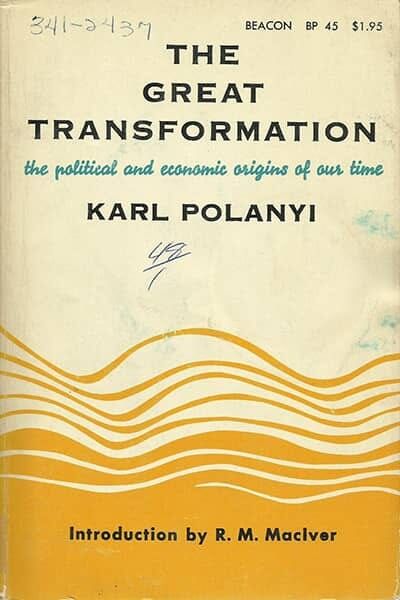
In 'The Great Transformation,' Karl Polanyi explores the radical shifts in economic and social structures that shaped modern society during the Industrial Revolution. He argues that the rise of the market economy led to profound disruptions in community life and environmental balance. Polanyi challenges the notion of self-regulating markets, revealing the hidden social costs of laissez-faire capitalism. Through historical examples, he illustrates the tension between economy and society, emphasizing the need for protective measures. This thought-provoking work invites readers to reconsider the relationship between markets and social welfare in contemporary life.
The Narrow Corridor Book Summary
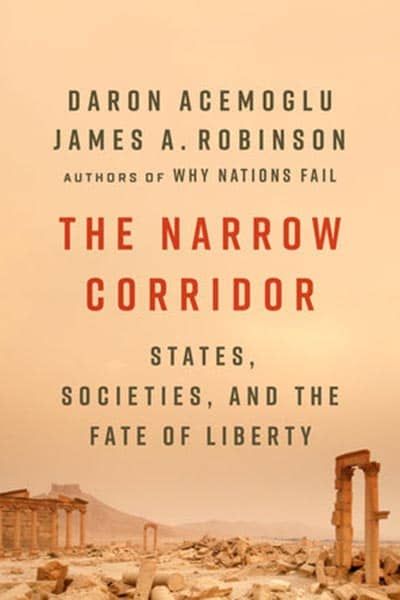
In 'The Narrow Corridor', Daron Acemoglu and James A. Robinson explore the delicate balance between individual liberty and state authority, illuminating how societies navigate the thin path between oppression and chaos. Through captivating historical examples, the authors reveal the conditions that allow for the flourishing of freedoms and the emergence of prosperous, resilient nations. They delve into the concept of the 'narrow corridor', where institutions must align with cultural values to foster stability and growth. As they dissect past and present case studies, readers are invited to ponder critical questions about governance, power, and human potential. This thought-provoking analysis challenges us to reflect on the future of democracy and the critical choices that lie ahead.
The Great Convergence Book Summary
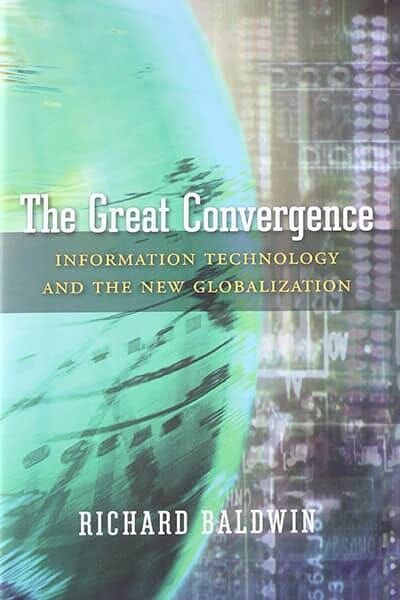
In 'The Great Convergence,' Richard Baldwin takes readers on a compelling journey through the forces shaping our global economy, emphasizing the revolutionary impact of digital technology. He argues that the convergence of production and consumption is redefining international borders and reshaping global trade. As we become more interconnected than ever, Baldwin raises critical questions about the future of jobs and economic disparity. Will the merging of markets lead to prosperity, or will it deepen existing divides? A thought-provoking exploration that challenges conventional wisdom and invites readers to rethink the implications of our rapidly changing world.
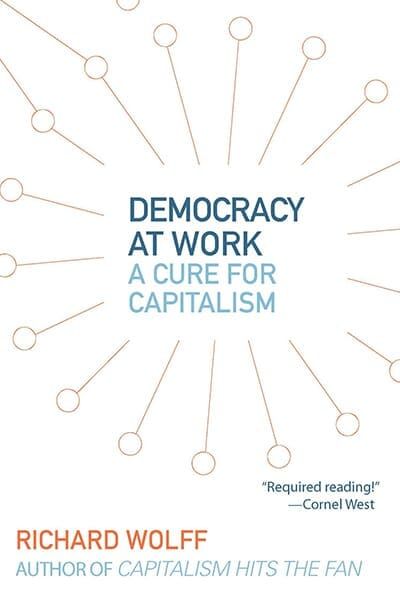
Democracy at Work Book Summary
In 'Democracy at Work', Richard D. Wolff challenges the conventional notions of democracy and the workplace, advocating for a radical transformation where workers have a say in their enterprises. Through compelling arguments and real-world examples, he explores the failures of capitalism and presents a vision for a more just and equitable economic system. Wolff introduces the idea of worker cooperatives as a feasible alternative, illustrating how they can empower employees and foster true democratic practices. This thought-provoking book urges readers to reconsider their understanding of democracy beyond the confines of politics and into the very fabric of their daily work lives. Are we ready to rethink who really holds the power in the workplace?

Arguing about War Book Summary
In 'Arguing about War,' Michael Walzer delves into the ethical complexities surrounding conflict and warfare, challenging traditional justifications for war. Through thought-provoking analysis and compelling historical examples, he questions whether moral principles can truly be upheld in the chaos of battle. Walzer invites readers to ponder the weight of political responsibility and the consequences of intervention. His exploration of just war theory ignites debate on the morality of military action, making us confront uncomfortable truths about human nature. Engage with this critical discourse and discover how morality and war intersect in ways that will reshape your understanding of global conflicts.
Business as a System of Power Book Summary
In 'Business as a System of Power', Robert A. Brady delves into the intricate relationship between business and political power in America. He posits that corporations are not merely economic entities, but powerful institutions that shape public policy and societal norms. Through a compelling blend of historical analysis and contemporary examples, Brady uncovers how business influences democracy and governance. Readers are invited to reflect on the ethical implications of this power dynamic. What does it mean for society when business interests can circumvent democratic processes?


Anarcho-Syndicalism Book Summary
In 'Anarcho-Syndicalism', Rudolf Rocker presents a compelling vision of a society rooted in workers' self-management and direct action. He critiques capitalism and the state, advocating for a revolutionary movement that empowers labor. Rocker explores the historical context and theoretical foundations of anarcho-syndicalism, revealing its potential to challenge oppression and inequality. With a passionate call to arms, he inspires readers to envision a world where solidarity and cooperation thrive. This thought-provoking work invites you to reconsider the dynamics of power and the role of organized labor in shaping a just society.
Showing 8 of 30 similar books
Take your reading experience to the next level
Download our mobile app to enjoy your favorite books on the go. Get access to exclusive features, offline listening, and personalized recommendations.

Similar Book Recommendations →

Michael Pollan's Book Recommendations
Michael Pollan is a renowned American author and journalist, celebrated for his insightful explorations of food, agriculture, and human culture. His groundbreaking book, "The Omnivore's Dilemma," published in 2006, critically examines the complexities of the modern food industry and has become a seminal work in food studies. Pollan's engaging narrative style and thorough research have earned him a place on The New York Times Best Seller list multiple times. In addition to his literary contributions, he is also a professor of journalism at the University of California, Berkeley. Pollan's work continues to influence public discourse on sustainable eating and the ethical implications of food choices.

Alexis Ohanian's Book Recommendations
Alexis Ohanian is an American entrepreneur, investor, and co-founder of Reddit, one of the world’s most popular social news and discussion platforms. Ohanian is also a prominent advocate for open internet and net neutrality, and he has invested in numerous startups through his venture capital firm, Initialized Capital. In addition to his work in tech, Ohanian is involved in philanthropy, supporting causes related to women’s rights, education, and social justice. He is married to tennis star Serena Williams, and together they advocate for gender equality and inclusive leadership. Ohanian’s influence in the tech world and his commitment to social impact have made him a respected figure in both business and activism.

Joe Rogan's Book Recommendations
Joe Rogan is a multifaceted American entertainer known primarily for his work as a comedian, podcast host, and commentator. He gained widespread recognition through his immensely popular podcast, "The Joe Rogan Experience," which has featured in-depth conversations with a diverse array of guests, including scientists, celebrities, and politicians. Though not primarily known for literature, Rogan has contributed to the field with his thought-provoking discussions that often explore philosophical and intellectual ideas. Additionally, he has authored the book "Mastering the Rubber Guard," which delves into Brazilian Jiu-Jitsu techniques, showcasing his expertise in martial arts. Rogan's influence extends beyond traditional media, impacting contemporary discourse through his unique blend of humor, curiosity, and critical thinking.

Ezra Klein's Book Recommendations
Ezra Klein is a prominent American journalist, political analyst, and author, renowned for his incisive commentary on politics and policy. He co-founded Vox, a widely respected news website known for its explanatory journalism, and served as its editor-in-chief. Klein's work includes the critically acclaimed book "Why We're Polarized," which delves into the deep-seated divisions in American politics. He also hosts "The Ezra Klein Show," a popular podcast where he interviews thought leaders from various fields. Klein's contributions have significantly shaped contemporary political discourse and media consumption.

Alex Honnold's Book Recommendations
Alex Honnold is an American professional rock climber, best known for his free solo ascent of El Capitan in Yosemite National Park, a feat that was documented in the Oscar-winning film Free Solo. Honnold is renowned for his mental toughness, technical skill, and ability to climb without ropes or safety equipment. His accomplishments have made him a legend in the climbing world, and he continues to push the boundaries of the sport. Outside of climbing, Honnold is a philanthropist, founding the Honnold Foundation, which supports environmental sustainability projects, particularly in solar energy.

Audrey Gelman's Book Recommendations
Audrey Gelman is an American entrepreneur and writer, best known as the co-founder and former CEO of The Wing, a network of co-working spaces and social clubs designed for women. She has been recognized for her innovative approach to creating supportive environments for professional women, significantly impacting feminist discourse and workplace equality. Gelman has also contributed thought-provoking essays to prominent publications such as The New York Times and The New Yorker, where she discusses gender, politics, and culture. Her leadership at The Wing has been celebrated for fostering community and collaboration among women. Additionally, Gelman's influence extends to the political sphere, having previously worked as a press aide on several high-profile campaigns.

Barack Obama's Book Recommendations
Barack Obama is the 44th President of the United States, serving from 2009 to 2017. As the first African American president, Obama’s leadership marked a historic moment in American history. His administration focused on healthcare reform, economic recovery from the Great Recession, and environmental policies. He is best known for the Affordable Care Act, as well as his efforts to expand civil rights and restore diplomatic relations with Cuba. Since leaving office, Obama has continued to engage in public life through his foundation, focusing on leadership development, civic engagement, and global issues.

Aaron Levie's Book Recommendations
Aaron Levie is the co-founder and CEO of Box, a cloud content management platform that revolutionized how businesses manage and collaborate on content. He launched Box in 2005 while still a college student, and the company rapidly grew into a leader in the cloud storage industry. Levie is known for his innovative, forward-thinking approach to enterprise software and for pushing the boundaries of digital transformation. Under his leadership, Box went public in 2015 and continues to evolve with new technologies and partnerships. He is a strong advocate for cloud-first business strategies and frequently shares his insights on the future of work and the digital workplace. Levie is also a prolific speaker and writer, often discussing technology's role in the modern economy. His energetic and witty personality has made him a popular figure in Silicon Valley and beyond.
Showing 8 of 21 related collections
“In the tangled web of money and home, the true value lies not in the bricks and mortar, but in the stories of those who claim them as their own.”
Family Properties
By Beryl Satter
Frequently Asked Questions
Explore Our Catalogue
Discover a world of knowledge through our extensive collection of book summaries.
Genres
Genres
Genres
Featured Collections
- Top Book Club Picks
- One-Stop Nutrition
- Summer Reads 2024
- Best Beach Reads 2024
- Work-Life Balance Guide
- Time Management
- Healthy Foods
- Entrepreneur Toolkit
- Mind & Body Wellness
- Future Tech Insights
- Leadership Essentials
- Financial Freedom
- Sci-Fi Masterpieces
- Parenting 101
- Books That Became Blockbusters
- Guide to a Healthy Pregnancy