Faust Book Summary
In 'Faust', Goethe tells the gripping tale of a scholar who, disillusioned with life and knowledge, makes a fateful pact with the devil, Mephistopheles. Seeking ultimate fulfillment and transcendence, Faust embarks on a journey of desire, love, and self-discovery that spans the limits of morality. As he explores the depths of human experience, the line between good and evil blurs, leaving readers questioning the true price of ambition. Rich in philosophical and existential themes, this timeless masterpiece delves into the dark corners of the human soul. Will Faust find redemption, or is he doomed to eternal damnation?
By Johann Wolfgang Von Goethe
Published: 2015
"Das Geisterreich fühlt wohl, die Zeit ist unser Geist, die Zeit mit allem, was sie gibt, und was sie uns nimmt."

Start Listening to Book Summary
Book Review of Faust
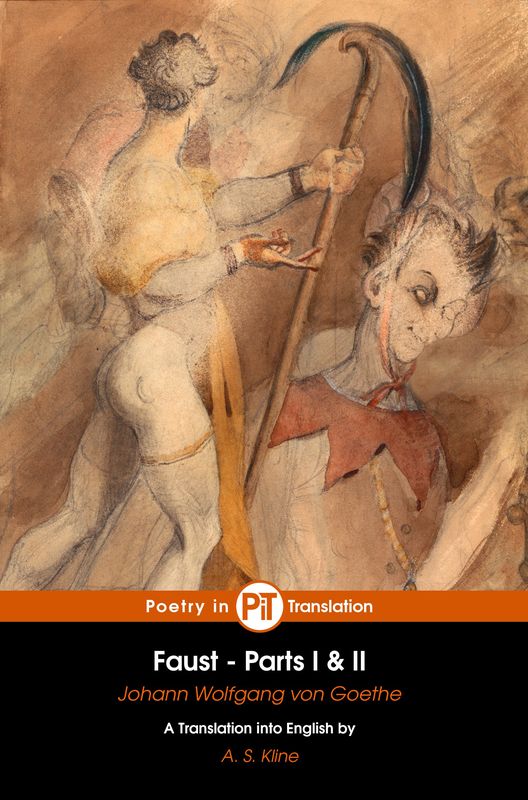
Faust Parts I & II - Goethe. A translation into English by A. S. Kline with illustrations by Eug�ne Delacroix. Goethe's two-part dramatic work, Faust, based on a traditional theme, and finally completed in 1831, is an exploration of that restless intellectual and emotional urge which found its fullest expression in the European Romantic movement, to which Goethe was an early and major contributor. Part I of the work outlines a pact Faust makes with the devil, Mephistopheles, and encompasses the tragedy of Gretchen, whom Faust seduces. Part II, developed over a long period of Goethe's later life, reflects Goethe's own transition from a predominantly Romantic to a wider world-view and explores more extensive themes, including the values of the Classical past, as it moves towards the work's resolution. The protagonist, Faust, is presented in a complex manner, and Goethe's treatment of the subject matter raises ethical and spiritual issues, many of which are not resolved within the drama itself. Goethe's stress is on Faust's striving towards the good, and on the nature of human error, rather than on the traditional Christian view of sin and redemption, and the play's opening sections and its conclusion can be seen as humanist allegory or metaphor rather than an expression of orthodox religious belief. It is left to the reader to draw their own conclusion about Faust's everyman character, and the extent to which he earns his ultimate spiritual salvation. The play had an enormous influence on later German thought and literature, and together with his lyric poetry has ensured Goethe's place among the great European writers. Published by Poetry in Translation.
Book Overview of Faust
About the Book Author
Johann Wolfgang Von Goethe
Johann Wolfgang von Goethe (1749-1832) was a German poet, playwright, and novelist, widely regarded as one of the greatest figures in Western literature. His most notable works include the tragic play 'Faust,' the novel 'The Sorrows of Young Werther,' and the poetic cycle 'West-östlicher Divan.' Goethe's writing is characterized by its exploration of human emotion, nature, and the interplay between individual experience and universal themes. His style blends classicism and romanticism, reflecting a deep engagement with philosophy and art.
Book Details
Key information about the book.
- Authors
- Johann Wolfgang Von Goethe
- Published
- January 2015
- Publisher
- N/A
- ISBN
- 1507547269
- Language
- English
- Pages
- 488
- Genres
- Philosophy of MindClassicsExistentialismLiterature
Purchase Options
 Buy on Amazon
 Buy via BookShop
Support local bookstores: BookShop gives a portion of each sale to independent bookshops!
Similar books you might like →
The Dad's Playbook to Labor and Birth Book Summary
In "The Dads Playbook to Labor and Birth," expectant fathers are equipped with essential tools and insights for the miraculous journey of childbirth. This guide goes beyond the basics, blending humor and practicality to prepare dads for every twist and turn in the delivery room. With real-life anecdotes and expert advice, it demystifies the process of labor, empowering men to support their partners confidently. Discover the critical role a dad plays in nurturing both mother and child during this transformative experience. Dive in and unlock the secrets to becoming a superhero in scrubs during one of life’s most exhilarating moments!
Crime and Punishment Book Summary
In 'Crime and Punishment', a troubled student named Raskolnikov commits a heinous crime, believing he is above the moral law. As he navigates the turmoil of guilt and paranoia, he encounters a cast of characters who challenge his philosophical justifications. The novel delves into themes of redemption, conscience, and the human psyche. Dostoyevsky's gripping narrative poses profound questions about morality and justice. Will Raskolnikov find peace, or will the weight of his crime consume him?
Create Your Own Religion Book Summary
In 'Create Your Own Religion,' Daniele Bolelli invites readers to embark on an exhilarating journey of self-discovery and belief formation. With a mix of philosophy, personal anecdotes, and practical exercises, he challenges the conventional religious paradigms and empowers individuals to craft a spiritual framework that resonates with their unique experiences. This book blends humor and intellect, prompting readers to question societal norms and explore their own existential questions. Bolelli’s charismatic voice and thought-provoking insights make this exploration of spirituality both engaging and liberating. Are you ready to break free from tradition and design your own path to meaning?

The Magus Book Summary
Set against the backdrop of a sun-soaked Greek island, 'The Magus' follows Nicholas Urfe, a disillusioned Englishman seeking purpose in life. His mundane existence is disrupted when he encounters the enigmatic Maurice Conchis, who introduces him to a world of psychological manipulation and mind games. As Nicholas becomes entangled in Conchis's strange and elaborate schemes, he grapples with his own identity and desires. The novel weaves themes of illusion, reality, and existentialism, leading to a shocking climax that challenges everything he thought he knew. Will Nicholas uncover the truth, or will he remain trapped in the seductive web of the Magus?
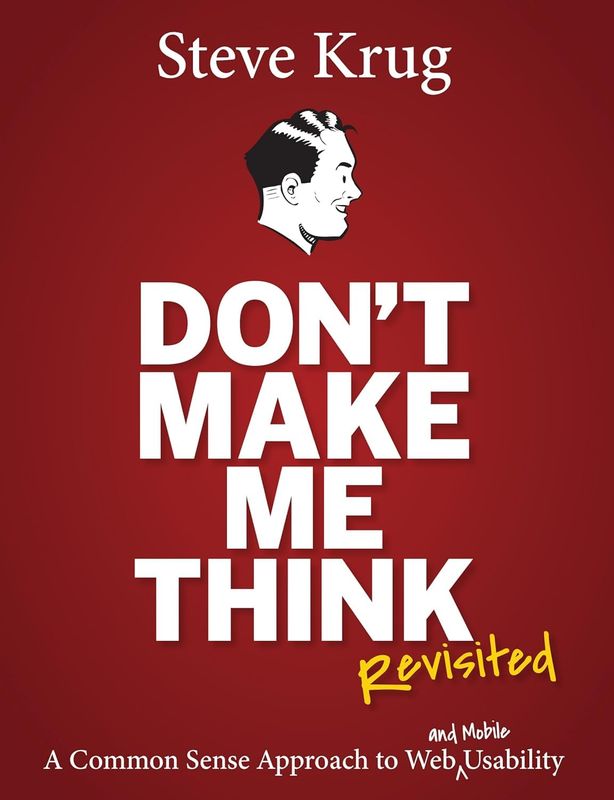
Don't Make Me Think, Revisited Book Summary
In 'Don't Make Me Think, Revisited', Steve Krug presents a timeless guide to web usability, challenging the notion that users read websites thoroughly. With humor and clarity, he emphasizes the importance of intuitive design, advocating that simplicity trumps complexity. Krug's insights encourage designers to prioritize user experience, making navigation as effortless as possible. Through practical examples and actionable advice, he unveils common pitfalls to avoid. This essential read will transform the way you think about designing websites and engaging users—are you ready to rethink your approach?
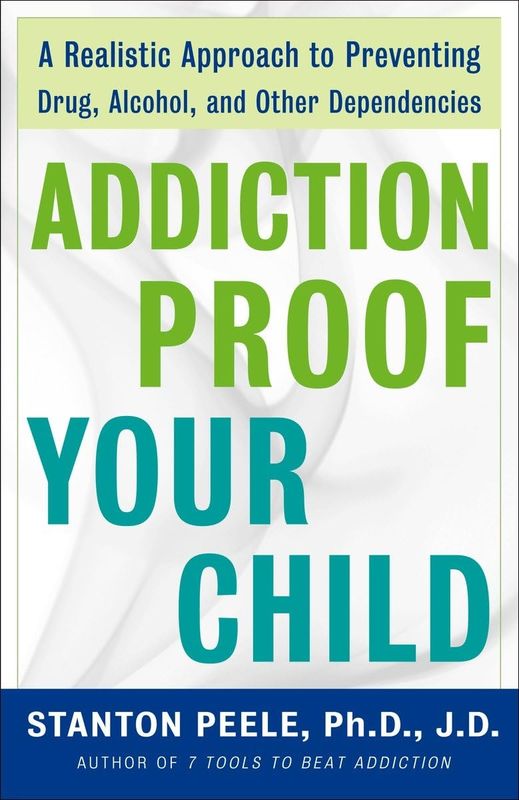
Addiction Proof Your Child Book Summary
In 'Addiction Proof Your Child', Stanton Peele unveils groundbreaking insights into preventing addiction before it starts. This thought-provoking guide challenges conventional wisdom about addiction, emphasizing that children can grow up resilient and substance-free. Peele combines practical strategies and psychological wisdom to address the root causes of addiction, empowering parents to cultivate strong, healthy relationships with their children. You'll discover how to instill confidence and open communication, leading to a supportive environment that deters addiction. This book is not just about prevention; it's a roadmap to raising a generation of fearless and resilient young people.

Educated Book Summary
In 'Educated,' Tara Westover recounts her astonishing journey from growing up in a strict, survivalist family in rural Idaho to earning a PhD from Cambridge University. Stripped of a formal education and raised in isolation, Tara grapples with her identity and the conflict between her family loyalty and her thirst for knowledge. As she breaks away from her past, she discovers the transformative power of education, but not without enduring profound personal sacrifices. This memoir is a gripping testament to resilience and the quest for self-discovery. Prepare to be inspired by a story that challenges the very notion of what it means to be educated.
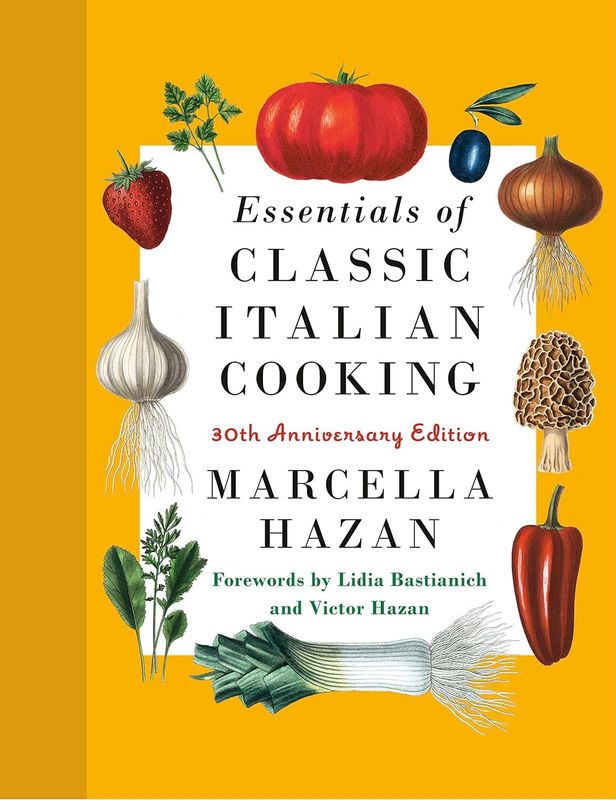
Essentials of Classic Italian Cooking Book Summary
Dive into the culinary world of Italy with Marcella Hazan's 'Essentials of Classic Italian Cooking,' a timeless guide that unveils the secrets of authentic dishes. With passion and precision, Hazan shares not just recipes, but the philosophy behind Italian cooking, emphasizing fresh ingredients and traditional techniques. Each chapter transports you to the heart of Italy, offering insights into regional flavors and comforting classics. Whether you're a novice or a seasoned chef, this book ignites a love for cooking that transcends borders. Discover how every meal can be a celebration of Italy's rich gastronomic heritage.
Showing 8 of 21 similar books
Take your reading experience to the next level
Download our mobile app to enjoy your favorite books on the go. Get access to exclusive features, offline listening, and personalized recommendations.

Similar Book Recommendations →
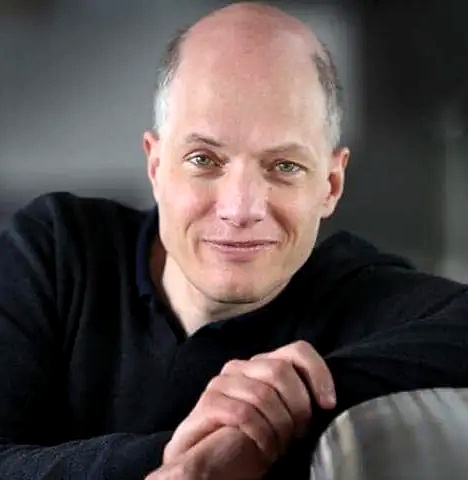
Alain de Botton's Book Recommendations
Alain de Botton is a Swiss-British philosopher, author, and founder of The School of Life, an organization dedicated to teaching emotional intelligence and life skills. De Botton’s books, such as The Consolations of Philosophy and How Proust Can Change Your Life, blend philosophy with everyday life, offering practical wisdom on love, work, and happiness. His work has popularized philosophy, making it accessible to a wider audience. De Botton is also a public speaker and essayist, frequently exploring topics related to human fulfillment and personal growth. His unique approach to philosophy has made him a respected voice in contemporary culture.
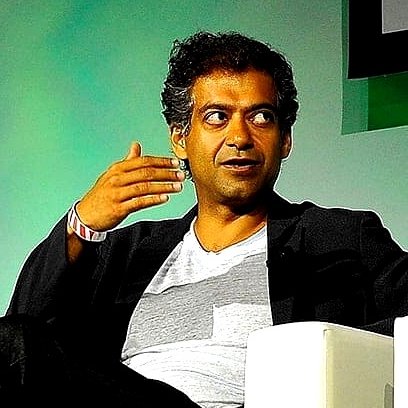
Naval Ravikant's Book Recommendations
Naval Ravikant is an entrepreneur, angel investor, and philosopher, best known as the co-founder of AngelList, a platform that connects startups with investors. Ravikant is a prolific thinker and writer on topics such as startups, investing, and personal well-being, sharing his wisdom through essays, podcasts, and social media. He has invested in over 100 companies, including Uber, Twitter, and Yammer, making him one of Silicon Valley’s most successful angel investors. Ravikant is also known for his philosophical musings on wealth, happiness, and the meaning of life, which have garnered him a large and dedicated following.

Ryan Holiday's Book Recommendations
Ryan Holiday is a bestselling author and media strategist known for his books on stoicism, including The Obstacle Is the Way and Ego Is the Enemy. He is a leading voice in modern stoic philosophy, teaching readers how to apply ancient wisdom to achieve personal and professional success. Holiday’s work emphasizes resilience, discipline, and humility as keys to navigating life’s challenges. He has consulted with major companies and individuals on marketing and strategy, blending stoic principles with contemporary business practices. His books have been translated into over 30 languages.

Caterina Fake's Book Recommendations
Caterina Fake is an American entrepreneur and investor, best known for co-founding Flickr, one of the first photo-sharing platforms that helped define social media and web 2.0. After the success of Flickr, Fake went on to co-found Hunch, a recommendation engine that was later acquired by eBay. She is a partner at Yes VC, a venture capital firm that invests in early-stage startups, with a focus on companies that foster human connection and creativity. Fake is also an advocate for ethical technology and often speaks about the importance of designing products that prioritize user well-being. Her contributions to tech and her insights on the intersection of technology and culture have made her a respected leader in the industry.

Joe Rogan's Book Recommendations
Joe Rogan is a multifaceted American entertainer known primarily for his work as a comedian, podcast host, and commentator. He gained widespread recognition through his immensely popular podcast, "The Joe Rogan Experience," which has featured in-depth conversations with a diverse array of guests, including scientists, celebrities, and politicians. Though not primarily known for literature, Rogan has contributed to the field with his thought-provoking discussions that often explore philosophical and intellectual ideas. Additionally, he has authored the book "Mastering the Rubber Guard," which delves into Brazilian Jiu-Jitsu techniques, showcasing his expertise in martial arts. Rogan's influence extends beyond traditional media, impacting contemporary discourse through his unique blend of humor, curiosity, and critical thinking.

Gwyneth Paltrow's Book Recommendations
Gwyneth Paltrow is an acclaimed actress and entrepreneur, best known for her roles in films such as "Shakespeare in Love," for which she won an Academy Award for Best Actress. Beyond her acting career, she is a celebrated author and wellness guru, founding the lifestyle brand Goop in 2008. Paltrow has authored several best-selling cookbooks, including "My Father's Daughter" and "It's All Good," which emphasize healthy living and nutritious recipes. Her work in literature has significantly contributed to the wellness and lifestyle genres, inspiring many to pursue healthier lifestyles. Paltrow continues to influence the wellness industry through her writing and entrepreneurial endeavors.
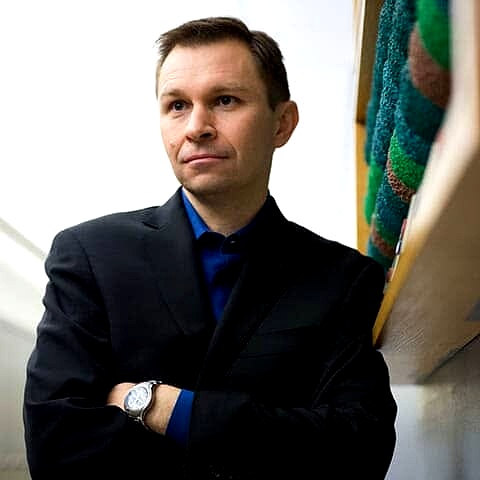
David Sinclair's Book Recommendations
David Sinclair is an Australian biologist and professor at Harvard Medical School, known for his pioneering research in the field of aging and longevity. Sinclair's work focuses on understanding the biological mechanisms that drive aging and developing interventions to slow or reverse the process. His bestselling book Lifespan: Why We Age – and Why We Don’t Have To explores the latest advancements in anti-aging science and offers insights into how humans might extend their healthspan. Sinclair's research has led to breakthroughs in areas such as sirtuins, NAD+ metabolism, and cellular reprogramming. He is also the co-founder of several biotech companies, including Sirtris Pharmaceuticals and Life Biosciences, dedicated to translating aging research into practical treatments. Sinclair is a vocal advocate for taking a proactive approach to aging, promoting lifestyle changes and emerging therapies to delay age-related diseases. His work has made him a leading figure in the longevity movement, influencing both scientific and public discourse on the future of health.

Natalie Portman's Book Recommendations
Natalie Portman is an Academy Award-winning actress, director, and activist known for her diverse roles in films such as Black Swan, V for Vendetta, and Jackie. Beyond her successful acting career, Portman is a passionate advocate for women’s rights, animal rights, and environmental causes. She has a degree from Harvard University, where she studied psychology, and is known for her intellect as well as her artistic talent. Natalie has also directed and produced films and is a vocal supporter of the Time’s Up and #MeToo movements, advocating for gender equality in the entertainment industry.
Showing 8 of 9 related collections
“Das Geisterreich fühlt wohl, die Zeit ist unser Geist, die Zeit mit allem, was sie gibt, und was sie uns nimmt.”
Faust
By Johann Wolfgang Von Goethe
Frequently Asked Questions
Explore Our Catalogue
Discover a world of knowledge through our extensive collection of book summaries.
Genres
Genres
Genres
Featured Collections
- Top Book Club Picks
- One-Stop Nutrition
- Summer Reads 2024
- Best Beach Reads 2024
- Work-Life Balance Guide
- Time Management
- Healthy Foods
- Entrepreneur Toolkit
- Mind & Body Wellness
- Future Tech Insights
- Leadership Essentials
- Financial Freedom
- Sci-Fi Masterpieces
- Parenting 101
- Books That Became Blockbusters
- Guide to a Healthy Pregnancy