Free to Choose Book Summary
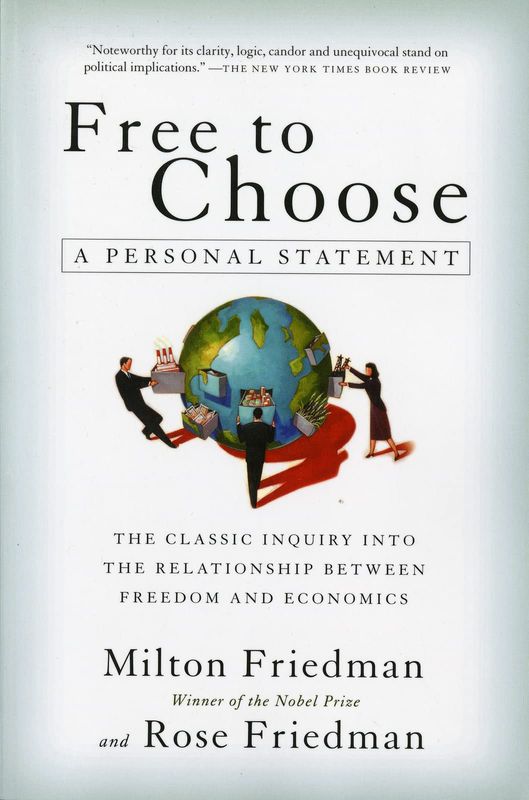
In 'Free to Choose', Milton and Rose Friedman challenge the conventional wisdom about government and economy, advocating for individual freedom over state control. They argue that personal choice is a fundamental right and is essential for a prosperous society. Through compelling anecdotes and rigorous analysis, they illustrate how free markets lead to innovation and growth. By debunking myths surrounding government intervention, they inspire readers to consider the implications of their beliefs on liberty and responsibility. This thought-provoking work not only critiques policies but also empowers individuals to seek and embrace their freedom.
By Milton Friedman, Rose D. Friedman
Published: 1990
"The great virtue of a free market is that it allows each individual to choose what is best for themselves, leading to a more prosperous and harmonious society."

Start Listening to Book Summary
Book Review of Free to Choose
In this classic about economics, freedom, and the relationship between the two, Milton and Rose Friedman explain how our freedom has been eroded and our prosperity undermined through the explosion of laws, regulations, agencies, and spending in Washington, and how good intentions often produce deplorable results when government is the middleman. The Friedmans also provide remedies for these ills--they tell us what to do in order to expand our freedom and promote prosperity.
Book Overview of Free to Choose
About the Book Authors
Milton Friedman
Milton Friedman (1912-2006) was a renowned American economist and Nobel Prize winner known for his pioneering contributions to the fields of monetary policy, consumption analysis, and the theory of the consumption function. An advocate for free-market capitalism, he is best known for his influential works such as "Capitalism and Freedom" and "A Monetary History of the United States, 1867-1960," co-authored with Anna Schwartz. Friedman’s writing style is characterized by clarity and precision, making complex economic concepts accessible to a broad audience. He was a prominent public intellectual and often engaged in debates about government intervention and economic policy, leaving a lasting legacy in the discipline of economics.
Rose D. Friedman
Rose D. Friedman is an acclaimed author known for her thought-provoking novels and engaging essays that often explore themes of identity, resilience, and the human experience. Her notable works include the bestselling 'The Echo of Silence' and 'Threads of Tomorrow,' which have received critical acclaim for their richly developed characters and immersive storytelling. Friedman's writing style is characterized by its lyrical prose and deep psychological insights, captivating readers and encouraging them to reflect on their own lives. She is a graduate of Princeton University and frequently speaks at literary events, inspiring aspiring writers with her passion for storytelling.
Book Details
Key information about the book.
- Authors
- Milton Friedman, Rose D. Friedman
- Published
- January 1990
- Publisher
- Mariner Books
- ISBN
- 0156334607
- Language
- English
- Pages
- 364
- Genres
- Political PhilosophyBusiness and EconomicsEconomic Policy
Purchase Options
 Buy on Amazon
 Buy via BookShop
Support local bookstores: BookShop gives a portion of each sale to independent bookshops!
Similar books you might like →
A Farewell to Alms Book Summary
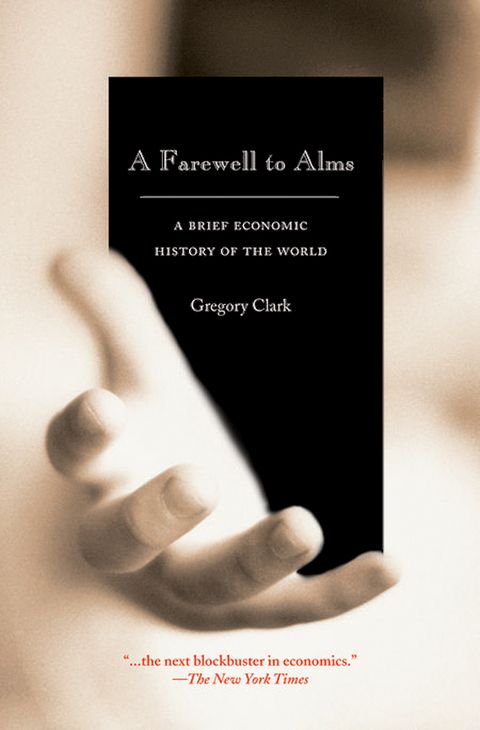
In "A Farewell to Alms," economist Gregory Clark delves into the surprising dynamics of economic growth and social change, tracing humanity's journey from poverty to prosperity. Through a compelling mix of historical analysis and innovative research, he argues that culture, rather than mere resources, played a pivotal role in shaping economic outcomes. Clark challenges the conventional wisdom of the Industrial Revolution, revealing how deep-seated behaviors and social norms influenced wealth accumulation. With each chapter, readers are taken on a thought-provoking exploration of how our ancestral past continues to shape modern economies. Prepare to rethink everything you know about wealth, progress, and the human experience!
Black Edge Book Summary
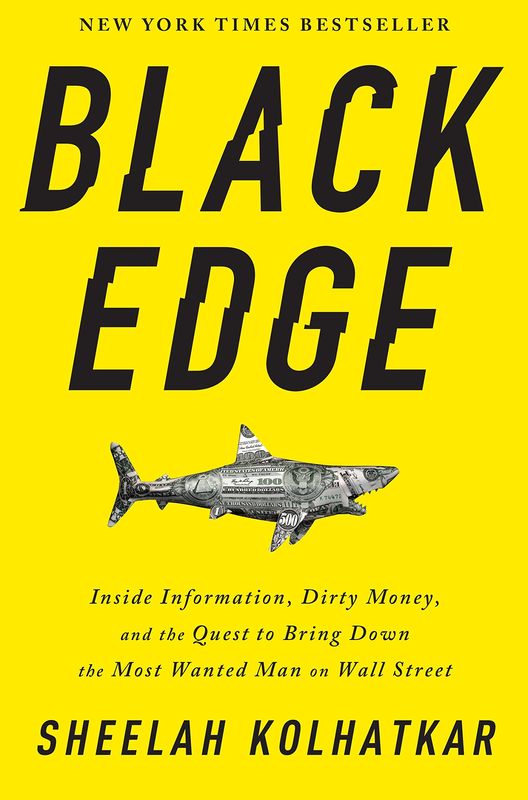
In "Black Edge," investigative journalist Sheelah Kolhatkar delves into the high-stakes world of hedge funds and the enigmatic figure of Steven A. Cohen. As she unravels the saga of insider trading, greed, and Wall Street's murky ethics, the book pulls readers into a gripping tale of ambition that spans decades. With intellectual prowess and audacious risk-taking, Cohen's rise to power raises questions about the moral compass of finance. Kolhatkar's penetrating analysis unveils the dark side of wealth and the relentless pursuit of success, leaving readers questioning the true cost of ambition. Will you dare to uncover the secrets of a financial titan and the shadowy underworld they inhabit?
Against the Gods Book Summary
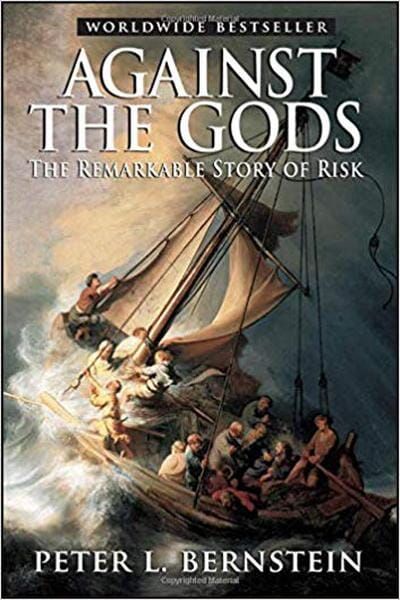
In 'Against the Gods,' Peter L. Bernstein delves into the fascinating history of risk and its profound impact on human civilization. From ancient times when superstitions ruled decision-making, to the modern era of statistical analyses and financial markets, Bernstein chronicles humanity's evolving relationship with uncertainty. He explores how our attempts to quantify risk have reshaped economies, inspired innovations, and even led to catastrophic failures. With captivating anecdotes and insights, the book challenges readers to reconsider their perceptions of chance and control. This is not just a history book; it's an exploration of the factors that drive fortune and folly in our lives.
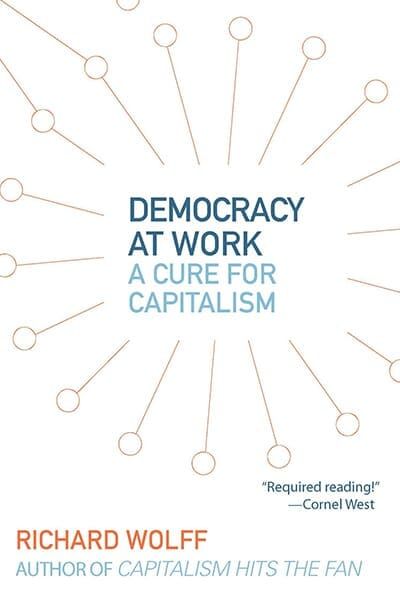
Democracy at Work Book Summary
In 'Democracy at Work', Richard D. Wolff challenges the conventional notions of democracy and the workplace, advocating for a radical transformation where workers have a say in their enterprises. Through compelling arguments and real-world examples, he explores the failures of capitalism and presents a vision for a more just and equitable economic system. Wolff introduces the idea of worker cooperatives as a feasible alternative, illustrating how they can empower employees and foster true democratic practices. This thought-provoking book urges readers to reconsider their understanding of democracy beyond the confines of politics and into the very fabric of their daily work lives. Are we ready to rethink who really holds the power in the workplace?
Business as a System of Power Book Summary
In 'Business as a System of Power', Robert A. Brady delves into the intricate relationship between business and political power in America. He posits that corporations are not merely economic entities, but powerful institutions that shape public policy and societal norms. Through a compelling blend of historical analysis and contemporary examples, Brady uncovers how business influences democracy and governance. Readers are invited to reflect on the ethical implications of this power dynamic. What does it mean for society when business interests can circumvent democratic processes?

Capital Book Summary
In 'Capital,' Karl Marx unveils the intricate mechanics of capitalism, revealing how it perpetuates class struggle and economic disparity. Through a meticulous exploration of labor, commodity, and value, he exposes the exploitative relationships hiding beneath the surface of wealth. With a bold critique of industrial society, Marx argues that the relentless pursuit of profit leads to societal decay and discontent. His revolutionary ideas challenge the very foundations of capitalism, prompting readers to question the status quo. Dive into this groundbreaking work that continues to influence modern economic thought and societal change.

The Limits of State Action Book Summary
In 'The Limits of State Action', Wilhelm von Humboldt challenges the conventional role of government in individual lives, arguing for the primacy of personal freedom and self-development. He articulates a vision of a society where the state should limit its intervention, allowing individuals to flourish in their pursuits. Humboldt's philosophy emphasizes the importance of diverse experiences and the cultivation of individuality, inviting readers to rethink their views on authority and autonomy. With a blend of political philosophy and humanistic ideals, this work remains a profound exploration of the tension between freedom and governance. Dive in to discover how his insights resonate in today's debates about state overreach and personal liberty.

Skin in the Game Book Summary
In 'Skin in the Game,' Nassim Nicholas Taleb explores the profound risks of decision-making that doesn't involve personal stakes. He unveils how those with power often evade the consequences of their actions while the vulnerable bear the brunt of systemic failures. Through compelling anecdotes and sharp insights, Taleb emphasizes the importance of having 'skin in the game' in economics, politics, and life. His thought-provoking arguments challenge conventional wisdom and demand accountability in our interconnected worlds. This book is an essential read for anyone seeking to understand the real implications of risk and responsibility.
Showing 8 of 30 similar books
Take your reading experience to the next level
Download our mobile app to enjoy your favorite books on the go. Get access to exclusive features, offline listening, and personalized recommendations.

Similar Book Recommendations →

Arnold Schwarzenegger's Book Recommendations
Arnold Schwarzenegger, born in 1947 in Thal, Austria, is a multifaceted personality known for his achievements in bodybuilding, acting, and politics. He gained global fame as a seven-time Mr. Olympia champion, solidifying his status as a bodybuilding icon. Transitioning to Hollywood, he became a leading action star with iconic roles in films like "The Terminator" and "Predator." As the 38th Governor of California, serving from 2003 to 2011, he advocated for environmental initiatives and fiscal reform. Schwarzenegger is also a best-selling author, with notable works including his autobiography "Total Recall: My Unbelievably True Life Story," which offers insights into his diverse and impactful career.

Jordan Hughes's Book Recommendations
Jordan Hughes is a celebrated author known for their compelling narratives and richly developed characters. Their debut novel, "Echoes of Tomorrow," won the prestigious Man Booker Prize, marking a significant milestone in contemporary fiction. Hughes's work often explores themes of identity, resilience, and the human condition, earning them critical acclaim and a dedicated readership. In addition to their novels, Hughes has contributed thought-provoking essays to major literary journals, further solidifying their influence in the literary world. Their innovative storytelling continues to inspire and captivate audiences worldwide.

Brandon Stanton's Book Recommendations
Brandon Stanton is an American photographer and author, best known for creating Humans of New York, a photography project that shares the personal stories of everyday people. Through his portraits and interviews, Stanton captures the diverse experiences of people in New York City and around the world, offering intimate insights into their lives. Humans of New York has become a global phenomenon, with millions of followers on social media and several best-selling books. Stanton’s work has expanded beyond photography to include fundraising campaigns that have raised millions of dollars for individuals and charitable causes. His ability to connect with people and share their stories has made him one of the most impactful storytellers of his generation.
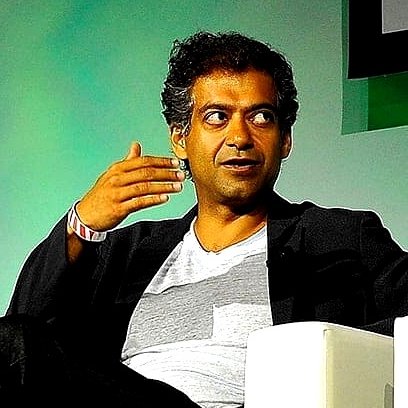
Naval Ravikant's Book Recommendations
Naval Ravikant is an entrepreneur, angel investor, and philosopher, best known as the co-founder of AngelList, a platform that connects startups with investors. Ravikant is a prolific thinker and writer on topics such as startups, investing, and personal well-being, sharing his wisdom through essays, podcasts, and social media. He has invested in over 100 companies, including Uber, Twitter, and Yammer, making him one of Silicon Valley’s most successful angel investors. Ravikant is also known for his philosophical musings on wealth, happiness, and the meaning of life, which have garnered him a large and dedicated following.

Jack Ma's Book Recommendations
Jack Ma is a Chinese entrepreneur, philanthropist, and the co-founder of Alibaba Group, one of the world’s largest e-commerce and technology conglomerates. Born into a humble family in Hangzhou, China, Ma faced numerous rejections, including from KFC, before founding Alibaba in 1999. His vision for Alibaba was to empower small businesses to compete on a global scale through the internet. Under his leadership, Alibaba grew into an international powerhouse, diversifying into cloud computing, digital payments, and entertainment. Ma’s charismatic leadership and bold business strategies made him one of the most influential figures in tech and a symbol of entrepreneurial success. In 2020, Ma stepped down from Alibaba's board but continues his philanthropic work, particularly in education, environmental sustainability, and public health. He is also known for his advocacy of embracing failure and persistence in the face of adversity, inspiring entrepreneurs worldwide.

Marc Andreessen's Book Recommendations
Marc Andreessen is an American entrepreneur, software engineer, and venture capitalist, best known for co-creating the Mosaic web browser, the first widely-used web browser, and co-founding Netscape. Andreessen is also the co-founder of Andreessen Horowitz, one of Silicon Valley’s most prominent venture capital firms, where he invests in groundbreaking technology companies like Facebook, Airbnb, and Coinbase. He is a thought leader on the impact of technology and innovation, often sharing his views on the future of the internet and startups. His contributions to the development of the web and the tech ecosystem have made him one of the most influential figures in technology.
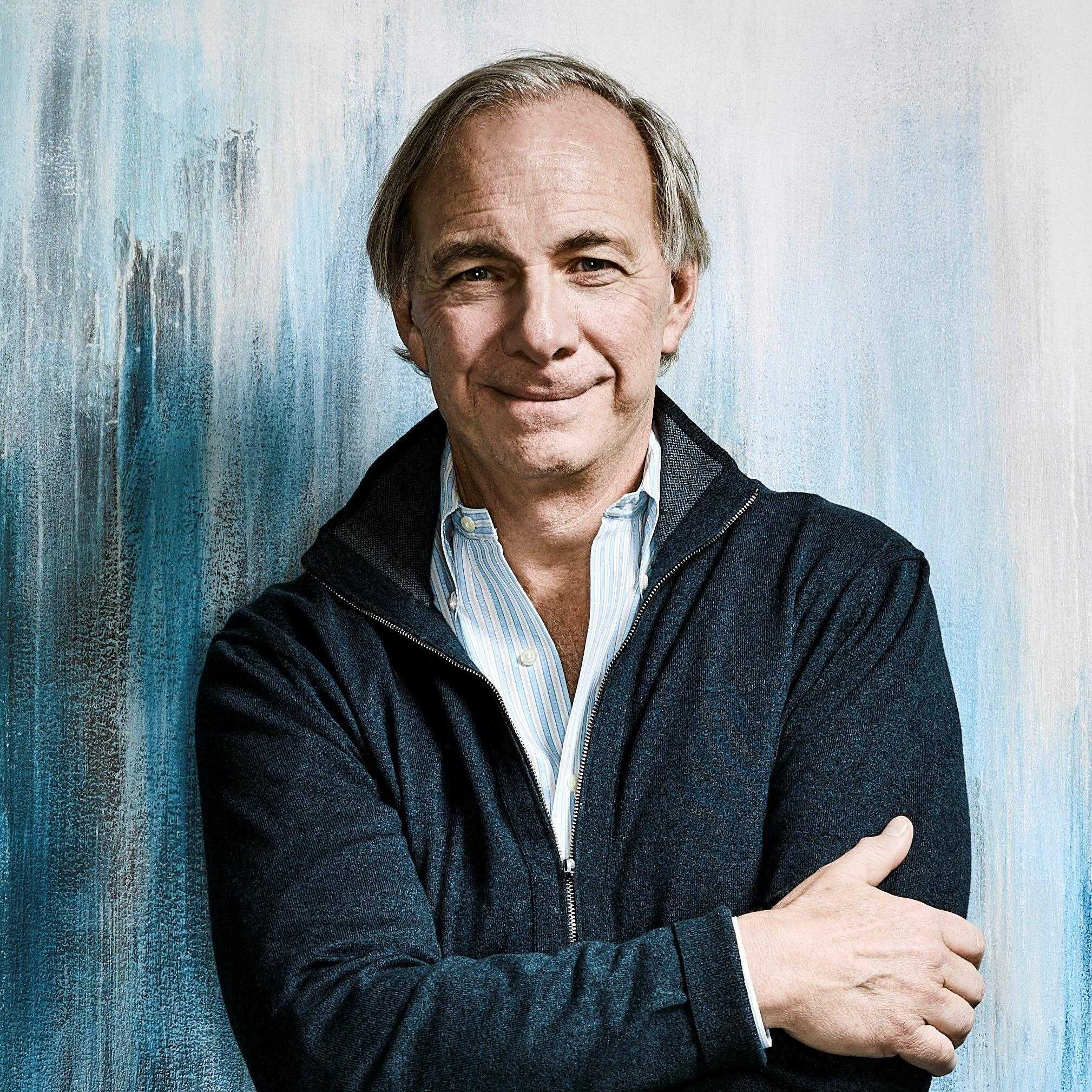
Ray Dalio's Book Recommendations
Ray Dalio is the founder of Bridgewater Associates, one of the largest and most successful hedge funds in the world. He is also the author of the bestselling book Principles, where he outlines his philosophy on life, leadership, and investing. Ray is renowned for his unique approach to transparency, radical truth, and thoughtful disagreement within organizations. His insights into economics and investing have made him one of the most influential figures in the financial world. Dalio continues to be a thought leader in business, economics, and philanthropy.

Ana Fabrega's Book Recommendations
Ana Lorena Fabrega is an innovative educator and author passionate about reimagining education. Known as “Ms. Fab,” she is the Chief Evangelist at Synthesis, an education startup inspired by the problem-solving and collaboration model used at SpaceX. She advocates for alternative learning methods, encouraging curiosity and creativity in students. Ana's work emphasizes the importance of engaging young learners in real-world challenges and critical thinking. She also shares insights on education reform through her popular newsletter, Fab Fridays.
Showing 8 of 18 related collections
“The great virtue of a free market is that it allows each individual to choose what is best for themselves, leading to a more prosperous and harmonious society.”
Free to Choose
By Milton Friedman, Rose D. Friedman
Frequently Asked Questions
Explore Our Catalogue
Discover a world of knowledge through our extensive collection of book summaries.
Genres
Genres
Genres
Featured Collections
- Top Book Club Picks
- One-Stop Nutrition
- Summer Reads 2024
- Best Beach Reads 2024
- Work-Life Balance Guide
- Time Management
- Healthy Foods
- Entrepreneur Toolkit
- Mind & Body Wellness
- Future Tech Insights
- Leadership Essentials
- Financial Freedom
- Sci-Fi Masterpieces
- Parenting 101
- Books That Became Blockbusters
- Guide to a Healthy Pregnancy