Capital Book Summary
In 'Capital,' Karl Marx unveils the intricate mechanics of capitalism, revealing how it perpetuates class struggle and economic disparity. Through a meticulous exploration of labor, commodity, and value, he exposes the exploitative relationships hiding beneath the surface of wealth. With a bold critique of industrial society, Marx argues that the relentless pursuit of profit leads to societal decay and discontent. His revolutionary ideas challenge the very foundations of capitalism, prompting readers to question the status quo. Dive into this groundbreaking work that continues to influence modern economic thought and societal change.
By Karl Marx
Published: 1992
"The production of too many useful things results in too many useful people."


Start Listening to Book Summary
Book Review of Capital
The first volume of a political treatise that changed the world One of the most notorious works of modern times, as well as one of the most influential, Capital is an incisive critique of private property and the social relations it generates. Living in exile in England, where this work was largely written, Marx drew on a wide-ranging knowledge of its society to support his analysis and create fresh insights. Arguing that capitalism would cause an ever-increasing division in wealth and welfare, he predicted its abolition and replacement by a system with common ownership of the means of production. Capital rapidly acquired readership among the leaders of social democratic parties, particularly in Russia in Germany, and ultimately throughout the world, to become a work described by Marx friend and collaborator Friedrich Engels as “the Bible of the working class.” For more than seventy years, Penguin has been the leading publisher of classic literature in the English-speaking world. With more than 1,700 titles, Penguin Classics represents a global bookshelf of the best works throughout history and across genres and disciplines. Readers trust the series to provide authoritative texts enhanced by introductions and notes by distinguished scholars and contemporary authors, as well as up-to-date translations by award-winning translators.
Book Overview of Capital
About the Book Author
Karl Marx
Karl Marx (1818-1883) was a German philosopher, political economist, historian, sociologist, and revolutionary socialist, known for his foundational theories in communist thought. His most notable works include 'The Communist Manifesto' (1848), co-authored with Friedrich Engels, and 'Das Kapital' (1867), which critiques political economy and capitalism. Marx's writing style is characterized by rigorous analysis, passionate rhetoric, and a focus on socio-economic conditions, advocating for class struggle and the abolition of capitalism. His ideas have profoundly influenced political ideologies and movements worldwide.
Book Details
Key information about the book.
- Authors
- Karl Marx
- Published
- May 1992
- Publisher
- National Geographic Books
- ISBN
- 0140445684
- Language
- English
- Pages
- N/A
- Genres
- Business and EconomicsPolitical IdeologiesEconomic PolicyPolitics and Current Affairs
Purchase Options
 Buy on Amazon
 Buy via BookShop
Support local bookstores: BookShop gives a portion of each sale to independent bookshops!
Similar books you might like →
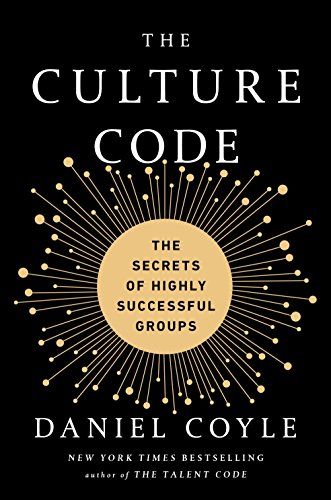
The Culture Code Book Summary
In "The Culture Code," Daniel Coyle unveils the secrets behind the most successful teams, revealing that a strong culture isn't just a byproduct but a deliberate construct. Through fascinating stories from diverse organizations, he identifies three essential skills that foster trust and cooperation. Coyle's insights challenge conventional wisdom, suggesting that vulnerability, belonging, and purpose are the keystones of high-performing groups. With practical tips and compelling examples, he guides readers in transforming their own teams into thriving, connected units. Dive into this engaging exploration and discover how to unlock the hidden potential within your own culture!
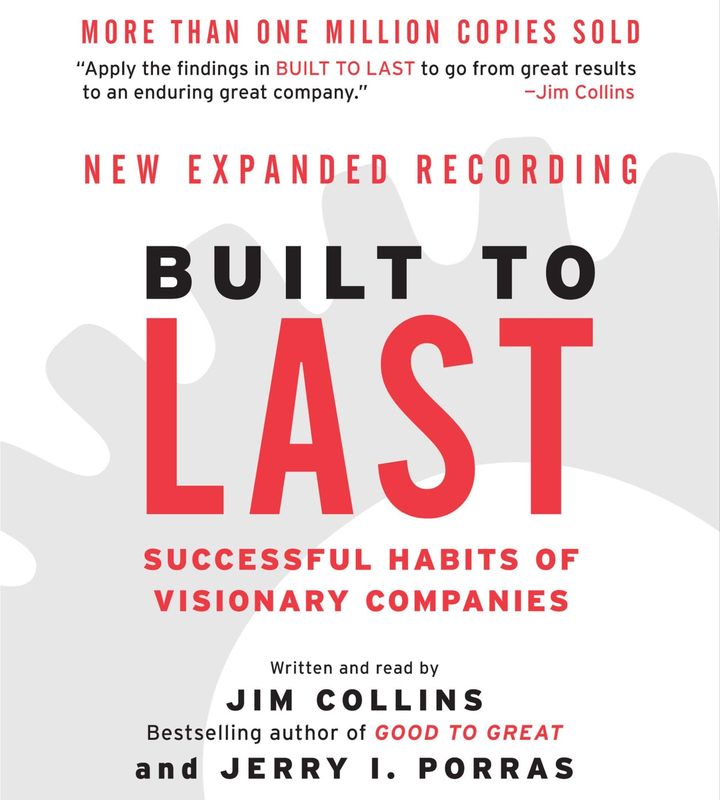
Built to Last Book Summary
In 'Built to Last,' Jim Collins and Jerry I. Porras unveil the secrets behind the enduring success of visionary companies. Through thorough research and compelling anecdotes, they identify key characteristics that distinguish these organizations from their competitors. The authors challenge traditional business thinking and reveal how a solid foundation of core values can drive long-term profitability and resilience. Readers are invited to explore how these principles can be applied to both businesses and personal endeavors. Prepare to rethink everything you know about entrepreneurial longevity!
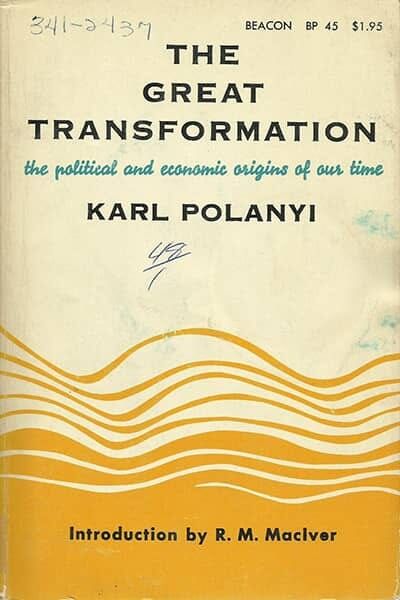
The Great Transformation Book Summary
In 'The Great Transformation,' Karl Polanyi explores the radical shifts in economic and social structures that shaped modern society during the Industrial Revolution. He argues that the rise of the market economy led to profound disruptions in community life and environmental balance. Polanyi challenges the notion of self-regulating markets, revealing the hidden social costs of laissez-faire capitalism. Through historical examples, he illustrates the tension between economy and society, emphasizing the need for protective measures. This thought-provoking work invites readers to reconsider the relationship between markets and social welfare in contemporary life.
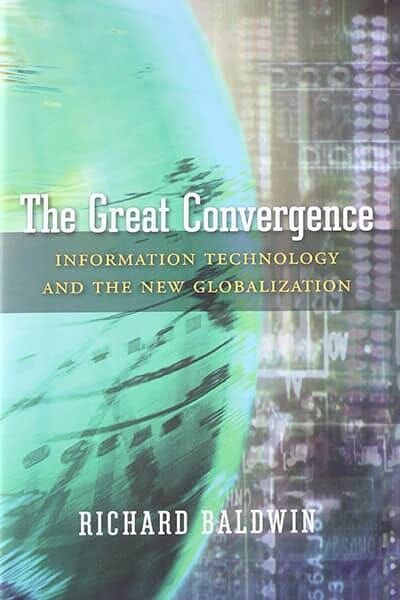
The Great Convergence Book Summary
In 'The Great Convergence,' Richard Baldwin takes readers on a compelling journey through the forces shaping our global economy, emphasizing the revolutionary impact of digital technology. He argues that the convergence of production and consumption is redefining international borders and reshaping global trade. As we become more interconnected than ever, Baldwin raises critical questions about the future of jobs and economic disparity. Will the merging of markets lead to prosperity, or will it deepen existing divides? A thought-provoking exploration that challenges conventional wisdom and invites readers to rethink the implications of our rapidly changing world.
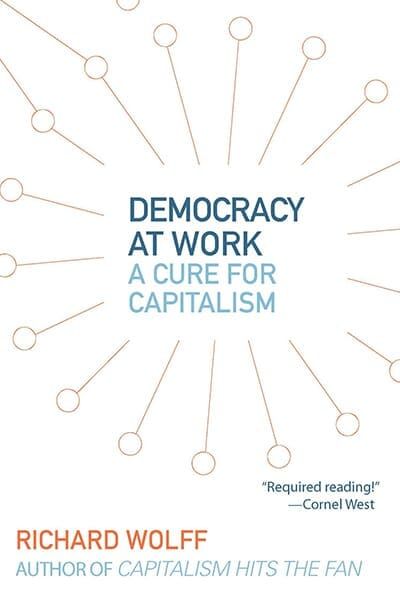
Democracy at Work Book Summary
In 'Democracy at Work', Richard D. Wolff challenges the conventional notions of democracy and the workplace, advocating for a radical transformation where workers have a say in their enterprises. Through compelling arguments and real-world examples, he explores the failures of capitalism and presents a vision for a more just and equitable economic system. Wolff introduces the idea of worker cooperatives as a feasible alternative, illustrating how they can empower employees and foster true democratic practices. This thought-provoking book urges readers to reconsider their understanding of democracy beyond the confines of politics and into the very fabric of their daily work lives. Are we ready to rethink who really holds the power in the workplace?
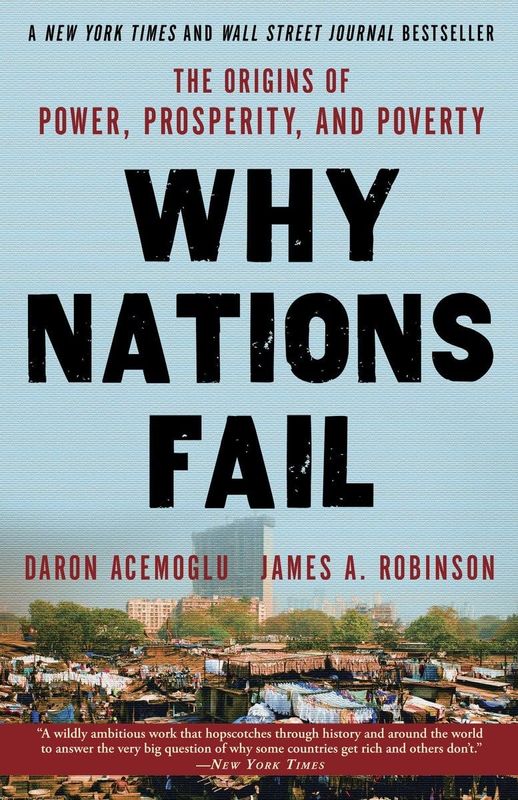
Why Nations Fail Book Summary
In 'Why Nations Fail', Daron Acemoglu and James A. Robinson unravel the deep-rooted reasons behind the success or failure of nations across the globe. They argue that it is not geography or culture, but rather political and economic institutions that determine a country's fate. Through compelling historical examples, the authors illustrate how inclusive institutions foster prosperity while extractive ones lead to poverty and chaos. The book challenges readers to reconsider the factors that shape our world and ignites a discourse on how we might build better systems for the future. Prepare to delve into the complex interplay of power and economics that shapes nations.
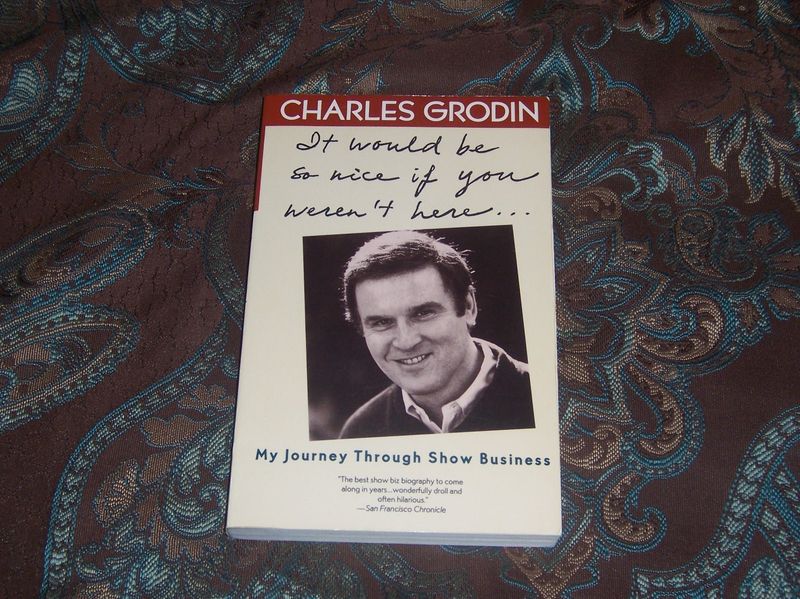
It Would be So Nice If You Weren't Here Book Summary
In 'It Would be So Nice If You Weren't Here,' Charles Grodin delivers a candid and hilariously introspective look at the idiosyncrasies of life and relationships. Through sharp wit and unabashed honesty, he explores the absurdities of the human condition, leaving readers both amused and reflective. Grodin's unique voice takes you on a journey through personal anecdotes and observations that resonate with anyone who has ever felt out of place. This book challenges the norms of communication and connection, inviting readers to consider the humor in discomfort. Prepare to laugh, ponder, and maybe even reconsider the people in your life.
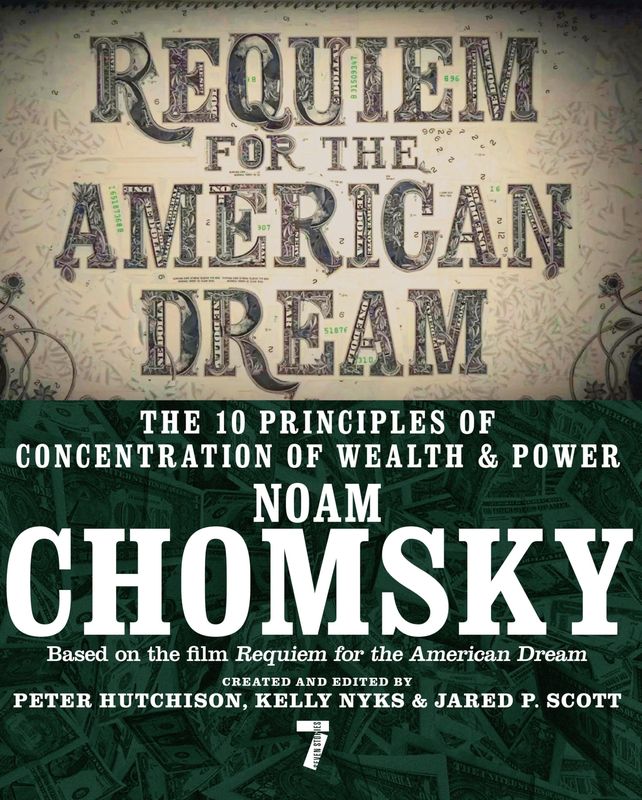
Requiem for the American Dream Book Summary
In 'Requiem for the American Dream', Noam Chomsky, a towering intellectual, unveils the unsettling truths behind the erosion of the American Dream. Through a series of profound insights, he examines the concentration of wealth and power that has transformed democracy into a tool for the elite. Chomsky dissects the mechanisms of manipulation that maintain social inequality and promote apathy among the masses. This compelling narrative not only critiques the status quo but also challenges readers to reconsider their role in shaping the future. Prepare to question everything you thought you knew about America and its promises.
Showing 8 of 28 similar books
Take your reading experience to the next level
Download our mobile app to enjoy your favorite books on the go. Get access to exclusive features, offline listening, and personalized recommendations.

Similar Book Recommendations →

Jordan Hughes's Book Recommendations
Jordan Hughes is a celebrated author known for their compelling narratives and richly developed characters. Their debut novel, "Echoes of Tomorrow," won the prestigious Man Booker Prize, marking a significant milestone in contemporary fiction. Hughes's work often explores themes of identity, resilience, and the human condition, earning them critical acclaim and a dedicated readership. In addition to their novels, Hughes has contributed thought-provoking essays to major literary journals, further solidifying their influence in the literary world. Their innovative storytelling continues to inspire and captivate audiences worldwide.

Neil deGrasse Tyson's Book Recommendations
Neil deGrasse Tyson is a renowned astrophysicist, author, and science communicator, best known for his work in popularizing science through various media. As the director of the Hayden Planetarium in New York City, he has played a pivotal role in bringing astronomical discoveries to the public. Tyson has authored several bestselling books, including "Astrophysics for People in a Hurry" and "The Pluto Files," which have made complex scientific concepts accessible to a broad audience. He is also the host of the popular science TV show "Cosmos: A Spacetime Odyssey," a continuation of Carl Sagan's groundbreaking series. Tyson's contributions have significantly enhanced public understanding and appreciation of the universe.

Ray Dalio's Book Recommendations
Ray Dalio is the founder of Bridgewater Associates, one of the largest and most successful hedge funds in the world. He is also the author of the bestselling book Principles, where he outlines his philosophy on life, leadership, and investing. Ray is renowned for his unique approach to transparency, radical truth, and thoughtful disagreement within organizations. His insights into economics and investing have made him one of the most influential figures in the financial world. Dalio continues to be a thought leader in business, economics, and philanthropy.

Alex Honnold's Book Recommendations
Alex Honnold is an American professional rock climber, best known for his free solo ascent of El Capitan in Yosemite National Park, a feat that was documented in the Oscar-winning film Free Solo. Honnold is renowned for his mental toughness, technical skill, and ability to climb without ropes or safety equipment. His accomplishments have made him a legend in the climbing world, and he continues to push the boundaries of the sport. Outside of climbing, Honnold is a philanthropist, founding the Honnold Foundation, which supports environmental sustainability projects, particularly in solar energy.

Ben Shapiro's Book Recommendations
Ben Shapiro is an American conservative political commentator, author, and lawyer, known for his sharp analytical skills and outspoken views. He graduated from UCLA at the age of 20 and Harvard Law School at 23, demonstrating his early intellectual prowess. Shapiro is the author of several best-selling books including "Bullies: How the Left's Culture of Fear and Intimidation Silences Americans" and "The Right Side of History: How Reason and Moral Purpose Made the West Great." He is the co-founder and editor emeritus of The Daily Wire, a popular conservative news and opinion website. Through his writing and media presence, Shapiro has significantly influenced contemporary political discourse in the United States.

Jon Stewart's Book Recommendations
Jon Stewart is an American comedian, writer, and former host of The Daily Show, where he gained fame for his satirical take on news and politics. Stewart transformed The Daily Show into a critical voice in American media, blending humor with hard-hitting commentary on political and social issues. After stepping down from the show, Stewart has continued to advocate for causes like 9/11 first responders and veterans' rights. He is also a filmmaker, directing the political satire film Irresistible. Stewart remains a significant figure in American culture, known for his wit, activism, and influence on political discourse.

Reid Hoffman's Book Recommendations
Reid Hoffman is an influential American entrepreneur, venture capitalist, and author, best known as the co-founder of LinkedIn, the professional networking platform that transformed online professional interactions. Hoffman has significantly impacted the business world through his investments in notable tech companies like Airbnb, Facebook, and Zynga. As an author, he has co-written several acclaimed books, including "The Start-Up of You" and "Blitzscaling," which provide strategic insights into career development and business growth. His works are celebrated for their practical advice and have become essential reading for aspiring entrepreneurs and business leaders. Hoffman's contributions extend beyond his literary efforts, as he remains a prominent figure in Silicon Valley, shaping the future of technology and innovation.

Brad Feld's Book Recommendations
Brad Feld is a prominent American entrepreneur, venture capitalist, and author known for his influential work in the startup ecosystem. Co-founder of the Foundry Group, he has played a pivotal role in funding and mentoring early-stage technology companies. Feld is also a key figure behind the Techstars accelerator program, which has helped launch numerous successful startups. As an author, he has penned several essential books on entrepreneurship and venture capital, including "Venture Deals" and "Startup Communities," which provide invaluable insights for aspiring entrepreneurs and investors. His writings and active blogging have cemented his reputation as a thought leader in the tech and startup communities.
Showing 8 of 18 related collections
“The production of too many useful things results in too many useful people.”
Capital
By Karl Marx
Frequently Asked Questions
Explore Our Catalogue
Discover a world of knowledge through our extensive collection of book summaries.
Genres
Genres
Genres
Featured Collections
- Top Book Club Picks
- One-Stop Nutrition
- Summer Reads 2024
- Best Beach Reads 2024
- Work-Life Balance Guide
- Time Management
- Healthy Foods
- Entrepreneur Toolkit
- Mind & Body Wellness
- Future Tech Insights
- Leadership Essentials
- Financial Freedom
- Sci-Fi Masterpieces
- Parenting 101
- Books That Became Blockbusters
- Guide to a Healthy Pregnancy