Requiem for the American Dream Book Summary
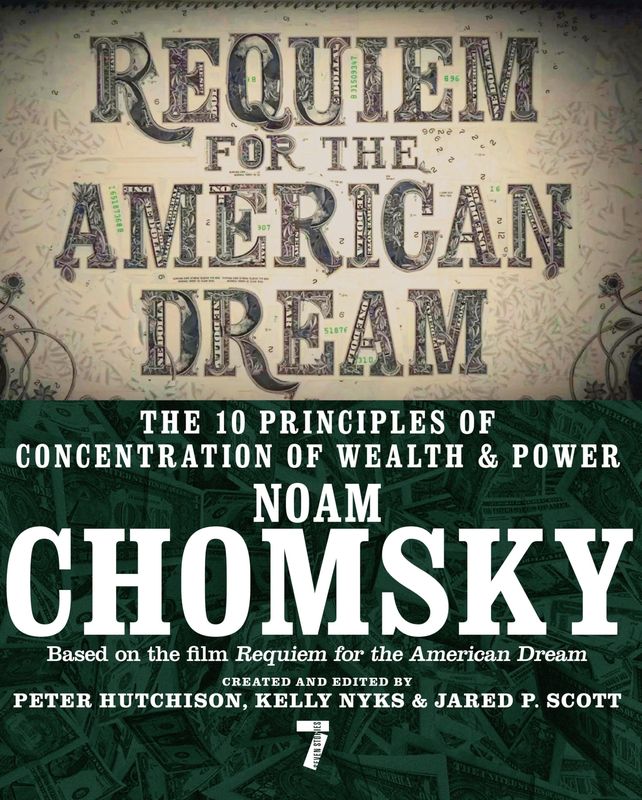
In 'Requiem for the American Dream', Noam Chomsky, a towering intellectual, unveils the unsettling truths behind the erosion of the American Dream. Through a series of profound insights, he examines the concentration of wealth and power that has transformed democracy into a tool for the elite. Chomsky dissects the mechanisms of manipulation that maintain social inequality and promote apathy among the masses. This compelling narrative not only critiques the status quo but also challenges readers to reconsider their role in shaping the future. Prepare to question everything you thought you knew about America and its promises.
By Noam Chomsky
Published: 2017
"The overwhelming concentration of wealth and power in a few hands undermines democracy. It is essential to recognize that the future of our society depends on the engagement of its citizens in the struggle for justice and equality."

Start Listening to Book Summary
Book Review of Requiem for the American Dream
A NEW YORK TIMES BESTSELLER! In his first major book on the subject of income inequality, Noam Chomsky skewers the fundamental tenets of neoliberalism and casts a clear, cold, patient eye on the economic facts of life. What are the ten principles of concentration of wealth and power at work in America today? They're simple enough: reduce democracy, shape ideology, redesign the economy, shift the burden onto the poor and middle classes, attack the solidarity of the people, let special interests run the regulators, engineer election results, use fear and the power of the state to keep the rabble in line, manufacture consent, marginalize the population. In Requiem for the American Dream, Chomsky devotes a chapter to each of these ten principles, and adds readings from some of the core texts that have influenced his thinking to bolster his argument. To create Requiem for the American Dream, Chomsky and his editors, the filmmakers Peter Hutchison, Kelly Nyks, and Jared P. Scott, spent countless hours together over the course of five years, from 2011 to 2016. After the release of the film version, Chomsky and the editors returned to the many hours of tape and transcript and created a document that included three times as much text as was used in the film. The book that has resulted is nonetheless arguably the most succinct and tightly woven of Chomsky's long career, a beautiful vessel--including old-fashioned ligatures in the typeface--in which to carry Chomsky's bold and uncompromising vision, his perspective on the economic reality and its impact on our political and moral well-being as a nation. "During the Great Depression, which I'm old enough to remember, it was bad–much worse subjectively than today. But there was a sense that we'll get out of this somehow, an expectation that things were going to get better . . ." —from Requiem for the American Dream
Book Overview of Requiem for the American Dream
About the Book Author
Noam Chomsky
Noam Chomsky is a world-renowned linguist, philosopher, cognitive scientist, historian, and social critic. Born on December 7, 1928, he has profoundly impacted multiple fields, particularly with his theory of transformational-generative grammar, which revolutionized modern linguistics. Chomsky's notable works include "Syntactic Structures," "Aspects of the Theory of Syntax," and "Language and Mind," as well as influential political texts like "Manufacturing Consent" and "Hegemony or Survival." His writing style is characterized by clarity, precision, and a commitment to addressing complex ideas in an accessible manner, often interweaving profound theoretical insights with a critical analysis of societal issues.
Book Details
Key information about the book.
- Authors
- Noam Chomsky
- Published
- March 2017
- Publisher
- National Geographic Books
- ISBN
- 1609807367
- Language
- English
- Pages
- N/A
- Genres
- Social Justice MovementsPolitical PhilosophyEconomic PolicyNon-FictionPolitics and Current Affairs
Purchase Options
 Buy on Amazon
 Buy via BookShop
Support local bookstores: BookShop gives a portion of each sale to independent bookshops!
Similar books you might like →
The Road to Serfdom Book Summary
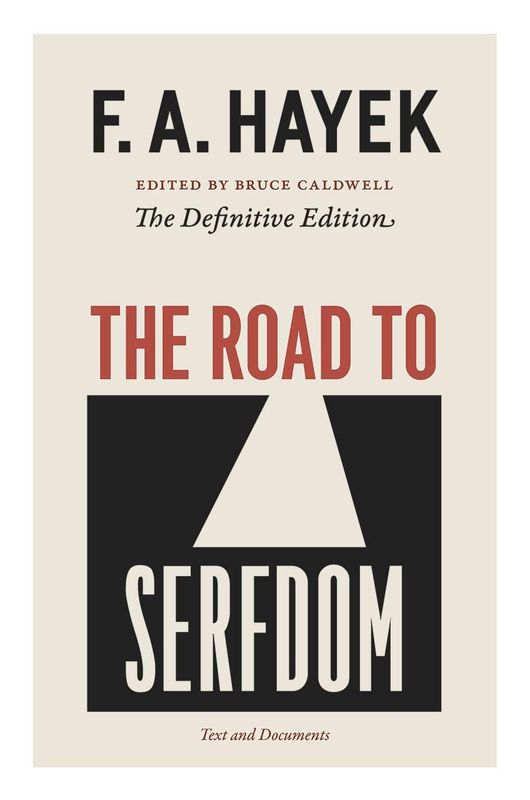
In "The Road to Serfdom," economist F.A. Hayek warns of the dangers of centralized economic planning and the creeping loss of individual freedoms. As he traces the historical precedents of totalitarian regimes, he argues that the road to tyranny often begins with seemingly benign government intervention. Through compelling insights and rigorous analysis, Hayek challenges readers to consider the delicate balance between liberty and state control. Can society thrive without sacrificing personal autonomy? Discover the powerful implications of his arguments that resonate fiercely in today's political landscape.
Democracy at Work Book Summary
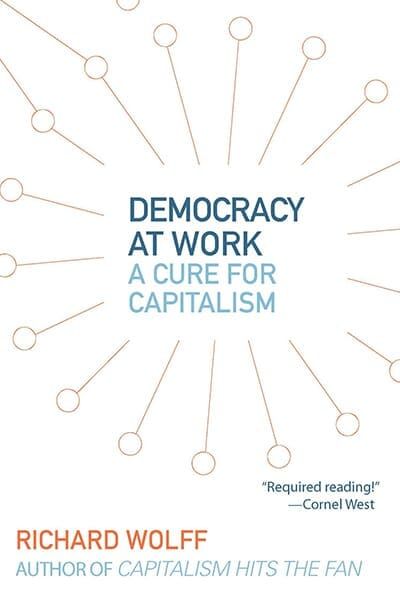
In 'Democracy at Work', Richard D. Wolff challenges the conventional notions of democracy and the workplace, advocating for a radical transformation where workers have a say in their enterprises. Through compelling arguments and real-world examples, he explores the failures of capitalism and presents a vision for a more just and equitable economic system. Wolff introduces the idea of worker cooperatives as a feasible alternative, illustrating how they can empower employees and foster true democratic practices. This thought-provoking book urges readers to reconsider their understanding of democracy beyond the confines of politics and into the very fabric of their daily work lives. Are we ready to rethink who really holds the power in the workplace?
An Autobiography Book Summary
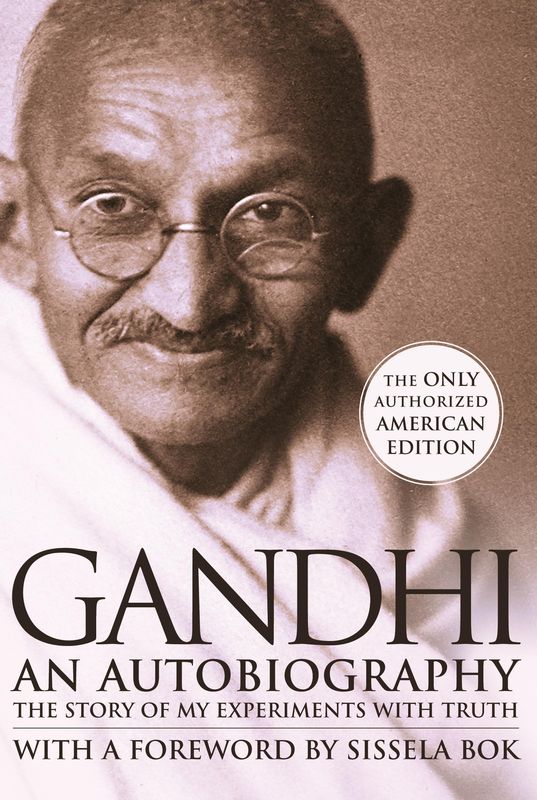
In 'An Autobiography', Mohandas K. Gandhi shares the remarkable journey of his life, revealing the evolution of his philosophy of non-violence and truth. From his early years in India to his transformative experiences in South Africa, Gandhi exposes the struggles that shaped his commitment to social justice. His candid reflections on faith, morality, and personal growth challenge conventional beliefs and inspire readers to question their own values. This gripping narrative not only details his political activism but also provides an intimate look at his family life and spiritual pursuits. Discover the profound insights that guided one of history's most influential leaders in his quest for freedom and equality.
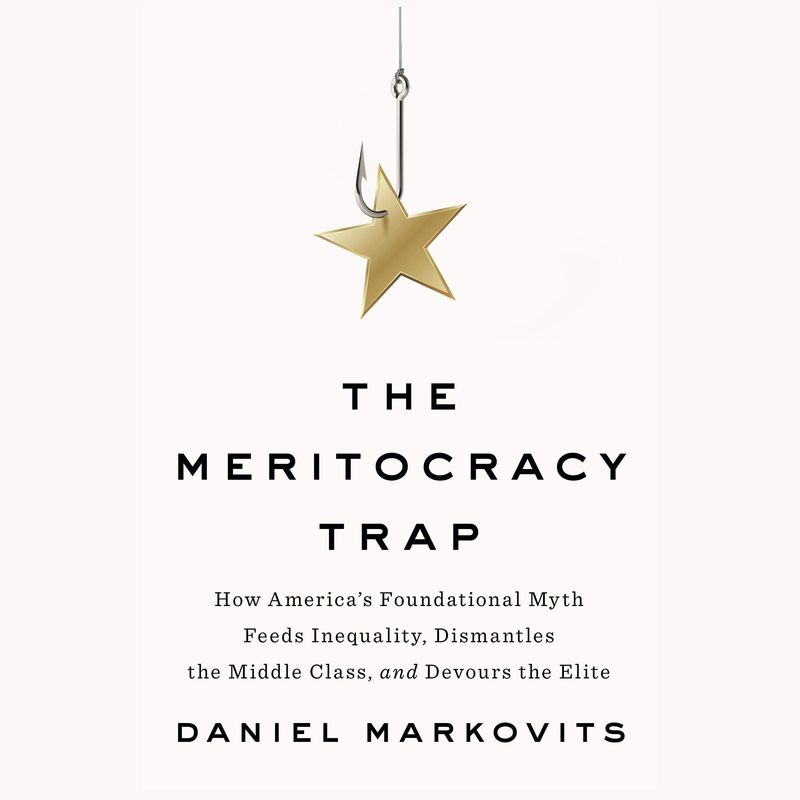
The Meritocracy Trap Book Summary
In 'The Meritocracy Trap', Daniel Markovits challenges the widely-held belief that meritocracy is fair and just. He delves into how the system actually perpetuates inequality, favoring the privileged while stifling the potential of the underprivileged. Through compelling arguments and real-world examples, Markovits uncovers the dark side of meritocracy that leads to social stratification and disillusionment. This provocative exploration raises questions about ambition, success, and the true cost of the meritocratic ideal. Are we truly rewarded for our talents, or are we simply playing into a flawed system?
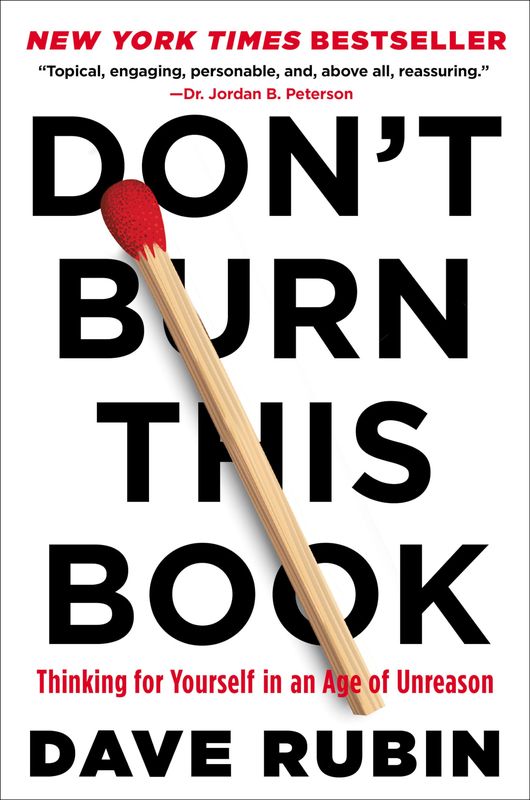
Don't Burn This Book Book Summary
In 'Don't Burn This Book', Dave Rubin embarks on a provocative journey through the contemporary landscape of free speech, political correctness, and the fight for open dialogue. With his experiences as a political commentator, he challenges readers to question their beliefs and embrace uncomfortable conversations. Rubin passionately defends the principles of liberalism while exposing the dangers of dogma and cancel culture. This compelling narrative invites you to rethink the boundaries of discourse and to stand firm in the pursuit of truth. Are you ready to explore the ideas that dare to challenge societal norms?
Everyday Indonesian Book Summary
'Everyday Indonesian' by Thomas Oey is more than just a language guide; it's an immersive journey into the heart of Indonesian culture. This book breaks down the intricacies of everyday conversations, equipping readers with practical phrases and cultural context that go beyond the classroom. Oey’s vibrant anecdotes and insights bring the language to life, making it accessible and engaging for beginners and travelers alike. Beyond words, it unveils the rich tapestry of Indonesian traditions and social norms, enticing readers to explore the diverse archipelago. Dive in to discover not just a language, but a vibrant way of connecting with the people and soul of Indonesia!
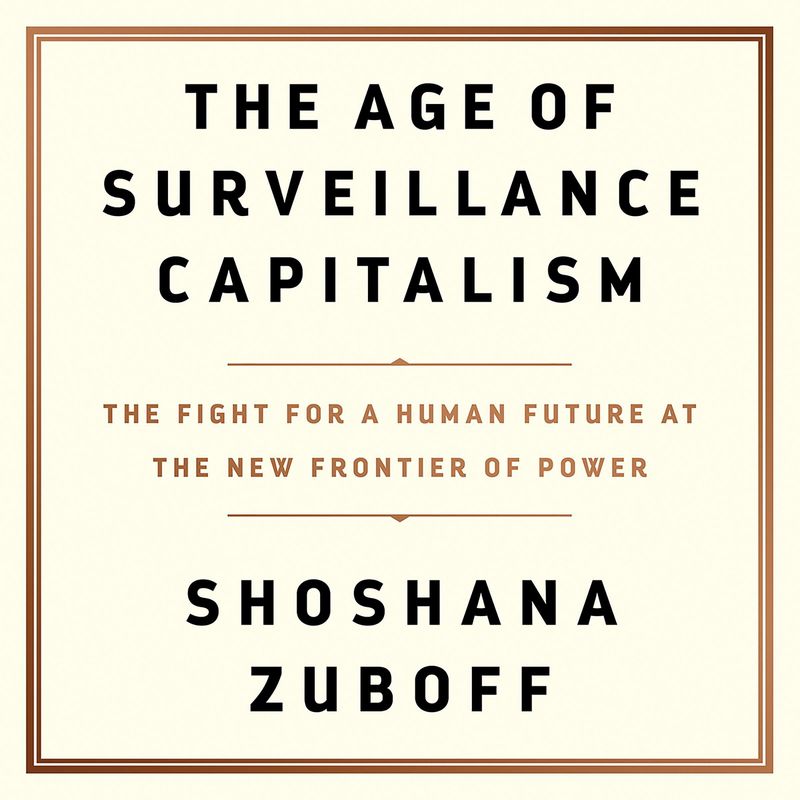
The Age of Surveillance Capitalism Book Summary
In 'The Age of Surveillance Capitalism', Shoshana Zuboff unveils the hidden mechanisms behind the digital economy that manipulate personal data for profit. This gripping exploration reveals how tech giants harvest our behaviors and emotions, reshaping our societies and economies. Zuboff warns of a future where privacy is obliterated, and our very autonomy is at stake. With compelling evidence and insightful analysis, she urges us to reclaim control over our lives and destinies. Are we prepared to confront the consequences of this digital revolution?
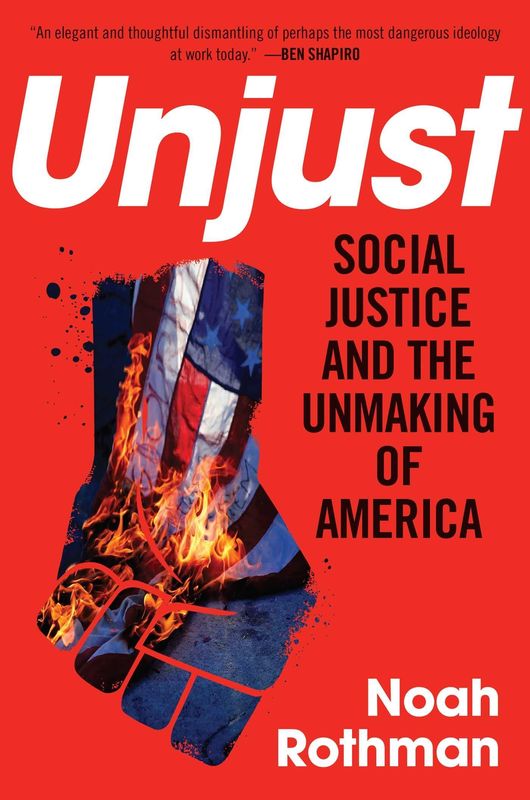
Unjust Book Summary
In 'Unjust', Noah Rothman explores the complex interplay between justice and societal norms, challenging conventional perceptions of fairness. Through gripping narratives and incisive analysis, he reveals how biases and injustices can warp our understanding of truth. Rothman argues that the quest for justice often leads to unintended consequences that can exacerbate societal fractures. The book invites readers to question their own beliefs and the systems they support. Ultimately, 'Unjust' forces us to confront uncomfortable truths about morality and the human condition.
Showing 8 of 30 similar books
Take your reading experience to the next level
Download our mobile app to enjoy your favorite books on the go. Get access to exclusive features, offline listening, and personalized recommendations.

Similar Book Recommendations →

Paul Graham's Book Recommendations
Paul Graham is a prominent programmer, venture capitalist, and essayist known for his influential work in the tech startup ecosystem. He co-founded Viaweb, one of the first web-based applications, which was later acquired by Yahoo! and became Yahoo! Store. As a co-founder of Y Combinator, Graham has been instrumental in funding and mentoring numerous successful startups, including Dropbox, Airbnb, and Reddit. His essays, collected in books such as "Hackers & Painters," offer profound insights into technology, entrepreneurship, and philosophy, making significant contributions to modern literature on these subjects. Graham's blend of technical expertise and thought leadership has made him a pivotal figure in both the tech and literary communities.

Meghan Markle's Book Recommendations
Meghan Markle, Duchess of Sussex, is an American actress, humanitarian, and author known for her role as Rachel Zane on the television series "Suits." After marrying Prince Harry in 2018, she became a prominent figure in the British royal family and an advocate for social justice and women's rights. In 2021, she published her first children's book, "The Bench," which explores the bond between fathers and sons through a mother's eyes. Markle's literary work reflects her commitment to storytelling and her passion for fostering empathy and understanding. Beyond literature, she co-founded the Archewell Foundation with Prince Harry to promote compassion and well-being globally.

Brandon Stanton's Book Recommendations
Brandon Stanton is an American photographer and author, best known for creating Humans of New York, a photography project that shares the personal stories of everyday people. Through his portraits and interviews, Stanton captures the diverse experiences of people in New York City and around the world, offering intimate insights into their lives. Humans of New York has become a global phenomenon, with millions of followers on social media and several best-selling books. Stanton’s work has expanded beyond photography to include fundraising campaigns that have raised millions of dollars for individuals and charitable causes. His ability to connect with people and share their stories has made him one of the most impactful storytellers of his generation.
Naval Ravikant's Book Recommendations
Naval Ravikant is an entrepreneur, angel investor, and philosopher, best known as the co-founder of AngelList, a platform that connects startups with investors. Ravikant is a prolific thinker and writer on topics such as startups, investing, and personal well-being, sharing his wisdom through essays, podcasts, and social media. He has invested in over 100 companies, including Uber, Twitter, and Yammer, making him one of Silicon Valley’s most successful angel investors. Ravikant is also known for his philosophical musings on wealth, happiness, and the meaning of life, which have garnered him a large and dedicated following.

Joe Rogan's Book Recommendations
Joe Rogan is a multifaceted American entertainer known primarily for his work as a comedian, podcast host, and commentator. He gained widespread recognition through his immensely popular podcast, "The Joe Rogan Experience," which has featured in-depth conversations with a diverse array of guests, including scientists, celebrities, and politicians. Though not primarily known for literature, Rogan has contributed to the field with his thought-provoking discussions that often explore philosophical and intellectual ideas. Additionally, he has authored the book "Mastering the Rubber Guard," which delves into Brazilian Jiu-Jitsu techniques, showcasing his expertise in martial arts. Rogan's influence extends beyond traditional media, impacting contemporary discourse through his unique blend of humor, curiosity, and critical thinking.

Ana Fabrega's Book Recommendations
Ana Lorena Fabrega is an innovative educator and author passionate about reimagining education. Known as “Ms. Fab,” she is the Chief Evangelist at Synthesis, an education startup inspired by the problem-solving and collaboration model used at SpaceX. She advocates for alternative learning methods, encouraging curiosity and creativity in students. Ana's work emphasizes the importance of engaging young learners in real-world challenges and critical thinking. She also shares insights on education reform through her popular newsletter, Fab Fridays.

Barack Obama's Book Recommendations
Barack Obama is the 44th President of the United States, serving from 2009 to 2017. As the first African American president, Obama’s leadership marked a historic moment in American history. His administration focused on healthcare reform, economic recovery from the Great Recession, and environmental policies. He is best known for the Affordable Care Act, as well as his efforts to expand civil rights and restore diplomatic relations with Cuba. Since leaving office, Obama has continued to engage in public life through his foundation, focusing on leadership development, civic engagement, and global issues.
Nick Thompson's Book Recommendations
Nick Thompson is a celebrated author known for his compelling narratives and intricate character development. His debut novel, "Whispering Shadows," won the prestigious Booker Prize, catapulting him into literary stardom. Thompson's works often explore themes of identity, loss, and redemption, resonating deeply with readers worldwide. Beyond his novels, he has contributed thought-provoking essays to major literary journals, cementing his reputation as a versatile writer. Thompson's influence extends into academia, where he frequently lectures on contemporary fiction and creative writing.
Showing 8 of 25 related collections
“The overwhelming concentration of wealth and power in a few hands undermines democracy. It is essential to recognize that the future of our society depends on the engagement of its citizens in the struggle for justice and equality.”
Requiem for the American Dream
By Noam Chomsky
Frequently Asked Questions
Explore Our Catalogue
Discover a world of knowledge through our extensive collection of book summaries.
Genres
Genres
Genres
Featured Collections
- Top Book Club Picks
- One-Stop Nutrition
- Summer Reads 2024
- Best Beach Reads 2024
- Work-Life Balance Guide
- Time Management
- Healthy Foods
- Entrepreneur Toolkit
- Mind & Body Wellness
- Future Tech Insights
- Leadership Essentials
- Financial Freedom
- Sci-Fi Masterpieces
- Parenting 101
- Books That Became Blockbusters
- Guide to a Healthy Pregnancy