Genome Book Summary
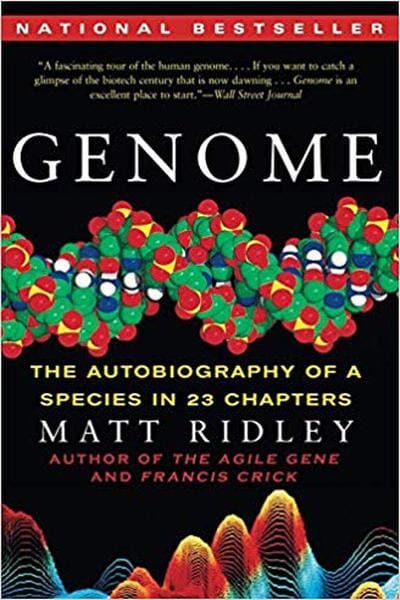
In 'Genome', Matt Ridley takes readers on a captivating journey through the intricacies of the human genome, revealing how our genes shape our lives, personalities, and destinies. This enlightening exploration delves into the evolutionary history of our DNA, highlighting the unexpected connections between science, society, and the essence of humanity. Ridley skillfully combines storytelling with groundbreaking research, making complex genetic concepts accessible and engaging. As he exposes the potential of genetic knowledge, readers are left pondering profound questions about free will, identity, and morality. Are we merely products of our genes, or do we have the power to redefine ourselves?
By Matt Ridley
Published: 2006
""We are all born with a unique genetic blueprint, yet the choices we make shape who we truly become.""

Start Listening to Book Summary
Book Review of Genome
The genome's been mapped. But what does it mean? Arguably the most significant scientific discovery of the new century, the mapping of the twenty-three pairs of chromosomes that make up the human genome raises almost as many questions as it answers. Questions that will profoundly impact the way we think about disease, about longevity, and about free will. Questions that will affect the rest of your life. Genome offers extraordinary insight into the ramifications of this incredible breakthrough. By picking one newly discovered gene from each pair of chromosomes and telling its story, Matt Ridley recounts the history of our species and its ancestors from the dawn of life to the brink of future medicine. From Huntington's disease to cancer, from the applications of gene therapy to the horrors of eugenics, Matt Ridley probes the scientific, philosophical, and moral issues arising as a result of the mapping of the genome. It will help you understand what this scientific milestone means for you, for your children, and for humankind.
Book Overview of Genome
About the Book Author
Matt Ridley
Matt Ridley is a British author, journalist, and businessman known for his work on science, economics, and the environment. He has written several notable books, including 'Genome: The Autobiography of a Species in 23 Chapters', 'The Rational Optimist: How Prosperity Evolves', and 'How Innovation Works: And Why It Flourishes in Freedom'. Ridley's writing style is characterized by clarity, wit, and a knack for communicating complex scientific ideas to a general audience, often emphasizing the role of human ingenuity in shaping the world. He has contributed to various prestigious publications and is a prominent speaker on issues related to science and policy.
Book Details
Key information about the book.
- Authors
- Matt Ridley
- Published
- May 2006
- Publisher
- Harper Collins
- ISBN
- 0060894083
- Language
- English
- Pages
- 370
- Genres
- Evolution and GeneticsScience and Nature
Purchase Options
 Buy on Amazon
 Buy via BookShop
Support local bookstores: BookShop gives a portion of each sale to independent bookshops!
Similar books you might like →
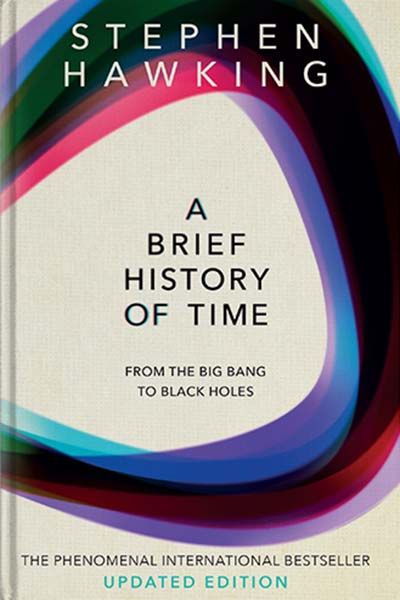
A Brief History of Time Book Summary
In "A Brief History of Time," Stephen Hawking takes readers on a captivating journey through the cosmos, exploring the nature of time, black holes, and the universe's beginnings. With stunning clarity, he unravels complex scientific concepts, inviting everyone—from curious laypersons to seasoned physicists—to ponder the mysteries of existence. Hawking's charismatic storytelling challenges our perceptions of reality and time itself, posing profound questions about the universe's fate. As he merges science with philosophy, the reader is compelled to reflect on their place in a vast, enigmatic cosmos. Prepare to be inspired and awed by a narrative that transcends mere facts, pushing the boundaries of human understanding.
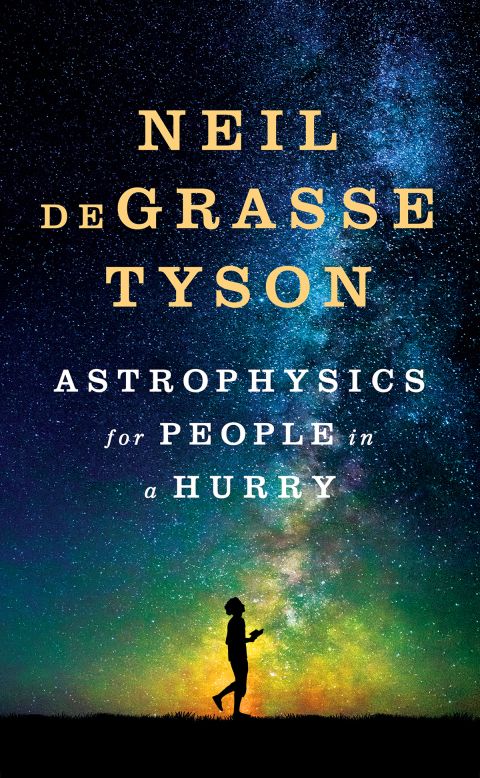
Astrophysics for People in a Hurry Book Summary
In "Astrophysics for People in a Hurry," Neil deGrasse Tyson takes readers on a whirlwind journey through the cosmos, unveiling the complex wonders of the universe in bite-sized pieces. He distills complex theories about black holes, dark matter, and the Big Bang into accessible narratives that spark curiosity and awe. With his signature wit and clarity, Tyson makes the grand tapestry of the universe relatable, inviting readers to ponder their place within it. This captivating exploration not only enlightens but also ignites a sense of wonder about the infinite possibilities of existence. Are you ready to embrace the mysteries of the universe, one brief chapter at a time?
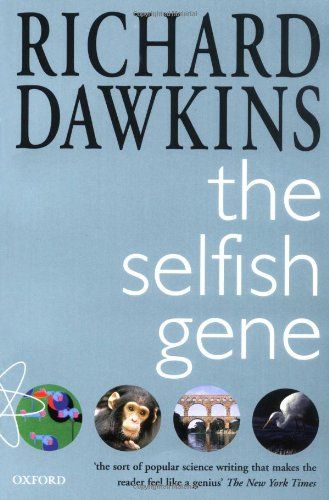
The Selfish Gene Book Summary
In Richard Dawkins' groundbreaking work, "The Selfish Gene," the concept of evolution is reimagined through the lens of genes as the primary unit of natural selection. Dawkins provocatively argues that behaviors once perceived as altruistic are often driven by genetic self-interest. The book introduces the idea of memes, exploring how cultural evolution parallels biological evolution. With vivid examples and thought-provoking insights, Dawkins challenges readers to reconsider the motivations behind their actions and the fabric of life itself. Will this lens of selfishness reshape your understanding of humanity and its place in the universe?
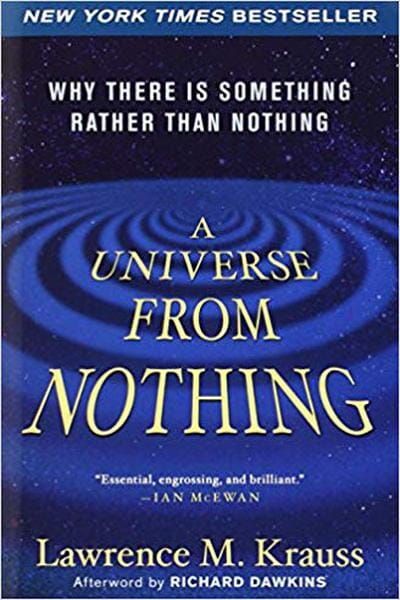
A Universe from Nothing Book Summary
In 'A Universe from Nothing', acclaimed physicist Lawrence M. Krauss takes readers on a fascinating journey into the origins of the universe. He argues that something can emerge from nothing, challenging traditional notions of creation. Through compelling stories and cutting-edge science, Krauss reveals the cosmic framework that underpins our existence. The book raises profound questions about the nature of reality and the universe’s grand design. Prepare to rethink everything you thought you knew about the cosmos!
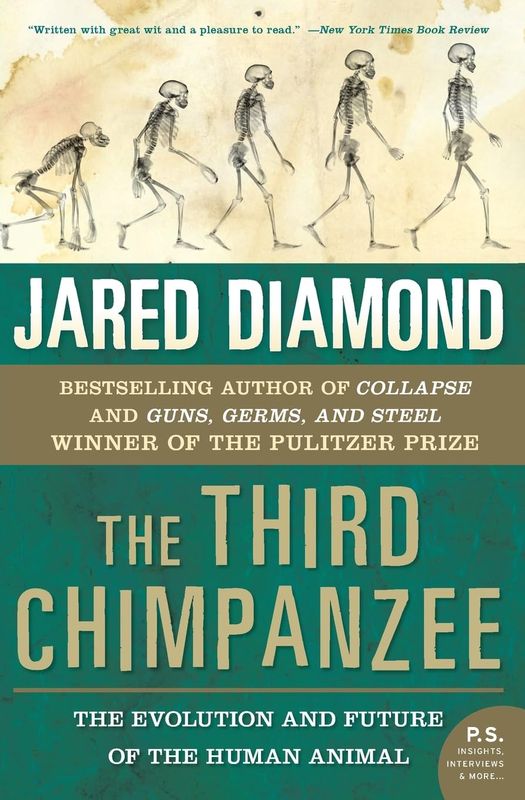
The Third Chimpanzee Book Summary
In 'The Third Chimpanzee', Jared Diamond explores the evolutionary journey that sets humans apart from our closest relatives, the chimpanzees. Through a captivating mix of biology, anthropology, and history, he uncovers the profound similarities and stark differences between species. Diamond raises provocative questions about our behaviors, societal structures, and the fate of our planet. Readers are invited to ponder whether humanity's greatest achievements are results of evolution or sheer chance. This thought-provoking narrative challenges us to reconsider what it truly means to be human.
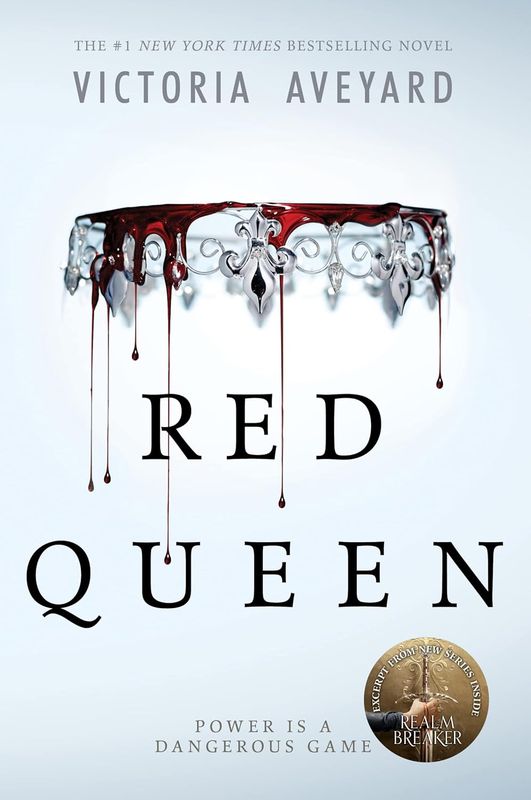
The Red Queen Book Summary
In 'The Red Queen', Matt Ridley explores the intricate mechanisms of evolution, weaving in concepts of sex, genetics, and the relentless competition for survival. He captivatingly likens evolutionary pressure to a game of musical chairs where the stakes are life and death, revealing how organisms adapt not just to their environments, but to the behaviors of others. The title references the Red Queen from Lewis Carroll's 'Through the Looking-Glass', emphasizing the idea that species must constantly evolve just to stay in the same place. Ridley's engaging narrative challenges readers to reconsider the role of sex and reproduction in natural selection. Prepare to be intrigued by how competition shapes the very fabric of life itself.
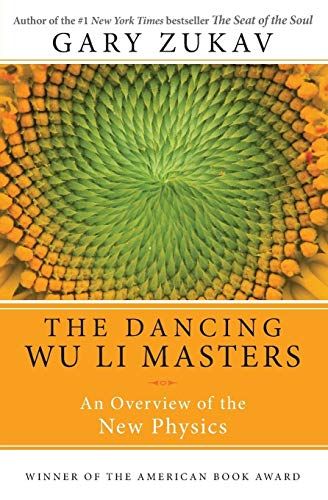
Dancing Wu Li Masters Book Summary
In 'Dancing Wu Li Masters,' Gary Zukav invites readers into the fascinating intersection of physics and Eastern philosophy. This insightful exploration reveals how the realms of quantum mechanics and ancient wisdom converge, challenging our understanding of reality. Zukav introduces readers to the 'Wu Li Masters,' a captivating metaphor for scientists and spiritual seekers who are dancing in the quantum world. As he weaves together complex theories with accessible language, the book sparks curiosity about the nature of existence and consciousness. Prepare to be enlightened as you journey through the seemingly paradoxical ideas that govern our universe.
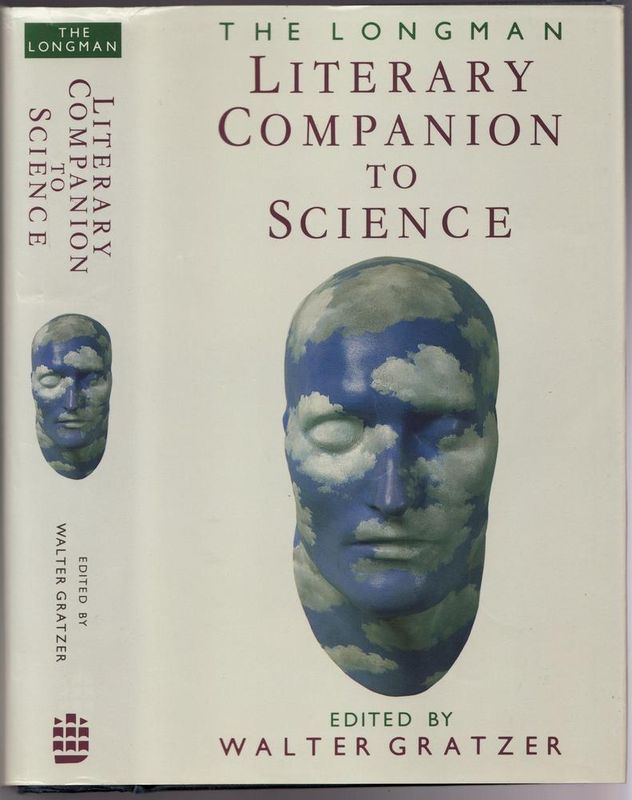
A Literary Companion to Science Book Summary
A Literary Companion to Science by Angus Fletcher delves into the intersection of science and literature, exploring how scientific concepts have influenced writers throughout history. This insightful book reveals the hidden connections between scientific breakthroughs and the literary imagination, offering readers a unique perspective on how science shapes the way we think, write, and understand the world. Fletcher draws from a wide array of texts and historical figures, showing how literature has responded to and reflected on scientific advancements across centuries.
Showing 8 of 30 similar books
Take your reading experience to the next level
Download our mobile app to enjoy your favorite books on the go. Get access to exclusive features, offline listening, and personalized recommendations.

Similar Book Recommendations →

Michael Pollan's Book Recommendations
Michael Pollan is a renowned American author and journalist, celebrated for his insightful explorations of food, agriculture, and human culture. His groundbreaking book, "The Omnivore's Dilemma," published in 2006, critically examines the complexities of the modern food industry and has become a seminal work in food studies. Pollan's engaging narrative style and thorough research have earned him a place on The New York Times Best Seller list multiple times. In addition to his literary contributions, he is also a professor of journalism at the University of California, Berkeley. Pollan's work continues to influence public discourse on sustainable eating and the ethical implications of food choices.

Matt Ridley's Book Recommendations
Matt Ridley is a British journalist, author, and businessman, best known for his books on science, economics, and human progress, including The Rational Optimist and The Evolution of Everything. Ridley’s work focuses on the power of innovation, free markets, and human ingenuity to drive progress and improve living standards. He is a member of the House of Lords and has written extensively on topics such as genetics, evolution, and the environment. Ridley’s optimistic view of human progress and his ability to explain complex scientific ideas have made him a popular author and public intellectual.

Marc Andreessen's Book Recommendations
Marc Andreessen is an American entrepreneur, software engineer, and venture capitalist, best known for co-creating the Mosaic web browser, the first widely-used web browser, and co-founding Netscape. Andreessen is also the co-founder of Andreessen Horowitz, one of Silicon Valley’s most prominent venture capital firms, where he invests in groundbreaking technology companies like Facebook, Airbnb, and Coinbase. He is a thought leader on the impact of technology and innovation, often sharing his views on the future of the internet and startups. His contributions to the development of the web and the tech ecosystem have made him one of the most influential figures in technology.

Charlie Munger's Book Recommendations
Charlie Munger is an American investor, businessman, and philanthropist, best known as the vice chairman of Berkshire Hathaway, where he partners with Warren Buffett. Renowned for his insights on investment strategies and mental models, Munger has significantly influenced the world of finance. His notable literary contributions include "Poor Charlie's Almanack," a compilation of his speeches and writings that distill his wisdom on decision-making and business principles. Munger's work emphasizes the importance of multidisciplinary thinking and continuous learning. Beyond his financial acumen, he is celebrated for his charitable efforts, particularly in education and healthcare.

Darren Aronofsky's Book Recommendations
Darren Aronofsky is an American filmmaker, known for his psychologically intense and visually stunning films, including Requiem for a Dream, Black Swan, and The Wrestler. Aronofsky’s work often explores themes of obsession, identity, and self-destruction, and his unique directorial style has earned him critical acclaim and numerous awards. His ability to blend dark, complex narratives with striking visuals has made him one of the most distinctive voices in contemporary cinema. Aronofsky is also an advocate for environmental sustainability and has used his platform to raise awareness about climate change. His films continue to push boundaries and provoke thought on a range of human experiences.

Bob Metcalfe's Book Recommendations
Bob Metcalfe is an American engineer and entrepreneur best known for co-inventing Ethernet, the foundational technology for local area networks, in the 1970s. As a co-founder of 3Com, Metcalfe played a crucial role in the development and commercialization of networking technologies that became essential to the growth of the internet. Metcalfe's contributions have earned him numerous accolades, including the National Medal of Technology and Innovation. Beyond his work in engineering, he is a well-regarded professor and venture capitalist, helping to guide and fund the next generation of innovators in technology. He has written extensively on the future of the internet and technology, offering predictions and insights that have shaped industry thinking. Metcalfe's work laid the groundwork for the modern internet, and his influence continues through his academic and business endeavors. His visionary approach has earned him a place among the most important figures in computer science.

David Sinclair's Book Recommendations
David Sinclair is an Australian biologist and professor at Harvard Medical School, known for his pioneering research in the field of aging and longevity. Sinclair's work focuses on understanding the biological mechanisms that drive aging and developing interventions to slow or reverse the process. His bestselling book Lifespan: Why We Age – and Why We Don’t Have To explores the latest advancements in anti-aging science and offers insights into how humans might extend their healthspan. Sinclair's research has led to breakthroughs in areas such as sirtuins, NAD+ metabolism, and cellular reprogramming. He is also the co-founder of several biotech companies, including Sirtris Pharmaceuticals and Life Biosciences, dedicated to translating aging research into practical treatments. Sinclair is a vocal advocate for taking a proactive approach to aging, promoting lifestyle changes and emerging therapies to delay age-related diseases. His work has made him a leading figure in the longevity movement, influencing both scientific and public discourse on the future of health.

Brian Cox's Book Recommendations
Brian Cox is a Scottish actor and director, best known for his roles in films like Braveheart and Adaptation, as well as for his portrayal of media mogul Logan Roy in the hit HBO series Succession. Cox is renowned for his commanding screen presence and his ability to convey complex, often morally ambiguous characters. He has had a distinguished career in both film and theater, earning numerous awards, including a Golden Globe for his performance in Succession. In addition to his acting work, Cox is a vocal advocate for arts education and has been involved in various charitable initiatives. His longevity and versatility have made him a respected and influential figure in the entertainment industry.
Showing 8 of 11 related collections
“"We are all born with a unique genetic blueprint, yet the choices we make shape who we truly become."”
Genome
By Matt Ridley
Frequently Asked Questions
Explore Our Catalogue
Discover a world of knowledge through our extensive collection of book summaries.
Genres
Genres
Genres
Featured Collections
- Top Book Club Picks
- One-Stop Nutrition
- Summer Reads 2024
- Best Beach Reads 2024
- Work-Life Balance Guide
- Time Management
- Healthy Foods
- Entrepreneur Toolkit
- Mind & Body Wellness
- Future Tech Insights
- Leadership Essentials
- Financial Freedom
- Sci-Fi Masterpieces
- Parenting 101
- Books That Became Blockbusters
- Guide to a Healthy Pregnancy