God Is Not Great Book Summary
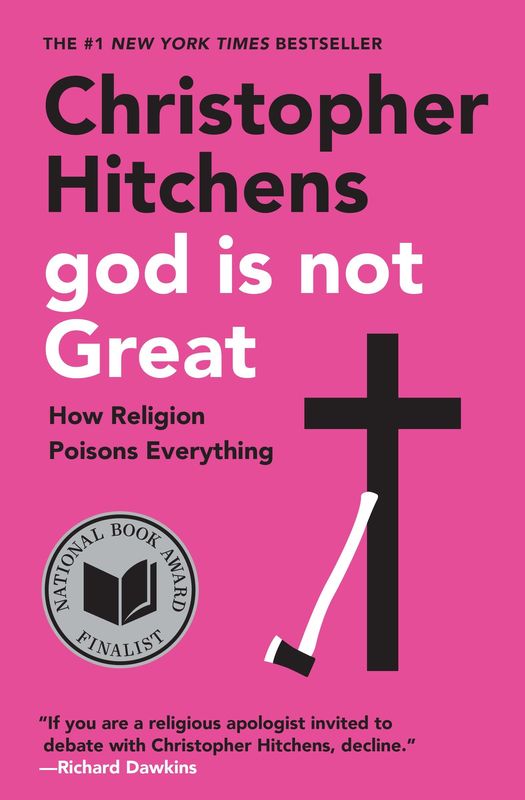
In 'God Is Not Great', Christopher Hitchens delivers a provocative critique of religion, arguing that it is a source of conflict and a hindrance to human progress. He challenges the idea of a benevolent deity, exploring the detrimental effects of faith on society and individual morality. Through witty anecdotes and sharp analysis, Hitchens invites readers to reconsider long-held beliefs and the role of religion in contemporary life. With a blend of history, philosophy, and personal narrative, this book sparks fierce debates about faith and reason. Will you dare to question the sacred tenets of belief?
By Christopher Hitchens
Published: 2009
""What can be asserted without evidence can also be dismissed without evidence.""

Start Listening to Book Summary
Book Review of God Is Not Great
In the tradition of Bertrand Russell's Why I Am Not a Christian and Sam Harris's recent bestseller, The End of Faith, Christopher Hitchens makes the ultimate case against religion. With a close and erudite reading of the major religious texts, he documents the ways in which religion is a man-made wish, a cause of dangerous sexual repression, and a distortion of our origins in the cosmos. With eloquent clarity, Hitchens frames the argument for a more secular life based on science and reason, in which hell is replaced by the Hubble Telescope's awesome view of the universe, and Moses and the burning bush give way to the beauty and symmetry of the double helix.
Book Overview of God Is Not Great
About the Book Author
Christopher Hitchens
Christopher Hitchens (1949-2011) was a British-American author, journalist, and literary critic known for his provocative and articulate prose. He authored several notable works including 'God Is Not Great: How Religion Poisons Everything,' 'Hitch-22,' and 'Mortality.' Hitchens was renowned for his sharp wit, eloquent rhetoric, and unapologetic contrarian perspectives, often tackling topics such as religion, politics, and culture. His writing style was characterized by a blend of erudition and accessibility, making complex ideas engaging for a broad audience. Hitchens was a prominent figure in contemporary intellectual debate and his legacy continues to influence modern discourse.
Book Details
Key information about the book.
- Authors
- Christopher Hitchens
- Published
- April 2009
- Publisher
- Twelve
- ISBN
- 0446697966
- Language
- English
- Pages
- 336
- Genres
- Religious HistoryPhilosophyComparative ReligionSpirituality and ReligionTheology
Purchase Options
 Buy on Amazon
 Buy via BookShop
Support local bookstores: BookShop gives a portion of each sale to independent bookshops!
Similar books you might like →
12 Rules for Life Book Summary
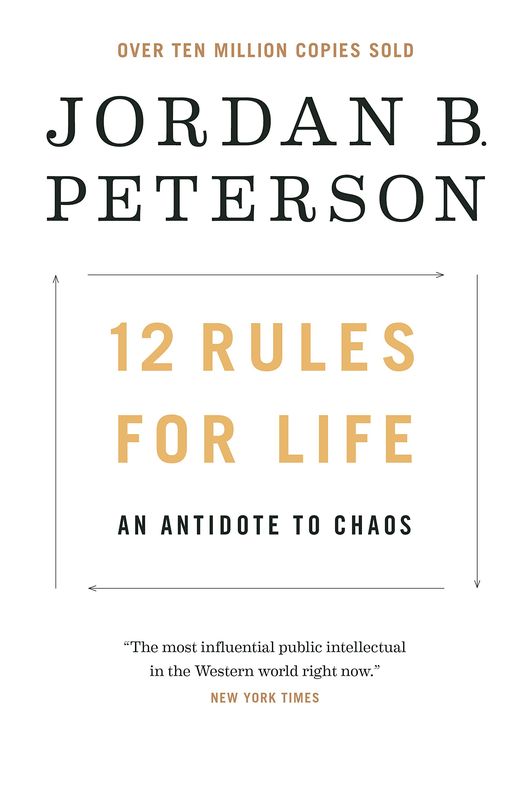
In '12 Rules for Life', psychologist Jordan B. Peterson distills life lessons from psychology, philosophy, and mythology into twelve profound principles for personal growth. Each rule invites readers to confront the chaos of existence and embrace responsibility, guiding them toward meaning and order. Peterson's compelling narratives and incisive insights challenge conventional wisdom, urging self-reflection and accountability. As readers navigate through the complexities of life, they discover how to build a stable foundation for themselves and their communities. This thought-provoking book promises to provoke deep contemplation and inspire transformative change.
Enlightenment Now Book Summary
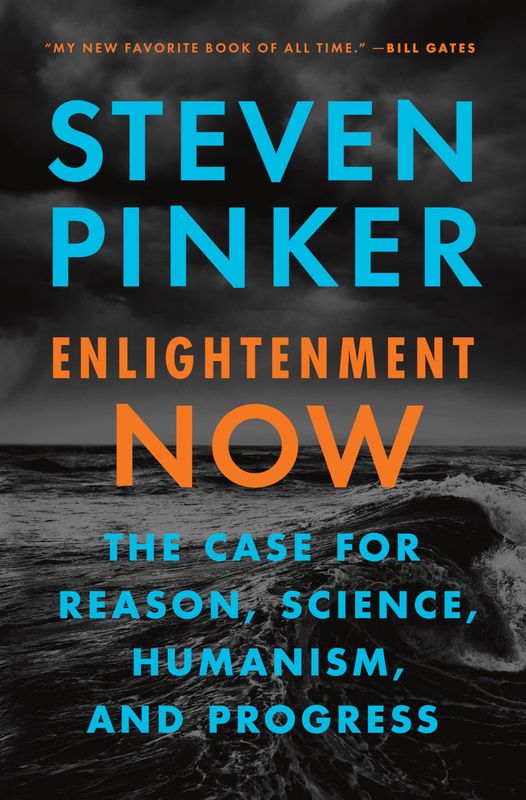
In 'Enlightenment Now,' Steven Pinker argues for the enduring power of reason, science, and humanism in shaping modern society. He presents compelling evidence that, contrary to popular belief, the world is improving in terms of health, wealth, safety, and happiness. With a blend of statistics and philosophical insights, Pinker challenges the pessimistic narratives prevalent today. He advocates for an optimistic view of human progress, suggesting that the principles of the Enlightenment are more relevant than ever. This thought-provoking exploration invites readers to reconsider their understanding of progress and the potential of humanity.

A Second Chance Book Summary
In 'A Second Chance,' Catherine Hoke explores the transformative power of second chances through the intricate lives of individuals entangled in the justice system. With raw honesty, she weaves together stories of redemption, resilience, and hope, challenging societal perceptions of crime and punishment. As unlikely friendships form within the confines of prison walls, readers are drawn into a world where second chances aren't just a cliché, but a lifeline. Hoke’s narrative invites us to question our own beliefs about justice and forgiveness. Prepare to be moved as you discover how a shift in perspective can change lives forever.

A Comprehensive Introduction to Differential Geometry Book Summary
Dive into the intricate world of differential geometry with Michael Spivak's enlightening guide. This comprehensive introduction marries rigorous mathematical theory with captivating insights, unraveling the complex structure of curves and surfaces. Spivak's clear exposition invites readers to explore the elegant dance between mathematics and the physical universe. Whether you're a budding mathematician or a curious mind, you'll find yourself immersed in profound concepts that reveal the beauty of geometry. Join the journey to understand how curvature shapes the fabric of space itself!
A History of God Book Summary
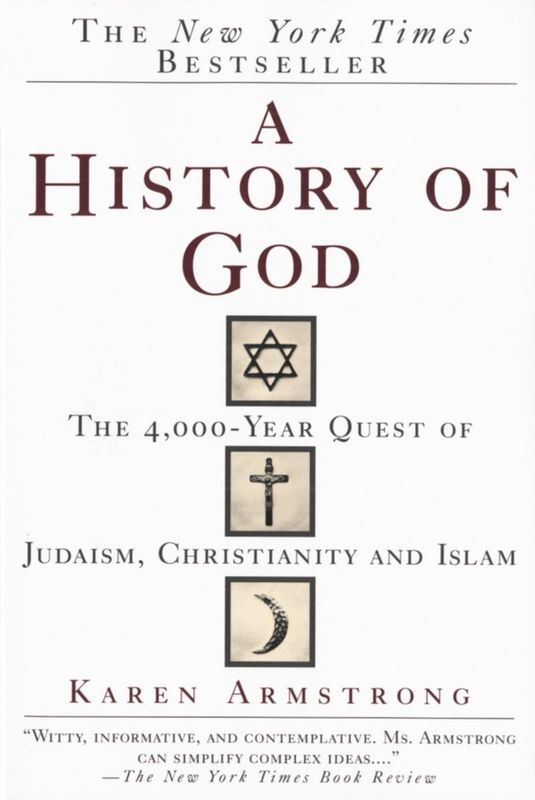
In 'A History of God', Karen Armstrong embarks on a fascinating journey through the evolution of the concept of God from ancient times to the modern era. She explores how various religions—Judaism, Christianity, and Islam—have shaped humanity's understanding of the divine, revealing the complexities and contradictions in these beliefs. Highlighting the influence of culture, politics, and philosophy, Armstrong invites readers to reconsider their perceptions of faith and spirituality. This thought-provoking narrative raises profound questions about the nature of belief and the future of religious thought. Are we on the brink of a new understanding of God, or are we simply repeating history?
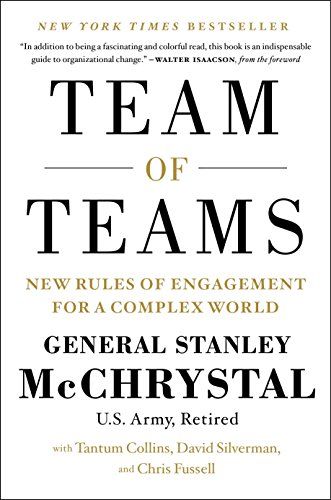
Team of Teams Book Summary
In 'Team of Teams', General Stanley McChrystal reveals how traditional organizational structures can hinder adaptability in fast-changing environments. Drawing on his military experiences, he shares the transformation of Special Operations forces into a network of interconnected teams capable of responding to complex challenges. The book emphasizes the power of trust, empowerment, and communication within teams to foster resilience and innovation. McChrystal's insights apply beyond the battlefield; they resonate within any organization facing modern challenges. Will your team embrace this revolutionary approach to thrive in chaos?

The Body Reset Diet Book Summary
In 'The Body Reset Diet', Harley Pasternak unveils a groundbreaking approach to weight loss that emphasizes the power of smoothies and strategic meal timing. This innovative plan promises to jumpstart your metabolism and revitalize your energy levels in just 15 days. With an array of delicious recipes and practical tips, Pasternak guides readers through a transformative journey, making healthy living both attainable and enjoyable. Discover how this easy-to-follow program can reshape not just your body but your entire relationship with food. Are you ready to unlock the secret to sustainable weight loss and a healthier you?
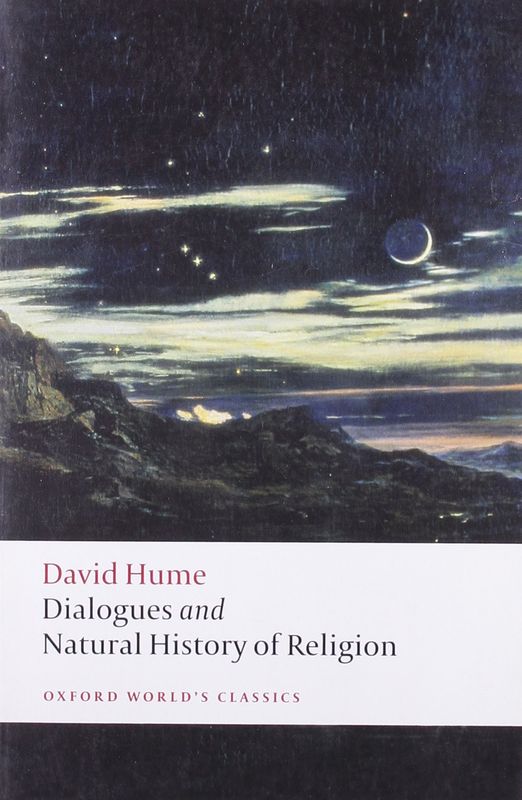
The Natural History of Religion Book Summary
In 'The Natural History of Religion,' David Hume explores the origins and development of religious beliefs across cultures. Through a blend of philosophy and empirical observation, Hume delves into the psychological and sociological factors that shape religion. His analysis raises provocative questions about the nature of faith and reason, challenging conventional views. As he uncovers the underlying motives for belief, readers are compelled to reconsider their own perspectives on spirituality. This thought-provoking work invites readers on a journey through the complexities of human belief systems.
Showing 8 of 30 similar books
Take your reading experience to the next level
Download our mobile app to enjoy your favorite books on the go. Get access to exclusive features, offline listening, and personalized recommendations.

Similar Book Recommendations →

Scott Young's Book Recommendations
Scott Young is an entrepreneur, author, and learning expert, best known for his work in accelerated learning and self-education. Young gained recognition for completing MIT’s computer science curriculum in one year through self-study, an experiment he documented in his book Ultralearning. He advocates for a systematic, focused approach to learning new skills, and his work has inspired people to take on ambitious projects in fields like coding, languages, and creative arts. Young writes extensively on productivity, cognitive science, and learning techniques, sharing strategies for mastering complex subjects quickly. His approach to education has made him a prominent figure in the world of self-improvement and personal development.

Alexandria Ocasio-Cortez's Book Recommendations
Alexandria Ocasio-Cortez, also known as AOC, is a U.S. Congresswoman representing New York's 14th district. She gained national attention after winning her seat in 2018 at the age of 29, making her one of the youngest women ever elected to Congress. Ocasio-Cortez is known for her progressive policies, advocating for issues such as Medicare for All, climate change action, and economic justice. She has become a prominent figure within the Democratic Party and uses social media to engage with constituents and the public. Her rise from grassroots activism to Congress has inspired many young people to get involved in politics.

Jason Nemer's Book Recommendations
Jason Nemer is a renowned acro yoga practitioner and co-founder of AcroYoga International, a practice that blends acrobatics, yoga, and healing arts. He has significantly contributed to the global spread of acro yoga, promoting physical and mental well-being through his innovative techniques and teachings. Jason has authored numerous instructional materials and has been featured in various publications, sharing his expertise and passion for the discipline. His workshops and retreats attract participants from around the world, fostering a diverse and supportive community. Through his work, Jason Nemer has inspired countless individuals to explore the transformative power of acro yoga.
Naval Ravikant's Book Recommendations
Naval Ravikant is an entrepreneur, angel investor, and philosopher, best known as the co-founder of AngelList, a platform that connects startups with investors. Ravikant is a prolific thinker and writer on topics such as startups, investing, and personal well-being, sharing his wisdom through essays, podcasts, and social media. He has invested in over 100 companies, including Uber, Twitter, and Yammer, making him one of Silicon Valley’s most successful angel investors. Ravikant is also known for his philosophical musings on wealth, happiness, and the meaning of life, which have garnered him a large and dedicated following.

Joe Rogan's Book Recommendations
Joe Rogan is a multifaceted American entertainer known primarily for his work as a comedian, podcast host, and commentator. He gained widespread recognition through his immensely popular podcast, "The Joe Rogan Experience," which has featured in-depth conversations with a diverse array of guests, including scientists, celebrities, and politicians. Though not primarily known for literature, Rogan has contributed to the field with his thought-provoking discussions that often explore philosophical and intellectual ideas. Additionally, he has authored the book "Mastering the Rubber Guard," which delves into Brazilian Jiu-Jitsu techniques, showcasing his expertise in martial arts. Rogan's influence extends beyond traditional media, impacting contemporary discourse through his unique blend of humor, curiosity, and critical thinking.

Jon Stewart's Book Recommendations
Jon Stewart is an American comedian, writer, and former host of The Daily Show, where he gained fame for his satirical take on news and politics. Stewart transformed The Daily Show into a critical voice in American media, blending humor with hard-hitting commentary on political and social issues. After stepping down from the show, Stewart has continued to advocate for causes like 9/11 first responders and veterans' rights. He is also a filmmaker, directing the political satire film Irresistible. Stewart remains a significant figure in American culture, known for his wit, activism, and influence on political discourse.

Krista Tippett's Book Recommendations
Krista Tippett is an acclaimed American journalist, author, and the creator of the Peabody Award-winning radio program and podcast "On Being." She is recognized for her thoughtful exploration of spiritual and philosophical questions, fostering profound conversations with a diverse array of thinkers. Tippett has authored several influential books, including "Speaking of Faith" and "Becoming Wise: An Inquiry into the Mystery and Art of Living," which have garnered critical acclaim for their depth and insight. Her work has been instrumental in promoting dialogue on the human experience, ethics, and belief systems. Tippett's contributions to literature and public discourse continue to inspire and challenge audiences worldwide.

Dan Savage's Book Recommendations
Dan Savage is an American author, media pundit, and LGBT activist, best known for his sex advice column Savage Love and his podcast Savage Lovecast. Savage has been a prominent voice in discussions around sexuality, relationships, and LGBTQ+ rights, often using humor and frankness to tackle difficult subjects. He co-founded the "It Gets Better" project, an anti-bullying initiative aimed at supporting LGBTQ+ youth. Savage is known for challenging conventional wisdom around monogamy, marriage, and sex, making him a controversial but respected figure in the world of advice and advocacy. His work has had a significant impact on public discourse around sex and relationships.
Showing 8 of 22 related collections
“"What can be asserted without evidence can also be dismissed without evidence."”
God Is Not Great
By Christopher Hitchens
Frequently Asked Questions
Explore Our Catalogue
Discover a world of knowledge through our extensive collection of book summaries.
Genres
Genres
Genres
Featured Collections
- Top Book Club Picks
- One-Stop Nutrition
- Summer Reads 2024
- Best Beach Reads 2024
- Work-Life Balance Guide
- Time Management
- Healthy Foods
- Entrepreneur Toolkit
- Mind & Body Wellness
- Future Tech Insights
- Leadership Essentials
- Financial Freedom
- Sci-Fi Masterpieces
- Parenting 101
- Books That Became Blockbusters
- Guide to a Healthy Pregnancy