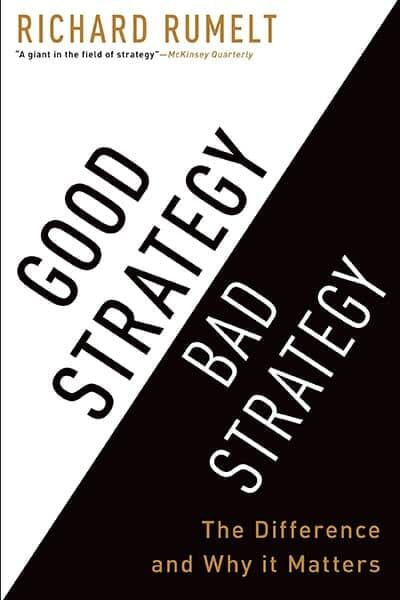

In 'Good Strategy Bad Strategy', Richard Rumelt dismantles the myth of the ‘strategic plan’ and reveals the core of effective strategy-making. He emphasizes the importance of clear objectives and the ability to identify critical issues rather than simply relying on broad visions. Through compelling examples and insights, Rumelt illustrates the pitfalls of vague ambitions and highlights the necessity of tough choices. Readers will discover how to differentiate between genuine strategy and superficial platitudes. This enlightening read will challenge your perspective on success and equip you with the tools to develop robust strategies.
By Richard Rumelt
Published: 2011
"Good strategy requires a clear understanding of the challenges at hand and a coherent plan to address them. Bad strategy, on the other hand, often masks itself with buzzwords and lists of goals, lacking the necessary substance to guide action."
Good Strategy/Bad Strategy clarifies the muddled thinking underlying too many strategies and provides a clear way to create and implement a powerful action-oriented strategy for the real world. Developing and implementing a strategy is the central task of a leader. A good strategy is a specific and coherent response to—and approach for—overcoming the obstacles to progress. A good strategy works by harnessing and applying power where it will have the greatest effect. Yet, Rumelt shows that there has been a growing and unfortunate tendency to equate Mom-and-apple-pie values, fluffy packages of buzzwords, motivational slogans, and financial goals with “strategy.” In Good Strategy/Bad Strategy, he debunks these elements of “bad strategy” and awakens an understanding of the power of a “good strategy.” He introduces nine sources of power—ranging from using leverage to effectively focusing on growth—that are eye-opening yet pragmatic tools that can easily be put to work on Monday morning, and uses fascinating examples from business, nonprofit, and military affairs to bring its original and pragmatic ideas to life. The detailed examples range from Apple to General Motors, from the two Iraq wars to Afghanistan, from a small local market to Wal-Mart, from Nvidia to Silicon Graphics, from the Getty Trust to the Los Angeles Unified School District, from Cisco Systems to Paccar, and from Global Crossing to the 2007–08 financial crisis. Reflecting an astonishing grasp and integration of economics, finance, technology, history, and the brilliance and foibles of the human character, Good Strategy/Bad Strategy stems from Rumelt’s decades of digging beyond the superficial to address hard questions with honesty and integrity.
Showing 8 of 28 similar books
Ran Segall is an Israeli designer, YouTuber, and entrepreneur, known for his work in freelance web design and his popular YouTube channel, Flux Academy. Segall provides design tutorials, business advice, and insights for freelancers, helping designers improve their craft and grow their businesses. He has built a successful online platform through his transparent and practical approach to design education. Segall also runs Flux Academy, where he teaches web design and freelancing strategies to aspiring designers around the world. His approachable style and expertise have made him a trusted resource in the design community.
Drew Houston is an accomplished American entrepreneur best known for co-founding Dropbox, a widely-used cloud storage service, in 2007. As the CEO, he has led the company to serve millions of users worldwide and become a key player in the tech industry. Although not primarily known for literature, Houston has shared his entrepreneurial insights and experiences through various interviews and public speaking engagements, offering valuable lessons to aspiring business leaders. His work has significantly influenced the way people and organizations manage and share digital content. Houston's innovative vision continues to shape the future of cloud computing and digital collaboration.
Aaron Levie is the co-founder and CEO of Box, a cloud content management platform that revolutionized how businesses manage and collaborate on content. He launched Box in 2005 while still a college student, and the company rapidly grew into a leader in the cloud storage industry. Levie is known for his innovative, forward-thinking approach to enterprise software and for pushing the boundaries of digital transformation. Under his leadership, Box went public in 2015 and continues to evolve with new technologies and partnerships. He is a strong advocate for cloud-first business strategies and frequently shares his insights on the future of work and the digital workplace. Levie is also a prolific speaker and writer, often discussing technology's role in the modern economy. His energetic and witty personality has made him a popular figure in Silicon Valley and beyond.
Andrew Chen is a venture capitalist, entrepreneur, and thought leader in growth marketing, currently serving as a general partner at Andreessen Horowitz. Chen is known for his expertise in network effects, viral growth strategies, and marketplace dynamics, making him a sought-after advisor for startups looking to scale. Prior to joining Andreessen Horowitz, he worked in leadership roles at Uber, helping to grow the ride-sharing platform’s user base and develop key growth strategies. Chen is also a prolific writer, sharing his insights on growth, technology, and startups through his popular blog and newsletter, which has attracted a loyal following in the tech community. His work has helped shape how many startups approach user acquisition, retention, and product-market fit. As a venture capitalist, Chen focuses on early-stage companies in the consumer internet, SaaS, and marketplace sectors, and he has been involved in funding and advising several successful startups. His insights on technology and growth continue to influence both founders and investors alike.
Bill Gates, co-founder of Microsoft Corporation, is a pioneering figure in the tech industry, having played a key role in the personal computer revolution. His work at Microsoft, particularly the development of Windows, transformed software and computing globally. Beyond his technology contributions, Gates is also a prolific author, with notable works such as "The Road Ahead" and "Business @ the Speed of Thought," which offer insights into the future of technology and business. Additionally, his philanthropic efforts through the Bill & Melinda Gates Foundation have had a profound impact on global health, education, and poverty. Gates continues to influence both technology and literature with his forward-thinking perspectives and innovative ideas.
Ryan Hoover is the founder of Product Hunt, a popular platform where users discover and share new tech products, apps, and tools. Hoover started Product Hunt as a side project, which quickly grew into a thriving community for tech enthusiasts and entrepreneurs. The platform has helped launch countless startups and has become an essential resource for finding innovative products. In addition to Product Hunt, Hoover is an investor and writer, often sharing insights on startup culture and product development. His work has made him a key figure in the tech and startup ecosystems.
Alfred Lin is a venture capitalist and partner at Sequoia Capital, where he focuses on investments in consumer internet, enterprise, and mobile companies. Lin is known for his early investments in companies like Airbnb and DoorDash, helping them grow into major global brands. Before joining Sequoia, Lin was an executive at Zappos, where he worked closely with CEO Tony Hsieh to develop the company’s innovative culture and customer service model. Lin’s expertise in scaling businesses and his strategic vision have made him one of the most respected venture capitalists in Silicon Valley.
Sheryl Sandberg is the COO of Meta (formerly Facebook) and the author of the bestselling book Lean In, which encourages women to pursue leadership roles and create gender equality in the workplace. She is a prominent advocate for women’s rights, particularly in corporate environments, and has launched initiatives to support women’s empowerment globally. Sheryl’s leadership at Facebook helped the company grow into one of the world’s largest social media platforms. She is also the founder of LeanIn.Org, a nonprofit dedicated to empowering women.
Showing 8 of 12 related collections
“Good strategy requires a clear understanding of the challenges at hand and a coherent plan to address them. Bad strategy, on the other hand, often masks itself with buzzwords and lists of goals, lacking the necessary substance to guide action.”
Good Strategy Bad Strategy
By Richard Rumelt
Discover a world of knowledge through our extensive collection of book summaries.
Richard Rumelt is an esteemed professor of business strategy at the UCLA Anderson School of Management and a prominent thought leader in the field of strategic management. He is best known for his influential book, 'Good Strategy Bad Strategy: The Difference and Why It Matters,' which has been widely acclaimed for its clarity and insight into the nature of effective strategy formulation. Rumelt's writing style is characterized by a sharp analytical approach and a focus on practical applications of strategic principles, making complex ideas accessible to a broad audience. His contributions to the field extend beyond his authored works, as he has played a vital role in advancing strategic thinking through various academic publications and consulting engagements.
Key information about the book.
 Buy on Amazon
 Buy via BookShop
Support local bookstores: BookShop gives a portion of each sale to independent bookshops!
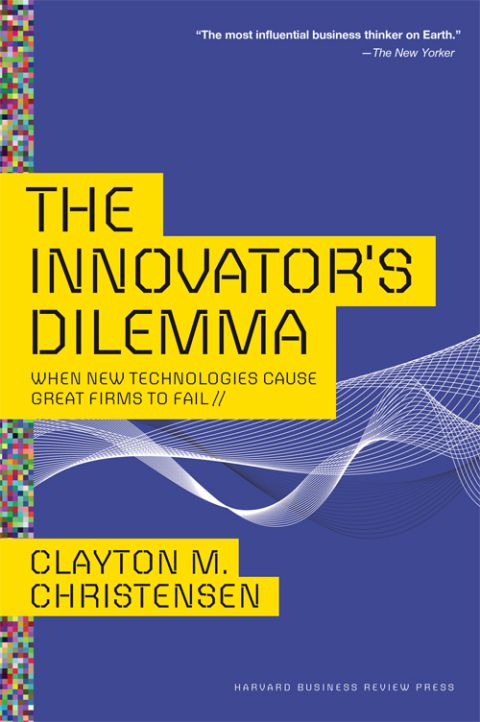
In "The Innovator's Dilemma," Clayton Christensen unveils the paradox that drives successful companies to failure: their own success. He reveals how disruptive innovations, initially dismissed as inferior, can upend industry giants if they fail to adapt. With compelling case studies, Christensen illustrates why even the most formidable businesses can be blind to emerging threats. This thought-provoking exploration challenges leaders to rethink their strategies and embrace radical change. Are you ready to discover the hidden forces that could make or break your industry?
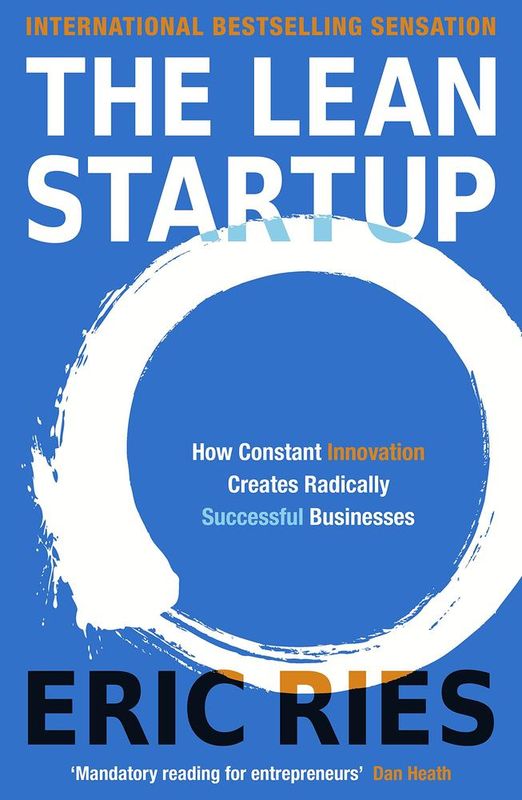
In "The Lean Startup," Eric Ries revolutionizes the approach to building new businesses with a framework designed to reduce waste and maximize innovation. He introduces the concept of validated learning, urging entrepreneurs to test hypotheses through rapid experimentation rather than relying solely on traditional business plans. By emphasizing the importance of pivoting—adapting strategies based on real customer feedback—he provides a pragmatic toolkit for startups to navigate uncertainty. Ries challenges the conventional wisdom of startup success, making a compelling case for agility in a fast-paced market. Dive into this transformative guide and discover how to turn dreams into viable businesses with minimal risk!
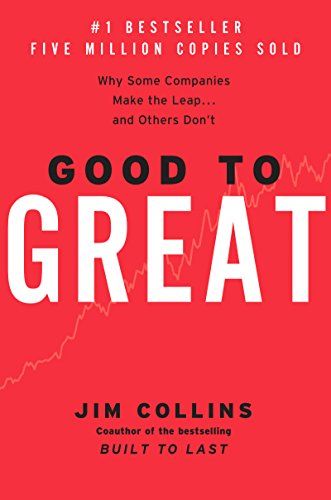
In 'Good to Great', Jim Collins explores what it takes for companies to surpass mediocrity and achieve enduring greatness. Through rigorous research, he identifies key principles that distinguish successful businesses from their less successful counterparts. The book introduces the concept of the "Hedgehog Concept" — a simple, yet profound idea that lies at the heart of each great organization's success. Readers will be fascinated by the surprising findings on leadership, discipline, and cultural alignment that drive greatness. This insightful guide challenges conventional wisdom and offers transformative lessons that can be applied to any endeavor.
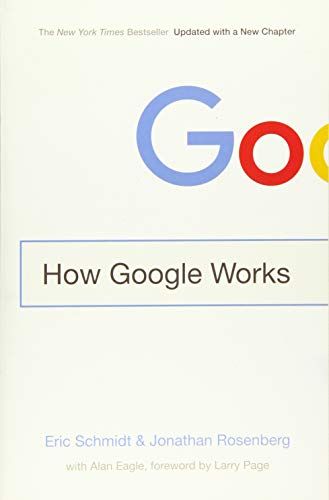
In "How Google Works", Eric Schmidt and Jonathan Rosenberg unveil the inner workings of one of the world's most innovative companies. Delving into the intersection of technology, business strategy, and culture, they explore how flexibility and creativity fuel Google's success. The authors share insider anecdotes and pivotal lessons about fostering collaboration and embracing change in a fast-paced digital landscape. You’ll discover the vital role data plays in decision-making and how to cultivate a "smart creatives" mindset. Prepare to be inspired by the blueprint of a company that has revolutionized not just the tech industry, but the very way we navigate information itself.
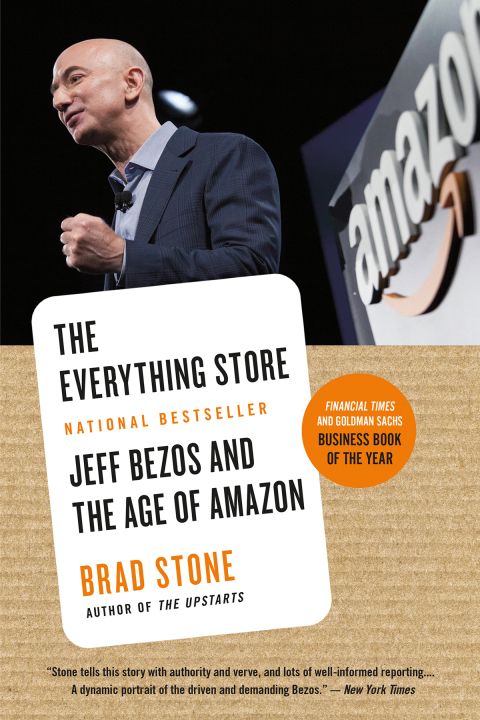
In "The Everything Store," Brad Stone takes readers on an enthralling journey through the rise of Amazon and its enigmatic founder, Jeff Bezos. The book unveils the audacious vision that transformed a humble online bookstore into a global retail powerhouse. Through fascinating anecdotes and behind-the-scenes insights, Stone reveals the fierce ambition and relentless innovation that drive Bezos and his groundbreaking company. As the narrative unfolds, readers will discover the challenges and ethical dilemmas faced by Amazon in its quest for dominance. This gripping account will leave you questioning the true cost of convenience in our modern world.
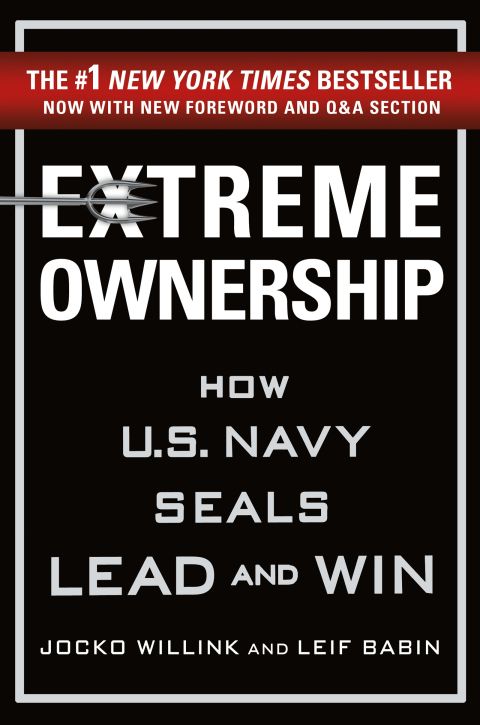
In "Extreme Ownership," former Navy SEAL Jocko Willink reveals the powerful leadership principles that propelled him through the most challenging combat situations. Through gripping tales from the battlefield, he illustrates how taking complete responsibility transforms not only teams but also individual lives. Each chapter blends personal anecdotes with actionable strategies for cultivating accountability, resilience, and clarity in any organization. Willink's no-nonsense approach challenges readers to confront their excuses and embrace a mindset of ownership. Are you ready to lead with unwavering resolve and unlock your true potential?
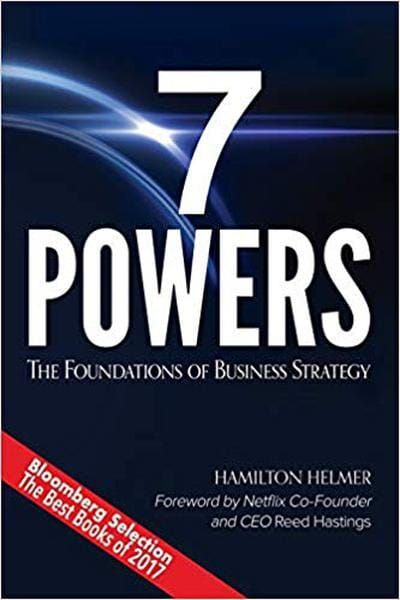
In '7 Powers,' Hamilton Helmer unveils a groundbreaking framework for business strategy, identifying seven key powers that successful companies leverage for industry domination. Each power, from scale to brand, is meticulously dissected with real-world examples that illustrate their formidable impact. Helmer pairs strategic theory with actionable insights, equipping leaders with tools to navigate competitive landscapes. With a fresh perspective on timeless principles, the book challenges conventional thinking and ignites a quest for deeper understanding. Dive into this compelling exploration and discover what it truly takes to outmaneuver rivals and thrive in today's market.
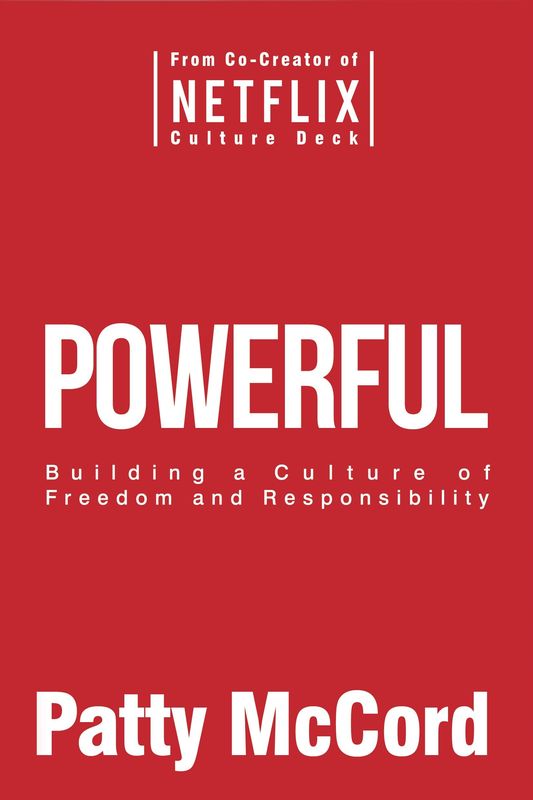
In 'Powerful', Patty McCord, former Chief Talent Officer at Netflix, unveils the radical principles behind the company's innovative culture. She challenges traditional notions of management, advocating for honesty, transparency, and freedom in the workplace. With compelling anecdotes and candid insights, McCord illustrates how empowering employees can lead to revolutionary success. The book serves as a call to action for leaders to reinvent their approach to talent management. Are you ready to unlock the true potential of your team and reshape your organization's culture?








Download our mobile app to enjoy your favorite books on the go. Get access to exclusive features, offline listening, and personalized recommendations.