Handbook of Social Psychology, Volume 1 Book Summary
Dive into the depths of the human mind with the 'Handbook of Social Psychology, Volume 1,' where renowned experts explore the intricacies of social behavior and theory. From the nuances of interpersonal attraction to the ripple effects of group dynamics, this comprehensive volume unveils the science behind our interactions. Each chapter is a gateway to understanding how societal influences shape our beliefs, decisions, and identities. With a rich tapestry of research and real-world applications, this book promises to challenge your preconceptions about humanity. Prepare to embark on a captivating journey through the psychology that governs our social world!
By Susan T. Fiske, Daniel T. Gilbert, Gardner Lindzey
Published: 2010
""Understanding the complexities of human behavior requires not only scientific inquiry but also an appreciation of the diverse contexts in which individuals operate, reflecting the intricate tapestry of social existence.""


Start Listening to Book Summary
Book Review of Handbook of Social Psychology, Volume 1
First published in 1935, The Handbook of Social Psychology was the first major reference work to cover the field of social psychology. The field has since evolved and expanded tremendously, and in each subsequent edition, The Handbook of Social Psychology is still the foremost reference that academics, researchers, and graduate students in psychology turn to for the most current, well-researched, and thorough information covering the field of social psychology. This volume of the Fifth Edition covers the science of social psychology and the social being.
Book Overview of Handbook of Social Psychology, Volume 1
About the Book Authors
Susan T. Fiske
Susan T. Fiske is a renowned social psychologist and author recognized for her influential work on stereotyping, prejudice, and social cognition. She is the Eugene Higgins Professor of Psychology at Princeton University and has published several notable works, including "Social Beings: A Core Motives Approach to Social Psychology," and "Envy Up, Scorn Down: How Status Divides Us." Fiske's writing style is characterized by its empirical rigor, engaging narrative, and ability to connect social science concepts to everyday life, making complex theories accessible to a broad audience.
Daniel T. Gilbert
Daniel T. Gilbert is an acclaimed author and professor of psychology at Harvard University, best known for his engaging exploration of human happiness and decision-making. His notable works include 'Stumbling on Happiness,' which delves into the psychological aspects of happiness and how people often misjudge what will make them happy in the future. In addition, his insightful book 'Predictably Irrational' highlights the inconsistencies in human behavior and decision-making processes. Gilbert's writing style is characterized by a blend of humor, storytelling, and thorough scientific research, making complex psychological concepts accessible and enjoyable for a wide audience.
Gardner Lindzey
Gardner Lindzey was a prominent American psychologist and author known for his contributions to the fields of social psychology and personality. He is best remembered for his influential works such as "The Handbook of Social Psychology" and "Personality and the Social System." Lindzey's writing style is characterized by its clarity and rigor, making complex psychological concepts accessible to a broader audience. His interdisciplinary approach often integrated insights from sociology, anthropology, and psychology, reflecting his belief in the interconnectedness of human behavior and social structures.
Book Details
Key information about the book.
- Authors
- Susan T. Fiske, Daniel T. Gilbert, Gardner Lindzey
- Published
- February 2010
- Publisher
- John Wiley & Sons
- ISBN
- 0470137487
- Language
- English
- Pages
- 899
- Genres
- Social PsychologyPsychology
Purchase Options
 Buy on Amazon
 Buy via BookShop
Support local bookstores: BookShop gives a portion of each sale to independent bookshops!
Similar books you might like →
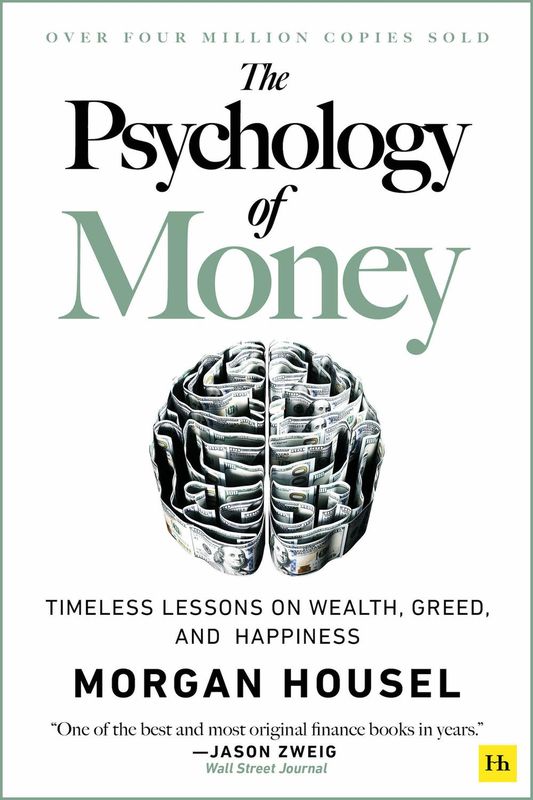
The Psychology of Money Book Summary
In "The Psychology of Money," Morgan Housel unravels the complex relationship between our emotions and financial decisions. Through captivating anecdotes and profound insights, he reveals that wealth isn't just about numbers, but about behavior and mindset. The book challenges conventional wisdom, urging readers to understand the subtle psychological forces that influence our spending and saving habits. Housel's reflections highlight the power of patience, humility, and a long-term perspective in building true financial success. Prepare to rethink everything you thought you knew about money and its role in your life!
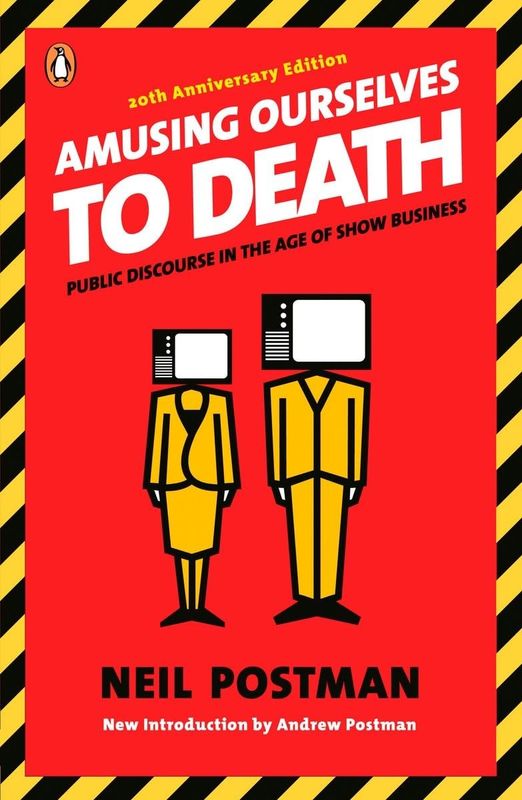
Amusing Ourselves to Death Book Summary
In 'Amusing Ourselves to Death', Neil Postman explores the alarming impact of television and entertainment on public discourse and critical thought. He argues that a culture inundated with superficial media is prioritizing distraction over meaningful communication. Postman presents a compelling critique of how entertainment values undermine the seriousness of important issues. Through sharp analysis and wit, he warns against the perils of living in a world where information is merely amusement. This provocative work invites readers to reflect on their own media consumption and its implications for democracy and intellect.

Addiction by Design Book Summary
In 'Addiction by Design', Natasha Dow Schüll explores the fascinating intersection of technology, gambling, and human psychology. She reveals how modern gaming machines are meticulously engineered to foster addictive behaviors, drawing players into a relentless cycle of engagement. Through immersive narratives and compelling case studies, Schüll raises critical questions about free will and the seductive nature of design in our digital age. This thought-provoking investigation challenges readers to consider the impact of technology on their lives and society at large. Dive into this eye-opening journey to understand the dark artistry behind the designs that capture us.

When Things Fall Apart Book Summary
In 'When Things Fall Apart,' Pema Chodron offers a compassionate guide to navigating life's inevitable challenges and heartaches. Through Buddhist teachings, she invites readers to embrace discomfort as a doorway to personal growth and transformation. Chodron shares poignant insights on vulnerability, fear, and the power of surrendering to the unknown. With warmth and clarity, she encourages us to cultivate compassion for ourselves and others amid chaos. This profound exploration of resilience will inspire you to find strength in the face of uncertainty.
Talking to Strangers Book Summary
In 'Talking to Strangers', Malcolm Gladwell delves into the complexities of human interactions and the misunderstandings that often arise when we connect with those we don't know. Through compelling stories and case studies, he reveals how our assumptions about strangers can lead to misjudgments, including in critical situations. Gladwell uncovers the psychology behind trust, deception, and the often flawed perceptions we have of others. This thought-provoking exploration challenges readers to reconsider how they engage with unfamiliar people in their lives. Are we really as adept at reading strangers as we believe, or are we only fooling ourselves?
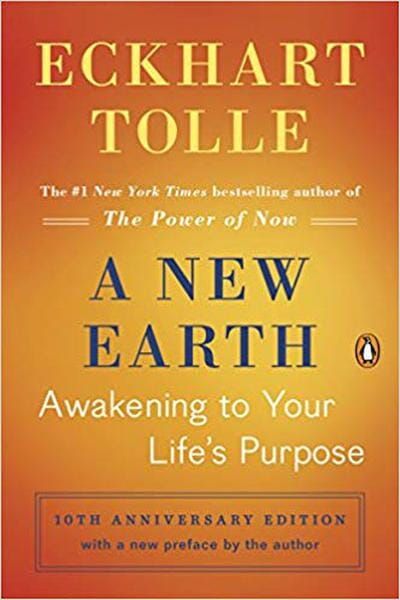
A New Earth Book Summary
In 'A New Earth,' Eckhart Tolle invites readers on a transformative journey toward spiritual awakening and consciousness. Through the exploration of the ego and its influence on personal suffering, he reveals how transcending this mental construct can unleash a more fulfilling existence. Tolle's teachings encourage readers to embrace the present moment and recognize the interconnectedness of all life. With profound insights and practical guidance, the book challenges conventional perceptions of self and reality. Are you ready to awaken to a new way of being that promises peace and purpose?
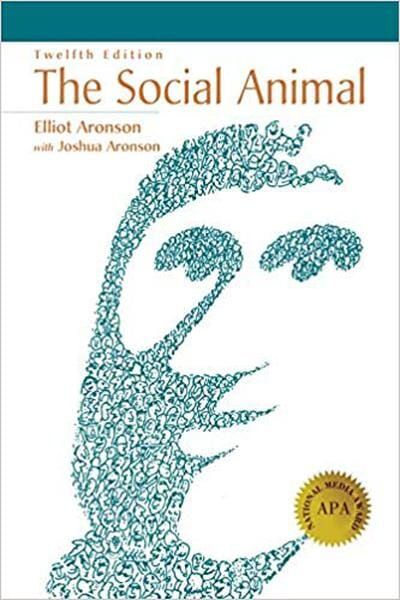
The Social Animal Book Summary
In 'The Social Animal', Joshua and Elliot Aronson explore the psychological and social forces shaping human behavior through rich anecdotes and groundbreaking research. The authors take readers on a journey through the intricacies of love, hate, and the powerful influence of social contexts on individual decisions. Juxtaposing captivating storytelling with scientific insights, they unravel the complexities of conformity, prejudice, and self-identity. This thought-provoking exploration challenges our understanding of what it means to be human in a social world. Prepare to question your beliefs and see the connections between psychology and everyday life like never before.
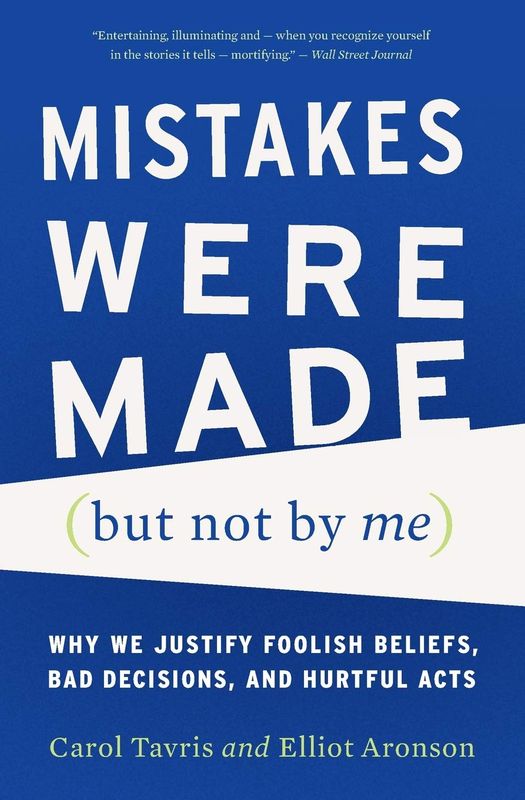
Mistakes Were Made (but Not by Me) Book Summary
In 'Mistakes Were Made (but Not by Me)', Carol Tavris and Elliot Aronson explore the psychological mechanisms of self-justification and the often-unconscious ways we avoid admitting our wrongs. With compelling examples from history, psychology, and personal anecdotes, the authors reveal why people, from individuals to large organizations, refuse to accept accountability. This thought-provoking book challenges readers to confront their own biases and the cognitive dissonance that influences decision-making. Will you choose to embrace the discomfort of acknowledging your mistakes? Dive into this enlightening read and discover the profound impact of accountability on personal growth and relationships.
Showing 8 of 27 similar books
Take your reading experience to the next level
Download our mobile app to enjoy your favorite books on the go. Get access to exclusive features, offline listening, and personalized recommendations.

Similar Book Recommendations →

Julian Shapiro's Book Recommendations
Julian Shapiro is a renowned writer and entrepreneur, acclaimed for his insightful essays on personal growth and marketing strategies. He is the author of "The Julian Shapiro Collection," a compilation of his most impactful writings that have garnered a wide readership online. Shapiro co-founded the growth marketing agency Bell Curve, where he has helped numerous startups achieve exponential growth. His work often blends practical advice with deep philosophical inquiries, making complex subjects accessible to a broad audience. Through his prolific writing and entrepreneurial ventures, Julian has become a key figure in the intersection of business and self-improvement literature.

Naval Ravikant's Book Recommendations
Naval Ravikant is an entrepreneur, angel investor, and philosopher, best known as the co-founder of AngelList, a platform that connects startups with investors. Ravikant is a prolific thinker and writer on topics such as startups, investing, and personal well-being, sharing his wisdom through essays, podcasts, and social media. He has invested in over 100 companies, including Uber, Twitter, and Yammer, making him one of Silicon Valley’s most successful angel investors. Ravikant is also known for his philosophical musings on wealth, happiness, and the meaning of life, which have garnered him a large and dedicated following.

Ray Dalio's Book Recommendations
Ray Dalio is the founder of Bridgewater Associates, one of the largest and most successful hedge funds in the world. He is also the author of the bestselling book Principles, where he outlines his philosophy on life, leadership, and investing. Ray is renowned for his unique approach to transparency, radical truth, and thoughtful disagreement within organizations. His insights into economics and investing have made him one of the most influential figures in the financial world. Dalio continues to be a thought leader in business, economics, and philanthropy.

Anna Kendrick's Book Recommendations
Anna Kendrick is an acclaimed actress and author, best known for her versatile performances in film and theater. She gained widespread recognition for her role in the "Twilight" series and earned an Academy Award nomination for her performance in "Up in the Air." In 2016, Kendrick expanded her creative repertoire by publishing her memoir, "Scrappy Little Nobody," which offers a candid, humorous look at her life and career. The book became a New York Times bestseller, showcasing her sharp wit and storytelling talent. Kendrick continues to influence both the entertainment and literary worlds with her engaging presence and authentic voice.

Audrey Gelman's Book Recommendations
Audrey Gelman is an American entrepreneur and writer, best known as the co-founder and former CEO of The Wing, a network of co-working spaces and social clubs designed for women. She has been recognized for her innovative approach to creating supportive environments for professional women, significantly impacting feminist discourse and workplace equality. Gelman has also contributed thought-provoking essays to prominent publications such as The New York Times and The New Yorker, where she discusses gender, politics, and culture. Her leadership at The Wing has been celebrated for fostering community and collaboration among women. Additionally, Gelman's influence extends to the political sphere, having previously worked as a press aide on several high-profile campaigns.

Morgan Housel's Book Recommendations
Morgan Housel is a financial writer and partner at The Collaborative Fund, best known for his book The Psychology of Money. His work explores the behavioral side of finance, emphasizing how emotions, history, and decision-making impact wealth-building. Housel’s writing is widely praised for being accessible, insightful, and engaging, making complex financial topics easier to understand. He contributes regularly to financial publications and speaks at conferences on the power of long-term thinking in finance. His book has become a modern classic in the personal finance genre.

Anya Taylor-Joy's Book Recommendations
Anya Taylor-Joy is an acclaimed actress known for her captivating performances in film and television. She gained widespread recognition for her role as Beth Harmon in the critically acclaimed Netflix series "The Queen's Gambit," which earned her a Golden Globe Award for Best Actress. Taylor-Joy has also starred in notable films such as "The Witch," "Split," and "Emma," showcasing her versatility and depth as an actress. In addition to her acting career, she has been praised for her contributions to promoting diverse and complex female characters in modern storytelling. Her work continues to inspire audiences and set a high standard in the entertainment industry.

Nat Eliason's Book Recommendations
Nat Eliason is an influential writer, entrepreneur, and educator known for his insightful work on personal growth, productivity, and digital marketing. He founded Growth Machine, a successful SEO and content marketing agency that has helped numerous companies expand their online presence. Eliason's thought-provoking articles on his blog cover a wide range of topics, from philosophy to health, attracting a large and engaged audience. Additionally, he authored "Effortless Output with Roam," a comprehensive guide on using the Roam Research tool for knowledge management. Through his diverse contributions, Eliason has established himself as a significant voice in the realms of self-improvement and digital strategy.
Showing 8 of 22 related collections
“"Understanding the complexities of human behavior requires not only scientific inquiry but also an appreciation of the diverse contexts in which individuals operate, reflecting the intricate tapestry of social existence."”
Handbook of Social Psychology, Volume 1
By Susan T. Fiske, Daniel T. Gilbert, Gardner Lindzey
Frequently Asked Questions
Explore Our Catalogue
Discover a world of knowledge through our extensive collection of book summaries.
Genres
Genres
Genres
Featured Collections
- Top Book Club Picks
- One-Stop Nutrition
- Summer Reads 2024
- Best Beach Reads 2024
- Work-Life Balance Guide
- Time Management
- Healthy Foods
- Entrepreneur Toolkit
- Mind & Body Wellness
- Future Tech Insights
- Leadership Essentials
- Financial Freedom
- Sci-Fi Masterpieces
- Parenting 101
- Books That Became Blockbusters
- Guide to a Healthy Pregnancy