How to Hide an Empire Book Summary
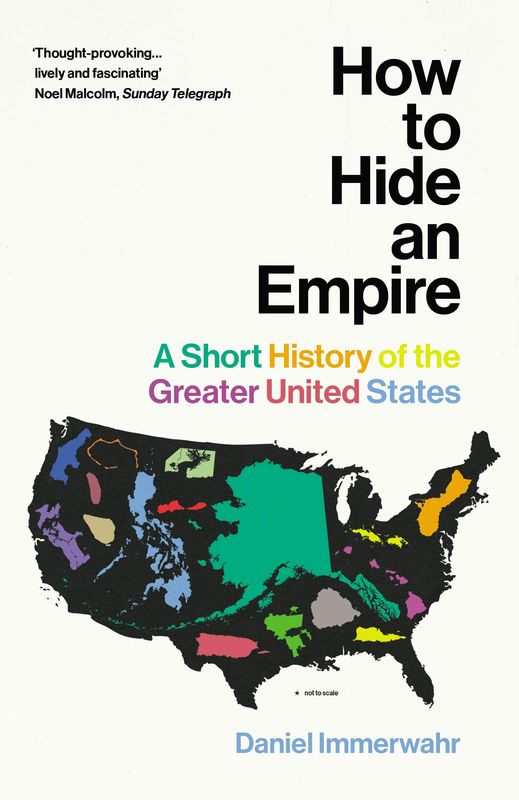
In 'How to Hide an Empire,' Daniel Immerwahr uncovers the hidden history of America's territorial expansions beyond the mainland, revealing a vast empire that often goes unnoticed. Through captivating stories and meticulous research, he examines how the U.S. governed its distant territories, challenging the reader's perception of American identity and influence. From the Philippines to Puerto Rico, Immerwahr explores the consequences of imperialism on both the colonies and the colonizers. This thought-provoking narrative forces us to reconsider the significance of these overlooked places in shaping modern America. What does it mean to be an empire, and how has the U.S. concealed its reach from the public eye?
By Daniel Immerwahr
Published: 2020
"The story of America is not just the land of the free but also the realms hidden from view—the territories and people that challenge the very notion of what it means to be an American."

Start Listening to Book Summary
Book Review of How to Hide an Empire
The result is a provocative and absorbing history of the United States' NEW YORK TIMES For a country that has always denied having dreams of empire, the United States owns a lot of overseas territory.
Book Overview of How to Hide an Empire
About the Book Author
Daniel Immerwahr
Daniel Immerwahr is an American historian and author known for his insightful scholarship on U.S. foreign policy and its global impact. His notable works include "How to Hide an Empire: A History of the Greater United States," which explores the United States' colonial history and the extent of its territories beyond the mainland, and "American Empire: A Global History," where he examines America's role in shaping global history. Immerwahr's writing style is characterized by its clarity, depth of research, and ability to weave complex historical narratives into accessible prose, making significant historical themes relatable to a broad audience.
Book Details
Key information about the book.
- Authors
- Daniel Immerwahr
- Published
- January 2020
- Publisher
- Arrow
- ISBN
- 1784703915
- Language
- English
- Pages
- N/A
- Genres
- HistoryGlobal ConflictPolitical HistoryPolitics and Current Affairs
Purchase Options
 Buy on Amazon
 Buy via BookShop
Support local bookstores: BookShop gives a portion of each sale to independent bookshops!
Similar books you might like →
Voices of a People's History of the United States, 10th Anniversary Edition Book Summary
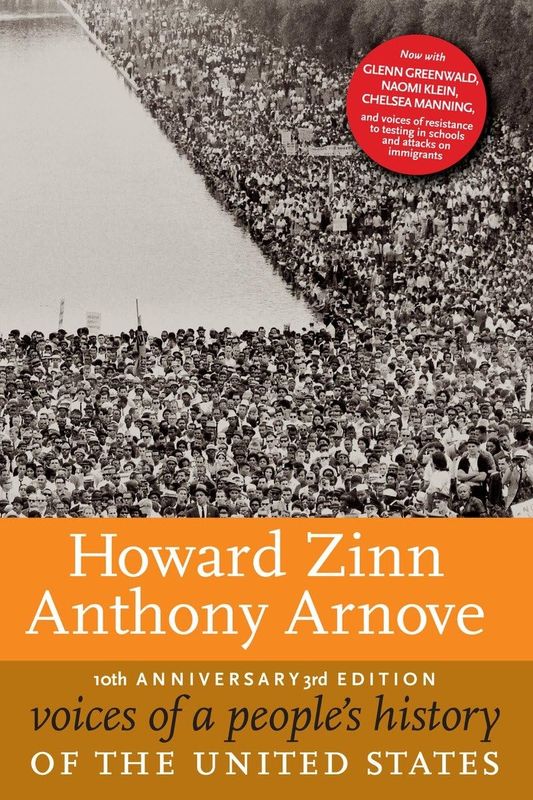
In 'Voices of a People's History of the United States,' Howard Zinn and Anthony Arnove present a powerful anthology that amplifies the voices often silenced in mainstream narratives. This 10th Anniversary Edition delves into the stories of marginalized communities, offering a profound insight into the struggles and triumphs of the American populace. Featuring riveting accounts from laborers, activists, and everyday citizens, the book challenges conventional historical perspectives. Each narrative serves as a reminder of the resilience of the human spirit and the continuous fight for justice. Discover the untold stories that shape the fabric of America and provoke thought about the narratives we accept.
Interventions Book Summary
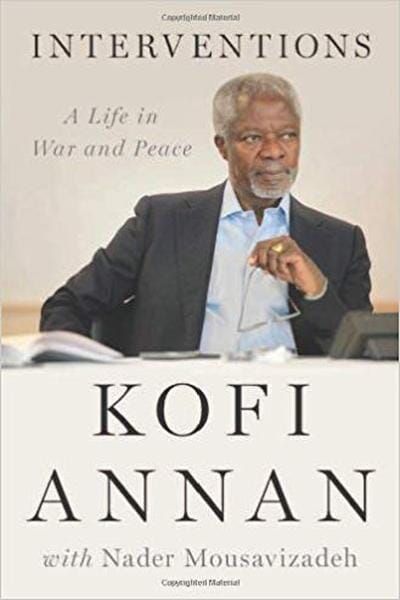
In 'Interventions,' Kofi Atta Annan shares riveting insights from his tenure as the UN Secretary-General, unraveling the complexities of global diplomacy and humanitarian crises. Co-authored by Nader Mousavizadeh, the book offers a candid exploration of critical international interventions in the realms of conflict, peacekeeping, and development. Annan's personal anecdotes and reflections challenge conventional narratives, inviting readers to ponder the moral dilemmas faced by world leaders. With a blend of personal and political history, the text reveals the intricate dance between power, responsibility, and human rights on the global stage. Prepare to be captivated by Annan's vision for a more just and united world.
Between Serb and Albanian Book Summary
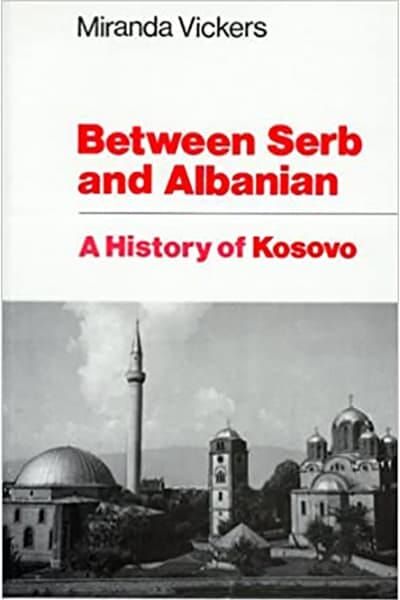
No summary available
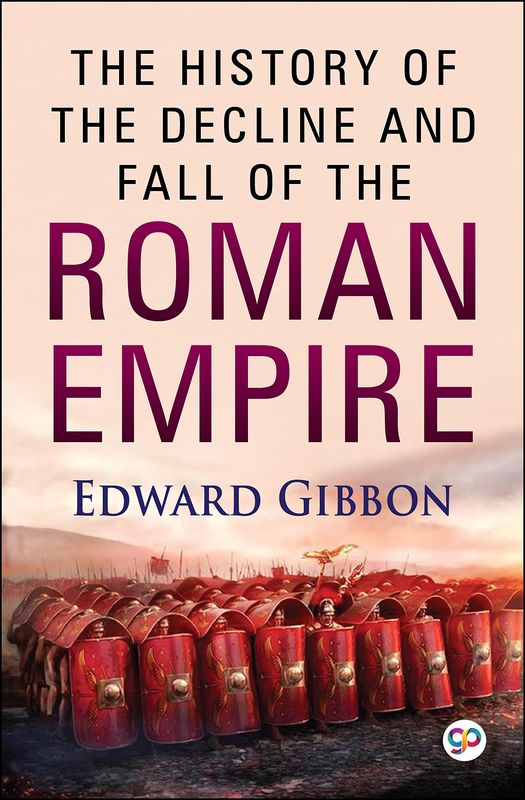
The History of the Decline & Fall of the Roman Empire Book Summary
In 'The History of the Decline & Fall of the Roman Empire,' Edward Gibbon meticulously chronicles the mighty empire's descent into chaos and obscurity. With eloquent prose, Gibbon unveils the interplay of political intrigue, moral decay, and military defeats that eroded Rome's power. His analysis does not merely recount events but delves into the philosophical implications of decline and the lessons for future societies. As empires rise and fall, engage with the timeless questions Gibbon poses about civilization itself. Dive into this monumental work to understand how history shapes our present and future.
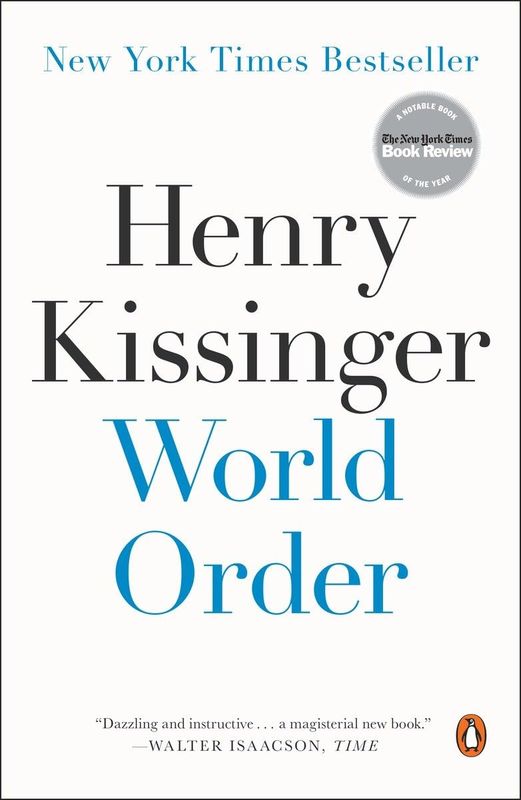
World Order Book Summary
In 'World Order', Henry Kissinger explores the historical, cultural, and political forces that shape the global balance of power. He analyzes the dynamics of various regions, from the Islamic world to Europe, revealing how their unique identities influence international relations. Kissinger delves into the concept of order itself, questioning what it means in an increasingly chaotic world. With his extensive experience in diplomacy, the author provides a poignant reflection on the future of global governance. Will history repeat itself, or can we forge a new path toward stability?
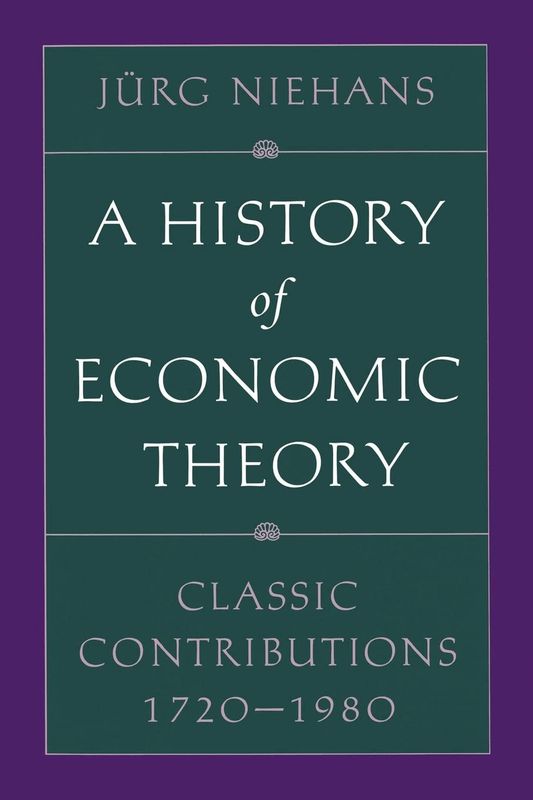
A History of Economic Theory Book Summary
In 'A History of Economic Theory', Jürg Niehans takes readers on a captivating journey through the evolution of economic thought. From ancient philosophies to contemporary paradigms, the book unravels how ideas have shaped economic practices across cultures and eras. With each chapter, Niehans reveals the intellectual battles and breakthroughs that have defined the discipline. Rich in historical context, this work challenges readers to consider the relevance of past theories in today's economy. Dive into this scholarly adventure and discover how the past continually influences our understanding of wealth and value.
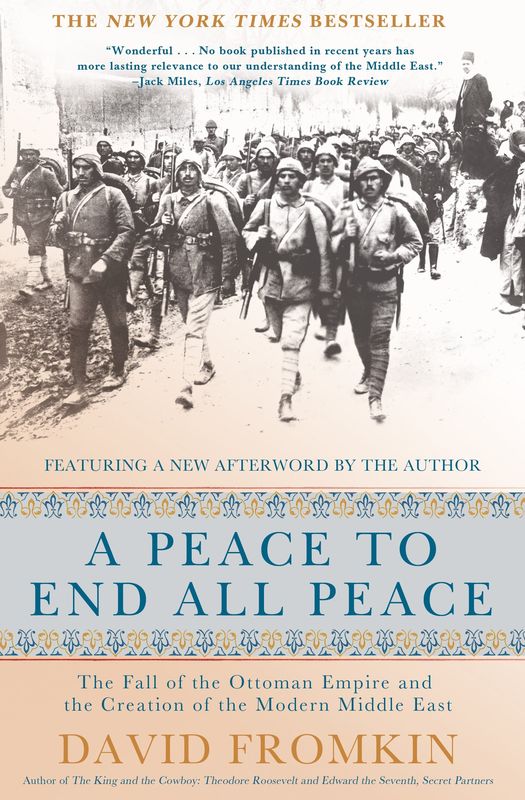
A Peace to End All Peace Book Summary
In 'A Peace to End All Peace', David Fromkin unravels the intricate web of events that led to the creation of the modern Middle East after World War I. With compelling narratives, Fromkin reveals how the decisions made by imperial powers set the stage for decades of conflict. This historical analysis not only highlights the reckless diplomacy of the time but also exposes the enduring consequences of these choices on today's geopolitical landscape. As tensions rise in the region, the book prompts readers to ponder: can any lasting peace ever truly emerge from such a fractured legacy? Dive into this thought-provoking exploration of history, power, and the quest for stability in a tumultuous world.
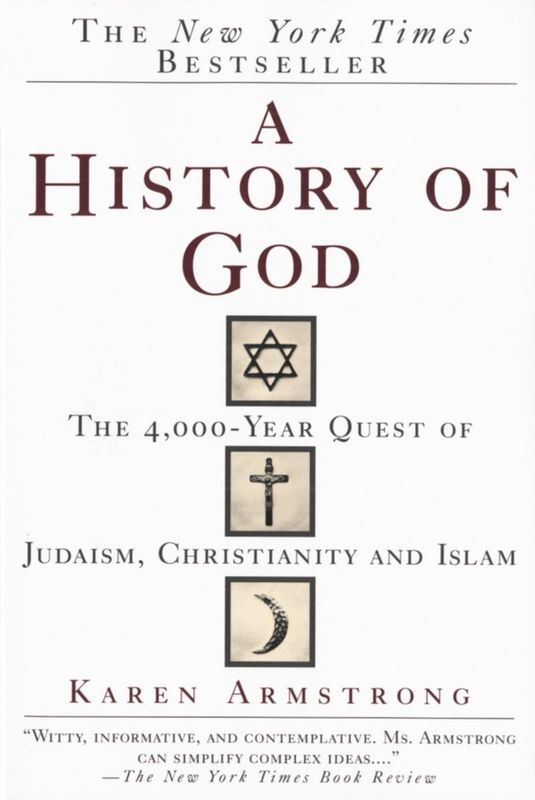
A History of God Book Summary
In 'A History of God', Karen Armstrong embarks on a fascinating journey through the evolution of the concept of God from ancient times to the modern era. She explores how various religions—Judaism, Christianity, and Islam—have shaped humanity's understanding of the divine, revealing the complexities and contradictions in these beliefs. Highlighting the influence of culture, politics, and philosophy, Armstrong invites readers to reconsider their perceptions of faith and spirituality. This thought-provoking narrative raises profound questions about the nature of belief and the future of religious thought. Are we on the brink of a new understanding of God, or are we simply repeating history?
Showing 8 of 20 similar books
Take your reading experience to the next level
Download our mobile app to enjoy your favorite books on the go. Get access to exclusive features, offline listening, and personalized recommendations.

Similar Book Recommendations →

Jon Hamm's Book Recommendations
Jon Hamm is an American actor best known for his role as Don Draper in the critically acclaimed television series "Mad Men," which aired from 2007 to 2015. While Hamm's achievements are primarily in acting, his portrayal of the complex, enigmatic ad executive has been lauded for its depth and nuance, significantly impacting television storytelling. His performance earned him numerous awards, including a Golden Globe and an Emmy. Beyond "Mad Men," Hamm has appeared in various films and TV shows, showcasing his versatility across genres. Though not primarily a literary figure, his work has influenced contemporary narratives and character development in modern media.

Bill Gates's Book Recommendations
Bill Gates, co-founder of Microsoft Corporation, is a pioneering figure in the tech industry, having played a key role in the personal computer revolution. His work at Microsoft, particularly the development of Windows, transformed software and computing globally. Beyond his technology contributions, Gates is also a prolific author, with notable works such as "The Road Ahead" and "Business @ the Speed of Thought," which offer insights into the future of technology and business. Additionally, his philanthropic efforts through the Bill & Melinda Gates Foundation have had a profound impact on global health, education, and poverty. Gates continues to influence both technology and literature with his forward-thinking perspectives and innovative ideas.

Bob Iger's Book Recommendations
Bob Iger is an American business executive and the former CEO of The Walt Disney Company, where he led the company through a period of unprecedented growth and innovation. Under Iger’s leadership, Disney acquired major brands like Pixar, Marvel, Lucasfilm, and 21st Century Fox, expanding its portfolio and creating one of the largest entertainment empires in the world. Iger is also credited with launching the Disney+ streaming service, which has become a key player in the digital entertainment space. His leadership style is known for its focus on creativity, long-term vision, and strategic acquisitions. Iger’s tenure at Disney solidified his reputation as one of the most successful and influential media executives.

Alfred Lin's Book Recommendations
Alfred Lin is a venture capitalist and partner at Sequoia Capital, where he focuses on investments in consumer internet, enterprise, and mobile companies. Lin is known for his early investments in companies like Airbnb and DoorDash, helping them grow into major global brands. Before joining Sequoia, Lin was an executive at Zappos, where he worked closely with CEO Tony Hsieh to develop the company’s innovative culture and customer service model. Lin’s expertise in scaling businesses and his strategic vision have made him one of the most respected venture capitalists in Silicon Valley.

Adam Grant's Book Recommendations
Adam Grant is a renowned organizational psychologist and bestselling author, celebrated for his influential work on motivation and workplace dynamics. He is a professor at the Wharton School of the University of Pennsylvania, where he has been the youngest tenured professor and earned numerous teaching awards. Grant's books, including "Give and Take," "Originals," and "Think Again," have been translated into multiple languages and have topped bestseller lists worldwide. His research and insights are frequently featured in major media outlets, and he hosts the popular podcast "WorkLife." Through his writing and speaking, Grant has profoundly impacted the fields of psychology, business, and education.
“The story of America is not just the land of the free but also the realms hidden from view—the territories and people that challenge the very notion of what it means to be an American.”
How to Hide an Empire
By Daniel Immerwahr
Frequently Asked Questions
Explore Our Catalogue
Discover a world of knowledge through our extensive collection of book summaries.
Genres
Genres
Genres
Featured Collections
- Top Book Club Picks
- One-Stop Nutrition
- Summer Reads 2024
- Best Beach Reads 2024
- Work-Life Balance Guide
- Time Management
- Healthy Foods
- Entrepreneur Toolkit
- Mind & Body Wellness
- Future Tech Insights
- Leadership Essentials
- Financial Freedom
- Sci-Fi Masterpieces
- Parenting 101
- Books That Became Blockbusters
- Guide to a Healthy Pregnancy