World Order Book Summary
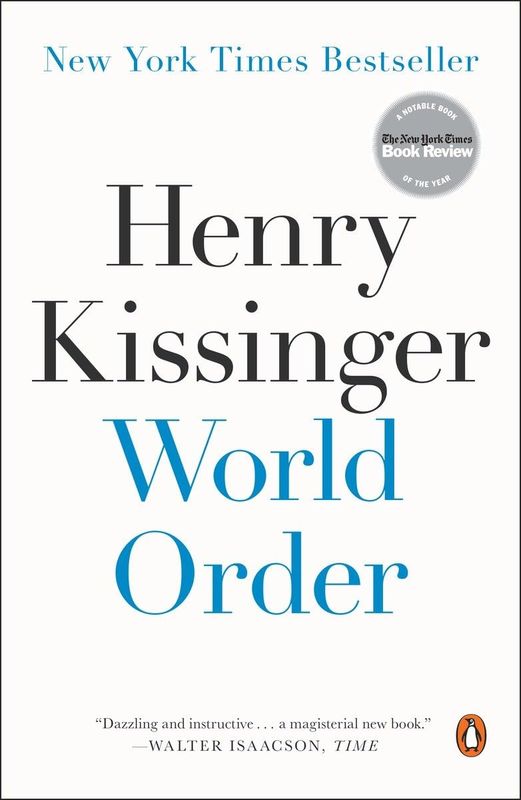
In 'World Order', Henry Kissinger explores the historical, cultural, and political forces that shape the global balance of power. He analyzes the dynamics of various regions, from the Islamic world to Europe, revealing how their unique identities influence international relations. Kissinger delves into the concept of order itself, questioning what it means in an increasingly chaotic world. With his extensive experience in diplomacy, the author provides a poignant reflection on the future of global governance. Will history repeat itself, or can we forge a new path toward stability?
By Henry Kissinger
Published: NaN
""In a world intertwined by global forces, the quest for order remains an enduring struggle, reflecting the complexities of human nature and the aspirations of nations to secure their place in history.""

Start Listening to Book Summary
Book Review of World Order
a conviction that has guided its policies ever since. Now international affairs take place on a global basis, and these historical concepts of world order are meeting. Every region participates in questions of high policy in every other, often instantaneously. Yet there is no consensus among the major actors about the rules and limits guiding this process, or its ultimate destination. The result is mounting tension. Grounded in Kissinger's deep study of history and his experience as National Security Advisor and Secretary of State, World Order guides readers through crucial episodes in recent world history. Kissinger offers a unique glimpse into the inner deliberations of the Nixon administration's negotiations with Hanoi over the end of the Vietnam War, as well as Ronald Reagan's tense debates with Soviet Premier Gorbachev in Reykjavík.
Book Overview of World Order
About the Book Author
Henry Kissinger
Henry Kissinger is an acclaimed American diplomat, geopolitical theorist, and author, known for his influential role in United States foreign policy during the Nixon and Ford administrations. He served as National Security Advisor and Secretary of State, playing a pivotal role in shaping international relations in the 20th century. Kissinger's notable works include 'Diplomacy,' 'On China,' and 'World Order,' where he combines historical analysis with his firsthand experiences in diplomacy. His writing style is characterized by a deep understanding of complex geopolitical dynamics, blending scholarly research with personal insights.
Book Details
Key information about the book.
- Authors
- Henry Kissinger
- Published
- N/A
- Publisher
- Penguin Books
- ISBN
- 0143127713
- Language
- English
- Pages
- 434
- Genres
- Global ConflictPolitical HistoryInternational RelationsPolitics and Current Affairs
Purchase Options
 Buy on Amazon
 Buy via BookShop
Support local bookstores: BookShop gives a portion of each sale to independent bookshops!
Similar books you might like →
Arguing about War Book Summary
In 'Arguing about War,' Michael Walzer delves into the ethical complexities surrounding conflict and warfare, challenging traditional justifications for war. Through thought-provoking analysis and compelling historical examples, he questions whether moral principles can truly be upheld in the chaos of battle. Walzer invites readers to ponder the weight of political responsibility and the consequences of intervention. His exploration of just war theory ignites debate on the morality of military action, making us confront uncomfortable truths about human nature. Engage with this critical discourse and discover how morality and war intersect in ways that will reshape your understanding of global conflicts.

The Making of the Arab-Israeli Conflict, 1947-1951 Book Summary
In 'The Making of the Arab-Israeli Conflict, 1947-1951,' Ilan Pappé unravels the complex genesis of one of the most enduring conflicts in modern history. With meticulous research, he delves into the political machinations and social dynamics that shaped the landscape of the Middle East during this tumultuous period. Pappé challenges prevailing narratives, revealing the often overlooked perspectives of both Arabs and Israelis. As tensions escalated into open conflict, the author highlights the human cost of political decisions and the enduring implications for the region. This compelling exploration invites readers to reconsider the origins of a conflict that continues to define global politics today.
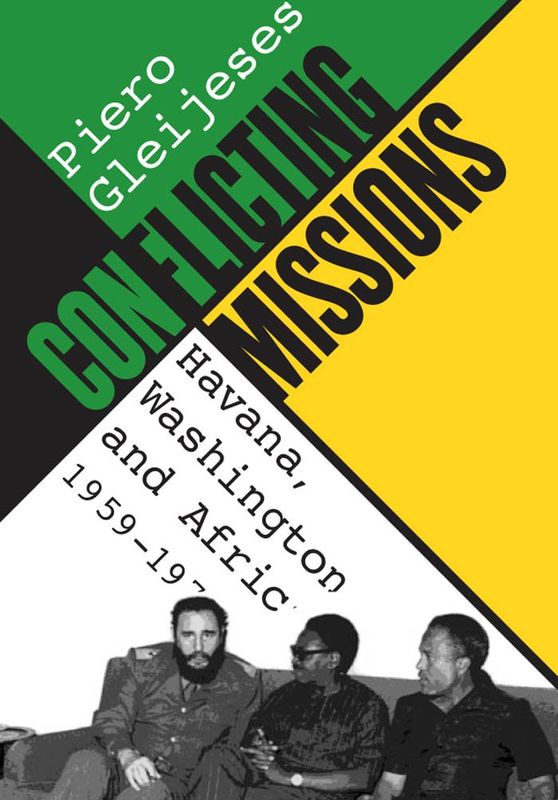
Conflicting Missions Book Summary
'Conflicting Missions' by Piero Gleijeses unravels the intricate and often turbulent relationship between the United States and Cuba during the Cold War. Through meticulous research and engaging narratives, Gleijeses highlights the clash of ideologies and ambitions that shaped the destinies of both nations. Readers are drawn into the drama of diplomatic efforts and military maneuvers that unfolded behind the scenes. This exploration of history not only sheds light on a pivotal era but also provokes questions about loyalty, power, and the nature of conflict. Dive into a compelling tale that reveals how miscalculations can lead to profound consequences on the global stage.
The Long Peace Book Summary
In 'The Long Peace,' historian John Lewis Gaddis examines the unprecedented stability of the post-World War II era, delving into the geopolitical dynamics that have shaped international relations. With a focus on the interplay between military power and diplomatic negotiations, Gaddis challenges readers to rethink traditional narratives of conflict and resolution. He explores how the balance of power and nuclear deterrence have played crucial roles in maintaining peace among nuclear-armed states. This thought-provoking analysis not only sheds light on the past but also poses critical questions about the future of global peace. Prepare to be captivated by Gaddis's insights as he unravels the complexities of a remarkably long-lasting tranquility.

The Age Of Terror Book Summary
In 'The Age of Terror,' Strobe Talbott and Nayan Chanda explore the evolving landscape of global conflict in the post-9/11 era. The authors delve into how terrorism has reshaped international relations and domestic policies, urging readers to reassess their understanding of security and freedom. With gripping anecdotes and comprehensive analysis, the book unveils the intricate web connecting political power, societal fears, and the relentless threat of terror. As they expose the complex motivations behind terrorist actions, Talbott and Chanda challenge the notion of strict dichotomies between good and evil. This thought-provoking work leaves readers pondering: How do we navigate a world rife with uncertainty and shadows of violence?
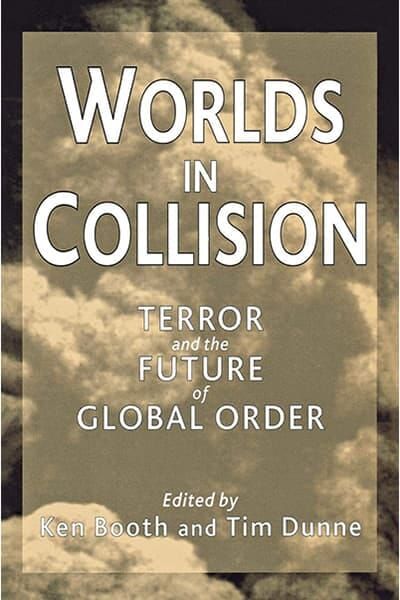
Worlds in Collision Book Summary
In 'Worlds in Collision', authors Ken Booth and T. Dunne explore the intense dynamics of global politics and security in a changing world. They unravel the complex interplay of power, culture, and technology, revealing how nations collide in unforeseen ways. Delving into historical conflicts and contemporary challenges, the book critiques traditional theories while proposing innovative perspectives. As tensions rise and alliances shift, readers are left questioning the very foundations of international relations. This thought-provoking analysis invites you to rethink what it means to coexist in a world marked by chaos and interconnectedness.
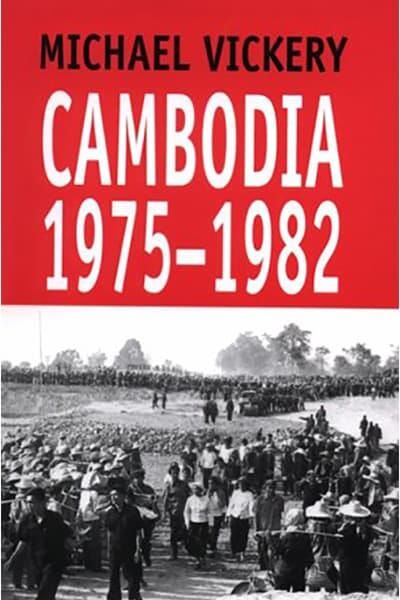
Cambodia, 1975-1982 Book Summary
In 'Cambodia, 1975-1982', Michael Vickery unveils the harrowing realities of life under the Khmer Rouge regime. Through meticulous research and compelling narratives, he reveals the profound impacts of war and genocide on Cambodian society. Readers are taken deep into the struggles of survival, resistance, and the haunting memories that persist long after the violence subsides. Vickery's work challenges prevailing historical narratives, urging us to confront uncomfortable truths. This powerful account is not just a history lesson; it's a poignant reminder of resilience and the human spirit in the face of unimaginable adversity.
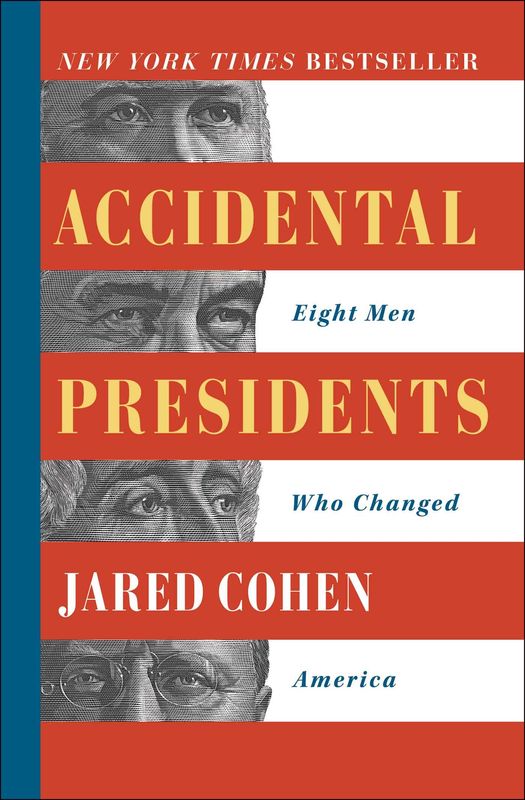
Accidental Presidents Book Summary
In 'Accidental Presidents', Jared Cohen explores the unexpected rise of U.S. leaders who ascended to the presidency by chance rather than through traditional paths. From political mishaps to sudden deaths, these leaders had to navigate unique challenges that transformed their presidencies and the nation. Cohen delves into their distinct personalities and pivotal moments, revealing how fortune and fate can shape history. This compelling narrative raises questions about leadership, legacy, and the unpredictability of political power. Discover how chance encounters led to monumental changes and what this means for the future of American leadership.
Showing 8 of 29 similar books
Take your reading experience to the next level
Download our mobile app to enjoy your favorite books on the go. Get access to exclusive features, offline listening, and personalized recommendations.

Similar Book Recommendations →

Brandon Stanton's Book Recommendations
Brandon Stanton is an American photographer and author, best known for creating Humans of New York, a photography project that shares the personal stories of everyday people. Through his portraits and interviews, Stanton captures the diverse experiences of people in New York City and around the world, offering intimate insights into their lives. Humans of New York has become a global phenomenon, with millions of followers on social media and several best-selling books. Stanton’s work has expanded beyond photography to include fundraising campaigns that have raised millions of dollars for individuals and charitable causes. His ability to connect with people and share their stories has made him one of the most impactful storytellers of his generation.
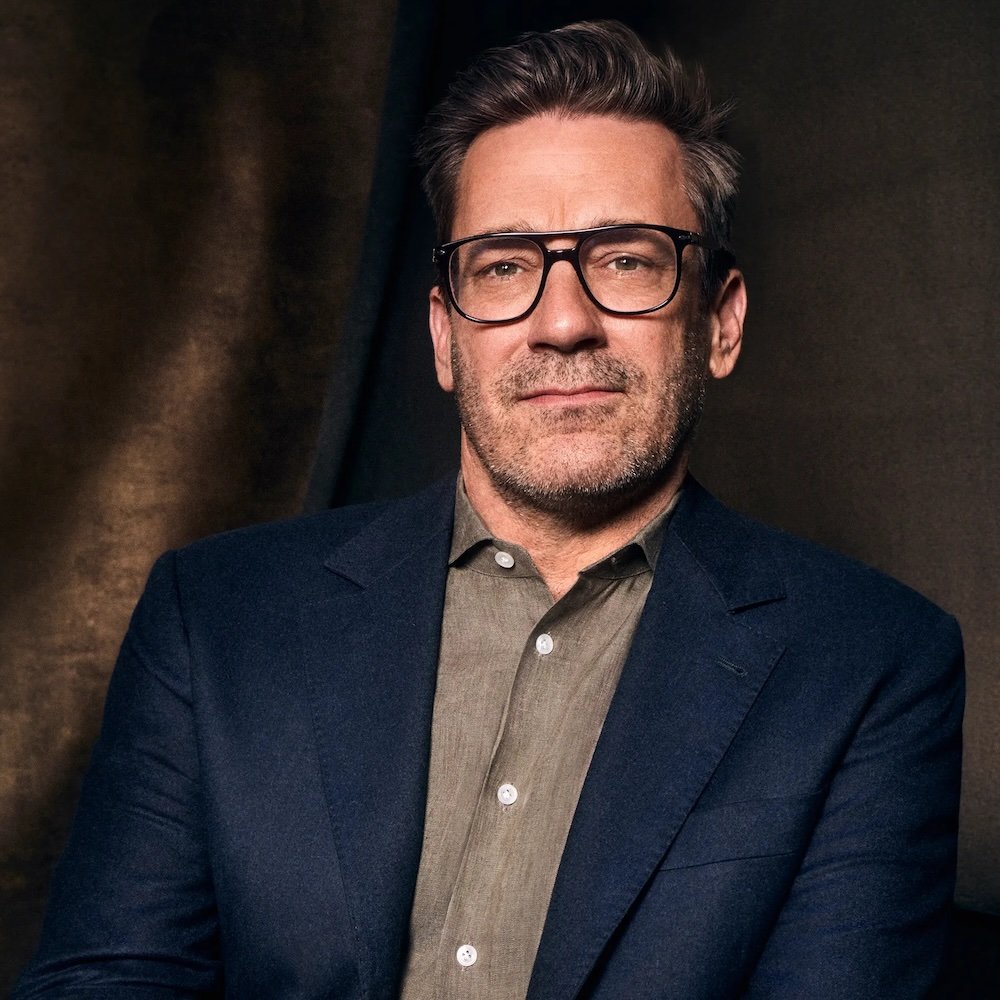
Jon Hamm's Book Recommendations
Jon Hamm is an American actor best known for his role as Don Draper in the critically acclaimed television series "Mad Men," which aired from 2007 to 2015. While Hamm's achievements are primarily in acting, his portrayal of the complex, enigmatic ad executive has been lauded for its depth and nuance, significantly impacting television storytelling. His performance earned him numerous awards, including a Golden Globe and an Emmy. Beyond "Mad Men," Hamm has appeared in various films and TV shows, showcasing his versatility across genres. Though not primarily a literary figure, his work has influenced contemporary narratives and character development in modern media.

Joe Rogan's Book Recommendations
Joe Rogan is a multifaceted American entertainer known primarily for his work as a comedian, podcast host, and commentator. He gained widespread recognition through his immensely popular podcast, "The Joe Rogan Experience," which has featured in-depth conversations with a diverse array of guests, including scientists, celebrities, and politicians. Though not primarily known for literature, Rogan has contributed to the field with his thought-provoking discussions that often explore philosophical and intellectual ideas. Additionally, he has authored the book "Mastering the Rubber Guard," which delves into Brazilian Jiu-Jitsu techniques, showcasing his expertise in martial arts. Rogan's influence extends beyond traditional media, impacting contemporary discourse through his unique blend of humor, curiosity, and critical thinking.

Patrick Collison's Book Recommendations
Patrick Collison is an Irish entrepreneur and co-founder of Stripe, a global technology company that enables businesses to accept online payments. Along with his brother John, Patrick has transformed Stripe into one of the most valuable private tech companies in the world. Stripe’s innovative approach to online payments has made it a key player in the financial technology space. Collison is known for his deep interest in science, technology, and policy, often engaging in conversations about innovation, progress, and how to improve societal outcomes. He is an advocate for scientific advancement and the intersection of technology and public policy.
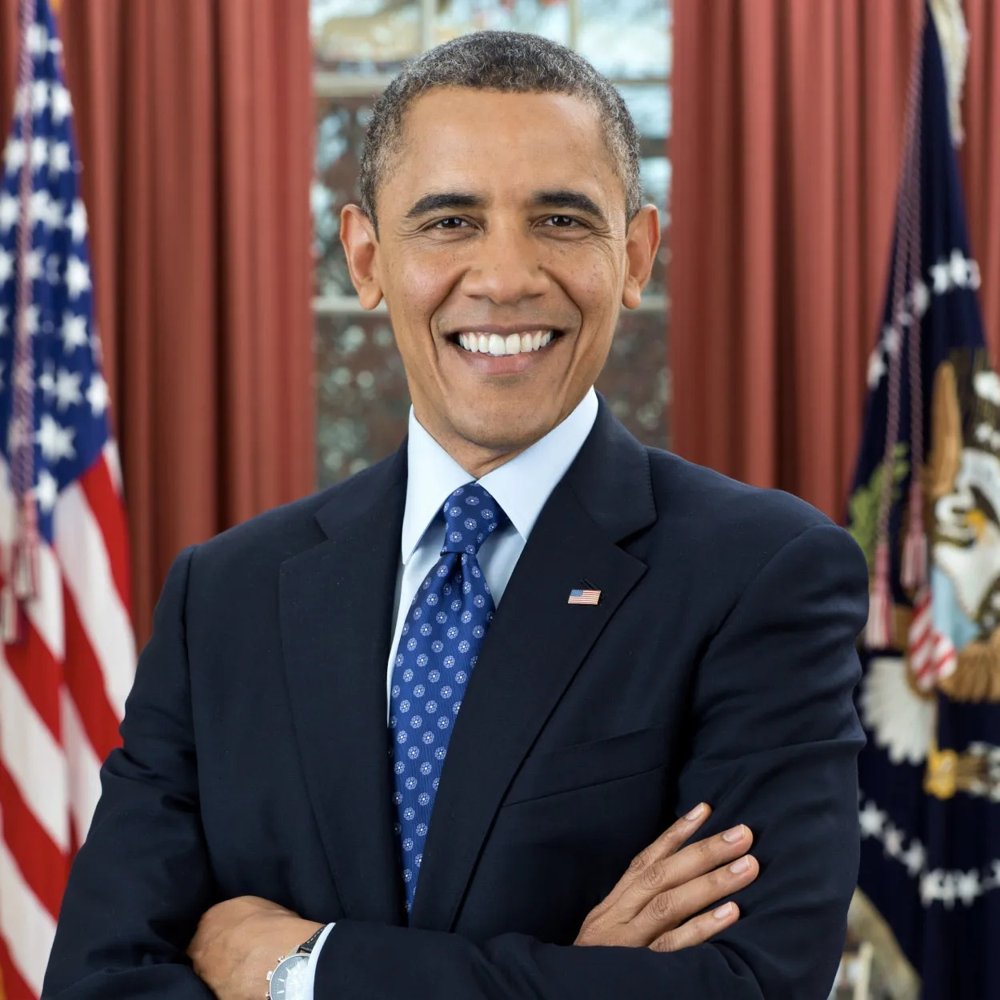
Barack Obama's Book Recommendations
Barack Obama is the 44th President of the United States, serving from 2009 to 2017. As the first African American president, Obama’s leadership marked a historic moment in American history. His administration focused on healthcare reform, economic recovery from the Great Recession, and environmental policies. He is best known for the Affordable Care Act, as well as his efforts to expand civil rights and restore diplomatic relations with Cuba. Since leaving office, Obama has continued to engage in public life through his foundation, focusing on leadership development, civic engagement, and global issues.
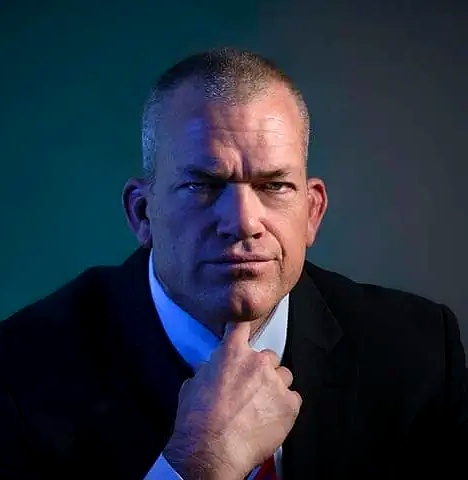
Jocko Willink's Book Recommendations
Jocko Willink is a retired Navy SEAL officer, renowned for his leadership during the Battle of Ramadi in the Iraq War, which earned him the Silver Star and Bronze Star. Transitioning from military service, he co-authored the best-selling book "Extreme Ownership: How U.S. Navy SEALs Lead and Win" with fellow SEAL Leif Babin, which has become a cornerstone in leadership and management literature. Willink has also written the "Way of the Warrior Kid" series, aimed at empowering young readers with principles of discipline and resilience. Additionally, he hosts the popular "Jocko Podcast," where he discusses leadership, discipline, and personal development. Willink's influence extends beyond literature through his Echelon Front leadership consultancy, helping organizations implement effective leadership strategies.
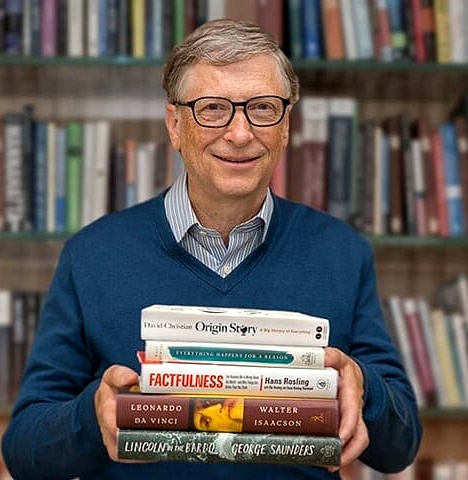
Bill Gates's Book Recommendations
Bill Gates, co-founder of Microsoft Corporation, is a pioneering figure in the tech industry, having played a key role in the personal computer revolution. His work at Microsoft, particularly the development of Windows, transformed software and computing globally. Beyond his technology contributions, Gates is also a prolific author, with notable works such as "The Road Ahead" and "Business @ the Speed of Thought," which offer insights into the future of technology and business. Additionally, his philanthropic efforts through the Bill & Melinda Gates Foundation have had a profound impact on global health, education, and poverty. Gates continues to influence both technology and literature with his forward-thinking perspectives and innovative ideas.
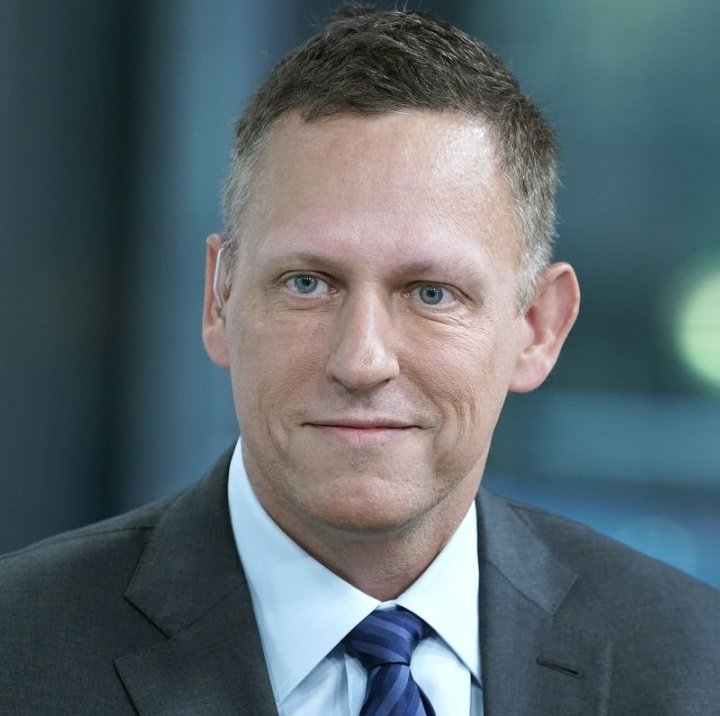
Peter Thiel's Book Recommendations
Peter Thiel is a renowned entrepreneur, venture capitalist, and author best known for co-founding PayPal and Palantir Technologies. He played a pivotal role in the early growth of Facebook as its first outside investor. Thiel's literary contributions include his influential book "Zero to One: Notes on Startups, or How to Build the Future," which offers insights into innovation, entrepreneurship, and the future of technology. A prominent figure in Silicon Valley, he has significantly impacted the tech industry's landscape through his investments and thought leadership. Thiel's work continues to inspire entrepreneurs and innovators around the world.
Showing 8 of 19 related collections
“"In a world intertwined by global forces, the quest for order remains an enduring struggle, reflecting the complexities of human nature and the aspirations of nations to secure their place in history."”
World Order
By Henry Kissinger
Frequently Asked Questions
Explore Our Catalogue
Discover a world of knowledge through our extensive collection of book summaries.
Genres
Genres
Genres
Featured Collections
- Top Book Club Picks
- One-Stop Nutrition
- Summer Reads 2024
- Best Beach Reads 2024
- Work-Life Balance Guide
- Time Management
- Healthy Foods
- Entrepreneur Toolkit
- Mind & Body Wellness
- Future Tech Insights
- Leadership Essentials
- Financial Freedom
- Sci-Fi Masterpieces
- Parenting 101
- Books That Became Blockbusters
- Guide to a Healthy Pregnancy