The Making of the Arab-Israeli Conflict, 1947-1951 Book Summary
In 'The Making of the Arab-Israeli Conflict, 1947-1951,' Ilan Pappé unravels the complex genesis of one of the most enduring conflicts in modern history. With meticulous research, he delves into the political machinations and social dynamics that shaped the landscape of the Middle East during this tumultuous period. Pappé challenges prevailing narratives, revealing the often overlooked perspectives of both Arabs and Israelis. As tensions escalated into open conflict, the author highlights the human cost of political decisions and the enduring implications for the region. This compelling exploration invites readers to reconsider the origins of a conflict that continues to define global politics today.
By Ilan Pappé
Published: 2014
"In the intricate tapestry of history, the threads of grievance and aspiration weave a narrative that defines the present as much as it did the past."


Start Listening to Book Summary
Book Review of The Making of the Arab-Israeli Conflict, 1947-1951
Describes the first Arab-Israeli war of 1948 in different ways. This book integrates archival material with the findings of scholarship to present the reader with a comprehensive and general history of the origins and consequences of the 1948 war.
Book Overview of The Making of the Arab-Israeli Conflict, 1947-1951
About the Book Author
Ilan Pappé
Ilan Pappé is a prominent Israeli historian and author known for his critical views on the Israeli-Palestinian conflict. He is a professor at the University of Exeter and has published extensively on the history of Israel and Palestine, focusing on issues of colonialism and nationalism. Pappé's notable works include "The Ethnic Cleansing of Palestine," "A History of Modern Palestine: One Land, Two Peoples," and "The Idea of Israel: A History of Power and Knowledge." His writing style is characterized by a rigorous scholarly approach combined with a compelling narrative that seeks to unveil overlooked and suppressed historical narratives.
Book Details
Key information about the book.
- Authors
- Ilan Pappé
- Published
- December 2014
- Publisher
- I.B. Tauris
- ISBN
- 1780764928
- Language
- English
- Pages
- 352
- Genres
- Global ConflictPolitical HistoryInternational RelationsPolitics and Current Affairs
Purchase Options
 Buy on Amazon
 Buy via BookShop
Support local bookstores: BookShop gives a portion of each sale to independent bookshops!
Similar books you might like →
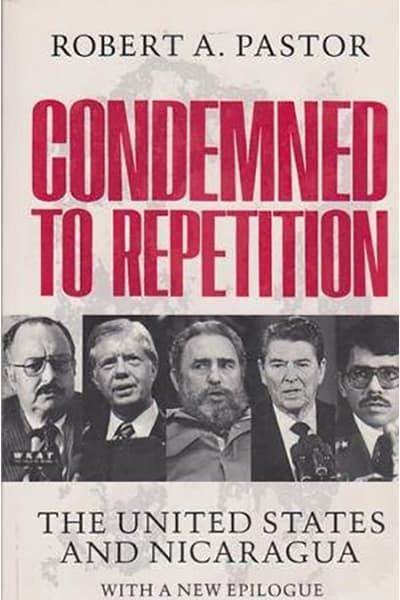
Condemned to Repetition Book Summary
In 'Condemned to Repetition,' Robert A. Pastor explores the intricate web of U.S.-Latin American relations, unveiling a pattern of historical interventions that continues to shape modern dynamics. With a keen eye for detail, Pastor argues that past mistakes are often repeated, compelling readers to reflect on the cyclical nature of diplomacy. Through vivid storytelling and critical analysis, he reveals how these actions have led to disenchantment and unrest in the region. This thought-provoking work encourages a reevaluation of foreign policy and its far-reaching impacts. Will the U.S. break the cycle of repetition, or is it doomed to repeat its history?
Arguing about War Book Summary
In 'Arguing about War,' Michael Walzer delves into the ethical complexities surrounding conflict and warfare, challenging traditional justifications for war. Through thought-provoking analysis and compelling historical examples, he questions whether moral principles can truly be upheld in the chaos of battle. Walzer invites readers to ponder the weight of political responsibility and the consequences of intervention. His exploration of just war theory ignites debate on the morality of military action, making us confront uncomfortable truths about human nature. Engage with this critical discourse and discover how morality and war intersect in ways that will reshape your understanding of global conflicts.
Selling Free Enterprise Book Summary
In 'Selling Free Enterprise,' Elizabeth A. Fones-Wolf uncovers the compelling narrative behind the promotion of free enterprise in America. Through a detailed exploration of advertising, media, and public relations, she reveals how the concept of free enterprise became ingrained in the American psyche. The book challenges readers to consider the powerful forces that shape economic ideals and societal values. Fones-Wolf's meticulous research highlights the intersection of capitalism and culture, posing critical questions about freedom and market values. This thought-provoking work invites readers to reflect on the implications of selling not just products, but a way of life.
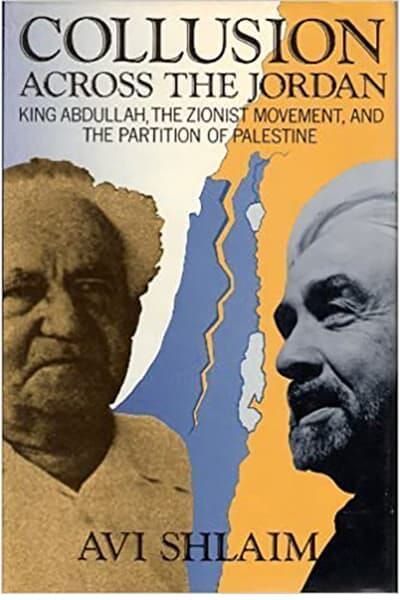
Collusion Across the Jordan Book Summary
In 'Collusion Across the Jordan,' Avi Shlaim unveils the intricate and often hidden relationships between Israel and Jordan during pivotal moments in Middle Eastern history. Through meticulous research and compelling storytelling, he reveals how political maneuvering and shared interests have shaped the narratives of both nations. The book challenges conventional wisdom and encourages readers to reconsider the complexities of Arab-Israeli relations. Shlaim's insights highlight the impact of diplomacy and secret agreements that influenced the region's fate. Prepare for a journey that intertwines history, politics, and the human spirit in ways that will leave you questioning the very foundations of contemporary geopolitics.
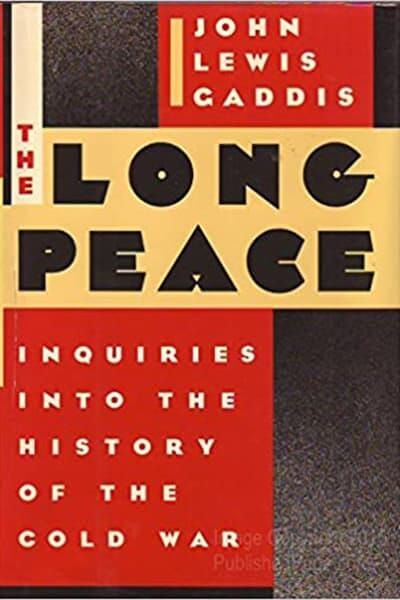
The Long Peace Book Summary
In 'The Long Peace,' historian John Lewis Gaddis examines the unprecedented stability of the post-World War II era, delving into the geopolitical dynamics that have shaped international relations. With a focus on the interplay between military power and diplomatic negotiations, Gaddis challenges readers to rethink traditional narratives of conflict and resolution. He explores how the balance of power and nuclear deterrence have played crucial roles in maintaining peace among nuclear-armed states. This thought-provoking analysis not only sheds light on the past but also poses critical questions about the future of global peace. Prepare to be captivated by Gaddis's insights as he unravels the complexities of a remarkably long-lasting tranquility.
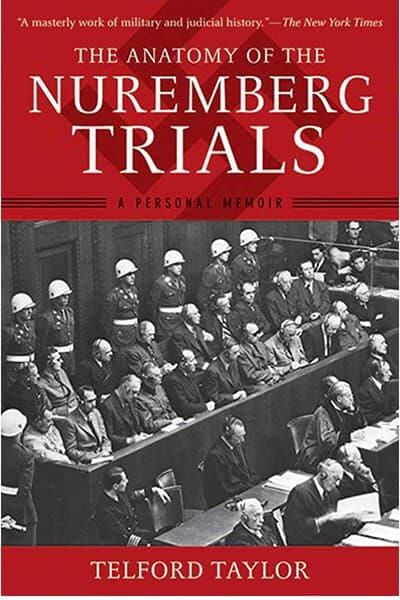
The Anatomy of the Nuremberg Trials Book Summary
In 'The Anatomy of the Nuremberg Trials', Telford Taylor offers a gripping account of the landmark proceedings that sought to bring Nazi war criminals to justice. With meticulous research and firsthand insights, he reveals the complexities and moral dilemmas faced by the tribunal. Taylor uncovers the profound implications of the trials on international law and human rights. As both a participant and a historian, his unique perspective sheds light on the often-overlooked challenges of legal accountability after atrocities. This compelling narrative invites readers to ponder the legacy of justice in a world plagued by unresolved conflicts.
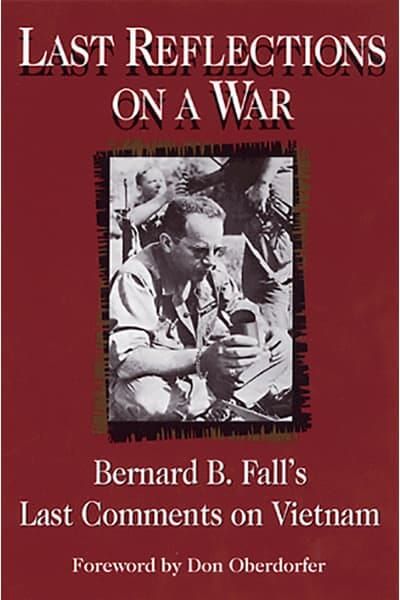
Last Reflections on a War Book Summary
In 'Last Reflections on a War', Bernard B. Fall offers a haunting and poignant examination of the Vietnam War, weaving together personal insights and profound observations. Drawing on his experiences as a war correspondent, Fall sheds light on the complexities of conflict and the human cost it entails. He challenges the narratives often presented about the war, urging readers to confront the harsh realities faced by soldiers and civilians alike. With a blend of historical analysis and personal anecdotes, this work leaves a lasting impression on the moral implications of warfare. Fall's reflections prompt us to consider the true meaning of victory and loss in the timeless struggle for peace.
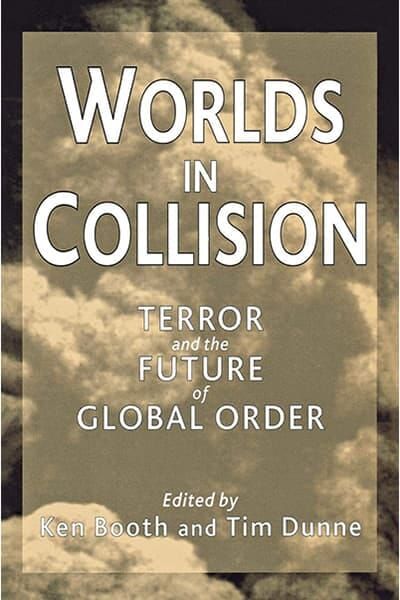
Worlds in Collision Book Summary
In 'Worlds in Collision', authors Ken Booth and T. Dunne explore the intense dynamics of global politics and security in a changing world. They unravel the complex interplay of power, culture, and technology, revealing how nations collide in unforeseen ways. Delving into historical conflicts and contemporary challenges, the book critiques traditional theories while proposing innovative perspectives. As tensions rise and alliances shift, readers are left questioning the very foundations of international relations. This thought-provoking analysis invites you to rethink what it means to coexist in a world marked by chaos and interconnectedness.
Showing 8 of 29 similar books
Take your reading experience to the next level
Download our mobile app to enjoy your favorite books on the go. Get access to exclusive features, offline listening, and personalized recommendations.

Similar Book Recommendations →

Jon Hamm's Book Recommendations
Jon Hamm is an American actor best known for his role as Don Draper in the critically acclaimed television series "Mad Men," which aired from 2007 to 2015. While Hamm's achievements are primarily in acting, his portrayal of the complex, enigmatic ad executive has been lauded for its depth and nuance, significantly impacting television storytelling. His performance earned him numerous awards, including a Golden Globe and an Emmy. Beyond "Mad Men," Hamm has appeared in various films and TV shows, showcasing his versatility across genres. Though not primarily a literary figure, his work has influenced contemporary narratives and character development in modern media.
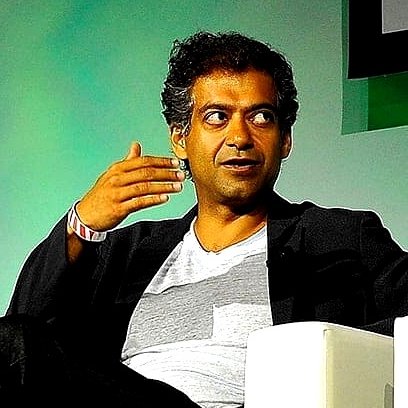
Naval Ravikant's Book Recommendations
Naval Ravikant is an entrepreneur, angel investor, and philosopher, best known as the co-founder of AngelList, a platform that connects startups with investors. Ravikant is a prolific thinker and writer on topics such as startups, investing, and personal well-being, sharing his wisdom through essays, podcasts, and social media. He has invested in over 100 companies, including Uber, Twitter, and Yammer, making him one of Silicon Valley’s most successful angel investors. Ravikant is also known for his philosophical musings on wealth, happiness, and the meaning of life, which have garnered him a large and dedicated following.

Ezra Klein's Book Recommendations
Ezra Klein is a prominent American journalist, political analyst, and author, renowned for his incisive commentary on politics and policy. He co-founded Vox, a widely respected news website known for its explanatory journalism, and served as its editor-in-chief. Klein's work includes the critically acclaimed book "Why We're Polarized," which delves into the deep-seated divisions in American politics. He also hosts "The Ezra Klein Show," a popular podcast where he interviews thought leaders from various fields. Klein's contributions have significantly shaped contemporary political discourse and media consumption.

Alex Honnold's Book Recommendations
Alex Honnold is an American professional rock climber, best known for his free solo ascent of El Capitan in Yosemite National Park, a feat that was documented in the Oscar-winning film Free Solo. Honnold is renowned for his mental toughness, technical skill, and ability to climb without ropes or safety equipment. His accomplishments have made him a legend in the climbing world, and he continues to push the boundaries of the sport. Outside of climbing, Honnold is a philanthropist, founding the Honnold Foundation, which supports environmental sustainability projects, particularly in solar energy.

Reid Hoffman's Book Recommendations
Reid Hoffman is an influential American entrepreneur, venture capitalist, and author, best known as the co-founder of LinkedIn, the professional networking platform that transformed online professional interactions. Hoffman has significantly impacted the business world through his investments in notable tech companies like Airbnb, Facebook, and Zynga. As an author, he has co-written several acclaimed books, including "The Start-Up of You" and "Blitzscaling," which provide strategic insights into career development and business growth. His works are celebrated for their practical advice and have become essential reading for aspiring entrepreneurs and business leaders. Hoffman's contributions extend beyond his literary efforts, as he remains a prominent figure in Silicon Valley, shaping the future of technology and innovation.
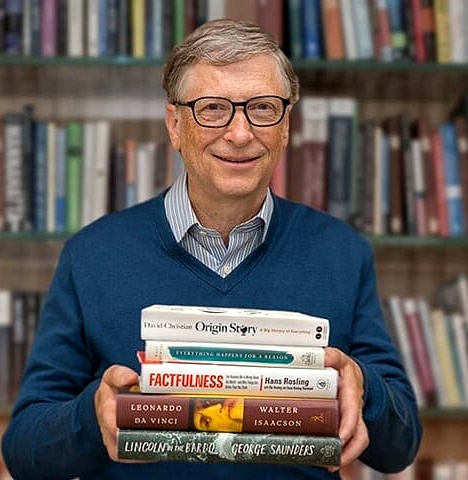
Bill Gates's Book Recommendations
Bill Gates, co-founder of Microsoft Corporation, is a pioneering figure in the tech industry, having played a key role in the personal computer revolution. His work at Microsoft, particularly the development of Windows, transformed software and computing globally. Beyond his technology contributions, Gates is also a prolific author, with notable works such as "The Road Ahead" and "Business @ the Speed of Thought," which offer insights into the future of technology and business. Additionally, his philanthropic efforts through the Bill & Melinda Gates Foundation have had a profound impact on global health, education, and poverty. Gates continues to influence both technology and literature with his forward-thinking perspectives and innovative ideas.

Peter Thiel's Book Recommendations
Peter Thiel is a renowned entrepreneur, venture capitalist, and author best known for co-founding PayPal and Palantir Technologies. He played a pivotal role in the early growth of Facebook as its first outside investor. Thiel's literary contributions include his influential book "Zero to One: Notes on Startups, or How to Build the Future," which offers insights into innovation, entrepreneurship, and the future of technology. A prominent figure in Silicon Valley, he has significantly impacted the tech industry's landscape through his investments and thought leadership. Thiel's work continues to inspire entrepreneurs and innovators around the world.
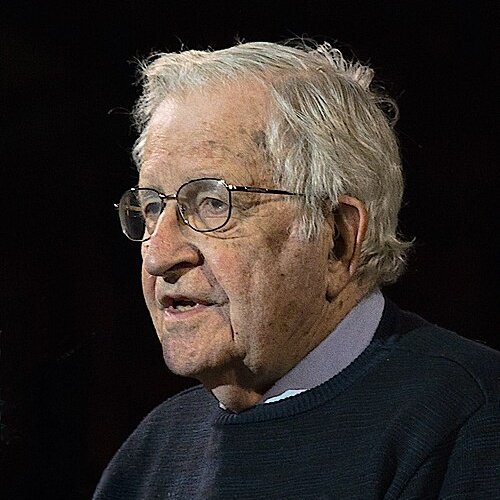
Noam Chomsky's Book Recommendations
Noam Chomsky, born December 7, 1928, is an influential American linguist, philosopher, cognitive scientist, historian, and social critic. He revolutionized the field of linguistics with his theory of generative grammar, particularly through his seminal work, "Syntactic Structures" (1957). Chomsky's contributions extend beyond linguistics to political activism, where he is known for his critiques of U.S. foreign policy and media, encapsulated in works like "Manufacturing Consent" (1988). As a professor emeritus at MIT, his interdisciplinary approach has significantly impacted cognitive science, philosophy of language, and political thought. Chomsky remains a prolific author and speaker, continuing to shape academic and public discourses.
Showing 8 of 15 related collections
“In the intricate tapestry of history, the threads of grievance and aspiration weave a narrative that defines the present as much as it did the past.”
The Making of the Arab-Israeli Conflict, 1947-1951
By Ilan Pappé
Frequently Asked Questions
Explore Our Catalogue
Discover a world of knowledge through our extensive collection of book summaries.
Genres
Genres
Genres
Featured Collections
- Top Book Club Picks
- One-Stop Nutrition
- Summer Reads 2024
- Best Beach Reads 2024
- Work-Life Balance Guide
- Time Management
- Healthy Foods
- Entrepreneur Toolkit
- Mind & Body Wellness
- Future Tech Insights
- Leadership Essentials
- Financial Freedom
- Sci-Fi Masterpieces
- Parenting 101
- Books That Became Blockbusters
- Guide to a Healthy Pregnancy