How We Decide Book Summary
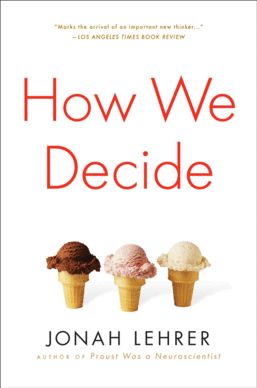
In 'How We Decide,' Jonah Lehrer explores the intricate science behind our decision-making processes, blending psychology, neuroscience, and real-life examples. He reveals the surprising interplay between emotion and reason, challenging the traditional belief that logical thinking is paramount. Through engaging anecdotes, Lehrer uncovers how our subconscious influences choices in ways we often overlook. The book invites readers to reconsider the dynamics of their own decisions and the factors that shape them. Ultimately, it poses a tantalizing question: are we truly in control of our choices?
By Jonah Lehrer
Published: 2009
"The best decisions aren’t made by the prefrontal cortex. They aren’t made with careful deliberation and logical calculations. They are made unexpectedly, often in the blink of an eye, when we follow our intuition."

Start Listening to Book Summary
Book Review of How We Decide
The first book to use the unexpected discoveries of neuroscience to help us make the best decisions Since Plato, philosophers have described the decision-making process as either rational or emotional: we carefully deliberate, or we "blink" and go with our gut. But as scientists break open the mind's black box with the latest tools of neuroscience, they're discovering that this is not how the mind works. Our best decisions are a finely tuned blend of both feeling and reason--and the precise mix depends on the situation. When buying a house, for example, it's best to let our unconscious mull over the many variables. But when we're picking a stock, intuition often leads us astray. The trick is to determine when to use the different parts of the brain, and to do this, we need to think harder (and smarter) about how we think. Jonah Lehrer arms us with the tools we need, drawing on cutting-edge research as well as the real-world experiences of a wide range of "deciders"--from airplane pilots and hedge fund investors to serial killers and poker players. Lehrer shows how people are taking advantage of the new science to make better television shows, win more football games, and improve military intelligence. His goal is to answer two questions that are of interest to just about anyone, from CEOs to firefighters: How does the human mind make decisions? And how can we make those decisions better?
Book Overview of How We Decide
About the Book Author
Jonah Lehrer
Jonah Lehrer is an acclaimed author and journalist known for his insightful explorations of science, creativity, and the human mind. He gained significant attention with his best-selling books, including 'Proust Was a Neuroscientist', which blends literature with neuroscience, and 'How We Decide', where he examines the intricacies of decision-making. Lehrer is recognized for his clear and engaging writing style that makes complex scientific concepts accessible to a broad audience. Additionally, his work has appeared in prestigious publications such as The New Yorker and Wired, further establishing him as a prominent voice in the intersection of science and culture.
Book Details
Key information about the book.
- Authors
- Jonah Lehrer
- Published
- January 2009
- Publisher
- Houghton Mifflin Harcourt
- ISBN
- 0618620117
- Language
- English
- Pages
- 321
- Genres
- Cognitive PsychologyBehavioral PsychologyPsychology
Purchase Options
 Buy on Amazon
 Buy via BookShop
Support local bookstores: BookShop gives a portion of each sale to independent bookshops!
Similar books you might like →
The Psychology of Money Book Summary
In "The Psychology of Money," Morgan Housel unravels the complex relationship between our emotions and financial decisions. Through captivating anecdotes and profound insights, he reveals that wealth isn't just about numbers, but about behavior and mindset. The book challenges conventional wisdom, urging readers to understand the subtle psychological forces that influence our spending and saving habits. Housel's reflections highlight the power of patience, humility, and a long-term perspective in building true financial success. Prepare to rethink everything you thought you knew about money and its role in your life!
Nudge Book Summary
In "Nudge," behavioral economists Richard Thaler and Cass Sunstein unveil the subtle art of influencing choices and shaping outcomes without restricting freedom. They explore how small, seemingly insignificant changes in the way options are presented can lead to drastically improved decisions in health, finance, and overall happiness. With compelling real-world examples and engaging insights, the authors demonstrate how understanding human psychology can empower individuals and policymakers alike. Dive into a world where choice architecture transforms lives and reshapes society's approach to welfare. Discover the hidden nudges that could change everything about the way we choose!
The Man Who Knew Infinity Book Summary
In "The Man Who Knew Infinity," delve into the extraordinary life of mathematician Srinivasa Ramanujan, whose groundbreaking theories defied convention and challenged the mathematical elite. Born in colonial India with no formal training, Ramanujan's sheer brilliance captures the attention of British mathematician G.H. Hardy, leading to an unlikely partnership that transcends cultural barriers. As their collaboration unfolds, witness the clash of genius and tradition, illuminating the profound struggles of a man driven by an insatiable need to understand the universe. This tale of ambition, friendship, and the relentless pursuit of knowledge is both inspiring and poignant, inviting readers to contemplate the true nature of genius. Explore how one man's unwavering belief in his own vision reshapes mathematics and redefines the boundaries of possibility.
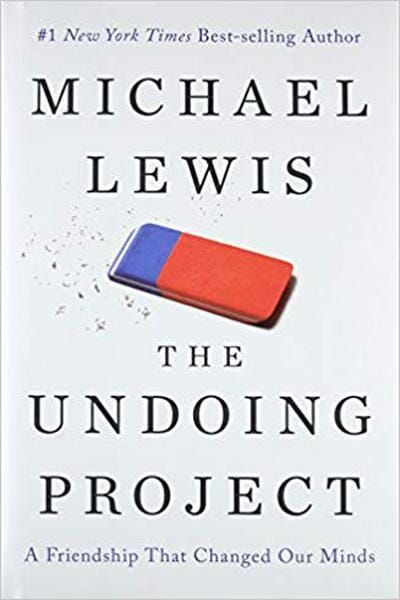
The Undoing Project Book Summary
In 'The Undoing Project', Michael Lewis explores the groundbreaking collaboration between two Israeli psychologists, Daniel Kahneman and Amos Tversky, whose revolutionary theories on decision-making changed our understanding of human rationality. Their research reveals the cognitive biases that influence our choices, often leading us astray in unexpected ways. Through compelling anecdotes and vivid storytelling, Lewis uncovers how their work not only transformed psychology but also impacted economics, medicine, and public policy. As their friendship deepens amid professional triumphs and personal struggles, the book delves into the complexities of the human mind and the power of perspective. Will their insights lead to a newfound awareness of our own thought processes? Discover the fascinating tale behind the science of thinking.

Mr Harrison's Confessions Book Summary
In "Mr Harrison's Confessions," Elizabeth Gaskell weaves a tale of love, deceit, and redemption through the eyes of a troubled clergyman. Mr. Harrison grapples with his moral dilemmas and the consequences of his secret affections, leading to a profound exploration of human emotion and social constraints in Victorian England. As he navigates the complexities of his relationships, the story unveils the clash between societal expectations and personal desires. Gaskell's rich character development invites readers to ponder the nuanced motivations behind each character's actions. Will Mr. Harrison find peace and forgiveness in a world where confessions hold the key to salvation?
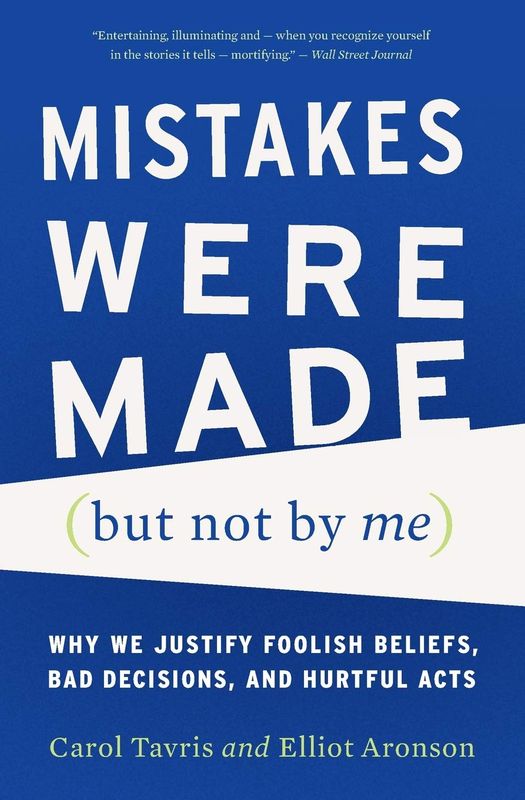
Mistakes Were Made (but Not by Me) Book Summary
In 'Mistakes Were Made (but Not by Me)', Carol Tavris and Elliot Aronson explore the psychological mechanisms of self-justification and the often-unconscious ways we avoid admitting our wrongs. With compelling examples from history, psychology, and personal anecdotes, the authors reveal why people, from individuals to large organizations, refuse to accept accountability. This thought-provoking book challenges readers to confront their own biases and the cognitive dissonance that influences decision-making. Will you choose to embrace the discomfort of acknowledging your mistakes? Dive into this enlightening read and discover the profound impact of accountability on personal growth and relationships.
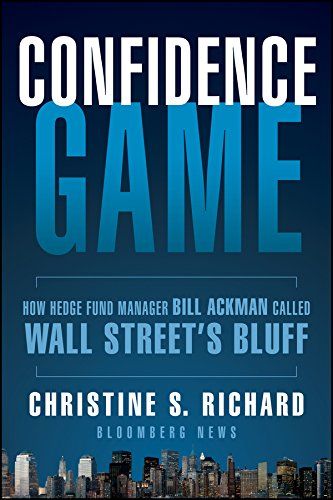
Confidence Game Book Summary
In 'Confidence Game', Christine S. Richard explores the intricate world of con artists and the psychology behind their manipulative tactics. Through gripping narratives and real-life examples, she unveils how trust can be both a weapon and a tool for deception. The book dives deep into the profiles of scammers and the unsuspecting victims who fall prey to their schemes. As Richard distinguishes between genuine confidence and deceitful charm, readers are left questioning their own perceptions of trust. This thrilling exploration of manipulation will make you rethink the nature of confidence itself.
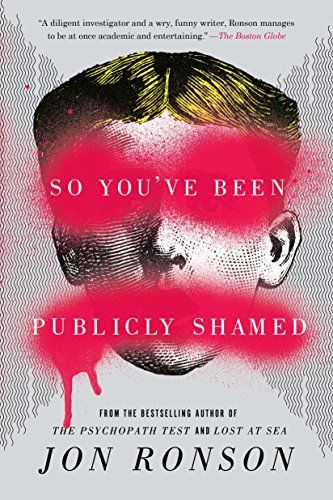
So You've Been Publicly Shamed Book Summary
In 'So You've Been Publicly Shamed,' Jon Ronson explores the unsettling phenomenon of public shaming in the age of social media. Through compelling stories of individuals who have experienced viral outrage, he sheds light on the mob mentality that can arise online. Ronson delves into the personal impacts of these shaming events, revealing how they can lead to profound consequences for those involved. As he examines the morality and psychology behind this modern form of punishment, readers are prompted to question the boundaries of accountability and justice. Can society find a way to hold individuals accountable without resorting to humiliation?
Showing 8 of 23 similar books
Take your reading experience to the next level
Download our mobile app to enjoy your favorite books on the go. Get access to exclusive features, offline listening, and personalized recommendations.

Similar Book Recommendations →
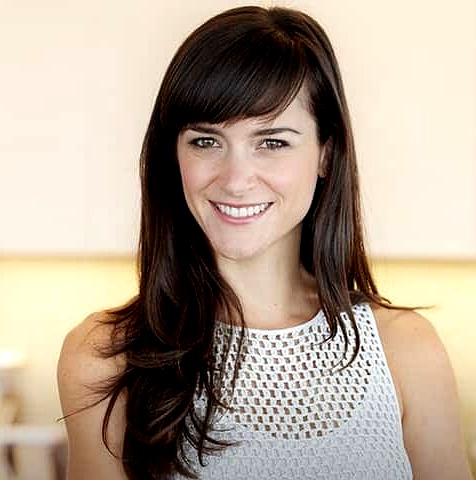
Darya Rose's Book Recommendations
Darya Rose is a celebrated author and neuroscientist known for her influential work in the field of nutrition and healthy living. She gained widespread acclaim for her book *Foodist: Using Real Food and Real Science to Lose Weight Without Dieting*, which offers a science-based approach to weight management and healthy eating. Rose holds a Ph.D. in neuroscience from the University of California, San Francisco, which lends credibility to her evidence-based recommendations. In addition to her writing, she is the creator of the popular blog Summer Tomato, where she shares insights on food, health, and lifestyle. Rose's work has inspired many to adopt more mindful and sustainable eating habits, making a significant impact on the wellness community.
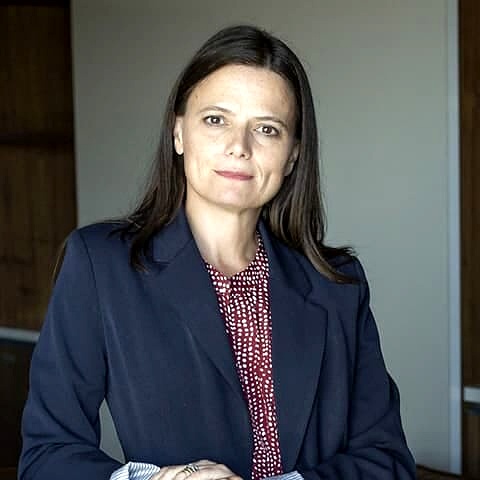
Amy Hood's Book Recommendations
Amy Hood is the Chief Financial Officer (CFO) of Microsoft, responsible for leading the company’s worldwide financial operations, including accounting, strategic planning, and treasury. Hood joined Microsoft in 2002 and became CFO in 2013, making her one of the most powerful women in tech. She has been a driving force behind Microsoft’s shift to cloud computing, helping to grow its Azure and Office 365 businesses, which have been key to the company's recent financial success. Hood is known for her analytical rigor and strategic thinking, often credited with streamlining operations and boosting profitability during her tenure. She has also played a critical role in Microsoft’s acquisitions, including LinkedIn and GitHub, further expanding the company’s portfolio. Hood is a vocal advocate for diversity and inclusion in the workplace, championing efforts to create a more equitable environment within Microsoft. Her leadership has earned her recognition as one of the most influential executives in the tech industry.

Anna Kendrick's Book Recommendations
Anna Kendrick is an acclaimed actress and author, best known for her versatile performances in film and theater. She gained widespread recognition for her role in the "Twilight" series and earned an Academy Award nomination for her performance in "Up in the Air." In 2016, Kendrick expanded her creative repertoire by publishing her memoir, "Scrappy Little Nobody," which offers a candid, humorous look at her life and career. The book became a New York Times bestseller, showcasing her sharp wit and storytelling talent. Kendrick continues to influence both the entertainment and literary worlds with her engaging presence and authentic voice.
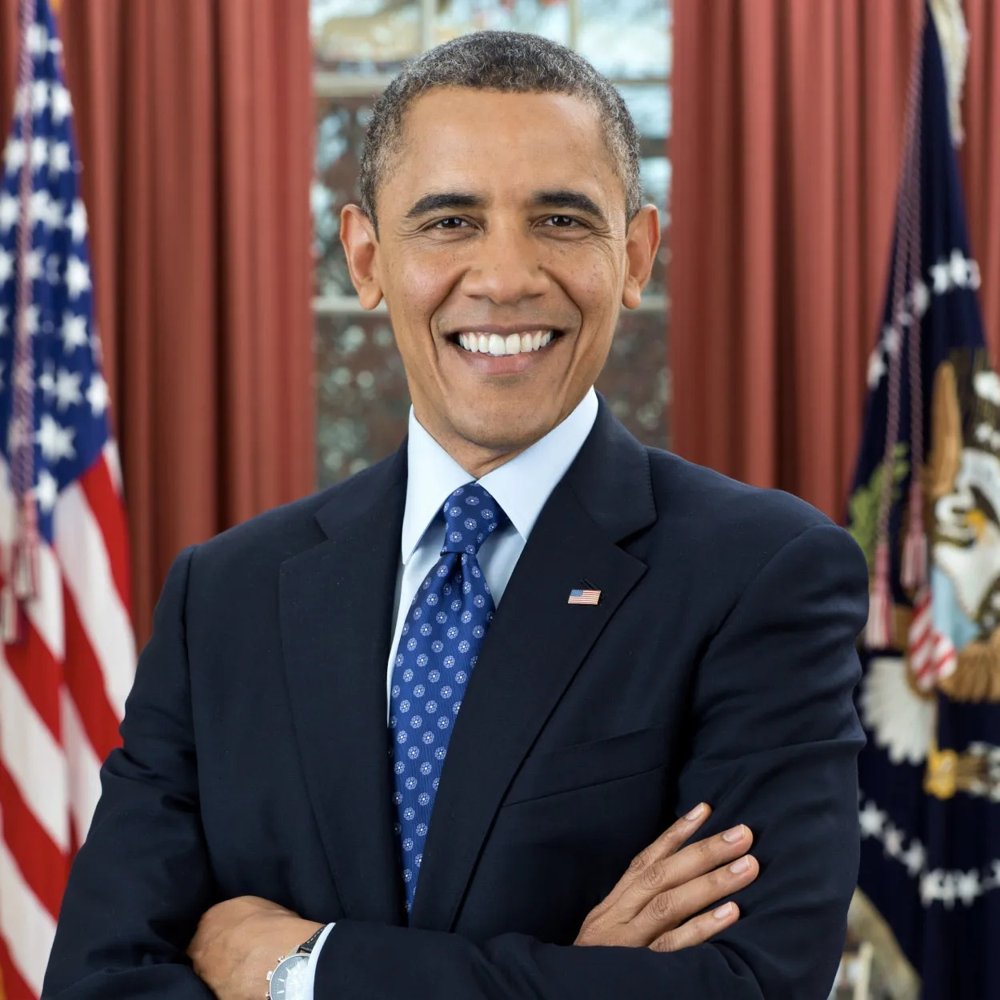
Barack Obama's Book Recommendations
Barack Obama is the 44th President of the United States, serving from 2009 to 2017. As the first African American president, Obama’s leadership marked a historic moment in American history. His administration focused on healthcare reform, economic recovery from the Great Recession, and environmental policies. He is best known for the Affordable Care Act, as well as his efforts to expand civil rights and restore diplomatic relations with Cuba. Since leaving office, Obama has continued to engage in public life through his foundation, focusing on leadership development, civic engagement, and global issues.

Andrew Wilkinson's Book Recommendations
Andrew Wilkinson is a distinguished author and entrepreneur, best known for his insightful business writings and contributions to the tech industry. He co-founded MetaLab, a prominent design agency that has shaped the user experience of major platforms like Slack and Coinbase. Wilkinson's entrepreneurial journey and his publications provide valuable perspectives on startup culture, innovation, and leadership. His writing, often featured in leading business magazines and his personal blog, has garnered a wide readership for its practical advice and engaging storytelling. Andrew continues to influence both literature and the business world with his unique blend of creativity and strategic thinking.

Anna Cheng's Book Recommendations
Anna Cheng is a celebrated contemporary novelist known for her evocative prose and richly drawn characters. Her debut novel, "Whispers of the Ancients," garnered critical acclaim, securing a spot on the New York Times Bestseller list and earning her the Man Booker Prize. Cheng's subsequent works consistently explore themes of heritage, identity, and the immigrant experience, resonating with a global audience. She is also a recipient of the PEN/Faulkner Award, recognizing her contributions to American fiction. Beyond her literary pursuits, Cheng actively mentors emerging writers and participates in numerous literary festivals worldwide.

Brian Cox's Book Recommendations
Brian Cox is a Scottish actor and director, best known for his roles in films like Braveheart and Adaptation, as well as for his portrayal of media mogul Logan Roy in the hit HBO series Succession. Cox is renowned for his commanding screen presence and his ability to convey complex, often morally ambiguous characters. He has had a distinguished career in both film and theater, earning numerous awards, including a Golden Globe for his performance in Succession. In addition to his acting work, Cox is a vocal advocate for arts education and has been involved in various charitable initiatives. His longevity and versatility have made him a respected and influential figure in the entertainment industry.

Alfred Lin's Book Recommendations
Alfred Lin is a venture capitalist and partner at Sequoia Capital, where he focuses on investments in consumer internet, enterprise, and mobile companies. Lin is known for his early investments in companies like Airbnb and DoorDash, helping them grow into major global brands. Before joining Sequoia, Lin was an executive at Zappos, where he worked closely with CEO Tony Hsieh to develop the company’s innovative culture and customer service model. Lin’s expertise in scaling businesses and his strategic vision have made him one of the most respected venture capitalists in Silicon Valley.
Showing 8 of 17 related collections
“The best decisions aren’t made by the prefrontal cortex. They aren’t made with careful deliberation and logical calculations. They are made unexpectedly, often in the blink of an eye, when we follow our intuition.”
How We Decide
By Jonah Lehrer
Frequently Asked Questions
Explore Our Catalogue
Discover a world of knowledge through our extensive collection of book summaries.
Genres
Genres
Genres
Featured Collections
- Top Book Club Picks
- One-Stop Nutrition
- Summer Reads 2024
- Best Beach Reads 2024
- Work-Life Balance Guide
- Time Management
- Healthy Foods
- Entrepreneur Toolkit
- Mind & Body Wellness
- Future Tech Insights
- Leadership Essentials
- Financial Freedom
- Sci-Fi Masterpieces
- Parenting 101
- Books That Became Blockbusters
- Guide to a Healthy Pregnancy