I Am a Strange Loop Book Summary
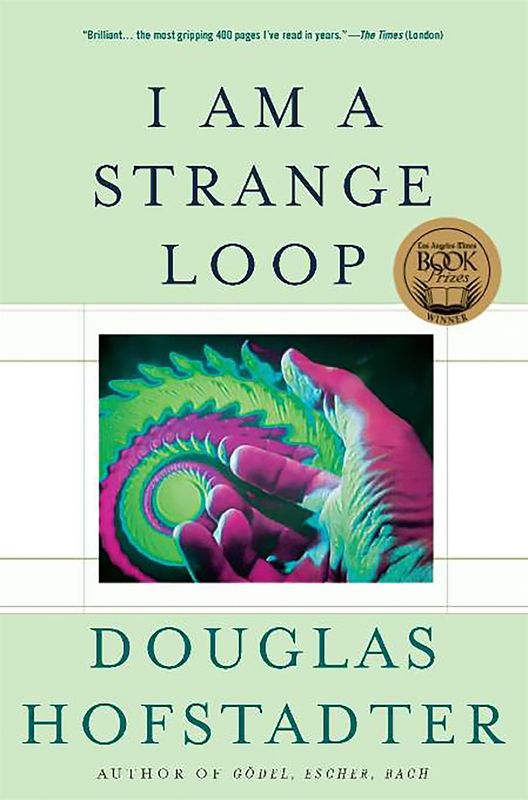
In 'I Am a Strange Loop', Douglas R. Hofstadter delves into the intricate nature of consciousness and self-reference. He explores how the mind creates a sense of self through the interplay of patterns and feedback loops. With a blend of philosophy, cognitive science, and personal anecdotes, Hofstadter challenges readers to ponder the essence of identity and the concept of 'I'. As he unravels the mysteries of thought, he invites us to confront our own unique loops of understanding. This thought-provoking journey will leave you questioning what it truly means to be 'you'.
By Douglas R. Hofstadter
Published: 2008
"The strange loop is the essence of self; it is the paradox of a system that can reflect upon itself."

Start Listening to Book Summary
Book Review of I Am a Strange Loop
One of our greatest philosophers and scientists of the mind asks, where does the self come from--and how our selves can exist in the minds of others. Can thought arise out of matter? Can self, soul, consciousness, "I" arise out of mere matter? If it cannot, then how can you or I be here? I Am a Strange Loop argues that the key to understanding selves and consciousness is the "strange loop"-a special kind of abstract feedback loop inhabiting our brains. The most central and complex symbol in your brain is the one called "I." The "I" is the nexus in our brain, one of many symbols seeming to have free will and to have gained the paradoxical ability to push particles around, rather than the reverse. How can a mysterious abstraction be real-or is our "I" merely a convenient fiction? Does an "I" exert genuine power over the particles in our brain, or is it helplessly pushed around by the laws of physics? These are the mysteries tackled in I Am a Strange Loop, Douglas Hofstadter's first book-length journey into philosophy since Gödel, Escher, Bach. Compulsively readable and endlessly thought-provoking, this is a moving and profound inquiry into the nature of mind.
Book Overview of I Am a Strange Loop
About the Book Author
Douglas R. Hofstadter
Douglas R. Hofstadter is an American cognitive scientist, author, and Pulitzer Prize-winning scholar best known for his interdisciplinary work in the fields of cognitive science, artificial intelligence, and the philosophy of mind. He gained widespread acclaim for his seminal book 'Gödel, Escher, Bach: An Eternal Golden Braid,' which explores the connections between mathematics, art, and music through the lenses of recursion and self-reference. Hofstadter's writing style is characterized by a playful yet profound approach, integrating complex ideas with wit and depth. Other notable works include 'I Am a Strange Loop' and 'The Mind's I,' where he delves into consciousness, identity, and the nature of self. Hofstadter's contributions continue to inspire those interested in exploring the intricate relationships among mind, meaning, and machine.
Book Details
Key information about the book.
- Authors
- Douglas R. Hofstadter
- Published
- July 2008
- Publisher
- Basic Books
- ISBN
- 0465030793
- Language
- English
- Pages
- N/A
- Genres
- Cognitive PsychologyPhilosophy of MindPhilosophyPsychology
Purchase Options
 Buy on Amazon
 Buy via BookShop
Support local bookstores: BookShop gives a portion of each sale to independent bookshops!
Similar books you might like →
Why Buddhism is True Book Summary
In 'Why Buddhism is True', Robert Wright explores the intersections of modern psychology and ancient Buddhist philosophy, revealing how mindfulness can enhance our understanding of reality. He delves into the science of the mind, explaining why our thoughts often deceive us and how Buddhism offers a remedy. Through engaging anecdotes and thought-provoking insights, Wright demonstrates that the principles of Buddhism can lead to a more fulfilling life. He challenges readers to rethink their beliefs and consider the benefits of a Buddhist approach to pain and suffering. Will you discover the truth that can liberate your mind?
Conscious Book Summary
In 'Conscious,' Annaka Harris explores the enigmatic nature of consciousness, diving into profound questions about awareness and existence. Through a blend of science and philosophy, she challenges the conventional understanding, prompting readers to re-evaluate their perceptions of reality. Harris skillfully navigates the intricate relationship between the brain and subjective experience, shedding light on the mysteries that lie within. With thought-provoking insights and accessible prose, this book invites both the curious and the skeptical to ponder the depths of consciousness. Will you uncover the secrets of your own mind?
Lying Book Summary
In 'Lying', Sam Harris delves into the often-misunderstood facet of honesty and deception, arguing that lying is not only morally wrong but also detrimental to personal relationships and society as a whole. He presents compelling scenarios that challenge our justifications for dishonest behavior, demonstrating how lies erode trust and lead to unforeseen consequences. Harris explores the psychological implications of lying, revealing how it can trap both the liar and the deceived in a cycle of deceit. With a blend of philosophy and neuroscience, he encourages readers to adopt radical honesty in their lives. Will embracing this vulnerable path unlock deeper connections and authenticity, or leave us exposed in a world built on fibs?
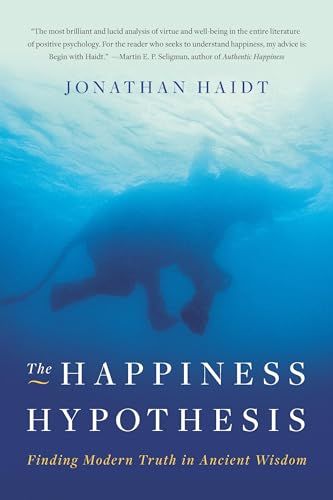
The Happiness Hypothesis Book Summary
In 'The Happiness Hypothesis', Jonathan Haidt delves into the ancient wisdom of happiness, exploring how age-old philosophies intersect with modern psychology. He presents a compelling argument that our well-being can be influenced by both our external circumstances and internal beliefs. By examining ten great ideas from various cultures, Haidt reveals surprising insights about love, morality, and the meaning of life. This engaging blend of science and philosophy challenges readers to rethink what truly brings happiness. Are we mere puppets of our circumstances, or can we take charge of our own joy?
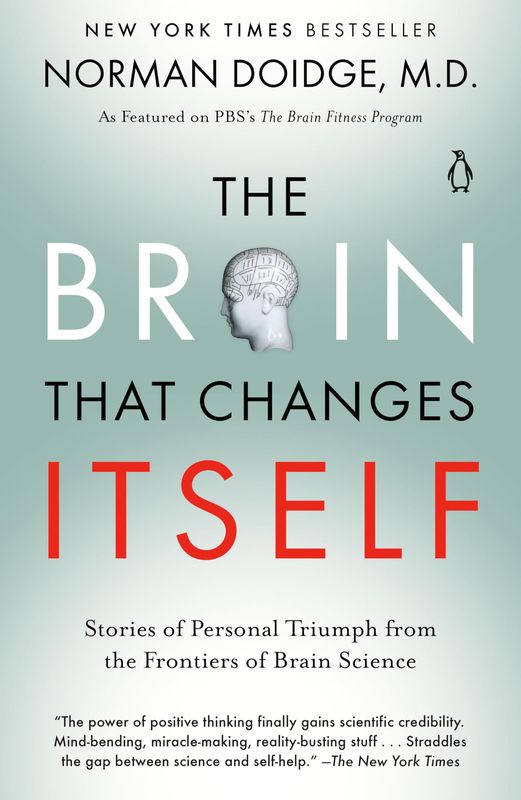
The Brain That Changes Itself Book Summary
In 'The Brain That Changes Itself', Norman Doidge explores the groundbreaking concept of neuroplasticity, revealing that our brains are not fixed and can reorganize themselves throughout our lives. Through engaging case studies, he showcases individuals who have overcome neurological limitations, from stroke survivors reclaiming lost abilities to those breaking free from lifelong phobias. This book challenges conventional wisdom about the human brain, offering hope and inspiration for anyone seeking change. Doidge's compelling narrative merges science with personal stories, creating a tapestry of resilience and possibility. Discover how you can unlock the hidden potential within your own mind!
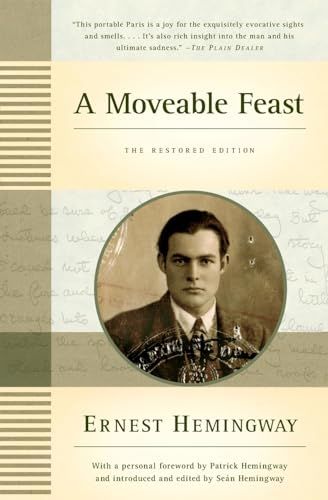
A Moveable Feast Book Summary
'A Moveable Feast' is a captivating memoir by Ernest Hemingway that transports readers to 1920s Paris, a city teeming with artists and literary giants. Through vivid anecdotes, Hemingway recounts his bohemian lifestyle, charming friendships, and the intoxicating essence of the Left Bank. Each page is laced with nostalgia, showcasing the joys and struggles of a burgeoning writer in one of the most vibrant cultural landscapes of the time. As he reflects on love, loss, and the pursuit of authenticity, Hemingway's prose invites readers to experience the magic and melancholy of his formative years. This enchanting feast of memories leaves you yearning to explore the streets of Paris alongside its iconic inhabitants.
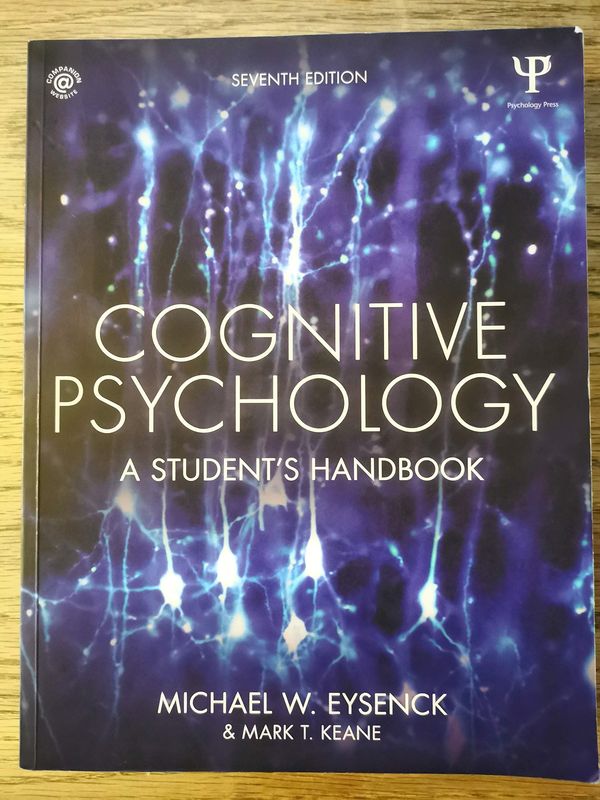
Cognitive Psychology Book Summary
'Cognitive Psychology' by Michael W. Eysenck and Mark T. Keane offers a riveting exploration into the inner workings of the human mind. Delve into the fascinating processes of perception, memory, and decision-making that shape our everyday experiences. With cutting-edge research and real-world applications, the authors unravel the complexities of cognitive functions in a way that captivates both novices and seasoned scholars alike. Discover how cognitive psychology influences everything from learning strategies to emotional responses. This book invites you to unlock the mysteries of thought and behavior, igniting a deeper understanding of what it means to be human.
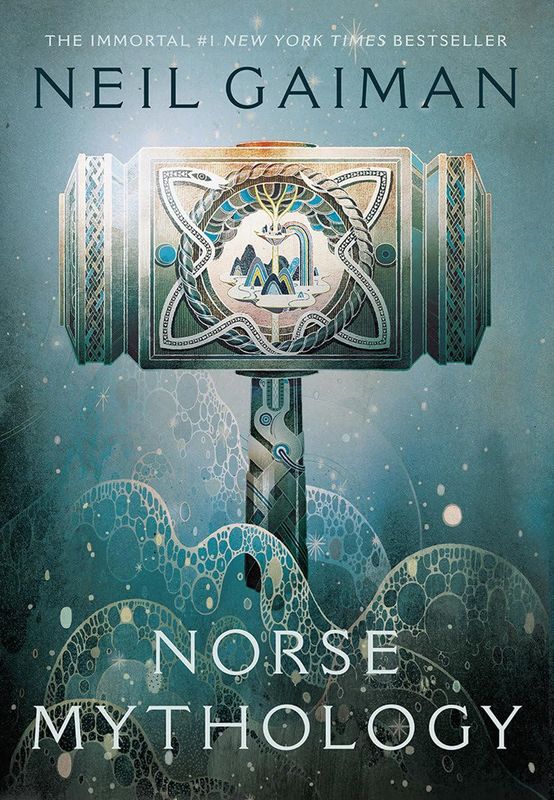
Norse Mythology Book Summary
Immerse yourself in the enchanting world of Norse mythology as Neil Gaiman reimagines the age-old tales of gods, giants, and heroes. From the mischievous Loki to the mighty Thor, these vibrant stories weave together themes of fate, power, and the inevitability of doom. Gaiman's lyrical prose breathes new life into the myths, making them accessible and thrilling for modern readers. Discover the origins of the cosmos and the ferocious battles that shape the destinies of divinity. Prepare for a journey that tantalizes the imagination and deepens your understanding of ancient lore.
Showing 8 of 28 similar books
Take your reading experience to the next level
Download our mobile app to enjoy your favorite books on the go. Get access to exclusive features, offline listening, and personalized recommendations.

Similar Book Recommendations →

Adam Robinson's Book Recommendations
Adam Robinson is a distinguished author, financial advisor, and co-founder of the Princeton Review, which revolutionized the test preparation industry. He is renowned for his best-selling book "Cracking the SAT," which has guided countless students to achieve higher scores. Robinson's expertise extends beyond education into financial markets, where he is a respected global macro advisor. His contributions to literature and finance have earned him a reputation as a thought leader and innovator. Continually sought after for his insights, Robinson remains a pivotal figure in both the educational and financial sectors.

Abi Tyas Tunggal's Book Recommendations
Abi Tyas Tunggal is a distinguished author known for his impactful contributions to contemporary literature and digital content. He has garnered acclaim for his insightful storytelling and adept handling of complex themes, resonating with a diverse readership. Tunggal's work often explores the intersections of technology, society, and human experience, making him a prominent voice in modern narrative arts. Beyond his literary achievements, he is also recognized for his innovative use of digital platforms to engage with and expand his audience. Tunggal continues to influence the literary landscape with his thought-provoking and accessible writing.

Andrew Huberman's Book Recommendations
Andrew Huberman is a renowned neuroscientist and tenured professor at Stanford University, where he leads the Huberman Lab, focusing on brain function, behavior, and health. He has significantly contributed to the understanding of neural plasticity, particularly how the brain can change in response to experience and injury. Huberman is widely recognized for his engaging public science communication, which includes the popular "Huberman Lab" podcast that translates complex neuroscience topics into accessible insights for broad audiences. His research has been published in leading scientific journals, earning him numerous accolades and fostering a deeper public appreciation for neuroscience. Additionally, his work extends into practical applications, influencing fields such as mental health, vision restoration, and performance optimization.

Bret Victor's Book Recommendations
Bret Victor is a renowned American interface designer and computer scientist celebrated for his innovative contributions to interactive design and human-computer interaction. He is best known for creating dynamic, explorable explanations, which have significantly influenced the way educational content is presented and understood. Victor's seminal work, "Inventing on Principle," advocates for the integration of immediate feedback in creative processes, inspiring a new wave of interactive programming environments. As a former member of the Apple Human Interface team, he played a pivotal role in shaping modern user interfaces. Through his organization, Dynamicland, Victor continues to explore and expand the boundaries of immersive, collaborative computing environments.

Barack Obama's Book Recommendations
Barack Obama is the 44th President of the United States, serving from 2009 to 2017. As the first African American president, Obama’s leadership marked a historic moment in American history. His administration focused on healthcare reform, economic recovery from the Great Recession, and environmental policies. He is best known for the Affordable Care Act, as well as his efforts to expand civil rights and restore diplomatic relations with Cuba. Since leaving office, Obama has continued to engage in public life through his foundation, focusing on leadership development, civic engagement, and global issues.

Andrew Wilkinson's Book Recommendations
Andrew Wilkinson is a distinguished author and entrepreneur, best known for his insightful business writings and contributions to the tech industry. He co-founded MetaLab, a prominent design agency that has shaped the user experience of major platforms like Slack and Coinbase. Wilkinson's entrepreneurial journey and his publications provide valuable perspectives on startup culture, innovation, and leadership. His writing, often featured in leading business magazines and his personal blog, has garnered a wide readership for its practical advice and engaging storytelling. Andrew continues to influence both literature and the business world with his unique blend of creativity and strategic thinking.
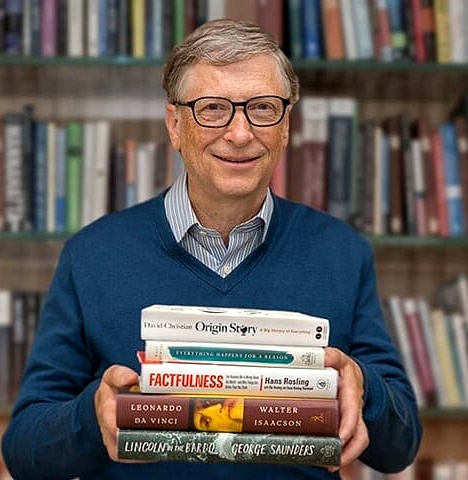
Bill Gates's Book Recommendations
Bill Gates, co-founder of Microsoft Corporation, is a pioneering figure in the tech industry, having played a key role in the personal computer revolution. His work at Microsoft, particularly the development of Windows, transformed software and computing globally. Beyond his technology contributions, Gates is also a prolific author, with notable works such as "The Road Ahead" and "Business @ the Speed of Thought," which offer insights into the future of technology and business. Additionally, his philanthropic efforts through the Bill & Melinda Gates Foundation have had a profound impact on global health, education, and poverty. Gates continues to influence both technology and literature with his forward-thinking perspectives and innovative ideas.

Brian Armstrong's Book Recommendations
Brian Armstrong is a renowned entrepreneur and author best known for co-founding and leading Coinbase, a major cryptocurrency exchange. His literary contributions include insightful writings on the future of digital currencies and blockchain technology. Armstrong's work has been pivotal in demystifying complex financial systems for a broader audience. Beyond his business acumen, his thought leadership in publications and public speaking engagements has cemented his status as a key voice in the fintech revolution. His dedication to innovation continues to influence the trajectory of global financial systems.
Showing 8 of 17 related collections
“The strange loop is the essence of self; it is the paradox of a system that can reflect upon itself.”
I Am a Strange Loop
By Douglas R. Hofstadter
Frequently Asked Questions
Explore Our Catalogue
Discover a world of knowledge through our extensive collection of book summaries.
Genres
Genres
Genres
Featured Collections
- Top Book Club Picks
- One-Stop Nutrition
- Summer Reads 2024
- Best Beach Reads 2024
- Work-Life Balance Guide
- Time Management
- Healthy Foods
- Entrepreneur Toolkit
- Mind & Body Wellness
- Future Tech Insights
- Leadership Essentials
- Financial Freedom
- Sci-Fi Masterpieces
- Parenting 101
- Books That Became Blockbusters
- Guide to a Healthy Pregnancy