Knowledge and Power Book Summary
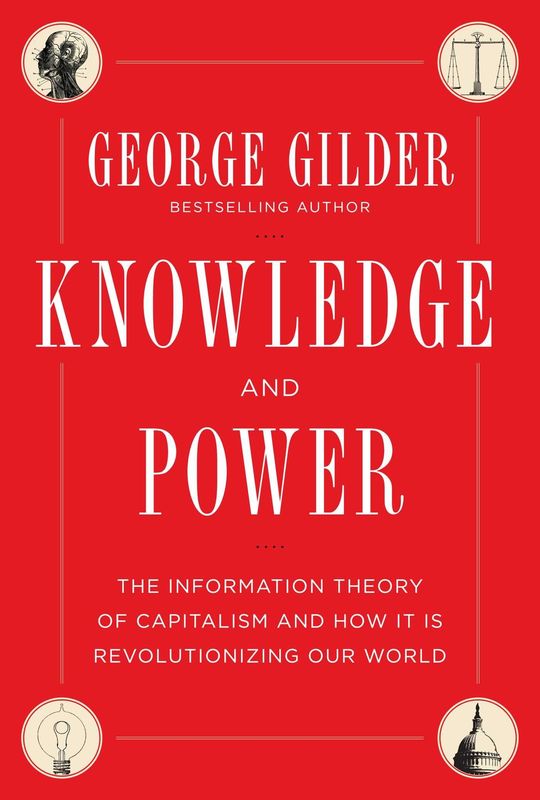
In 'Knowledge and Power,' George Gilder explores the intricate relationship between information and economic growth, positing that knowledge is the true driver of prosperity. He challenges traditional economic theories that emphasize material resources, arguing instead that creativity and innovation stem from the human mind. Gilder delves into the impacts of technology and the digital age, revealing how they empower individuals and disrupt established systems. With keen insights and provocative arguments, he encourages a rethinking of capitalism, emphasizing the role of human ingenuity in shaping the future. This thought-provoking work invites readers to reconsider the fundamental principles of wealth creation in a rapidly evolving world.
By George Gilder
Published: 2013
""The essence of the human spirit is to transcend the limitations of our environment through knowledge and the creative power of technology.""

Start Listening to Book Summary
Book Review of Knowledge and Power
Ronald Reagan’s most-quoted living author—George Gilder—is back with an all-new paradigm-shifting theory of capitalism that will upturn conventional wisdom, just when our economy desperately needs a new direction. America’s struggling economy needs a better philosophy than the college student's lament: "I can't be out of money, I still have checks in my checkbook!" We’ve tried a government spending spree, and we’ve learned it doesn’t work. Now is the time to rededicate our country to the pursuit of free market capitalism, before we’re buried under a mound of debt and unfunded entitlements. But how do we navigate between government spending that's too big to sustain and financial institutions that are "too big to fail?" In Knowledge and Power, George Gilder proposes a bold new theory on how capitalism produces wealth and how our economy can regain its vitality and its growth. Gilder breaks away from the supply-side model of economics to present a new economic paradigm: the epic conflict between the knowledge of entrepreneurs on one side, and the blunt power of government on the other. The knowledge of entrepreneurs, and their freedom to share and use that knowledge, are the sparks that light up the economy and set its gears in motion. The power of government to regulate, stifle, manipulate, subsidize or suppress knowledge and ideas is the inertia that slows those gears down, or keeps them from turning at all. One of the twentieth century’s defining economic minds has returned with a new philosophy to carry us into the twenty-first. Knowledge and Power is a must-read for fiscal conservatives, business owners, CEOs, investors, and anyone interested in propelling America’s economy to future success.
Book Overview of Knowledge and Power
About the Book Author
George Gilder
George Gilder is an influential American author, economist, and technology forecaster known for his works on economic theory, technology, and culture. He rose to prominence in the 1980s with his bestselling books including 'Wealth and Poverty,' which argued for the importance of entrepreneurial innovation in economic development, and 'Life After Television,' which predicted the transformative impact of digital technology on society. Gilder's writing is characterized by a blend of intellectual rigor and accessible prose, often infused with a sense of optimism about human ingenuity and progress. He is also known for his views on the intersection of technology and freedom, and he continues to be a prominent commentator on contemporary economic and technological issues.
Book Details
Key information about the book.
- Authors
- George Gilder
- Published
- June 2013
- Publisher
- Regnery Publishing
- ISBN
- 1621570274
- Language
- English
- Pages
- 370
- Genres
- Business and EconomicsEconomic PolicyTechnologyEmerging Technologies
Purchase Options
 Buy on Amazon
 Buy via BookShop
Support local bookstores: BookShop gives a portion of each sale to independent bookshops!
Similar books you might like →
How to Be an Inclusive Leader Book Summary
In "How to Be an Inclusive Leader," Jennifer Brown unpacks the vital responsibilities of leadership in fostering diversity and belonging within organizations. She introduces a transformative framework, empowering leaders to navigate their own biases and cultivate an inclusive culture. Through compelling real-world examples and actionable strategies, Brown encourages readers to embrace vulnerability as a strength. As the landscape of workplaces evolves, this guide reveals how true inclusivity can drive innovation and engagement. Prepare to embark on a journey of self-discovery and impactful leadership that reshapes not just teams, but entire organizations.
How Google Works Book Summary
In "How Google Works", Eric Schmidt and Jonathan Rosenberg unveil the inner workings of one of the world's most innovative companies. Delving into the intersection of technology, business strategy, and culture, they explore how flexibility and creativity fuel Google's success. The authors share insider anecdotes and pivotal lessons about fostering collaboration and embracing change in a fast-paced digital landscape. You’ll discover the vital role data plays in decision-making and how to cultivate a "smart creatives" mindset. Prepare to be inspired by the blueprint of a company that has revolutionized not just the tech industry, but the very way we navigate information itself.
To Sell Is Human Book Summary
In "To Sell Is Human," Daniel H. Pink reveals that everyone is in sales, whether they realize it or not. He explores the art of persuasion and the changing landscape of selling in a world driven by technology and social interaction. Through captivating anecdotes and scientific research, Pink uncovers the surprising truths about what motivates us to buy and sell. He offers practical techniques to enhance our ability to connect and influence others ethically. This thought-provoking book challenges our perceptions of salesmanship, inspiring readers to embrace their inner seller in everyday life.
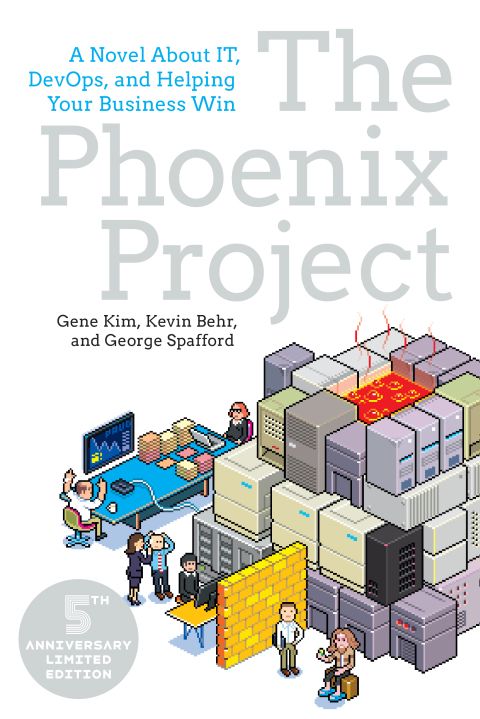
The Phoenix Project Book Summary
In "The Phoenix Project," chaos reigns at Parts Unlimited, a car manufacturer struggling to keep up with a rapidly changing tech landscape. When IT manager Bill Palmer is unexpectedly thrust into a project vital for the company's survival, he discovers the interconnected challenges of people, processes, and technology. As he navigates through daily crises and corporate politics, Bill learns the transformative power of DevOps principles. Can he turn the company around before it's too late? This compelling tale blends fiction with valuable lessons, making it a must-read for anyone facing modern business challenges.
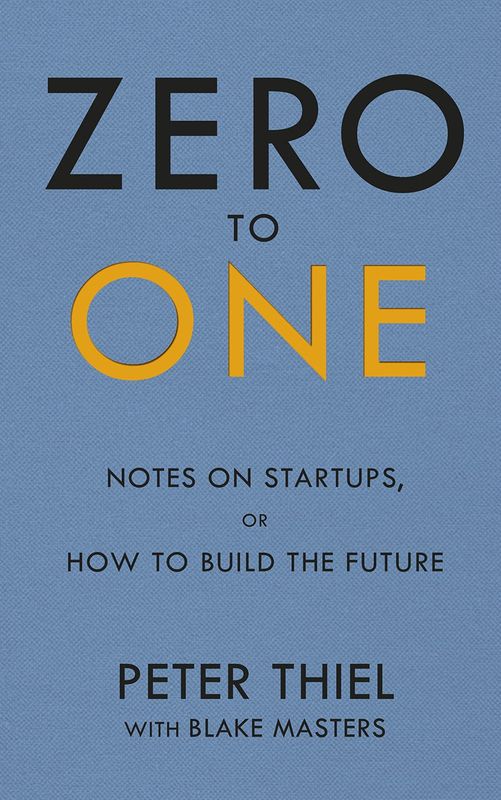
Zero to One Book Summary
In 'Zero to One', entrepreneurs Peter Thiel and Blake Masters explore the art of innovation, urging readers to create something truly new rather than incremental improvements. They challenge conventional wisdom by revealing how monopolies foster progress, rather than competition, in today’s economy. Thiel outlines the mindset required to pursue unique ventures and emphasizes the importance of technology in creating transformative ideas. Through compelling anecdotes and thought-provoking insights, the book advocates for the pursuit of the extraordinary. Will you dare to think differently and build something that changes the world?
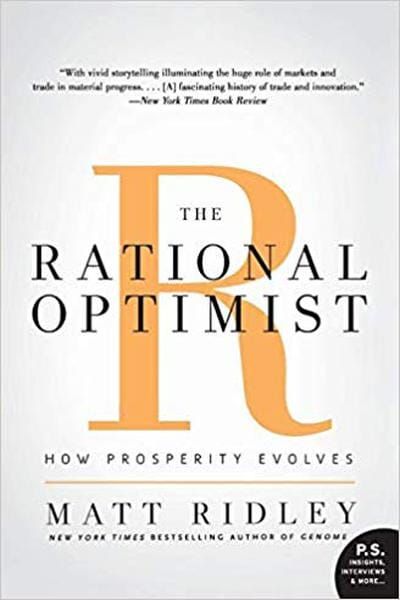
The Rational Optimist Book Summary
In 'The Rational Optimist', Matt Ridley challenges the pervasive pessimism of modern society by illustrating how human innovation and collaboration have historically led to progress and prosperity. He argues that through trade, science, and technology, humanity has an incredible ability to solve problems and improve quality of life. Ridley takes readers on a journey through history, revealing how obstacles have often fueled creativity and driven advancement. This thought-provoking book invites you to rethink the future and embrace the power of optimism in a world filled with challenges. Discover why Ridley believes our best days are still ahead!

Shaping the Future of the Fourth Industrial Revolution Book Summary
In 'Shaping the Future of the Fourth Industrial Revolution', Klaus Schwab and Nicholas Davis explore the transformative impact of emerging technologies on society, economy, and governance. They argue that as we stand on the brink of this revolution, it is essential to consider the ethical implications of our innovations. The authors pose thought-provoking questions about equality, privacy, and the future of work, urging readers to take an active role in shaping this future. Drawing on real-world examples, they reveal how collaboration between leaders, businesses, and citizens can harness the power of technology for the greater good. Prepare to rethink progress and envision a world that prioritizes human values amidst rapid technological changes.

How to Lie with Statistics Book Summary
In 'How to Lie with Statistics', Darrell Huff unveils the art of manipulating numbers to tell misleading stories. With sharp wit and engaging anecdotes, he illustrates how statistics can be twisted to deceive rather than inform. Readers are guided through common statistical tricks and the pitfalls of misinterpretation, sparking a sense of skepticism about data. This thought-provoking book challenges us to question the narratives built by numbers and to become more discerning consumers of information. Discover how easily statistics can be weaponized, and learn to arm yourself against misinformation.
Showing 8 of 27 similar books
Take your reading experience to the next level
Download our mobile app to enjoy your favorite books on the go. Get access to exclusive features, offline listening, and personalized recommendations.

Similar Book Recommendations →

Naval Ravikant's Book Recommendations
Naval Ravikant is an entrepreneur, angel investor, and philosopher, best known as the co-founder of AngelList, a platform that connects startups with investors. Ravikant is a prolific thinker and writer on topics such as startups, investing, and personal well-being, sharing his wisdom through essays, podcasts, and social media. He has invested in over 100 companies, including Uber, Twitter, and Yammer, making him one of Silicon Valley’s most successful angel investors. Ravikant is also known for his philosophical musings on wealth, happiness, and the meaning of life, which have garnered him a large and dedicated following.

Charlie Munger's Book Recommendations
Charlie Munger is an American investor, businessman, and philanthropist, best known as the vice chairman of Berkshire Hathaway, where he partners with Warren Buffett. Renowned for his insights on investment strategies and mental models, Munger has significantly influenced the world of finance. His notable literary contributions include "Poor Charlie's Almanack," a compilation of his speeches and writings that distill his wisdom on decision-making and business principles. Munger's work emphasizes the importance of multidisciplinary thinking and continuous learning. Beyond his financial acumen, he is celebrated for his charitable efforts, particularly in education and healthcare.

Ana Fabrega's Book Recommendations
Ana Lorena Fabrega is an innovative educator and author passionate about reimagining education. Known as “Ms. Fab,” she is the Chief Evangelist at Synthesis, an education startup inspired by the problem-solving and collaboration model used at SpaceX. She advocates for alternative learning methods, encouraging curiosity and creativity in students. Ana's work emphasizes the importance of engaging young learners in real-world challenges and critical thinking. She also shares insights on education reform through her popular newsletter, Fab Fridays.

Alexey Moiseenkov's Book Recommendations
Alexey Moiseenkov is a Russian entrepreneur and tech innovator best known for creating Prisma, the groundbreaking mobile app that transforms photos into artworks using artificial intelligence. Though not primarily a literary figure, his work in AI and digital transformation has influenced contemporary discussions on the intersection of technology and art. Moiseenkov's contributions have been featured in various tech and innovation journals, highlighting his impact on modern digital culture. His work underscores the evolving narrative of creativity in the digital age, bridging the gap between artistic expression and technological advancement. Moiseenkov continues to inspire through his ongoing ventures in AI and entrepreneurship.

Ben Shapiro's Book Recommendations
Ben Shapiro is an American conservative political commentator, author, and lawyer, known for his sharp analytical skills and outspoken views. He graduated from UCLA at the age of 20 and Harvard Law School at 23, demonstrating his early intellectual prowess. Shapiro is the author of several best-selling books including "Bullies: How the Left's Culture of Fear and Intimidation Silences Americans" and "The Right Side of History: How Reason and Moral Purpose Made the West Great." He is the co-founder and editor emeritus of The Daily Wire, a popular conservative news and opinion website. Through his writing and media presence, Shapiro has significantly influenced contemporary political discourse in the United States.

Morgan Housel's Book Recommendations
Morgan Housel is a financial writer and partner at The Collaborative Fund, best known for his book The Psychology of Money. His work explores the behavioral side of finance, emphasizing how emotions, history, and decision-making impact wealth-building. Housel’s writing is widely praised for being accessible, insightful, and engaging, making complex financial topics easier to understand. He contributes regularly to financial publications and speaks at conferences on the power of long-term thinking in finance. His book has become a modern classic in the personal finance genre.

Brad Feld's Book Recommendations
Brad Feld is a prominent American entrepreneur, venture capitalist, and author known for his influential work in the startup ecosystem. Co-founder of the Foundry Group, he has played a pivotal role in funding and mentoring early-stage technology companies. Feld is also a key figure behind the Techstars accelerator program, which has helped launch numerous successful startups. As an author, he has penned several essential books on entrepreneurship and venture capital, including "Venture Deals" and "Startup Communities," which provide invaluable insights for aspiring entrepreneurs and investors. His writings and active blogging have cemented his reputation as a thought leader in the tech and startup communities.

Bill Gates's Book Recommendations
Bill Gates, co-founder of Microsoft Corporation, is a pioneering figure in the tech industry, having played a key role in the personal computer revolution. His work at Microsoft, particularly the development of Windows, transformed software and computing globally. Beyond his technology contributions, Gates is also a prolific author, with notable works such as "The Road Ahead" and "Business @ the Speed of Thought," which offer insights into the future of technology and business. Additionally, his philanthropic efforts through the Bill & Melinda Gates Foundation have had a profound impact on global health, education, and poverty. Gates continues to influence both technology and literature with his forward-thinking perspectives and innovative ideas.
Showing 8 of 16 related collections
“"The essence of the human spirit is to transcend the limitations of our environment through knowledge and the creative power of technology."”
Knowledge and Power
By George Gilder
Frequently Asked Questions
Explore Our Catalogue
Discover a world of knowledge through our extensive collection of book summaries.
Genres
Genres
Genres
Featured Collections
- Top Book Club Picks
- One-Stop Nutrition
- Summer Reads 2024
- Best Beach Reads 2024
- Work-Life Balance Guide
- Time Management
- Healthy Foods
- Entrepreneur Toolkit
- Mind & Body Wellness
- Future Tech Insights
- Leadership Essentials
- Financial Freedom
- Sci-Fi Masterpieces
- Parenting 101
- Books That Became Blockbusters
- Guide to a Healthy Pregnancy