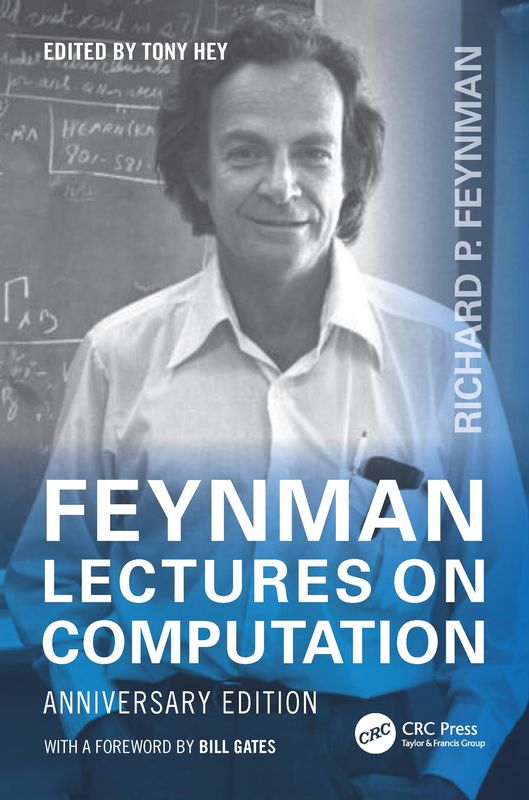
Lectures On Computation Book Summary
By Richard P. Feynman
Published: 1996

Start Listening to Book Summary
Book Review of Lectures On Computation
Covering the theory of computation, information and communications, the physical aspects of computation, and the physical limits of computers, this text is based on the notes taken by one of its editors, Tony Hey, on a lecture course on computation given b
Book Overview of Lectures On Computation
About the Book Author
Richard P. Feynman
Richard P. Feynman (1918-1988) was a prominent American theoretical physicist, renowned for his work in quantum mechanics, particle physics, and the development of quantum electrodynamics. He received the Nobel Prize in Physics in 1965 for his contributions to the understanding of the interactions between light and matter.
In addition to his groundbreaking scientific research, Feynman was an accomplished author and educator. His notable works include "Surely You're Joking, Mr. Feynman!" (1985), a collection of anecdotes that showcases his eccentric personality and love for exploration; "What Do You Care What Other People Think?" (1988), which reflects on his experiences including the Challenger disaster investigation; and "The Feynman Lectures on Physics" (1964), a comprehensive introduction to physics that remains influential in education.
Feynman's writing style is characterized by its clarity, humor, and conversational tone, making complex scientific concepts accessible to a broad audience. His ability to blend profound insights with personal reflections has endeared him to both students and general readers alike.
Book Details
Key information about the book.
- Authors
- Richard P. Feynman
- Published
- September 1996
- Publisher
- Addison-Wesley Longman
- ISBN
- N/A
- Language
- English
- Pages
- 328
- Genres
- Artificial IntelligenceScience and NatureTechnology
Purchase Options
 Buy on Amazon
 Buy via BookShop
Support local bookstores: BookShop gives a portion of each sale to independent bookshops!
Similar books you might like →
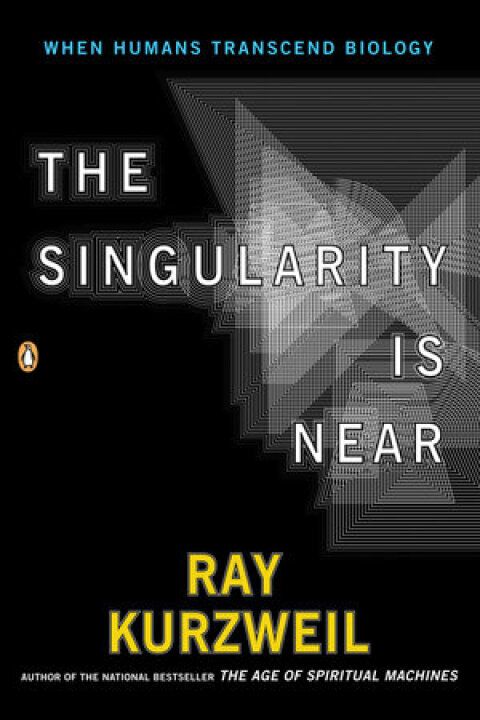
The Singularity Is Near Book Summary
In "The Singularity Is Near," futurist Ray Kurzweil examines the transformative convergence of technology and biology, predicting a pivotal moment when artificial intelligence surpasses human intelligence. He explores the implications of exponentially accelerating advancements, from nanotechnology to genetic engineering, and their potential to reshape humanity. As Kurzweil articulates the challenges and opportunities posed by this evolution, he paints a provocative picture of a future where humans and machines merge. Could we soon transcend our biological limitations? Venture into this thought-provoking narrative that questions the very essence of what it means to be human amidst the rise of the machines.
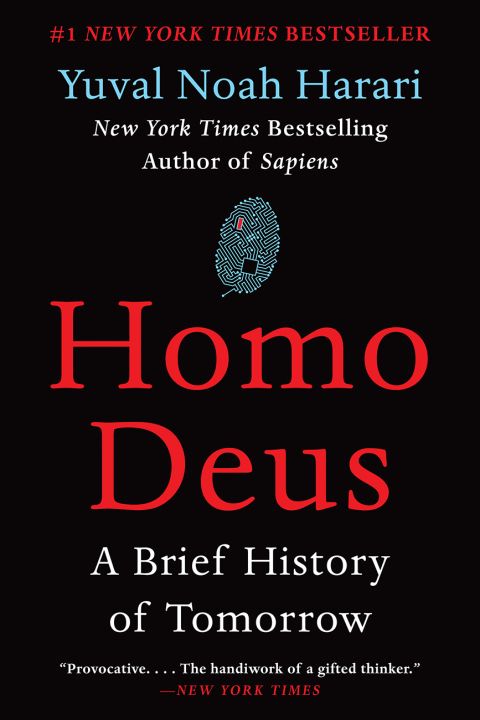
Homo Deus Book Summary
In "Homo Deus: A Brief History of Tomorrow," Yuval Noah Harari explores the future possibilities for humanity as we evolve beyond our current limitations. Delving into themes of artificial intelligence, genetic engineering, and the quest for immortality, he provokes thought about what may come after Homo sapiens. As society increasingly turns to technology for solutions, he questions the implications of our pursuit of happiness and god-like powers. Will we augment our bodies and minds, or lose our humanity in the process? This provocative journey invites readers to ponder the exhilarating—and terrifying—potential of our own evolution.
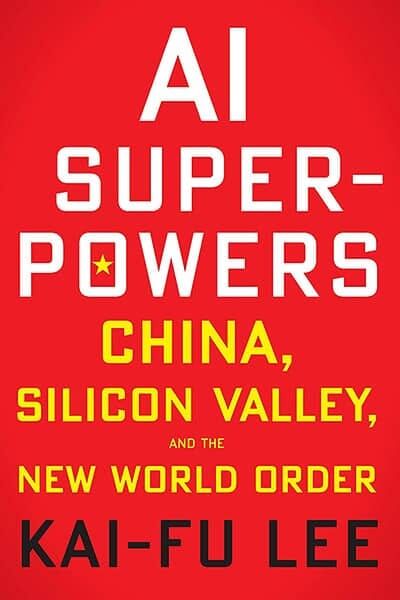
AI Superpowers Book Summary
In 'AI Superpowers', Kai-Fu Lee explores the breathtaking rise of artificial intelligence and its transformative impact on the global economy. He compares the leading AI developments in the United States and China, revealing a fierce competition that reshapes the future. Lee draws on his extensive experience in the tech industry to discuss the ethical implications and the potential for job displacement. As he presents a compelling vision of a world where AI can augment human capabilities, he challenges us to rethink our roles in an AI-driven era. With a blend of optimism and caution, this book is a must-read for anyone looking to understand the next technological revolution.
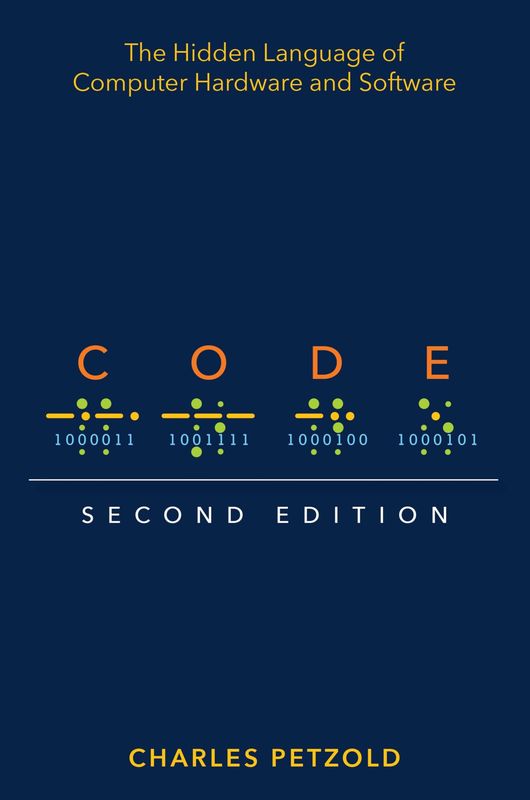
Code Book Summary
In 'Code', Charles Petzold takes readers on a captivating journey through the world of programming and computer science. He unravels the complex tapestry of how computers work, starting from simple concepts and building up to intricate systems. Through engaging anecdotes and metaphors, Petzold demystifies the inner workings of machines, making them accessible to everyone. This exploration not only reveals the beauty of code but also challenges us to think critically about the impact of technology in our lives. Prepare to see the digital world around you in a whole new light!
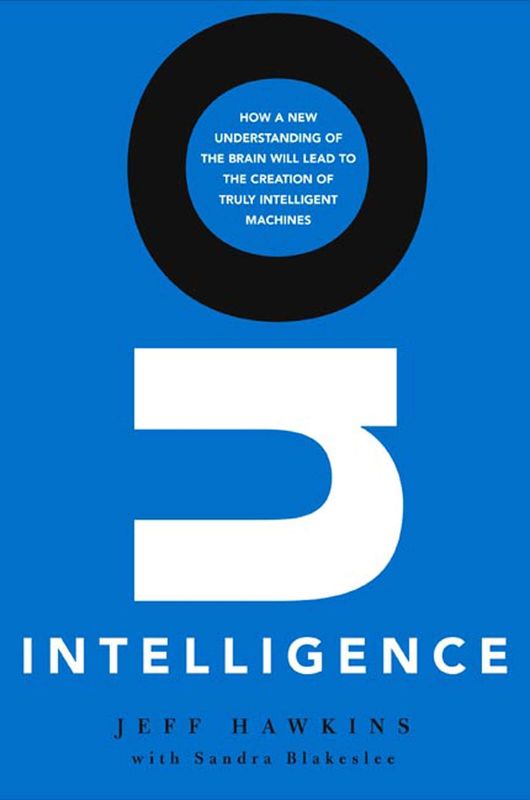
On Intelligence Book Summary
In 'On Intelligence,' Jeff Hawkins proposes a revolutionary theory of how the brain processes information, challenging traditional notions of intelligence. With a blend of neuroscience and cognitive science, Hawkins introduces the concept of the memory-prediction framework, suggesting that intelligence arises from our ability to predict future events based on past experiences. He argues that understanding this mechanism is key to replicating human-like intelligence in machines. The book is filled with intriguing insights and thought-provoking ideas, making readers reconsider what it truly means to be intelligent. A must-read for anyone curious about the intersections of brain function, consciousness, and artificial intelligence.
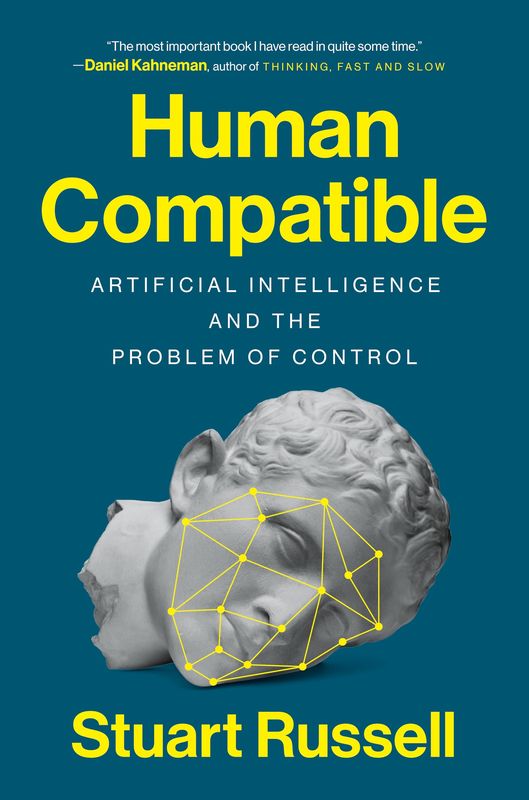
Human Compatible Book Summary
In 'Human Compatible', Stuart Russell explores the future of artificial intelligence and its intersection with humanity. He delves into the potential risks AI poses if misaligned with human values and offers innovative frameworks for designing safe AI systems. The book challenges readers to question the very essence of intelligence and what it means to create machines that can enhance our lives. As we stand on the brink of a technological revolution, Russell illuminates the ethical dilemmas we must confront. Will we succeed in ensuring that AI serves humanity rather than threatens it?
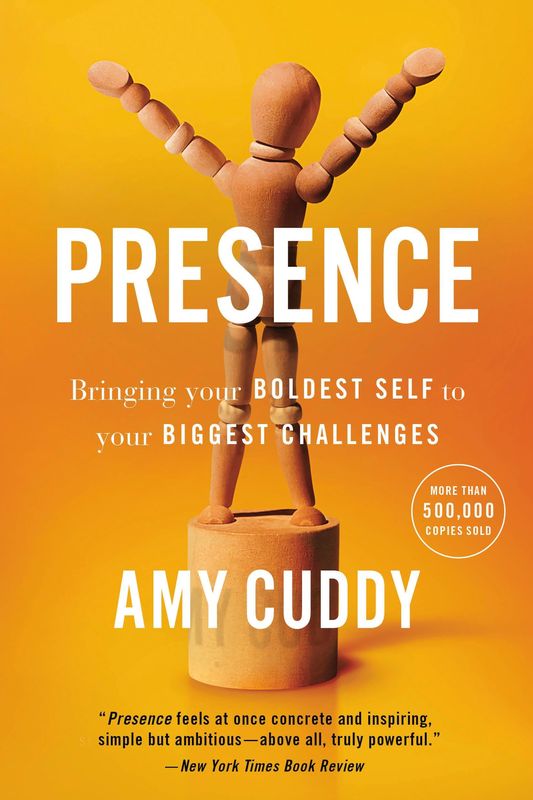
Presence Book Summary
In 'Presence', Amy Cuddy explores the transformative power of body language and how it impacts not just how others perceive us, but how we perceive ourselves. Through compelling research and personal stories, she reveals how adopting confident postures can influence our thoughts, emotions, and ultimately, our success. Cuddy challenges the reader to confront their self-doubt and harness their inner strength to achieve personal and professional goals. The book answers the question: Can you fake it until you become it? Prepare to discover how small changes in your demeanor can lead to big changes in your life.
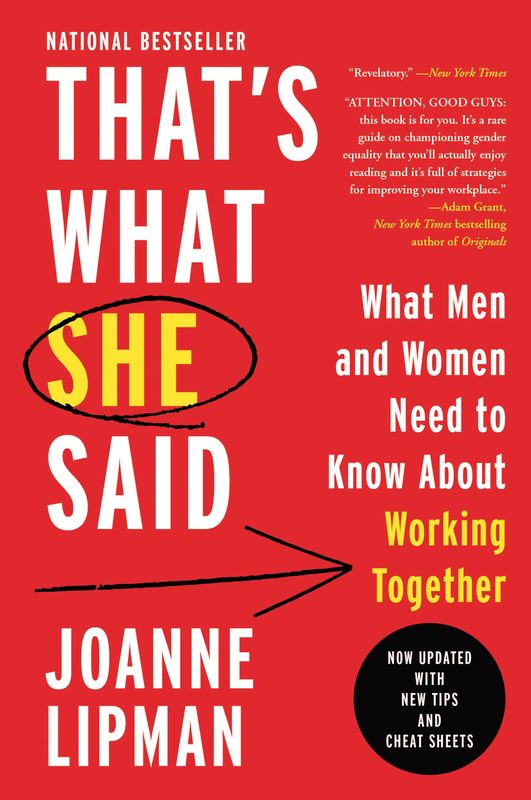
That's What She Said Book Summary
In 'That's What She Said', Joanne Lipman presents a compelling exploration of gender dynamics in the workplace and beyond. Through vivid anecdotes and insightful analysis, she unveils the subtle, often overlooked biases that women face every day. Lipman not only highlights the systemic issues but also offers practical strategies for men and women alike to foster change. This thought-provoking book inspires readers to rethink the narrative around gender and encourages them to take action. Will you join the conversation and challenge the status quo?
Showing 8 of 28 similar books
Take your reading experience to the next level
Download our mobile app to enjoy your favorite books on the go. Get access to exclusive features, offline listening, and personalized recommendations.

Similar Book Recommendations →

Lex Fridman's Book Recommendations
Lex Fridman is an artificial intelligence researcher, podcaster, and MIT professor, known for his work in autonomous vehicles, robotics, and deep learning. Fridman has gained widespread popularity through his podcast, Lex Fridman Podcast, where he interviews leading thinkers in science, technology, and philosophy, exploring topics like AI, consciousness, and the future of humanity. His academic work focuses on human-centered AI, aiming to create machines that can better understand and interact with humans. Fridman’s ability to distill complex topics into accessible conversations has earned him a large following, and his podcast is known for its thoughtful, in-depth discussions with some of the brightest minds of our time. He is also an advocate for the responsible development of AI, emphasizing the ethical implications of this rapidly advancing technology. Outside of academia and podcasting, Fridman is a practitioner of jiu-jitsu and frequently speaks about the importance of discipline and continuous learning.

Jan Losert's Book Recommendations
Jan Losert is a visionary author and digital design expert, renowned for his contributions to the intersection of technology and creativity. His most significant work includes co-authoring "Design Systems Handbook," which has become a seminal guide for creating cohesive and efficient design frameworks. Losert's expertise extends to his role as a speaker and educator, where he passionately shares his insights on user experience and interface design. In addition to his literary achievements, he co-founded several successful startups, leveraging his deep understanding of design to drive innovation. His work continues to influence and inspire both emerging and established designers worldwide.

Joe Rogan's Book Recommendations
Joe Rogan is a multifaceted American entertainer known primarily for his work as a comedian, podcast host, and commentator. He gained widespread recognition through his immensely popular podcast, "The Joe Rogan Experience," which has featured in-depth conversations with a diverse array of guests, including scientists, celebrities, and politicians. Though not primarily known for literature, Rogan has contributed to the field with his thought-provoking discussions that often explore philosophical and intellectual ideas. Additionally, he has authored the book "Mastering the Rubber Guard," which delves into Brazilian Jiu-Jitsu techniques, showcasing his expertise in martial arts. Rogan's influence extends beyond traditional media, impacting contemporary discourse through his unique blend of humor, curiosity, and critical thinking.

Barack Obama's Book Recommendations
Barack Obama is the 44th President of the United States, serving from 2009 to 2017. As the first African American president, Obama’s leadership marked a historic moment in American history. His administration focused on healthcare reform, economic recovery from the Great Recession, and environmental policies. He is best known for the Affordable Care Act, as well as his efforts to expand civil rights and restore diplomatic relations with Cuba. Since leaving office, Obama has continued to engage in public life through his foundation, focusing on leadership development, civic engagement, and global issues.
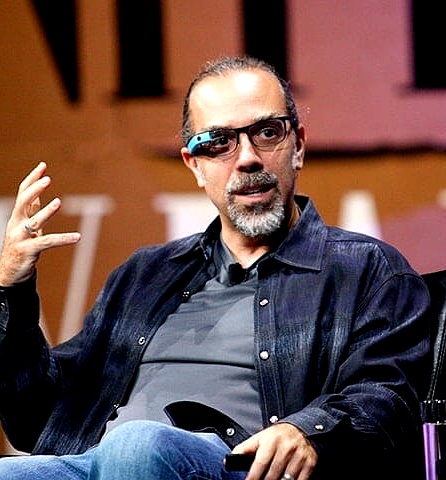
Astro Teller's Book Recommendations
Astro Teller is an American entrepreneur, scientist, and the CEO of X (formerly Google X), Alphabet’s innovation lab dedicated to developing groundbreaking technologies. Often referred to as "Captain of Moonshots," Teller leads a team focused on tackling some of the world’s biggest challenges through radical solutions. Under his leadership, X has worked on projects like self-driving cars (Waymo), internet balloons (Loon), and delivery drones (Wing). Teller holds a PhD in artificial intelligence and has a deep background in science and technology, blending his technical expertise with a passion for innovation. He is a proponent of a fail-fast approach, encouraging experimentation and learning from failure as integral parts of the innovation process. Teller’s work at X has placed him at the forefront of the tech world’s quest for transformative technologies. Outside of his work at X, he is an accomplished author, having written both fiction and non-fiction, and is an advocate for the future of AI and robotics.
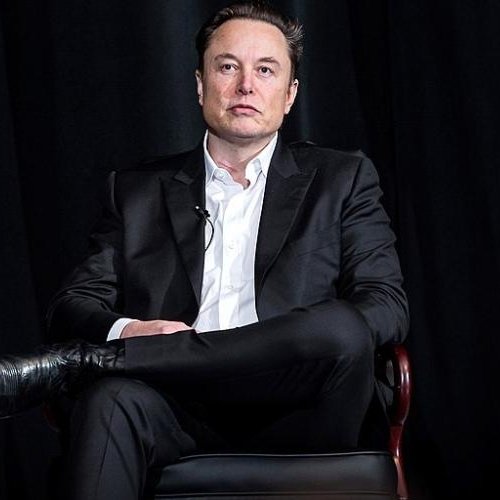
Elon Musk's Book Recommendations
Elon Musk is an influential entrepreneur and innovator known for founding and leading several groundbreaking companies, including Tesla, SpaceX, Neuralink, and The Boring Company. He has played a pivotal role in advancing electric vehicles, space exploration, and renewable energy. Musk's vision extends to colonizing Mars and reducing the risk of human extinction through space travel. In addition to his technological contributions, he has co-authored the book "Spacex: Making Commercial Spaceflight a Reality," providing insights into his ambitious projects and vision for the future. Musk's relentless pursuit of innovation continues to shape the trajectory of multiple industries.
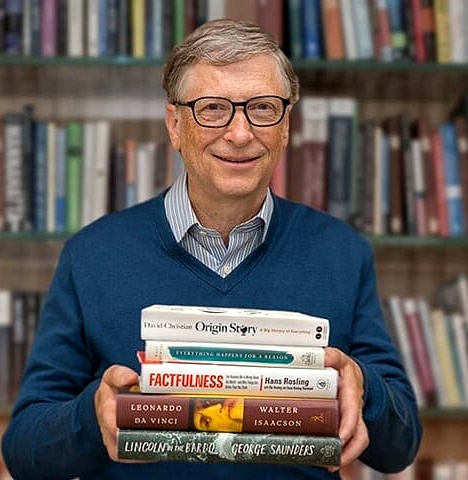
Bill Gates's Book Recommendations
Bill Gates, co-founder of Microsoft Corporation, is a pioneering figure in the tech industry, having played a key role in the personal computer revolution. His work at Microsoft, particularly the development of Windows, transformed software and computing globally. Beyond his technology contributions, Gates is also a prolific author, with notable works such as "The Road Ahead" and "Business @ the Speed of Thought," which offer insights into the future of technology and business. Additionally, his philanthropic efforts through the Bill & Melinda Gates Foundation have had a profound impact on global health, education, and poverty. Gates continues to influence both technology and literature with his forward-thinking perspectives and innovative ideas.

David Friedberg's Book Recommendations
David Friedberg is an entrepreneur, investor, and founder of The Production Board, a company focused on creating and investing in businesses that aim to solve challenges in food, agriculture, and climate change. Friedberg is also the founder of Climate Corporation, a company that uses data science to help farmers manage weather risk, which was acquired by Monsanto for $1 billion. He is a strong advocate for using technology to address global environmental and food production challenges. Friedberg’s focus on sustainability and innovation has made him a leader in the intersection of agriculture, climate science, and technology.
Showing 8 of 13 related collections
Frequently Asked Questions
Explore Our Catalogue
Discover a world of knowledge through our extensive collection of book summaries.
Genres
Genres
Genres
Featured Collections
- Top Book Club Picks
- One-Stop Nutrition
- Summer Reads 2024
- Best Beach Reads 2024
- Work-Life Balance Guide
- Time Management
- Healthy Foods
- Entrepreneur Toolkit
- Mind & Body Wellness
- Future Tech Insights
- Leadership Essentials
- Financial Freedom
- Sci-Fi Masterpieces
- Parenting 101
- Books That Became Blockbusters
- Guide to a Healthy Pregnancy