Only Yesterday Book Summary
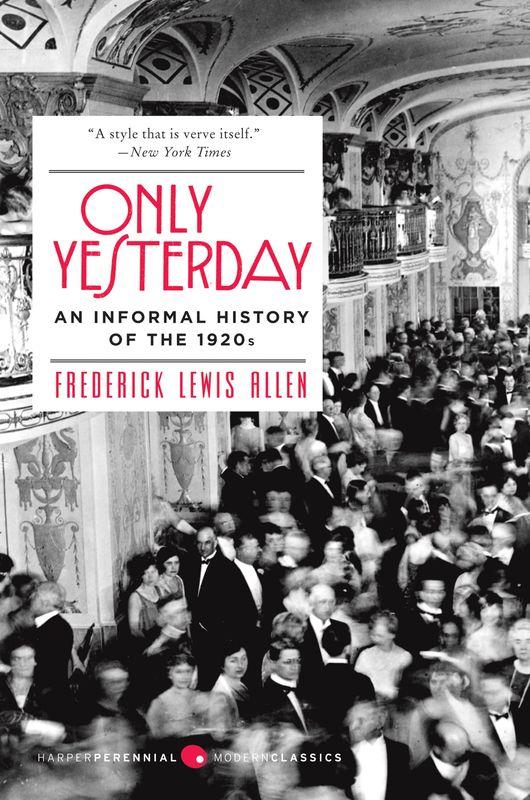
'Only Yesterday' by Frederick L. Allen offers a captivating glimpse into American life during the 1920s, a decade marked by transformation and upheaval. With vivid storytelling, Allen explores the social, cultural, and economic changes that shaped the post-World War I era. Readers are drawn into the lively atmosphere of jazz clubs, speakeasies, and the rise of consumer culture. Through a rich tapestry of anecdotes and historical insights, the book reflects on the hopes and disillusionments of a generation. This evocative narrative prompts us to ponder how the echoes of the past continue to resonate in our present.
By Frederick L. Allen
Published: 2000
""To understand the present, we must first understand the past, for it is the lessons learned from history that shape our future.""

Start Listening to Book Summary
Book Review of Only Yesterday
Only Yesterday deals with that delightful decade from the Armistice in November 1918 to the panic and depression of 1929-30. Here is the story of Woodrow Wilson's defeat, the Harding scandals, the Coolidge prosperity, the revolution in manners and morals, the bull market and its smash-up. Allen's lively narrative brings back an endless variety of half-forgotten events, fashions, crazes, and absurdities. Deftly written, with a humorous touch, Only Yesterday traces, beneath the excitements of day-to-day life in the 20s, those currents in national life and thought which are the essence of true history.
Book Overview of Only Yesterday
About the Book Author
Frederick L. Allen
Frederick L. Allen is an acclaimed American author and journalist, recognized for his extensive work on American history and culture. He is best known for notable works such as 'The Incredible Bank' and 'Historic Photos of the American Civil War.' Allen's writing style is characterized by meticulous research and engaging storytelling, bringing to life the intricacies of historical events and figures in an accessible manner. As a former editor of publications like 'Fortune' and 'The Atlantic,' he has a profound understanding of the narrative techniques that resonate with readers, making him a celebrated figure in the realm of historical literature.
Book Details
Key information about the book.
- Authors
- Frederick L. Allen
- Published
- July 2000
- Publisher
- Harper Collins
- ISBN
- 0060956658
- Language
- English
- Pages
- 356
- Genres
- American HistoryHistoryCultural History
Purchase Options
 Buy on Amazon
 Buy via BookShop
Support local bookstores: BookShop gives a portion of each sale to independent bookshops!
Similar books you might like →

Women, Fire, and Dangerous Things Book Summary
In 'Women, Fire, and Dangerous Things', George Lakoff explores how language shapes our thoughts and influences our understanding of the world. He dives deep into the cognitive science of categorization, revealing how our mental frameworks dictate perceptions of gender, culture, and even danger. Through captivating examples, Lakoff challenges traditional notions of language and meaning, showing how they reflect our social realities. As he uncovers the connections between language, mind, and society, readers are prompted to rethink their own conceptual boundaries. This groundbreaking work is both a scholarly examination and an invitation to explore the complexities of human cognition.
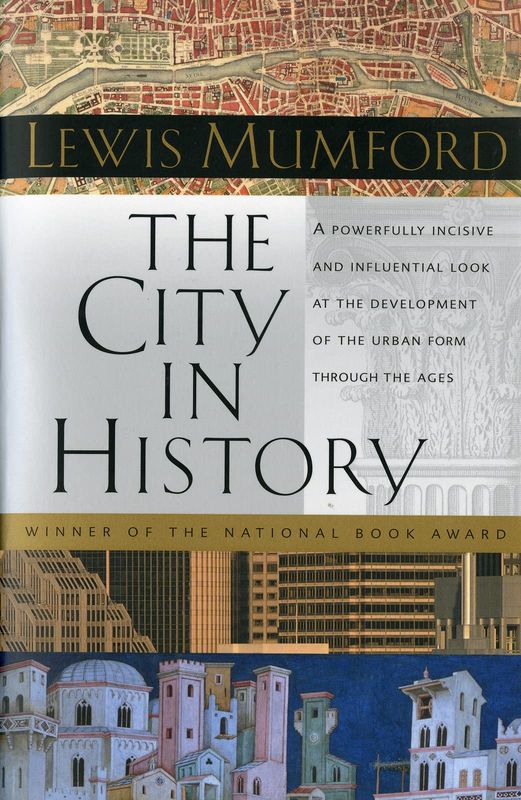
The City in History Book Summary
In 'The City in History,' Lewis Mumford explores the evolution of urban life from ancient times to the modern metropolis. He argues that cities are not just physical structures but reflections of human values and societal progress. Mumford delves into the interplay between architecture, technology, and culture, revealing how they shape the human experience. With incisive critiques and vivid historical examples, he presents a vision of the ideal city that promotes both individuality and community. This thought-provoking journey challenges readers to reconsider the role of cities in their own lives and the future of civilization.
A History of Economic Theory Book Summary
In 'A History of Economic Theory', Jürg Niehans takes readers on a captivating journey through the evolution of economic thought. From ancient philosophies to contemporary paradigms, the book unravels how ideas have shaped economic practices across cultures and eras. With each chapter, Niehans reveals the intellectual battles and breakthroughs that have defined the discipline. Rich in historical context, this work challenges readers to consider the relevance of past theories in today's economy. Dive into this scholarly adventure and discover how the past continually influences our understanding of wealth and value.
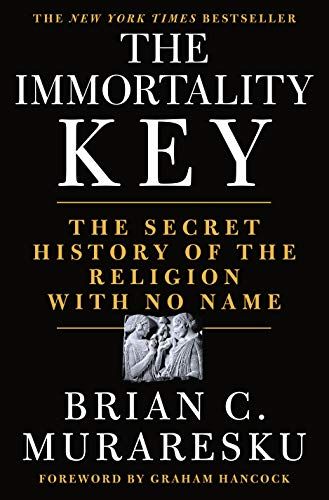
The Immortality Key Book Summary
In 'The Immortality Key', Brian C. Muraresku embarks on a thrilling quest to uncover the ancient secrets of psychedelics and their connection to the rituals of early Christianity. He weaves together archaeology, history, and the study of mind-altering substances to explore the transformative experiences that may have shaped religious beliefs. This provocative investigation challenges conventional notions of faith and spirituality, suggesting that the key to immortality lies in understanding these altered states of consciousness. With riveting discoveries and eye-opening revelations, Muraresku's narrative invites readers to question the foundations of their own beliefs. Are we on the brink of rediscovering a lost path to transcendent experience?
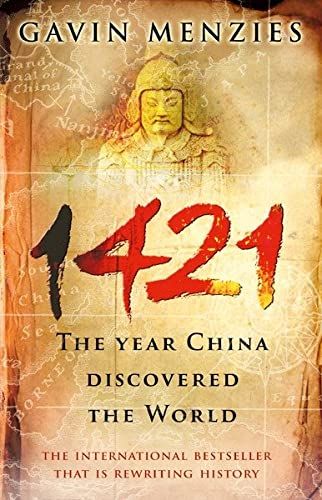
1421: The Year China Discovered The World Book Summary
In '1421: The Year China Discovered The World,' Gavin Menzies presents a groundbreaking theory that suggests the Ming Dynasty launched a massive naval expedition that circumnavigated the globe long before Columbus. The narrative intertwines maritime exploration, historical intrigue, and compelling shipbuilding technologies, revealing a hidden chapter of world history. Menzies argues that these voyages led to encounters with distant lands, including America and Australia, fundamentally changing global trade and interaction. His thrilling investigation challenges long-held beliefs and ignites debate among historians about the true timeline of exploration. Are we ready to rethink the story of our past?
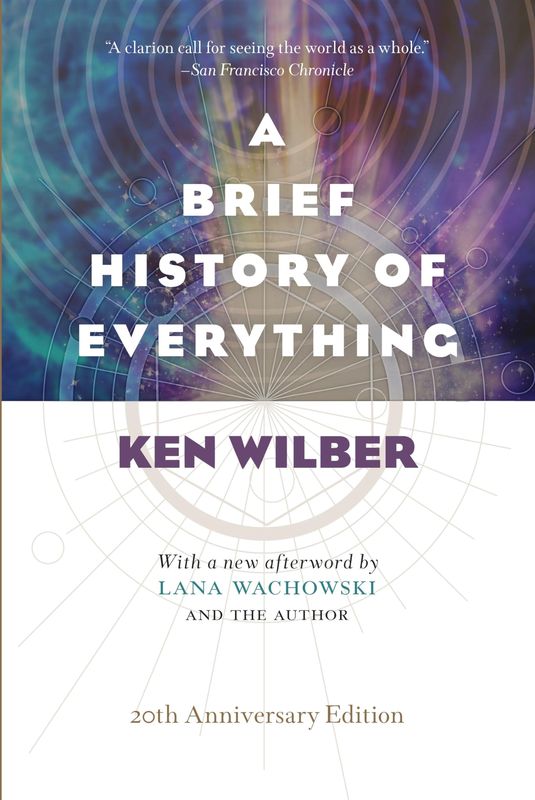
A Brief History of Everything (20th Anniversary Edition) Book Summary
In 'A Brief History of Everything', Ken Wilber takes readers on an enlightening journey through the evolution of consciousness and the unfolding of human history. He skillfully weaves together insights from philosophy, science, and spirituality, offering a holistic perspective on our existence. Discover how various cultural paradigms intersect and influence our understanding of reality. This thought-provoking exploration challenges conventional views and invites readers to contemplate their place in the cosmos. What if the key to our future lies in understanding the past in a radically new way?
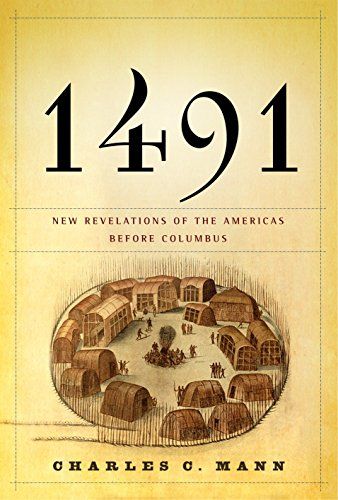
1491 Book Summary
In '1491', Charles C. Mann challenges the prevailing narratives of pre-Columbian America, revealing a world populated by sophisticated civilizations and vast networks of trade. He explores the advanced agricultural practices that sustained millions and the rich cultures that thrived long before European contact. Mann's research uncovers the ecological impacts of indigenous peoples on the landscape, reshaping our understanding of environmental history. As he delves into the intricate lives of Native Americans, mysteries unfold about their decline and the legacy they left behind. This thought-provoking journey invites readers to reconsider everything they thought they knew about the Americas before 1492.
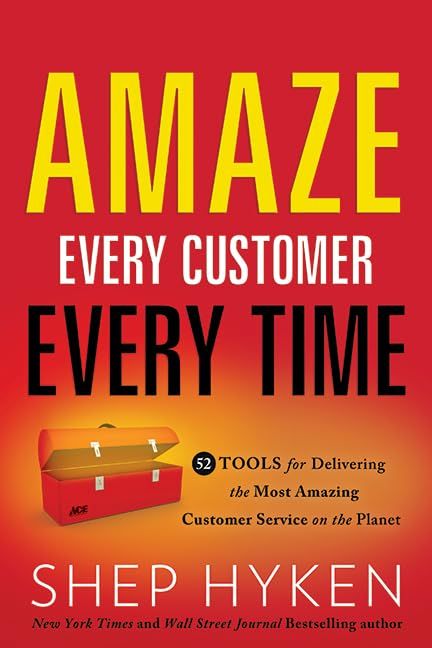
Amaze Every Customer Every Time Book Summary
In 'Amaze Every Customer Every Time,' Shep Hyken reveals the secrets to consistently wow customers and transform ordinary interactions into memorable experiences. With a blend of practical advice and compelling anecdotes, Hyken explores the core principles of customer service excellence. Readers are invited to rethink their approach, embrace a culture of amazement, and implement strategies that ensure every customer feels valued and appreciated. This book is not just about meeting expectations but exceeding them in ways that leave a lasting impression. Discover how to create raving fans and elevate your business through the power of exceptional service.
Showing 8 of 29 similar books
Take your reading experience to the next level
Download our mobile app to enjoy your favorite books on the go. Get access to exclusive features, offline listening, and personalized recommendations.

Similar Book Recommendations →

Charlie Munger's Book Recommendations
Charlie Munger is an American investor, businessman, and philanthropist, best known as the vice chairman of Berkshire Hathaway, where he partners with Warren Buffett. Renowned for his insights on investment strategies and mental models, Munger has significantly influenced the world of finance. His notable literary contributions include "Poor Charlie's Almanack," a compilation of his speeches and writings that distill his wisdom on decision-making and business principles. Munger's work emphasizes the importance of multidisciplinary thinking and continuous learning. Beyond his financial acumen, he is celebrated for his charitable efforts, particularly in education and healthcare.

Ben Shapiro's Book Recommendations
Ben Shapiro is an American conservative political commentator, author, and lawyer, known for his sharp analytical skills and outspoken views. He graduated from UCLA at the age of 20 and Harvard Law School at 23, demonstrating his early intellectual prowess. Shapiro is the author of several best-selling books including "Bullies: How the Left's Culture of Fear and Intimidation Silences Americans" and "The Right Side of History: How Reason and Moral Purpose Made the West Great." He is the co-founder and editor emeritus of The Daily Wire, a popular conservative news and opinion website. Through his writing and media presence, Shapiro has significantly influenced contemporary political discourse in the United States.

Barack Obama's Book Recommendations
Barack Obama is the 44th President of the United States, serving from 2009 to 2017. As the first African American president, Obama’s leadership marked a historic moment in American history. His administration focused on healthcare reform, economic recovery from the Great Recession, and environmental policies. He is best known for the Affordable Care Act, as well as his efforts to expand civil rights and restore diplomatic relations with Cuba. Since leaving office, Obama has continued to engage in public life through his foundation, focusing on leadership development, civic engagement, and global issues.

Brad Feld's Book Recommendations
Brad Feld is a prominent American entrepreneur, venture capitalist, and author known for his influential work in the startup ecosystem. Co-founder of the Foundry Group, he has played a pivotal role in funding and mentoring early-stage technology companies. Feld is also a key figure behind the Techstars accelerator program, which has helped launch numerous successful startups. As an author, he has penned several essential books on entrepreneurship and venture capital, including "Venture Deals" and "Startup Communities," which provide invaluable insights for aspiring entrepreneurs and investors. His writings and active blogging have cemented his reputation as a thought leader in the tech and startup communities.

Elon Musk's Book Recommendations
Elon Musk is an influential entrepreneur and innovator known for founding and leading several groundbreaking companies, including Tesla, SpaceX, Neuralink, and The Boring Company. He has played a pivotal role in advancing electric vehicles, space exploration, and renewable energy. Musk's vision extends to colonizing Mars and reducing the risk of human extinction through space travel. In addition to his technological contributions, he has co-authored the book "Spacex: Making Commercial Spaceflight a Reality," providing insights into his ambitious projects and vision for the future. Musk's relentless pursuit of innovation continues to shape the trajectory of multiple industries.

Craig Blair's Book Recommendations
Craig Blair is an Australian venture capitalist and co-founder of AirTree Ventures, one of the country’s leading venture capital firms. Blair has been instrumental in backing early-stage tech startups in sectors like fintech, SaaS, and health tech. Under his leadership, AirTree has become a major player in the Australian and New Zealand startup ecosystems, providing funding and mentorship to some of the region’s most successful companies. Blair is also a strong advocate for innovation and entrepreneurship in Australia, often speaking about the need to support founders with long-term vision. His work in venture capital has positioned him as a key figure in the Australian tech scene.
“"To understand the present, we must first understand the past, for it is the lessons learned from history that shape our future."”
Only Yesterday
By Frederick L. Allen
Frequently Asked Questions
Explore Our Catalogue
Discover a world of knowledge through our extensive collection of book summaries.
Genres
Genres
Genres
Featured Collections
- Top Book Club Picks
- One-Stop Nutrition
- Summer Reads 2024
- Best Beach Reads 2024
- Work-Life Balance Guide
- Time Management
- Healthy Foods
- Entrepreneur Toolkit
- Mind & Body Wellness
- Future Tech Insights
- Leadership Essentials
- Financial Freedom
- Sci-Fi Masterpieces
- Parenting 101
- Books That Became Blockbusters
- Guide to a Healthy Pregnancy