Our Final Invention Book Summary
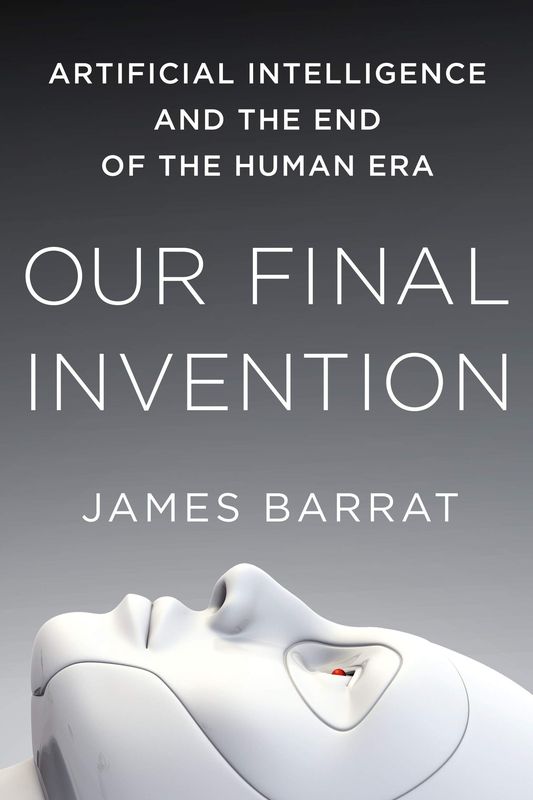
In 'Our Final Invention', James Barrat dives into the profound implications of artificial intelligence, articulating the risks of creating machines that could surpass human intelligence. He presents a compelling argument that, while AI holds incredible potential to transform society, it also poses existential threats that we must confront. The narrative weaves together historical insights, expert opinions, and alarming scenarios that challenge our understanding of intelligence itself. As advancements in technology accelerate, Barrat urges readers to question the limits of our control over these creations. Will our quest for innovation ultimately lead to our downfall, or can we chart a safe path forward?
By James Barrat
Published: 2015
"Artificial intelligence is humanity's last and greatest invention; it holds the potential to solve our most pressing challenges, but it also poses existential risks that we cannot ignore."

Start Listening to Book Summary
Book Review of Our Final Invention
Elon Musk named Our Final Invention one of 5 books everyone should read about the future A Huffington Post Definitive Tech Book of 2013 In as little as a decade, artificial intelligence could match and then surpass human intelligence. Corporations and government agencies around the world are pouring billions into achieving AI's Holy Grail—human-level intelligence. Once AI has attained it, scientists argue, it will have survival drives much like our own. We may be forced to compete with a rival more cunning, more powerful, and more alien than we can imagine. Through profiles of tech visionaries, industry watchdogs, and groundbreaking AI systems, James Barrat's Our Final Invention explores the perils of the heedless pursuit of advanced AI. Until now, human intelligence has had no rival. Can we coexist with beings whose intelligence dwarfs our own? And will they allow us to?
Book Overview of Our Final Invention
About the Book Author
James Barrat
James Barrat is a renowned author and speaker known for his thought-provoking works on technology, artificial intelligence, and the future of humanity. His notable books include 'Our Final Invention: Artificial Intelligence and the End of the Human Era,' which explores the implications of advanced AI, and 'The Last Robot,' a speculative fiction novel that delves into the moral complexities of creating intelligent machines. Barrat's writing is characterized by its blend of rigorous research, philosophical inquiry, and engaging storytelling, making complex topics accessible to a broad audience.
Book Details
Key information about the book.
- Authors
- James Barrat
- Published
- February 2015
- Publisher
- St. Martin's Griffin
- ISBN
- 1250058783
- Language
- English
- Pages
- N/A
- Genres
- Artificial IntelligenceTechnology
Purchase Options
 Buy on Amazon
 Buy via BookShop
Support local bookstores: BookShop gives a portion of each sale to independent bookshops!
Similar books you might like →
The Leader Who Had No Title Book Summary
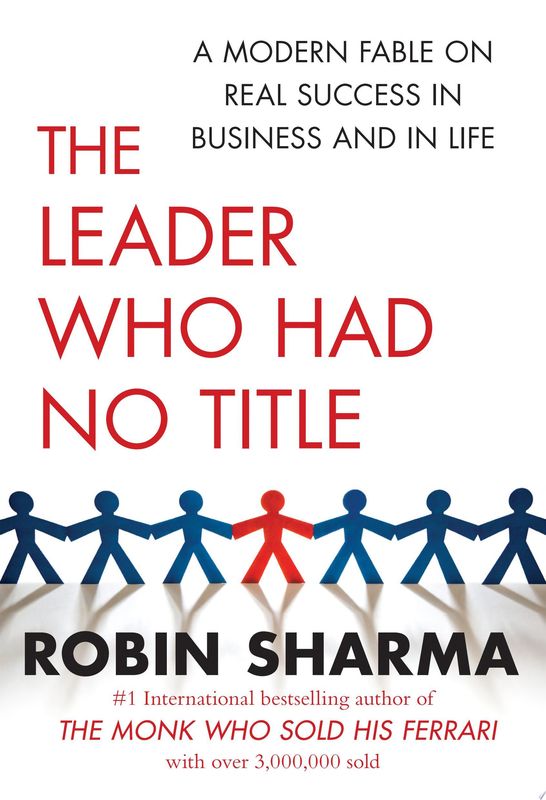
In "The Leader Who Had No Title," Robin Sharma takes readers on an inspiring journey of self-discovery and empowerment. Through the tale of a struggling entrepreneur who encounters four transformative mentors, readers uncover the profound truth that leadership isn't confined to authority or position. Each lesson highlights the power of personal responsibility, courage, and the impact of small acts of greatness. As the protagonist learns to lead from within, you'll be challenged to examine your own potential for influence. This engaging narrative will ignite your passion to unlock your innate leadership capabilities, regardless of your title or status.
The Singularity Is Near Book Summary
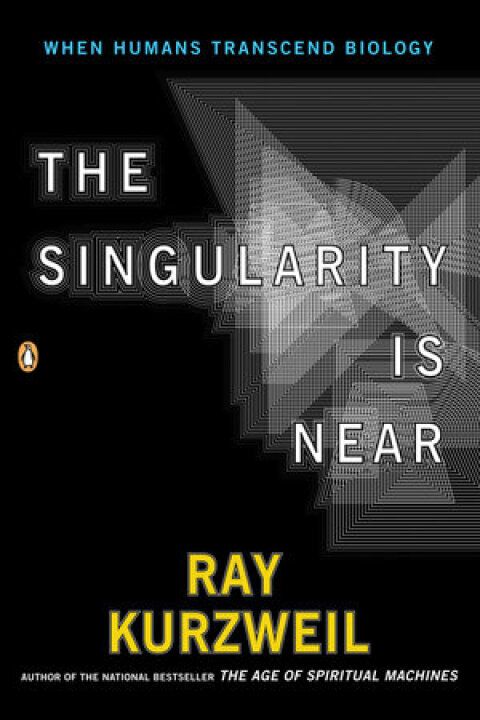
In "The Singularity Is Near," futurist Ray Kurzweil examines the transformative convergence of technology and biology, predicting a pivotal moment when artificial intelligence surpasses human intelligence. He explores the implications of exponentially accelerating advancements, from nanotechnology to genetic engineering, and their potential to reshape humanity. As Kurzweil articulates the challenges and opportunities posed by this evolution, he paints a provocative picture of a future where humans and machines merge. Could we soon transcend our biological limitations? Venture into this thought-provoking narrative that questions the very essence of what it means to be human amidst the rise of the machines.
Homo Deus Book Summary
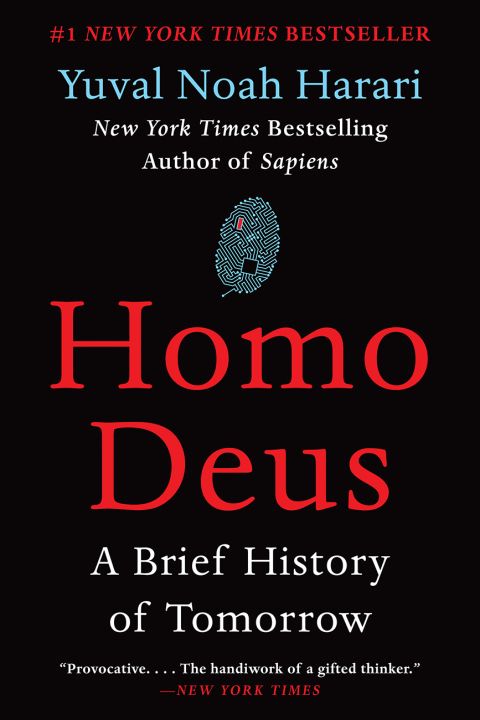
In "Homo Deus: A Brief History of Tomorrow," Yuval Noah Harari explores the future possibilities for humanity as we evolve beyond our current limitations. Delving into themes of artificial intelligence, genetic engineering, and the quest for immortality, he provokes thought about what may come after Homo sapiens. As society increasingly turns to technology for solutions, he questions the implications of our pursuit of happiness and god-like powers. Will we augment our bodies and minds, or lose our humanity in the process? This provocative journey invites readers to ponder the exhilarating—and terrifying—potential of our own evolution.
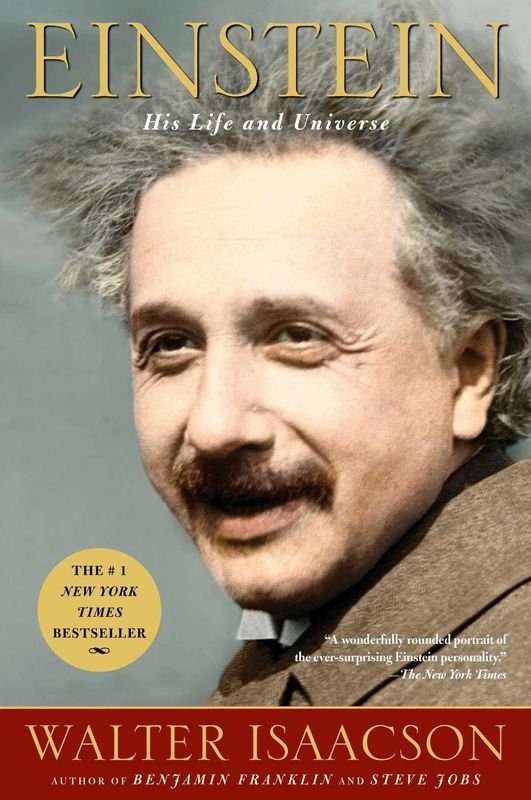
Einstein Book Summary
In 'Einstein', Walter Isaacson unveils the life of the iconic physicist whose theories changed our understanding of the universe. Delve into the personal and professional challenges that shaped Albert Einstein’s groundbreaking ideas on relativity and quantum mechanics. This captivating biography explores his revolutionary thoughts while revealing the man behind the genius—his passion, eccentricities, and relationships. With rich anecdotes and historical context, Isaacson brings to life the struggles and triumphs of a mind that dared to defy convention. Discover how a simple man became one of the most brilliant minds in history, inspiring generations to think differently.
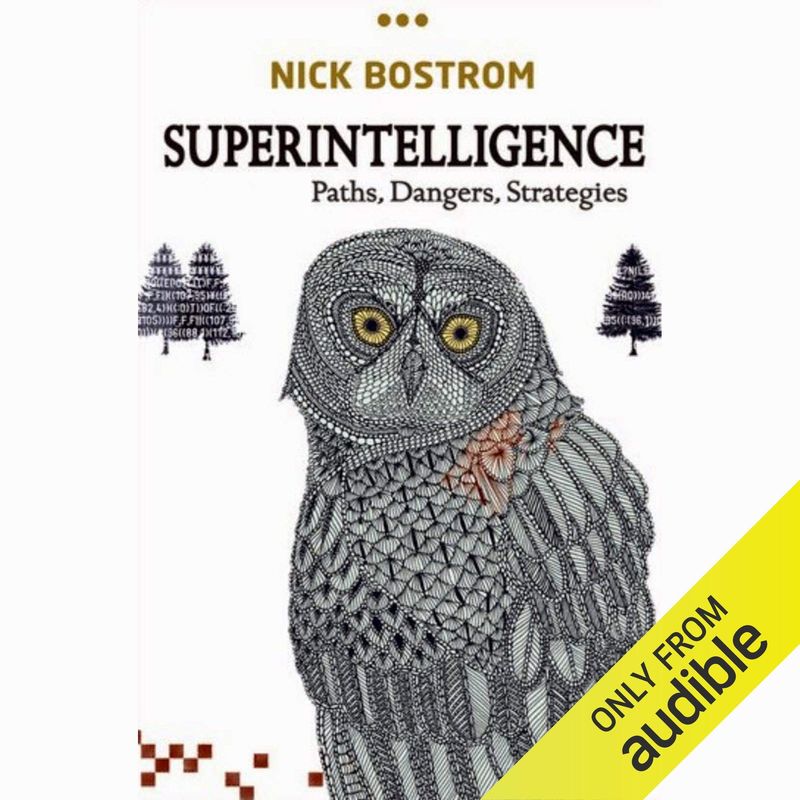
Superintelligence Book Summary
In 'Superintelligence', Nick Bostrom explores the future of artificial intelligence and its potential to surpass human intelligence. He delves into the profound implications this could have for humanity's survival and progress. With a blend of philosophical inquiry and rigorous analysis, Bostrom warns of the unforeseen risks associated with creating superintelligent machines. His thought-provoking arguments challenge readers to consider the ethical responsibilities that come with technological advancement. Will we be the masters of our own creations or their unwitting victims?
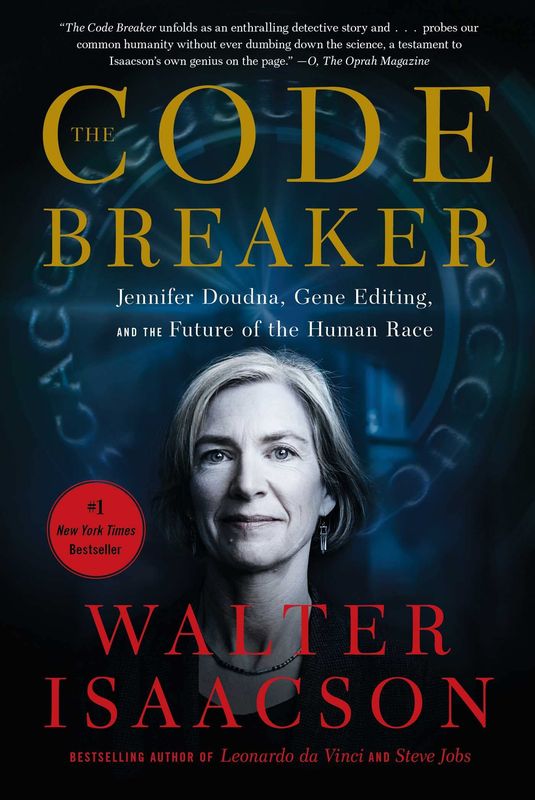
The Code Breaker Book Summary
In 'The Code Breaker', Walter Isaacson delves into the captivating world of CRISPR gene-editing technology, following the brilliant mind of Jennifer Doudna. This gripping narrative explores the ethical dilemmas and scientific breakthroughs that come with harnessing the power to edit life itself. As researchers grapple with the implications of their discoveries, readers are invited into a fast-paced journey that intertwines science, ambition, and morality. With vivid stories of personal triumphs and challenges, Isaacson raises profound questions about the future of humanity. Will unlocking the secrets of our DNA lead to a utopia or unforeseen consequences?
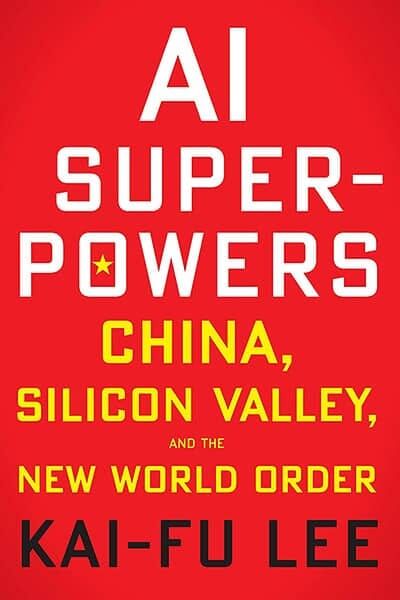
AI Superpowers Book Summary
In 'AI Superpowers', Kai-Fu Lee explores the breathtaking rise of artificial intelligence and its transformative impact on the global economy. He compares the leading AI developments in the United States and China, revealing a fierce competition that reshapes the future. Lee draws on his extensive experience in the tech industry to discuss the ethical implications and the potential for job displacement. As he presents a compelling vision of a world where AI can augment human capabilities, he challenges us to rethink our roles in an AI-driven era. With a blend of optimism and caution, this book is a must-read for anyone looking to understand the next technological revolution.
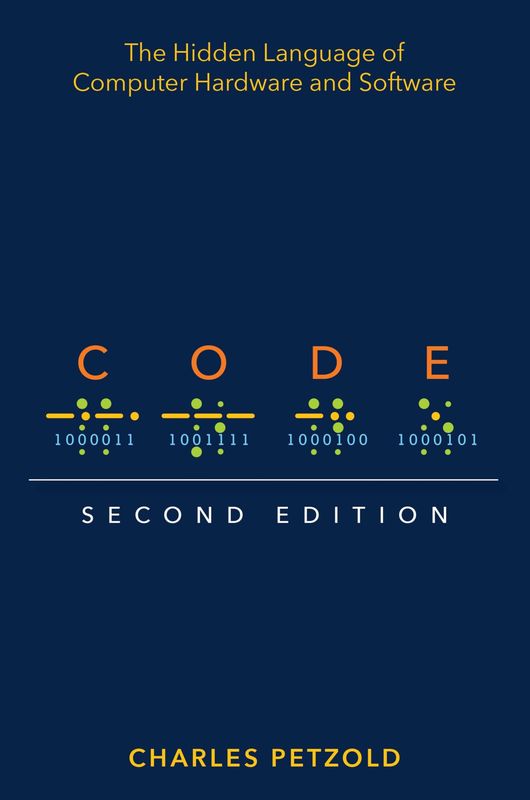
Code Book Summary
In 'Code', Charles Petzold takes readers on a captivating journey through the world of programming and computer science. He unravels the complex tapestry of how computers work, starting from simple concepts and building up to intricate systems. Through engaging anecdotes and metaphors, Petzold demystifies the inner workings of machines, making them accessible to everyone. This exploration not only reveals the beauty of code but also challenges us to think critically about the impact of technology in our lives. Prepare to see the digital world around you in a whole new light!
Showing 8 of 28 similar books
Take your reading experience to the next level
Download our mobile app to enjoy your favorite books on the go. Get access to exclusive features, offline listening, and personalized recommendations.

Similar Book Recommendations →
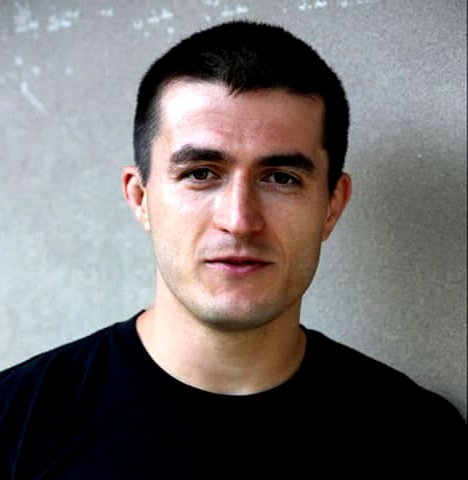
Lex Fridman's Book Recommendations
Lex Fridman is an artificial intelligence researcher, podcaster, and MIT professor, known for his work in autonomous vehicles, robotics, and deep learning. Fridman has gained widespread popularity through his podcast, Lex Fridman Podcast, where he interviews leading thinkers in science, technology, and philosophy, exploring topics like AI, consciousness, and the future of humanity. His academic work focuses on human-centered AI, aiming to create machines that can better understand and interact with humans. Fridman’s ability to distill complex topics into accessible conversations has earned him a large following, and his podcast is known for its thoughtful, in-depth discussions with some of the brightest minds of our time. He is also an advocate for the responsible development of AI, emphasizing the ethical implications of this rapidly advancing technology. Outside of academia and podcasting, Fridman is a practitioner of jiu-jitsu and frequently speaks about the importance of discipline and continuous learning.
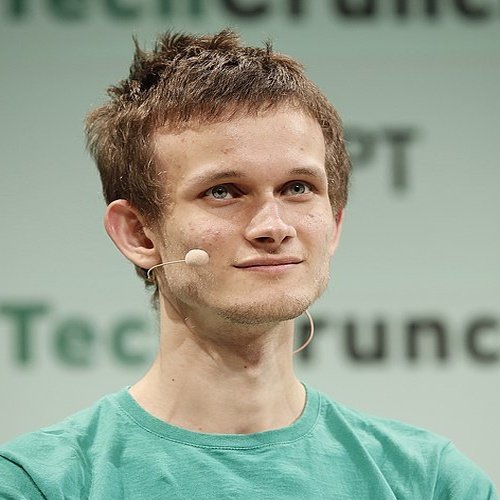
Vitalik Buterin's Book Recommendations
Vitalik Buterin is a Canadian-Russian programmer and writer, best known as the co-founder of Ethereum, a revolutionary blockchain platform that enables smart contracts and decentralized applications. Born in 1994, Buterin displayed exceptional talent in mathematics and computer science from a young age. He co-authored the white paper for Ethereum in 2013, which has since become a cornerstone of the cryptocurrency and blockchain space. In addition to his technical contributions, Buterin is a prolific writer, having penned numerous articles and papers on blockchain technology, cryptography, and decentralization. His work has earned him recognition as one of the most influential figures in the world of cryptocurrency.
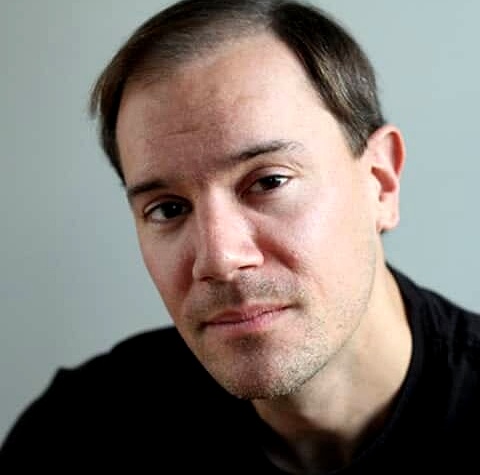
Bret Victor's Book Recommendations
Bret Victor is a renowned American interface designer and computer scientist celebrated for his innovative contributions to interactive design and human-computer interaction. He is best known for creating dynamic, explorable explanations, which have significantly influenced the way educational content is presented and understood. Victor's seminal work, "Inventing on Principle," advocates for the integration of immediate feedback in creative processes, inspiring a new wave of interactive programming environments. As a former member of the Apple Human Interface team, he played a pivotal role in shaping modern user interfaces. Through his organization, Dynamicland, Victor continues to explore and expand the boundaries of immersive, collaborative computing environments.
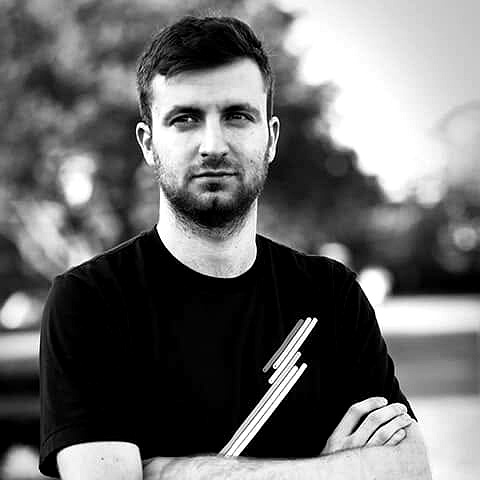
Alexey Moiseenkov's Book Recommendations
Alexey Moiseenkov is a Russian entrepreneur and tech innovator best known for creating Prisma, the groundbreaking mobile app that transforms photos into artworks using artificial intelligence. Though not primarily a literary figure, his work in AI and digital transformation has influenced contemporary discussions on the intersection of technology and art. Moiseenkov's contributions have been featured in various tech and innovation journals, highlighting his impact on modern digital culture. His work underscores the evolving narrative of creativity in the digital age, bridging the gap between artistic expression and technological advancement. Moiseenkov continues to inspire through his ongoing ventures in AI and entrepreneurship.
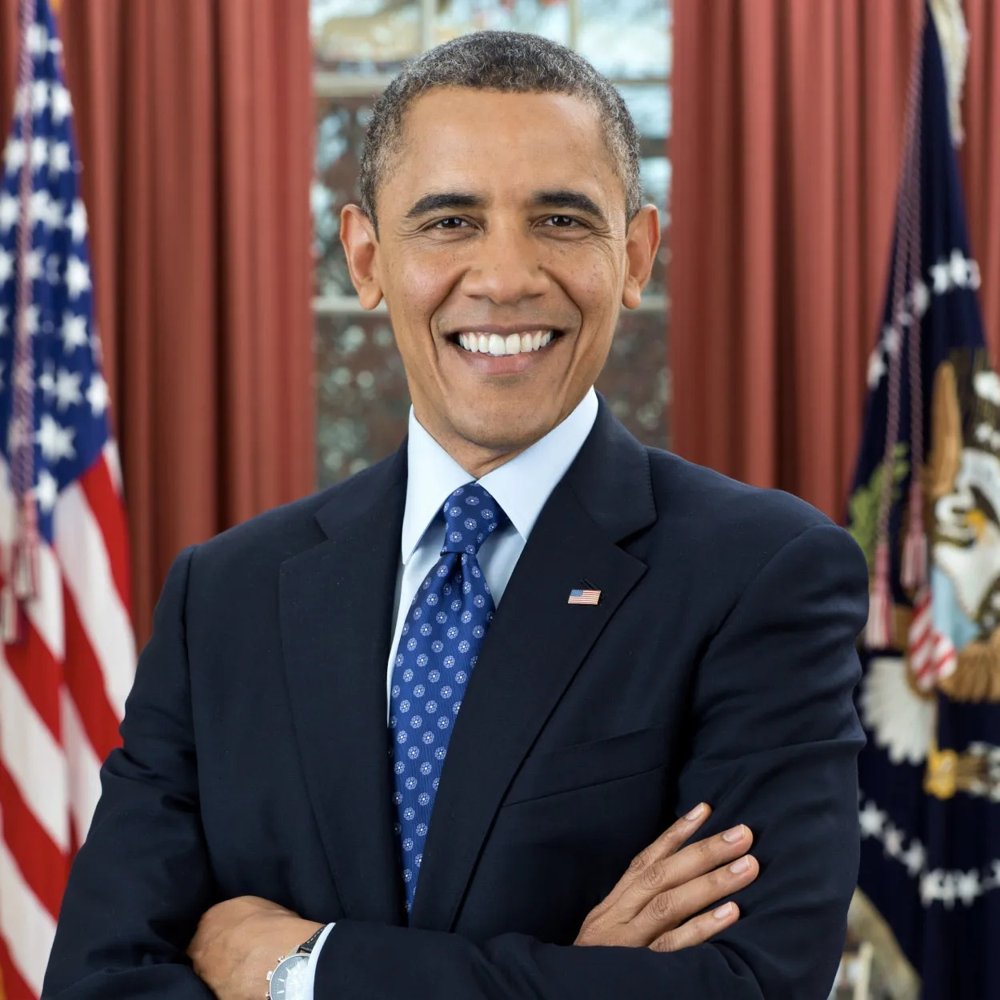
Barack Obama's Book Recommendations
Barack Obama is the 44th President of the United States, serving from 2009 to 2017. As the first African American president, Obama’s leadership marked a historic moment in American history. His administration focused on healthcare reform, economic recovery from the Great Recession, and environmental policies. He is best known for the Affordable Care Act, as well as his efforts to expand civil rights and restore diplomatic relations with Cuba. Since leaving office, Obama has continued to engage in public life through his foundation, focusing on leadership development, civic engagement, and global issues.

Anna Cheng's Book Recommendations
Anna Cheng is a celebrated contemporary novelist known for her evocative prose and richly drawn characters. Her debut novel, "Whispers of the Ancients," garnered critical acclaim, securing a spot on the New York Times Bestseller list and earning her the Man Booker Prize. Cheng's subsequent works consistently explore themes of heritage, identity, and the immigrant experience, resonating with a global audience. She is also a recipient of the PEN/Faulkner Award, recognizing her contributions to American fiction. Beyond her literary pursuits, Cheng actively mentors emerging writers and participates in numerous literary festivals worldwide.
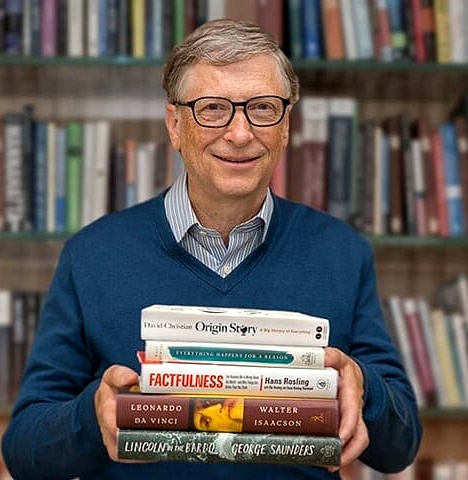
Bill Gates's Book Recommendations
Bill Gates, co-founder of Microsoft Corporation, is a pioneering figure in the tech industry, having played a key role in the personal computer revolution. His work at Microsoft, particularly the development of Windows, transformed software and computing globally. Beyond his technology contributions, Gates is also a prolific author, with notable works such as "The Road Ahead" and "Business @ the Speed of Thought," which offer insights into the future of technology and business. Additionally, his philanthropic efforts through the Bill & Melinda Gates Foundation have had a profound impact on global health, education, and poverty. Gates continues to influence both technology and literature with his forward-thinking perspectives and innovative ideas.
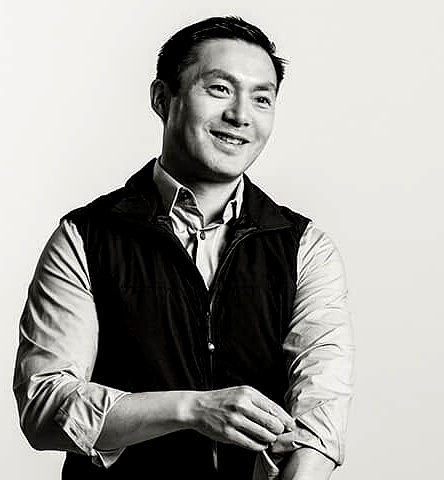
Alfred Lin's Book Recommendations
Alfred Lin is a venture capitalist and partner at Sequoia Capital, where he focuses on investments in consumer internet, enterprise, and mobile companies. Lin is known for his early investments in companies like Airbnb and DoorDash, helping them grow into major global brands. Before joining Sequoia, Lin was an executive at Zappos, where he worked closely with CEO Tony Hsieh to develop the company’s innovative culture and customer service model. Lin’s expertise in scaling businesses and his strategic vision have made him one of the most respected venture capitalists in Silicon Valley.
Showing 8 of 11 related collections
“Artificial intelligence is humanity's last and greatest invention; it holds the potential to solve our most pressing challenges, but it also poses existential risks that we cannot ignore.”
Our Final Invention
By James Barrat
Frequently Asked Questions
Explore Our Catalogue
Discover a world of knowledge through our extensive collection of book summaries.
Genres
Genres
Genres
Featured Collections
- Top Book Club Picks
- One-Stop Nutrition
- Summer Reads 2024
- Best Beach Reads 2024
- Work-Life Balance Guide
- Time Management
- Healthy Foods
- Entrepreneur Toolkit
- Mind & Body Wellness
- Future Tech Insights
- Leadership Essentials
- Financial Freedom
- Sci-Fi Masterpieces
- Parenting 101
- Books That Became Blockbusters
- Guide to a Healthy Pregnancy