Our Lost Constitution Book Summary
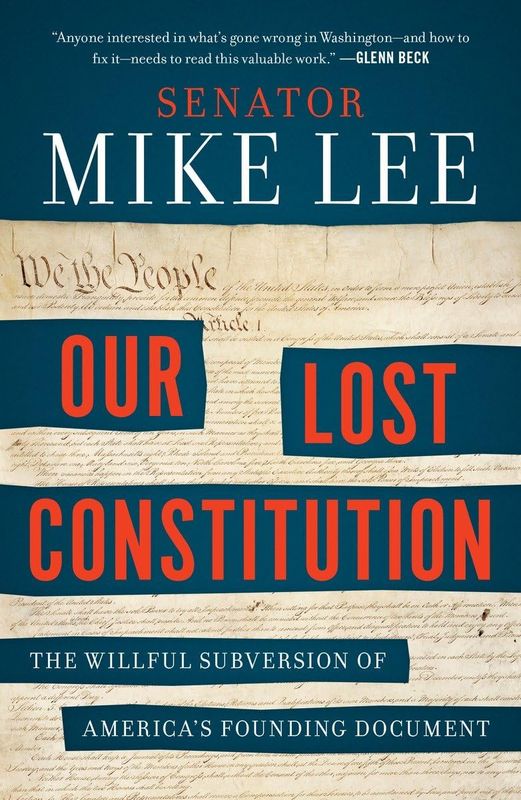
In 'Our Lost Constitution,' Senator Mike Lee embarks on a compelling journey to uncover the original intentions of America's Founding Fathers and the profound principles embedded in the Constitution. He argues that modern interpretations have strayed far from these foundational truths, leading to an erosion of liberty and limited government. Through historical anecdotes and a passionate call to action, Lee urges readers to reclaim their constitutional heritage. His exploration delves into pivotal Supreme Court cases and legislative decisions that have reshaped American governance. Will we awaken to the urgency of safeguarding our constitutional rights, or remain lost in an era of overreach?
By Mike Lee
Published: 2016
""Our Constitution is not just a historical document; it's a living framework that demands our commitment to uphold and protect the freedoms it guarantees.""

Start Listening to Book Summary
Book Review of Our Lost Constitution
The still-unfolding story of America’s Constitution is a history of heroes and villains—the flawed visionaries who inspired and crafted liberty’s safeguards, and the shortsighted opportunists who defied them. Those stories are known by few today. In Our Lost Constitution, Senator Mike Lee tells the dramatic, little-known stories behind six of the Constitution’s most indispensible provisions. He shows their rise. He shows their fall. And he makes vividly clear how nearly every abuse of federal power today is rooted in neglect of this Lost Constitution. For example: • The Origination Clause says that all bills to raise taxes must originate in the House of Representatives, but contempt for the clause ensured the passage of Obamacare. • The Fourth Amendment protects us against unreasonable searches and seizures, but the NSA now collects our private data without a warrant. • The Legislative Powers Clause means that only Congress can pass laws, but unelected agencies now produce ninety-nine out of every one hundred pages of legal rules imposed on the American people. Lee’s cast of characters includes a former Ku Klux Klansman, who hijacked the Establishment Clause to strangle Catholic schools; the Chief Justice of the Supreme Court, who called the Second Amendment a fraud; and the revered president who began his first of four terms by threating to shatter the balance of power between Congress and the president, and who began his second term by vowing to do the same to the Supreme Court. Fortunately, the Constitution has always had its defenders. Senator Lee tells the story of how Andrew Jackson, noted for his courage in duels and politics, stood firm against the unconstitutional expansion of federal powers. He brings to life Ben Franklin’s genius for compromise at a deeply divided constitutional convention. And he tells how in 2008, a couple of unlikely challengers persuaded the Supreme Court to rediscover the Second Amendment’s right to keep and bear arms. Sections of the Constitution may have been forgotten, but it’s not too late to bring them back—if only we remember why we once demanded them and how we later lost them. Drawing on his experience working in all three branches of government, Senator Lee makes a bold case for resurrecting the Lost Constitution to restore and defend our fundamental liberties.
Book Overview of Our Lost Constitution
About the Book Author
Mike Lee
Mike Lee is a versatile author known for his engaging storytelling and rich character development. His notable works include the bestselling novel 'Echoes of the Past' and the critically acclaimed 'A Whisper in the Woods', both of which showcase his ability to weave intricate plots with a blend of suspense and emotional depth. Lee's writing style is characterized by vivid imagery and a strong sense of place, often drawing on his own experiences to create immersive worlds.
Book Details
Key information about the book.
- Authors
- Mike Lee
- Published
- June 2016
- Publisher
- Penguin
- ISBN
- 0143108409
- Language
- English
- Pages
- 258
- Genres
- Political PhilosophyPolitical HistoryPolitics and Current Affairs
Purchase Options
 Buy on Amazon
 Buy via BookShop
Support local bookstores: BookShop gives a portion of each sale to independent bookshops!
Similar books you might like →
Interventions Book Summary
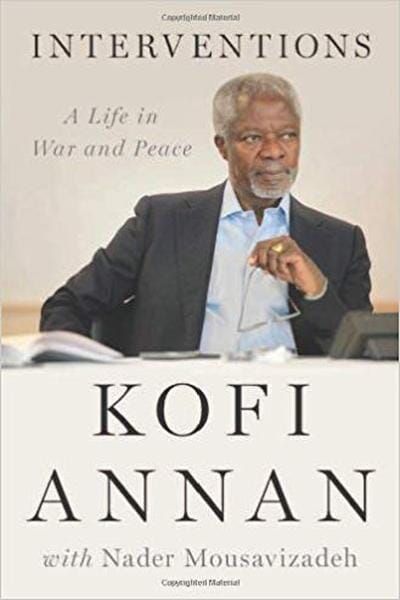
In 'Interventions,' Kofi Atta Annan shares riveting insights from his tenure as the UN Secretary-General, unraveling the complexities of global diplomacy and humanitarian crises. Co-authored by Nader Mousavizadeh, the book offers a candid exploration of critical international interventions in the realms of conflict, peacekeeping, and development. Annan's personal anecdotes and reflections challenge conventional narratives, inviting readers to ponder the moral dilemmas faced by world leaders. With a blend of personal and political history, the text reveals the intricate dance between power, responsibility, and human rights on the global stage. Prepare to be captivated by Annan's vision for a more just and united world.
Taking the Risk Out of Democracy Book Summary
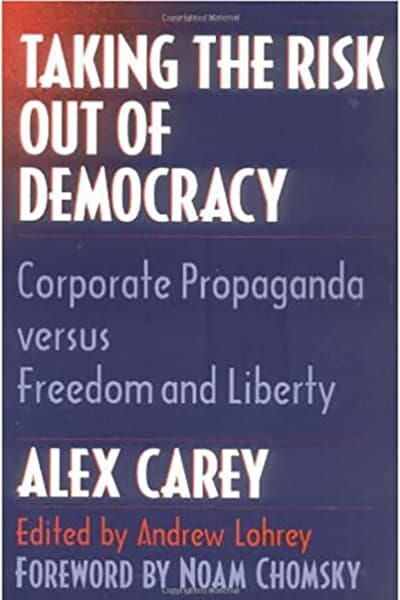
In 'Taking the Risk Out of Democracy', Alex Carey unveils the hidden forces that threaten democratic principles in contemporary society. He explores the interplay between corporate interests and political power, revealing how disinformation and manipulation are wielded to influence public opinion. Carey provides compelling insights into the history of propaganda and its role in shaping modern democracies. Through a critical lens, he warns of the fragility of democratic systems and the necessity of informed citizenry. This thought-provoking exploration invites readers to reflect on the vital importance of safeguarding democracy in an ever-evolving landscape.
The Limits of State Action Book Summary
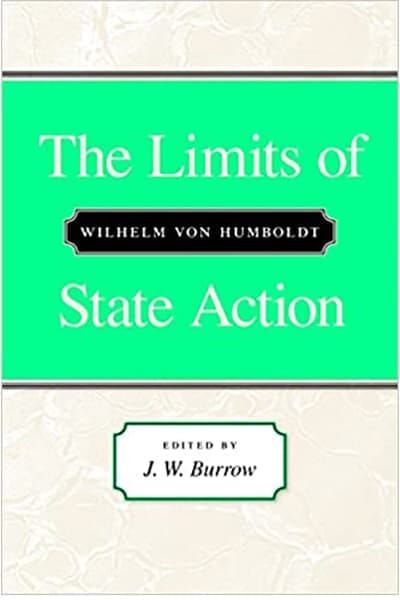
In 'The Limits of State Action', Wilhelm von Humboldt challenges the conventional role of government in individual lives, arguing for the primacy of personal freedom and self-development. He articulates a vision of a society where the state should limit its intervention, allowing individuals to flourish in their pursuits. Humboldt's philosophy emphasizes the importance of diverse experiences and the cultivation of individuality, inviting readers to rethink their views on authority and autonomy. With a blend of political philosophy and humanistic ideals, this work remains a profound exploration of the tension between freedom and governance. Dive in to discover how his insights resonate in today's debates about state overreach and personal liberty.
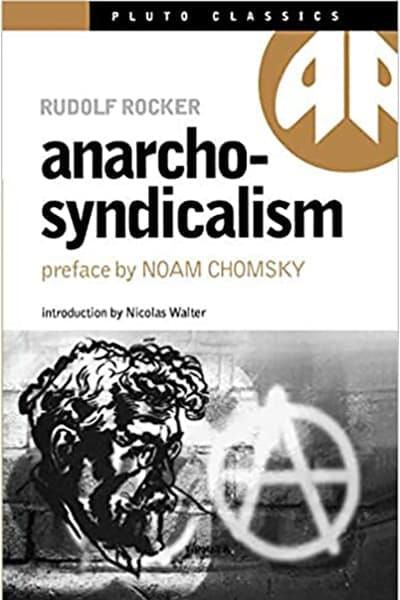
Anarcho-Syndicalism Book Summary
In 'Anarcho-Syndicalism', Rudolf Rocker presents a compelling vision of a society rooted in workers' self-management and direct action. He critiques capitalism and the state, advocating for a revolutionary movement that empowers labor. Rocker explores the historical context and theoretical foundations of anarcho-syndicalism, revealing its potential to challenge oppression and inequality. With a passionate call to arms, he inspires readers to envision a world where solidarity and cooperation thrive. This thought-provoking work invites you to reconsider the dynamics of power and the role of organized labor in shaping a just society.
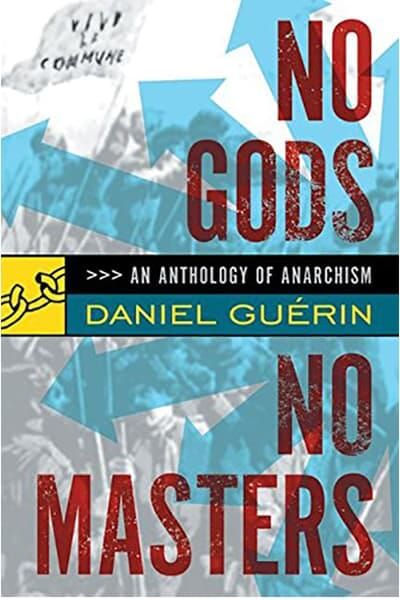
No Gods, No Masters Book Summary
In 'No Gods, No Masters', Daniel Guérin presents a compelling exploration of anarchism, tracing its philosophical roots and revolutionary practices. He argues against imposed authority, advocating for a society based on mutual aid and voluntary cooperation. The book chronicles historical movements and figures that shaped anarchist thought, igniting curiosity about the untold stories of resistance. With a mesmerising narrative, Guérin challenges readers to rethink concepts of power and freedom. This thought-provoking work not only inspires but also raises questions about the future of social justice.
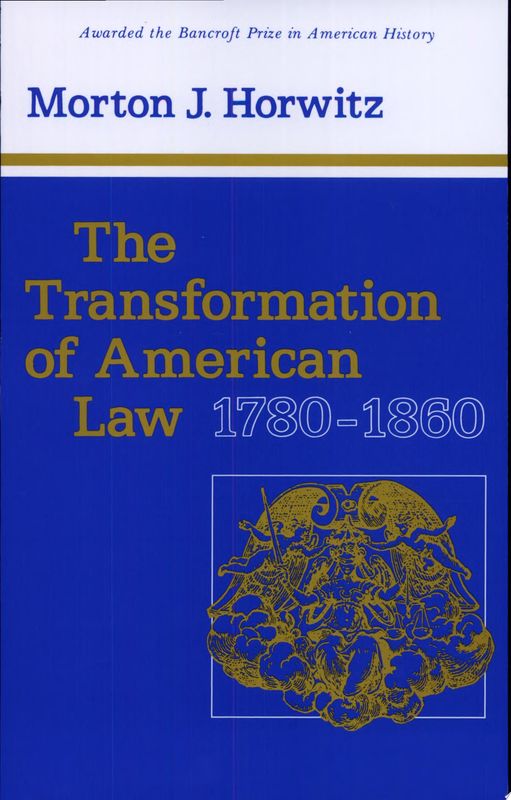
The Transformation of American Law, 1780–1860 Book Summary
In 'The Transformation of American Law, 1780–1860', Morton J. Horwitz explores the profound changes in legal thought and practice that shaped the American legal landscape. He delves into how political, economic, and social factors influenced the evolution of law during this transformative period. The book examines the tension between the emerging capitalist economy and traditional legal doctrines, revealing a dynamic interplay between law and society. Horwitz challenges conventional narratives by highlighting the contradictions and complexities of legal development. This compelling historical analysis invites readers to reconsider the origins of modern American law and its lasting implications.
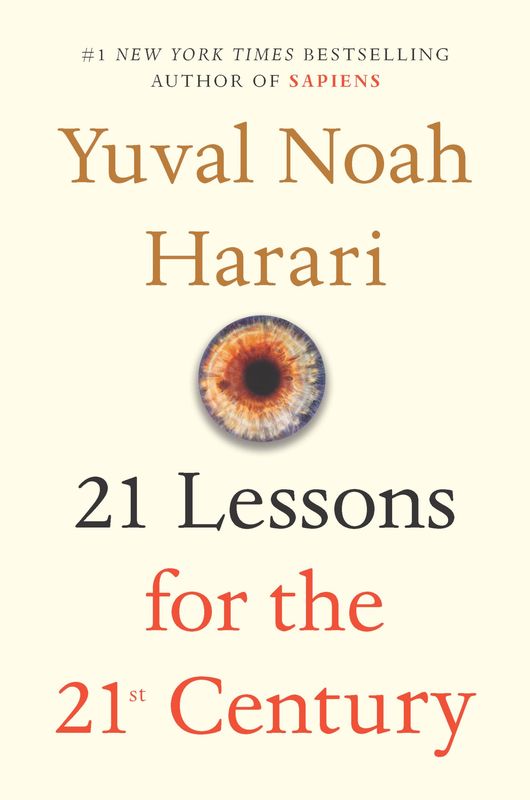
21 Lessons for the 21st Century Book Summary
In '21 Lessons for the 21st Century', Yuval Noah Harari navigates the complex landscape of today's world, tackling urgent questions about our future. From the impact of technology on society to the challenges of political stability, each lesson provokes thought and introspection. Harari explores key themes such as the rise of artificial intelligence, the significance of data, and the importance of meaning in an increasingly uncertain world. With a blend of history, philosophy, and science, the book invites readers to reflect on their roles in shaping a shared future. Will we adapt, or become obsolete? Dive in to uncover the lessons that could redefine humanity's path.
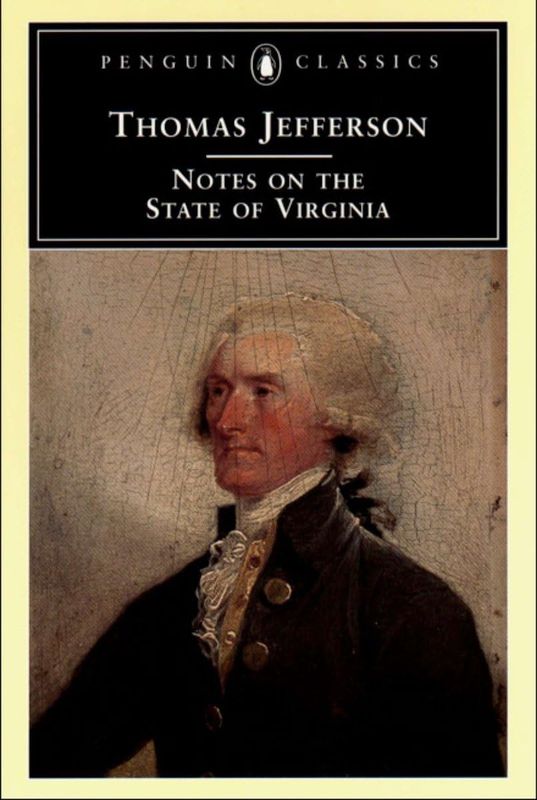
Notes on the State of Virginia Book Summary
In 'Notes on the State of Virginia', Thomas Jefferson presents a profound exploration of the political, social, and environmental landscape of 18th-century Virginia. This work delves into Jefferson's thoughts on government, rights, and human nature, making it a foundational text in American political philosophy. His keen observations on the natural environment and its resources reveal a deep connection between land and liberty. With eloquence and insight, Jefferson raises probing questions about slavery and education that resonate to this day. This seminal work is not just a historical document but a treasure trove of ideas that challenge and inspire modern readers.
Showing 8 of 30 similar books
Take your reading experience to the next level
Download our mobile app to enjoy your favorite books on the go. Get access to exclusive features, offline listening, and personalized recommendations.

Similar Book Recommendations →

Michael Pollan's Book Recommendations
Michael Pollan is a renowned American author and journalist, celebrated for his insightful explorations of food, agriculture, and human culture. His groundbreaking book, "The Omnivore's Dilemma," published in 2006, critically examines the complexities of the modern food industry and has become a seminal work in food studies. Pollan's engaging narrative style and thorough research have earned him a place on The New York Times Best Seller list multiple times. In addition to his literary contributions, he is also a professor of journalism at the University of California, Berkeley. Pollan's work continues to influence public discourse on sustainable eating and the ethical implications of food choices.

Chris Dixon's Book Recommendations
Chris Dixon is a notable venture capitalist and technology entrepreneur, best known for his influential role as a general partner at Andreessen Horowitz, where he leads investments in cryptocurrency and blockchain technology. Before joining the firm, Dixon co-founded two startups: SiteAdvisor, a web security company acquired by McAfee, and Hunch, a recommendation engine acquired by eBay. In addition to his investment career, Dixon is a prolific writer and thought leader on technology and innovation, contributing insightful essays and articles to various platforms such as his personal blog and Medium. His writings often explore the future of technology, the internet, and the impact of blockchain, making significant contributions to contemporary tech literature. Dixon's work has earned him recognition as a visionary in both the tech and literary worlds.

Joe Rogan's Book Recommendations
Joe Rogan is a multifaceted American entertainer known primarily for his work as a comedian, podcast host, and commentator. He gained widespread recognition through his immensely popular podcast, "The Joe Rogan Experience," which has featured in-depth conversations with a diverse array of guests, including scientists, celebrities, and politicians. Though not primarily known for literature, Rogan has contributed to the field with his thought-provoking discussions that often explore philosophical and intellectual ideas. Additionally, he has authored the book "Mastering the Rubber Guard," which delves into Brazilian Jiu-Jitsu techniques, showcasing his expertise in martial arts. Rogan's influence extends beyond traditional media, impacting contemporary discourse through his unique blend of humor, curiosity, and critical thinking.

Ray Dalio's Book Recommendations
Ray Dalio is the founder of Bridgewater Associates, one of the largest and most successful hedge funds in the world. He is also the author of the bestselling book Principles, where he outlines his philosophy on life, leadership, and investing. Ray is renowned for his unique approach to transparency, radical truth, and thoughtful disagreement within organizations. His insights into economics and investing have made him one of the most influential figures in the financial world. Dalio continues to be a thought leader in business, economics, and philanthropy.

Barack Obama's Book Recommendations
Barack Obama is the 44th President of the United States, serving from 2009 to 2017. As the first African American president, Obama’s leadership marked a historic moment in American history. His administration focused on healthcare reform, economic recovery from the Great Recession, and environmental policies. He is best known for the Affordable Care Act, as well as his efforts to expand civil rights and restore diplomatic relations with Cuba. Since leaving office, Obama has continued to engage in public life through his foundation, focusing on leadership development, civic engagement, and global issues.

Coleen Baik's Book Recommendations
Coleen Baik is an American designer, artist, and entrepreneur, known for her work in the tech industry, including as a founding team member of Twitter. Baik played a key role in shaping the user experience and design of Twitter in its early days, contributing to its iconic interface. She is also the founder of Baik Art, a multidisciplinary art studio that blends technology and visual art. Baik is passionate about using design to create meaningful and user-centered digital experiences, and she frequently speaks on topics related to innovation, design, and creativity. Her work has made her a prominent figure in the intersection of tech and design.

Jocko Willink's Book Recommendations
Jocko Willink is a retired Navy SEAL officer, renowned for his leadership during the Battle of Ramadi in the Iraq War, which earned him the Silver Star and Bronze Star. Transitioning from military service, he co-authored the best-selling book "Extreme Ownership: How U.S. Navy SEALs Lead and Win" with fellow SEAL Leif Babin, which has become a cornerstone in leadership and management literature. Willink has also written the "Way of the Warrior Kid" series, aimed at empowering young readers with principles of discipline and resilience. Additionally, he hosts the popular "Jocko Podcast," where he discusses leadership, discipline, and personal development. Willink's influence extends beyond literature through his Echelon Front leadership consultancy, helping organizations implement effective leadership strategies.

Ayaan Hirsi Ali's Book Recommendations
Ayaan Hirsi Ali is a Somali-born Dutch-American activist, author, and former politician, renowned for her outspoken criticism of Islam and advocacy for women's rights. She gained international recognition with her 2006 memoir, "Infidel," which chronicles her journey from a traditional Muslim upbringing to her eventual renouncement of Islam. As a member of the Dutch parliament from 2003 to 2006, she worked tirelessly on issues related to the integration of immigrants and the emancipation of Muslim women. Hirsi Ali has continued her advocacy through her writing, including notable works such as "Nomad" and "Heretic," which further explore themes of freedom, religion, and human rights. Her courageous and often controversial stance has earned her both widespread acclaim and significant opposition.
Showing 8 of 22 related collections
“"Our Constitution is not just a historical document; it's a living framework that demands our commitment to uphold and protect the freedoms it guarantees."”
Our Lost Constitution
By Mike Lee
Frequently Asked Questions
Explore Our Catalogue
Discover a world of knowledge through our extensive collection of book summaries.
Genres
Genres
Genres
Featured Collections
- Top Book Club Picks
- One-Stop Nutrition
- Summer Reads 2024
- Best Beach Reads 2024
- Work-Life Balance Guide
- Time Management
- Healthy Foods
- Entrepreneur Toolkit
- Mind & Body Wellness
- Future Tech Insights
- Leadership Essentials
- Financial Freedom
- Sci-Fi Masterpieces
- Parenting 101
- Books That Became Blockbusters
- Guide to a Healthy Pregnancy