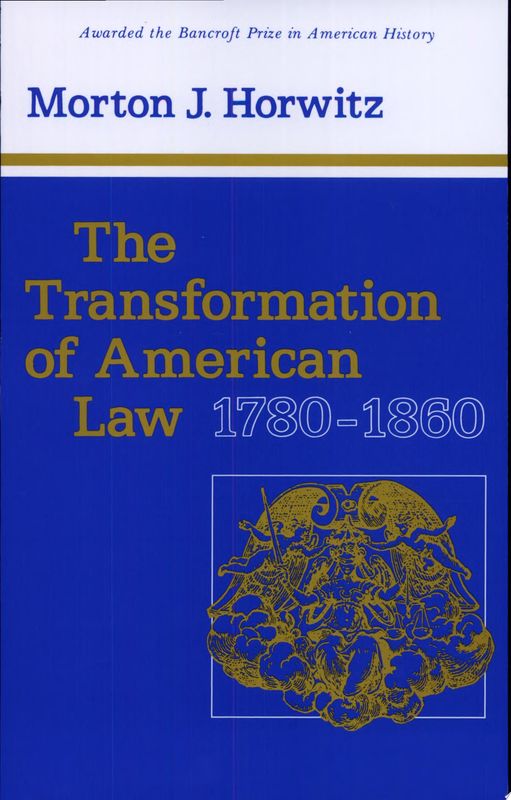
The Transformation of American Law, 1780–1860 Book Summary
In 'The Transformation of American Law, 1780–1860', Morton J. Horwitz explores the profound changes in legal thought and practice that shaped the American legal landscape. He delves into how political, economic, and social factors influenced the evolution of law during this transformative period. The book examines the tension between the emerging capitalist economy and traditional legal doctrines, revealing a dynamic interplay between law and society. Horwitz challenges conventional narratives by highlighting the contradictions and complexities of legal development. This compelling historical analysis invites readers to reconsider the origins of modern American law and its lasting implications.
By Morton J. Horwitz
Published: 1977
"The evolution of American law in the early republic was not merely a reflection of changing statutes, but a profound transformation in the very concept of justice and rights, where the aspirations of a new nation collided with the established norms of an older world."

Start Listening to Book Summary
Book Review of The Transformation of American Law, 1780–1860
In a remarkable book based on prodigious research, Morton J. Horwitz offers a sweeping overview of the emergence of a national (and modern) legal system from English and colonial antecedents. He treats the evolution of the common law as intellectual history and also demonstrates how the shifting views of private law became a dynamic element in the economic growth of the United States. Horwitz's subtle and sophisticated explanation of societal change begins with the common law, which was intended to provide justice for all. The great breakpoint came after 1790 when the law was slowly transformed to favor economic growth and development. The courts spurred economic competition instead of circumscribing it. This new instrumental law flourished as the legal profession and the mercantile elite forged a mutually beneficial alliance to gain wealth and power. The evolving law of the early republic interacted with political philosophy, Horwitz shows. The doctrine of laissez-faire, long considered the cloak for competition, is here seen as a shield for the newly rich. By the 1840s the overarching reach of the doctrine prevented further distribution of wealth and protected entrenched classes by disallowing the courts very much power to intervene in economic life. This searching interpretation, which connects law and the courts to the real world, will engage historians in a new debate. For to view the law as an engine of vast economic transformation is to challenge in a stunning way previous interpretations of the eras of revolution and reform.
Book Overview of The Transformation of American Law, 1780–1860
About the Book Author
Morton J. Horwitz
Morton J. Horwitz is an acclaimed American legal historian and scholar, renowned for his influential analyses of the American legal system and its historical development. He is the Charles Warren Professor of American Legal History at Harvard Law School and a former professor at the University of California, Berkeley, and Yale Law School. Horwitz's notable works include 'The Transformation of American Law, 1780-1860,' 'The Transformation of American Law, 1870-1960,' and 'Constitutional History of the American Revolution.' His writing style is characterized by rigorous scholarship, comprehensive research, and a clear exposition of complex legal concepts, making significant contributions to the understanding of law's evolution in American society.
Book Details
Key information about the book.
- Authors
- Morton J. Horwitz
- Published
- January 1977
- Publisher
- Harvard University Press
- ISBN
- 0674903714
- Language
- English
- Pages
- 382
- Genres
- Political HistoryPolitics and Current Affairs
Purchase Options
 Buy on Amazon
 Buy via BookShop
Support local bookstores: BookShop gives a portion of each sale to independent bookshops!
Similar books you might like →

Collateral Damage Book Summary
In 'Collateral Damage,' Cynthia Peters explores a gripping tale of survival and resilience in the face of unforeseen disaster. The protagonist, a skilled crisis negotiator, finds herself entangled in a high-stakes situation when a routine mission escalates into chaos. As secrets unravel and alliances shift, she must confront her own past while navigating a web of deception and danger. With unwavering determination, she fights not only for her life but also for the future of those she loves. This gripping narrative blurs the lines between heroism and vulnerability, leaving readers questioning the true cost of survival.
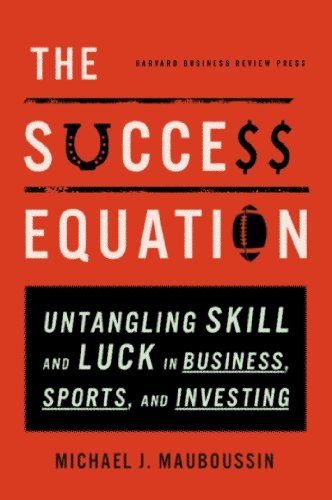
The Success Equation Book Summary
In 'The Success Equation', Michael J. Mauboussin explores the intricate interplay between skill and luck in achieving success. He dismantles the myth of pure meritocracy, illustrating how randomness can shape outcomes in unexpected ways. Through engaging anecdotes and thought-provoking analysis, Mauboussin reveals insights on decision-making that challenge conventional wisdom. Readers will discover how to identify and cultivate true talent while understanding the limits of their control. This book invites you to rethink what it means to succeed—are you ready to redefine your own path?

The Philosophy of Composition Book Summary
In 'The Philosophy of Composition,' Edgar Allan Poe unveils his meticulous approach to writing, arguing that artistic creation is a calculated endeavor rather than purely intuitive. He dissects his own poem 'The Raven,' revealing the deep psychological and structural elements that contribute to its haunting allure. Poe explores the interplay of beauty, emotion, and effect, offering a profound glimpse into the mind of a master writer. With each analytical step, he ignites curiosity about the art of storytelling and the techniques that captivate readers. This exploration leaves one pondering: What secrets lie behind the craft of their favorite writers?
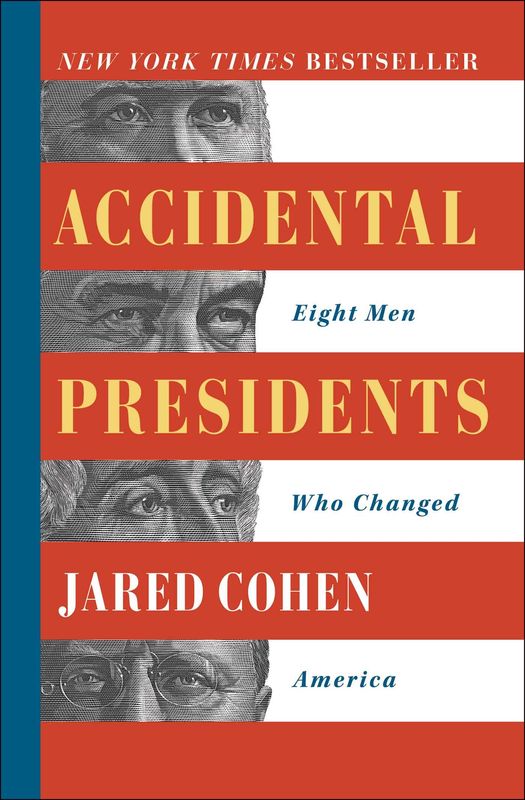
Accidental Presidents Book Summary
In 'Accidental Presidents', Jared Cohen explores the unexpected rise of U.S. leaders who ascended to the presidency by chance rather than through traditional paths. From political mishaps to sudden deaths, these leaders had to navigate unique challenges that transformed their presidencies and the nation. Cohen delves into their distinct personalities and pivotal moments, revealing how fortune and fate can shape history. This compelling narrative raises questions about leadership, legacy, and the unpredictability of political power. Discover how chance encounters led to monumental changes and what this means for the future of American leadership.
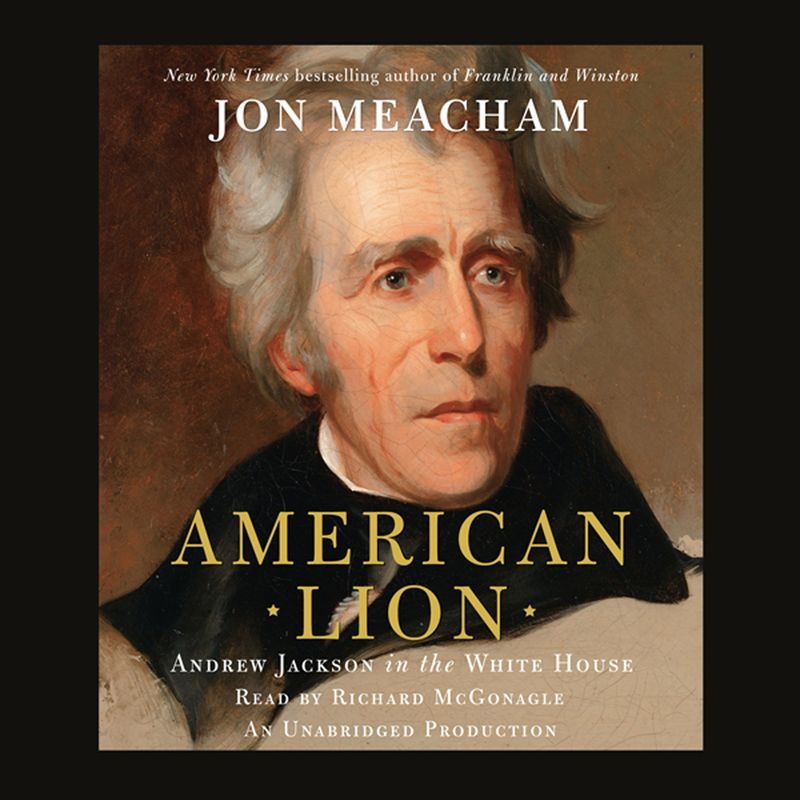
American Lion Book Summary
"American Lion" by Jon Meacham delves into the life of Andrew Jackson, one of America's most controversial presidents. Meacham paints a vivid portrait of Jackson's fierce leadership and tumultuous presidency during a pivotal era in U.S. history. The book explores Jackson's complex legacy, from his championing of democracy to his stark policies regarding Native Americans. Through rich storytelling and meticulous research, Meacham invites readers to grapple with the dualities of Jackson's character and the implications of his choices. Will you uncover the man behind the myth and understand how his presidency shaped the nation?
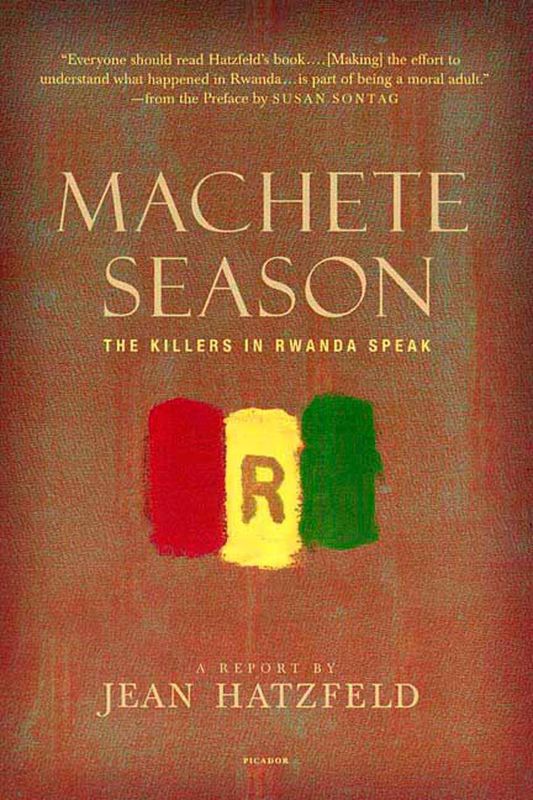
Machete Season Book Summary
In 'Machete Season', Jean Hatzfeld delves into the harrowing aftermath of the Rwandan genocide through chilling interviews with perpetrators. The book reveals the chilling mentality that transformed ordinary men into fearsome killers, as they recount their gruesome actions with haunting normalcy. As Hatzfeld gives voice to these individuals, readers grapple with the unsettling questions of morality, guilt, and humanity. The juxtaposition of horror and banality forces us to confront the dark capacity within us all. This powerful narrative leaves an indelible mark, challenging our understanding of evil and forgiveness.
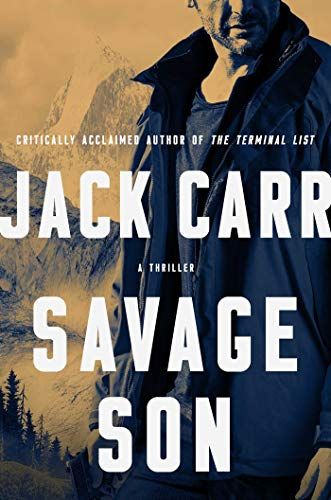
Savage Son Book Summary
In 'Savage Son' by Jack Carr, ex-Navy SEAL James Reece faces the ultimate test of survival after a deadly betrayal plunges him into the heart of the Russian wilderness. As he navigates a world filled with ruthless adversaries and cunning traps, Reece is driven by a singular mission: vengeance. The story unfolds with relentless action and intricate plots, exploring the dark depths of humanity and the primal instincts within. With every turn, readers are drawn into a gripping tale of loyalty, honor, and the indomitable spirit of a warrior. Will Reece emerge from the shadows stronger than ever, or will the savage world consume him?
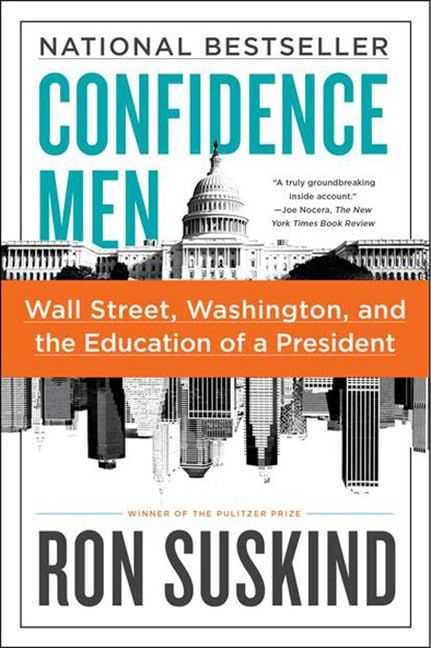
Confidence Men Book Summary
In 'Confidence Men,' Ron Suskind pulls back the curtain on the Obama administration, revealing the intricate dance of deception and ambition that characterized its early days. Through vivid anecdotes and incisive analysis, Suskind examines how key figures navigated the tumultuous landscape of politics, recession, and reform. The book delves into the psyche of confidence and how it can inspire both hope and disillusionment. With a keen eye for detail, Suskind crafts a narrative that questions the integrity of leadership in times of crisis. Prepare to explore the blurred lines between confidence and manipulation in a gripping political drama.
Showing 8 of 26 similar books
Take your reading experience to the next level
Download our mobile app to enjoy your favorite books on the go. Get access to exclusive features, offline listening, and personalized recommendations.

Similar Book Recommendations →
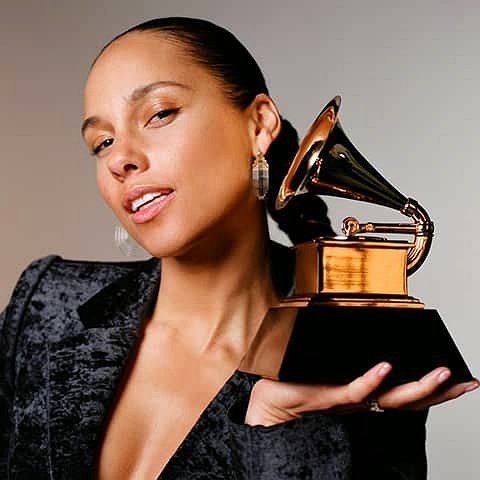
Alicia Keys's Book Recommendations
Alicia Keys, an acclaimed American singer-songwriter and classically trained pianist, has made significant contributions to the music industry with her soulful voice and compelling lyrics. She burst onto the scene with her debut album, "Songs in A Minor," which earned her five Grammy Awards. In addition to her musical achievements, Keys is also a celebrated author; her memoir "More Myself: A Journey" provides an intimate look at her life and career. She has used her platform to advocate for social justice, co-founding the Keep a Child Alive organization to combat HIV/AIDS in Africa. Alicia Keys continues to inspire through her artistry and activism, leaving a lasting impact on both music and literature.

Ezra Klein's Book Recommendations
Ezra Klein is a prominent American journalist, political analyst, and author, renowned for his incisive commentary on politics and policy. He co-founded Vox, a widely respected news website known for its explanatory journalism, and served as its editor-in-chief. Klein's work includes the critically acclaimed book "Why We're Polarized," which delves into the deep-seated divisions in American politics. He also hosts "The Ezra Klein Show," a popular podcast where he interviews thought leaders from various fields. Klein's contributions have significantly shaped contemporary political discourse and media consumption.

Alex Honnold's Book Recommendations
Alex Honnold is an American professional rock climber, best known for his free solo ascent of El Capitan in Yosemite National Park, a feat that was documented in the Oscar-winning film Free Solo. Honnold is renowned for his mental toughness, technical skill, and ability to climb without ropes or safety equipment. His accomplishments have made him a legend in the climbing world, and he continues to push the boundaries of the sport. Outside of climbing, Honnold is a philanthropist, founding the Honnold Foundation, which supports environmental sustainability projects, particularly in solar energy.

Barack Obama's Book Recommendations
Barack Obama is the 44th President of the United States, serving from 2009 to 2017. As the first African American president, Obama’s leadership marked a historic moment in American history. His administration focused on healthcare reform, economic recovery from the Great Recession, and environmental policies. He is best known for the Affordable Care Act, as well as his efforts to expand civil rights and restore diplomatic relations with Cuba. Since leaving office, Obama has continued to engage in public life through his foundation, focusing on leadership development, civic engagement, and global issues.

Nassim Nicholas Taleb's Book Recommendations
Nassim Nicholas Taleb is a Lebanese-American author, scholar, and risk analyst, best known for his work on uncertainty, probability, and risk. His books, including The Black Swan and Antifragile, explore how rare and unpredictable events shape the world and how individuals and systems can become more resilient to shocks. Taleb’s insights on risk management have influenced fields ranging from finance to medicine, and he is known for his outspoken criticism of conventional wisdom. His ideas about randomness, decision-making, and the limitations of human knowledge have made him a leading thinker in modern economics and philosophy.

Andrew Chen's Book Recommendations
Andrew Chen is a venture capitalist, entrepreneur, and thought leader in growth marketing, currently serving as a general partner at Andreessen Horowitz. Chen is known for his expertise in network effects, viral growth strategies, and marketplace dynamics, making him a sought-after advisor for startups looking to scale. Prior to joining Andreessen Horowitz, he worked in leadership roles at Uber, helping to grow the ride-sharing platform’s user base and develop key growth strategies. Chen is also a prolific writer, sharing his insights on growth, technology, and startups through his popular blog and newsletter, which has attracted a loyal following in the tech community. His work has helped shape how many startups approach user acquisition, retention, and product-market fit. As a venture capitalist, Chen focuses on early-stage companies in the consumer internet, SaaS, and marketplace sectors, and he has been involved in funding and advising several successful startups. His insights on technology and growth continue to influence both founders and investors alike.
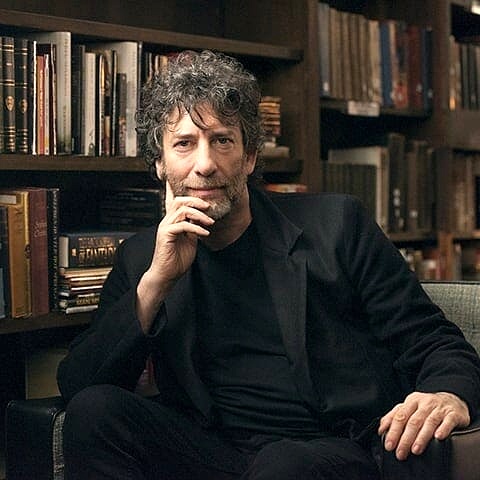
Neil Gaiman's Book Recommendations
Neil Gaiman is a bestselling British author known for his fantasy, horror, and science fiction works, including American Gods, Coraline, and The Sandman graphic novel series. His stories often blend mythology, folklore, and the supernatural, creating dark yet imaginative worlds. Gaiman’s work has been adapted into films, television shows, and radio plays, further cementing his influence in popular culture. He has won numerous awards, including the Hugo, Nebula, and Bram Stoker awards. Gaiman continues to be a beloved figure in both literature and pop culture, known for his storytelling prowess and unique voice.

Emmett Shear's Book Recommendations
Emmett Shear is the co-founder and CEO of Twitch, the popular live-streaming platform primarily known for video game streaming. Under Shear’s leadership, Twitch grew rapidly, becoming a major force in both gaming and the broader entertainment landscape, leading to its acquisition by Amazon in 2014. Shear has been instrumental in shaping the platform’s community-driven model and expanding it beyond gaming to include content like music, art, and social commentary. His vision has helped turn Twitch into a cultural phenomenon with millions of daily active users. Shear is also a strong advocate for fostering creativity and connection through digital platforms.
Showing 8 of 13 related collections
“The evolution of American law in the early republic was not merely a reflection of changing statutes, but a profound transformation in the very concept of justice and rights, where the aspirations of a new nation collided with the established norms of an older world.”
The Transformation of American Law, 1780–1860
By Morton J. Horwitz
Frequently Asked Questions
Explore Our Catalogue
Discover a world of knowledge through our extensive collection of book summaries.
Genres
Genres
Genres
Featured Collections
- Top Book Club Picks
- One-Stop Nutrition
- Summer Reads 2024
- Best Beach Reads 2024
- Work-Life Balance Guide
- Time Management
- Healthy Foods
- Entrepreneur Toolkit
- Mind & Body Wellness
- Future Tech Insights
- Leadership Essentials
- Financial Freedom
- Sci-Fi Masterpieces
- Parenting 101
- Books That Became Blockbusters
- Guide to a Healthy Pregnancy