Pattern Recognition Book Summary
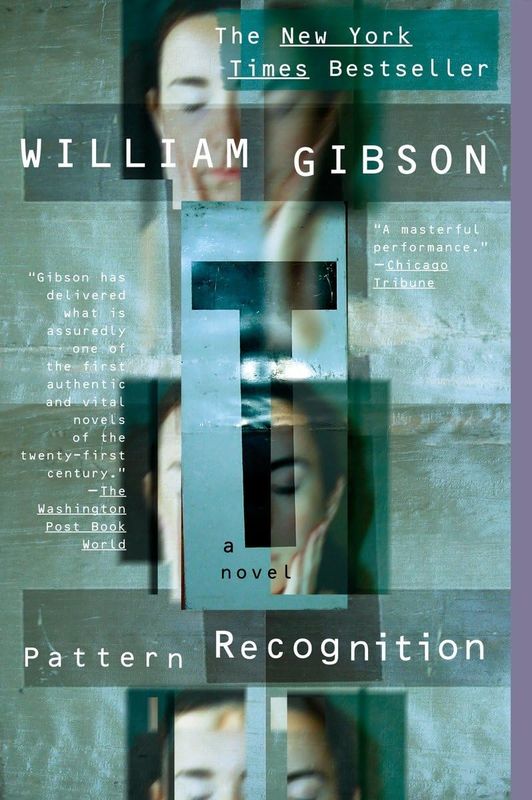
In 'Pattern Recognition,' Cayce Pollard, a cool-hunting marketing consultant, is haunted by her hypersensitivity to symbols and logos in a post-9/11 world. As she investigates a mysterious series of online films that captivate a cult following, she is drawn into a web of conspiracy and seduction that blurs the lines between reality and the digital age. With her life at stake, Cayce navigates the shadowy intersections of art, technology, and commerce. Gibson's exploration of identity and perception challenges readers to ponder how deeply technology influences our lives. Can she decode the patterns before they consume her? Dive into this cyberpunk thriller to unravel the truth.
By William Gibson
Published: 2004
"The future is already here — it's just not very evenly distributed."

Start Listening to Book Summary
Book Review of Pattern Recognition
“Pattern Recognition is William Gibson’s best book since he rewrote all the rules in Neuromancer.”—Neil Gaiman, author of American Gods “One of the first authentic and vital novels of the 21st century.”—The Washington Post Book World The accolades and acclaim are endless for William Gibson's coast-to-coast bestseller. Set in the post-9/11 present, Pattern Recognition is the story of one woman's never-ending search for the now... Cayce Pollard is a new kind of prophet—a world-renowned “coolhunter” who predicts the hottest trends. While in London to evaluate the redesign of a famous corporate logo, she’s offered a different assignment: find the creator of the obscure, enigmatic video clips being uploaded to the internet—footage that is generating massive underground buzz worldwide. Still haunted by the memory of her missing father—a Cold War security guru who disappeared in downtown Manhattan on the morning of September 11, 2001—Cayce is soon traveling through parallel universes of marketing, globalization, and terror, heading always for the still point where the three converge. From London to Tokyo to Moscow, she follows the implications of a secret as disturbing—and compelling—as the twenty-first century promises to be...
Book Overview of Pattern Recognition
About the Book Author
William Gibson
William Gibson is a renowned American-Canadian author and one of the pioneers of the science fiction genre known as cyberpunk. He is best known for his seminal works, including 'Neuromancer', 'Count Zero', and 'Mona Lisa Overdrive', which collectively form the Sprawl trilogy. Gibson's writing is characterized by its rich descriptions, intricate plots, and exploration of themes such as technology, cyberspace, and the implications of a digitized world. His unique style blends sharp prose with a visionary perspective, influencing countless authors and shaping the landscape of modern science fiction.
Book Details
Key information about the book.
- Authors
- William Gibson
- Published
- February 2004
- Publisher
- Penguin
- ISBN
- 0425192938
- Language
- English
- Pages
- 386
- Genres
- CyberpunkTechnologyScience Fiction
Purchase Options
 Buy on Amazon
 Buy via BookShop
Support local bookstores: BookShop gives a portion of each sale to independent bookshops!
Similar books you might like →
The Upside of Stress Book Summary
In 'The Upside of Stress', Kelly McGonigal challenges the conventional wisdom that stress is inherently harmful. Instead, she argues that our mindset about stress can transform our experience of it into a force for growth and resilience. Through engaging anecdotes and scientific research, McGonigal reveals how embracing stress can enhance our performance and deepen our connections with others. This compelling exploration invites readers to rethink their relationship with stress and discover its surprising potential. Are you ready to flip the script on stress and unlock its hidden benefits?
You Look Like a Thing and I Love You Book Summary
In 'You Look Like a Thing and I Love You,' Janelle Shane takes readers on a delightful journey into the quirky world of artificial intelligence. With humor and wit, she explores the fascinating ways AI interacts with everyday life, often leading to unexpected outcomes. Through engaging anecdotes and illuminating experiments, Shane unveils the limitations and possibilities of machine learning. This book not only entertains but also challenges our understanding of what it means to be human in an age of intelligent machines. Get ready to rethink AI and laugh out loud as you discover the surprising truths behind technology!
Don't Burn This Book Book Summary
In 'Don't Burn This Book', Dave Rubin embarks on a provocative journey through the contemporary landscape of free speech, political correctness, and the fight for open dialogue. With his experiences as a political commentator, he challenges readers to question their beliefs and embrace uncomfortable conversations. Rubin passionately defends the principles of liberalism while exposing the dangers of dogma and cancel culture. This compelling narrative invites you to rethink the boundaries of discourse and to stand firm in the pursuit of truth. Are you ready to explore the ideas that dare to challenge societal norms?
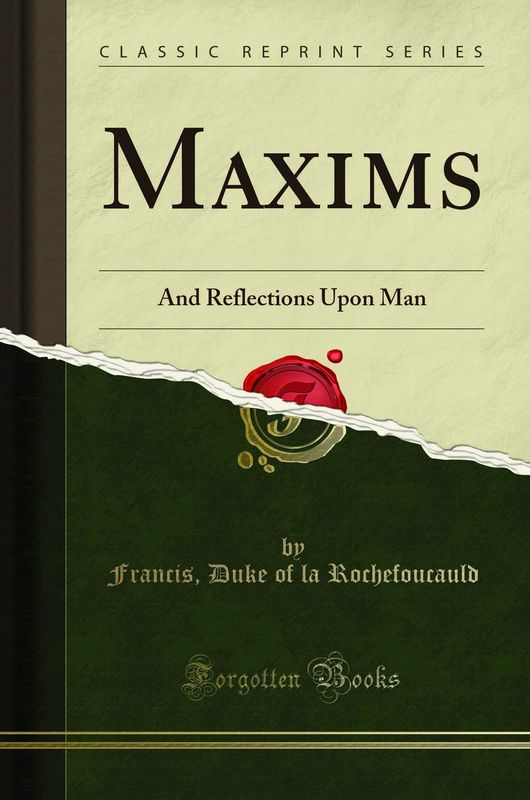
Maxims Book Summary
In 'Maxims', Francis, Duke of La Rochefoucauld, distills the essence of human nature through a collection of sharp, pithy observations that reveal the intricacies of moral and social behavior. Each maxim serves as a mirror reflecting the truth about love, ambition, and our motivations. With wit and irony, La Rochefoucauld invites readers to ponder the contradictions of humanity and the often hidden self-interest in our actions. This little book, both timeless and thought-provoking, challenges our perceptions of virtue and vice. Dive into La Rochefoucauld's world and uncover the wisdom that still resonates today.

Economics in One Lesson Book Summary
In 'Economics in One Lesson,' Henry Hazlitt distills complex economic principles into a straightforward narrative that reveals how economic decisions can have far-reaching consequences. He stresses the importance of considering the long-term effects of policies on all groups, not just the immediate beneficiaries. Through compelling examples and clear reasoning, Hazlitt debunks popular misconceptions about economics, advocating for free markets and personal responsibility. This classic work challenges readers to rethink their understanding of wealth, prosperity, and government intervention. Dive into Hazlitt's insightful exploration and discover how economics shapes not only markets but our everyday lives.
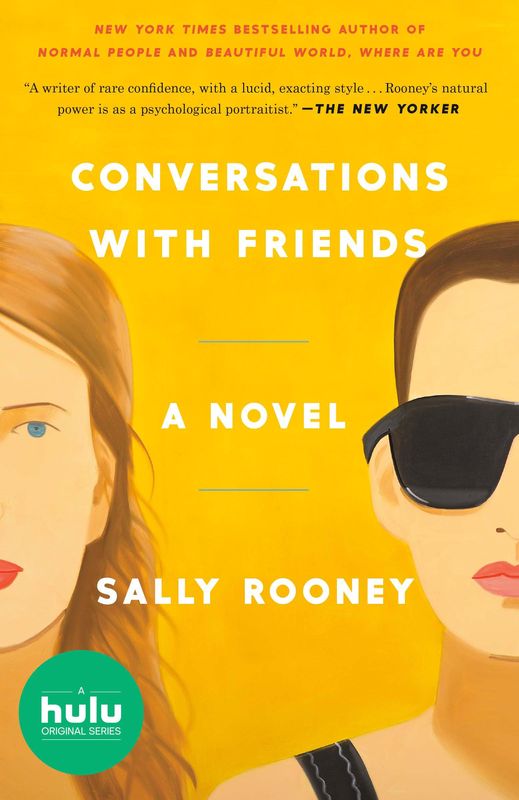
Conversations with Friends Book Summary
In 'Conversations with Friends,' Sally Rooney weaves a captivating tale of complex relationships and intertwining lives. The story follows Frances, a sharp and introspective college student, as she navigates her connection with her estranged best friend, Bobbi, and a married couple that becomes enmeshed in their world. Through witty dialogue and poignant observations, Rooney explores themes of love, fidelity, and the weight of emotional intimacy. As the characters grapple with their desires and vulnerabilities, secrets unravel, leaving readers questioning the true nature of friendship and romance. This insightful novel invites you to reflect on your own connections while eagerly turning the pages to uncover the next twist.
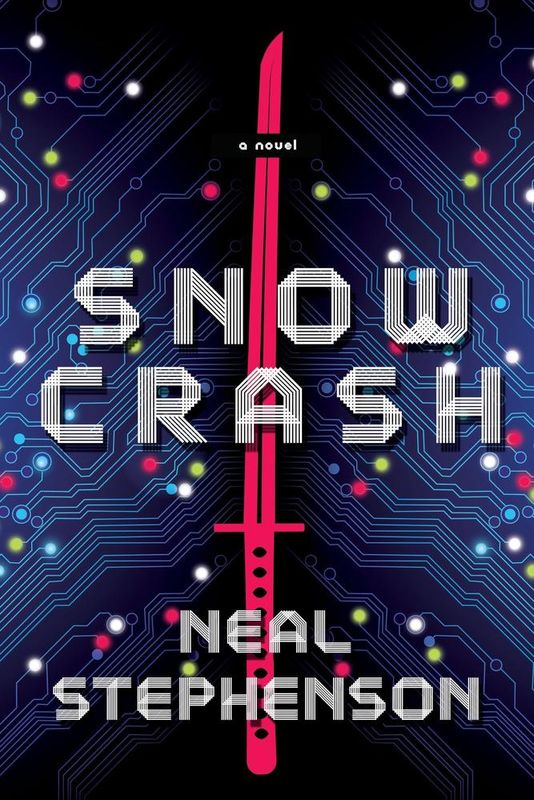
Snow Crash Book Summary
In a future America transformed by technology and corporate greed, Hiro Protagonist is a skilled hacker and pizza delivery driver navigating the chaotic urban sprawls of a crumbling society. When a new virtual drug called Snow Crash emerges, threatening the minds of its users, Hiro teams up with a young skateboard courier named Y.T. to unravel its dark origins. Adventure and digital warfare ensue as they plunge into a conspiracy that spans both the real world and the Metaverse. With elements of linguistics, ancient mythology, and cyberpunk, Neal Stephenson's gripping saga poses provocative questions about language, culture, and reality itself. Will they uncover the truth before it’s too late in this exhilarating race against time?
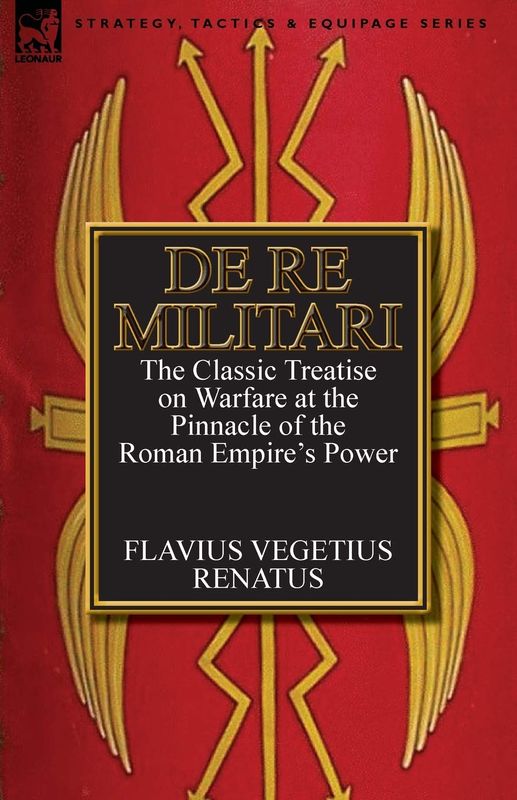
De Re Militari (Concerning Military Affairs) Book Summary
Dive into the ancient wisdom of 'De Re Militari,' where Flavius Vegetius Renatus unveils the essential principles of military strategy and discipline. This classic text transcends time, offering insights into training, fortification, and the art of war that are as relevant today as they were in the Roman legions. Vegetius highlights the importance of preparation and leadership, revealing secrets that shaped the victories of empires. With a blend of practical advice and philosophical musings, this book challenges conventional notions of warfare. Discover how the lessons of the past can inform the battles of the future in this compelling guide to military affairs.
Showing 8 of 19 similar books
Take your reading experience to the next level
Download our mobile app to enjoy your favorite books on the go. Get access to exclusive features, offline listening, and personalized recommendations.

Similar Book Recommendations →
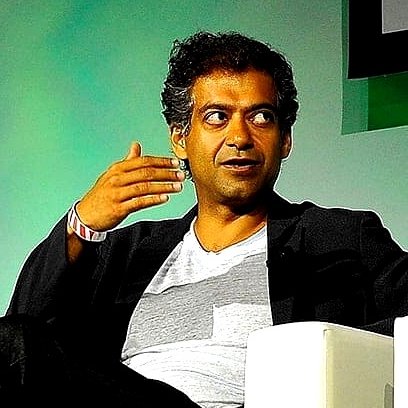
Naval Ravikant's Book Recommendations
Naval Ravikant is an entrepreneur, angel investor, and philosopher, best known as the co-founder of AngelList, a platform that connects startups with investors. Ravikant is a prolific thinker and writer on topics such as startups, investing, and personal well-being, sharing his wisdom through essays, podcasts, and social media. He has invested in over 100 companies, including Uber, Twitter, and Yammer, making him one of Silicon Valley’s most successful angel investors. Ravikant is also known for his philosophical musings on wealth, happiness, and the meaning of life, which have garnered him a large and dedicated following.

Abi Tyas Tunggal's Book Recommendations
Abi Tyas Tunggal is a distinguished author known for his impactful contributions to contemporary literature and digital content. He has garnered acclaim for his insightful storytelling and adept handling of complex themes, resonating with a diverse readership. Tunggal's work often explores the intersections of technology, society, and human experience, making him a prominent voice in modern narrative arts. Beyond his literary achievements, he is also recognized for his innovative use of digital platforms to engage with and expand his audience. Tunggal continues to influence the literary landscape with his thought-provoking and accessible writing.

Bret Victor's Book Recommendations
Bret Victor is a renowned American interface designer and computer scientist celebrated for his innovative contributions to interactive design and human-computer interaction. He is best known for creating dynamic, explorable explanations, which have significantly influenced the way educational content is presented and understood. Victor's seminal work, "Inventing on Principle," advocates for the integration of immediate feedback in creative processes, inspiring a new wave of interactive programming environments. As a former member of the Apple Human Interface team, he played a pivotal role in shaping modern user interfaces. Through his organization, Dynamicland, Victor continues to explore and expand the boundaries of immersive, collaborative computing environments.

Alexis Ohanian's Book Recommendations
Alexis Ohanian is an American entrepreneur, investor, and co-founder of Reddit, one of the world’s most popular social news and discussion platforms. Ohanian is also a prominent advocate for open internet and net neutrality, and he has invested in numerous startups through his venture capital firm, Initialized Capital. In addition to his work in tech, Ohanian is involved in philanthropy, supporting causes related to women’s rights, education, and social justice. He is married to tennis star Serena Williams, and together they advocate for gender equality and inclusive leadership. Ohanian’s influence in the tech world and his commitment to social impact have made him a respected figure in both business and activism.

Jason Silva's Book Recommendations
Jason Silva is a Venezuelan-American filmmaker, philosopher, and futurist, best known for hosting the Emmy-nominated series Brain Games on National Geographic. Silva is a passionate advocate for technology, creativity, and the exploration of human potential, often delivering thought-provoking talks on how innovation is reshaping the world. His series Shots of Awe, where he combines philosophical musings with stunning visuals, has gained a large following online. Silva frequently speaks about topics like futurism, artificial intelligence, and the intersection of science and art. His enthusiastic and visionary approach has made him a leading voice in discussions about the future of humanity.

Barack Obama's Book Recommendations
Barack Obama is the 44th President of the United States, serving from 2009 to 2017. As the first African American president, Obama’s leadership marked a historic moment in American history. His administration focused on healthcare reform, economic recovery from the Great Recession, and environmental policies. He is best known for the Affordable Care Act, as well as his efforts to expand civil rights and restore diplomatic relations with Cuba. Since leaving office, Obama has continued to engage in public life through his foundation, focusing on leadership development, civic engagement, and global issues.
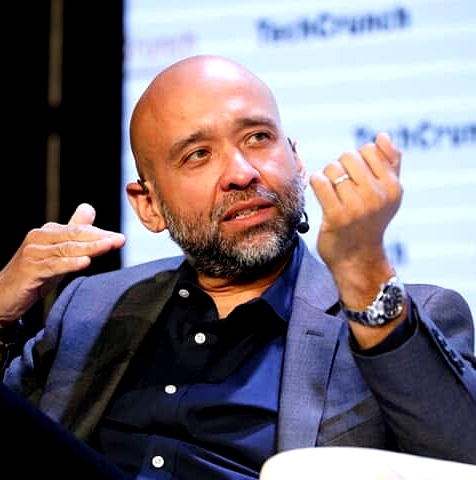
David Cancel's Book Recommendations
David Cancel is a prominent entrepreneur and author best known for his influential work in the tech and startup communities. As the CEO and co-founder of Drift, a leading conversational marketing platform, he has revolutionized how businesses engage with their customers online. Cancel has also authored insightful books such as "Hypergrowth," which offers valuable strategies for scaling startups rapidly. His contributions extend beyond literature as he frequently shares his expertise through speaking engagements and his popular podcast, "Seeking Wisdom." David Cancel's innovative ideas and practical advice continue to inspire and guide entrepreneurs worldwide.

Reid Hoffman's Book Recommendations
Reid Hoffman is an influential American entrepreneur, venture capitalist, and author, best known as the co-founder of LinkedIn, the professional networking platform that transformed online professional interactions. Hoffman has significantly impacted the business world through his investments in notable tech companies like Airbnb, Facebook, and Zynga. As an author, he has co-written several acclaimed books, including "The Start-Up of You" and "Blitzscaling," which provide strategic insights into career development and business growth. His works are celebrated for their practical advice and have become essential reading for aspiring entrepreneurs and business leaders. Hoffman's contributions extend beyond his literary efforts, as he remains a prominent figure in Silicon Valley, shaping the future of technology and innovation.
Showing 8 of 20 related collections
“The future is already here — it's just not very evenly distributed.”
Pattern Recognition
By William Gibson
Frequently Asked Questions
Explore Our Catalogue
Discover a world of knowledge through our extensive collection of book summaries.
Genres
Genres
Genres
Featured Collections
- Top Book Club Picks
- One-Stop Nutrition
- Summer Reads 2024
- Best Beach Reads 2024
- Work-Life Balance Guide
- Time Management
- Healthy Foods
- Entrepreneur Toolkit
- Mind & Body Wellness
- Future Tech Insights
- Leadership Essentials
- Financial Freedom
- Sci-Fi Masterpieces
- Parenting 101
- Books That Became Blockbusters
- Guide to a Healthy Pregnancy