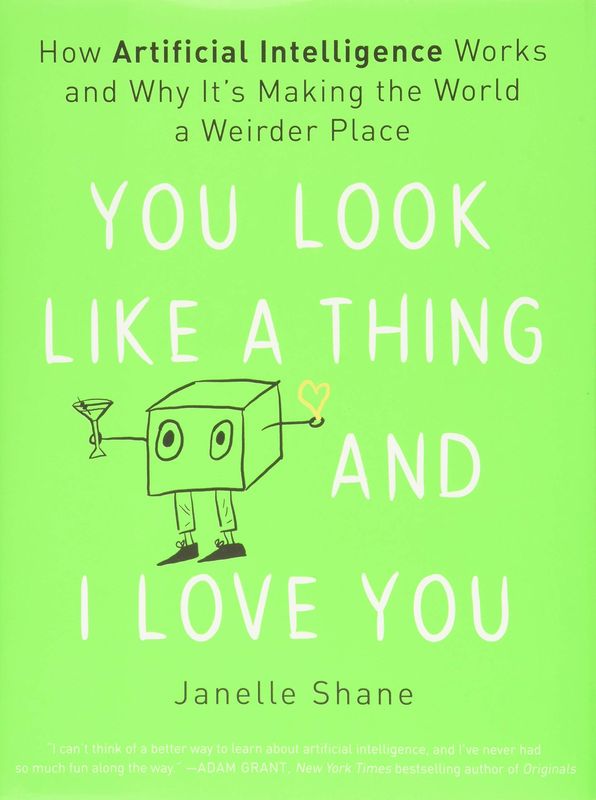

In 'You Look Like a Thing and I Love You,' Janelle Shane takes readers on a delightful journey into the quirky world of artificial intelligence. With humor and wit, she explores the fascinating ways AI interacts with everyday life, often leading to unexpected outcomes. Through engaging anecdotes and illuminating experiments, Shane unveils the limitations and possibilities of machine learning. This book not only entertains but also challenges our understanding of what it means to be human in an age of intelligent machines. Get ready to rethink AI and laugh out loud as you discover the surprising truths behind technology!
By Janelle Shane
Published: 2019
"Artificial intelligence won’t take over the world as long as we remember to bring our humor and curiosity to the table."
AS HEARD ON NPR'S "SCIENCE FRIDAY" Discover the book that Malcolm Gladwell, Susan Cain, Daniel Pink, and Adam Grant want you to read this year, an "accessible, informative, and hilarious" introduction to the weird and wonderful world of artificial intelligence (Ryan North). "You look like a thing and I love you" is one of the best pickup lines ever... according to an artificial intelligence trained by scientist Janelle Shane, creator of the popular blog AI Weirdness. She creates silly AIs that learn how to name paint colors, create the best recipes, and even flirt (badly) with humans--all to understand the technology that governs so much of our daily lives. We rely on AI every day for recommendations, for translations, and to put cat ears on our selfie videos. We also trust AI with matters of life and death, on the road and in our hospitals. But how smart is AI really... and how does it solve problems, understand humans, and even drive self-driving cars? Shane delivers the answers to every AI question you've ever asked, and some you definitely haven't. Like, how can a computer design the perfect sandwich? What does robot-generated Harry Potter fan-fiction look like? And is the world's best Halloween costume really "Vampire Hog Bride"? In this smart, often hilarious introduction to the most interesting science of our time, Shane shows how these programs learn, fail, and adapt--and how they reflect the best and worst of humanity. You Look Like a Thing and I Love You is the perfect book for anyone curious about what the robots in our lives are thinking. "I can't think of a better way to learn about artificial intelligence, and I've never had so much fun along the way." - Adam Grant, New York Times bestselling author of Originals
Showing 8 of 17 similar books
Zooko Wilcox is a prominent figure in the field of cryptography and digital currency, best known for founding the privacy-focused cryptocurrency Zcash. With a deep expertise in decentralized systems, he has significantly contributed to the development of secure and private online communications. Wilcox's work extends beyond just technology; he has authored numerous influential papers and articles on cryptographic protocols and privacy. His commitment to privacy and security has garnered him respect and recognition within the tech community. Zooko continues to push the boundaries of what's possible in digital privacy, making his mark as both an innovator and a thought leader.
Lex Fridman is an artificial intelligence researcher, podcaster, and MIT professor, known for his work in autonomous vehicles, robotics, and deep learning. Fridman has gained widespread popularity through his podcast, Lex Fridman Podcast, where he interviews leading thinkers in science, technology, and philosophy, exploring topics like AI, consciousness, and the future of humanity. His academic work focuses on human-centered AI, aiming to create machines that can better understand and interact with humans. Fridman’s ability to distill complex topics into accessible conversations has earned him a large following, and his podcast is known for its thoughtful, in-depth discussions with some of the brightest minds of our time. He is also an advocate for the responsible development of AI, emphasizing the ethical implications of this rapidly advancing technology. Outside of academia and podcasting, Fridman is a practitioner of jiu-jitsu and frequently speaks about the importance of discipline and continuous learning.
Bret Victor is a renowned American interface designer and computer scientist celebrated for his innovative contributions to interactive design and human-computer interaction. He is best known for creating dynamic, explorable explanations, which have significantly influenced the way educational content is presented and understood. Victor's seminal work, "Inventing on Principle," advocates for the integration of immediate feedback in creative processes, inspiring a new wave of interactive programming environments. As a former member of the Apple Human Interface team, he played a pivotal role in shaping modern user interfaces. Through his organization, Dynamicland, Victor continues to explore and expand the boundaries of immersive, collaborative computing environments.
Alexis Ohanian is an American entrepreneur, investor, and co-founder of Reddit, one of the world’s most popular social news and discussion platforms. Ohanian is also a prominent advocate for open internet and net neutrality, and he has invested in numerous startups through his venture capital firm, Initialized Capital. In addition to his work in tech, Ohanian is involved in philanthropy, supporting causes related to women’s rights, education, and social justice. He is married to tennis star Serena Williams, and together they advocate for gender equality and inclusive leadership. Ohanian’s influence in the tech world and his commitment to social impact have made him a respected figure in both business and activism.
Jack Edwards is a British YouTuber, content creator, and author known for his videos on literature, academia, and productivity. Edwards gained popularity through his educational content, which includes book recommendations, study tips, and insights into university life. He is an advocate for reading and lifelong learning, often encouraging his audience to explore literature and improve their academic skills. Edwards has also written a book, The Uni-Verse, which offers advice to students navigating university life. His work has made him a well-known figure in the educational and literary communities, particularly among young readers and students.
Alexey Moiseenkov is a Russian entrepreneur and tech innovator best known for creating Prisma, the groundbreaking mobile app that transforms photos into artworks using artificial intelligence. Though not primarily a literary figure, his work in AI and digital transformation has influenced contemporary discussions on the intersection of technology and art. Moiseenkov's contributions have been featured in various tech and innovation journals, highlighting his impact on modern digital culture. His work underscores the evolving narrative of creativity in the digital age, bridging the gap between artistic expression and technological advancement. Moiseenkov continues to inspire through his ongoing ventures in AI and entrepreneurship.
Patrick Collison is an Irish entrepreneur and co-founder of Stripe, a global technology company that enables businesses to accept online payments. Along with his brother John, Patrick has transformed Stripe into one of the most valuable private tech companies in the world. Stripe’s innovative approach to online payments has made it a key player in the financial technology space. Collison is known for his deep interest in science, technology, and policy, often engaging in conversations about innovation, progress, and how to improve societal outcomes. He is an advocate for scientific advancement and the intersection of technology and public policy.
Palmer Luckey is an American entrepreneur and innovator best known for founding Oculus VR and developing the Oculus Rift, a groundbreaking virtual reality headset. His work in VR technology has revolutionized the gaming industry and beyond, making immersive experiences more accessible to the public. Although not primarily known for contributions to literature, Luckey's impact on technology and gaming culture has been extensively covered in various tech publications and books. After selling Oculus to Facebook in 2014 for approximately $2 billion, he went on to found Anduril Industries, a company focused on defense technology. Luckey continues to be a prominent figure in the tech world, influencing both virtual reality and defense sectors.
Showing 8 of 17 related collections
“Artificial intelligence won’t take over the world as long as we remember to bring our humor and curiosity to the table.”
You Look Like a Thing and I Love You
By Janelle Shane
Discover a world of knowledge through our extensive collection of book summaries.
Janelle Shane is a research scientist and author known for her insightful and humorous exploration of artificial intelligence. She is the author of the bestselling book 'You Look Like a Thing and I Love You', which demystifies AI technologies while highlighting their quirks and limitations. Shane's writing combines scientific rigor with accessible prose, often infused with wit, making complex subjects engaging for a broad audience. She also maintains the popular blog 'Will It Blend?', where she experiments with AI and technology, providing a unique perspective on their impact on society.
Key information about the book.
 Buy on Amazon
 Buy via BookShop
Support local bookstores: BookShop gives a portion of each sale to independent bookshops!
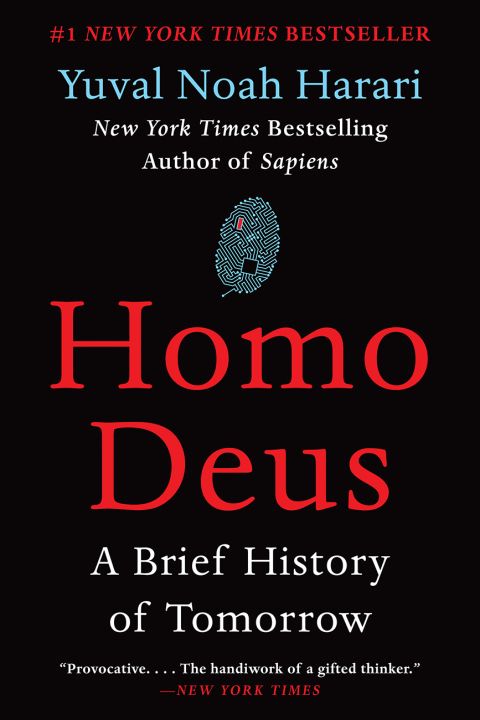
In "Homo Deus: A Brief History of Tomorrow," Yuval Noah Harari explores the future possibilities for humanity as we evolve beyond our current limitations. Delving into themes of artificial intelligence, genetic engineering, and the quest for immortality, he provokes thought about what may come after Homo sapiens. As society increasingly turns to technology for solutions, he questions the implications of our pursuit of happiness and god-like powers. Will we augment our bodies and minds, or lose our humanity in the process? This provocative journey invites readers to ponder the exhilarating—and terrifying—potential of our own evolution.
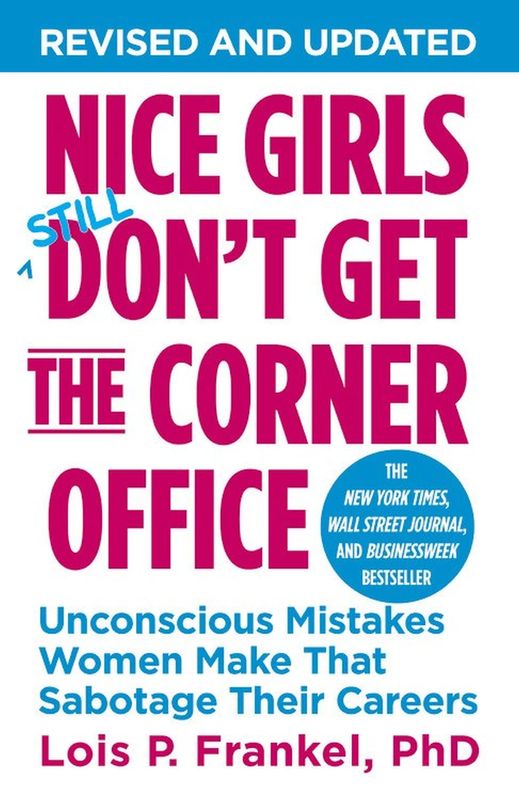
In 'Nice Girls Don't Get the Corner Office,' Lois P. Frankel exposes the subtle yet damaging behaviors that prevent women from climbing the corporate ladder. Through insightful anecdotes and practical advice, she reveals how societal norms and self-sabotaging habits hinder professional growth. Frankel empowers women to embrace assertiveness and take control of their careers, challenging the idea that being 'nice' is a requisite for success. This eye-opening guide encourages readers to break free from stereotypes and reclaim their ambitions. Are you ready to uncover the secrets that could revolutionize your career trajectory?
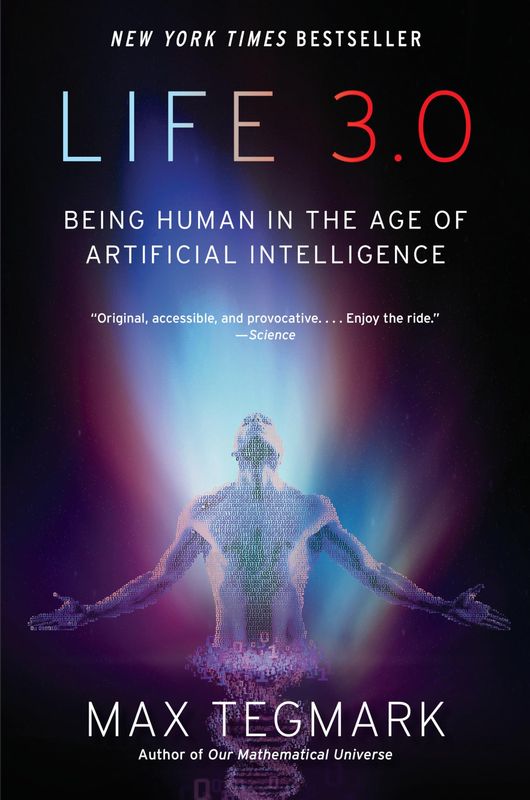
In 'Life 3.0', Max Tegmark explores the future of artificial intelligence and its profound implications for life on Earth. He presents a thought-provoking vision where humanity must grapple with the rise of superintelligent machines and the potential paths we can take. Tegmark challenges readers to consider ethical dilemmas and the responsibilities that come with unprecedented technological power. As we stand at the brink of a new era, he asks: how can we ensure that AI serves humanity's best interests? This engaging exploration leaves you pondering the fate of our species and the universe.
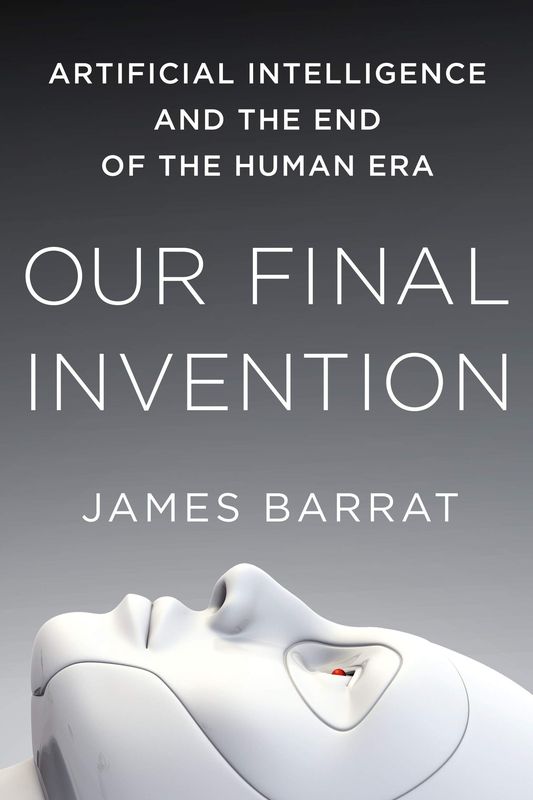
In 'Our Final Invention', James Barrat dives into the profound implications of artificial intelligence, articulating the risks of creating machines that could surpass human intelligence. He presents a compelling argument that, while AI holds incredible potential to transform society, it also poses existential threats that we must confront. The narrative weaves together historical insights, expert opinions, and alarming scenarios that challenge our understanding of intelligence itself. As advancements in technology accelerate, Barrat urges readers to question the limits of our control over these creations. Will our quest for innovation ultimately lead to our downfall, or can we chart a safe path forward?
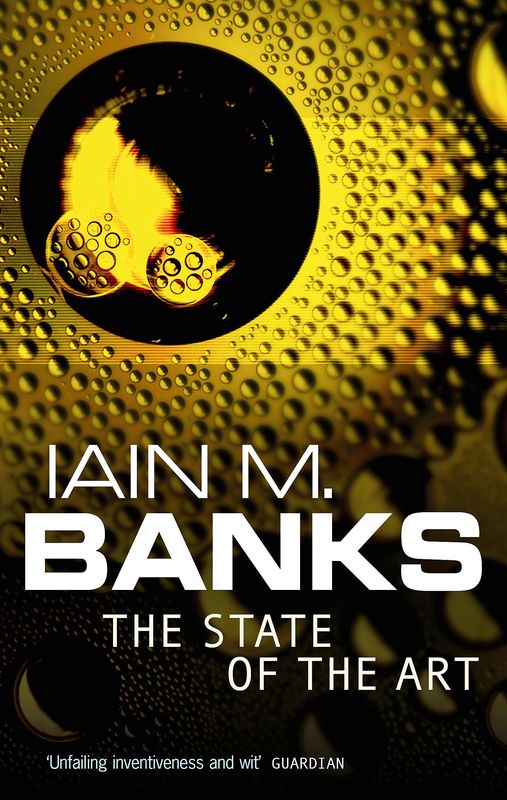
In 'The State of the Art', Iain Banks masterfully blends science fiction with thought-provoking commentary on society and technology. The narrative follows a group of explorers from the highly advanced Culture as they encounter a primitive world, prompting deep questions about morality and intervention. As they grapple with the implications of their actions, readers are drawn into a vivid exploration of what it means to be truly civilized. Banks’ sharp wit and imaginative world-building ignite curiosity about the possibilities of our own future. This remarkable collection challenges us to reflect on human nature and the ever-evolving state of our civilization.
In 'The Age of Spiritual Machines', Ray Kurzweil delves into the intersection of technology and spirituality, exploring a future where machines surpass human intelligence. He presents a compelling vision of a world where artificial intelligence enhances human capabilities, unlocking new dimensions of consciousness. Kurzweil's arguments challenge conventional notions of identity and existence as humanity integrates more intimately with technology. Will we transcend the limitations of our biology, or will we lose our humanity in the process? This thought-provoking journey invites readers to ponder the profound implications of a technologically transformed existence.
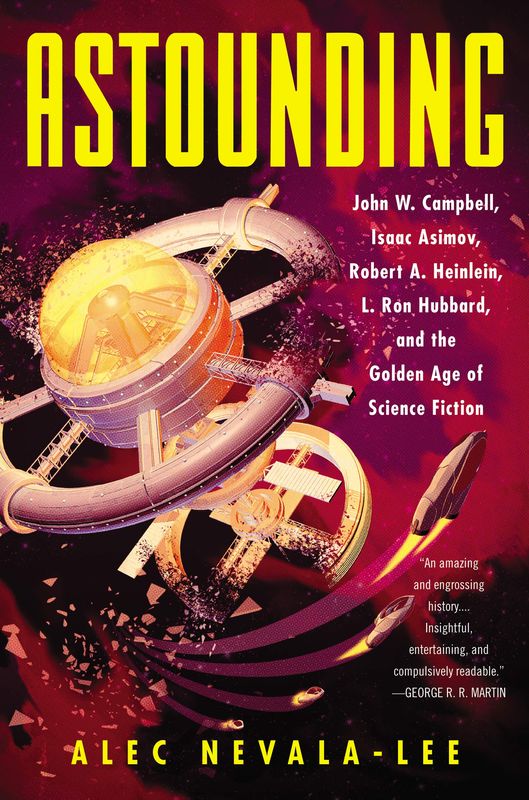
'Astounding' by Alec Nevala-Lee delves into the golden age of science fiction, exploring the life and legacy of the influential magazine Astounding Science Fiction. It uncovers the stories of legendary authors like Isaac Asimov and Robert A. Heinlein, whose imaginative works shaped modern storytelling. The narrative oscillates between personal anecdotes and historical events, revealing the profound impact of science fiction on culture and technology. As secrets of the genre's creation are unveiled, readers are invited to consider how these visionary tales have foretold our future. A captivating blend of biography and cultural critique, this book promises to astound and inspire.
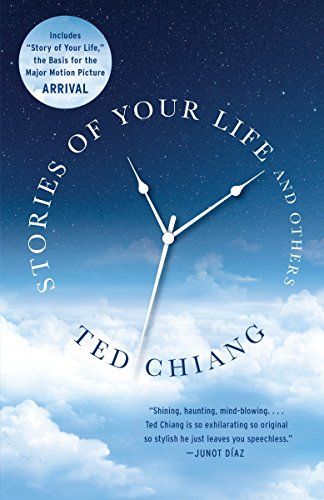
In 'Stories of Your Life and Others,' Ted Chiang weaves a captivating collection of science fiction tales that challenge the boundaries of language, perception, and the human experience. Each story intricately explores profound concepts such as time, memory, and the connections we forge with others in an ever-evolving universe. From the haunting echoes of a mother's love in 'Story of Your Life' to the philosophical quandaries of artificial intelligence, Chiang's narratives linger long after the last page is turned. With striking prose and imaginative scenarios, he invites readers to ponder the fabric of reality and what it means to be human. Prepare for a journey that is as thought-provoking as it is moving, where every story sparks a deeper understanding of ourselves and the world around us.



Download our mobile app to enjoy your favorite books on the go. Get access to exclusive features, offline listening, and personalized recommendations.