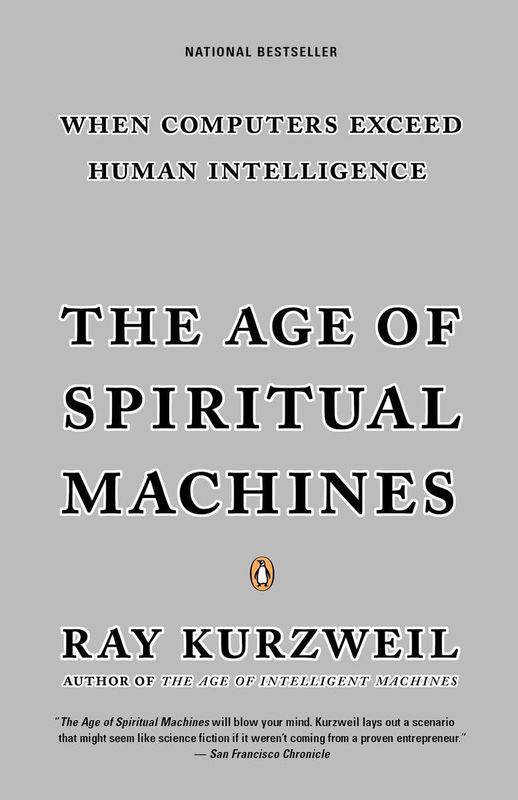
The Age of Spiritual Machines Book Summary
In 'The Age of Spiritual Machines', Ray Kurzweil delves into the intersection of technology and spirituality, exploring a future where machines surpass human intelligence. He presents a compelling vision of a world where artificial intelligence enhances human capabilities, unlocking new dimensions of consciousness. Kurzweil's arguments challenge conventional notions of identity and existence as humanity integrates more intimately with technology. Will we transcend the limitations of our biology, or will we lose our humanity in the process? This thought-provoking journey invites readers to ponder the profound implications of a technologically transformed existence.
By Ray Kurzweil
Published: 2000
"We are not limited by the physical constraints of our bodies; our minds are the true frontier of human potential, where technology will bridge the gap between the biological and the artificial."

Start Listening to Book Summary
Book Review of The Age of Spiritual Machines
The inventor of the most innovative and compelling technology of our era, an international authority on artificial intelligence, and bestselling author of The Singularity is Nearer now offers a framework for envisioning the twenty-first century in The Age of Spiritual Machines--an age in which the marriage of human sensitivity and artificial intelligence fundamentally alters and improves the way we live. Kurzweil's prophetic blueprint for the future takes us through the advances that inexorably result in computers exceeding the memory capacity and computational ability of the human brain by the year 2020 (with human-level capabilities not far behind); in relationships with automated personalities who will be our teachers, companions, and lovers; and in information fed straight into our brains along direct neural pathways. Optimistic and challenging, thought-provoking and engaging, The Age of Spiritual Machines is the ultimate guide on our road into the next century.
Book Overview of The Age of Spiritual Machines
About the Book Author
Ray Kurzweil
Ray Kurzweil is an esteemed inventor, entrepreneur, and futurist, celebrated for his pioneering work in artificial intelligence and technology. Born on February 12, 1948, he gained prominence through his development of the first print-to-speech reading machine for the blind and contributions to music synthesizers. Kurzweil is a prolific author, with notable works such as "The Singularity Is Near," where he explores the future of human and machine integration. As a director of engineering at Google, he focuses on machine learning and language processing, continuing to shape the technological landscape. His visionary ideas and predictions about the future of technology position him as a leading voice in discussions about the implications of rapid technological advancement.
Book Details
Key information about the book.
- Authors
- Ray Kurzweil
- Published
- January 2000
- Publisher
- Penguin
- ISBN
- 0140282025
- Language
- English
- Pages
- 404
- Genres
- Philosophy of MindSpiritual GrowthArtificial IntelligenceSpirituality and ReligionTechnology
Purchase Options
 Buy on Amazon
 Buy via BookShop
Support local bookstores: BookShop gives a portion of each sale to independent bookshops!
Similar books you might like →
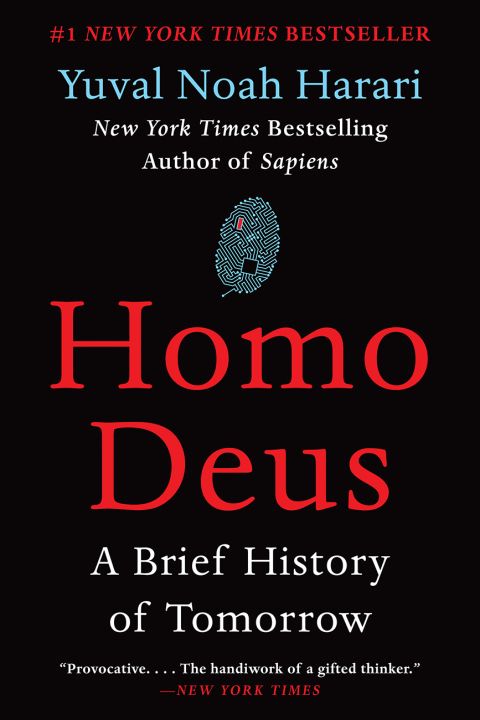
Homo Deus Book Summary
In "Homo Deus: A Brief History of Tomorrow," Yuval Noah Harari explores the future possibilities for humanity as we evolve beyond our current limitations. Delving into themes of artificial intelligence, genetic engineering, and the quest for immortality, he provokes thought about what may come after Homo sapiens. As society increasingly turns to technology for solutions, he questions the implications of our pursuit of happiness and god-like powers. Will we augment our bodies and minds, or lose our humanity in the process? This provocative journey invites readers to ponder the exhilarating—and terrifying—potential of our own evolution.
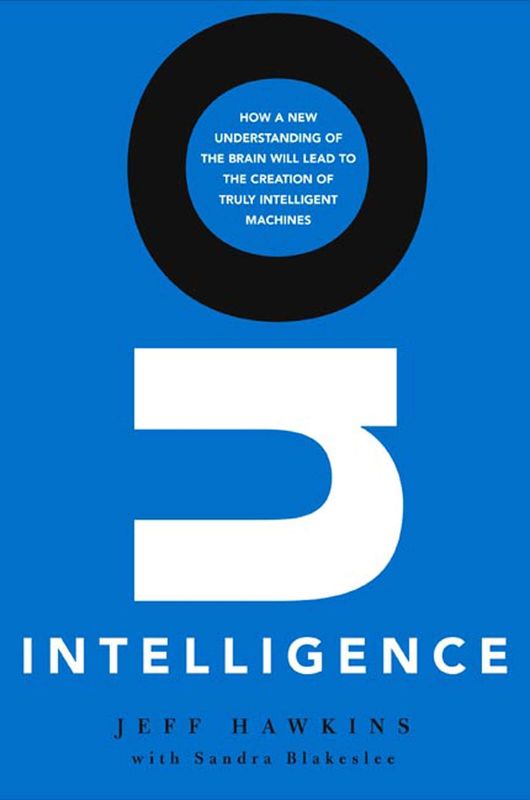
On Intelligence Book Summary
In 'On Intelligence,' Jeff Hawkins proposes a revolutionary theory of how the brain processes information, challenging traditional notions of intelligence. With a blend of neuroscience and cognitive science, Hawkins introduces the concept of the memory-prediction framework, suggesting that intelligence arises from our ability to predict future events based on past experiences. He argues that understanding this mechanism is key to replicating human-like intelligence in machines. The book is filled with intriguing insights and thought-provoking ideas, making readers reconsider what it truly means to be intelligent. A must-read for anyone curious about the intersections of brain function, consciousness, and artificial intelligence.

Love and Sex with Robots Book Summary
In 'Love and Sex with Robots,' David Levy explores the provocative intersection of technology and human relationships, envisioning a future where intimate connections with robots could reshape society. He delves into the psychology behind these relationships, posing challenging questions about love, attraction, and the essence of humanity. As AI evolves, Levy raises the possibility that we may one day experience genuine emotional bonds with machines. The book teases out the implications of this phenomenon on our understanding of love and intimacy. Prepare to challenge your perceptions of relationships in a world where boundaries between human and artificial blur.
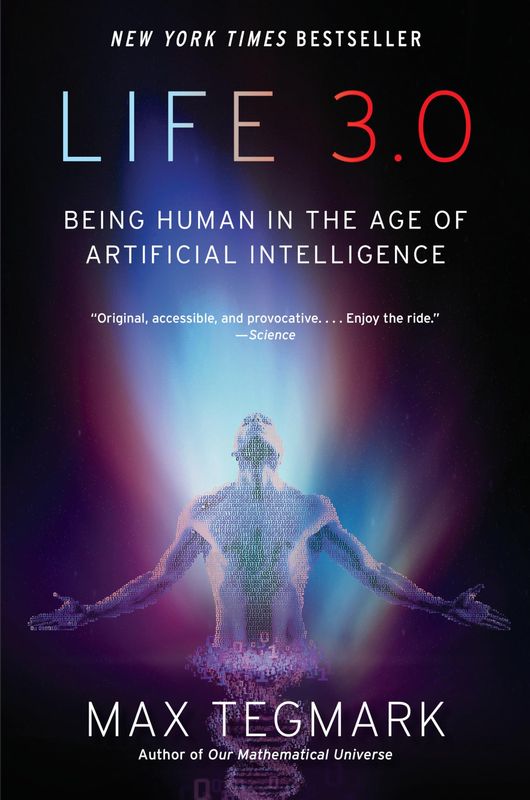
Life 3.0 Book Summary
In 'Life 3.0', Max Tegmark explores the future of artificial intelligence and its profound implications for life on Earth. He presents a thought-provoking vision where humanity must grapple with the rise of superintelligent machines and the potential paths we can take. Tegmark challenges readers to consider ethical dilemmas and the responsibilities that come with unprecedented technological power. As we stand at the brink of a new era, he asks: how can we ensure that AI serves humanity's best interests? This engaging exploration leaves you pondering the fate of our species and the universe.
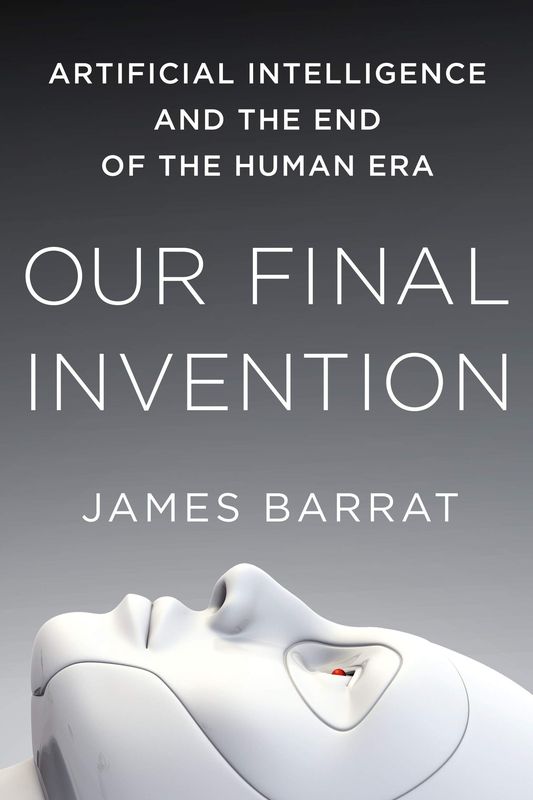
Our Final Invention Book Summary
In 'Our Final Invention', James Barrat dives into the profound implications of artificial intelligence, articulating the risks of creating machines that could surpass human intelligence. He presents a compelling argument that, while AI holds incredible potential to transform society, it also poses existential threats that we must confront. The narrative weaves together historical insights, expert opinions, and alarming scenarios that challenge our understanding of intelligence itself. As advancements in technology accelerate, Barrat urges readers to question the limits of our control over these creations. Will our quest for innovation ultimately lead to our downfall, or can we chart a safe path forward?
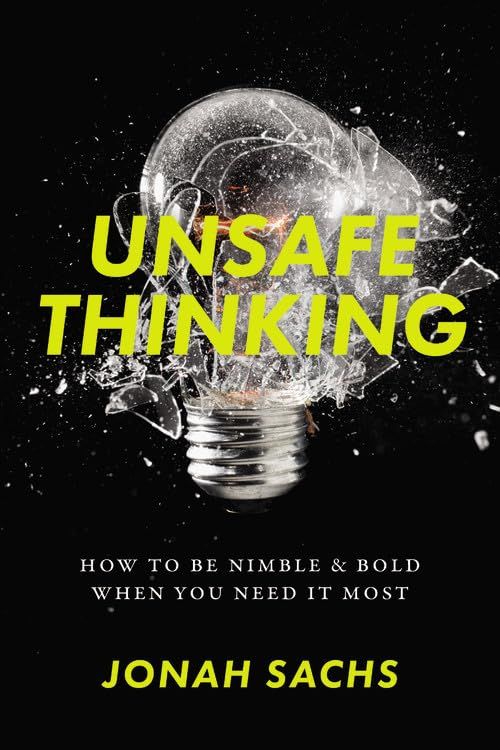
Unsafe Thinking Book Summary
In 'Unsafe Thinking', Jonah Sachs challenges conventional wisdom and encourages readers to embrace risk and uncertainty as pathways to innovation. He illustrates how the most groundbreaking ideas often arise from chaotic and unpredictable environments. Through compelling examples from various industries, Sachs reveals the power of thinking outside the box and taking intellectual leaps. This provocative exploration of creativity invites us to reconsider our comfort zones and inspires us to make daring choices. Are you ready to unlock your potential by diving into the realm of unsafe thinking?
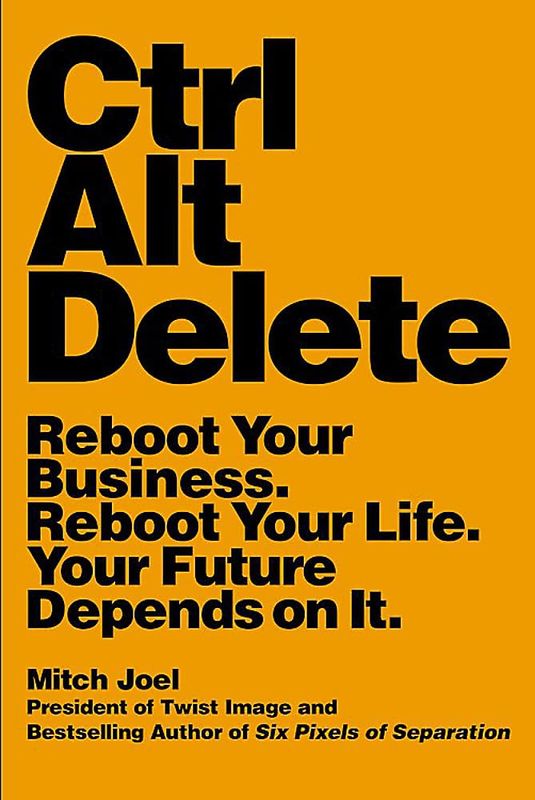
Ctrl Alt Delete Book Summary
In 'Ctrl Alt Delete', Mitch Joel explores the disruptive landscape of the digital age, challenging readers to rethink their approach to business and marketing. With engaging anecdotes and sharp insights, he reveals how technology reshapes our relationships and the economy. Joel emphasizes the necessity of adapting to change for survival in an increasingly connected world. This compelling narrative not only presents the realities of innovation but also serves as a call to action for entrepreneurs and businesses alike. Prepare to be inspired and ready to embrace the digital revolution!
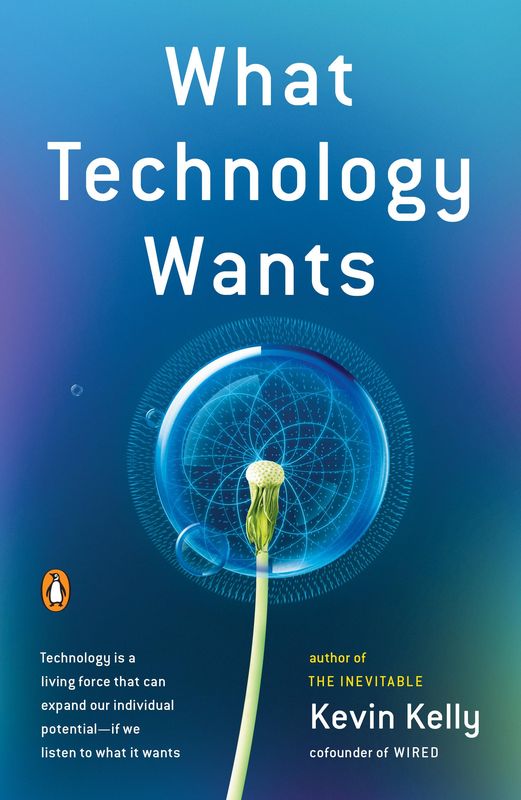
What Technology Wants Book Summary
In "What Technology Wants," Kevin Kelly delves into the deep interplay between humanity and technology, suggesting that technology is an extension of life itself. He argues that just like biological evolution, technology has its own agenda and desires, shaping our future in profound ways. Through a blend of philosophical insights and real-world examples, Kelly reveals how technological advancements reflect our aspirations and fears. As he explores the notion of 'the technium'—a vast, interconnected web of technology—readers are invited to reconsider their relationship with the tools they create. This thought-provoking journey challenges us to embrace technology as a living entity that influences and drives our evolution.
Showing 8 of 29 similar books
Take your reading experience to the next level
Download our mobile app to enjoy your favorite books on the go. Get access to exclusive features, offline listening, and personalized recommendations.

Similar Book Recommendations →
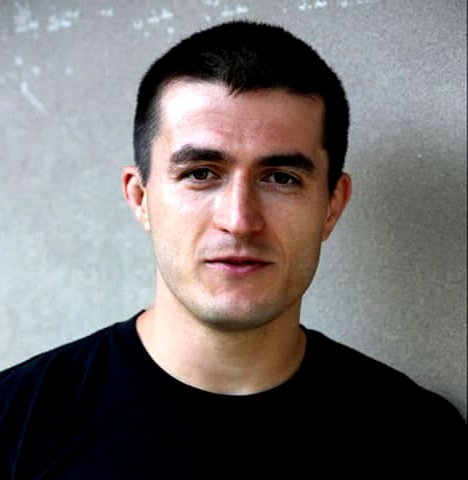
Lex Fridman's Book Recommendations
Lex Fridman is an artificial intelligence researcher, podcaster, and MIT professor, known for his work in autonomous vehicles, robotics, and deep learning. Fridman has gained widespread popularity through his podcast, Lex Fridman Podcast, where he interviews leading thinkers in science, technology, and philosophy, exploring topics like AI, consciousness, and the future of humanity. His academic work focuses on human-centered AI, aiming to create machines that can better understand and interact with humans. Fridman’s ability to distill complex topics into accessible conversations has earned him a large following, and his podcast is known for its thoughtful, in-depth discussions with some of the brightest minds of our time. He is also an advocate for the responsible development of AI, emphasizing the ethical implications of this rapidly advancing technology. Outside of academia and podcasting, Fridman is a practitioner of jiu-jitsu and frequently speaks about the importance of discipline and continuous learning.
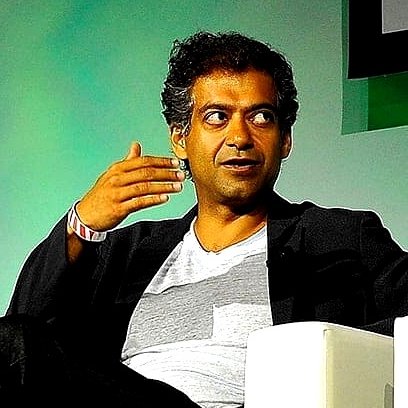
Naval Ravikant's Book Recommendations
Naval Ravikant is an entrepreneur, angel investor, and philosopher, best known as the co-founder of AngelList, a platform that connects startups with investors. Ravikant is a prolific thinker and writer on topics such as startups, investing, and personal well-being, sharing his wisdom through essays, podcasts, and social media. He has invested in over 100 companies, including Uber, Twitter, and Yammer, making him one of Silicon Valley’s most successful angel investors. Ravikant is also known for his philosophical musings on wealth, happiness, and the meaning of life, which have garnered him a large and dedicated following.

Barack Obama's Book Recommendations
Barack Obama is the 44th President of the United States, serving from 2009 to 2017. As the first African American president, Obama’s leadership marked a historic moment in American history. His administration focused on healthcare reform, economic recovery from the Great Recession, and environmental policies. He is best known for the Affordable Care Act, as well as his efforts to expand civil rights and restore diplomatic relations with Cuba. Since leaving office, Obama has continued to engage in public life through his foundation, focusing on leadership development, civic engagement, and global issues.
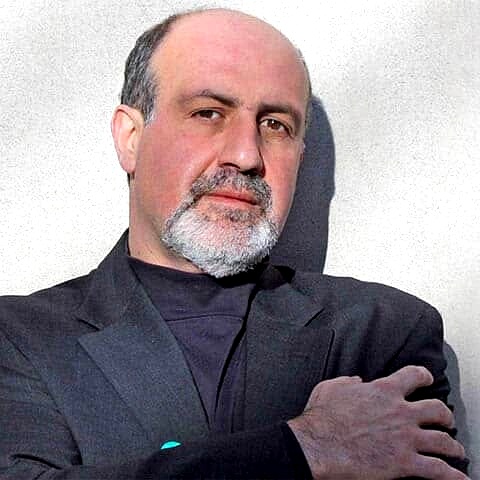
Nassim Nicholas Taleb's Book Recommendations
Nassim Nicholas Taleb is a Lebanese-American author, scholar, and risk analyst, best known for his work on uncertainty, probability, and risk. His books, including The Black Swan and Antifragile, explore how rare and unpredictable events shape the world and how individuals and systems can become more resilient to shocks. Taleb’s insights on risk management have influenced fields ranging from finance to medicine, and he is known for his outspoken criticism of conventional wisdom. His ideas about randomness, decision-making, and the limitations of human knowledge have made him a leading thinker in modern economics and philosophy.
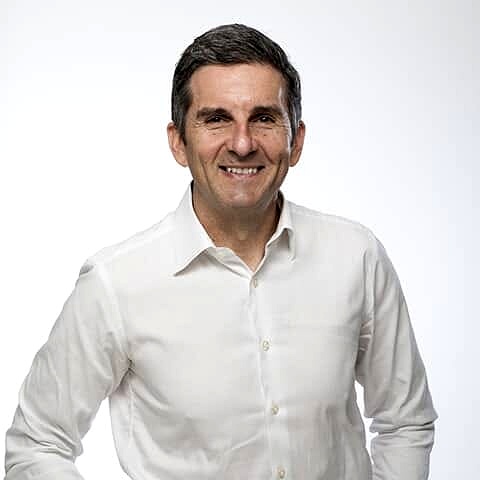
Daniel Petre's Book Recommendations
Daniel Petre is a distinguished Australian entrepreneur, author, and philanthropist known for his impactful contributions to the business and literary worlds. He co-founded the venture capital firm AirTree Ventures, which has significantly influenced the technology startup ecosystem in Australia. Petre has authored several influential books on technology and leadership, including "The Clever Country?" and "Father Time," which explore themes of innovation and work-life balance. His writing often reflects his deep commitment to shaping a forward-thinking, inclusive society. Beyond his literary and business endeavors, Petre is also recognized for his substantial philanthropic efforts, particularly in education and healthcare.
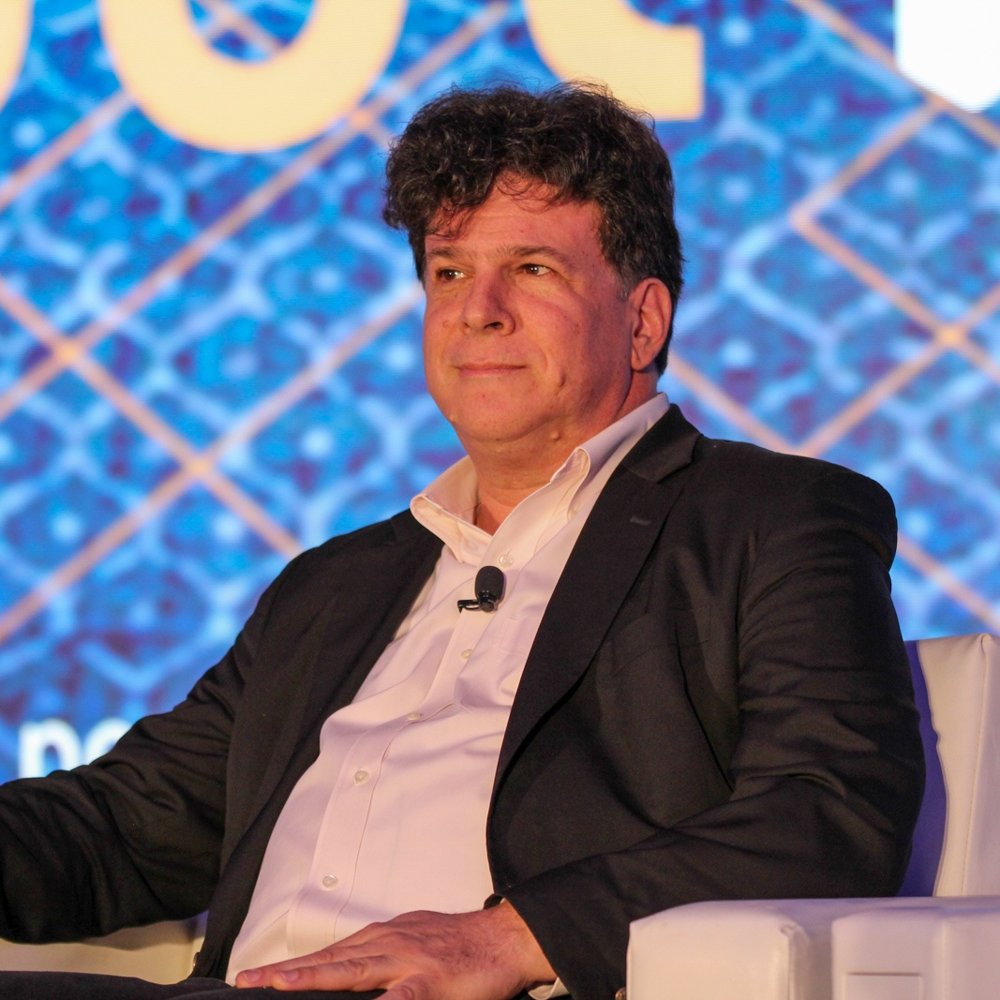
Eric Weinstein's Book Recommendations
Eric Weinstein is an accomplished American mathematician, economist, and writer, known for his influential work in the fields of geometric unity and economic theory. As the Managing Director of Thiel Capital, he has significantly impacted the financial and technological sectors. Weinstein is also renowned for his thought-provoking discussions on the podcast "The Portal," where he explores complex scientific and social issues. He has written extensively on a variety of topics, contributing to both academic and popular literature. His unique perspectives and interdisciplinary approach have earned him recognition as a leading intellectual voice of his generation.
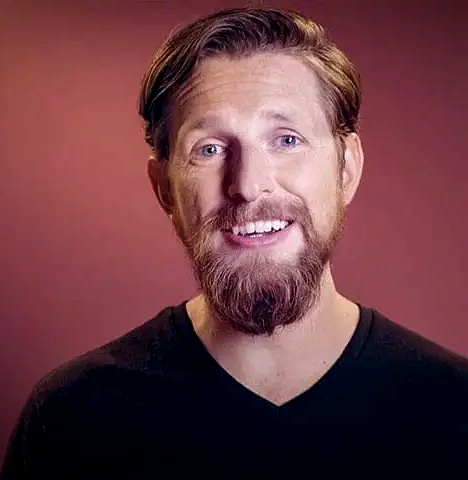
Matt Mullenweg's Book Recommendations
Matt Mullenweg is an influential American entrepreneur and web developer, best known for co-founding WordPress, the open-source software that powers over 40% of the web. Born in 1984 in Houston, Texas, Mullenweg's work has revolutionized digital publishing and democratized web content creation. As the CEO of Automattic, the parent company of WordPress.com, he has expanded the platform's reach and capabilities, fostering a vibrant community of developers and users. Mullenweg is also an advocate for open-source software and has contributed significantly to its proliferation and adoption. His impact on digital literature and publishing is profound, enabling countless individuals and organizations to share their voices online.
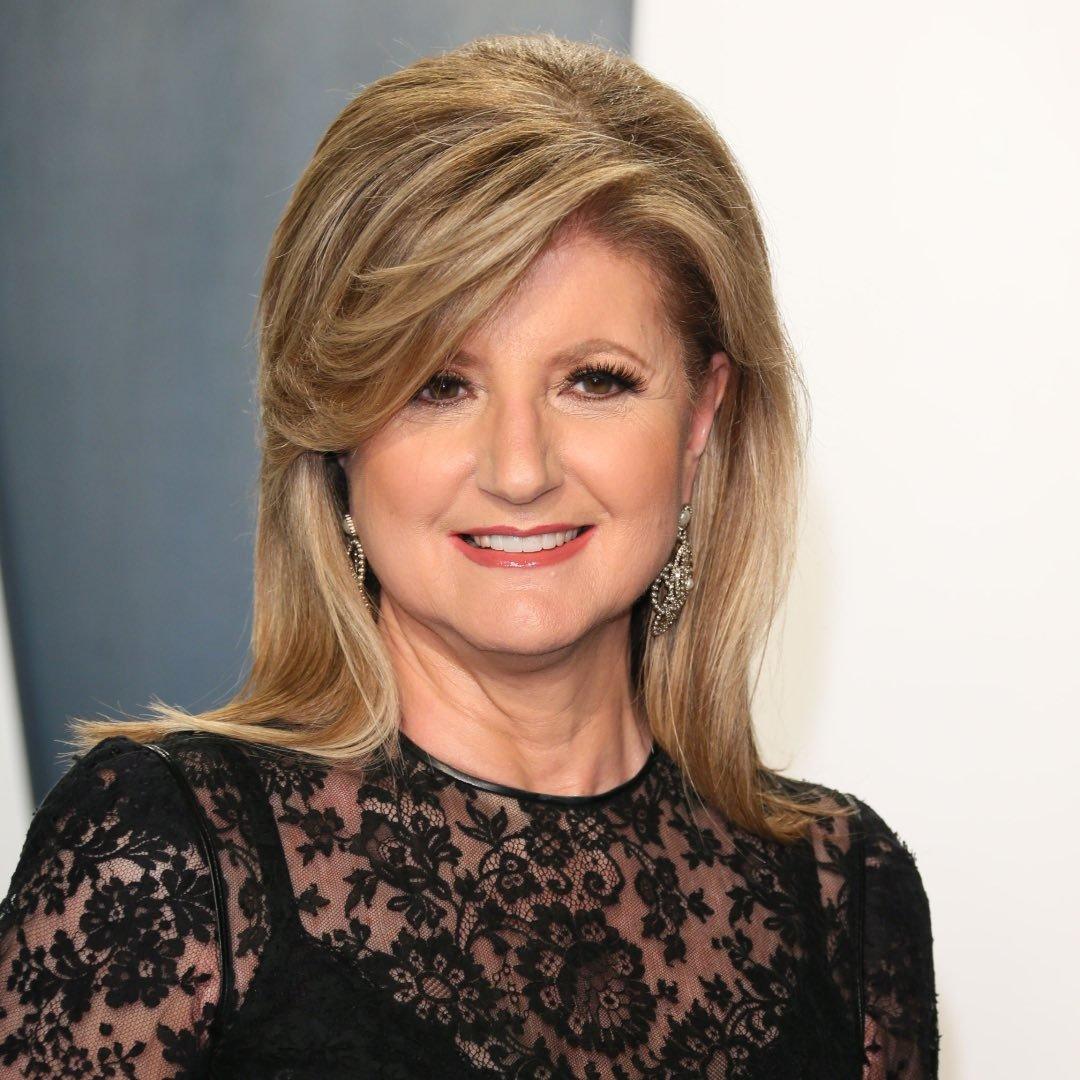
Arianna Huffington's Book Recommendations
Arianna Huffington is the founder of The Huffington Post and Thrive Global, a company focused on wellness and productivity. She is a bestselling author and prominent speaker on the importance of sleep and managing stress. Arianna’s work emphasizes the importance of balance between professional success and personal well-being. Her book The Sleep Revolution has inspired a global movement to prioritize rest. She is considered one of the most influential women in media and business.
Showing 8 of 9 related collections
“We are not limited by the physical constraints of our bodies; our minds are the true frontier of human potential, where technology will bridge the gap between the biological and the artificial.”
The Age of Spiritual Machines
By Ray Kurzweil
Frequently Asked Questions
Explore Our Catalogue
Discover a world of knowledge through our extensive collection of book summaries.
Genres
Genres
Genres
Featured Collections
- Top Book Club Picks
- One-Stop Nutrition
- Summer Reads 2024
- Best Beach Reads 2024
- Work-Life Balance Guide
- Time Management
- Healthy Foods
- Entrepreneur Toolkit
- Mind & Body Wellness
- Future Tech Insights
- Leadership Essentials
- Financial Freedom
- Sci-Fi Masterpieces
- Parenting 101
- Books That Became Blockbusters
- Guide to a Healthy Pregnancy