Peddling Prosperity Book Summary
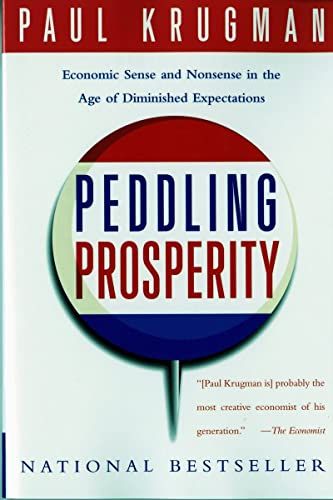
In 'Peddling Prosperity,' Paul R. Krugman unravels the economic rhetoric of the 1990s, revealing how political agendas distorted real economic understanding. With sharp wit and keen insight, he critiques the prevailing ideas of prosperity and the myths surrounding it. Krugman argues that what was presented as a golden era was riddled with contradictions and oversights. This provocative exploration compels readers to question the narratives they've accepted about wealth creation and economic growth. Are we truly as prosperous as we believe, or is it all just an elaborate illusion?
By Paul R. Krugman
Published: 1995
"In the complex game of economics, prosperity is not merely a byproduct of natural resources or labor; it is a crafted state of political will and strategic intervention."

Start Listening to Book Summary
Book Review of Peddling Prosperity
The past twenty years have been an era of economic disappointment in the U.S. They have also been a time of intense economic debate, as rival ideologies contend for policy influence. But strange things have happened to economic ideas on their way to power--they've been hijacked by policy entrepreneurs who offer easy answers to hard problems.
Book Overview of Peddling Prosperity
About the Book Author
Paul R. Krugman
Paul R. Krugman is an acclaimed American economist, columnist, and author, known for his influential work in international economics and trade theory. A Nobel Laureate in Economic Sciences, Krugman is a professor at City University of New York and a frequent contributor to The New York Times, where his insights on economic policy and global affairs resonate with a broad audience. Notable works include 'The General Theory of Self-Adjustment,' 'The Conscience of a Liberal,' and 'End This Depression Now!'. Krugman's writing is characterized by clarity and wit, making complex economic concepts accessible to the general public.
Book Details
Key information about the book.
- Authors
- Paul R. Krugman
- Published
- April 1995
- Publisher
- W. W. Norton & Company
- ISBN
- 0393312925
- Language
- English
- Pages
- 326
- Genres
- Business and EconomicsSocial CommentaryEconomic Policy
Purchase Options
 Buy on Amazon
 Buy via BookShop
Support local bookstores: BookShop gives a portion of each sale to independent bookshops!
Similar books you might like →
Black Edge Book Summary
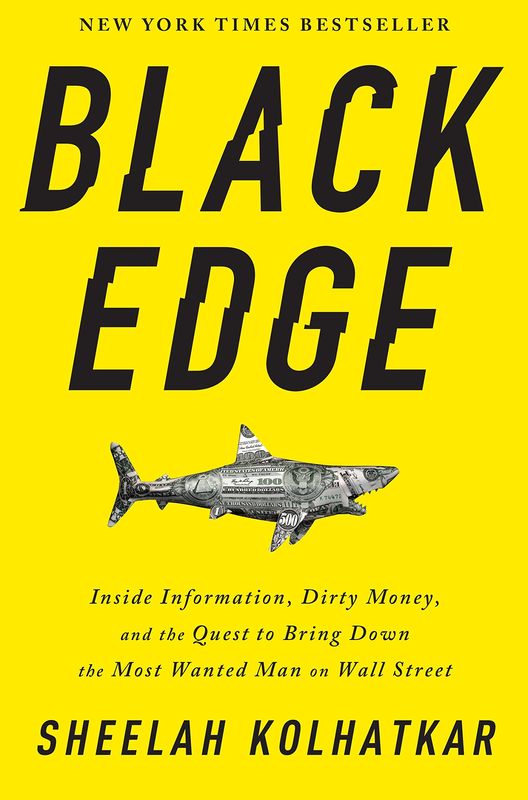
In "Black Edge," investigative journalist Sheelah Kolhatkar delves into the high-stakes world of hedge funds and the enigmatic figure of Steven A. Cohen. As she unravels the saga of insider trading, greed, and Wall Street's murky ethics, the book pulls readers into a gripping tale of ambition that spans decades. With intellectual prowess and audacious risk-taking, Cohen's rise to power raises questions about the moral compass of finance. Kolhatkar's penetrating analysis unveils the dark side of wealth and the relentless pursuit of success, leaving readers questioning the true cost of ambition. Will you dare to uncover the secrets of a financial titan and the shadowy underworld they inhabit?
The Everything Store Book Summary
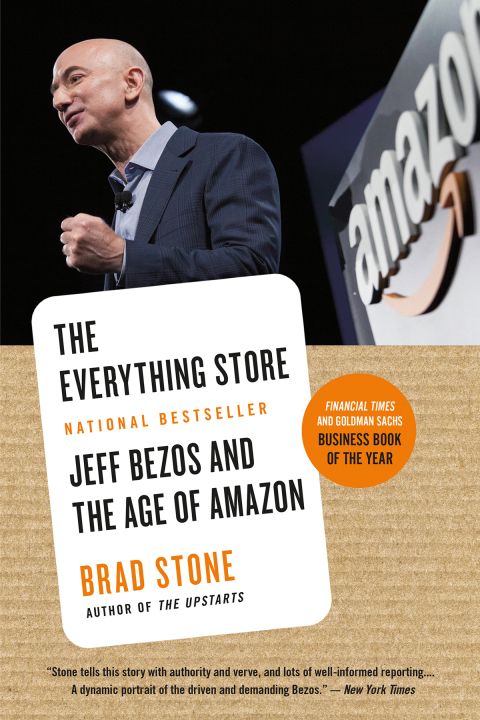
In "The Everything Store," Brad Stone takes readers on an enthralling journey through the rise of Amazon and its enigmatic founder, Jeff Bezos. The book unveils the audacious vision that transformed a humble online bookstore into a global retail powerhouse. Through fascinating anecdotes and behind-the-scenes insights, Stone reveals the fierce ambition and relentless innovation that drive Bezos and his groundbreaking company. As the narrative unfolds, readers will discover the challenges and ethical dilemmas faced by Amazon in its quest for dominance. This gripping account will leave you questioning the true cost of convenience in our modern world.

Capital Book Summary
In 'Capital,' Karl Marx unveils the intricate mechanics of capitalism, revealing how it perpetuates class struggle and economic disparity. Through a meticulous exploration of labor, commodity, and value, he exposes the exploitative relationships hiding beneath the surface of wealth. With a bold critique of industrial society, Marx argues that the relentless pursuit of profit leads to societal decay and discontent. His revolutionary ideas challenge the very foundations of capitalism, prompting readers to question the status quo. Dive into this groundbreaking work that continues to influence modern economic thought and societal change.

Better Web Typography for a Better Web Book Summary
In 'Better Web Typography for a Better Web,' Matej Latin unveils the transformative power of typography in web design. He delves into the principles of effective type, demonstrating how thoughtful choices can enhance user experience and engagement. The book is packed with practical tips and real-world examples to help designers craft visually stunning and readable websites. Latin's insights challenge conventional norms, urging readers to rethink their approach to typography. This essential guide equips both aspiring and seasoned designers with the tools to elevate their craft and create a more beautiful web.

Juicy and Delicious Book Summary
In 'Juicy and Delicious', Lucy Alibar takes readers on a tantalizing journey through flavors, memories, and the secrets of the culinary world. The story follows a young aspiring chef who navigates the complexities of family ties, personal dreams, and the art of cooking. With a mix of humor and heartfelt moments, Alibar explores how food can be a vessel for love, culture, and connection. Each chapter unveils recipes that are as rich in emotion as they are in taste. What hidden truths will be revealed in the kitchen, and how will they change the lives of those who dare to savor every bite?

Skin in the Game Book Summary
In 'Skin in the Game,' Nassim Nicholas Taleb explores the profound risks of decision-making that doesn't involve personal stakes. He unveils how those with power often evade the consequences of their actions while the vulnerable bear the brunt of systemic failures. Through compelling anecdotes and sharp insights, Taleb emphasizes the importance of having 'skin in the game' in economics, politics, and life. His thought-provoking arguments challenge conventional wisdom and demand accountability in our interconnected worlds. This book is an essential read for anyone seeking to understand the real implications of risk and responsibility.
Breaking Rockefeller Book Summary
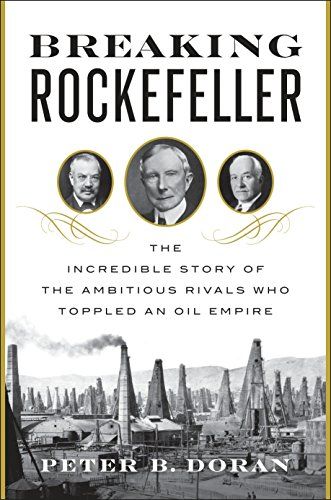
In 'Breaking Rockefeller,' Peter B. Doran unveils the fierce struggle for control over the world’s oil industry in the early 20th century. This riveting narrative dives deep into the fierce rivalry between titans like John D. Rockefeller and the upstart competitors who sought to dismantle his empire. Through thrilling tales of ambition, betrayal, and unexpected alliances, Doran reveals the gritty realities behind the growth of the oil industry and its global implications. Will the challengers succeed in dismantling the monopolistic grip of the Rockefellers? This captivating account will leave readers questioning the true cost of power and the lengths to which individuals will go to secure their legacy.
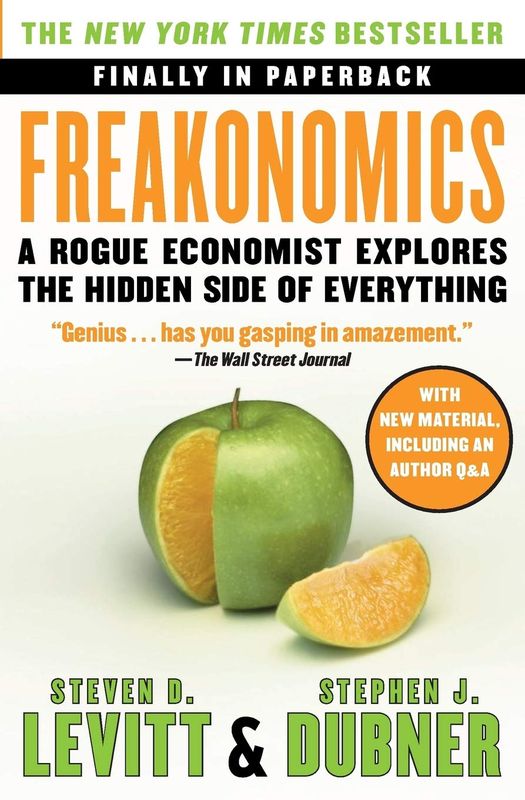
Freakonomics Book Summary
In 'Freakonomics,' Steven D. Levitt and Stephen J. Dubner explore the hidden side of everything, revealing the surprising truths behind human behavior and decision-making. Through a series of intriguing case studies, they uncover the economic forces that shape our lives in ways we never expected. What do schoolteachers and sumo wrestlers have in common? How do incentives drive the behavior of people in powerful positions? Prepare to challenge your assumptions and see the world through a lens of data and unconventional thinking.
Showing 8 of 29 similar books
Take your reading experience to the next level
Download our mobile app to enjoy your favorite books on the go. Get access to exclusive features, offline listening, and personalized recommendations.

Similar Book Recommendations →

Chris Dixon's Book Recommendations
Chris Dixon is a notable venture capitalist and technology entrepreneur, best known for his influential role as a general partner at Andreessen Horowitz, where he leads investments in cryptocurrency and blockchain technology. Before joining the firm, Dixon co-founded two startups: SiteAdvisor, a web security company acquired by McAfee, and Hunch, a recommendation engine acquired by eBay. In addition to his investment career, Dixon is a prolific writer and thought leader on technology and innovation, contributing insightful essays and articles to various platforms such as his personal blog and Medium. His writings often explore the future of technology, the internet, and the impact of blockchain, making significant contributions to contemporary tech literature. Dixon's work has earned him recognition as a visionary in both the tech and literary worlds.

Naval Ravikant's Book Recommendations
Naval Ravikant is an entrepreneur, angel investor, and philosopher, best known as the co-founder of AngelList, a platform that connects startups with investors. Ravikant is a prolific thinker and writer on topics such as startups, investing, and personal well-being, sharing his wisdom through essays, podcasts, and social media. He has invested in over 100 companies, including Uber, Twitter, and Yammer, making him one of Silicon Valley’s most successful angel investors. Ravikant is also known for his philosophical musings on wealth, happiness, and the meaning of life, which have garnered him a large and dedicated following.

Charlie Munger's Book Recommendations
Charlie Munger is an American investor, businessman, and philanthropist, best known as the vice chairman of Berkshire Hathaway, where he partners with Warren Buffett. Renowned for his insights on investment strategies and mental models, Munger has significantly influenced the world of finance. His notable literary contributions include "Poor Charlie's Almanack," a compilation of his speeches and writings that distill his wisdom on decision-making and business principles. Munger's work emphasizes the importance of multidisciplinary thinking and continuous learning. Beyond his financial acumen, he is celebrated for his charitable efforts, particularly in education and healthcare.

Ana Fabrega's Book Recommendations
Ana Lorena Fabrega is an innovative educator and author passionate about reimagining education. Known as “Ms. Fab,” she is the Chief Evangelist at Synthesis, an education startup inspired by the problem-solving and collaboration model used at SpaceX. She advocates for alternative learning methods, encouraging curiosity and creativity in students. Ana's work emphasizes the importance of engaging young learners in real-world challenges and critical thinking. She also shares insights on education reform through her popular newsletter, Fab Fridays.

Howard Marks's Book Recommendations
Howard Marks was a renowned Welsh author and drug smuggler, best known for his bestselling autobiography, "Mr Nice," published in 1996. The book chronicles his complex life, from Oxford University graduate to one of the world's most infamous cannabis traffickers. Marks' candid storytelling and unique perspective earned him a cult following and critical acclaim, transforming him into a counterculture icon. He further contributed to literature with several other works, including "Señor Nice" and "Sympathy for the Devil." Marks' legacy continues to influence discussions on drug policy and the criminal justice system.

Barack Obama's Book Recommendations
Barack Obama is the 44th President of the United States, serving from 2009 to 2017. As the first African American president, Obama’s leadership marked a historic moment in American history. His administration focused on healthcare reform, economic recovery from the Great Recession, and environmental policies. He is best known for the Affordable Care Act, as well as his efforts to expand civil rights and restore diplomatic relations with Cuba. Since leaving office, Obama has continued to engage in public life through his foundation, focusing on leadership development, civic engagement, and global issues.

Brad Feld's Book Recommendations
Brad Feld is a prominent American entrepreneur, venture capitalist, and author known for his influential work in the startup ecosystem. Co-founder of the Foundry Group, he has played a pivotal role in funding and mentoring early-stage technology companies. Feld is also a key figure behind the Techstars accelerator program, which has helped launch numerous successful startups. As an author, he has penned several essential books on entrepreneurship and venture capital, including "Venture Deals" and "Startup Communities," which provide invaluable insights for aspiring entrepreneurs and investors. His writings and active blogging have cemented his reputation as a thought leader in the tech and startup communities.

Daniel Petre's Book Recommendations
Daniel Petre is a distinguished Australian entrepreneur, author, and philanthropist known for his impactful contributions to the business and literary worlds. He co-founded the venture capital firm AirTree Ventures, which has significantly influenced the technology startup ecosystem in Australia. Petre has authored several influential books on technology and leadership, including "The Clever Country?" and "Father Time," which explore themes of innovation and work-life balance. His writing often reflects his deep commitment to shaping a forward-thinking, inclusive society. Beyond his literary and business endeavors, Petre is also recognized for his substantial philanthropic efforts, particularly in education and healthcare.
Showing 8 of 16 related collections
“In the complex game of economics, prosperity is not merely a byproduct of natural resources or labor; it is a crafted state of political will and strategic intervention.”
Peddling Prosperity
By Paul R. Krugman
Frequently Asked Questions
Explore Our Catalogue
Discover a world of knowledge through our extensive collection of book summaries.
Genres
Genres
Genres
Featured Collections
- Top Book Club Picks
- One-Stop Nutrition
- Summer Reads 2024
- Best Beach Reads 2024
- Work-Life Balance Guide
- Time Management
- Healthy Foods
- Entrepreneur Toolkit
- Mind & Body Wellness
- Future Tech Insights
- Leadership Essentials
- Financial Freedom
- Sci-Fi Masterpieces
- Parenting 101
- Books That Became Blockbusters
- Guide to a Healthy Pregnancy