QED and the Men who Made it Book Summary
In 'QED and the Men who Made it', Silvan S. Schweber delves into the intricate world of Quantum Electrodynamics (QED), revealing the visionary scientists behind its development. Through vivid storytelling, Schweber intertwines personal anecdotes with historical milestones, bringing to life the passionate debates and groundbreaking discoveries that reshaped modern physics. The book highlights not only the scientific breakthroughs but also the human drama and intellectual struggles that accompanied them. As Schweber unpacks the mathematical elegance of QED, readers are invited to ponder the mysteries of the universe and the quest for understanding. This captivating narrative is sure to leave you questioning the very fabric of reality.
By Silvan S. Schweber
Published: 1994
""In the tapestry of theoretical physics, each thread weaves not just the fabric of understanding, but also the stories of those who dared to challenge the cosmos.""


Start Listening to Book Summary
Book Review of QED and the Men who Made it
"In the 1930s, physics was in a crisis. There appeared to be no way to reconcile the new theory of quantum mechanics with Einstein's theory of relativity. In the post-World War II period, four eminent physicists rose to the challenge and developed a calculable version of quantum electrodynamics (QED). This formulation of QED was pioneered by Freeman Dyson, Richard Feynman, Julian Schwinger, and Sin-Itiro Tomonaga, three of whom won the Nobel Prize for their work. Schweber begins with an account of the early work done by physicists such as Dirac and Jordan, and describes the gathering of eminent theorists at Shelter Island in 1947. The rest of his narrative comprises individual biographies of the four physicists, discussions of their major contributions, and the story of the scientific community in which they worked"--Publisher's description.
Book Overview of QED and the Men who Made it
About the Book Author
Silvan S. Schweber
Silvan S. Schweber is a distinguished physicist and author, renowned for his contributions to the fields of particle physics and the philosophy of science. He is particularly acclaimed for his books such as 'The Quantum Revolution: A Historical Perspective' and 'Einstein & Oppenheimer: The Meaning of the Event'. Schweber’s writing is characterized by its clarity and depth, making complex scientific concepts accessible to a broad audience. He combines rigorous scientific analysis with narrative storytelling, fostering a rich understanding of the historical and cultural contexts surrounding scientific advancements. Through his work, Schweber invites readers to engage with the profound implications of science on our understanding of the universe.
Book Details
Key information about the book.
- Authors
- Silvan S. Schweber
- Published
- April 1994
- Publisher
- Princeton University Press
- ISBN
- 0691033277
- Language
- English
- Pages
- 780
- Genres
- HistoryHistory of ScienceScience and NatureScientific Discoveries
Purchase Options
 Buy on Amazon
 Buy via BookShop
Support local bookstores: BookShop gives a portion of each sale to independent bookshops!
Similar books you might like →
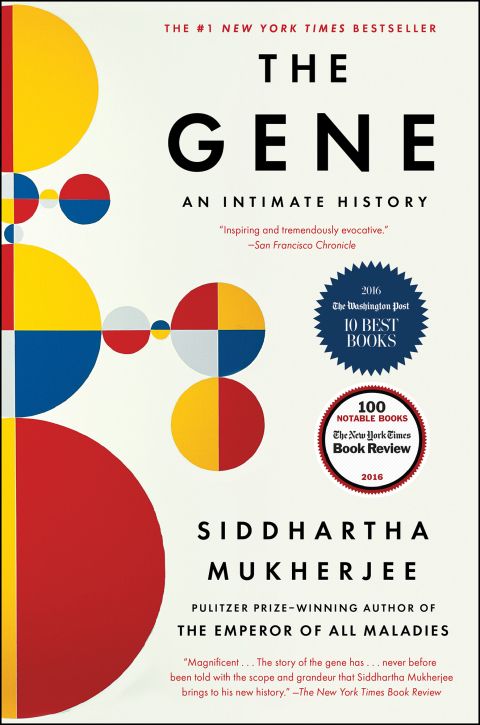
The Gene Book Summary
In "The Gene: An Intimate History," Siddhartha Mukherjee weaves together a compelling narrative that explores the profound impact of genetics on our identities and destinies. This journey spans from ancient discoveries to modern science, unraveling the stories of legendary geneticists and their groundbreaking findings. Mukherjee delves into the ethical dilemmas and societal implications of genetic manipulation, leaving readers questioning what it truly means to be human. With rich anecdotes and scientific insights, the book invites you to reflect on your own genetic legacy. Can our genes dictate our future, or do we hold the power to shape our own narratives?

A Brief History of Time Book Summary
In "A Brief History of Time," Stephen Hawking takes readers on a captivating journey through the cosmos, exploring the nature of time, black holes, and the universe's beginnings. With stunning clarity, he unravels complex scientific concepts, inviting everyone—from curious laypersons to seasoned physicists—to ponder the mysteries of existence. Hawking's charismatic storytelling challenges our perceptions of reality and time itself, posing profound questions about the universe's fate. As he merges science with philosophy, the reader is compelled to reflect on their place in a vast, enigmatic cosmos. Prepare to be inspired and awed by a narrative that transcends mere facts, pushing the boundaries of human understanding.
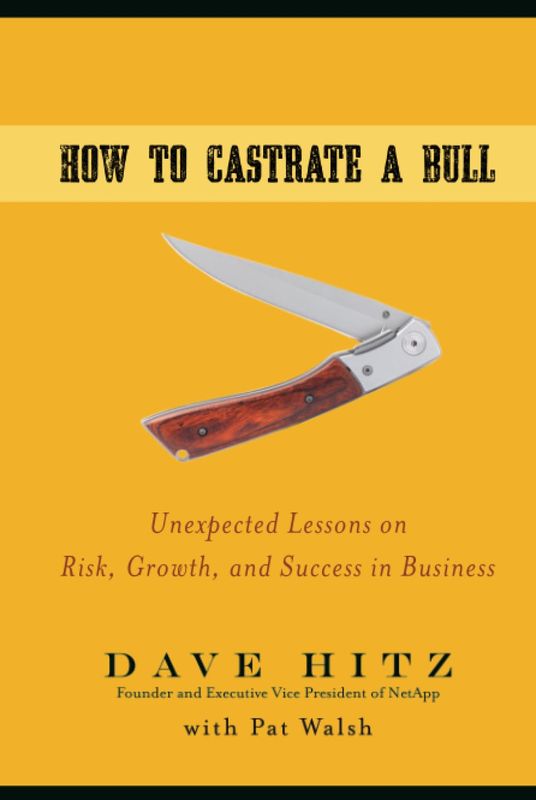
How to Castrate a Bull Book Summary
In 'How to Castrate a Bull', Dave Hitz delivers a captivating exploration of ranching life that goes beyond traditional farming manuals. With a blend of humor and practical wisdom, he shares personal anecdotes that reveal the challenges and triumphs of running a successful ranch. From the art of bull castration to the importance of nurturing livestock relationships, Hitz's insights are both enlightening and entertaining. Readers will find themselves immersed in a world where every decision impacts the land and its inhabitants. This book isn’t just about farming—it's about understanding the intricate dance between humans and nature.
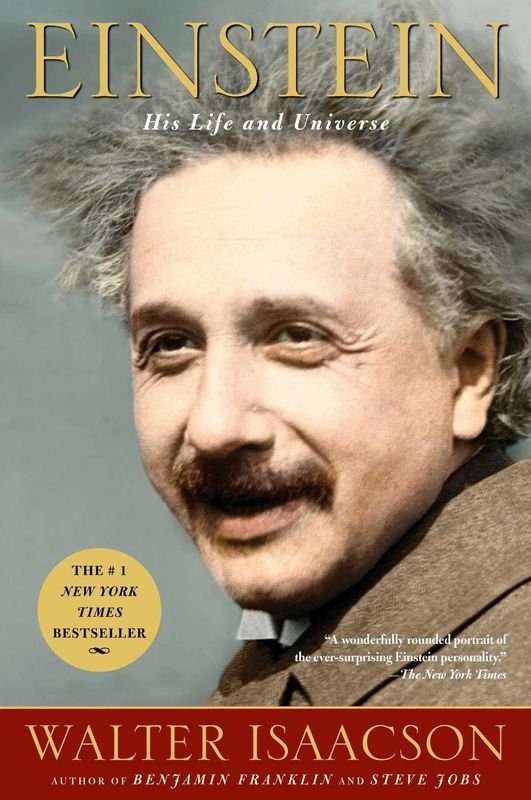
Einstein Book Summary
In 'Einstein', Walter Isaacson unveils the life of the iconic physicist whose theories changed our understanding of the universe. Delve into the personal and professional challenges that shaped Albert Einstein’s groundbreaking ideas on relativity and quantum mechanics. This captivating biography explores his revolutionary thoughts while revealing the man behind the genius—his passion, eccentricities, and relationships. With rich anecdotes and historical context, Isaacson brings to life the struggles and triumphs of a mind that dared to defy convention. Discover how a simple man became one of the most brilliant minds in history, inspiring generations to think differently.
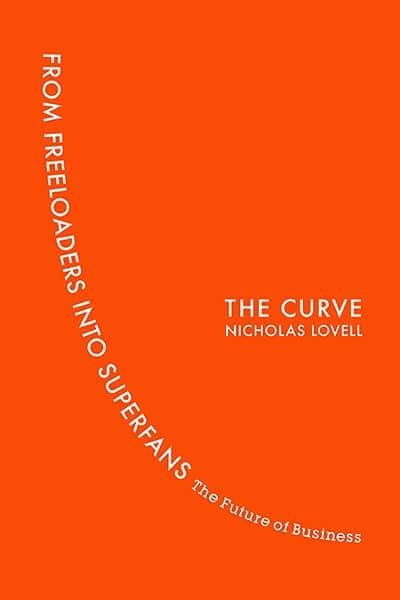
The Curve Book Summary
In 'The Curve,' Nicholas Lovell delves into the transformative power of the digital age on traditional business models. He presents a compelling argument about how value creation and customer engagement are evolving in the internet era. With insightful case studies, Lovell challenges businesses to rethink their strategies and embrace the new economic landscape. The book ultimately reveals how organizations can thrive by leveraging an interconnected world and embracing change. Readers will be left curious about how to adapt their own practices in this rapidly shifting market.

The Wealth of Nations Book Summary
In 'The Wealth of Nations', Adam Smith unveils the intricate dynamics of economics and its impact on society. He argues that free markets, driven by individual self-interest, can lead to unprecedented prosperity. Smith introduces the concept of the 'invisible hand,' suggesting that personal ambitions can benefit the collective good. This groundbreaking work lays the foundation for modern economics, challenging prevailing mercantilist ideas. Dive into Smith's insights to uncover how economic forces shape our world and influence our everyday lives.
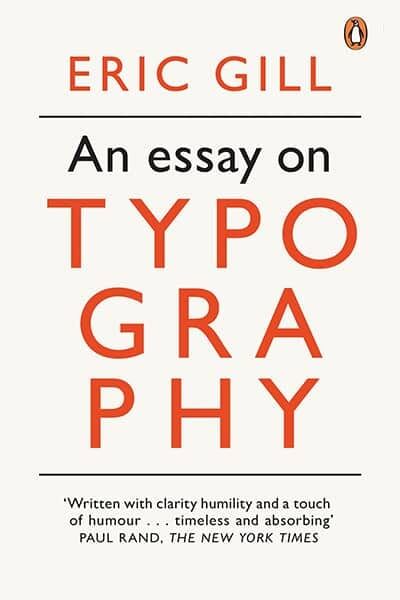
An Essay on Typography Book Summary
In 'An Essay on Typography,' Eric Gill explores the art and craft of type design, revealing how typography shapes our perception of written language. Through a blend of philosophical musings and practical insights, Gill argues that type is not just a tool for communication, but an integral aspect of visual culture. He challenges conventional approaches and invites readers to appreciate the aesthetic and ethical implications of typographic choices. This thought-provoking essay raises questions about the role of the designer in society and the impact of typography on our daily lives. Dive into Gill's world to uncover the beauty and power of letters that often goes unnoticed.

A Type Primer Book Summary
In 'A Type Primer', John Kane takes readers on a captivating journey through the art and science of typography. This insightful guide demystifies the world of typefaces, exploring their history, function, and the emotions they evoke. With engaging examples and practical tips, Kane empowers designers and novices alike to harness the power of type in their work. The book invites you to see typography not just as a tool, but as a vital aspect of visual communication. Unlock the secrets of effective design and elevate your projects with the knowledge this primer provides!
Showing 8 of 29 similar books
Take your reading experience to the next level
Download our mobile app to enjoy your favorite books on the go. Get access to exclusive features, offline listening, and personalized recommendations.

Similar Book Recommendations →

Neil deGrasse Tyson's Book Recommendations
Neil deGrasse Tyson is a renowned astrophysicist, author, and science communicator, best known for his work in popularizing science through various media. As the director of the Hayden Planetarium in New York City, he has played a pivotal role in bringing astronomical discoveries to the public. Tyson has authored several bestselling books, including "Astrophysics for People in a Hurry" and "The Pluto Files," which have made complex scientific concepts accessible to a broad audience. He is also the host of the popular science TV show "Cosmos: A Spacetime Odyssey," a continuation of Carl Sagan's groundbreaking series. Tyson's contributions have significantly enhanced public understanding and appreciation of the universe.

Chris Dixon's Book Recommendations
Chris Dixon is a notable venture capitalist and technology entrepreneur, best known for his influential role as a general partner at Andreessen Horowitz, where he leads investments in cryptocurrency and blockchain technology. Before joining the firm, Dixon co-founded two startups: SiteAdvisor, a web security company acquired by McAfee, and Hunch, a recommendation engine acquired by eBay. In addition to his investment career, Dixon is a prolific writer and thought leader on technology and innovation, contributing insightful essays and articles to various platforms such as his personal blog and Medium. His writings often explore the future of technology, the internet, and the impact of blockchain, making significant contributions to contemporary tech literature. Dixon's work has earned him recognition as a visionary in both the tech and literary worlds.

Ina May Gaskin's Book Recommendations
Ina May Gaskin is a midwife and author renowned for her advocacy of natural childbirth. She is the founder of The Farm Midwifery Center in Tennessee and the author of Ina May’s Guide to Childbirth, which has inspired generations of women to embrace natural birth practices. Gaskin’s work focuses on empowering women with knowledge and confidence during childbirth, advocating for a holistic and less medicalized approach to labor and delivery. Her influence in the field of midwifery has been profound, helping to reshape modern perspectives on childbirth.

Bret Victor's Book Recommendations
Bret Victor is a renowned American interface designer and computer scientist celebrated for his innovative contributions to interactive design and human-computer interaction. He is best known for creating dynamic, explorable explanations, which have significantly influenced the way educational content is presented and understood. Victor's seminal work, "Inventing on Principle," advocates for the integration of immediate feedback in creative processes, inspiring a new wave of interactive programming environments. As a former member of the Apple Human Interface team, he played a pivotal role in shaping modern user interfaces. Through his organization, Dynamicland, Victor continues to explore and expand the boundaries of immersive, collaborative computing environments.

Bryan Johnson's Book Recommendations
Bryan Johnson is an American entrepreneur, investor, and futurist, best known for founding Braintree, a payments company that was acquired by PayPal, and Kernel, a company focused on developing brain-computer interfaces. Johnson is deeply interested in advancing human cognition and longevity through technological innovation. His work at Kernel seeks to better understand the brain and its potential to enhance human intelligence. He is also the founder of OS Fund, which invests in companies tackling complex, world-changing problems in areas like health and energy. Johnson is a strong advocate for using technology to extend human potential and reshape the future of humanity.

Charlie Munger's Book Recommendations
Charlie Munger is an American investor, businessman, and philanthropist, best known as the vice chairman of Berkshire Hathaway, where he partners with Warren Buffett. Renowned for his insights on investment strategies and mental models, Munger has significantly influenced the world of finance. His notable literary contributions include "Poor Charlie's Almanack," a compilation of his speeches and writings that distill his wisdom on decision-making and business principles. Munger's work emphasizes the importance of multidisciplinary thinking and continuous learning. Beyond his financial acumen, he is celebrated for his charitable efforts, particularly in education and healthcare.

Drew Houston's Book Recommendations
Drew Houston is an accomplished American entrepreneur best known for co-founding Dropbox, a widely-used cloud storage service, in 2007. As the CEO, he has led the company to serve millions of users worldwide and become a key player in the tech industry. Although not primarily known for literature, Houston has shared his entrepreneurial insights and experiences through various interviews and public speaking engagements, offering valuable lessons to aspiring business leaders. His work has significantly influenced the way people and organizations manage and share digital content. Houston's innovative vision continues to shape the future of cloud computing and digital collaboration.

David Deutsch's Book Recommendations
David Deutsch is a British physicist and philosopher, widely known for his contributions to quantum mechanics, particularly in the area of quantum computation. He is the author of The Fabric of Reality and The Beginning of Infinity, where he explores the nature of knowledge, progress, and the future of human civilization. Deutsch’s work in quantum computing laid the groundwork for the development of quantum algorithms, positioning him as a pioneer in this emerging field. He is a proponent of the multiverse theory and has offered profound insights into the nature of reality, science, and human potential. Deutsch’s philosophical work emphasizes the power of reason and creativity in solving problems and expanding human understanding. His ideas have had a significant impact on the fields of theoretical physics and epistemology, making him a leading thinker on the future of science and technology. He continues to inspire both scientists and lay readers with his optimistic vision of a world shaped by knowledge and innovation.
Showing 8 of 16 related collections
“"In the tapestry of theoretical physics, each thread weaves not just the fabric of understanding, but also the stories of those who dared to challenge the cosmos."”
QED and the Men who Made it
By Silvan S. Schweber
Frequently Asked Questions
Explore Our Catalogue
Discover a world of knowledge through our extensive collection of book summaries.
Genres
Genres
Genres
Featured Collections
- Top Book Club Picks
- One-Stop Nutrition
- Summer Reads 2024
- Best Beach Reads 2024
- Work-Life Balance Guide
- Time Management
- Healthy Foods
- Entrepreneur Toolkit
- Mind & Body Wellness
- Future Tech Insights
- Leadership Essentials
- Financial Freedom
- Sci-Fi Masterpieces
- Parenting 101
- Books That Became Blockbusters
- Guide to a Healthy Pregnancy