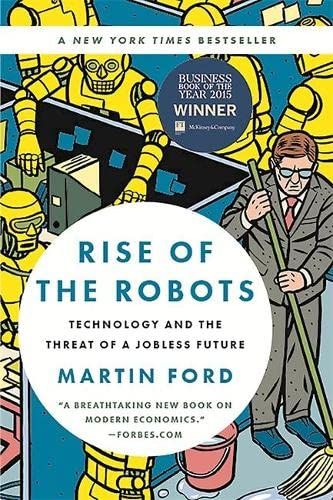

In 'Rise of the Robots', Martin Ford explores the transformative impact of automation and artificial intelligence on the workforce and society at large. He sheds light on how rapidly advancing technology threatens to displace millions of jobs, leading to economic upheaval and social challenges. Through compelling examples and insightful analysis, Ford raises important questions about the future of work and the potential for a new economic landscape dominated by robots. As he unveils the paradox of technological advancement—creating wealth while exacerbating inequality—the reader is left contemplating what a future with AI might mean for humanity. This thought-provoking book is essential for anyone interested in understanding the implications of our rapidly changing world.
By Martin Ford
Published: 2016
"As machines achieve greater intelligence and autonomy, we must confront the profound implications of a future where human labor is no longer the bedrock of our economy."
The New York Times-bestselling guide to how automation is changing the economy, undermining work, and reshaping our lives Winner of Best Business Book of the Year awards from the Financial Times and from Forbes "Lucid, comprehensive, and unafraid...;an indispensable contribution to a long-running argument."--Los Angeles Times What are the jobs of the future? How many will there be? And who will have them? As technology continues to accelerate and machines begin taking care of themselves, fewer people will be necessary. Artificial intelligence is already well on its way to making "good jobs" obsolete: many paralegals, journalists, office workers, and even computer programmers are poised to be replaced by robots and smart software. As progress continues, blue and white collar jobs alike will evaporate, squeezing working- and middle-class families ever further. At the same time, households are under assault from exploding costs, especially from the two major industries-education and health care-that, so far, have not been transformed by information technology. The result could well be massive unemployment and inequality as well as the implosion of the consumer economy itself. The past solutions to technological disruption, especially more training and education, aren't going to work. We must decide, now, whether the future will see broad-based prosperity or catastrophic levels of inequality and economic insecurity. Rise of the Robots is essential reading to understand what accelerating technology means for our economic prospects-not to mention those of our children-as well as for society as a whole.
Showing 8 of 27 similar books
Lex Fridman is an artificial intelligence researcher, podcaster, and MIT professor, known for his work in autonomous vehicles, robotics, and deep learning. Fridman has gained widespread popularity through his podcast, Lex Fridman Podcast, where he interviews leading thinkers in science, technology, and philosophy, exploring topics like AI, consciousness, and the future of humanity. His academic work focuses on human-centered AI, aiming to create machines that can better understand and interact with humans. Fridman’s ability to distill complex topics into accessible conversations has earned him a large following, and his podcast is known for its thoughtful, in-depth discussions with some of the brightest minds of our time. He is also an advocate for the responsible development of AI, emphasizing the ethical implications of this rapidly advancing technology. Outside of academia and podcasting, Fridman is a practitioner of jiu-jitsu and frequently speaks about the importance of discipline and continuous learning.
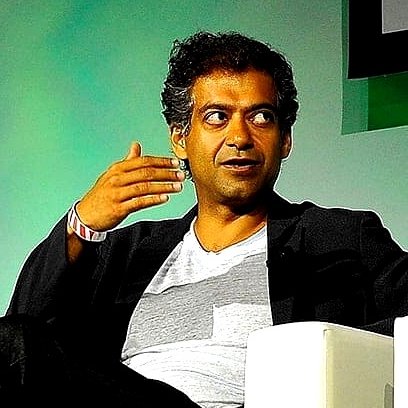
Naval Ravikant is an entrepreneur, angel investor, and philosopher, best known as the co-founder of AngelList, a platform that connects startups with investors. Ravikant is a prolific thinker and writer on topics such as startups, investing, and personal well-being, sharing his wisdom through essays, podcasts, and social media. He has invested in over 100 companies, including Uber, Twitter, and Yammer, making him one of Silicon Valley’s most successful angel investors. Ravikant is also known for his philosophical musings on wealth, happiness, and the meaning of life, which have garnered him a large and dedicated following.
Alexey Moiseenkov is a Russian entrepreneur and tech innovator best known for creating Prisma, the groundbreaking mobile app that transforms photos into artworks using artificial intelligence. Though not primarily a literary figure, his work in AI and digital transformation has influenced contemporary discussions on the intersection of technology and art. Moiseenkov's contributions have been featured in various tech and innovation journals, highlighting his impact on modern digital culture. His work underscores the evolving narrative of creativity in the digital age, bridging the gap between artistic expression and technological advancement. Moiseenkov continues to inspire through his ongoing ventures in AI and entrepreneurship.
Barack Obama is the 44th President of the United States, serving from 2009 to 2017. As the first African American president, Obama’s leadership marked a historic moment in American history. His administration focused on healthcare reform, economic recovery from the Great Recession, and environmental policies. He is best known for the Affordable Care Act, as well as his efforts to expand civil rights and restore diplomatic relations with Cuba. Since leaving office, Obama has continued to engage in public life through his foundation, focusing on leadership development, civic engagement, and global issues.
Morgan Housel is a financial writer and partner at The Collaborative Fund, best known for his book The Psychology of Money. His work explores the behavioral side of finance, emphasizing how emotions, history, and decision-making impact wealth-building. Housel’s writing is widely praised for being accessible, insightful, and engaging, making complex financial topics easier to understand. He contributes regularly to financial publications and speaks at conferences on the power of long-term thinking in finance. His book has become a modern classic in the personal finance genre.
Reid Hoffman is an influential American entrepreneur, venture capitalist, and author, best known as the co-founder of LinkedIn, the professional networking platform that transformed online professional interactions. Hoffman has significantly impacted the business world through his investments in notable tech companies like Airbnb, Facebook, and Zynga. As an author, he has co-written several acclaimed books, including "The Start-Up of You" and "Blitzscaling," which provide strategic insights into career development and business growth. His works are celebrated for their practical advice and have become essential reading for aspiring entrepreneurs and business leaders. Hoffman's contributions extend beyond his literary efforts, as he remains a prominent figure in Silicon Valley, shaping the future of technology and innovation.
Reshma Saujani is the founder of Girls Who Code, an organization aimed at closing the gender gap in technology by empowering young women to pursue careers in coding and computer science. She gained national attention in 2010 as the first Indian-American woman to run for U.S. Congress. Reshma is also the author of several books, including Brave, Not Perfect, which encourages women to embrace failure and take risks. Her TED Talk on teaching girls bravery rather than perfection has garnered millions of views. Reshma continues to advocate for gender equality and innovation in education.
Malcolm Gladwell is a Canadian journalist, author, and public speaker, best known for his best-selling books The Tipping Point, Outliers, and Blink. Gladwell’s work often explores the hidden patterns behind success, decision-making, and social phenomena, using storytelling to make complex ideas accessible to a wide audience. He has written extensively for The New Yorker and hosts the popular podcast Revisionist History, where he reexamines overlooked or misunderstood events in history. Gladwell is known for his ability to challenge conventional wisdom and provoke new ways of thinking about human behavior and societal trends.
Showing 8 of 11 related collections
“As machines achieve greater intelligence and autonomy, we must confront the profound implications of a future where human labor is no longer the bedrock of our economy.”
Rise of the Robots
By Martin Ford
Discover a world of knowledge through our extensive collection of book summaries.
Martin Ford is a renowned author and technologist known for his insightful analysis of the impact of technology on society and the economy. His notable works include 'Rise of the Robots: Technology and the Threat of a Jobless Future,' which explores the implications of automation and artificial intelligence on employment, and 'Architects of Intelligence: The Truth About AI from the People Building It,' a comprehensive dialogue with AI experts about the future of artificial intelligence. Ford's writing is characterized by a clear, analytical style, blending rigorous research with accessible prose, making complex subjects understandable to a broad audience.
Key information about the book.
 Buy on Amazon
 Buy via BookShop
Support local bookstores: BookShop gives a portion of each sale to independent bookshops!
In "The Road to Serfdom," economist F.A. Hayek warns of the dangers of centralized economic planning and the creeping loss of individual freedoms. As he traces the historical precedents of totalitarian regimes, he argues that the road to tyranny often begins with seemingly benign government intervention. Through compelling insights and rigorous analysis, Hayek challenges readers to consider the delicate balance between liberty and state control. Can society thrive without sacrificing personal autonomy? Discover the powerful implications of his arguments that resonate fiercely in today's political landscape.
In "Homo Deus: A Brief History of Tomorrow," Yuval Noah Harari explores the future possibilities for humanity as we evolve beyond our current limitations. Delving into themes of artificial intelligence, genetic engineering, and the quest for immortality, he provokes thought about what may come after Homo sapiens. As society increasingly turns to technology for solutions, he questions the implications of our pursuit of happiness and god-like powers. Will we augment our bodies and minds, or lose our humanity in the process? This provocative journey invites readers to ponder the exhilarating—and terrifying—potential of our own evolution.
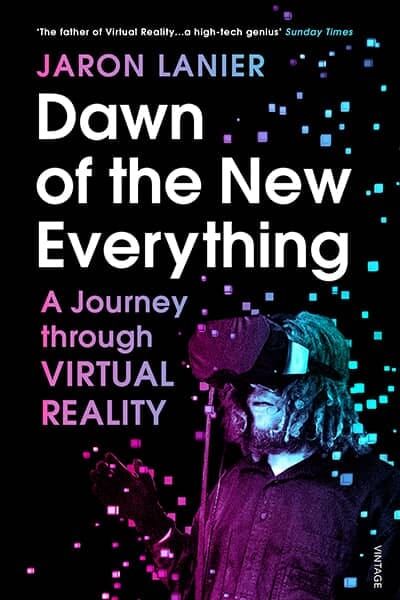
In 'Dawn of the New Everything,' visionary thinker Jaron Lanier presents a provocative exploration of virtual reality and its implications for humanity. He intertwines personal anecdotes with thought-provoking insights about technology's role in shaping our perceptions and experiences. Lanier challenges readers to reconsider the essence of reality and the nature of human connection in an increasingly digital world. With his blend of optimism and caution, he invites us to envision a future where technology can enhance our existence rather than detract from it. This book compels us to rethink our relationship with virtual environments and the identities we forge within them.
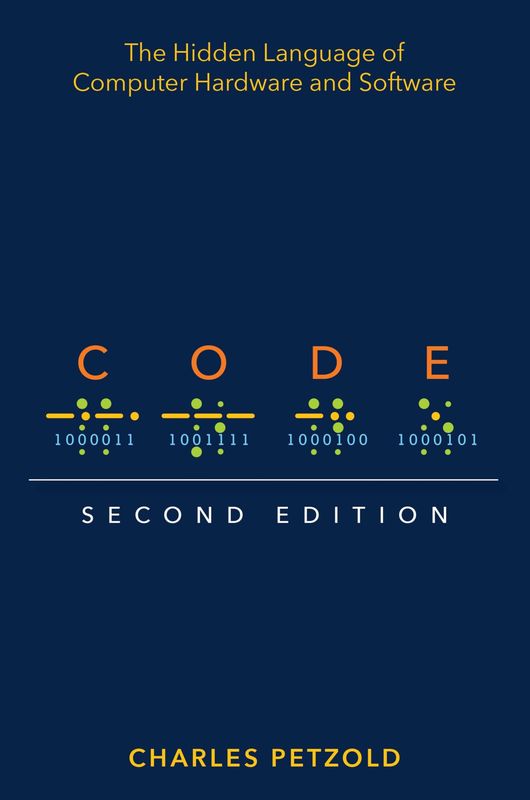
In 'Code', Charles Petzold takes readers on a captivating journey through the world of programming and computer science. He unravels the complex tapestry of how computers work, starting from simple concepts and building up to intricate systems. Through engaging anecdotes and metaphors, Petzold demystifies the inner workings of machines, making them accessible to everyone. This exploration not only reveals the beauty of code but also challenges us to think critically about the impact of technology in our lives. Prepare to see the digital world around you in a whole new light!

In 'Peopleware', Tom DeMarco and Timothy R. Lister delve into the often-overlooked human factors that influence software development success. They argue that a company's culture and team dynamics are as critical as technology and tools for productivity and innovation. Packed with insightful anecdotes and real-world examples, this book challenges conventional management practices and highlights the importance of treating employees as valuable assets. Readers will discover actionable strategies to foster collaboration, creativity, and trust within teams. Can the right environment transform mere employees into high-performing teams?
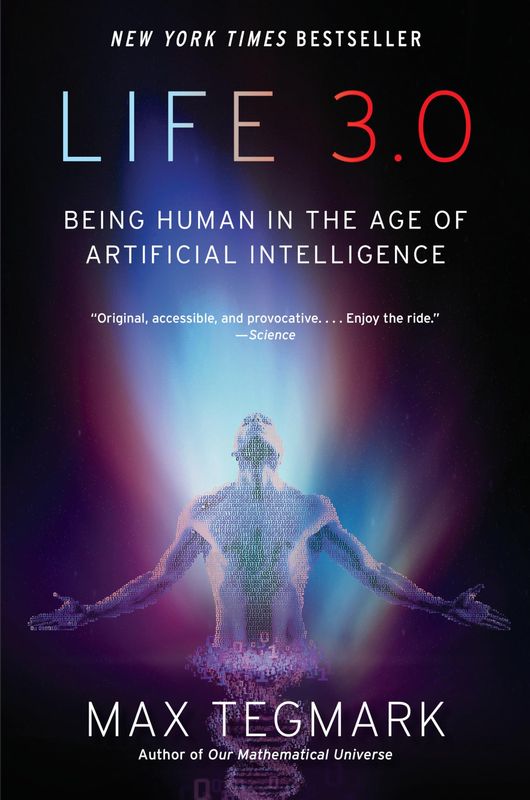
In 'Life 3.0', Max Tegmark explores the future of artificial intelligence and its profound implications for life on Earth. He presents a thought-provoking vision where humanity must grapple with the rise of superintelligent machines and the potential paths we can take. Tegmark challenges readers to consider ethical dilemmas and the responsibilities that come with unprecedented technological power. As we stand at the brink of a new era, he asks: how can we ensure that AI serves humanity's best interests? This engaging exploration leaves you pondering the fate of our species and the universe.
Explore the fascinating world of magic mushrooms with Jochen Gartz as he takes you on a global journey through their cultural, historical, and medicinal significance. This captivating book delves into the diverse species found around the globe, uncovering their enigmatic properties and the rituals associated with them. Gartz intertwines personal anecdotes with scientific research, igniting curiosity about the potential of these remarkable fungi. Through vivid descriptions and insightful observations, readers are invited to ponder the profound connection between humans and nature. Embark on a quest to discover the secrets of magic mushrooms and their untapped potential!
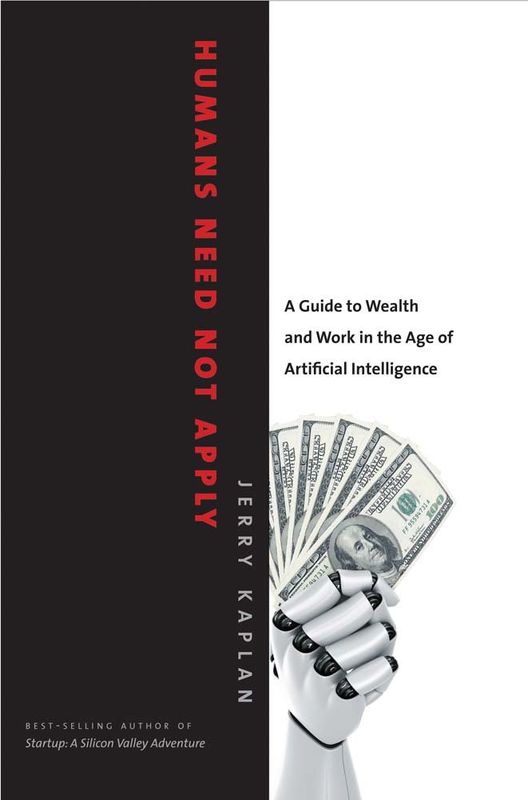
In 'Humans Need Not Apply', Jerry Kaplan explores the provocative implications of artificial intelligence on the future of work. As machines rapidly evolve, Kaplan raises alarming questions about what livelihood will look like in a world dominated by robots. Will we become obsolete, or can we harness technology to thrive alongside it? Through compelling insights and thought-provoking scenarios, the book challenges readers to reconsider their relationship with work in an age of automation. Dive into this eye-opening exploration and discover the future that awaits us all.







Download our mobile app to enjoy your favorite books on the go. Get access to exclusive features, offline listening, and personalized recommendations.