Symposium Book Summary
In Plato's 'Symposium,' a group of esteemed Athenian thinkers gathers for a lavish banquet, where each guest presents a unique perspective on love. As the evening unfolds, their discussions delve into the nature of desire, beauty, and the quest for true fulfillment. Through engaging dialogues, Plato explores the contrast between physical attraction and the pursuit of intellectual and spiritual connections. The interplay of wit, philosophy, and personal anecdotes captures the complexities of human relationships. This timeless work challenges readers to reflect on their own understanding of love and the essence of happiness.
By Plato
Published: 2019
"Love is the pursuit of the whole; in seeking what we have lost, we find what we truly seek."
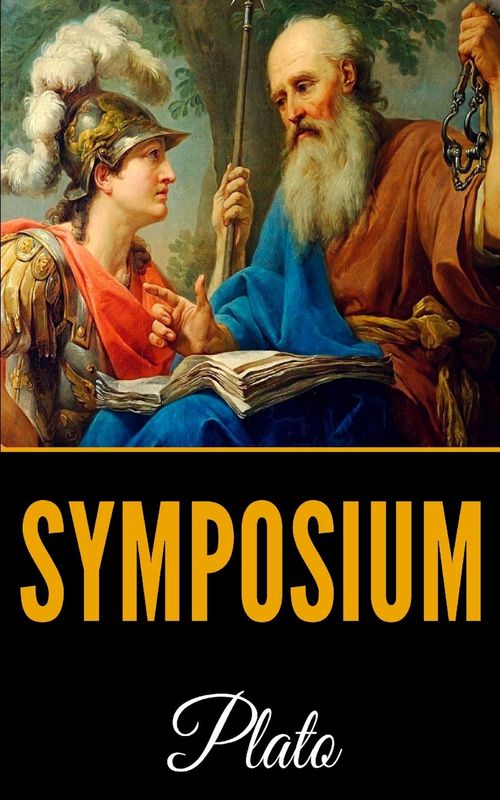

Start Listening to Book Summary
Book Review of Symposium
Of all the works of Plato the Symposium is the most perfect in form, and may be truly thought to contain more than any commentator has ever dreamed of; or, as Goethe said of one of his own writings, more than the author himself knew. For in philosophy as in prophecy glimpses of the future may often be conveyed in words which could hardly have been understood or interpreted at the time when they were uttered (compare Symp.)-which were wiser than the writer of them meant, and could not have been expressed by him if he had been interrogated about them. Yet Plato was not a mystic, nor in any degree affected by the Eastern influences which afterwards overspread the Alexandrian world. He was not an enthusiast or a sentimentalist, but one who aspired only to see reasoned truth, and whose thoughts are clearly explained in his language. There is no foreign element either of Egypt or of Asia to be found in his writings. And more than any other Platonic work the Symposium is Greek both in style and subject, having a beauty 'as of a statue, ' while the companion Dialogue of the Phaedrus is marked by a sort of Gothic irregularity. More too than in any other of his Dialogues, Plato is emancipated from former philosophies. The genius of Greek art seems to triumph over the traditions of Pythagorean, Eleatic, or Megarian systems, and 'the old quarrel of poetry and philosophy' has at least a superficial reconcilement. An unknown person who had heard of the discourses in praise of love spoken by Socrates and others at the banquet of Agathon is desirous of having an authentic account of them, which he thinks that he can obtain from Apollodorus, the same excitable, or rather 'mad' friend of Socrates, who is afterwards introduced in the Phaedo. He had imagined that the discourses were recent. There he is mistaken: but they are still fresh in the memory of his informant, who had just been repeating them to Glaucon, and is quite prepared to have another rehearsal of them in a walk from the Piraeus to Athens. Although he had not been present himself, he had heard them from the best authority. Aristodemus, who is described as having been in past times a humble but inseparable attendant of Socrates, had reported them to him. The Symposium is connected with the Phaedrus both in style and subject; they are the only Dialogues of Plato in which the theme of love is discussed at length. In both of them philosophy is regarded as a sort of enthusiasm or madness; Socrates is himself 'a prophet new inspired' with Bacchanalian revelry, which, like his philosophy, he characteristically pretends to have derived not from himself but from others. The Phaedo also presents some points of comparison with the Symposium. For there, too, philosophy might be described as 'dying for love;' and there are not wanting many touches of humour and fancy, which remind us of the Symposium
Book Overview of Symposium
About the Book Author
Plato
Plato was an ancient Greek philosopher, born around 427 BCE in Athens, and he is widely regarded as one of the most influential figures in Western philosophy. A student of Socrates and the teacher of Aristotle, he founded the Academy in Athens, one of the earliest institutions of higher learning in the Western world. His philosophical works, primarily written in the form of dialogues, explore a range of topics including ethics, politics, metaphysics, and the nature of reality. Notable dialogues such as "The Republic," "Phaedrus," and "Timaeus" have had a profound impact on subsequent philosophical thought and the development of various fields, including political theory and education. Plato's ideas continue to resonate today, shaping discussions in philosophy, science, and the arts.
Book Details
Key information about the book.
- Authors
- Plato
- Published
- January 2019
- Publisher
- Independently Published
- ISBN
- 1795386770
- Language
- English
- Pages
- 84
- Genres
- Philosophy of MindPhilosophyExistentialismLiterature
Purchase Options
 Buy on Amazon
 Buy via BookShop
Support local bookstores: BookShop gives a portion of each sale to independent bookshops!
Similar books you might like →
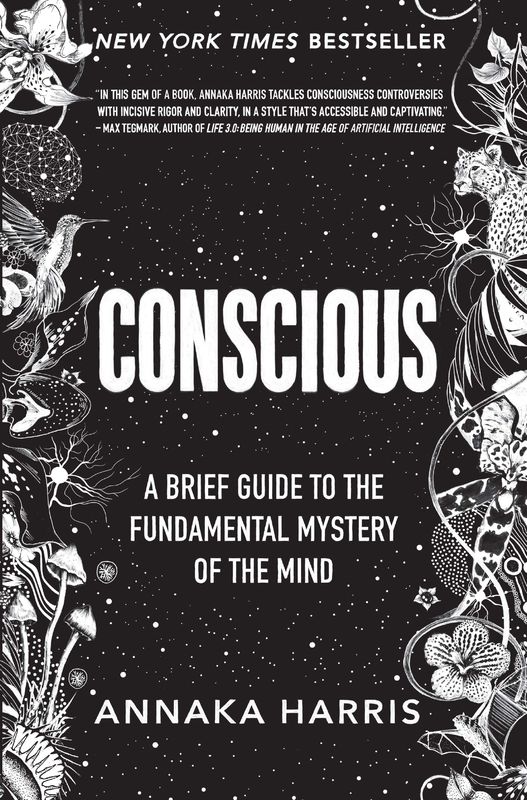
Conscious Book Summary
In 'Conscious,' Annaka Harris explores the enigmatic nature of consciousness, diving into profound questions about awareness and existence. Through a blend of science and philosophy, she challenges the conventional understanding, prompting readers to re-evaluate their perceptions of reality. Harris skillfully navigates the intricate relationship between the brain and subjective experience, shedding light on the mysteries that lie within. With thought-provoking insights and accessible prose, this book invites both the curious and the skeptical to ponder the depths of consciousness. Will you uncover the secrets of your own mind?
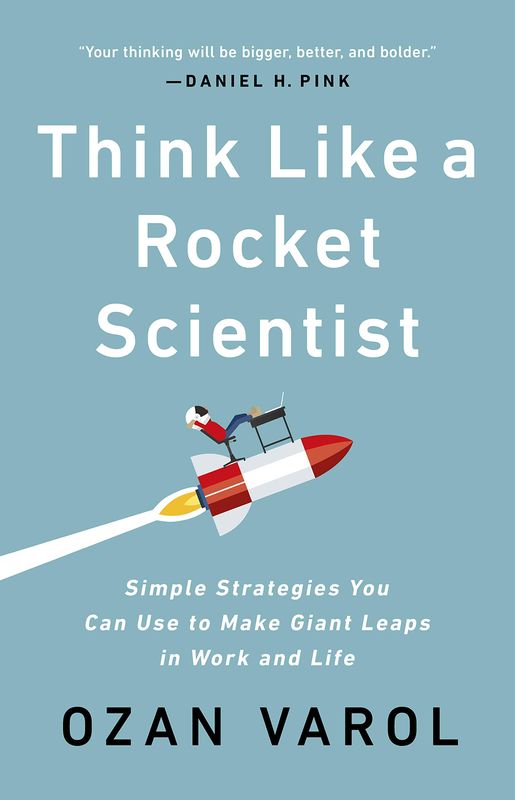
Think Like a Rocket Scientist Book Summary
In 'Think Like a Rocket Scientist,' Ozan Varol unlocks the secrets behind innovative problem-solving techniques drawn from the world of rocket science. He introduces readers to methods that inspire unconventional thinking, helping to overcome obstacles and achieve extraordinary results. Through thrilling anecdotes and practical strategies, Varol invites you to embrace curiosity and fail productively in pursuit of your goals. This book challenges the way you approach challenges, revealing how to cultivate a mindset that fosters creativity and resilience. Prepare to embark on a journey that will not only change your perspective but also equip you with the tools to launch your ideas into orbit!
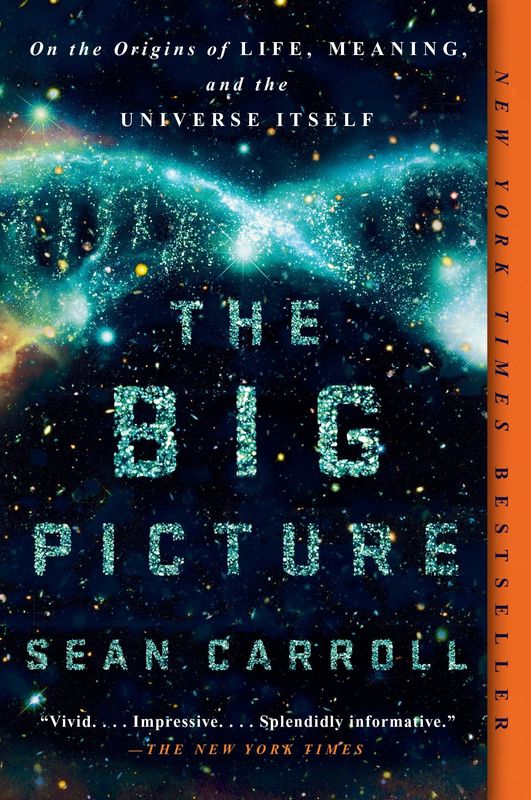
The Big Picture Book Summary
In 'The Big Picture', physicist Sean Carroll invites readers to explore the fascinating intersections of science, philosophy, and the meaning of life. He delves into the fundamental nature of reality, presenting complex concepts in a captivating and accessible manner. With a blend of narratives and profound insights, Carroll challenges us to consider our place in the universe. As he unravels the mysteries of existence, readers are urged to reflect on the implications of science for understanding consciousness and our everyday experiences. This thought-provoking journey leaves us questioning: what does it truly mean to be human in a cosmos governed by natural laws?
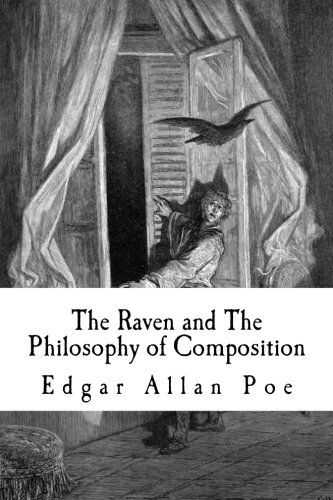
The Philosophy of Composition Book Summary
In 'The Philosophy of Composition,' Edgar Allan Poe unveils his meticulous approach to writing, arguing that artistic creation is a calculated endeavor rather than purely intuitive. He dissects his own poem 'The Raven,' revealing the deep psychological and structural elements that contribute to its haunting allure. Poe explores the interplay of beauty, emotion, and effect, offering a profound glimpse into the mind of a master writer. With each analytical step, he ignites curiosity about the art of storytelling and the techniques that captivate readers. This exploration leaves one pondering: What secrets lie behind the craft of their favorite writers?
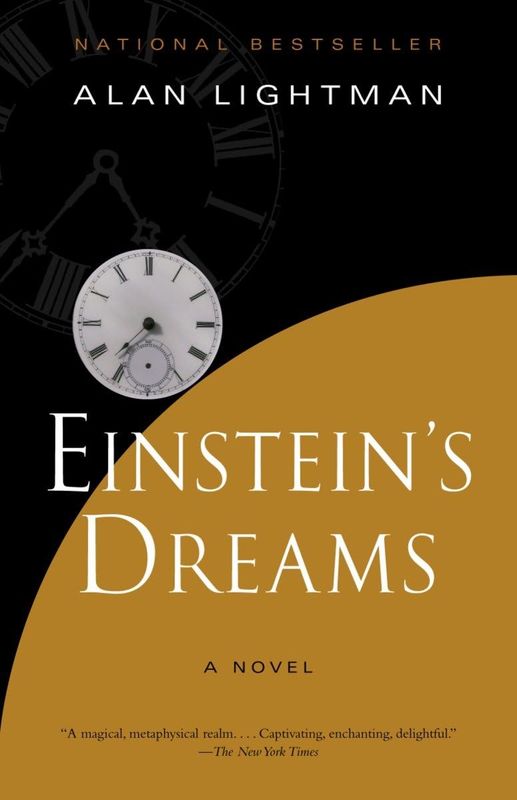
Einstein's Dreams Book Summary
In 'Einstein's Dreams', Alan Lightman weaves a tapestry of imaginative stories that explore the nature of time through the dreams of a young Albert Einstein. Each dream presents a unique and captivating reality where time is experienced differently, challenging our conventional understanding. From a world where time is reversible to one where it stands still, these narratives provoke profound reflections on life, love, and the human condition. As Einstein grapples with the implications of his groundbreaking theories, readers are invited to contemplate their own relationships with time. This thought-provoking novel blends science, philosophy, and art into a mesmerizing exploration of existence itself.
Exhalation Book Summary
In 'Exhalation,' Ted Chiang invites readers into a universe where the boundaries of science fiction and philosophy beautifully intertwine. Through a series of thought-provoking stories, he explores the nature of consciousness, free will, and the essence of existence itself. Each narrative unfolds like a delicate puzzle, challenging our perceptions of time and reality. As the characters confront their own limitations and the inevitability of change, readers are prompted to reflect on life’s most profound questions. This collection leaves an indelible mark, urging us to ponder what it truly means to be alive.
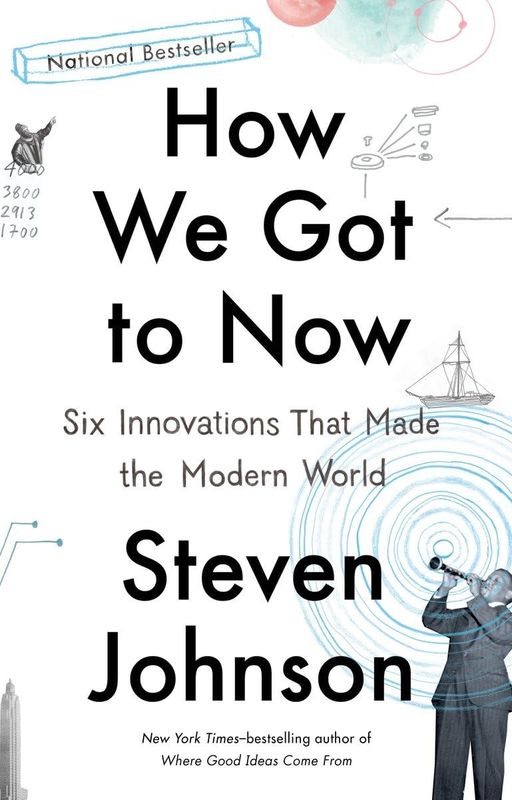
How We Got to Now Book Summary
In 'How We Got to Now,' Steven Johnson reveals the hidden connections behind six crucial innovations that shaped the modern world. From glass to cold, he explores how seemingly unrelated developments have intertwined to create our contemporary landscape. This captivating narrative uncovers the ripple effects of ingenuity and the often-overlooked figures who drove progress. Johnson invites readers to consider how these innovations influence our lives today and what they might mean for the future. Prepare to see the past—and the present—through a new lens, challenging everything you thought you knew about innovation.
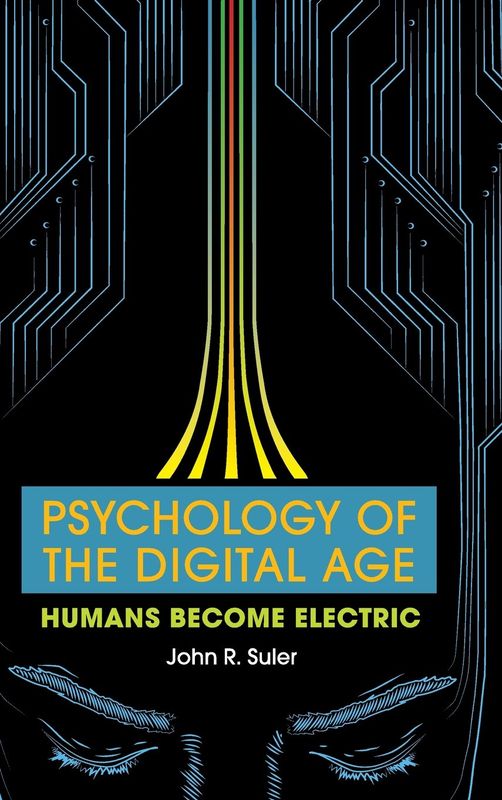
Psychology of the Digital Age Book Summary
In 'Psychology of the Digital Age', John R. Suler explores how the internet alters our perceptions and behaviors. The book delves into the psychological effects of online interactions, revealing both the liberating and isolating aspects of digital communication. Suler investigates the dynamic between virtual identities and real-life personas, and how this tension shapes our relationships. By integrating psychological theories with contemporary digital culture, the author prompts readers to question their online selves. This engaging exploration raises essential questions about identity, anonymity, and the future of human connection in a digital world.
Showing 8 of 25 similar books
Take your reading experience to the next level
Download our mobile app to enjoy your favorite books on the go. Get access to exclusive features, offline listening, and personalized recommendations.

Similar Book Recommendations →

Jordan Hughes's Book Recommendations
Jordan Hughes is a celebrated author known for their compelling narratives and richly developed characters. Their debut novel, "Echoes of Tomorrow," won the prestigious Man Booker Prize, marking a significant milestone in contemporary fiction. Hughes's work often explores themes of identity, resilience, and the human condition, earning them critical acclaim and a dedicated readership. In addition to their novels, Hughes has contributed thought-provoking essays to major literary journals, further solidifying their influence in the literary world. Their innovative storytelling continues to inspire and captivate audiences worldwide.

David Heinemeier Hansson's Book Recommendations
David Heinemeier Hansson, also known as DHH, is a Danish programmer, entrepreneur, and author, best known as the creator of Ruby on Rails, a popular web application framework. Heinemeier Hansson is also a partner at Basecamp, a project management and collaboration software company he co-founded. His contributions to software development have earned him widespread recognition, with Ruby on Rails being used by thousands of developers and companies worldwide. Heinemeier Hansson is also a vocal advocate for remote work, simplicity in business, and sustainable work practices, ideas he explores in his bestselling books Rework and It Doesn’t Have to Be Crazy at Work. In addition to his work in tech, he is an accomplished race car driver, having competed in the 24 Hours of Le Mans. Heinemeier Hansson’s approach to work-life balance and entrepreneurship has made him a thought leader in the tech community, where he continues to challenge traditional business practices and advocate for more human-centered approaches to work

Alain de Botton's Book Recommendations
Alain de Botton is a Swiss-British philosopher, author, and founder of The School of Life, an organization dedicated to teaching emotional intelligence and life skills. De Botton’s books, such as The Consolations of Philosophy and How Proust Can Change Your Life, blend philosophy with everyday life, offering practical wisdom on love, work, and happiness. His work has popularized philosophy, making it accessible to a wider audience. De Botton is also a public speaker and essayist, frequently exploring topics related to human fulfillment and personal growth. His unique approach to philosophy has made him a respected voice in contemporary culture.
Lex Fridman's Book Recommendations
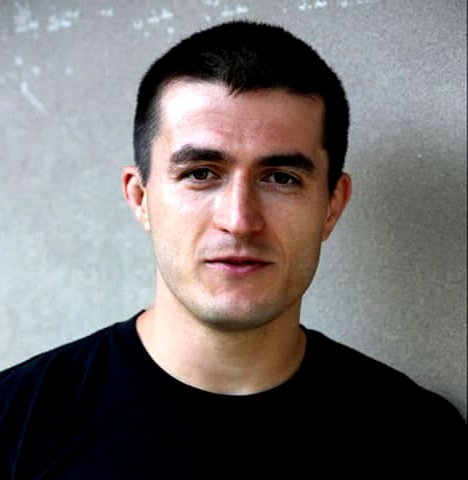
Lex Fridman is an artificial intelligence researcher, podcaster, and MIT professor, known for his work in autonomous vehicles, robotics, and deep learning. Fridman has gained widespread popularity through his podcast, Lex Fridman Podcast, where he interviews leading thinkers in science, technology, and philosophy, exploring topics like AI, consciousness, and the future of humanity. His academic work focuses on human-centered AI, aiming to create machines that can better understand and interact with humans. Fridman’s ability to distill complex topics into accessible conversations has earned him a large following, and his podcast is known for its thoughtful, in-depth discussions with some of the brightest minds of our time. He is also an advocate for the responsible development of AI, emphasizing the ethical implications of this rapidly advancing technology. Outside of academia and podcasting, Fridman is a practitioner of jiu-jitsu and frequently speaks about the importance of discipline and continuous learning.

Abi Tyas Tunggal's Book Recommendations
Abi Tyas Tunggal is a distinguished author known for his impactful contributions to contemporary literature and digital content. He has garnered acclaim for his insightful storytelling and adept handling of complex themes, resonating with a diverse readership. Tunggal's work often explores the intersections of technology, society, and human experience, making him a prominent voice in modern narrative arts. Beyond his literary achievements, he is also recognized for his innovative use of digital platforms to engage with and expand his audience. Tunggal continues to influence the literary landscape with his thought-provoking and accessible writing.
Bret Victor's Book Recommendations
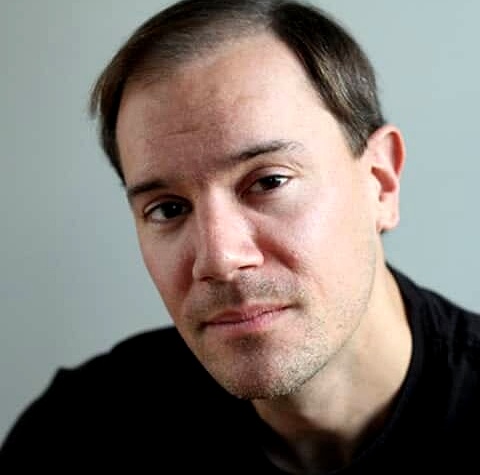
Bret Victor is a renowned American interface designer and computer scientist celebrated for his innovative contributions to interactive design and human-computer interaction. He is best known for creating dynamic, explorable explanations, which have significantly influenced the way educational content is presented and understood. Victor's seminal work, "Inventing on Principle," advocates for the integration of immediate feedback in creative processes, inspiring a new wave of interactive programming environments. As a former member of the Apple Human Interface team, he played a pivotal role in shaping modern user interfaces. Through his organization, Dynamicland, Victor continues to explore and expand the boundaries of immersive, collaborative computing environments.

Ray Dalio's Book Recommendations
Ray Dalio is the founder of Bridgewater Associates, one of the largest and most successful hedge funds in the world. He is also the author of the bestselling book Principles, where he outlines his philosophy on life, leadership, and investing. Ray is renowned for his unique approach to transparency, radical truth, and thoughtful disagreement within organizations. His insights into economics and investing have made him one of the most influential figures in the financial world. Dalio continues to be a thought leader in business, economics, and philanthropy.

Patrick Collison's Book Recommendations
Patrick Collison is an Irish entrepreneur and co-founder of Stripe, a global technology company that enables businesses to accept online payments. Along with his brother John, Patrick has transformed Stripe into one of the most valuable private tech companies in the world. Stripe’s innovative approach to online payments has made it a key player in the financial technology space. Collison is known for his deep interest in science, technology, and policy, often engaging in conversations about innovation, progress, and how to improve societal outcomes. He is an advocate for scientific advancement and the intersection of technology and public policy.
Showing 8 of 25 related collections
“Love is the pursuit of the whole; in seeking what we have lost, we find what we truly seek.”
Symposium
By Plato
Frequently Asked Questions
Explore Our Catalogue
Discover a world of knowledge through our extensive collection of book summaries.
Genres
Genres
Genres
Featured Collections
- Top Book Club Picks
- One-Stop Nutrition
- Summer Reads 2024
- Best Beach Reads 2024
- Work-Life Balance Guide
- Time Management
- Healthy Foods
- Entrepreneur Toolkit
- Mind & Body Wellness
- Future Tech Insights
- Leadership Essentials
- Financial Freedom
- Sci-Fi Masterpieces
- Parenting 101
- Books That Became Blockbusters
- Guide to a Healthy Pregnancy