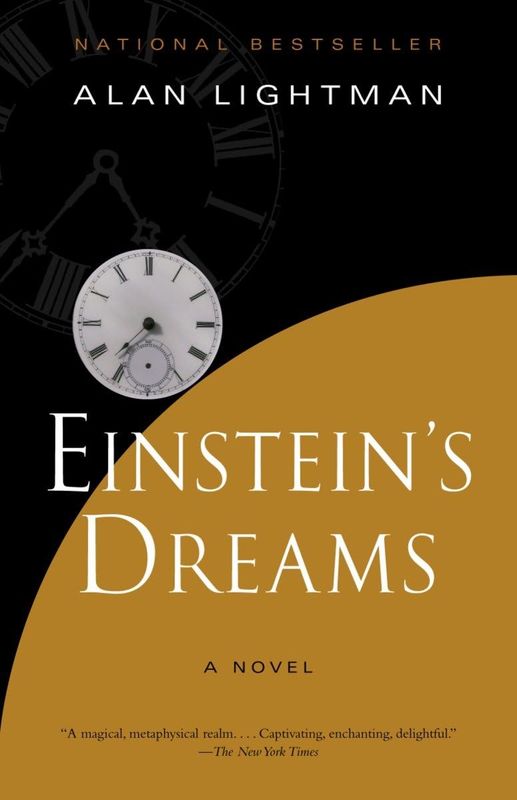
Einstein's Dreams Book Summary
In 'Einstein's Dreams', Alan Lightman weaves a tapestry of imaginative stories that explore the nature of time through the dreams of a young Albert Einstein. Each dream presents a unique and captivating reality where time is experienced differently, challenging our conventional understanding. From a world where time is reversible to one where it stands still, these narratives provoke profound reflections on life, love, and the human condition. As Einstein grapples with the implications of his groundbreaking theories, readers are invited to contemplate their own relationships with time. This thought-provoking novel blends science, philosophy, and art into a mesmerizing exploration of existence itself.
By Alan Lightman
Published: 2004
"Time is a river that flows in many directions. We are all travelers, navigating the currents of our own dreams and realities."

Start Listening to Book Summary
Book Review of Einstein's Dreams
NATIONAL BESTSELLER • A modern classic explores the connections between science and art, the process of creativity, and ultimately the fragility of human existence. “A magical, metaphysical realm ... Captivating, enchanting, delightful.” —The New York Times Einstein’s Dreams is a fictional collage of stories dreamed by Albert Einstein in 1905, about time, relativity and physics. As the defiant but sensitive young genius is creating his theory of relativity, a new conception of time, he imagines many possible worlds. In one, time is circular, so that people are fated to repeat triumphs and failures over and over. In another, there is a place where time stands still, visited by lovers and parents clinging to their children. In another, time is a nightingale, sometimes trapped by a bell jar. Now translated into thirty languages, Einstein’s Dreams has inspired playwrights, dancers, musicians, and painters all over the world. In poetic vignettes, it explores the connections between science and art, the process of creativity, and ultimately the fragility of human existence.
Book Overview of Einstein's Dreams
About the Book Author
Alan Lightman
Alan Lightman is a renowned physicist, novelist, and essayist, widely recognized for seamlessly blending science and the humanities in his work. He is the author of several notable books, including 'Einstein's Dreams,' a fictional exploration of the nature of time, and 'The Diagnostic,' a poignant reflection on the intersection of science and personal experience. Lightman's writing style is characterized by its lyrical prose and contemplative depth, often provoking thought on existential themes and the mysteries of human existence. A recipient of numerous awards, he has also served as a professor of the practice of natural sciences at MIT and as a senior lecturer at MIT's Writing Department.
Book Details
Key information about the book.
- Authors
- Alan Lightman
- Published
- November 2004
- Publisher
- National Geographic Books
- ISBN
- 140007780X
- Language
- English
- Pages
- N/A
- Genres
- Philosophy of MindPhilosophyExistentialismFiction
Purchase Options
 Buy on Amazon
 Buy via BookShop
Support local bookstores: BookShop gives a portion of each sale to independent bookshops!
Similar books you might like →
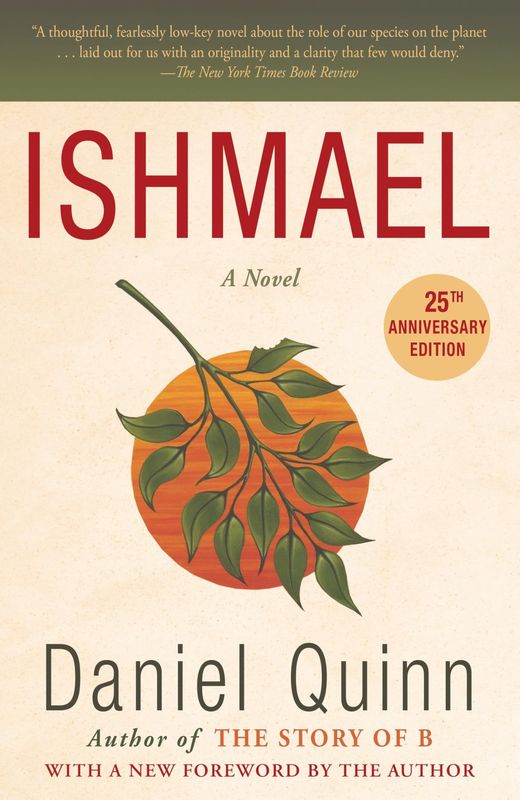
Ishmael Book Summary
In 'Ishmael,' a telepathic gorilla named Ishmael reveals profound truths about humanity's place in the world to a disillusioned man seeking meaning. Through captivating dialogue, Ishmael challenges conventional views about civilization, culture, and what it means to live sustainably. As their conversations unfold, readers are invited to question everything they thought they knew about progress and enlightenment. This thought-provoking narrative blends philosophy, anthropology, and environmentalism into a compelling tale. Prepare to embark on an intellectual journey that might just change your perspective on life itself!

Cyrano de Bergerac Book Summary
In the poetic and romantic play 'Cyrano de Bergerac', a witty and fiercely eloquent soldier with an excessively large nose, Cyrano, bravely navigates love, friendship, and honor. He harbors deep feelings for his beautiful cousin Roxane but believes his appearance makes him unworthy of her affection. Instead, he helps the handsome but inarticulate Christian woo her, using his own eloquence to create passionate letters and speeches. As the story unfolds, themes of self-doubt, unrequited love, and the complexities of identity take center stage, leading to a heart-wrenching conclusion. Will Cyrano ever reveal his true feelings, or will he forever remain in the shadows of his own insecurities?
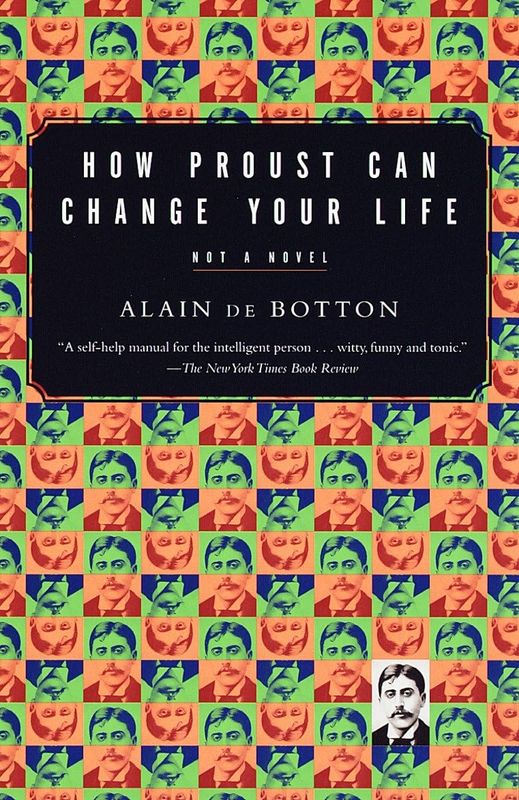
How Proust Can Change Your Life Book Summary
In 'How Proust Can Change Your Life,' Alain De Botton illuminates the profound wisdom of Marcel Proust, revealing how his insights can enhance our everyday existence. Through a blend of humor and philosophy, De Botton explores themes like love, art, and the search for identity, encouraging readers to embrace their inner selves. He posits that Proust's reflections on memory and experience can lead to a deeper understanding of happiness and fulfillment. With anecdotes and practical advice, this book serves as a guide to transforming mundane life into something extraordinary. Discover how Proust can inspire you to rethink your own journey and find beauty in the ordinary.
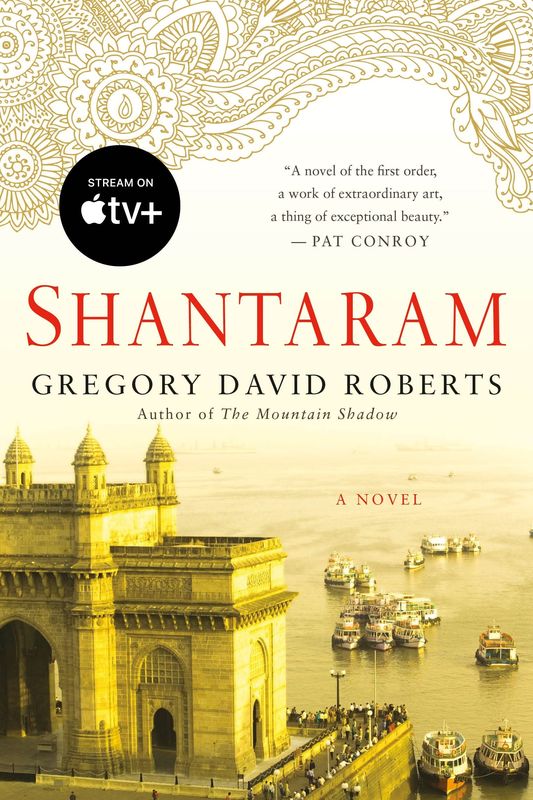
Shantaram Book Summary
In 'Shantaram', Gregory David Roberts chronicles his epic journey of escape from an Australian prison to the vibrant chaos of Bombay. There, he immerses himself in the city's underworld, forming bonds with its inhabitants while running a clinic for the sick. As he navigates a life of love, loss, and betrayal, he confronts his own demons and quest for redemption. This tale intertwines adventure, philosophy, and the search for belonging against the backdrop of India’s rich culture. Will his quest for freedom ultimately save him, or will it lead to his undoing?
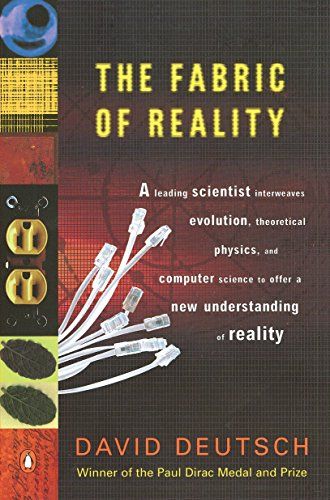
The Fabric of Reality Book Summary
In 'The Fabric of Reality,' David Deutsch weaves together threads of quantum physics, computation, evolution, and the philosophy of knowledge into a captivating exploration of how reality is constructed. He challenges conventional wisdom, suggesting that the universe is a vast tapestry of interconnected ideas that shape our understanding of existence. Deutsch posits that our scientific theories are not merely tools but vital frameworks that reflect the true nature of reality. As he navigates complex concepts with clarity, readers are invited to reimagine their perspective on knowledge and its implications for the future. The book is an exhilarating journey that leaves one pondering the profound questions of life and our place in the cosmos.
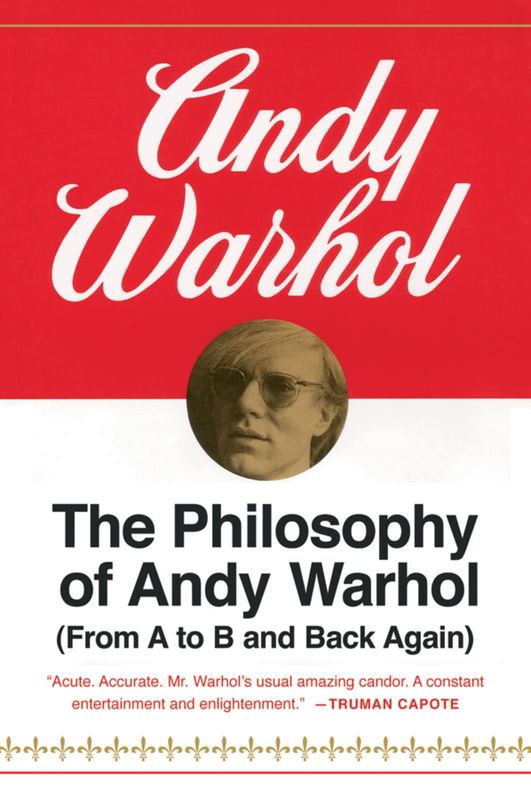
The Philosophy of Andy Warhol Book Summary
In 'The Philosophy of Andy Warhol,' the iconic artist unveils his unique perspective on art, love, and commerce in a world obsessed with superficiality. Through witty anecdotes and provocative musings, Warhol challenges traditional notions of creativity and success. He reflects on the intersection of fame and identity, revealing the complexities of his own celebrity status. This book invites readers to explore the boundaries of art and life, blurring the lines between the authentic and the artificial. Discover how Warhol's philosophy resonates in today's culture and what it means to be truly original.
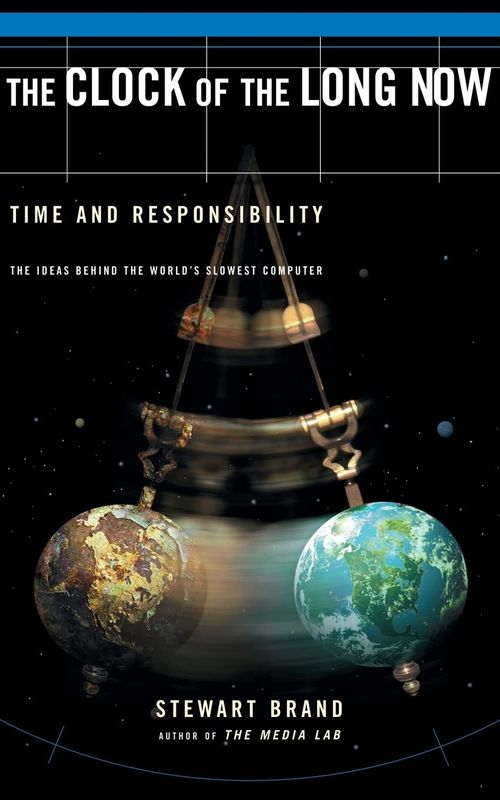
The Clock Of The Long Now Book Summary
In 'The Clock of the Long Now,' Stewart Brand invites readers to consider the vastness of time, challenging the short-sightedness of modern civilization. He imagines a monumental clock designed to tick for 10,000 years, symbolizing the importance of thinking far beyond our immediate future. Through this lens, Brand explores sustainability, responsibility, and the interconnectedness of human actions over millennia. With a blend of philosophy, technology, and visionary thinking, he inspires a deep reflection on our legacy to future generations. Could our understanding of progress be forever transformed by simply extending our perspective?
Showing 8 of 29 similar books
Take your reading experience to the next level
Download our mobile app to enjoy your favorite books on the go. Get access to exclusive features, offline listening, and personalized recommendations.

Similar Book Recommendations →

Haruki Murakami's Book Recommendations
Haruki Murakami is an internationally acclaimed Japanese author known for his surreal, magical realist style, blending elements of reality with the fantastical in his novels. His works, such as "Norwegian Wood," "Kafka on the Shore," and "1Q84," have captivated readers with their dreamlike narratives, introspective characters, and deep exploration of existential themes. Murakami's unique voice often explores loneliness, isolation, and the complexities of human nature. His use of metaphors and symbolism has earned him a dedicated global following, and his books have been translated into dozens of languages. A reclusive figure, Murakami avoids public appearances and prefers to let his work speak for itself, although he occasionally writes essays and non-fiction on topics such as running, jazz, and literature. Murakami has been a strong contender for the Nobel Prize in Literature for years, and his influence on contemporary fiction is undeniable. Beyond his writing, Murakami is also an avid marathon runner and music enthusiast, elements that often appear in his narratives.
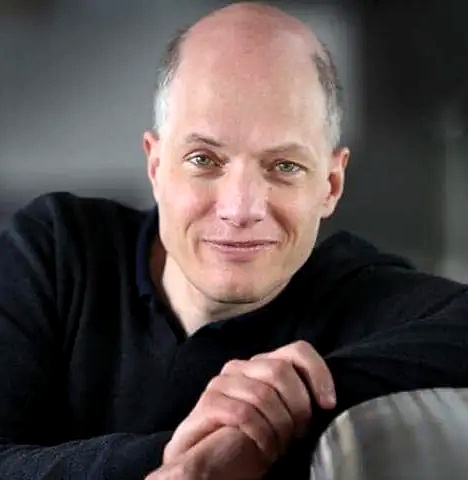
Alain de Botton's Book Recommendations
Alain de Botton is a Swiss-British philosopher, author, and founder of The School of Life, an organization dedicated to teaching emotional intelligence and life skills. De Botton’s books, such as The Consolations of Philosophy and How Proust Can Change Your Life, blend philosophy with everyday life, offering practical wisdom on love, work, and happiness. His work has popularized philosophy, making it accessible to a wider audience. De Botton is also a public speaker and essayist, frequently exploring topics related to human fulfillment and personal growth. His unique approach to philosophy has made him a respected voice in contemporary culture.

Abi Tyas Tunggal's Book Recommendations
Abi Tyas Tunggal is a distinguished author known for his impactful contributions to contemporary literature and digital content. He has garnered acclaim for his insightful storytelling and adept handling of complex themes, resonating with a diverse readership. Tunggal's work often explores the intersections of technology, society, and human experience, making him a prominent voice in modern narrative arts. Beyond his literary achievements, he is also recognized for his innovative use of digital platforms to engage with and expand his audience. Tunggal continues to influence the literary landscape with his thought-provoking and accessible writing.

Barack Obama's Book Recommendations
Barack Obama is the 44th President of the United States, serving from 2009 to 2017. As the first African American president, Obama’s leadership marked a historic moment in American history. His administration focused on healthcare reform, economic recovery from the Great Recession, and environmental policies. He is best known for the Affordable Care Act, as well as his efforts to expand civil rights and restore diplomatic relations with Cuba. Since leaving office, Obama has continued to engage in public life through his foundation, focusing on leadership development, civic engagement, and global issues.

Andrew Chen's Book Recommendations
Andrew Chen is a venture capitalist, entrepreneur, and thought leader in growth marketing, currently serving as a general partner at Andreessen Horowitz. Chen is known for his expertise in network effects, viral growth strategies, and marketplace dynamics, making him a sought-after advisor for startups looking to scale. Prior to joining Andreessen Horowitz, he worked in leadership roles at Uber, helping to grow the ride-sharing platform’s user base and develop key growth strategies. Chen is also a prolific writer, sharing his insights on growth, technology, and startups through his popular blog and newsletter, which has attracted a loyal following in the tech community. His work has helped shape how many startups approach user acquisition, retention, and product-market fit. As a venture capitalist, Chen focuses on early-stage companies in the consumer internet, SaaS, and marketplace sectors, and he has been involved in funding and advising several successful startups. His insights on technology and growth continue to influence both founders and investors alike.

Guillermo del Toro's Book Recommendations
Guillermo del Toro is a Mexican filmmaker, author, and producer known for his dark fantasy and horror films, including Pan’s Labyrinth and The Shape of Water. Del Toro’s films often blend elements of fairy tales with gothic horror, exploring themes of humanity and monstrosity. He won the Academy Award for Best Director for The Shape of Water in 2018. Del Toro is also a passionate advocate for the preservation of film history and a mentor to emerging filmmakers. His unique visual style and storytelling have made him one of the most respected directors in modern cinema.

Iman Gadzhi's Book Recommendations
Iman Gadzhi is a renowned entrepreneur, digital marketing expert, and author, best known for his influential work in the field of online business education. He founded IAG Media, a digital marketing agency that has helped numerous companies scale their online presence. Gadzhi is also the creator of the popular online course, "GrowYourAgency," which has educated thousands of aspiring digital marketers worldwide. His contributions to literature include insightful writings on entrepreneurship and self-improvement, with a focus on empowering individuals to achieve financial independence. Gadzhi's impact on the digital marketing landscape and dedication to teaching have solidified his reputation as a thought leader in the industry.

Tim Urban's Book Recommendations
Tim Urban is an acclaimed writer and the co-founder of the popular blog Wait But Why, known for its deep dives into complex topics like artificial intelligence, procrastination, and the future of humanity. He is celebrated for his ability to distill complicated subjects into engaging and accessible narratives, often accompanied by quirky illustrations. Urban's TED Talk on procrastination has garnered millions of views, further cementing his reputation as a thought leader. His writing has attracted a dedicated following and has been praised for its blend of humor and insight. In addition to his blog, Urban is working on a highly anticipated book that promises to delve even deeper into the topics his readers love.
Showing 8 of 11 related collections
“Time is a river that flows in many directions. We are all travelers, navigating the currents of our own dreams and realities.”
Einstein's Dreams
By Alan Lightman
Frequently Asked Questions
Explore Our Catalogue
Discover a world of knowledge through our extensive collection of book summaries.
Genres
Genres
Genres
Featured Collections
- Top Book Club Picks
- One-Stop Nutrition
- Summer Reads 2024
- Best Beach Reads 2024
- Work-Life Balance Guide
- Time Management
- Healthy Foods
- Entrepreneur Toolkit
- Mind & Body Wellness
- Future Tech Insights
- Leadership Essentials
- Financial Freedom
- Sci-Fi Masterpieces
- Parenting 101
- Books That Became Blockbusters
- Guide to a Healthy Pregnancy