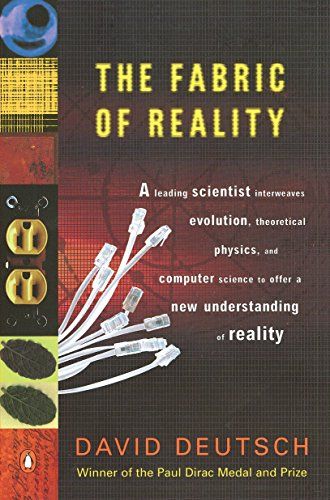
The Fabric of Reality Book Summary
In 'The Fabric of Reality,' David Deutsch weaves together threads of quantum physics, computation, evolution, and the philosophy of knowledge into a captivating exploration of how reality is constructed. He challenges conventional wisdom, suggesting that the universe is a vast tapestry of interconnected ideas that shape our understanding of existence. Deutsch posits that our scientific theories are not merely tools but vital frameworks that reflect the true nature of reality. As he navigates complex concepts with clarity, readers are invited to reimagine their perspective on knowledge and its implications for the future. The book is an exhilarating journey that leaves one pondering the profound questions of life and our place in the cosmos.
By David Deutsch
Published: 1997
"The universe is not only queerer than we suppose, but queerer than we can suppose."

Start Listening to Book Summary
Book Review of The Fabric of Reality
A penetrating exploration of the new physics, including time travel, quantum computers, and the multiverse – as referenced in the film “Avengers: Endgame” For David Deutsch, a young physicist of unusual originality, quantum theory contains our most fundamental knowledge of the physical world. Taken literally, it implies that there are many universes “parallel” to the one we see around us. This multiplicity of universes, according to Deutsch, turns out to be the key to achieving a new worldview, one which synthesizes the theories of evolution, computation, and knowledge with quantum physics. Considered jointly, these four strands of explanation reveal a unified fabric of reality that is both objective and comprehensible, the subject of this daring, challenging book. The Fabric of Reality explains and connects many topics at the leading edge of current research and thinking, such as quantum computers (which work by effectively collaborating with their counterparts in other universes), the physics of time travel, the comprehensibility of nature and the physical limits of virtual reality, the significance of human life, and the ultimate fate of the universe. Here, for scientist and layperson alike, for philosopher, science-fiction reader, biologist, and computer expert, is a startlingly complete and rational synthesis of disciplines, and a new, optimistic message about existence.
Book Overview of The Fabric of Reality
About the Book Author
David Deutsch
David Deutsch is a British physicist and author, renowned for his pioneering work in the field of quantum computation and theory. He is the author of influential books such as "The Fabric of Reality" and "The Beginning of Infinity," where he explores concepts of knowledge, science, and the philosophical implications of quantum mechanics. Deutsch is known for his clear, engaging writing style that seamlessly blends complex scientific ideas with philosophical discourse. His work has significantly shaped contemporary understanding of the foundational principles of science and the nature of knowledge.
Book Details
Key information about the book.
- Authors
- David Deutsch
- Published
- January 1997
- Publisher
- Penguin Books
- ISBN
- 014027541X
- Language
- English
- Pages
- 404
- Genres
- Philosophy of MindPhilosophyScience and NatureScientific Discoveries
Purchase Options
 Buy on Amazon
 Buy via BookShop
Support local bookstores: BookShop gives a portion of each sale to independent bookshops!
Similar books you might like →
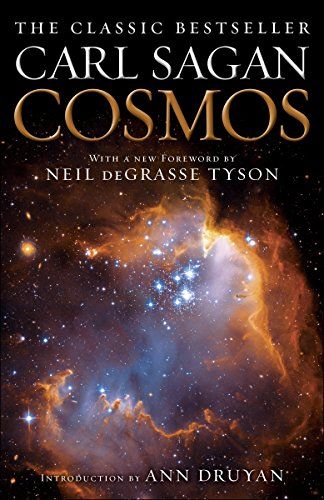
Cosmos Book Summary
In "Cosmos," Carl Sagan embarks on a thrilling expedition through space and time, weaving together the threads of science, history, and philosophy. With stunning prose, he unveils the wonders of the universe, exploring the birth of stars, the evolution of life, and the intricacies of human existence. Sagan’s passion for discovery ignites a sense of awe, inviting readers to ponder our place within the vast cosmos. As he delves into topics from alien civilizations to the origins of consciousness, each page beckons you to rethink what you know about the universe. Prepare to be captivated by a journey that challenges the boundaries of human understanding, leaving you eager to uncover the mysteries that lie beyond the stars.
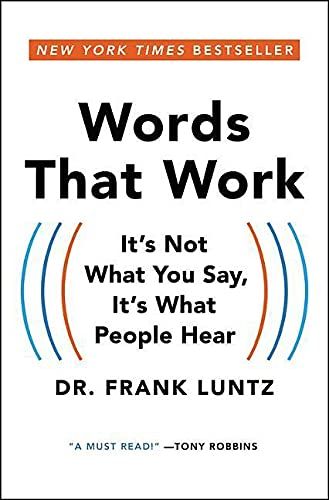
Words That Work, Revised, Updated Edition Book Summary
In 'Words That Work,' Frank I. Luntz reveals the extraordinary power of language in shaping public opinion and behavior. Drawing from extensive research and real-world examples, he uncovers the secret phrases that resonate with people and inspire action. This revised edition offers fresh insights into the art of communication, emphasizing the importance of emotional connection over mere facts. Luntz shares practical strategies for crafting messages that stick, whether in politics, business, or everyday conversations. Discover how the right words can transform your message and captivate your audience.
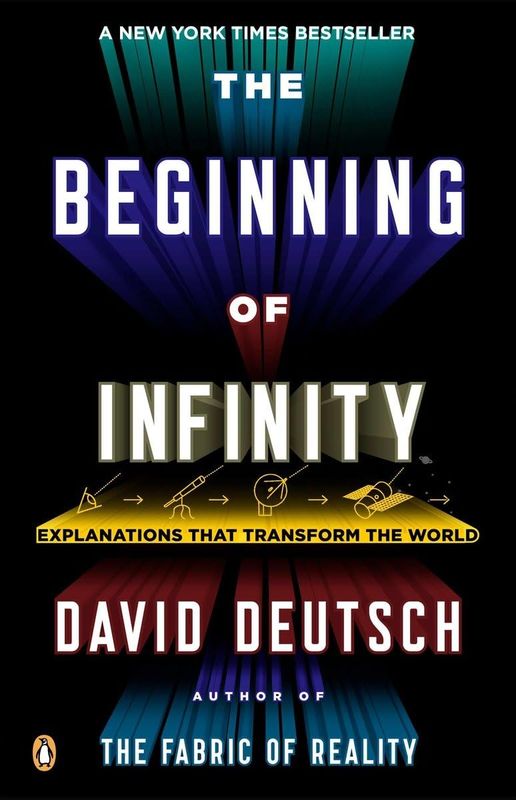
The Beginning of Infinity Book Summary
In 'The Beginning of Infinity', David Deutsch challenges our understanding of knowledge and the universe, proposing that all problems are solvable with the right approach. He delves into the philosophy of science, technology, and human progress, suggesting that the pursuit of knowledge is a never-ending journey. Deutsch argues that explanations, rather than mere observations, are the key to comprehending reality. With provocative insights, he explores the implications of infinite possibilities and the potential of human creativity. This thought-provoking read ignites curiosity about the boundless nature of discovery and the future of humanity.
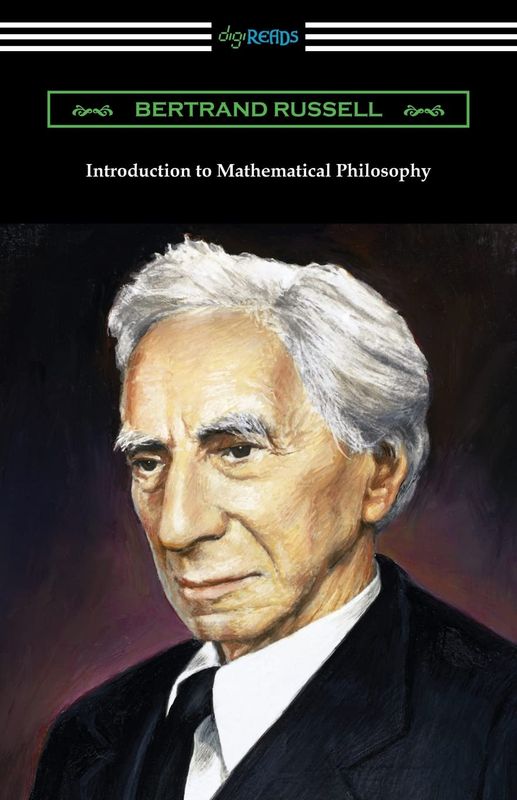
Introduction to Mathematical Philosophy Book Summary
In 'Introduction to Mathematical Philosophy,' Bertrand Russell takes readers on a fascinating journey through the foundations of mathematics and its philosophical implications. He explores concepts such as numbers, infinity, and the nature of mathematical truth, challenging conventional thinking. With his unique blend of clarity and insight, Russell demystifies complex ideas, revealing the profound connections between logic and mathematics. This thought-provoking work not only invites readers to rethink their understanding of numbers but also questions the very essence of reality itself. A must-read for anyone intrigued by the interplay of philosophy and mathematics, this book promises to expand your horizons.
On Trails Book Summary
In 'On Trails,' Robert Moor takes readers on a captivating journey through the history and philosophy of trails, revealing what they mean to humanity and the natural world. He explores how trails connect not just landscapes but also ideas and cultures. Through his adventures, he uncovers the intricate relationship between humans and the paths we create. Moor's blend of personal narratives, science, and history invites you to reconsider the meaning of wandering. This thought-provoking exploration leaves you pondering the trails in your own life and the connections they foster.

12 Rules for Life Book Summary
In '12 Rules for Life', psychologist Jordan B. Peterson distills life lessons from psychology, philosophy, and mythology into twelve profound principles for personal growth. Each rule invites readers to confront the chaos of existence and embrace responsibility, guiding them toward meaning and order. Peterson's compelling narratives and incisive insights challenge conventional wisdom, urging self-reflection and accountability. As readers navigate through the complexities of life, they discover how to build a stable foundation for themselves and their communities. This thought-provoking book promises to provoke deep contemplation and inspire transformative change.
21 Lessons for the 21st Century Book Summary
In '21 Lessons for the 21st Century', Yuval Noah Harari navigates the complex landscape of today's world, tackling urgent questions about our future. From the impact of technology on society to the challenges of political stability, each lesson provokes thought and introspection. Harari explores key themes such as the rise of artificial intelligence, the significance of data, and the importance of meaning in an increasingly uncertain world. With a blend of history, philosophy, and science, the book invites readers to reflect on their roles in shaping a shared future. Will we adapt, or become obsolete? Dive in to uncover the lessons that could redefine humanity's path.
The Big Picture Book Summary
In 'The Big Picture', physicist Sean Carroll invites readers to explore the fascinating intersections of science, philosophy, and the meaning of life. He delves into the fundamental nature of reality, presenting complex concepts in a captivating and accessible manner. With a blend of narratives and profound insights, Carroll challenges us to consider our place in the universe. As he unravels the mysteries of existence, readers are urged to reflect on the implications of science for understanding consciousness and our everyday experiences. This thought-provoking journey leaves us questioning: what does it truly mean to be human in a cosmos governed by natural laws?
Showing 8 of 29 similar books
Take your reading experience to the next level
Download our mobile app to enjoy your favorite books on the go. Get access to exclusive features, offline listening, and personalized recommendations.

Similar Book Recommendations →

Michael Pollan's Book Recommendations
Michael Pollan is a renowned American author and journalist, celebrated for his insightful explorations of food, agriculture, and human culture. His groundbreaking book, "The Omnivore's Dilemma," published in 2006, critically examines the complexities of the modern food industry and has become a seminal work in food studies. Pollan's engaging narrative style and thorough research have earned him a place on The New York Times Best Seller list multiple times. In addition to his literary contributions, he is also a professor of journalism at the University of California, Berkeley. Pollan's work continues to influence public discourse on sustainable eating and the ethical implications of food choices.

Matt Ridley's Book Recommendations
Matt Ridley is a British journalist, author, and businessman, best known for his books on science, economics, and human progress, including The Rational Optimist and The Evolution of Everything. Ridley’s work focuses on the power of innovation, free markets, and human ingenuity to drive progress and improve living standards. He is a member of the House of Lords and has written extensively on topics such as genetics, evolution, and the environment. Ridley’s optimistic view of human progress and his ability to explain complex scientific ideas have made him a popular author and public intellectual.

Lex Fridman's Book Recommendations
Lex Fridman is an artificial intelligence researcher, podcaster, and MIT professor, known for his work in autonomous vehicles, robotics, and deep learning. Fridman has gained widespread popularity through his podcast, Lex Fridman Podcast, where he interviews leading thinkers in science, technology, and philosophy, exploring topics like AI, consciousness, and the future of humanity. His academic work focuses on human-centered AI, aiming to create machines that can better understand and interact with humans. Fridman’s ability to distill complex topics into accessible conversations has earned him a large following, and his podcast is known for its thoughtful, in-depth discussions with some of the brightest minds of our time. He is also an advocate for the responsible development of AI, emphasizing the ethical implications of this rapidly advancing technology. Outside of academia and podcasting, Fridman is a practitioner of jiu-jitsu and frequently speaks about the importance of discipline and continuous learning.

Bret Victor's Book Recommendations
Bret Victor is a renowned American interface designer and computer scientist celebrated for his innovative contributions to interactive design and human-computer interaction. He is best known for creating dynamic, explorable explanations, which have significantly influenced the way educational content is presented and understood. Victor's seminal work, "Inventing on Principle," advocates for the integration of immediate feedback in creative processes, inspiring a new wave of interactive programming environments. As a former member of the Apple Human Interface team, he played a pivotal role in shaping modern user interfaces. Through his organization, Dynamicland, Victor continues to explore and expand the boundaries of immersive, collaborative computing environments.

Barack Obama's Book Recommendations
Barack Obama is the 44th President of the United States, serving from 2009 to 2017. As the first African American president, Obama’s leadership marked a historic moment in American history. His administration focused on healthcare reform, economic recovery from the Great Recession, and environmental policies. He is best known for the Affordable Care Act, as well as his efforts to expand civil rights and restore diplomatic relations with Cuba. Since leaving office, Obama has continued to engage in public life through his foundation, focusing on leadership development, civic engagement, and global issues.

Jon Stewart's Book Recommendations
Jon Stewart is an American comedian, writer, and former host of The Daily Show, where he gained fame for his satirical take on news and politics. Stewart transformed The Daily Show into a critical voice in American media, blending humor with hard-hitting commentary on political and social issues. After stepping down from the show, Stewart has continued to advocate for causes like 9/11 first responders and veterans' rights. He is also a filmmaker, directing the political satire film Irresistible. Stewart remains a significant figure in American culture, known for his wit, activism, and influence on political discourse.

Reid Hoffman's Book Recommendations
Reid Hoffman is an influential American entrepreneur, venture capitalist, and author, best known as the co-founder of LinkedIn, the professional networking platform that transformed online professional interactions. Hoffman has significantly impacted the business world through his investments in notable tech companies like Airbnb, Facebook, and Zynga. As an author, he has co-written several acclaimed books, including "The Start-Up of You" and "Blitzscaling," which provide strategic insights into career development and business growth. His works are celebrated for their practical advice and have become essential reading for aspiring entrepreneurs and business leaders. Hoffman's contributions extend beyond his literary efforts, as he remains a prominent figure in Silicon Valley, shaping the future of technology and innovation.

Andrew Wilkinson's Book Recommendations
Andrew Wilkinson is a distinguished author and entrepreneur, best known for his insightful business writings and contributions to the tech industry. He co-founded MetaLab, a prominent design agency that has shaped the user experience of major platforms like Slack and Coinbase. Wilkinson's entrepreneurial journey and his publications provide valuable perspectives on startup culture, innovation, and leadership. His writing, often featured in leading business magazines and his personal blog, has garnered a wide readership for its practical advice and engaging storytelling. Andrew continues to influence both literature and the business world with his unique blend of creativity and strategic thinking.
Showing 8 of 16 related collections
“The universe is not only queerer than we suppose, but queerer than we can suppose.”
The Fabric of Reality
By David Deutsch
Frequently Asked Questions
Explore Our Catalogue
Discover a world of knowledge through our extensive collection of book summaries.
Genres
Genres
Genres
Featured Collections
- Top Book Club Picks
- One-Stop Nutrition
- Summer Reads 2024
- Best Beach Reads 2024
- Work-Life Balance Guide
- Time Management
- Healthy Foods
- Entrepreneur Toolkit
- Mind & Body Wellness
- Future Tech Insights
- Leadership Essentials
- Financial Freedom
- Sci-Fi Masterpieces
- Parenting 101
- Books That Became Blockbusters
- Guide to a Healthy Pregnancy