The Clock Of The Long Now Book Summary
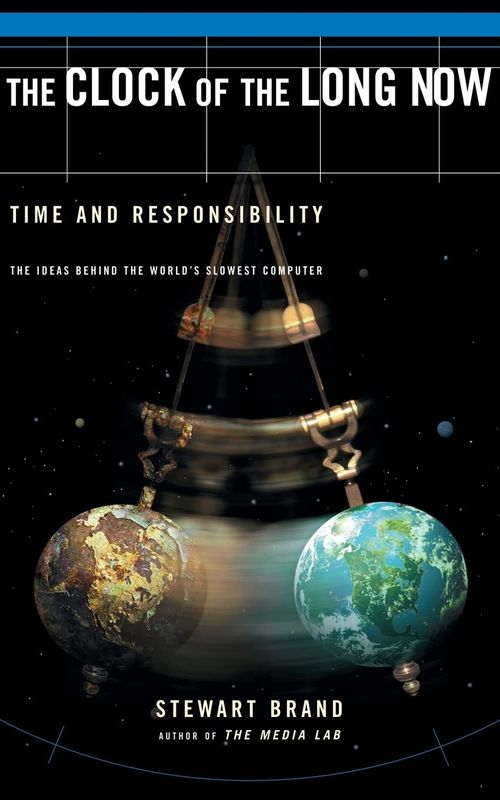
In 'The Clock of the Long Now,' Stewart Brand invites readers to consider the vastness of time, challenging the short-sightedness of modern civilization. He imagines a monumental clock designed to tick for 10,000 years, symbolizing the importance of thinking far beyond our immediate future. Through this lens, Brand explores sustainability, responsibility, and the interconnectedness of human actions over millennia. With a blend of philosophy, technology, and visionary thinking, he inspires a deep reflection on our legacy to future generations. Could our understanding of progress be forever transformed by simply extending our perspective?
By Stewart Brand
Published: 2000
""The future is not a gift, it is an achievement; and it can only be secured if we understand the long now.""

Start Listening to Book Summary
Book Review of The Clock Of The Long Now
Using the designing and building of the Clock of the Long Now as a framework, this is a book about the practical use of long time perspective: how to get it, how to use it, how to keep it in and out of sight. Here are the central questions it inspires: How do we make long-term thinking automatic and common instead of difficult and rare? Discipline in thought allows freedom. One needs the space and reliability to predict continuity to have the confidence not to be afraid of revolutions Taking the time to think of the future is more essential now than ever, as culture accelerates beyond its ability to be measured Probable things are vastly outnumbered by countless near-impossible eventualities. Reality is statistically forced to be extraordinary; fiction is not allowed this freedom This is a potent book that combines the chronicling of fantastic technology with equally visionary philosophical inquiry.
Book Overview of The Clock Of The Long Now
About the Book Author
Stewart Brand
Stewart Brand is an influential American writer, best known for his work in the fields of technology, environment, and culture. Born on December 14, 1938, he gained prominence as the creator of the Whole Earth Catalog, a counterculture publication that epitomized the 1960s and 1970s. Brand's notable works include 'How Buildings Learn,' 'The Clock of the Long Now,' and 'Whole Earth Discipline,' where he explores themes of sustainability, design, and long-term thinking. His writing style is characterized by its blend of intellectual rigor and accessibility, often drawing connections between complex ideas and practical applications. Throughout his career, Brand has championed the importance of ecological awareness and innovative technologies.
Book Details
Key information about the book.
- Authors
- Stewart Brand
- Published
- April 2000
- Publisher
- Basic Books
- ISBN
- 0465007805
- Language
- English
- Pages
- 208
- Genres
- Philosophy of MindPhilosophySustainable DesignScience and NatureTechnologyEnvironmental Science
Purchase Options
 Buy on Amazon
 Buy via BookShop
Support local bookstores: BookShop gives a portion of each sale to independent bookshops!
Similar books you might like →
How Google Works Book Summary
In "How Google Works", Eric Schmidt and Jonathan Rosenberg unveil the inner workings of one of the world's most innovative companies. Delving into the intersection of technology, business strategy, and culture, they explore how flexibility and creativity fuel Google's success. The authors share insider anecdotes and pivotal lessons about fostering collaboration and embracing change in a fast-paced digital landscape. You’ll discover the vital role data plays in decision-making and how to cultivate a "smart creatives" mindset. Prepare to be inspired by the blueprint of a company that has revolutionized not just the tech industry, but the very way we navigate information itself.
A Brief History of Time Book Summary
In "A Brief History of Time," Stephen Hawking takes readers on a captivating journey through the cosmos, exploring the nature of time, black holes, and the universe's beginnings. With stunning clarity, he unravels complex scientific concepts, inviting everyone—from curious laypersons to seasoned physicists—to ponder the mysteries of existence. Hawking's charismatic storytelling challenges our perceptions of reality and time itself, posing profound questions about the universe's fate. As he merges science with philosophy, the reader is compelled to reflect on their place in a vast, enigmatic cosmos. Prepare to be inspired and awed by a narrative that transcends mere facts, pushing the boundaries of human understanding.
Andrew Carnegie Book Summary
Explore the rags-to-riches journey of Andrew Carnegie, the steel magnate who transformed America’s industrial landscape. Joseph Frazier Wall delves into Carnegie's early struggles in Scotland and his rise to billionaire status in the U.S. Discover the principles of philanthropy and self-education that guided his life and legacy. The biography unveils the complexities of his character, from ambitious tycoon to benevolent benefactor. This captivating story not only chronicles a remarkable life but also challenges readers to consider their impact on society.
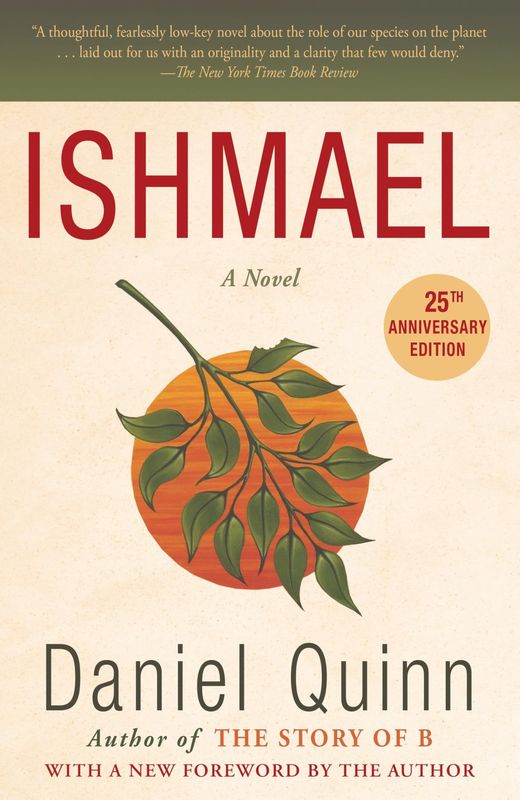
Ishmael Book Summary
In 'Ishmael,' a telepathic gorilla named Ishmael reveals profound truths about humanity's place in the world to a disillusioned man seeking meaning. Through captivating dialogue, Ishmael challenges conventional views about civilization, culture, and what it means to live sustainably. As their conversations unfold, readers are invited to question everything they thought they knew about progress and enlightenment. This thought-provoking narrative blends philosophy, anthropology, and environmentalism into a compelling tale. Prepare to embark on an intellectual journey that might just change your perspective on life itself!

The Philosophy of Composition Book Summary
In 'The Philosophy of Composition,' Edgar Allan Poe unveils his meticulous approach to writing, arguing that artistic creation is a calculated endeavor rather than purely intuitive. He dissects his own poem 'The Raven,' revealing the deep psychological and structural elements that contribute to its haunting allure. Poe explores the interplay of beauty, emotion, and effect, offering a profound glimpse into the mind of a master writer. With each analytical step, he ignites curiosity about the art of storytelling and the techniques that captivate readers. This exploration leaves one pondering: What secrets lie behind the craft of their favorite writers?
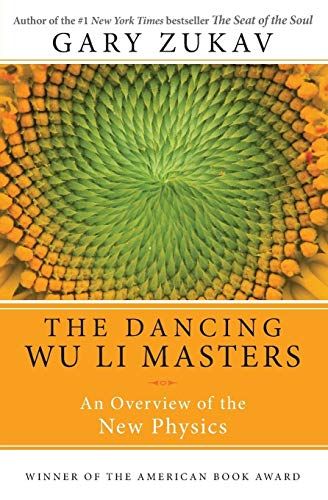
Dancing Wu Li Masters Book Summary
In 'Dancing Wu Li Masters,' Gary Zukav invites readers into the fascinating intersection of physics and Eastern philosophy. This insightful exploration reveals how the realms of quantum mechanics and ancient wisdom converge, challenging our understanding of reality. Zukav introduces readers to the 'Wu Li Masters,' a captivating metaphor for scientists and spiritual seekers who are dancing in the quantum world. As he weaves together complex theories with accessible language, the book sparks curiosity about the nature of existence and consciousness. Prepare to be enlightened as you journey through the seemingly paradoxical ideas that govern our universe.
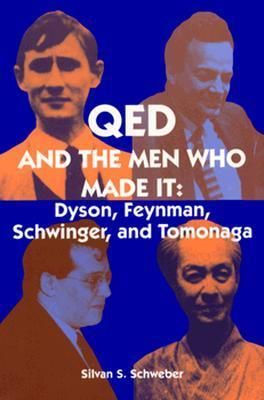
QED and the Men who Made it Book Summary
In 'QED and the Men who Made it', Silvan S. Schweber delves into the intricate world of Quantum Electrodynamics (QED), revealing the visionary scientists behind its development. Through vivid storytelling, Schweber intertwines personal anecdotes with historical milestones, bringing to life the passionate debates and groundbreaking discoveries that reshaped modern physics. The book highlights not only the scientific breakthroughs but also the human drama and intellectual struggles that accompanied them. As Schweber unpacks the mathematical elegance of QED, readers are invited to ponder the mysteries of the universe and the quest for understanding. This captivating narrative is sure to leave you questioning the very fabric of reality.
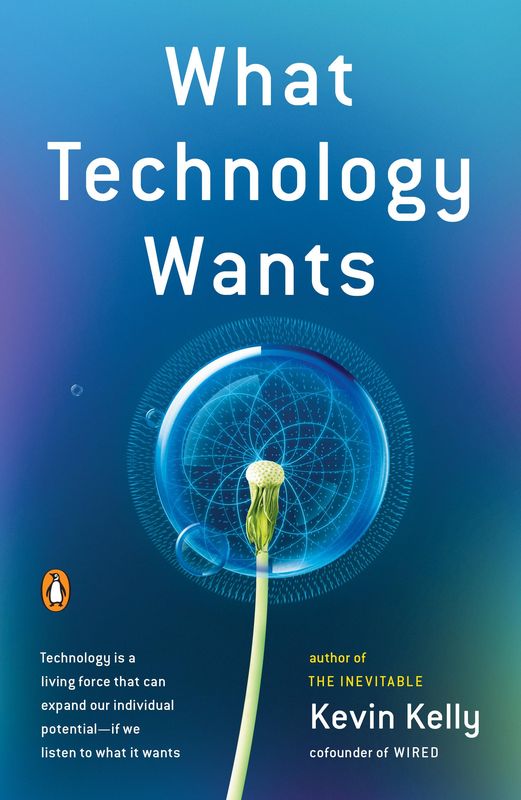
What Technology Wants Book Summary
In "What Technology Wants," Kevin Kelly delves into the deep interplay between humanity and technology, suggesting that technology is an extension of life itself. He argues that just like biological evolution, technology has its own agenda and desires, shaping our future in profound ways. Through a blend of philosophical insights and real-world examples, Kelly reveals how technological advancements reflect our aspirations and fears. As he explores the notion of 'the technium'—a vast, interconnected web of technology—readers are invited to reconsider their relationship with the tools they create. This thought-provoking journey challenges us to embrace technology as a living entity that influences and drives our evolution.
Showing 8 of 27 similar books
Take your reading experience to the next level
Download our mobile app to enjoy your favorite books on the go. Get access to exclusive features, offline listening, and personalized recommendations.

Similar Book Recommendations →

Andrew Huberman's Book Recommendations
Andrew Huberman is a renowned neuroscientist and tenured professor at Stanford University, where he leads the Huberman Lab, focusing on brain function, behavior, and health. He has significantly contributed to the understanding of neural plasticity, particularly how the brain can change in response to experience and injury. Huberman is widely recognized for his engaging public science communication, which includes the popular "Huberman Lab" podcast that translates complex neuroscience topics into accessible insights for broad audiences. His research has been published in leading scientific journals, earning him numerous accolades and fostering a deeper public appreciation for neuroscience. Additionally, his work extends into practical applications, influencing fields such as mental health, vision restoration, and performance optimization.

Bret Victor's Book Recommendations
Bret Victor is a renowned American interface designer and computer scientist celebrated for his innovative contributions to interactive design and human-computer interaction. He is best known for creating dynamic, explorable explanations, which have significantly influenced the way educational content is presented and understood. Victor's seminal work, "Inventing on Principle," advocates for the integration of immediate feedback in creative processes, inspiring a new wave of interactive programming environments. As a former member of the Apple Human Interface team, he played a pivotal role in shaping modern user interfaces. Through his organization, Dynamicland, Victor continues to explore and expand the boundaries of immersive, collaborative computing environments.

Barack Obama's Book Recommendations
Barack Obama is the 44th President of the United States, serving from 2009 to 2017. As the first African American president, Obama’s leadership marked a historic moment in American history. His administration focused on healthcare reform, economic recovery from the Great Recession, and environmental policies. He is best known for the Affordable Care Act, as well as his efforts to expand civil rights and restore diplomatic relations with Cuba. Since leaving office, Obama has continued to engage in public life through his foundation, focusing on leadership development, civic engagement, and global issues.
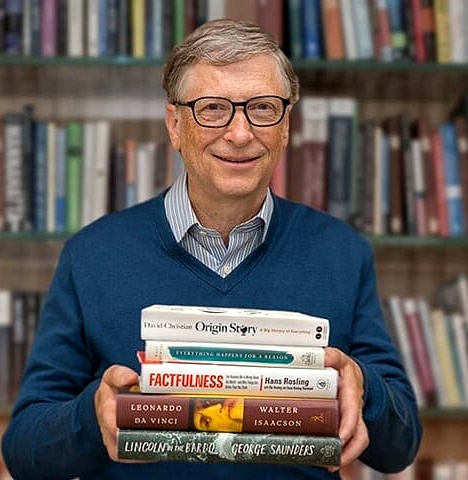
Bill Gates's Book Recommendations
Bill Gates, co-founder of Microsoft Corporation, is a pioneering figure in the tech industry, having played a key role in the personal computer revolution. His work at Microsoft, particularly the development of Windows, transformed software and computing globally. Beyond his technology contributions, Gates is also a prolific author, with notable works such as "The Road Ahead" and "Business @ the Speed of Thought," which offer insights into the future of technology and business. Additionally, his philanthropic efforts through the Bill & Melinda Gates Foundation have had a profound impact on global health, education, and poverty. Gates continues to influence both technology and literature with his forward-thinking perspectives and innovative ideas.

Phil Libin's Book Recommendations
Phil Libin is a renowned entrepreneur and technology executive, best known for co-founding and serving as the CEO of Evernote, a highly influential note-taking application that has transformed productivity and personal organization. Under his leadership, Evernote grew to over 100 million users globally, establishing itself as a pioneer in the personal and professional productivity space. In addition to his work with Evernote, Libin co-founded All Turtles, an AI startup studio, and serves as the CEO of mmhmm, a company enhancing virtual communication through innovative video tools. His contributions to the tech industry have been widely recognized, earning him a reputation as a forward-thinking leader in digital innovation. Although not primarily known for literature, his insights on technology and entrepreneurship have been featured in various publications, inspiring many in the industry.

Emma Watson's Book Recommendations
Emma Watson is a British actress and activist best known for her role as Hermione Granger in the "Harry Potter" film series, which brought J.K. Rowling's beloved books to life. Beyond her acting career, Watson has made significant contributions to literature by promoting gender equality and women's rights through her work with the United Nations, including the HeForShe campaign. She has also curated and shared book recommendations that highlight feminist literature and diverse voices. Watson graduated from Brown University with a degree in English literature, further emphasizing her dedication to the literary world. Her advocacy and influence have made her a prominent figure in both the entertainment and literary communities.

Jordan Peterson's Book Recommendations
Jordan Peterson is a Canadian psychologist, author, and professor, best known for his work on psychology, political philosophy, and cultural criticism. His book 12 Rules for Life: An Antidote to Chaos became a global bestseller, offering advice on personal responsibility, order, and meaning in life. Peterson’s lectures, which cover topics like mythology, religion, and self-improvement, have garnered millions of views online, making him a polarizing figure in both academic and popular circles. He is known for his critiques of political correctness and his emphasis on individual responsibility. Peterson’s influence has sparked widespread debate about free speech, identity politics, and mental health.

Mark Zuckerberg's Book Recommendations
Mark Zuckerberg is an American technology entrepreneur best known for co-founding Facebook, the world's largest social media platform, which transformed global communication. Born on May 14, 1984, in White Plains, New York, he launched Facebook in 2004 while attending Harvard University. Under his leadership, Facebook expanded rapidly, influencing the social media landscape and digital advertising. Zuckerberg has also authored numerous articles and essays on technology, innovation, and the future of the internet. His work has had a profound impact on how people connect and share information in the digital age.
Showing 8 of 9 related collections
“"The future is not a gift, it is an achievement; and it can only be secured if we understand the long now."”
The Clock Of The Long Now
By Stewart Brand
Frequently Asked Questions
Explore Our Catalogue
Discover a world of knowledge through our extensive collection of book summaries.
Genres
Genres
Genres
Featured Collections
- Top Book Club Picks
- One-Stop Nutrition
- Summer Reads 2024
- Best Beach Reads 2024
- Work-Life Balance Guide
- Time Management
- Healthy Foods
- Entrepreneur Toolkit
- Mind & Body Wellness
- Future Tech Insights
- Leadership Essentials
- Financial Freedom
- Sci-Fi Masterpieces
- Parenting 101
- Books That Became Blockbusters
- Guide to a Healthy Pregnancy