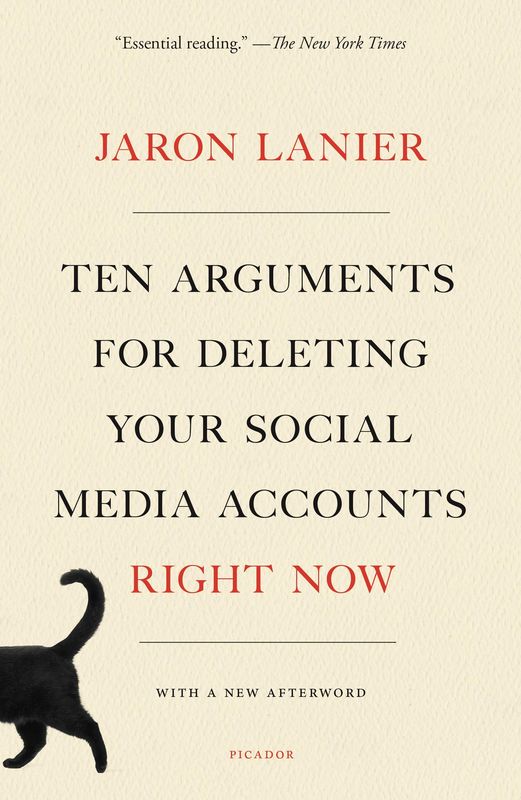
Ten Arguments for Deleting Your Social Media Accounts Right Now Book Summary
In 'Ten Arguments for Deleting Your Social Media Accounts Right Now', Jaron Lanier presents a compelling case against the pervasive influence of social media on our lives. He outlines ten potent reasons for breaking free from these platforms, revealing the hidden costs to our mental health, privacy, and society. With a blend of philosophical insights and personal anecdotes, Lanier challenges readers to confront the damaging effects of social media addiction. As he advocates for a digital detox, he encourages a return to genuine human connection and self-empowerment. This provocative read prompts us to question whether the convenience of social media is worth the price we pay.
By Jaron Lanier
Published: 2019
"The more you engage with social media, the less you experience the real world, which is where true joy and connection reside."

Start Listening to Book Summary
Book Review of Ten Arguments for Deleting Your Social Media Accounts Right Now
A timely call-to-arms from a Silicon Valley pioneer. You might have trouble imagining life without your social media accounts, but virtual reality pioneer Jaron Lanier insists that we’re better off without them. In Ten Arguments for Deleting Your Social Media Accounts Right Now, Lanier, who participates in no social media, offers powerful and personal reasons for all of us to leave these dangerous online platforms. Lanier’s reasons for freeing ourselves from social media’s poisonous grip include its tendency to bring out the worst in us, to make politics terrifying, to trick us with illusions of popularity and success, to twist our relationship with the truth, to disconnect us from other people even as we are more “connected” than ever, to rob us of our free will with relentless targeted ads. How can we remain autonomous in a world where we are under continual surveillance and are constantly being prodded by algorithms run by some of the richest corporations in history that have no way of making money other than being paid to manipulate our behavior? How could the benefits of social media possibly outweigh the catastrophic losses to our personal dignity, happiness, and freedom? Lanier remains a tech optimist, so while demonstrating the evil that rules social media business models today, he also envisions a humanistic setting for social networking that can direct us toward a richer and fuller way of living and connecting with our world.
Book Overview of Ten Arguments for Deleting Your Social Media Accounts Right Now
About the Book Author
Jaron Lanier
Jaron Lanier is a prominent American computer scientist, musician, and author known for his pioneering work in virtual reality and his critical insights into technology's impact on society. He is the author of several influential books, including 'You Are Not a Gadget', 'Who Owns the Future?', and 'Ten Arguments for Deleting Your Social Media Accounts Right Now'. Lanier's writing style combines academic rigor with accessible language, often incorporating personal anecdotes and philosophical reflections. His work challenges readers to consider the ethical implications of technology, emphasizing human values and creativity in an increasingly digital world.
Book Details
Key information about the book.
- Authors
- Jaron Lanier
- Published
- August 2019
- Publisher
- Picador
- ISBN
- 1250239087
- Language
- English
- Pages
- 208
- Genres
- Philosophy of MindMental HealthPsychologySocial MediaMedia
Purchase Options
 Buy on Amazon
 Buy via BookShop
Support local bookstores: BookShop gives a portion of each sale to independent bookshops!
Similar books you might like →
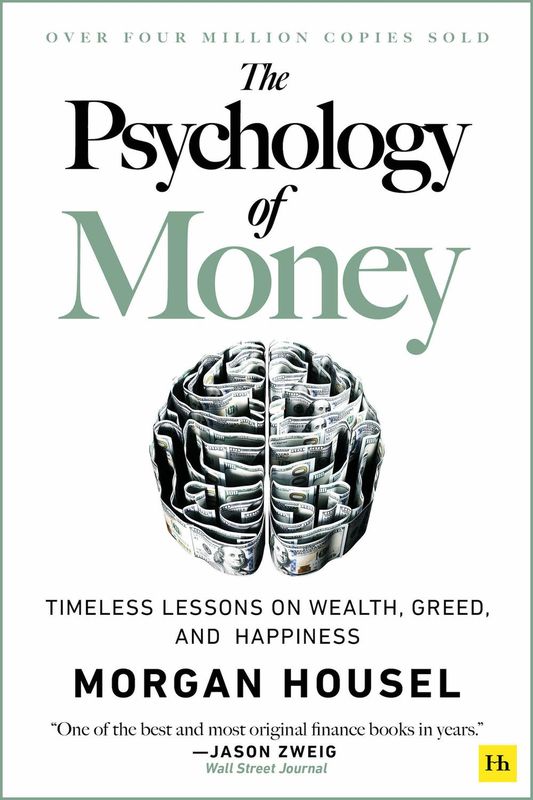
The Psychology of Money Book Summary
In "The Psychology of Money," Morgan Housel unravels the complex relationship between our emotions and financial decisions. Through captivating anecdotes and profound insights, he reveals that wealth isn't just about numbers, but about behavior and mindset. The book challenges conventional wisdom, urging readers to understand the subtle psychological forces that influence our spending and saving habits. Housel's reflections highlight the power of patience, humility, and a long-term perspective in building true financial success. Prepare to rethink everything you thought you knew about money and its role in your life!
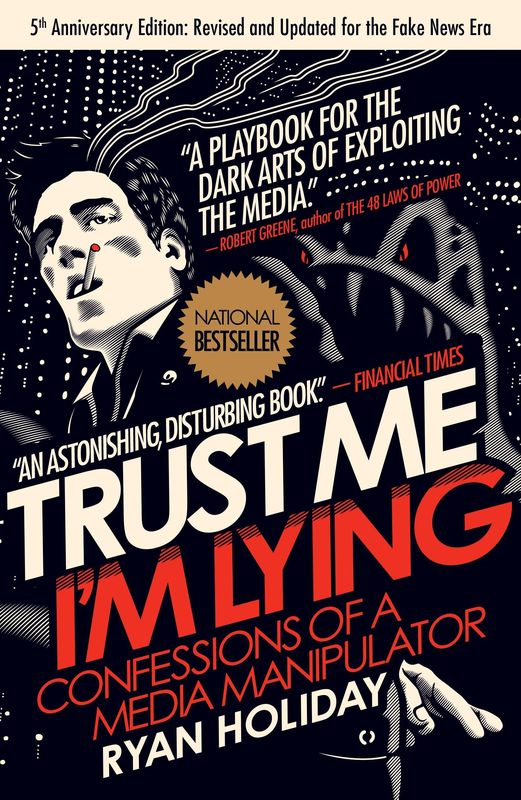
Trust Me, I'm Lying Book Summary
In "Trust Me, I’m Lying," media manipulator Ryan Holiday pulls back the curtain on the dark art of modern journalism and the insidious world of online marketing. He reveals how easily the media can be exploited, turning lies into trending headlines with just a few strategic moves. With sharp wit and shocking anecdotes, Holiday illustrates the fragile line between truth and fabrication in a click-driven society. As he navigates the murky waters of deception, he challenges readers to reconsider what they consume—and who benefits from their trust. Prepare to question everything you thought you knew about news, credibility, and the power of influence!

Emotional Intelligence Book Summary
In "Emotional Intelligence," Daniel Goleman unveils the crucial skills that go beyond IQ, fostering deeper connections and enhancing personal and professional success. He argues that emotional awareness and empathy can transform our interactions and decision-making, shaping a more fulfilling life. Through compelling anecdotes and groundbreaking research, Goleman reveals how mastering our emotions can lead to improved mental health and stronger relationships. Discover the surprising impact of emotional intelligence on leadership, teamwork, and everyday dilemmas. Are you ready to unlock the power within yourself and elevate your emotional mastery?
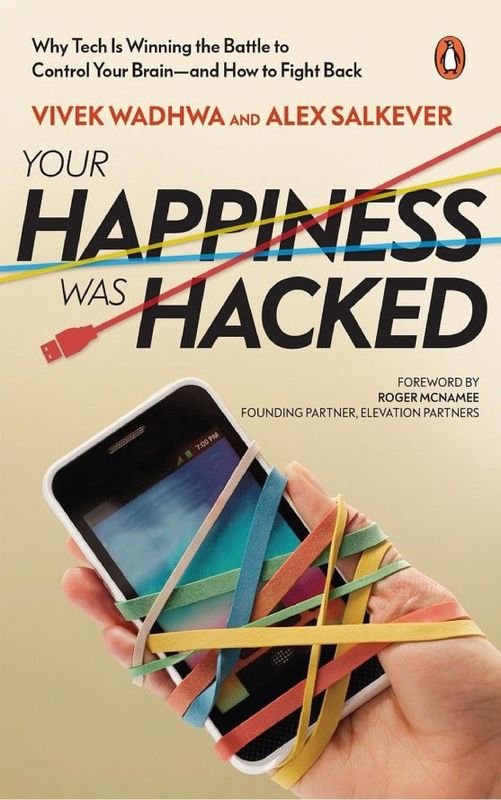
Your Happiness Was Hacked Book Summary
In "Your Happiness Was Hacked," the authors unravel the captivating intersection of psychology and technology, revealing how modern digital life can manipulate our emotions. With compelling anecdotes and cutting-edge research, the book exposes the invisible forces influencing our happiness, often without us even realizing it. Discover the surprising truth about social media's addictive nature and how it shapes our perceptions of joy and success. As you delve deeper, you'll learn practical strategies to reclaim your well-being and protect your emotional landscape. Are you ready to unplug from the digital deluge and reconnect with your true joy?
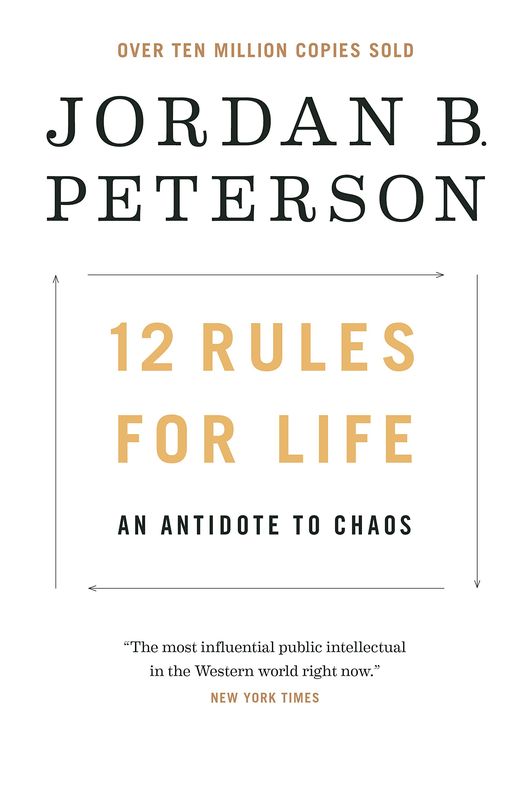
12 Rules for Life Book Summary
In '12 Rules for Life', psychologist Jordan B. Peterson distills life lessons from psychology, philosophy, and mythology into twelve profound principles for personal growth. Each rule invites readers to confront the chaos of existence and embrace responsibility, guiding them toward meaning and order. Peterson's compelling narratives and incisive insights challenge conventional wisdom, urging self-reflection and accountability. As readers navigate through the complexities of life, they discover how to build a stable foundation for themselves and their communities. This thought-provoking book promises to provoke deep contemplation and inspire transformative change.
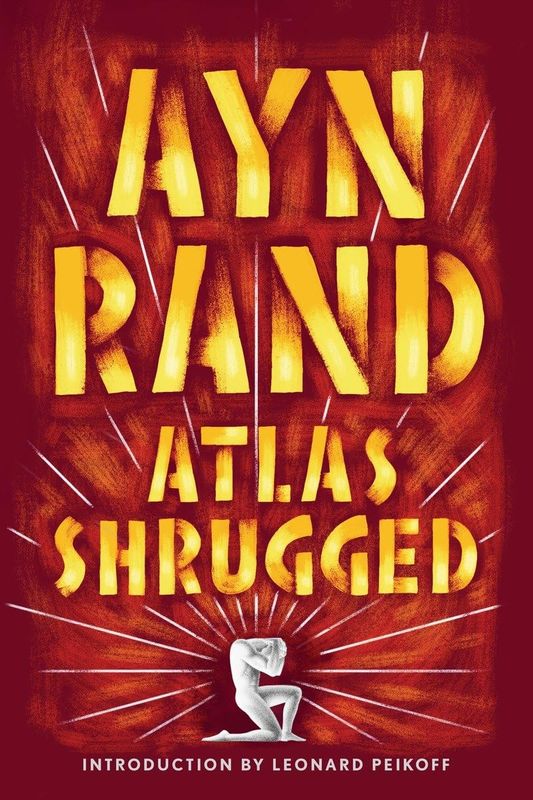
Atlas Shrugged Book Summary
In a dystopian future where government overreach stifles individual innovation, "Atlas Shrugged" follows the journey of Dagny Taggart, a fierce railroad executive. As the world's most talented individuals mysteriously vanish, Dagny must confront the philosophical implications of her society's moral decay. The novel introduces readers to the enigmatic John Galt, whose radical ideas challenge the status quo. With a gripping narrative and thought-provoking dilemmas, Rand explores themes of capitalism, personal agency, and the role of government. Will Dagny and her allies awaken a society on the brink of collapse, or will they succumb to the weight of obligation?
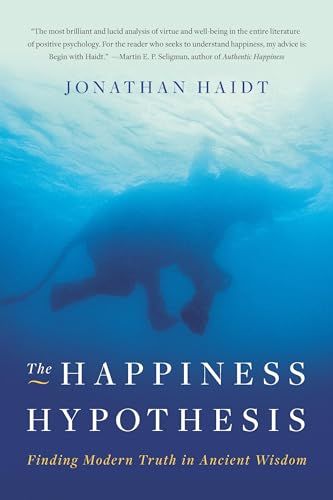
The Happiness Hypothesis Book Summary
In 'The Happiness Hypothesis', Jonathan Haidt delves into the ancient wisdom of happiness, exploring how age-old philosophies intersect with modern psychology. He presents a compelling argument that our well-being can be influenced by both our external circumstances and internal beliefs. By examining ten great ideas from various cultures, Haidt reveals surprising insights about love, morality, and the meaning of life. This engaging blend of science and philosophy challenges readers to rethink what truly brings happiness. Are we mere puppets of our circumstances, or can we take charge of our own joy?
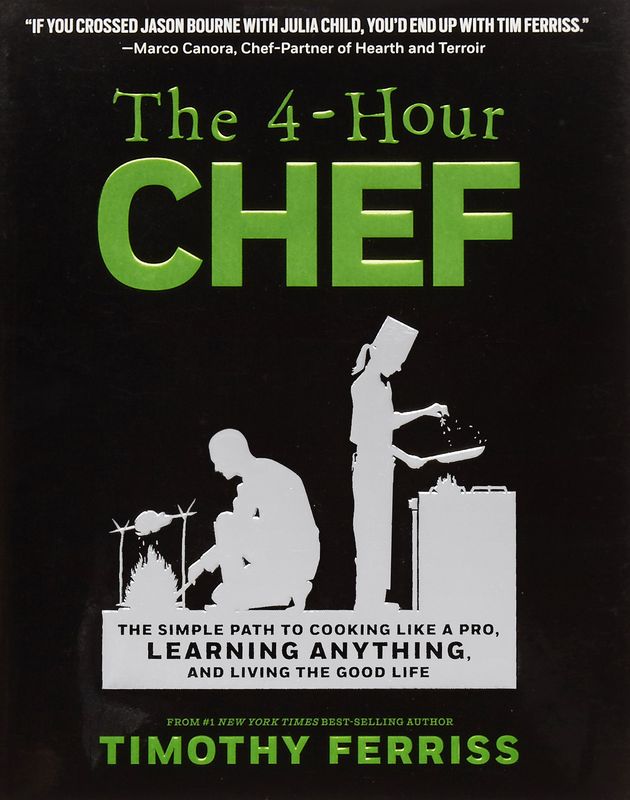
The 4-hour Chef Book Summary
In 'The 4-Hour Chef,' Timothy Ferriss revolutionizes the process of learning by applying the principles of deconstruction and rapid skill acquisition to cooking. He invites readers on an adventurous culinary expedition, transforming the kitchen into a playground for experimentation. With intriguing anecdotes and unconventional techniques, Ferriss promises not just to teach how to cook but to ignite a passion for lifelong learning. Through his unique approach, readers discover how to master any skill in record time. Are you ready to challenge the way you learn and savor the delightful journey ahead?
Showing 8 of 28 similar books
Take your reading experience to the next level
Download our mobile app to enjoy your favorite books on the go. Get access to exclusive features, offline listening, and personalized recommendations.

Similar Book Recommendations →

David Heinemeier Hansson's Book Recommendations
David Heinemeier Hansson, also known as DHH, is a Danish programmer, entrepreneur, and author, best known as the creator of Ruby on Rails, a popular web application framework. Heinemeier Hansson is also a partner at Basecamp, a project management and collaboration software company he co-founded. His contributions to software development have earned him widespread recognition, with Ruby on Rails being used by thousands of developers and companies worldwide. Heinemeier Hansson is also a vocal advocate for remote work, simplicity in business, and sustainable work practices, ideas he explores in his bestselling books Rework and It Doesn’t Have to Be Crazy at Work. In addition to his work in tech, he is an accomplished race car driver, having competed in the 24 Hours of Le Mans. Heinemeier Hansson’s approach to work-life balance and entrepreneurship has made him a thought leader in the tech community, where he continues to challenge traditional business practices and advocate for more human-centered approaches to work
Naval Ravikant's Book Recommendations
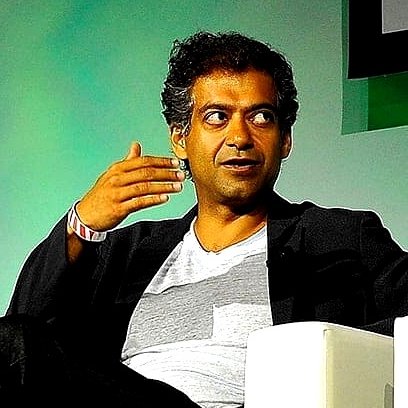
Naval Ravikant is an entrepreneur, angel investor, and philosopher, best known as the co-founder of AngelList, a platform that connects startups with investors. Ravikant is a prolific thinker and writer on topics such as startups, investing, and personal well-being, sharing his wisdom through essays, podcasts, and social media. He has invested in over 100 companies, including Uber, Twitter, and Yammer, making him one of Silicon Valley’s most successful angel investors. Ravikant is also known for his philosophical musings on wealth, happiness, and the meaning of life, which have garnered him a large and dedicated following.

Alexis Ohanian's Book Recommendations
Alexis Ohanian is an American entrepreneur, investor, and co-founder of Reddit, one of the world’s most popular social news and discussion platforms. Ohanian is also a prominent advocate for open internet and net neutrality, and he has invested in numerous startups through his venture capital firm, Initialized Capital. In addition to his work in tech, Ohanian is involved in philanthropy, supporting causes related to women’s rights, education, and social justice. He is married to tennis star Serena Williams, and together they advocate for gender equality and inclusive leadership. Ohanian’s influence in the tech world and his commitment to social impact have made him a respected figure in both business and activism.

Haley Pham's Book Recommendations
Haley Pham is an American YouTuber, entrepreneur, and content creator who rose to prominence through her lifestyle, beauty, and personal growth videos. With a loyal fanbase of millions, Pham has built a career as a social media influencer, sharing her journey through life, including topics like marriage, home renovation, and self-care. Known for her authenticity and relatability, she has expanded her brand to include a podcast and a lifestyle brand called Retro Reprise. Pham is also an advocate for mental health and often speaks openly about her personal struggles, inspiring her young audience to embrace self-acceptance. As a digital entrepreneur, she has leveraged her platform to collaborate with major brands and create products that reflect her personal style and values. Pham continues to evolve as a creator, focusing on building her business while maintaining a strong connection with her community. Her journey from vlogger to entrepreneur showcases her versatility and ambition in the digital space.
Bill Gates's Book Recommendations
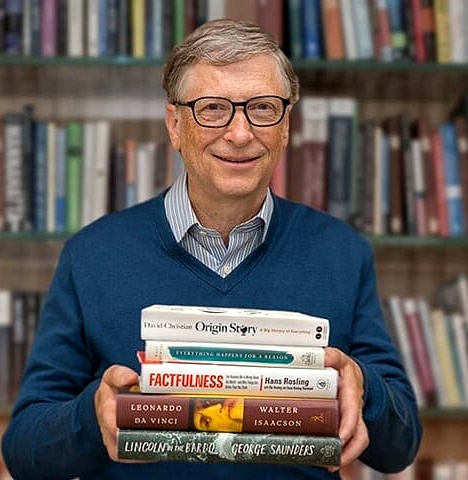
Bill Gates, co-founder of Microsoft Corporation, is a pioneering figure in the tech industry, having played a key role in the personal computer revolution. His work at Microsoft, particularly the development of Windows, transformed software and computing globally. Beyond his technology contributions, Gates is also a prolific author, with notable works such as "The Road Ahead" and "Business @ the Speed of Thought," which offer insights into the future of technology and business. Additionally, his philanthropic efforts through the Bill & Melinda Gates Foundation have had a profound impact on global health, education, and poverty. Gates continues to influence both technology and literature with his forward-thinking perspectives and innovative ideas.

Tim Urban's Book Recommendations
Tim Urban is an acclaimed writer and the co-founder of the popular blog Wait But Why, known for its deep dives into complex topics like artificial intelligence, procrastination, and the future of humanity. He is celebrated for his ability to distill complicated subjects into engaging and accessible narratives, often accompanied by quirky illustrations. Urban's TED Talk on procrastination has garnered millions of views, further cementing his reputation as a thought leader. His writing has attracted a dedicated following and has been praised for its blend of humor and insight. In addition to his blog, Urban is working on a highly anticipated book that promises to delve even deeper into the topics his readers love.

Arianna Huffington's Book Recommendations
Arianna Huffington is the founder of The Huffington Post and Thrive Global, a company focused on wellness and productivity. She is a bestselling author and prominent speaker on the importance of sleep and managing stress. Arianna’s work emphasizes the importance of balance between professional success and personal well-being. Her book The Sleep Revolution has inspired a global movement to prioritize rest. She is considered one of the most influential women in media and business.

Mark Zuckerberg's Book Recommendations
Mark Zuckerberg is an American technology entrepreneur best known for co-founding Facebook, the world's largest social media platform, which transformed global communication. Born on May 14, 1984, in White Plains, New York, he launched Facebook in 2004 while attending Harvard University. Under his leadership, Facebook expanded rapidly, influencing the social media landscape and digital advertising. Zuckerberg has also authored numerous articles and essays on technology, innovation, and the future of the internet. His work has had a profound impact on how people connect and share information in the digital age.
Showing 8 of 9 related collections
“The more you engage with social media, the less you experience the real world, which is where true joy and connection reside.”
Ten Arguments for Deleting Your Social Media Accounts Right Now
By Jaron Lanier
Frequently Asked Questions
Explore Our Catalogue
Discover a world of knowledge through our extensive collection of book summaries.
Genres
Genres
Genres
Featured Collections
- Top Book Club Picks
- One-Stop Nutrition
- Summer Reads 2024
- Best Beach Reads 2024
- Work-Life Balance Guide
- Time Management
- Healthy Foods
- Entrepreneur Toolkit
- Mind & Body Wellness
- Future Tech Insights
- Leadership Essentials
- Financial Freedom
- Sci-Fi Masterpieces
- Parenting 101
- Books That Became Blockbusters
- Guide to a Healthy Pregnancy