The Annotated Flatland Book Summary
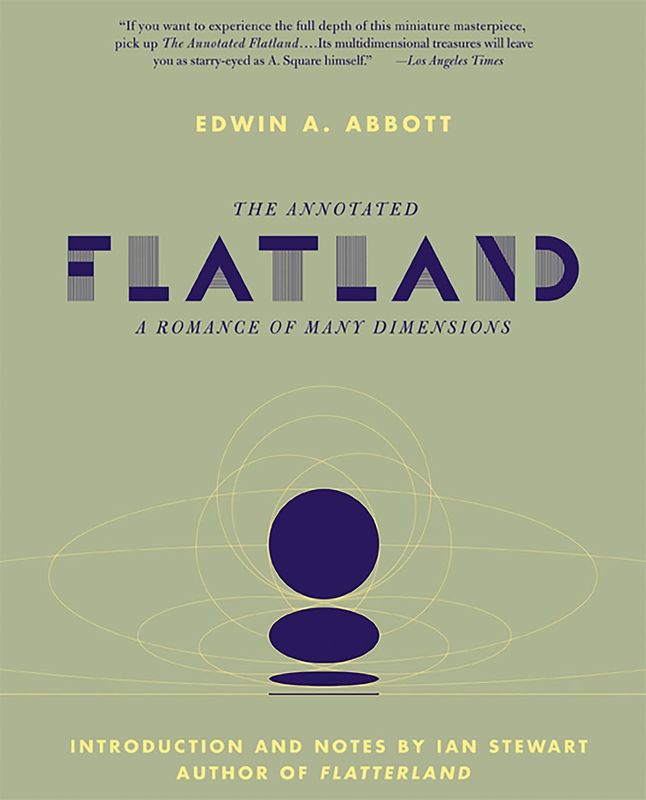
In 'The Annotated Flatland', the classic satire of Victorian society gets a modern twist with insightful commentary. This unique tale invites readers into a two-dimensional world where geometric shapes represent social classes, sparking intrigue about the nature of perception and reality. As the protagonist, a humble square, grapples with the limitations of his flat existence, profound questions about dimensions and consciousness arise. The annotations enrich the experience, linking the narrative to contemporary themes in science and philosophy. Discover how this whimsical exploration transcends its era and challenges us to rethink the boundaries of our own world.
By
Published: 2008
"In a world where dimensions are as rigidly defined as the lines on a page, how do we dare to imagine what lies beyond our own limitations?"

Start Listening to Book Summary
Book Review of The Annotated Flatland
Flatland is a unique, delightful satire that has charmed readers for over a century. Published in 1884 by the English clergyman and headmaster Edwin A. Abbott, it is the fanciful tale of A. Square, a two-dimensional being who is whisked away by a mysterious visitor to The Land of Three Dimensions, an experience that forever alters his worldview. Like the original, Ian Stewart's commentary takes readers on a strange and wonderful journey. With clarity and wit, Stewart illuminates Abbott's numerous Victorian references and touches on such diverse topics as ancient Babylon, Karl Marx, Mary Shelley's Frankenstein, Mt. Everest, H.G. Wells, and phrenology. The Annotated Flatland makes fascinating connections between Flatland and Abbott's era, resulting in a classic to rival Abbott's own, and a book that will inspire and delight curious readers for generations to come.
Book Overview of The Annotated Flatland
About the Book Author
Book Details
Key information about the book.
- Authors
- Published
- July 2008
- Publisher
- Basic Books
- ISBN
- 0465011233
- Language
- English
- Pages
- 272
- Genres
- PhilosophySatirical LiteratureLiteraturePopular ScienceLiterary FictionScience Fiction
Purchase Options
 Buy on Amazon
 Buy via BookShop
Support local bookstores: BookShop gives a portion of each sale to independent bookshops!
Similar books you might like →
Cosmos Book Summary
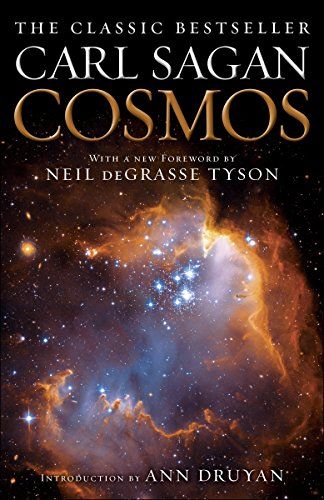
In "Cosmos," Carl Sagan embarks on a thrilling expedition through space and time, weaving together the threads of science, history, and philosophy. With stunning prose, he unveils the wonders of the universe, exploring the birth of stars, the evolution of life, and the intricacies of human existence. Sagan’s passion for discovery ignites a sense of awe, inviting readers to ponder our place within the vast cosmos. As he delves into topics from alien civilizations to the origins of consciousness, each page beckons you to rethink what you know about the universe. Prepare to be captivated by a journey that challenges the boundaries of human understanding, leaving you eager to uncover the mysteries that lie beyond the stars.
Introduction to Mathematical Philosophy Book Summary
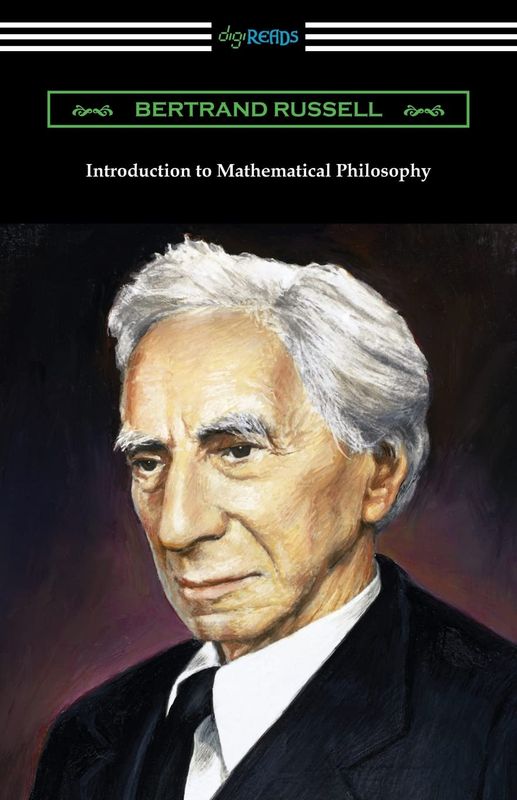
In 'Introduction to Mathematical Philosophy,' Bertrand Russell takes readers on a fascinating journey through the foundations of mathematics and its philosophical implications. He explores concepts such as numbers, infinity, and the nature of mathematical truth, challenging conventional thinking. With his unique blend of clarity and insight, Russell demystifies complex ideas, revealing the profound connections between logic and mathematics. This thought-provoking work not only invites readers to rethink their understanding of numbers but also questions the very essence of reality itself. A must-read for anyone intrigued by the interplay of philosophy and mathematics, this book promises to expand your horizons.
If the Universe Is Teeming with Aliens ... WHERE IS EVERYBODY? Book Summary
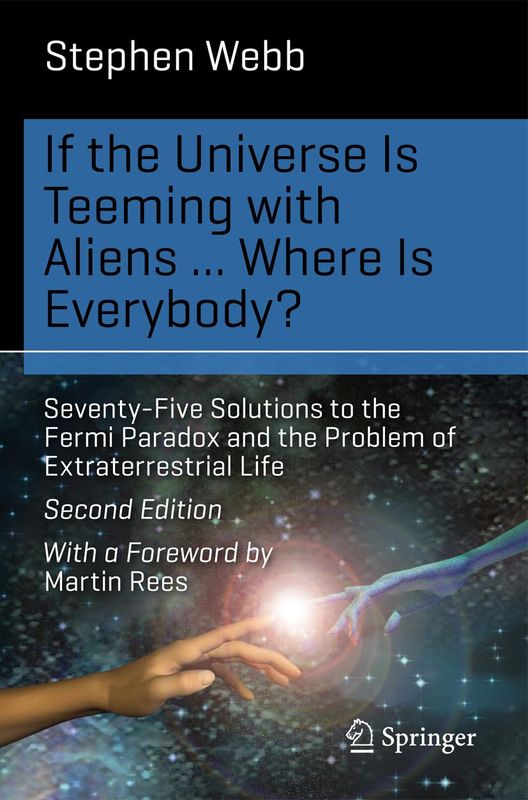
In 'If the Universe Is Teeming with Aliens ... WHERE IS EVERYBODY?', Stephen Webb explores the tantalizing paradox of the Fermi question: if the cosmos is filled with extraterrestrial life, why haven't we encountered any? Through a captivating blend of science, philosophy, and speculation, Webb presents intriguing theories and potential explanations for the silence of the universe. He delves into topics such as the vastness of space, technological limitations, and the nature of life itself. Each chapter unravels more mysteries, keeping readers on the edge of their seats. This thought-provoking journey compels us to reconsider our place in the universe and the possibilities that lie beyond our planet.
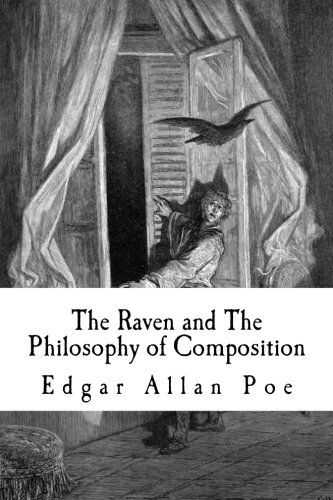
The Philosophy of Composition Book Summary
In 'The Philosophy of Composition,' Edgar Allan Poe unveils his meticulous approach to writing, arguing that artistic creation is a calculated endeavor rather than purely intuitive. He dissects his own poem 'The Raven,' revealing the deep psychological and structural elements that contribute to its haunting allure. Poe explores the interplay of beauty, emotion, and effect, offering a profound glimpse into the mind of a master writer. With each analytical step, he ignites curiosity about the art of storytelling and the techniques that captivate readers. This exploration leaves one pondering: What secrets lie behind the craft of their favorite writers?
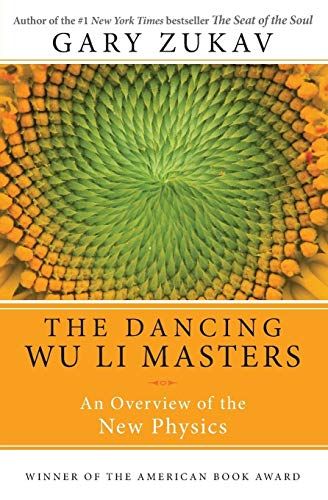
Dancing Wu Li Masters Book Summary
In 'Dancing Wu Li Masters,' Gary Zukav invites readers into the fascinating intersection of physics and Eastern philosophy. This insightful exploration reveals how the realms of quantum mechanics and ancient wisdom converge, challenging our understanding of reality. Zukav introduces readers to the 'Wu Li Masters,' a captivating metaphor for scientists and spiritual seekers who are dancing in the quantum world. As he weaves together complex theories with accessible language, the book sparks curiosity about the nature of existence and consciousness. Prepare to be enlightened as you journey through the seemingly paradoxical ideas that govern our universe.
Alien vs. Predator Book Summary
In 'Alien vs. Predator,' Michael Robbins intertwines the thrill of intergalactic confrontation with the stark realities of survival. The narrative plunges readers into a fierce battle between two iconic species, each with its own motives and secrets. As the suspense escalates, unexpected alliances and betrayals emerge, challenging preconceived notions of what it means to be a predator. Robbins crafts an intricate tapestry of action, philosophy, and ethical dilemmas set against a backdrop of stunning cosmic landscapes. Will humanity become the unwitting pawn in this celestial struggle, or can they forge their own destiny amid chaos?
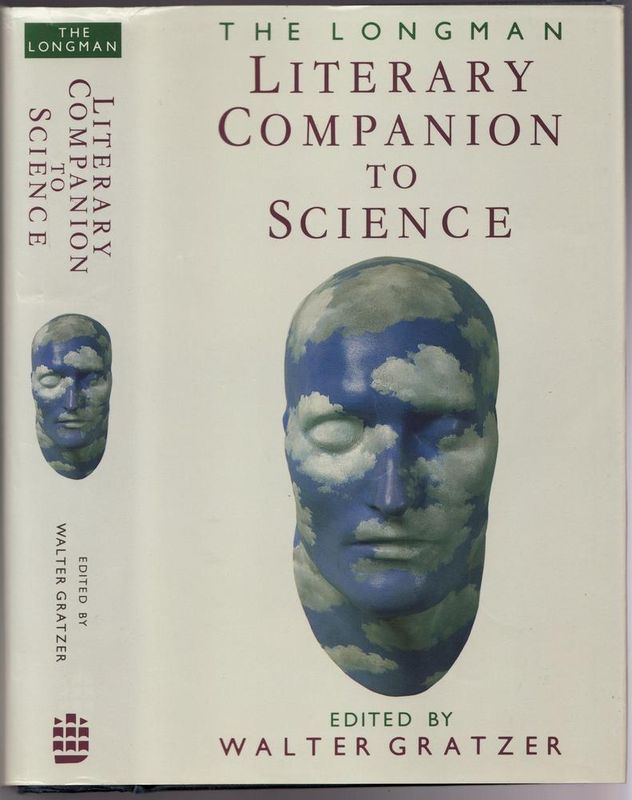
A Literary Companion to Science Book Summary
A Literary Companion to Science by Angus Fletcher delves into the intersection of science and literature, exploring how scientific concepts have influenced writers throughout history. This insightful book reveals the hidden connections between scientific breakthroughs and the literary imagination, offering readers a unique perspective on how science shapes the way we think, write, and understand the world. Fletcher draws from a wide array of texts and historical figures, showing how literature has responded to and reflected on scientific advancements across centuries.
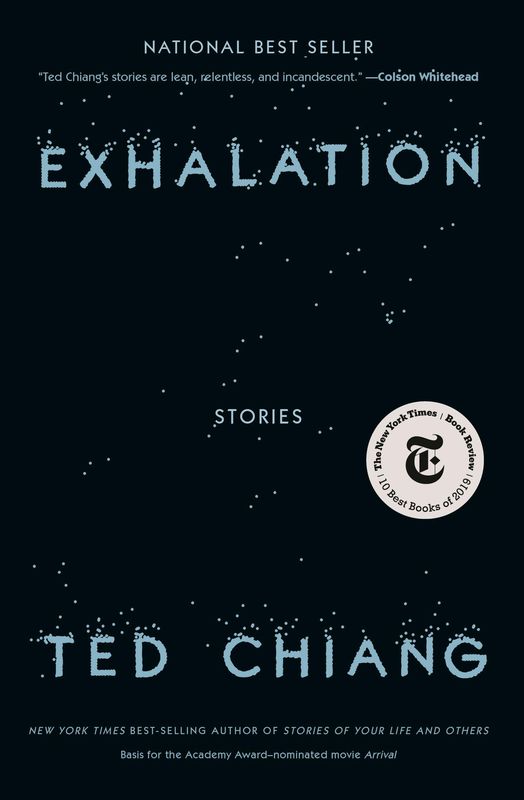
Exhalation Book Summary
In 'Exhalation,' Ted Chiang invites readers into a universe where the boundaries of science fiction and philosophy beautifully intertwine. Through a series of thought-provoking stories, he explores the nature of consciousness, free will, and the essence of existence itself. Each narrative unfolds like a delicate puzzle, challenging our perceptions of time and reality. As the characters confront their own limitations and the inevitability of change, readers are prompted to reflect on life’s most profound questions. This collection leaves an indelible mark, urging us to ponder what it truly means to be alive.
Showing 8 of 30 similar books
Take your reading experience to the next level
Download our mobile app to enjoy your favorite books on the go. Get access to exclusive features, offline listening, and personalized recommendations.

Similar Book Recommendations →
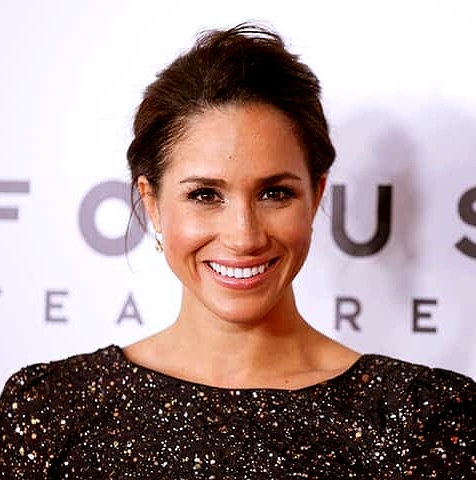
Meghan Markle's Book Recommendations
Meghan Markle, Duchess of Sussex, is an American actress, humanitarian, and author known for her role as Rachel Zane on the television series "Suits." After marrying Prince Harry in 2018, she became a prominent figure in the British royal family and an advocate for social justice and women's rights. In 2021, she published her first children's book, "The Bench," which explores the bond between fathers and sons through a mother's eyes. Markle's literary work reflects her commitment to storytelling and her passion for fostering empathy and understanding. Beyond literature, she co-founded the Archewell Foundation with Prince Harry to promote compassion and well-being globally.
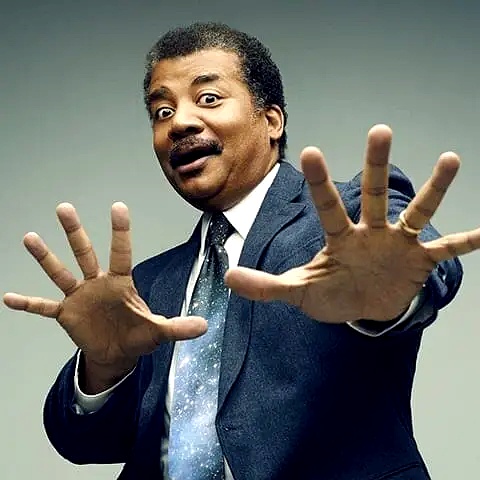
Neil deGrasse Tyson's Book Recommendations
Neil deGrasse Tyson is a renowned astrophysicist, author, and science communicator, best known for his work in popularizing science through various media. As the director of the Hayden Planetarium in New York City, he has played a pivotal role in bringing astronomical discoveries to the public. Tyson has authored several bestselling books, including "Astrophysics for People in a Hurry" and "The Pluto Files," which have made complex scientific concepts accessible to a broad audience. He is also the host of the popular science TV show "Cosmos: A Spacetime Odyssey," a continuation of Carl Sagan's groundbreaking series. Tyson's contributions have significantly enhanced public understanding and appreciation of the universe.
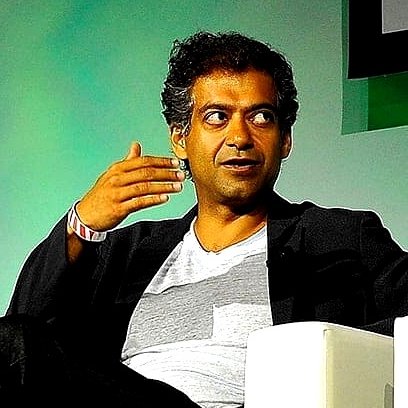
Naval Ravikant's Book Recommendations
Naval Ravikant is an entrepreneur, angel investor, and philosopher, best known as the co-founder of AngelList, a platform that connects startups with investors. Ravikant is a prolific thinker and writer on topics such as startups, investing, and personal well-being, sharing his wisdom through essays, podcasts, and social media. He has invested in over 100 companies, including Uber, Twitter, and Yammer, making him one of Silicon Valley’s most successful angel investors. Ravikant is also known for his philosophical musings on wealth, happiness, and the meaning of life, which have garnered him a large and dedicated following.

Abi Tyas Tunggal's Book Recommendations
Abi Tyas Tunggal is a distinguished author known for his impactful contributions to contemporary literature and digital content. He has garnered acclaim for his insightful storytelling and adept handling of complex themes, resonating with a diverse readership. Tunggal's work often explores the intersections of technology, society, and human experience, making him a prominent voice in modern narrative arts. Beyond his literary achievements, he is also recognized for his innovative use of digital platforms to engage with and expand his audience. Tunggal continues to influence the literary landscape with his thought-provoking and accessible writing.

Patrick Collison's Book Recommendations
Patrick Collison is an Irish entrepreneur and co-founder of Stripe, a global technology company that enables businesses to accept online payments. Along with his brother John, Patrick has transformed Stripe into one of the most valuable private tech companies in the world. Stripe’s innovative approach to online payments has made it a key player in the financial technology space. Collison is known for his deep interest in science, technology, and policy, often engaging in conversations about innovation, progress, and how to improve societal outcomes. He is an advocate for scientific advancement and the intersection of technology and public policy.
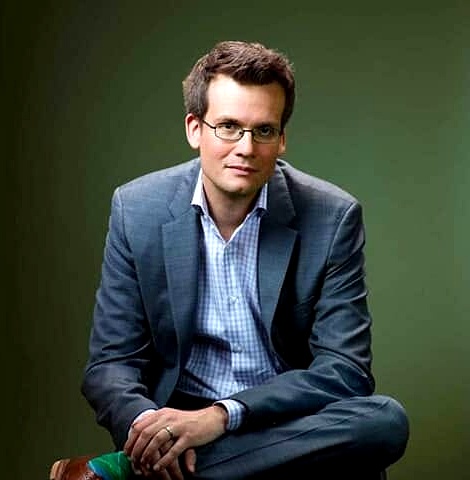
John Green's Book Recommendations
John Green is an American author, YouTuber, and educator, best known for his best-selling novels The Fault in Our Stars and Looking for Alaska. Green's writing often explores themes of love, loss, and the complexity of adolescence, resonating with both young adults and adults alike. He is also the co-creator of the YouTube channels Vlogbrothers and CrashCourse, where he educates viewers on history, literature, and science in an engaging, accessible way. Green is known for his deep empathy and ability to connect with readers through emotionally powerful storytelling. His work in literature and online education has made him a beloved figure in both media and education circles.

Barack Obama's Book Recommendations
Barack Obama is the 44th President of the United States, serving from 2009 to 2017. As the first African American president, Obama’s leadership marked a historic moment in American history. His administration focused on healthcare reform, economic recovery from the Great Recession, and environmental policies. He is best known for the Affordable Care Act, as well as his efforts to expand civil rights and restore diplomatic relations with Cuba. Since leaving office, Obama has continued to engage in public life through his foundation, focusing on leadership development, civic engagement, and global issues.
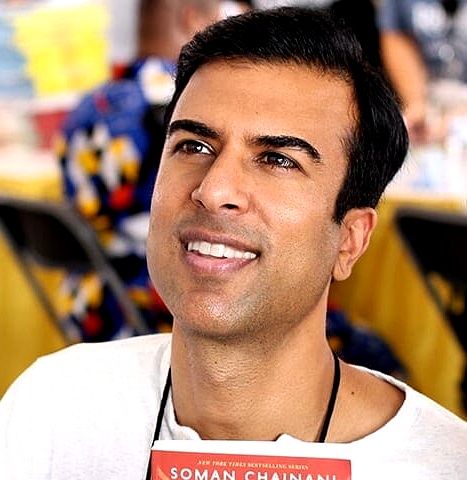
Soman Chainani's Book Recommendations
Soman Chainani is a renowned author best known for his bestselling fantasy series, "The School for Good and Evil," which has been translated into multiple languages and adapted into a film by Netflix. He is a graduate of Harvard University, where he studied English and American Literature, and holds an MFA in Film from Columbia University. Chainani's work often explores themes of friendship, identity, and the nature of good and evil, captivating young adult readers worldwide. In addition to his achievements as a novelist, he has also received accolades for his work as a screenwriter and filmmaker. Chainani continues to be a significant figure in contemporary children's and young adult literature, inspiring a new generation of readers and writers.
Showing 8 of 17 related collections
“In a world where dimensions are as rigidly defined as the lines on a page, how do we dare to imagine what lies beyond our own limitations?”
The Annotated Flatland
By
Frequently Asked Questions
Explore Our Catalogue
Discover a world of knowledge through our extensive collection of book summaries.
Genres
Genres
Genres
Featured Collections
- Top Book Club Picks
- One-Stop Nutrition
- Summer Reads 2024
- Best Beach Reads 2024
- Work-Life Balance Guide
- Time Management
- Healthy Foods
- Entrepreneur Toolkit
- Mind & Body Wellness
- Future Tech Insights
- Leadership Essentials
- Financial Freedom
- Sci-Fi Masterpieces
- Parenting 101
- Books That Became Blockbusters
- Guide to a Healthy Pregnancy