The Arab Mind Book Summary
In 'The Arab Mind', Raphael Patai explores the intricate psychological and cultural traits that characterize Arab societies. Delving into historical contexts, he reveals how shared experiences and societal norms shape viewpoints and attitudes. A blend of anthropology, psychology, and sociology, the book challenges common stereotypes while illuminating the typical patterns of thought among Arabs. Patai's insights provide a compelling perspective on the complex interplay of identity, tradition, and modernity. This provocative examination invites readers to rethink their understanding of Arab culture through a deeper psychological lens.
By Raphael Patai
Published: 2014
"Understanding the Arab mind requires not just knowledge of the culture and history, but also an appreciation for the nuances of emotion, tradition, and the deep-rooted values that shape their worldview."


Start Listening to Book Summary
Book Review of The Arab Mind
First published in 1973, revised in 1983, and updated in 2007 with new demographic information about the Arab world, The Arab Mind takes readers on a journey through the societies and peoples of a complex and volatile region. This sensitive study explores the historical origins of Arab nationalism, the distinctive rhetorical style of Arabic speakers and its effect on politics, traditional attitudes toward child-reading practices, the status of women, the beauty of Arabic literature, and much more. Since Sept 11, 2001, the book's lessons have been misconstrued by some but have proven indispensable to those trying to truly understand the roots of the major political conflicts of our time. In 2010 the book is more relevant than ever. Patai's sympathetic but critical depiction of Arab culture explores the continuing role of the Bedouin values of honor and courage in modern Arab culture, inter-Arab conflict and the aspiration toward unity, and how anti-Western attitudes conflated with anti-modernization have led to stagnation in much of the Arab world. Patai, a prominent anthropologist and historian, drew both on his research and his personal experience to produce this indispensable work in the field of Middle Eastern studies. With an updated forward by Norvell B. DeAtkine, former director of Middle East studies at the JFK Special Warfare School, The Arab Mind remains a relevant and crucial masterpiece of scholarship for anyone seeking to understand this multifaceted culture today. Reviews: "I took this book to Baghdad for my military assignment and left it there with friends who continue to use it to help inform their experiences. The book helped me understand what I was seeing with my own eyes and helped me avoid mis-steps that probably would have been misinterpreted. The book rang true with my experiences and helped me understand the Iraqi people, who I found to be generally good and noble. " "I have lived in the Middle East, on and off, for four years, and no book explained the Arab mind as well as Raphael Patai's. Written over 30 years ago, it still rings true in so many aspects, and definitely helps explain the cultural clashes that still occur and slow down the process of coexisting. Raphael Patai's love of Arabia and all things Arabic is very obvious throughout his work. Even so, Patai managed to be objective and to portray the good and the bad in Arab culture. Too many authors take one road or the other, allowing personal feelings and thoughts to encroach on the necessary objectivity. Patai, like a true sociologist, presents how a culture was formed, in language easily understandable to the Western mind. . . . "The Arab Mind should nonetheless be mandatory reading for all government workers in the Middle East, as it is truly an indispensible guide through a culture that has been around longer than our own." 1672 "When you read this book, you'll become interested in sociology as an interesting branch of human sciences. Patai is a genius. His book is by far the best in this respect. For Arab readers: Read the book and in no time you'll find yourselves putting names to the abundant examples Patai cites. The book deals with several interesting traits that most Arabs share in their inherent characters. These include the Arab unawareness of time, their tendency to speak more than they can actually deliver, their fixation with sex and their keenness to preserve Bedouin values which include preserving a group's honor by preserving the chastity of its female members. Even though the book is academic, the style is entertaining as it alternates between theories and real life examples to illustrate them. The book, a classic, is certainly worth a read. Try it!"-- Review by an Arab reader
Book Overview of The Arab Mind
About the Book Author
Raphael Patai
Raphael Patai was a prolific Hungarian-American author, anthropologist, and scholar, known for his extensive contributions to the fields of Jewish studies, folklore, and anthropology. His notable works include 'The Jewish Mind', 'The Hebrew Goddess', and 'The Mystic Quest', where he explored themes of Jewish identity, culture, and spirituality with a unique blend of historical analysis and personal insight. Patai's writing style is characterized by a scholarly rigor combined with accessible language, enabling a broad audience to engage with complex subjects. His work has had a significant impact on the understanding of Jewish cultural and religious life.
Book Details
Key information about the book.
- Authors
- Raphael Patai
- Published
- September 2014
- Publisher
- N/A
- ISBN
- 0967201551
- Language
- English
- Pages
- 496
- Genres
- Social PsychologyPsychologyCultural History
Purchase Options
 Buy on Amazon
 Buy via BookShop
Support local bookstores: BookShop gives a portion of each sale to independent bookshops!
Similar books you might like →
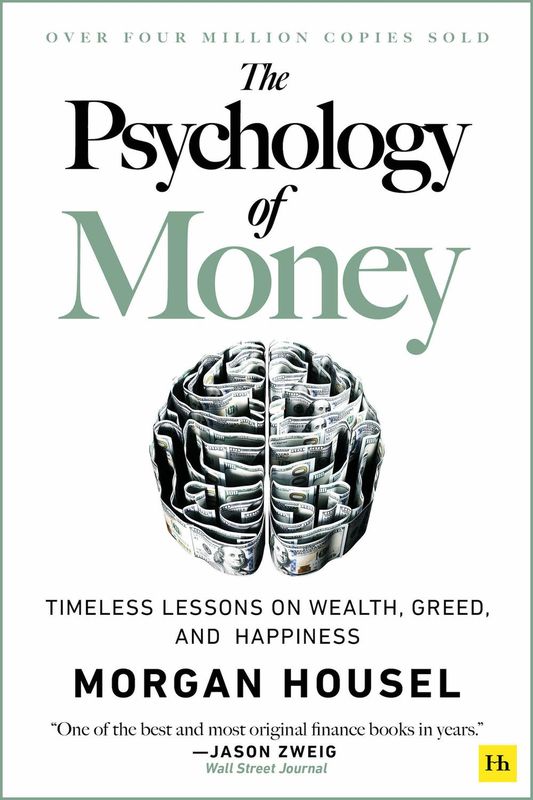
The Psychology of Money Book Summary
In "The Psychology of Money," Morgan Housel unravels the complex relationship between our emotions and financial decisions. Through captivating anecdotes and profound insights, he reveals that wealth isn't just about numbers, but about behavior and mindset. The book challenges conventional wisdom, urging readers to understand the subtle psychological forces that influence our spending and saving habits. Housel's reflections highlight the power of patience, humility, and a long-term perspective in building true financial success. Prepare to rethink everything you thought you knew about money and its role in your life!
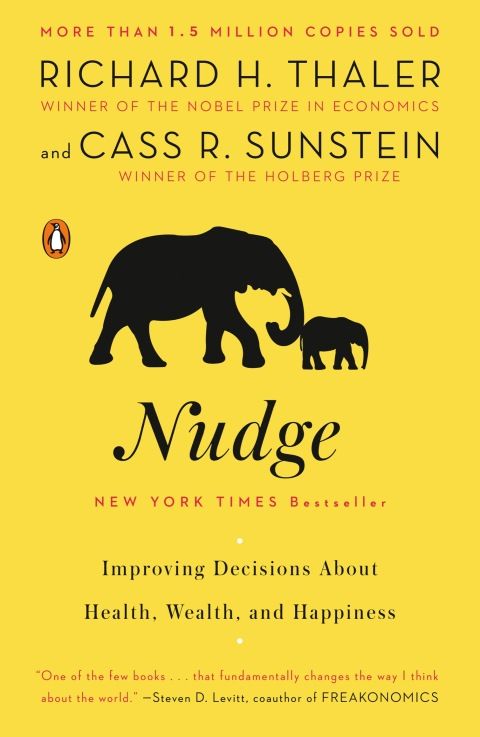
Nudge Book Summary
In "Nudge," behavioral economists Richard Thaler and Cass Sunstein unveil the subtle art of influencing choices and shaping outcomes without restricting freedom. They explore how small, seemingly insignificant changes in the way options are presented can lead to drastically improved decisions in health, finance, and overall happiness. With compelling real-world examples and engaging insights, the authors demonstrate how understanding human psychology can empower individuals and policymakers alike. Dive into a world where choice architecture transforms lives and reshapes society's approach to welfare. Discover the hidden nudges that could change everything about the way we choose!
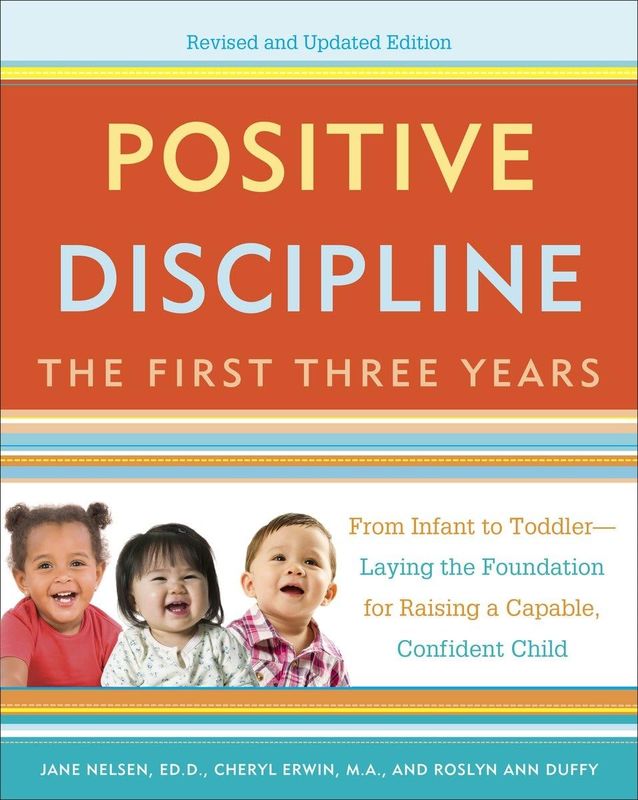
Positive Discipline: The First Three Years, Revised and Updated Edition Book Summary
In "Positive Discipline: The First Three Years," authors Jane Nelsen and Cheryl Erwin unveil a revolutionary approach to parenting that fosters cooperation, empathy, and discipline in the formative early years. The book blends modern psychology with timeless principles to provide practical strategies for handling common toddler challenges without resorting to punishment. With engaging anecdotes and actionable advice, it empowers parents to build strong, respectful relationships with their little ones. Discover how positive reinforcement can transform your child's behavior and cultivate a nurturing environment. Dive in to unlock the secrets of compassionate parenting that will set the stage for lifelong success!
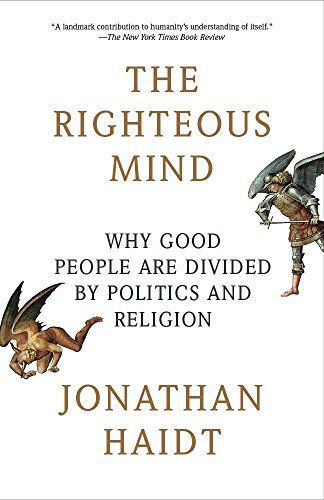
The Righteous Mind Book Summary
In 'The Righteous Mind', Jonathan Haidt explores the intricacies of human morality and its impact on political divisions. He argues that our sense of right and wrong is shaped more by intuition than by reason, leading to deep-seated clashes between differing moral perspectives. Using insights from psychology, sociology, and anthropology, Haidt delves into the reasons why people hold vastly opposing views despite sharing the same facts. The book encourages readers to understand, rather than vilify, opposing beliefs, making it a compelling read for anyone seeking to navigate the complexities of modern discourse. It challenges us to reconsider our moral frameworks and opens the door to greater empathy in an increasingly polarized world.

Addiction by Design Book Summary
In 'Addiction by Design', Natasha Dow Schüll explores the fascinating intersection of technology, gambling, and human psychology. She reveals how modern gaming machines are meticulously engineered to foster addictive behaviors, drawing players into a relentless cycle of engagement. Through immersive narratives and compelling case studies, Schüll raises critical questions about free will and the seductive nature of design in our digital age. This thought-provoking investigation challenges readers to consider the impact of technology on their lives and society at large. Dive into this eye-opening journey to understand the dark artistry behind the designs that capture us.
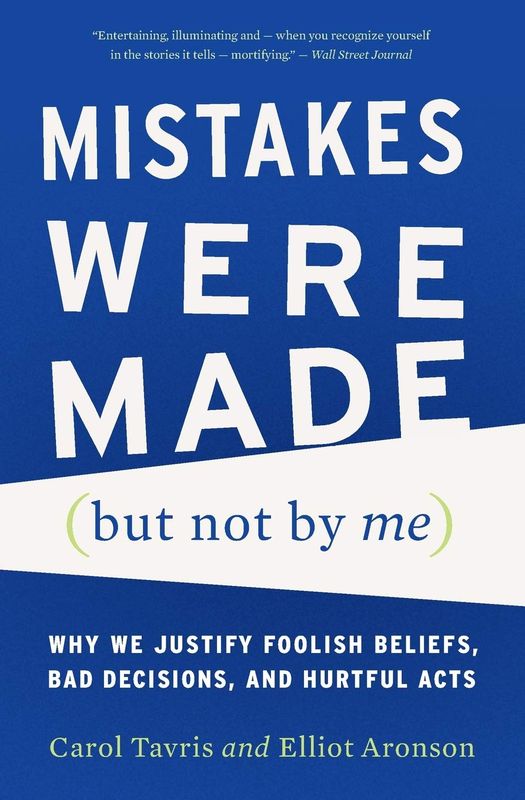
Mistakes Were Made (but Not by Me) Book Summary
In 'Mistakes Were Made (but Not by Me)', Carol Tavris and Elliot Aronson explore the psychological mechanisms of self-justification and the often-unconscious ways we avoid admitting our wrongs. With compelling examples from history, psychology, and personal anecdotes, the authors reveal why people, from individuals to large organizations, refuse to accept accountability. This thought-provoking book challenges readers to confront their own biases and the cognitive dissonance that influences decision-making. Will you choose to embrace the discomfort of acknowledging your mistakes? Dive into this enlightening read and discover the profound impact of accountability on personal growth and relationships.

Sum Book Summary
In 'Sum,' David Eagleman takes readers on a journey through the afterlife, presenting a series of imaginative vignettes that explore the myriad possibilities of existence beyond death. Each scenario forces readers to confront deep questions about identity, consciousness, and the essence of what it means to be human. Eagleman's captivating prose blends science and philosophy, inviting us to envision alternate realities that challenge our conventional beliefs. With its blend of creativity and introspection, 'Sum' promises to expand your mind and spark your imagination. Are you ready to explore what lies beyond the final curtain?
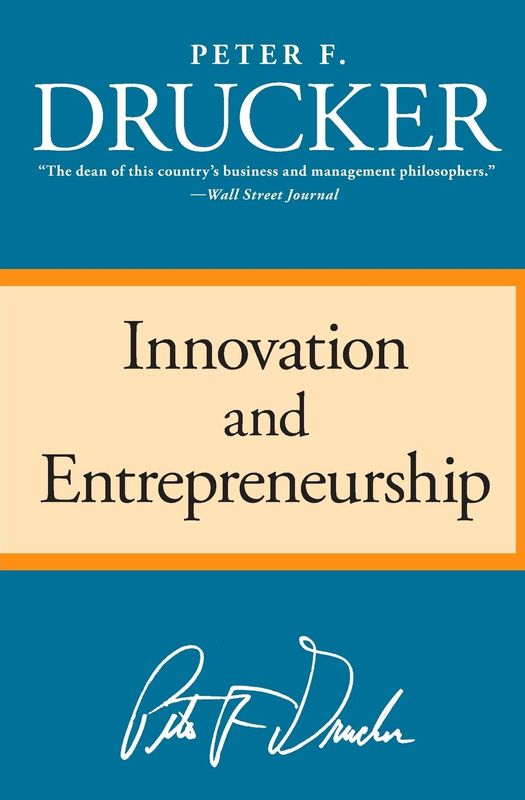
Innovation and Entrepreneurship Book Summary
In 'Innovation and Entrepreneurship', Peter F. Drucker unveils the secrets of driving economic growth through innovative practices. He emphasizes that innovation is not just the privilege of inventors but a systematic discipline that can be taught and learned. Drucker defines the entrepreneur's role as an agent of change, highlighting how they harness opportunities to create value. Through practical insights and real-world examples, he challenges traditional notions of business and presents a roadmap for successful entrepreneurship. This book is essential for anyone eager to understand the dynamic interplay between innovation and the market!
Showing 8 of 23 similar books
Take your reading experience to the next level
Download our mobile app to enjoy your favorite books on the go. Get access to exclusive features, offline listening, and personalized recommendations.

Similar Book Recommendations →

David Heinemeier Hansson's Book Recommendations
David Heinemeier Hansson, also known as DHH, is a Danish programmer, entrepreneur, and author, best known as the creator of Ruby on Rails, a popular web application framework. Heinemeier Hansson is also a partner at Basecamp, a project management and collaboration software company he co-founded. His contributions to software development have earned him widespread recognition, with Ruby on Rails being used by thousands of developers and companies worldwide. Heinemeier Hansson is also a vocal advocate for remote work, simplicity in business, and sustainable work practices, ideas he explores in his bestselling books Rework and It Doesn’t Have to Be Crazy at Work. In addition to his work in tech, he is an accomplished race car driver, having competed in the 24 Hours of Le Mans. Heinemeier Hansson’s approach to work-life balance and entrepreneurship has made him a thought leader in the tech community, where he continues to challenge traditional business practices and advocate for more human-centered approaches to work

Julian Shapiro's Book Recommendations
Julian Shapiro is a renowned writer and entrepreneur, acclaimed for his insightful essays on personal growth and marketing strategies. He is the author of "The Julian Shapiro Collection," a compilation of his most impactful writings that have garnered a wide readership online. Shapiro co-founded the growth marketing agency Bell Curve, where he has helped numerous startups achieve exponential growth. His work often blends practical advice with deep philosophical inquiries, making complex subjects accessible to a broad audience. Through his prolific writing and entrepreneurial ventures, Julian has become a key figure in the intersection of business and self-improvement literature.

Lex Fridman's Book Recommendations
Lex Fridman is an artificial intelligence researcher, podcaster, and MIT professor, known for his work in autonomous vehicles, robotics, and deep learning. Fridman has gained widespread popularity through his podcast, Lex Fridman Podcast, where he interviews leading thinkers in science, technology, and philosophy, exploring topics like AI, consciousness, and the future of humanity. His academic work focuses on human-centered AI, aiming to create machines that can better understand and interact with humans. Fridman’s ability to distill complex topics into accessible conversations has earned him a large following, and his podcast is known for its thoughtful, in-depth discussions with some of the brightest minds of our time. He is also an advocate for the responsible development of AI, emphasizing the ethical implications of this rapidly advancing technology. Outside of academia and podcasting, Fridman is a practitioner of jiu-jitsu and frequently speaks about the importance of discipline and continuous learning.

Bret Victor's Book Recommendations
Bret Victor is a renowned American interface designer and computer scientist celebrated for his innovative contributions to interactive design and human-computer interaction. He is best known for creating dynamic, explorable explanations, which have significantly influenced the way educational content is presented and understood. Victor's seminal work, "Inventing on Principle," advocates for the integration of immediate feedback in creative processes, inspiring a new wave of interactive programming environments. As a former member of the Apple Human Interface team, he played a pivotal role in shaping modern user interfaces. Through his organization, Dynamicland, Victor continues to explore and expand the boundaries of immersive, collaborative computing environments.

Joe Rogan's Book Recommendations
Joe Rogan is a multifaceted American entertainer known primarily for his work as a comedian, podcast host, and commentator. He gained widespread recognition through his immensely popular podcast, "The Joe Rogan Experience," which has featured in-depth conversations with a diverse array of guests, including scientists, celebrities, and politicians. Though not primarily known for literature, Rogan has contributed to the field with his thought-provoking discussions that often explore philosophical and intellectual ideas. Additionally, he has authored the book "Mastering the Rubber Guard," which delves into Brazilian Jiu-Jitsu techniques, showcasing his expertise in martial arts. Rogan's influence extends beyond traditional media, impacting contemporary discourse through his unique blend of humor, curiosity, and critical thinking.

Charlie Munger's Book Recommendations
Charlie Munger is an American investor, businessman, and philanthropist, best known as the vice chairman of Berkshire Hathaway, where he partners with Warren Buffett. Renowned for his insights on investment strategies and mental models, Munger has significantly influenced the world of finance. His notable literary contributions include "Poor Charlie's Almanack," a compilation of his speeches and writings that distill his wisdom on decision-making and business principles. Munger's work emphasizes the importance of multidisciplinary thinking and continuous learning. Beyond his financial acumen, he is celebrated for his charitable efforts, particularly in education and healthcare.

Anna Kendrick's Book Recommendations
Anna Kendrick is an acclaimed actress and author, best known for her versatile performances in film and theater. She gained widespread recognition for her role in the "Twilight" series and earned an Academy Award nomination for her performance in "Up in the Air." In 2016, Kendrick expanded her creative repertoire by publishing her memoir, "Scrappy Little Nobody," which offers a candid, humorous look at her life and career. The book became a New York Times bestseller, showcasing her sharp wit and storytelling talent. Kendrick continues to influence both the entertainment and literary worlds with her engaging presence and authentic voice.

Morgan Housel's Book Recommendations
Morgan Housel is a financial writer and partner at The Collaborative Fund, best known for his book The Psychology of Money. His work explores the behavioral side of finance, emphasizing how emotions, history, and decision-making impact wealth-building. Housel’s writing is widely praised for being accessible, insightful, and engaging, making complex financial topics easier to understand. He contributes regularly to financial publications and speaks at conferences on the power of long-term thinking in finance. His book has become a modern classic in the personal finance genre.
Showing 8 of 17 related collections
“Understanding the Arab mind requires not just knowledge of the culture and history, but also an appreciation for the nuances of emotion, tradition, and the deep-rooted values that shape their worldview.”
The Arab Mind
By Raphael Patai
Frequently Asked Questions
Explore Our Catalogue
Discover a world of knowledge through our extensive collection of book summaries.
Genres
Genres
Genres
Featured Collections
- Top Book Club Picks
- One-Stop Nutrition
- Summer Reads 2024
- Best Beach Reads 2024
- Work-Life Balance Guide
- Time Management
- Healthy Foods
- Entrepreneur Toolkit
- Mind & Body Wellness
- Future Tech Insights
- Leadership Essentials
- Financial Freedom
- Sci-Fi Masterpieces
- Parenting 101
- Books That Became Blockbusters
- Guide to a Healthy Pregnancy